

Science Kits in Science
















About Science Kits in Science - Walmart.com
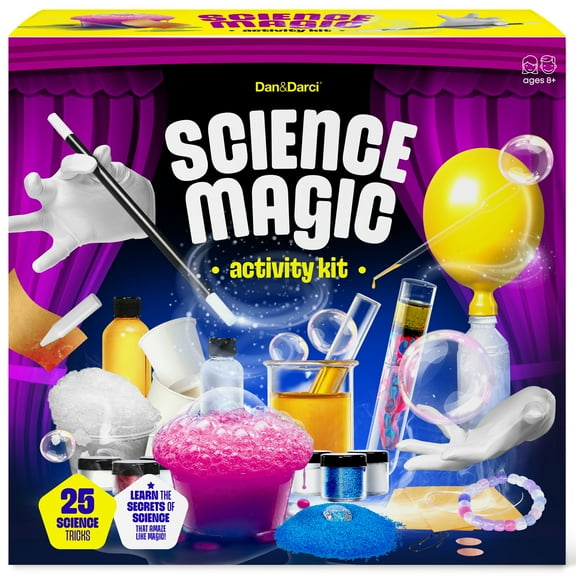
Science kits give your child hands-on ways to explore chemistry, physics, biology, and more at home or in class. You can compare age ranges, subjects, and kit types to match curiosity, skill level, and setup time.
How to choose science kits by age
Start with age guidance, because your child needs instructions, tools, and experiment steps that fit current skills. You should also check for small parts notes and adult guidance details before you choose.
For ages five to seven, you may want simple color mixing, magnets, crystals, or sensory-friendly experiments. You can look for shorter activities, larger pieces, and picture-led directions that feel easy to follow.
For ages eight to 12, you can consider multi-step projects with measuring, observation, and written results. You may notice these science experiments for kids add challenge without feeling too advanced.
With teens 12+, you can compare kits with in-depth topics, extended builds, and detailed lab-style instructions. You might prefer a focused subject approach when your learner already knows favorite science topics.
Choosing STEM science kits by subject
Your subject choice shapes the kind of learning your child sees first. You can narrow science kits easily when you match experiments to what already gets questions and attention.
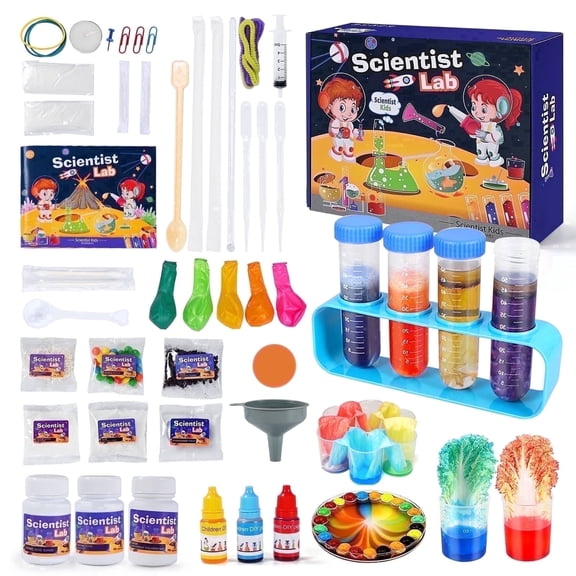
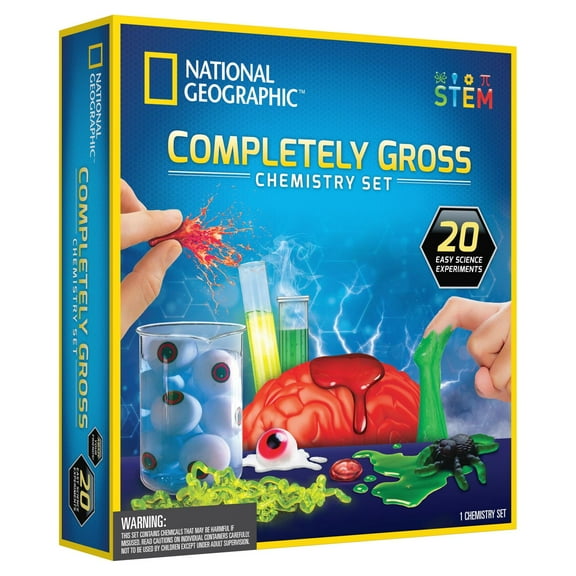
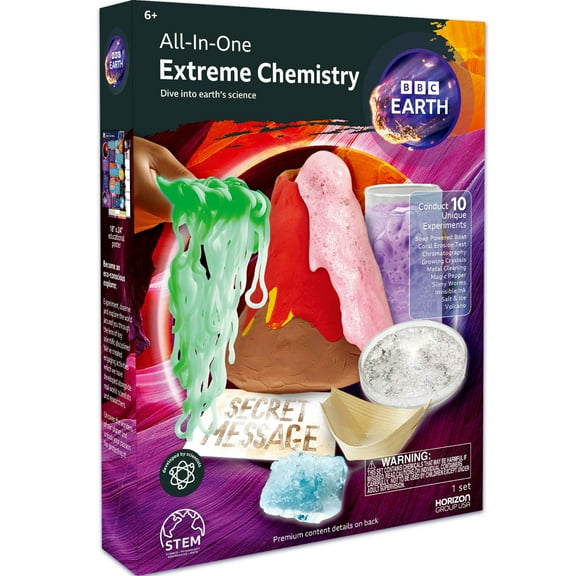
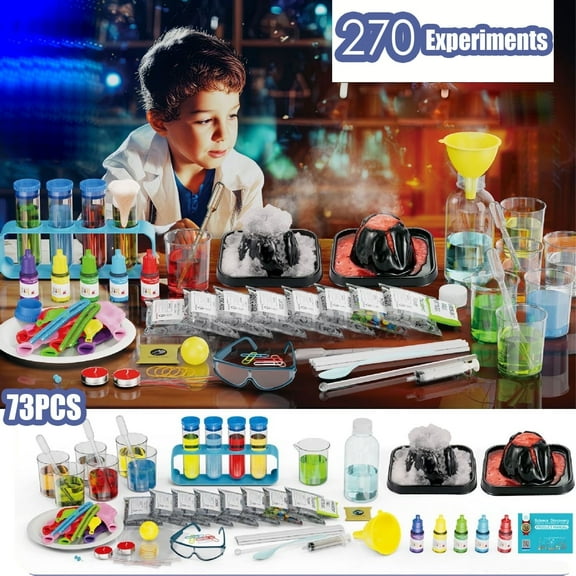
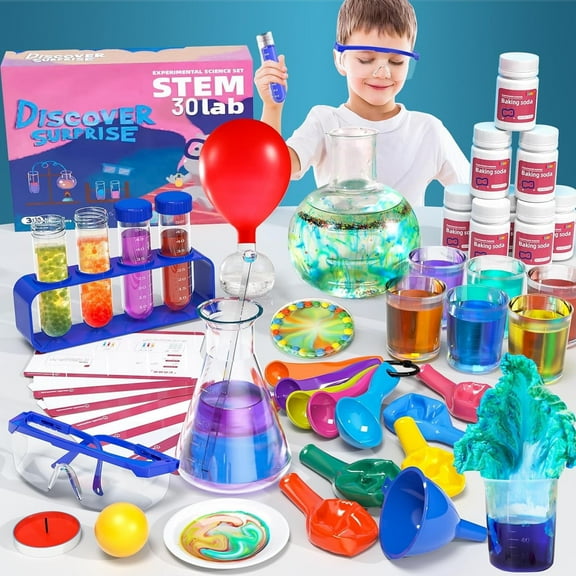
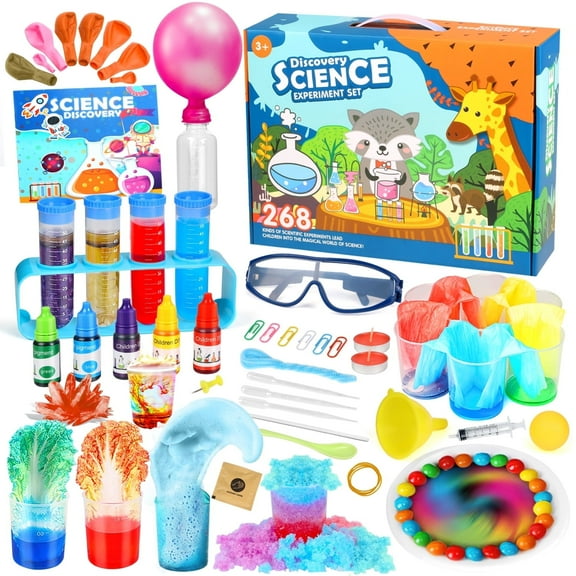
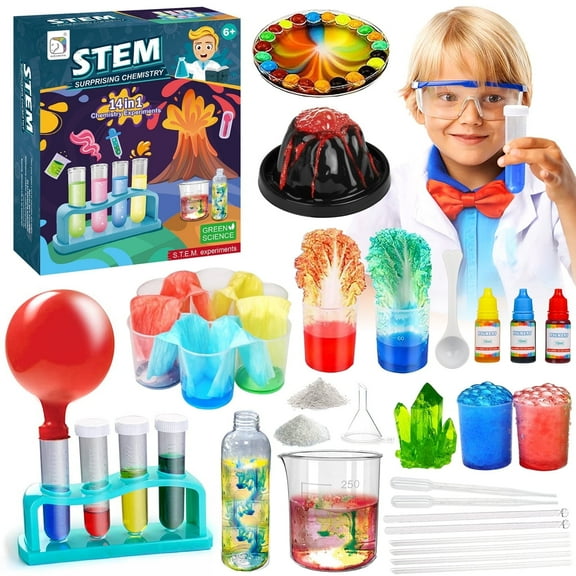
If your child likes fizzing reactions, color changes, and mixing steps, you can start with chemistry sets for kids. You can often find test tubes, powders, measuring tools, and guided reaction activities.
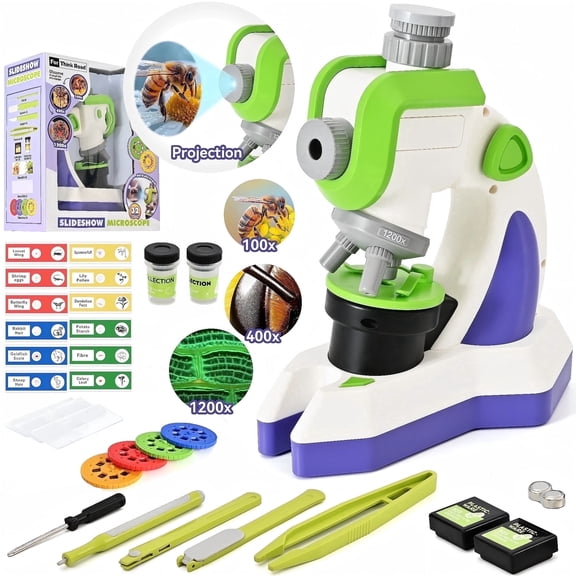
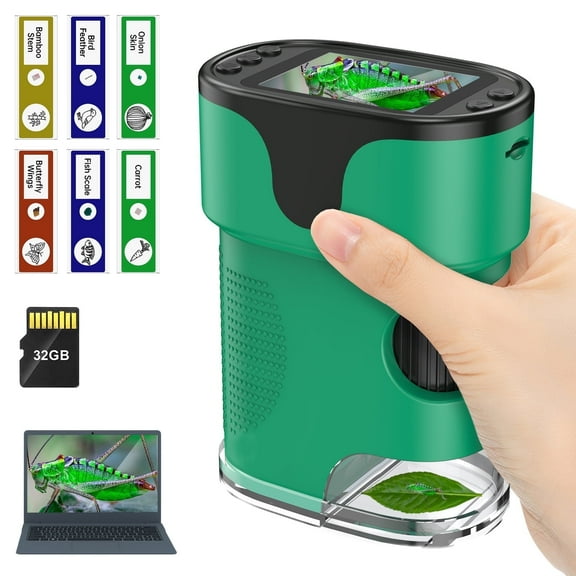
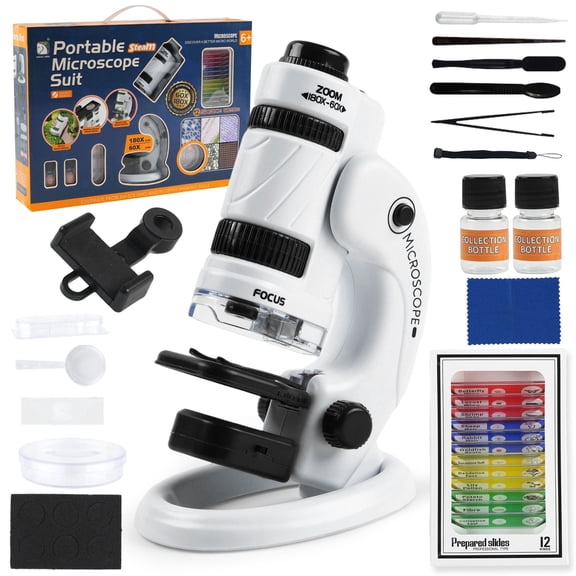
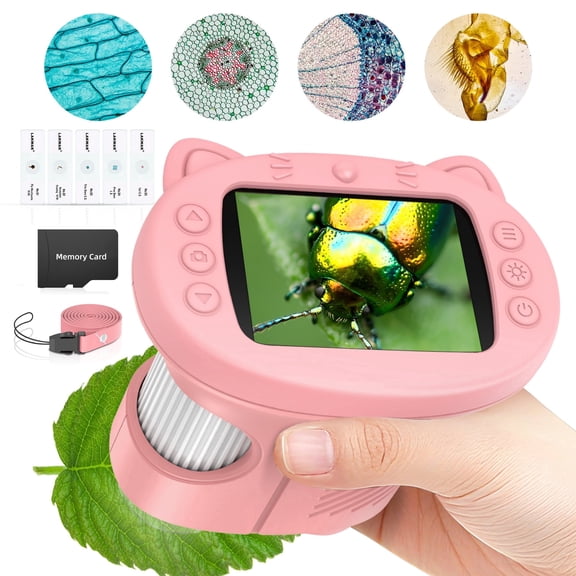
If your child watches bugs, plants, or cells, you can compare biology kits for kids. You may want specimen viewers, growing activities, slides, or model-based lessons that support observation.
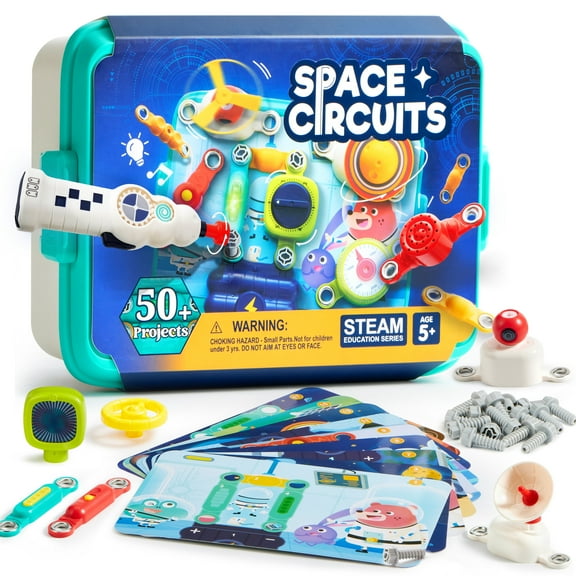
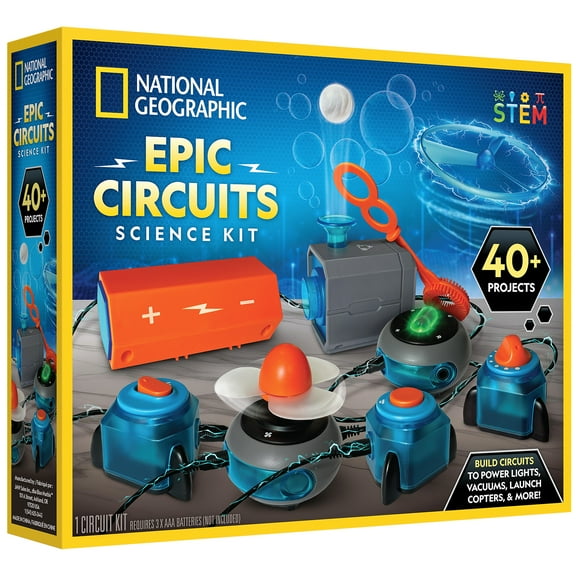
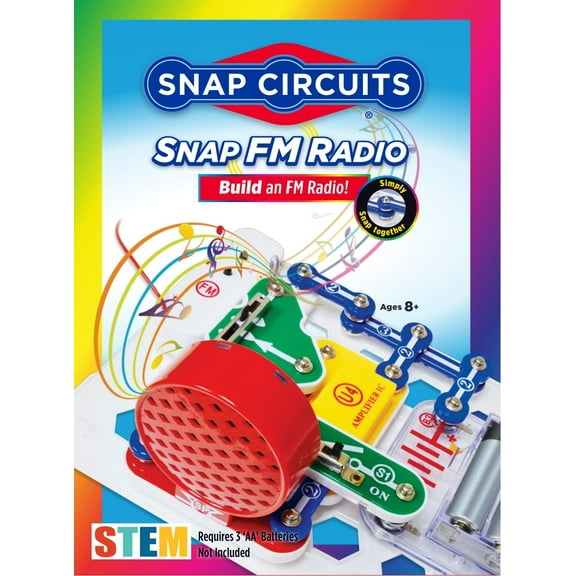
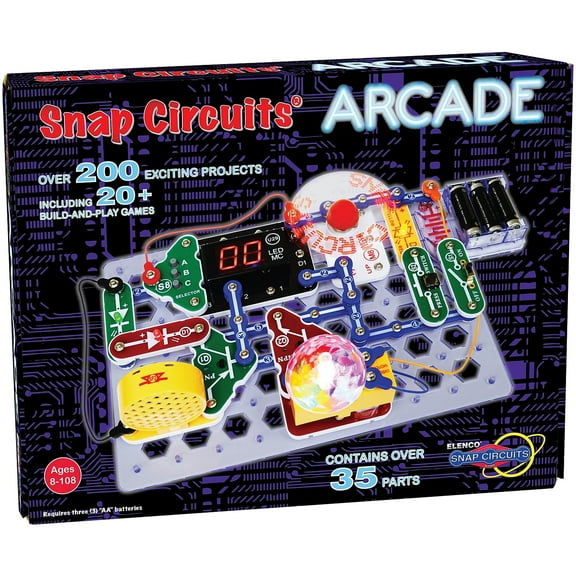
When motion, force, and machines stand out, you can look at physics lab kits. You can often see ramps, circuits, pulleys, or energy experiments that make cause and effect clear to see.
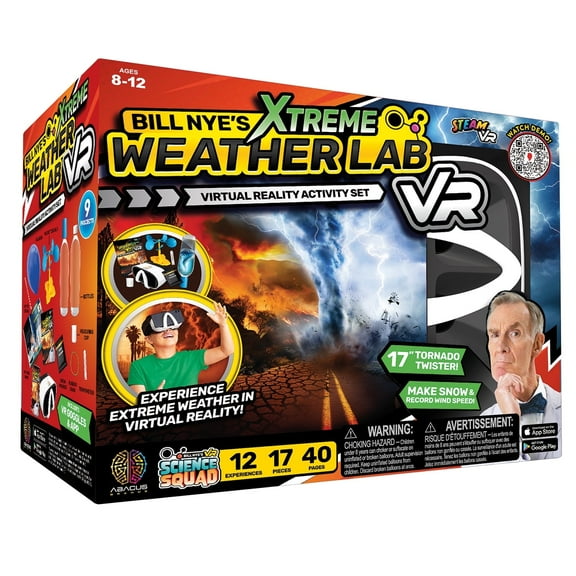
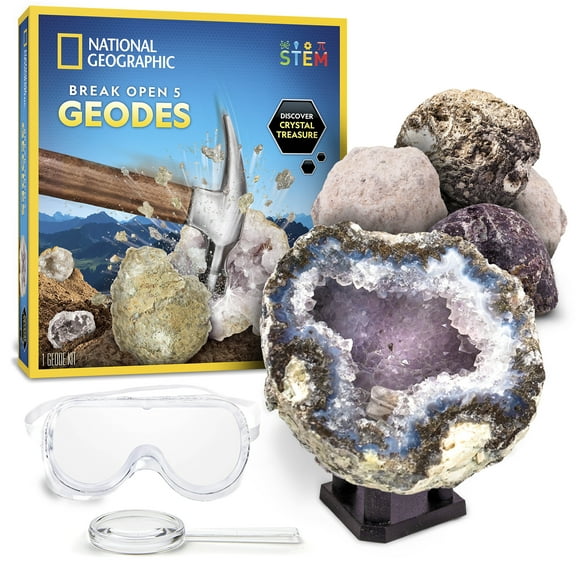
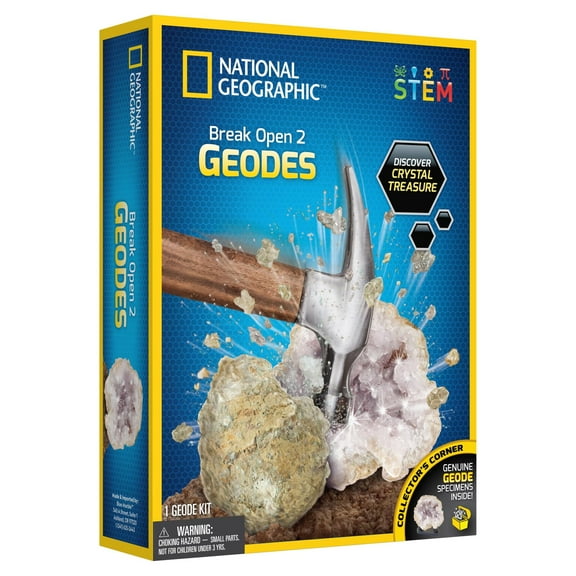
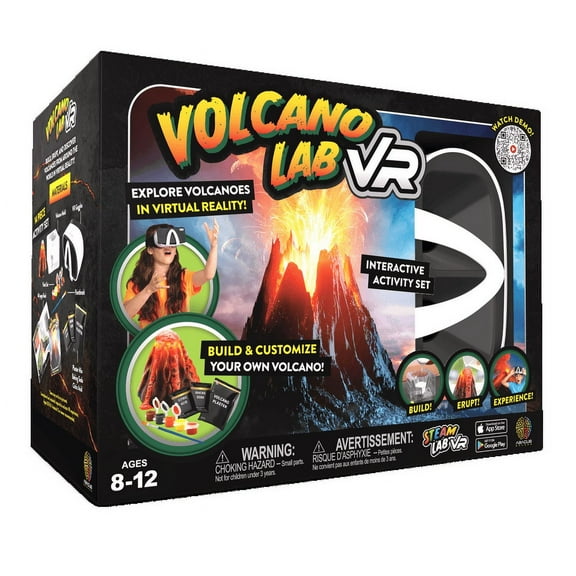
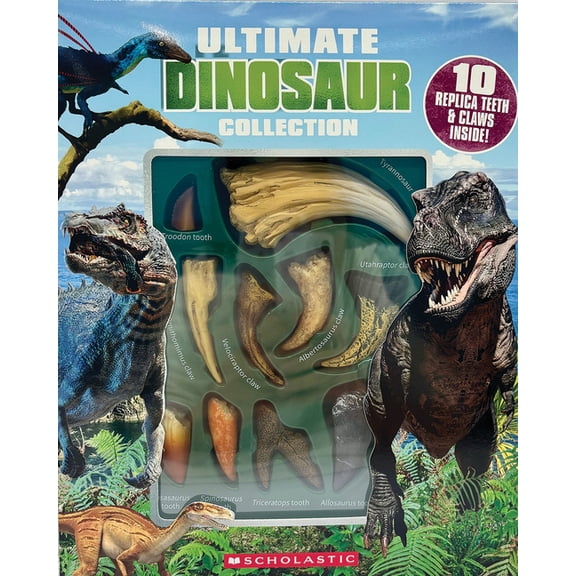
For broader interests, you can consider earth science and astronomy options with rocks, weather tools, or solar system builds. You may prefer these themes when your child loves space, maps, or natural collections.
Comparing kit types and learning styles
Kit type affects setup, repeat use, and how much guidance your child needs. You should compare experiment kits, model building sets, lab equipment, and robotics before you decide.
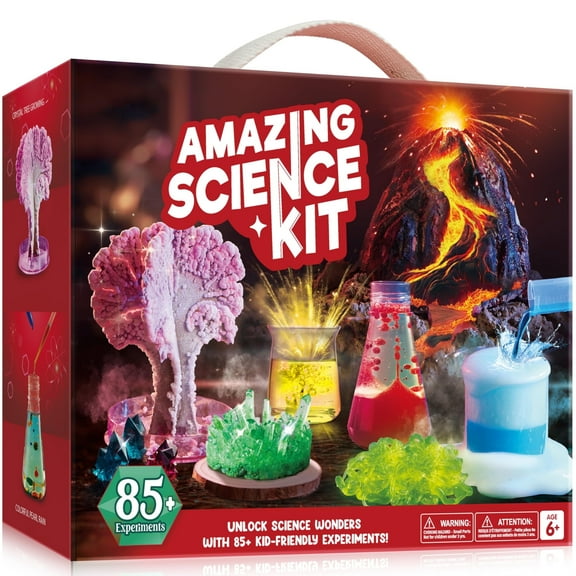
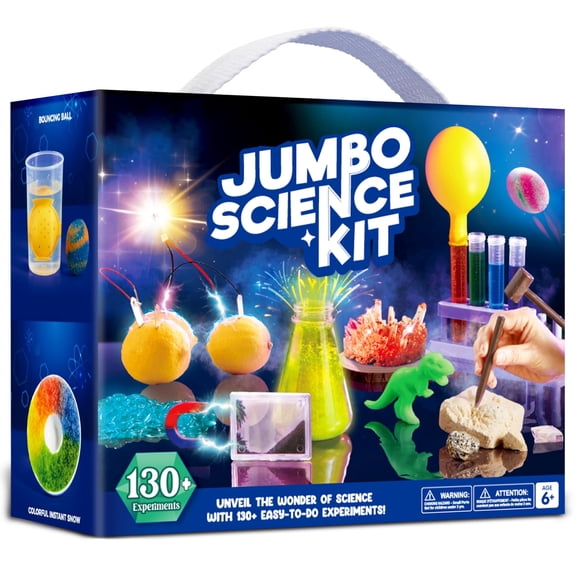
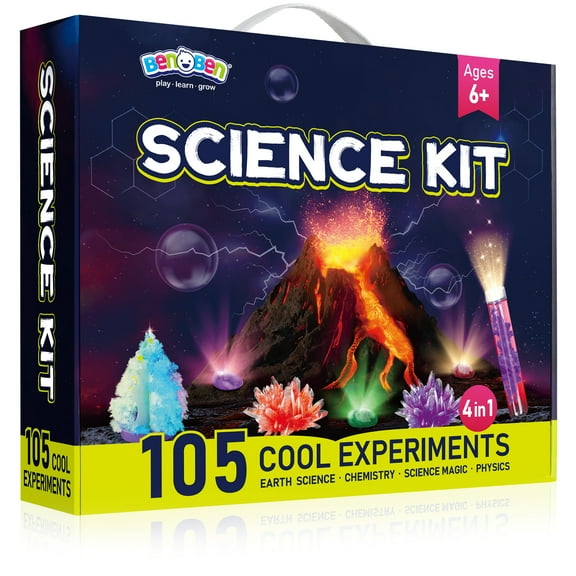
Experiment kits work well when you want all-in-one activities with clear starting points. You can expect included materials for specific tasks, which helps you begin without extra planning.
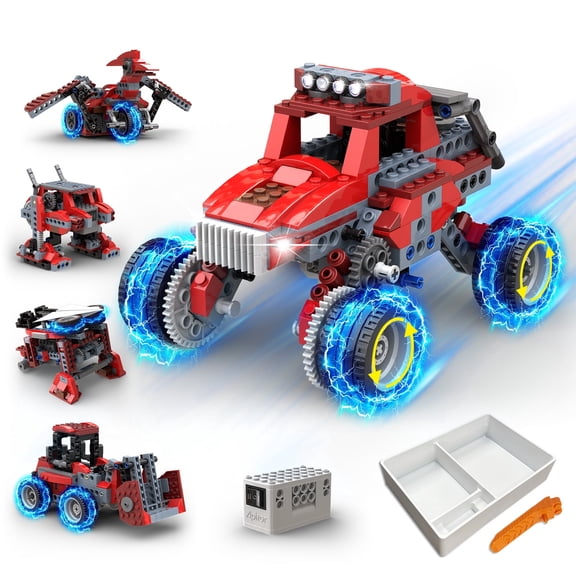
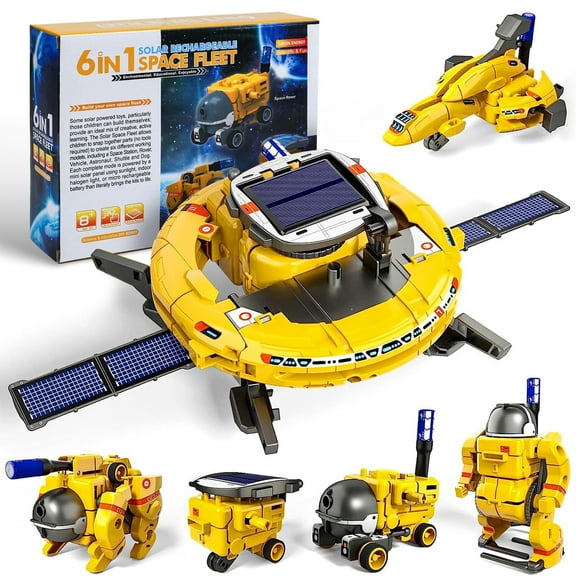
Model building kits fit learners who enjoy assembling parts and seeing a finished result. You may like these when your child stays engaged through building, labeling, and step-by-step progress.
Lab equipment sets make sense when you want reusable tools for many projects. You can keep droppers, beakers, goggles, and measuring pieces ready for repeat science experiments for kids.
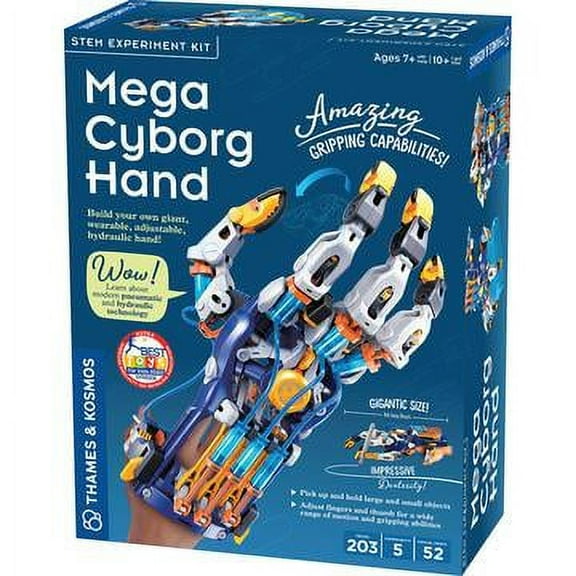
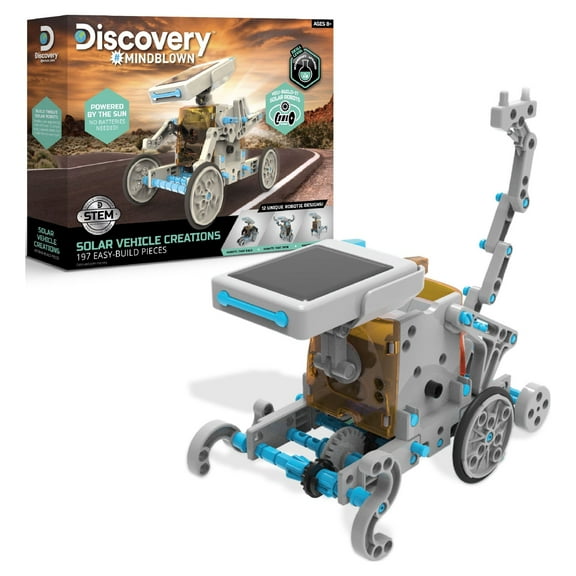
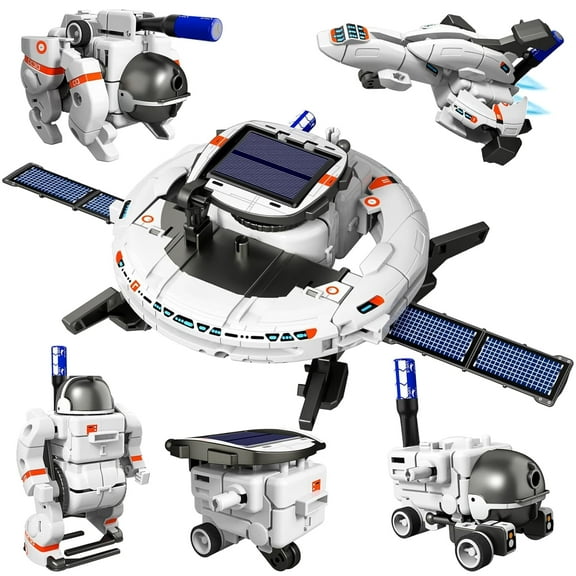
Robotics options combine science, engineering, and coding in one path. You might choose these STEM science kits when your learner enjoys logic, moving parts, and screen-guided building.
- You can choose shorter experiment kits for quick after-school activities.
- You can pick reusable lab gear when your child likes repeating and adjusting projects.
- You can compare robotics sets when coding and mechanical builds matter.
- You can select model builds when visual learners enjoy structure and sequence.
What to look for in educational science toys
Instructions matter as much as included pieces, because your child needs clear steps to stay engaged. You should look for labeled materials, illustrated guides, and easy cleanup details.
Adult involvement can vary a lot across educational science toys. You may want simple projects for independent play, or you may prefer guided kits for shared weekend learning.
Reusability also changes the experience after the first activity ends. You can compare single-use reaction materials with multi-use tools that support fresh experiments later.
Educational focus helps you match school goals or personal interests. You can look for STEM, STEAM, NGSS aligned, or coding themes depending on how your child learns.
STEM science kits often center on testing, building, and observing results in a clear sequence. STEAM options may add drawing, design, or creative construction for a broader project style.
When different science kits make sense
For back-to-school planning, you can choose science kits that support routines, independent reading, and structured project time. You may find age-based sets especially helpful for homework breaks and rainy afternoons.
During holidays, you can give science kits that feel interactive from the first unboxing moment. You can match chemistry, biology, or astronomy themes to your child’s current interests.
For classroom use, you may want organized materials, repeatable activities, and clear instructions for small groups. You can also compare lab gear sets when shared tools matter across several lessons.
If your child likes quick wins, you can focus on kits with fast setup and visible results. When your child prefers in-depth projects, you can choose builds or labs that unfold across several sessions.
Science kits can also support family learning time with simple measuring, note-taking, and observation practice. You can enhance the experience when your child connects each activity to real-world ideas.
When you compare age group, subject matter, kit type, and educational focus, you can narrow the category with confidence. You can land on science kits that fit your child’s curiosity, attention span, and learning style.