








Plastic Wrap in Paper & Plastic

















About Plastic Wrap in Paper & Plastic - Walmart.com
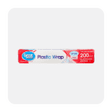
Plastic wrap helps you cover leftovers, prep ingredients, and seal dishes with less mess in your kitchen. You can compare cling, cut style, and roll length to match how you cook and store food.
How to choose plastic wrap for your kitchen
You can get excellent results from plastic wrap when you match it to your containers, routine, and storage space. You should consider material type, roll size, and cutting style before you choose.
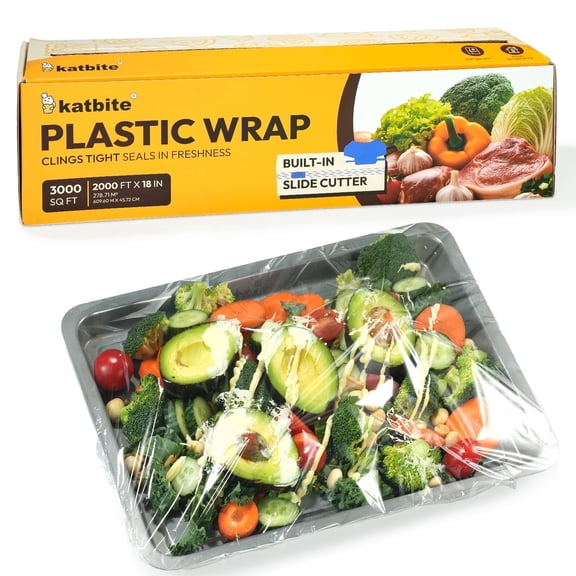
When you compare plastic food wrap options, you'll notice some rolls fit everyday leftovers, while others fit bulk prep. You can also find stretch wrap styles for larger bowls, sheet pans, and party trays.
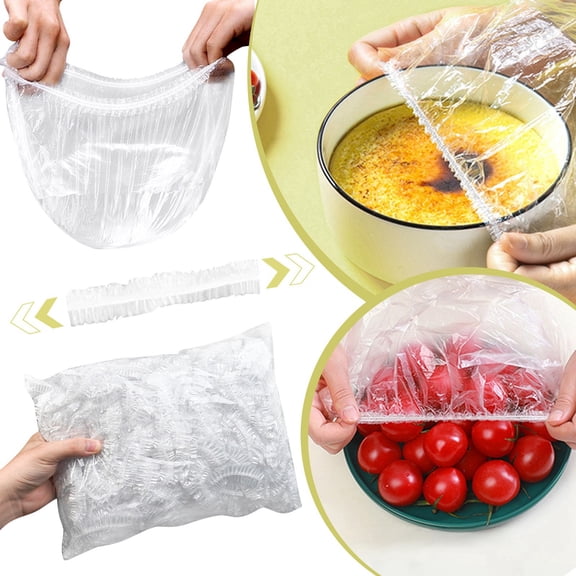
- You can cover cut fruit, sandwiches, and leftovers with a close cling that helps lock in freshness.
- You can wrap bowls, plates, and pans quickly when you choose a roll with smooth stretch and easy cutting.
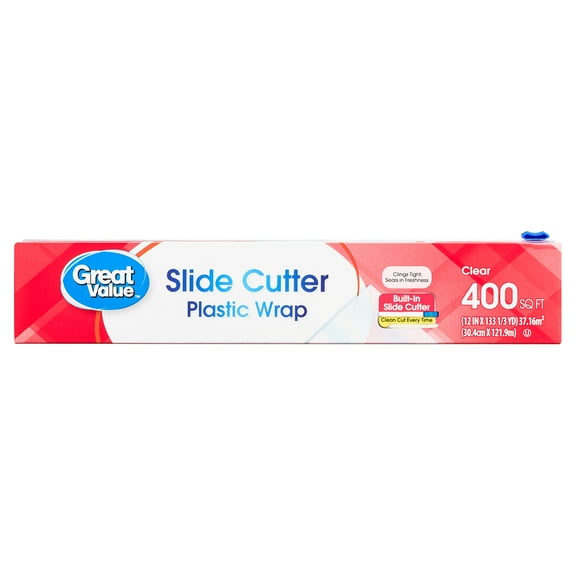
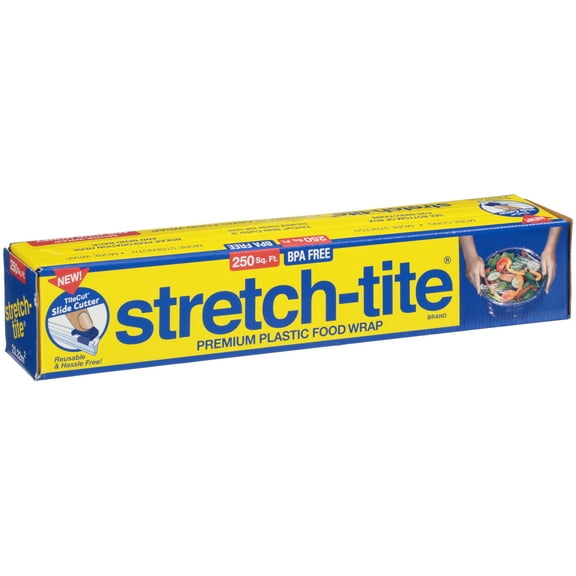
- You can reduce waste from torn sheets when your wrap includes a slide cutter or a clean tear strip.
- You can keep holiday food wrap ready for baking season when you choose longer rolls for repeated use.
Choosing material type and food contact features
You should start with material type because it affects how your wrap feels, stretches, and handles daily food storage. You may see BPA-free plastic, polyethylene, or pvc-free options across this category.
If you want a lighter, flexible feel, you may prefer polyethylene for common storage tasks. If you want a simpler material callout, you may look for pvc-free or BPA-free plastic labels.
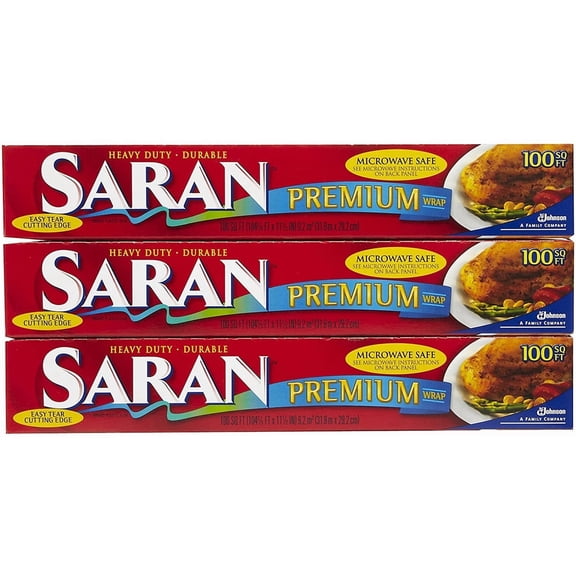
You should check package details when microwave safe use matters in your routine. You need the listed temperature guidance because different wraps support different heating situations.
When you reheat covered bowls, you'll want plastic wrap that notes microwave safe use on the package. You should also look for enough clearance over food, so your cover stays neat during heating.
Comparing cling wrap strength and stretch
You can judge cling wrap by how well it grips glass, plastic, or metal containers in your kitchen. You may notice some wraps cling tightly on smooth glass, while others handle lightweight plastic lids with ease.
If you prep meals in mixed containers, you should look for stretch-to-seal wording and cling tight features. You'll usually get a secure cover on casserole dishes, salad bowls, and half-used ingredient containers.
You can also compare how easily the film releases from the roll before it seals. If your wrap bunches or folds on itself, you'll want a format designed for smooth handling.
For sheet pans or larger platters, you may prefer stretch wrap styles with more width and reach. You'll appreciate that extra coverage when you need one sheet across a broad surface.
Matching plastic wrap roll size to your space
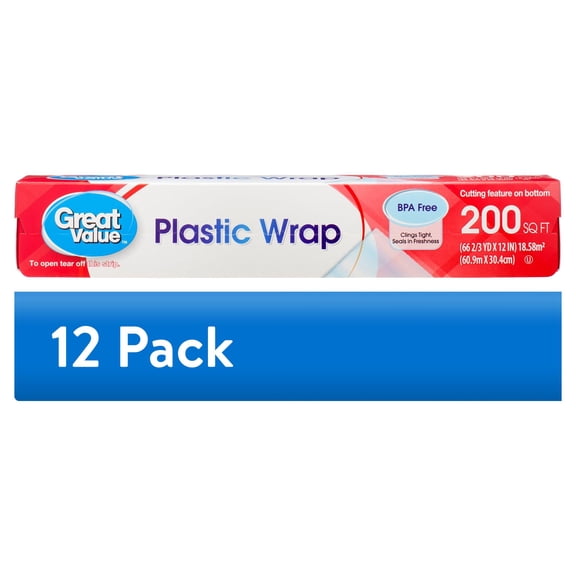
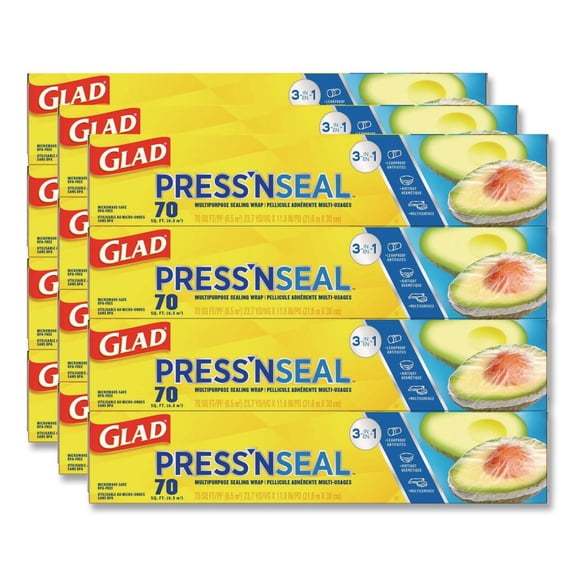
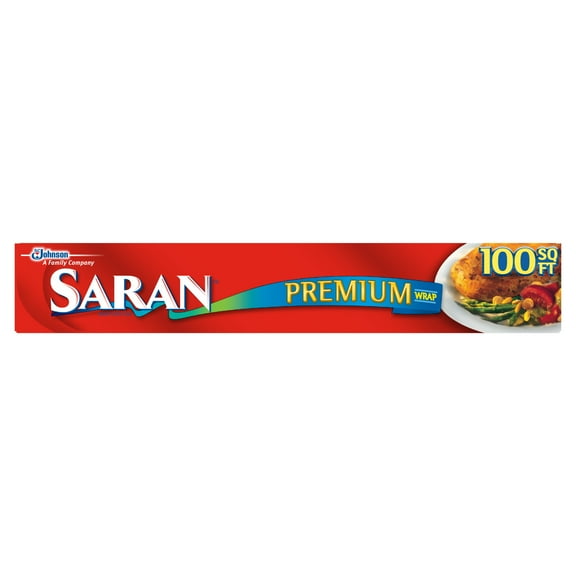
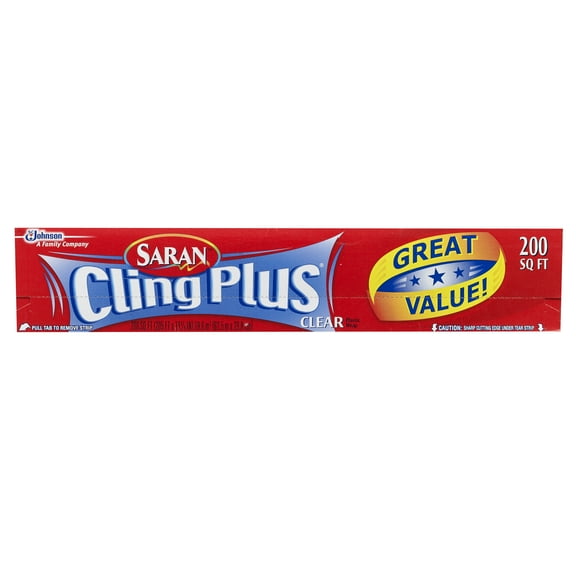
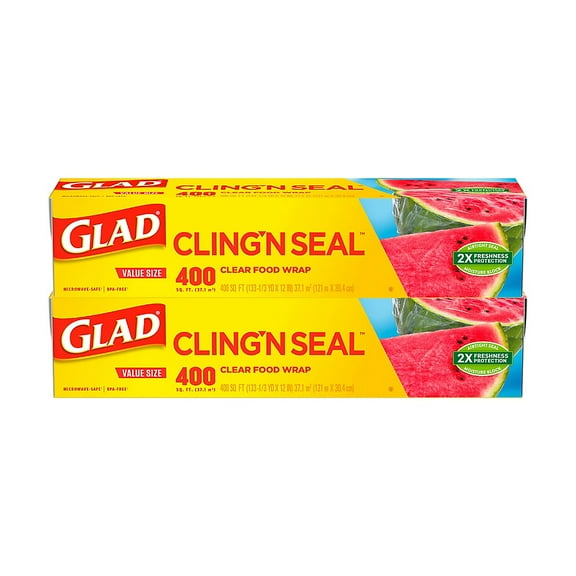
You should compare roll length with how often you cook, pack lunches, or batch prep ingredients. You may see 100 sq ft, 200 sq ft, 400 sq ft, and professional size formats.
If you use wrap now and then, you may prefer a shorter plastic wrap roll for easy drawer storage. If you prep often, you'll likely want a longer roll that lasts through busy weeks.
You should also measure your drawer or shelf before choosing a larger carton. A professional size box can support frequent use, but you need enough room for comfortable access.
When space is tight, you may prefer a compact box that still fits common food storage tasks. When output is high, you'll benefit from fewer box changes during meal prep.
Checking cutters and box design
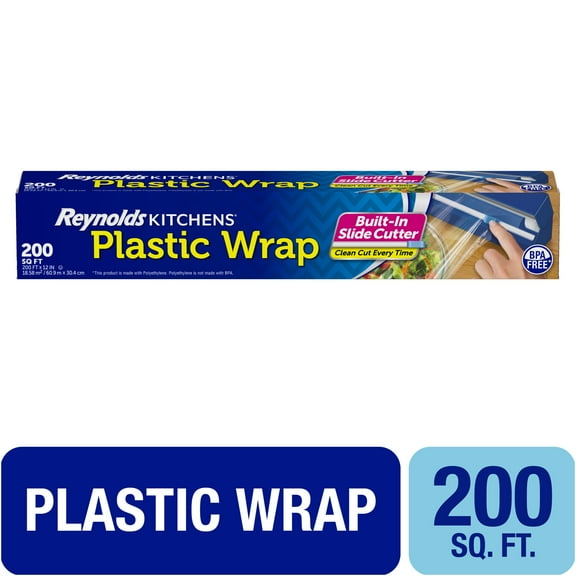
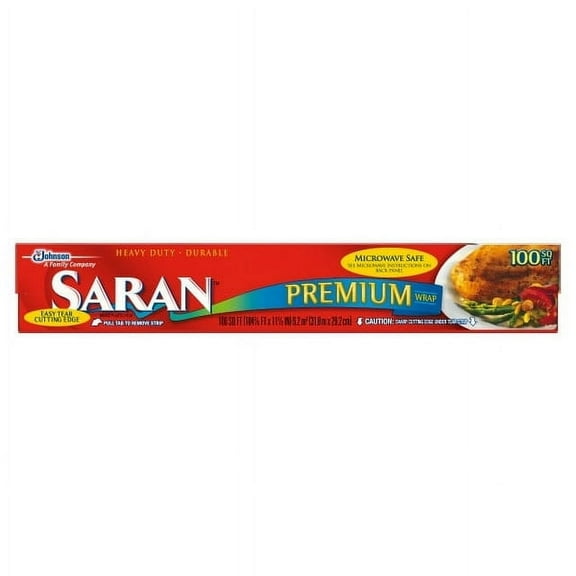
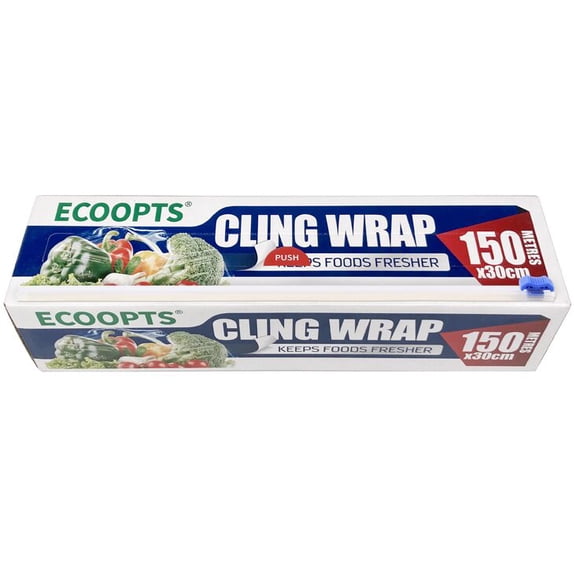
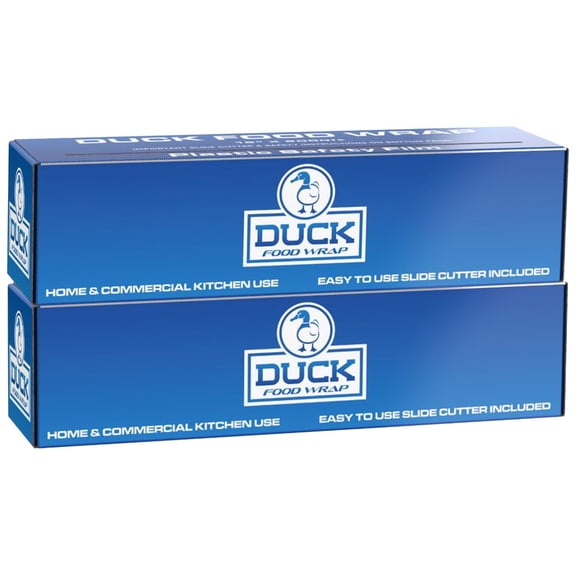
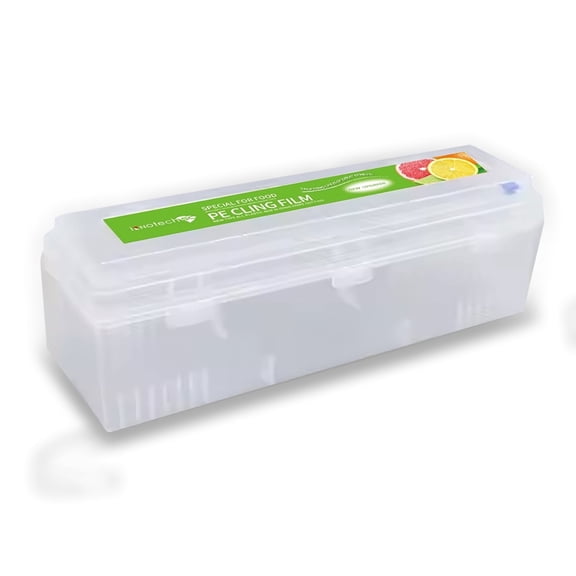
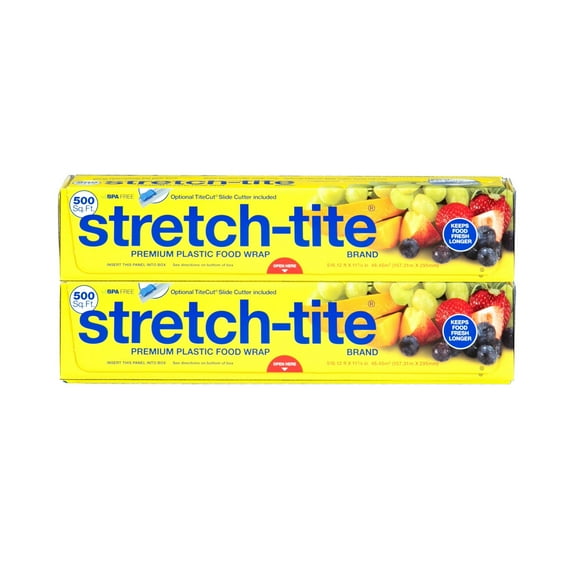
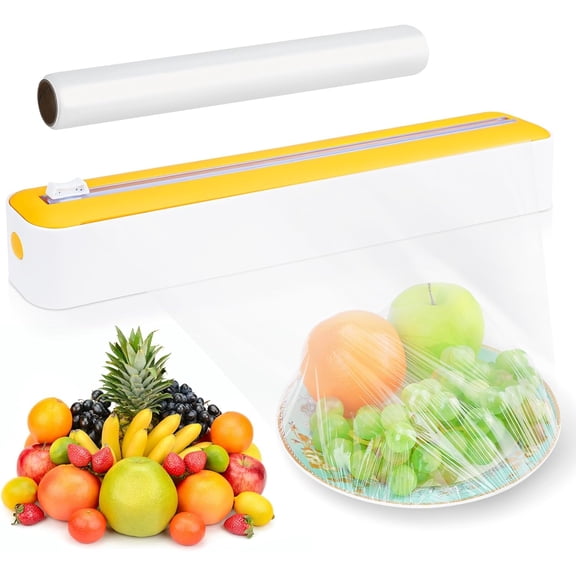
You should compare cutting style because it changes how quickly you can pull, cut, and cover. You may find slide cutter boxes or classic metal tear strips in this category.
If you want clean sheet lengths, you may prefer a slide cutter that moves evenly across the film. If you want a familiar setup, you may choose a tear strip that works with a quick pull.
You should also look at carton stability when you use one hand to hold a bowl. A box that stays steady can help you cut a usable sheet with less fumbling.
Use cases for food storage, meal prep, and packing
You can use food wrap film for everyday leftovers, chopped produce, dough bowls, and packed lunches. You'll also find it useful when you stage ingredients ahead of weeknight cooking.
For meal prep, you may want longer rolls and strong cling on glass containers. You'll get smooth batch prep when one wrap handles stacked bowls and portioned ingredients.
If you cover trays for gatherings, you may want wider cling and easy dispensing from the box. You'll notice that holiday food wrap needs can increase when baking, storing, and transporting dishes overlap.
You can also explore stretch wrap options for shipping or packing tasks around the home or workplace. You should check the product description closely, because food storage wrap and packing wrap serve different needs.
In a commercial kitchen, you may prioritize professional size rolls, fast cutting, and reliable cling across many container shapes. You'll keep prep stations moving when your wrap fits high-volume routines.
With the right plastic wrap, you can match cling, cutter style, and roll length to how you actually store food. You'll end up with clean coverage, easy prep, and a wrap that fits your space.