




Find auto parts that fit
Let’s search for parts that fit your vehicle.Trailer Towing Chain Organizers & Safety Chains | Walmart













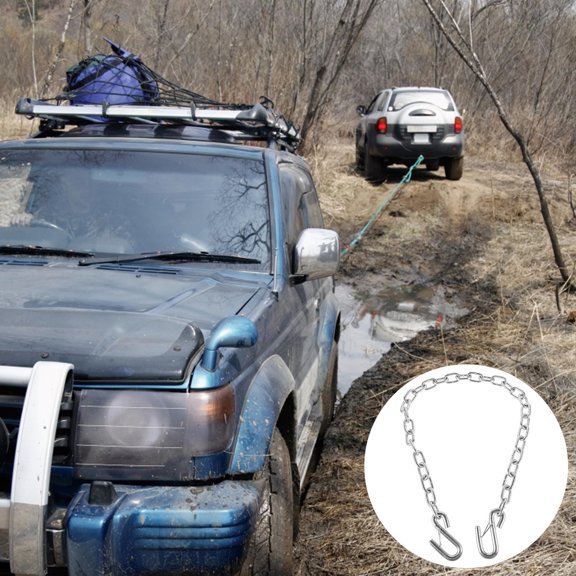
About Trailer Towing Chain Organizers & Safety Chains | Walmart - Walmart.com
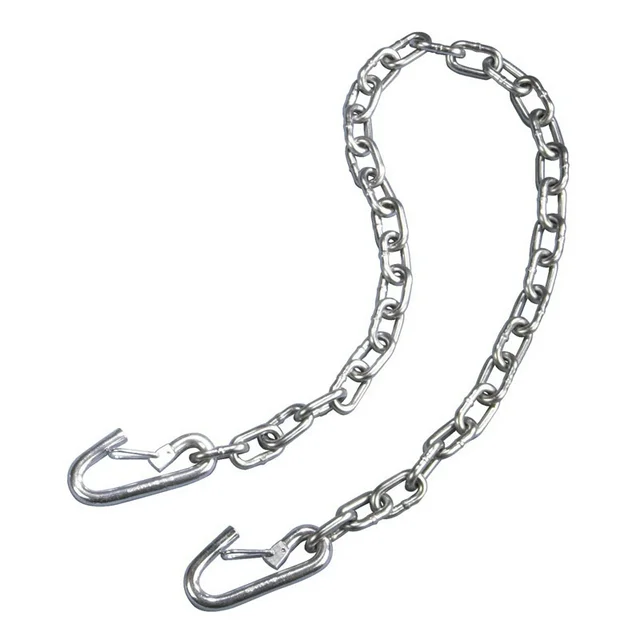
Trailer safety chains help you keep your trailer connected during towing transitions and coupler disconnects. You can compare chain ratings, hook styles, and finishes to match your trailer, hitch, and road conditions.
How to choose trailer safety chains
When you compare trailer safety chains, you should start with gross trailer weight and hitch class. You’ll want a chain set rated for your trailer’s loaded weight, not just its empty weight.
Class I through Class IV towing setups call for different strength levels and hardware sizes. You can use that rating to narrow choices like 2,000 lbs, 3,500 lbs, 5,000 lbs, 10,000 lbs, or 15,000 lbs.
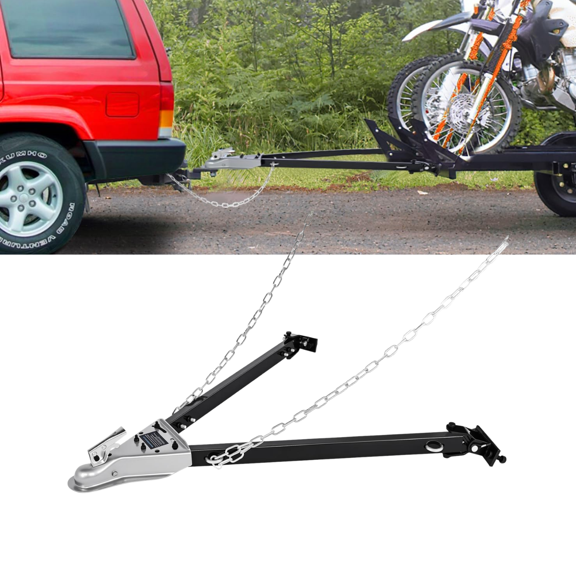
Length matters just as much as rating when you tow on turns, dips, and uneven driveways. You should look for enough slack for turning, while keeping enough clearance to avoid dragging.
- You can match GTW ratings to your loaded trailer for a more accurate fit.
- You can choose 30 inch, 36 inch, 48 inch, or 72 inch lengths based on tongue setup.
- You can compare hook styles that fit your tow vehicle attachment points.
- You can select finishes that suit rain, road spray, and long-term outdoor storage.
Choosing between trailer safety cables and chains
You may prefer trailer safety cables when you want a compact setup with less rattle. You’ll often notice coiled trailer safety cables stay off the ground more easily on smaller trailers.
You may prefer straight link chains when you want a classic setup with visible links. You can also adjust attachment hardware more easily with many chain-based towing setups.
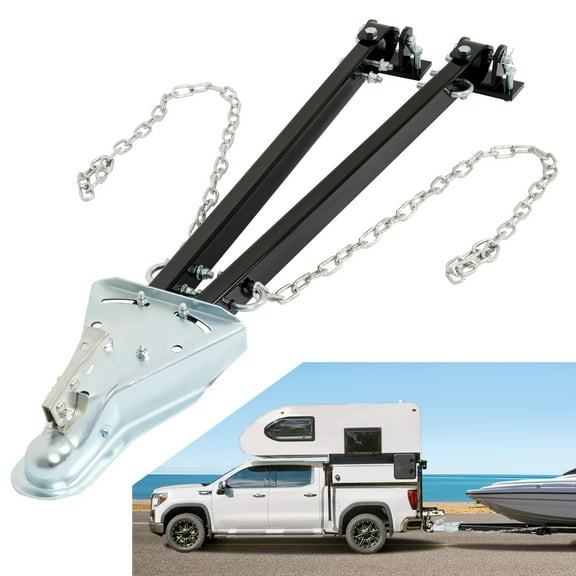
Utility trailer safety chains often work well for lawn equipment, small cargo loads, and light-duty towing. Heavy duty trailer chains usually fit larger campers, car haulers, and equipment trailers with higher GTW needs.
Understanding GTW ratings and heavy duty trailer chains
You should treat GTW as a key decision point because it affects chain size and hook strength. You’ll want your towing hardware to align with your trailer class and loaded hauling plan.
Break strength can help you compare options when you’re reviewing heavy duty trailer chains. You should still check the stated working rating first, because that’s the practical starting point for towing selection.
For larger enclosed trailers or equipment haulers, you may need thicker links and larger hooks. You can often spot those options in 10,000 lb or 15,000 lb ranges for heavier towing setups.
Comparing chain length, hook type, and attachment points
You should measure from the trailer tongue connection point to the hitch attachment point before choosing length. You can then compare 30 inch, 36 inch, 48 inch, or 72 inch options with more confidence.
Shorter chains can help you reduce extra slack on compact towing setups. Longer chains can help you reach attachment points on extended tongues or wider turning setups.
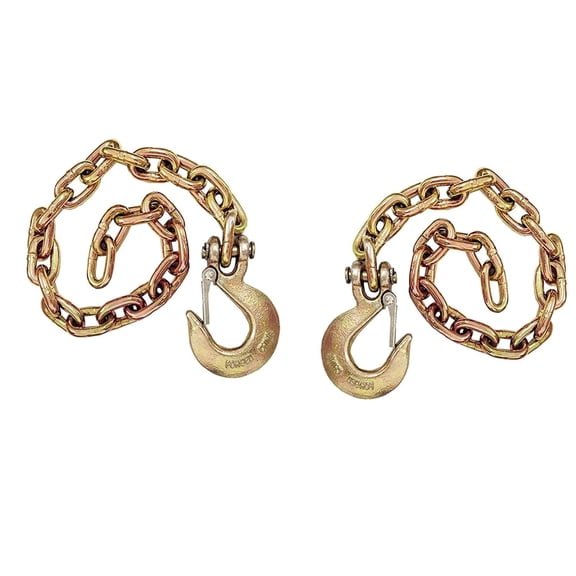
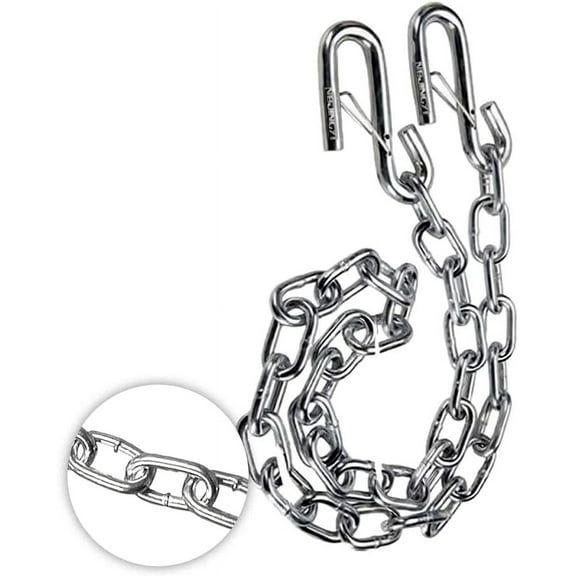
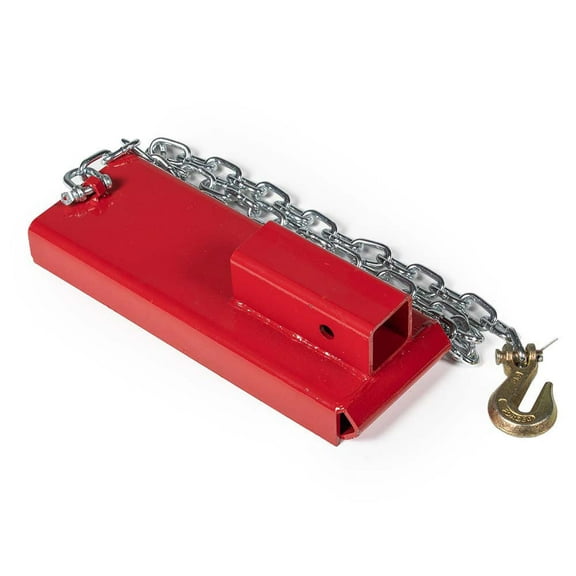
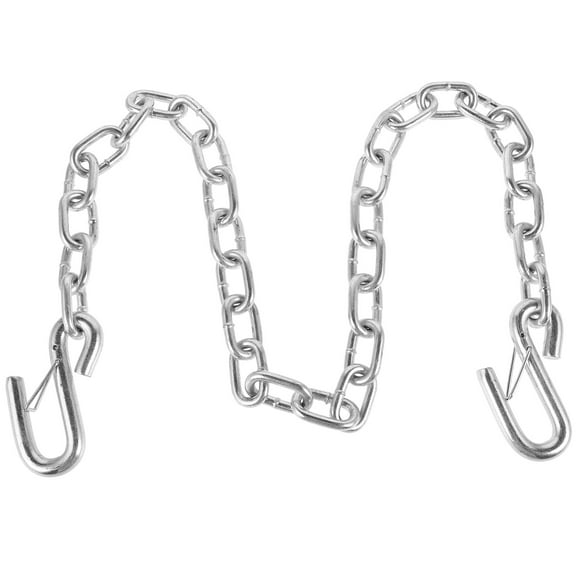
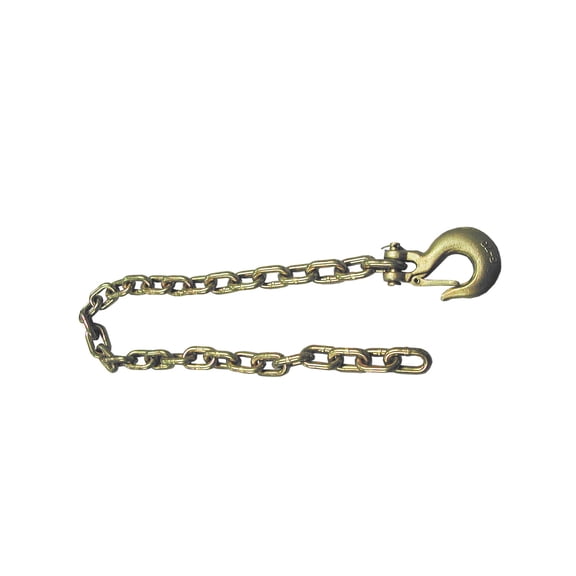
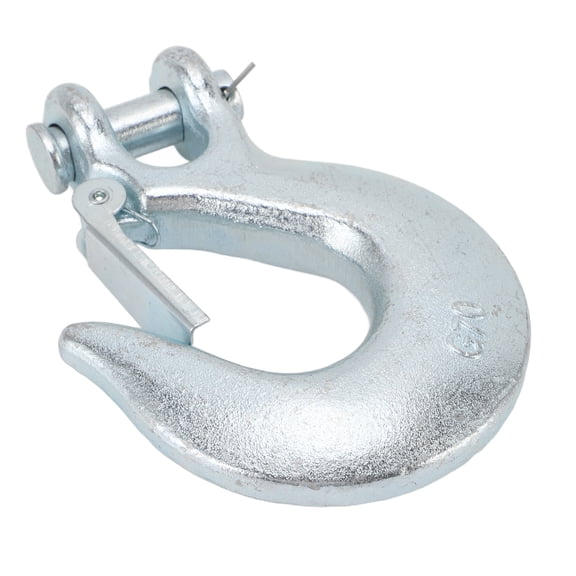
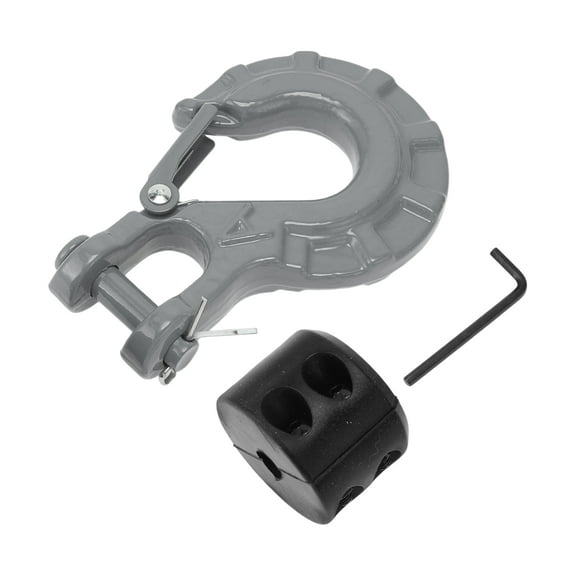
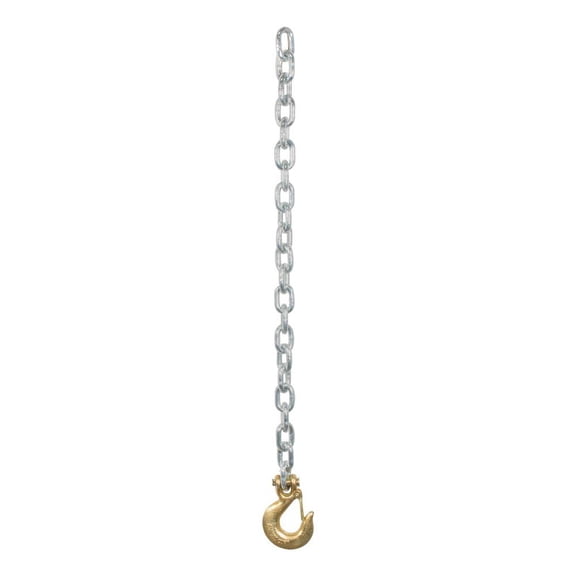
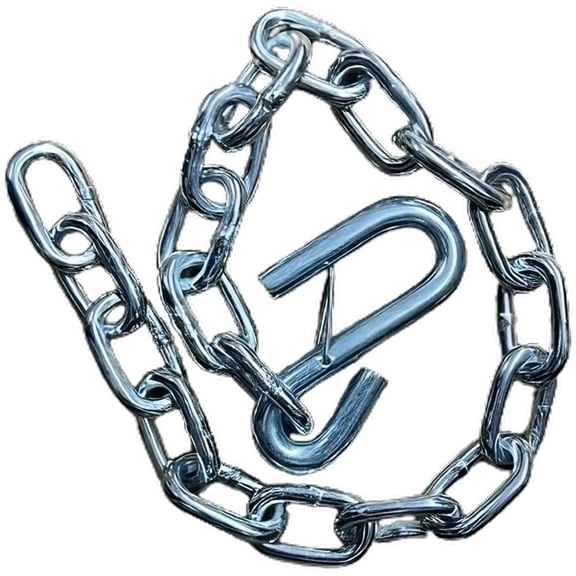
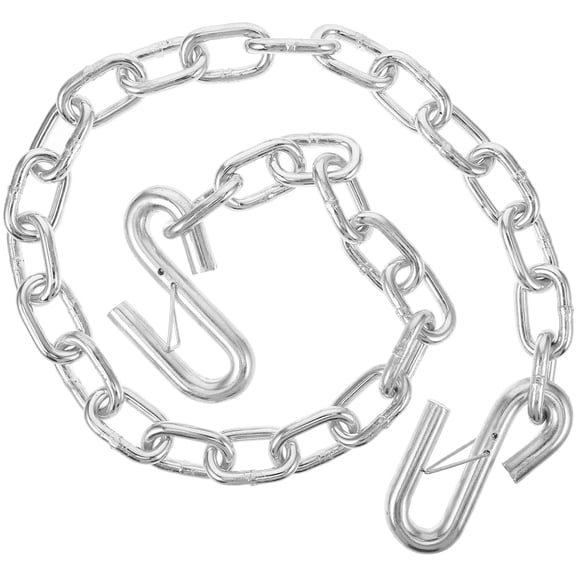
Trailer safety chains with hooks come in several connection styles for different mounting points. You can compare S-hook, clevis slip hook, quick link, and latch hook designs by fit and closure style.
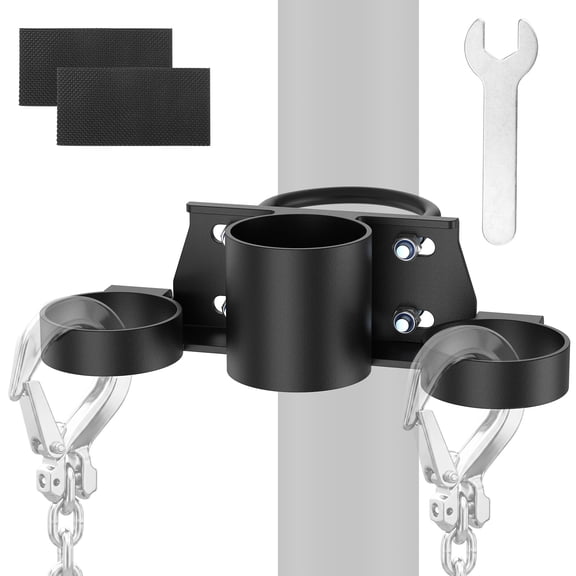
An S-hook can suit simple attachment points where you want quick connection during routine towing. A clevis slip hook can give you a more secure mechanical connection on many heavier applications.
Quick links can help you create a firmer connection where permanent mounting makes sense. Latch hooks can help you keep the connection closed when you tow over bumps and uneven pavement.
Looking at material, finish, and weather exposure
You should compare finish options based on where and how often you tow. You may want added rust resistance if your trailer stays outside or sees frequent rain and road spray.
Zinc-plated steel can work well when you want a common towing finish with solid corrosion resistance. Galvanized steel can suit utility and marine-adjacent setups where moisture exposure happens more often.
Vinyl-coated options can help you reduce surface contact marks and keep cables easier to handle. Stainless steel can appeal to you when you want a clean look and added resistance in wet conditions.
Using trailer safety chains for common towing setups
You can use utility trailer safety chains for yard trailers, small cargo trailers, and compact ATV haulers. You’ll often want lighter ratings and manageable lengths for these everyday towing setups.
For boat-adjacent trailers, you may focus more on galvanized steel or stainless finishes. You can also consider coiled trailer safety cables if you want extra ground clearance near ramps.
For travel trailers and car haulers, you may need heavier ratings and more secure hook hardware. You should also check that your chain length supports turning without leaving excess slack below the tongue.
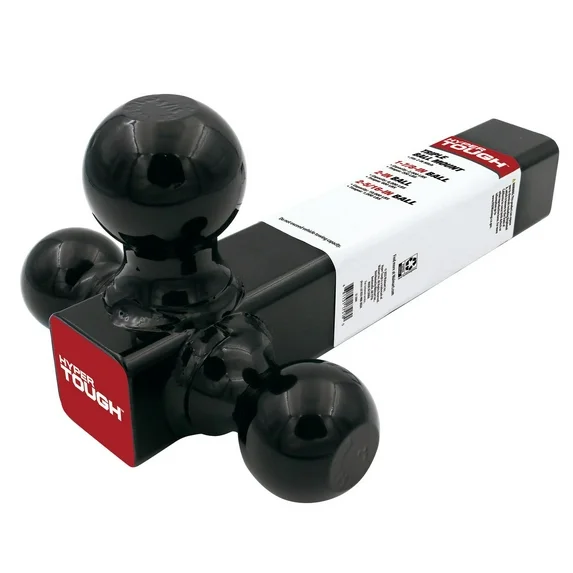
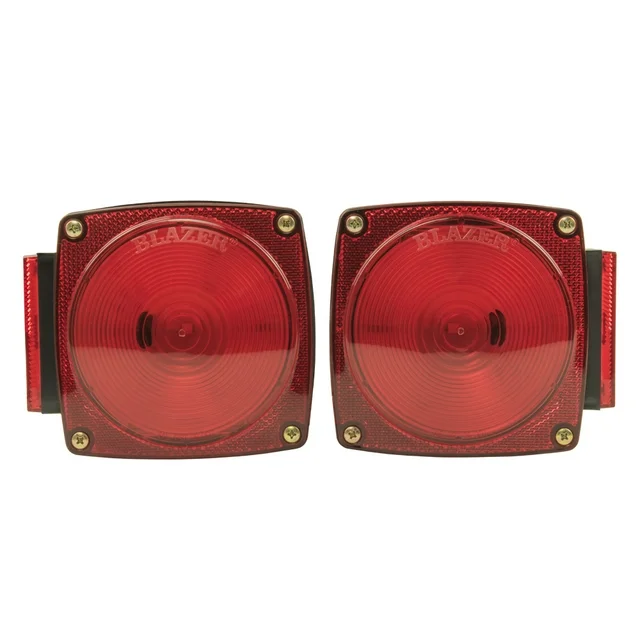
If you tow with a ball mount, hitch receiver, and lighting setup, chain fit still matters at each point. You can build a more complete towing setup when your chains align with your hitch and trailer hardware.
When you choose trailer safety chains by GTW, length, finish, and hook style, you get a more dependable towing fit. You can tow with clearer compatibility and less guesswork from hookup to highway miles.