




Hand Bars & Grab Bars for Bathroom | Walmart




























About Hand Bars & Grab Bars for Bathroom | Walmart - Walmart.com
Grab bars help you add steady support in wet bathroom spaces. You can compare installation type, length, material, and grip details to match your layout.
If you’re updating a shower, tub wall, or toilet area, grab bars give you a stable handhold. You’ll also find options that fit compact bathrooms, shared family spaces, and ADA-focused setups.
How to choose grab bars for your bathroom
You’ll want to start with where you will use the bar and how permanent the setup should feel. Your choice often comes down to suction cup, drill-free, wall-mounted, or screw-in designs.
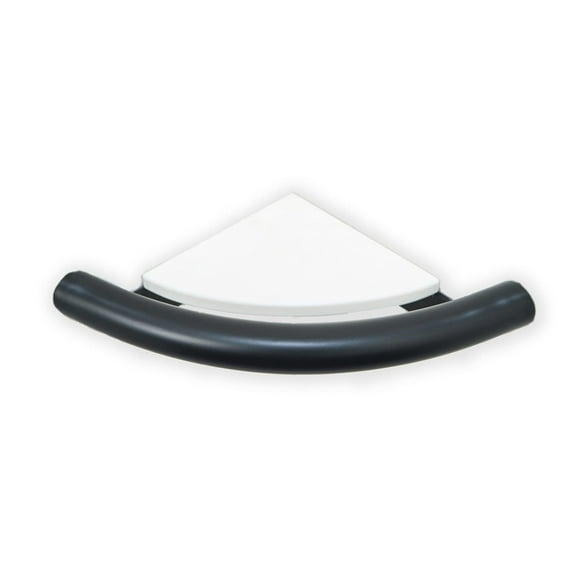
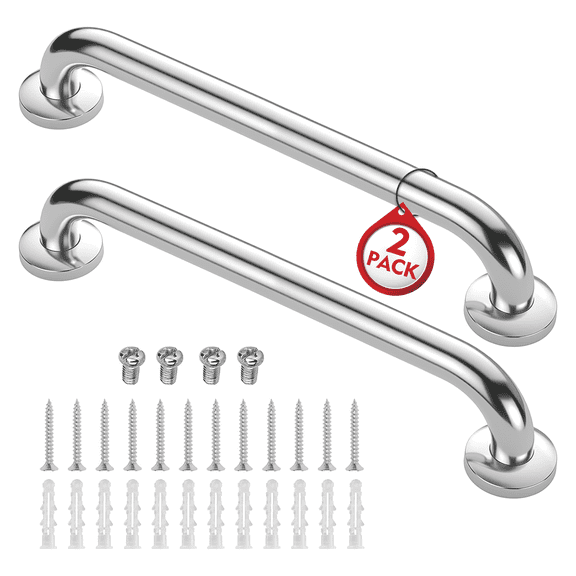
Wall-mounted and screw-in styles usually attach to wall studs or solid backing for a fixed installation. You may prefer them when your space needs a steady hold for everyday shower entry.
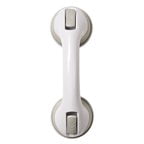
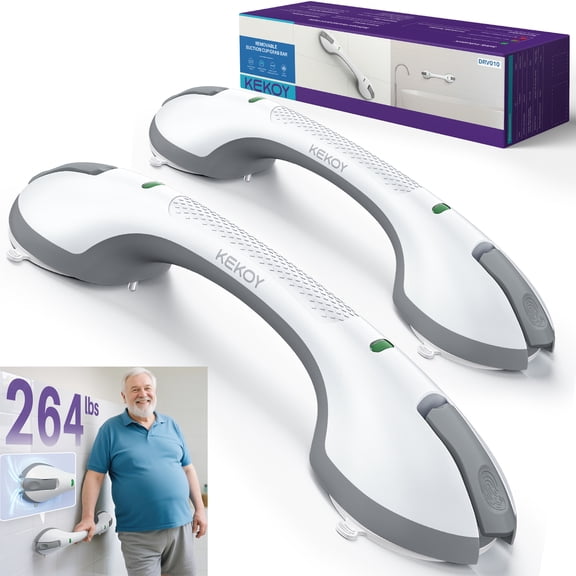
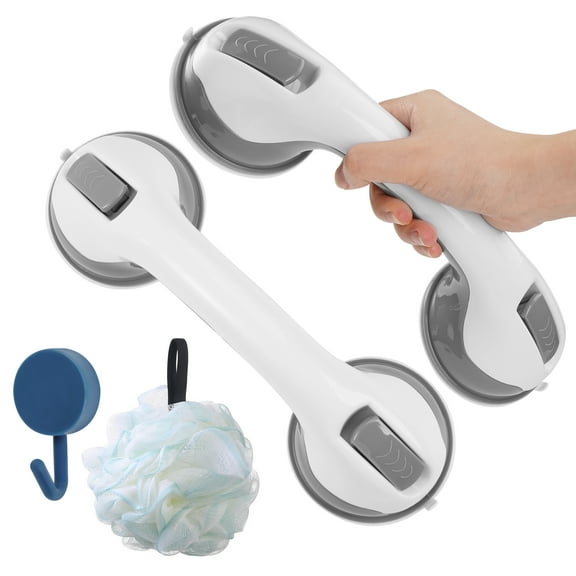
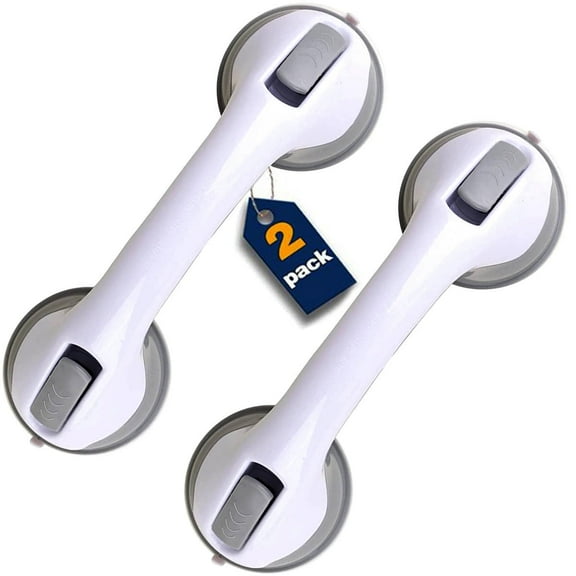
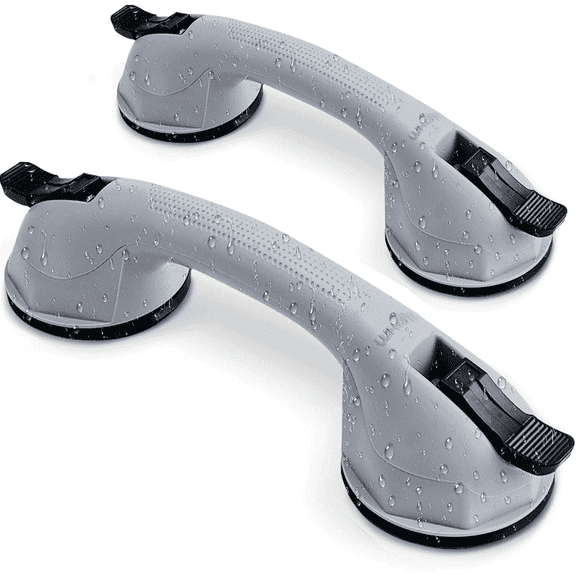
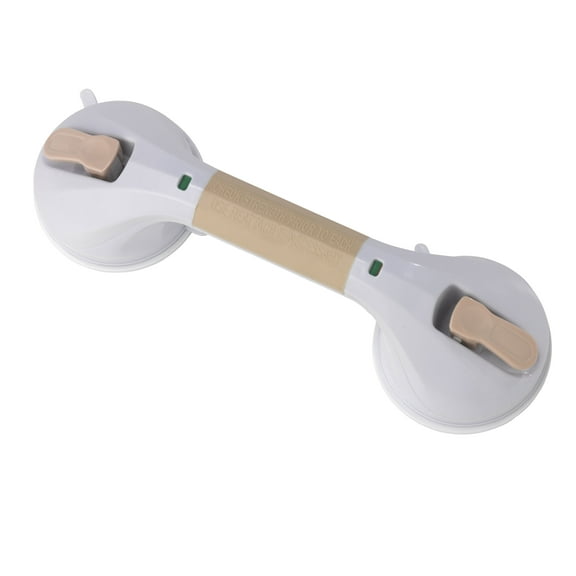
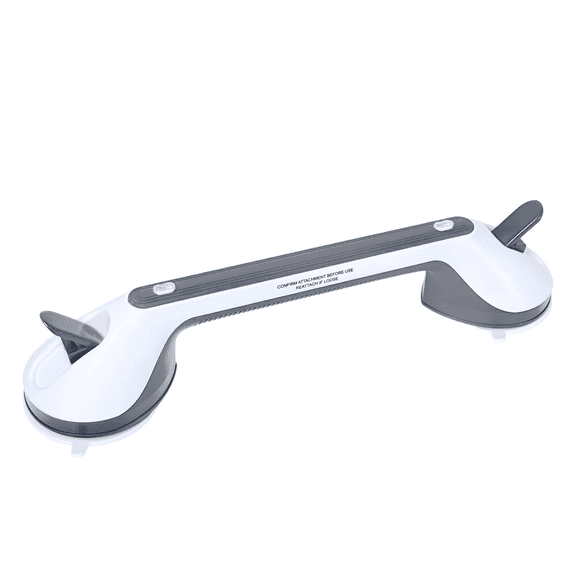
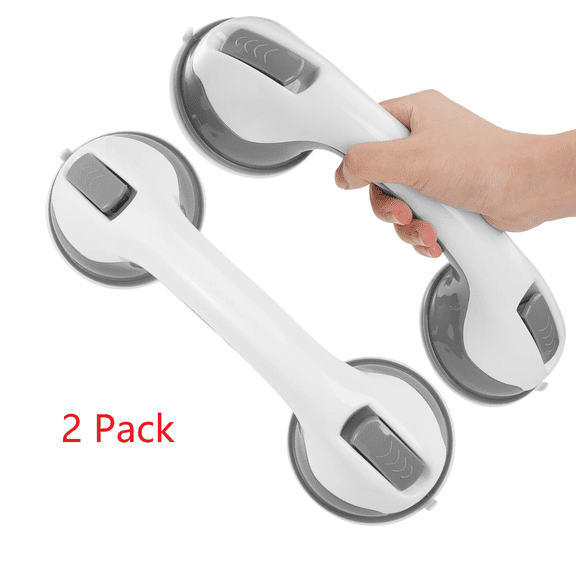
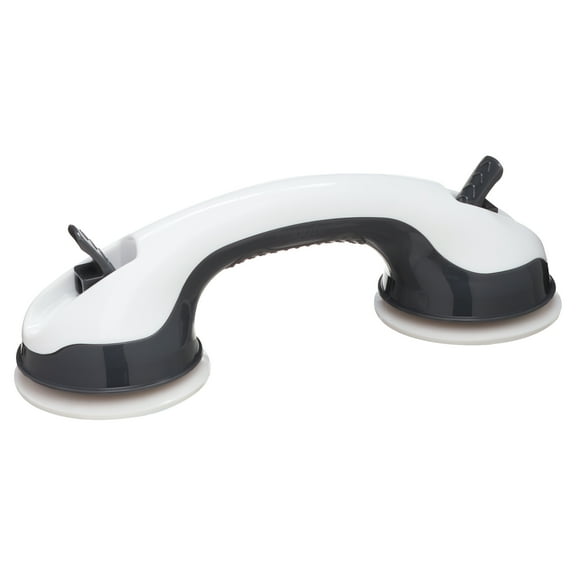
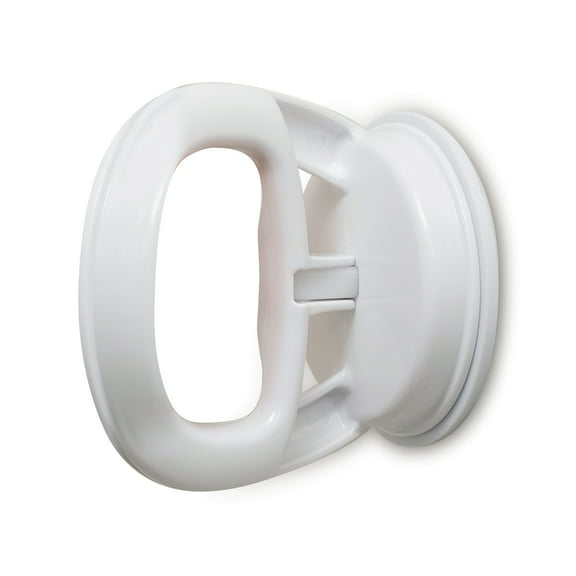
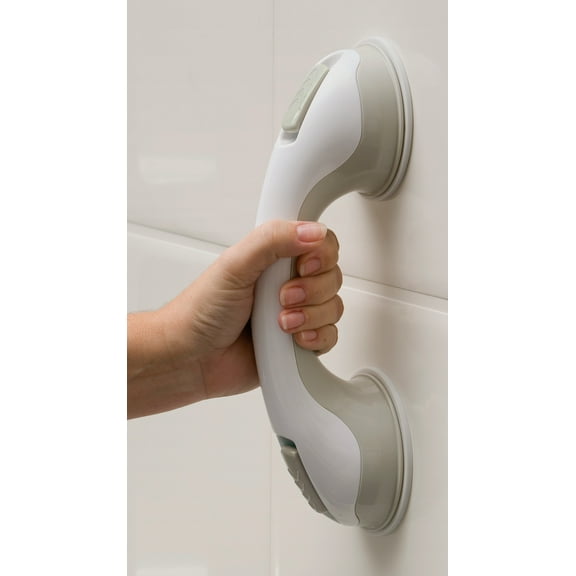
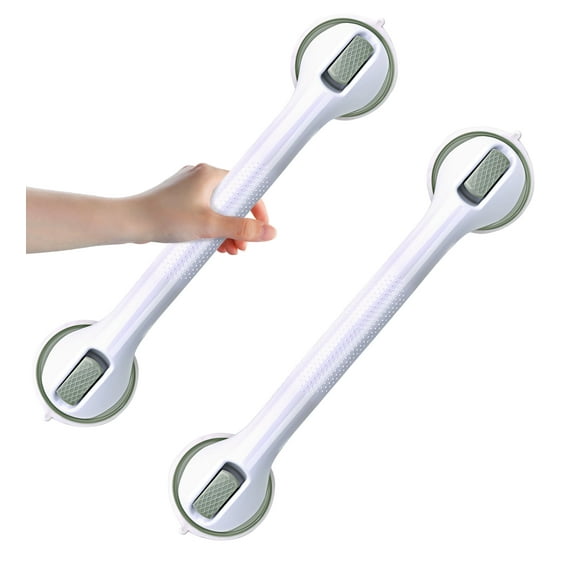
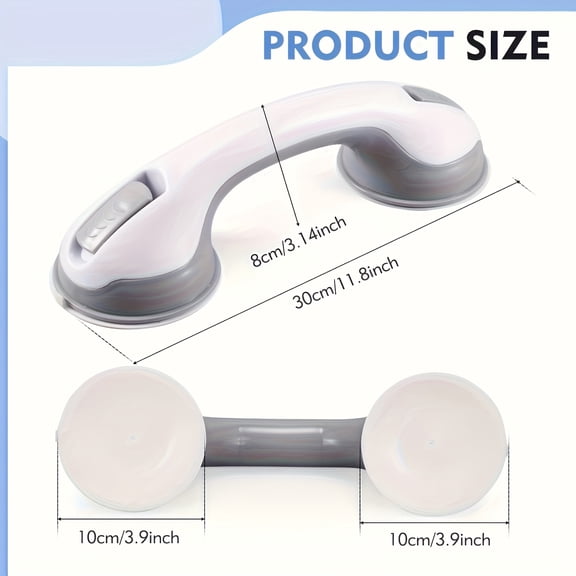
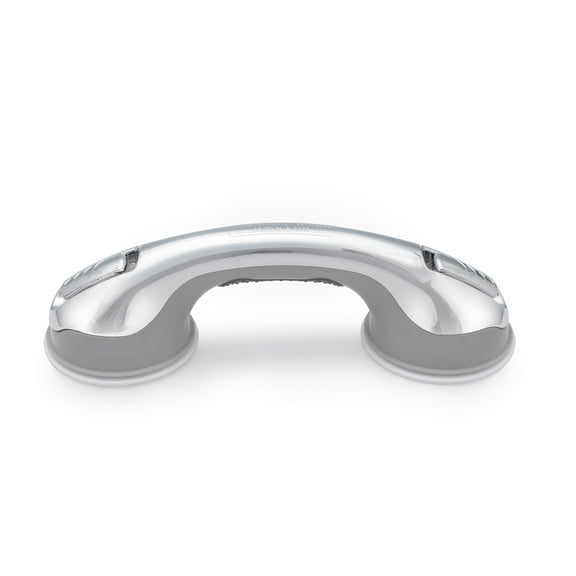
Suction grab bars and other drill-free styles can work well when you want quicker placement changes. You should check the mounting surface and intended use before choosing that type.
- You can use shorter bars in tight shower stalls or beside a tub.
- You can choose longer bars when you want a wider gripping area along a wall.
- You should compare grip texture if your hands are often wet during bathing.
- You may look for ADA grab bars when your setup needs compliance-focused dimensions.
Because placement matters, you should measure the wall area before choosing 12 inch, 18 inch, 24 inch, 36 inch, or 42 inch lengths. Your measurements help you avoid crowding fixtures or missing key support points.
Choosing shower grab bars by installation type
When you compare shower grab bars, installation method shapes how the bar feels in daily use. You should decide whether you need temporary positioning or a fixed bar near entry and turning points.
Suction grab bars usually appeal to you when you want a tool-light setup on smooth surfaces. You should still compare surface compatibility, locking indicators, and the maker’s mounting guidance.
Wall studs are a key decision point when you’re considering screw-in bars for regular support. You’ll generally want the hardware anchored correctly so the bar lines up with the intended load rating.
Drill-free options can suit rentals or spaces where you don’t want permanent wall changes. You may prefer them for travel, guest baths, or short-term bathroom adjustments.
If your shower has tile, you should compare mounting instructions with the grout and wall surface. You’ll also want enough clearance around faucets, doors, and shelves for a natural reach.
Comparing bathroom grab bars by size, material, and finish
Bathroom grab bars differ in length, and that changes how much hand space you get. You can use 12 inch or 18 inch bars beside a toilet, while 24 inch to 42 inch bars can span more wall area.
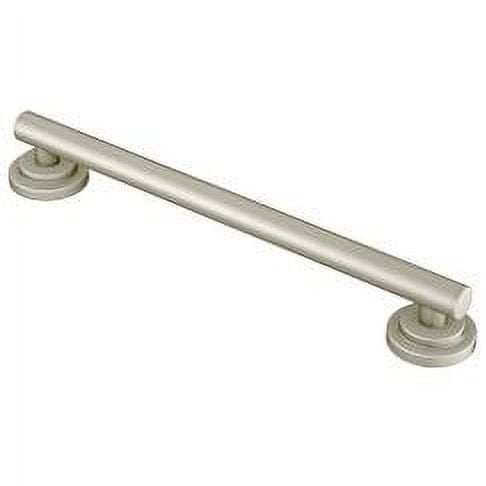
Material also affects the look and feel in your space. You’ll often see stainless steel grab bars, brass options, plastic designs, and chrome styles across common bathroom layouts.
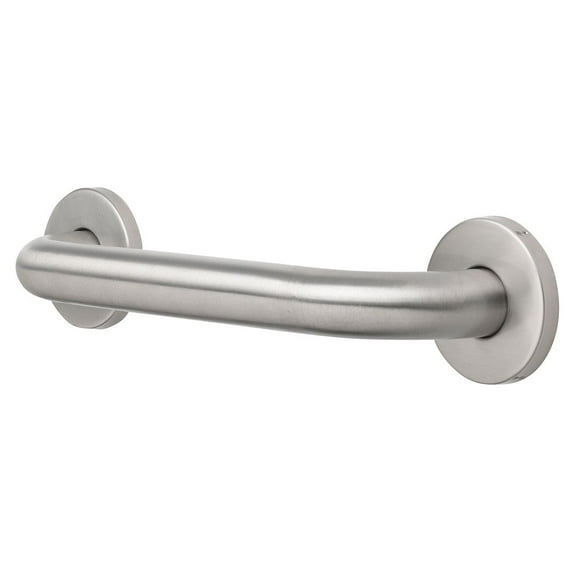
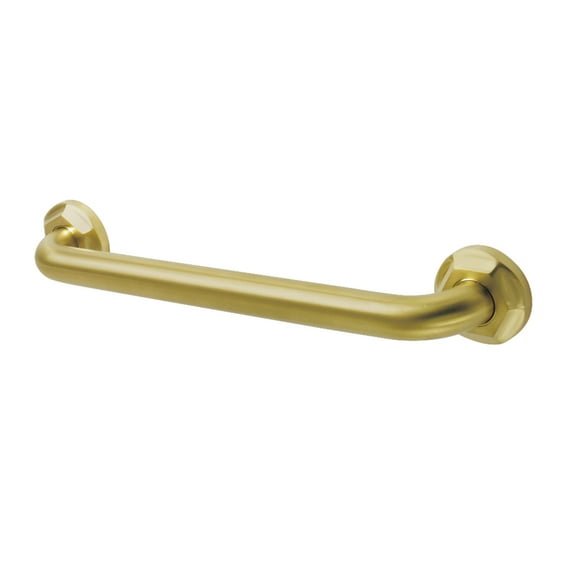
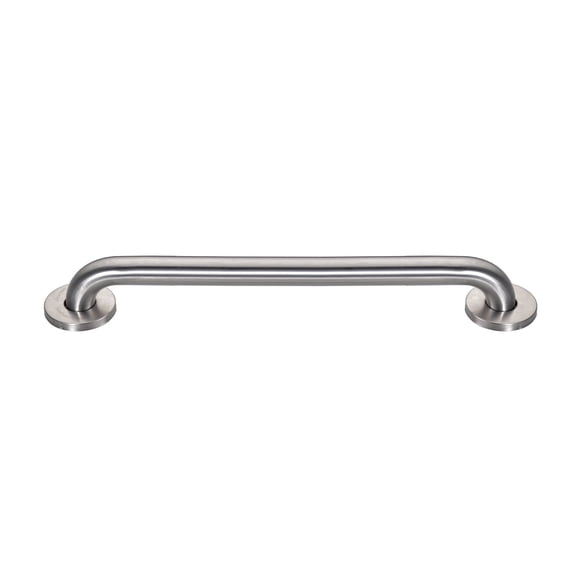
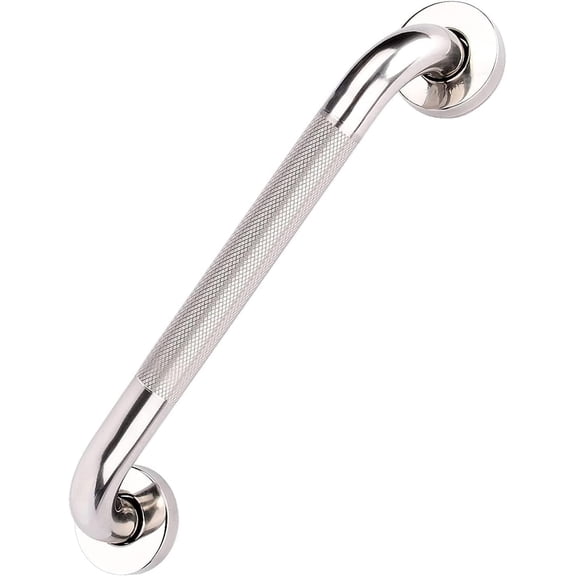
Stainless steel grab bars can give you a clean finish that fits many modern bathrooms. You may choose brass or chrome when your fixtures already follow that hardware look.
Plastic bars can appeal to you when you want a lighter visual presence or a softer touch. You should compare the surface texture and mounting style along with the listed weight capacity.
Finish matters when your hands are wet and your bathroom has a specific design direction. You can compare brushed nickel, polished chrome, matte black, and textured grip styles for both function and appearance.
Textured grip surfaces provide added security compared to a smooth decorative finish. You’ll want to compare bar diameter and wall clearance too, especially when ADA grab bars are part of your plan.
What to look for in weight capacity and ADA details
You should match the bar’s rated capacity to the support level your space requires. Your review should include the listed load range, mounting method, and whether installation affects that rating.
Some shoppers compare bars rated around 250 pounds, while others need ratings closer to 500 pounds. You’ll want the capacity details to align with how you will use the bar each day.
ADA grab bars can matter when you’re planning for code-focused spaces or accessible bathroom layouts. You should check diameter and wall clearance because those measurements affect how comfortably you can grip.
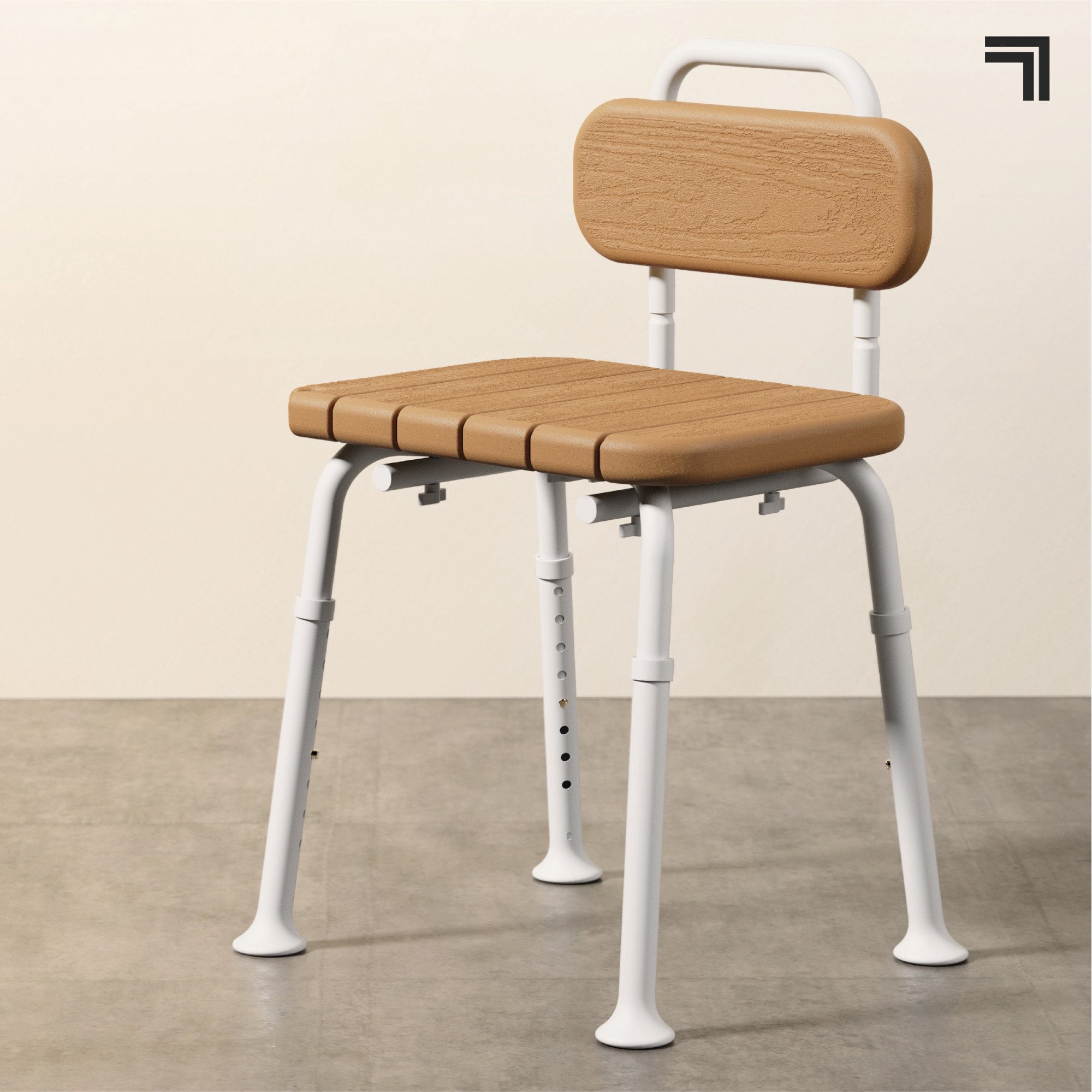
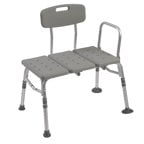
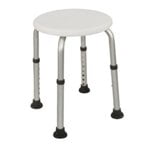
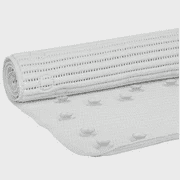
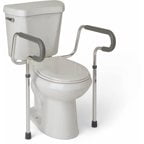
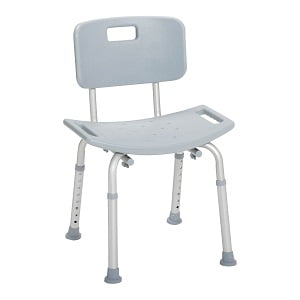
If you’re building an accessible shower, handrails for shower areas often need thoughtful placement near entry and seating zones. You can also coordinate them with shower chairs, bath mats, toilet safety rails, and handheld shower heads.
Matching grab bars to real bathroom setups
You may want a short bar beside the toilet, a longer bar along the shower wall, and another near the tub step-over. Your layout often benefits from mixing sizes instead of using one length everywhere.
In a narrow shower, you might choose a 12 inch or 18 inch bar where your hand naturally lands. In a larger shower, you may prefer a 24 inch, 36 inch, or 42 inch bar for more reach.
If adults, kids, and guests share your bathroom, you’ll likely compare finish and placement carefully. You can keep the room coordinated by matching brushed nickel, chrome, or matte black hardware.
For temporary needs, suction grab bars can help you add support without a permanent install. For everyday fixed support, you may lean toward screw-in safety grab bars with stud-based mounting.
When you’re balancing appearance with function, textured grip surfaces provide added security compared to a smooth decorative finish. You’ll notice that a secure hold often becomes the deciding detail in wet areas.
With the right combination of size, material, finish, and mounting style, you can create steadier movement around your bathroom. You’ll feel more confident when your grab bars fit both your space and your daily routine.