


Find auto parts that fit
Let’s search for parts that fit your vehicle.RV Cleaners in RV Parts & Accessories

















About RV Cleaners in RV Parts & Accessories - Walmart.com
Your rv cleaning supplies should handle road film, holding tanks, and roof grime without guesswork. You can compare surface use, system compatibility, and formula type to keep your rig cleaner with less trial and error.
When you maintain a motorhome or trailer, you need products matched to delicate finishes and onboard systems. You can use this guide to compare camper cleaner options for fiberglass walls, rubber roofs, drains, and toilet tanks.
How to choose rv cleaning supplies by job
You can get cleaner results when you match the product to the exact surface or system. You can choose exterior wash formulas for body panels, black streak removers for runoff marks, awning cleaner for fabric, and interior options for living spaces.
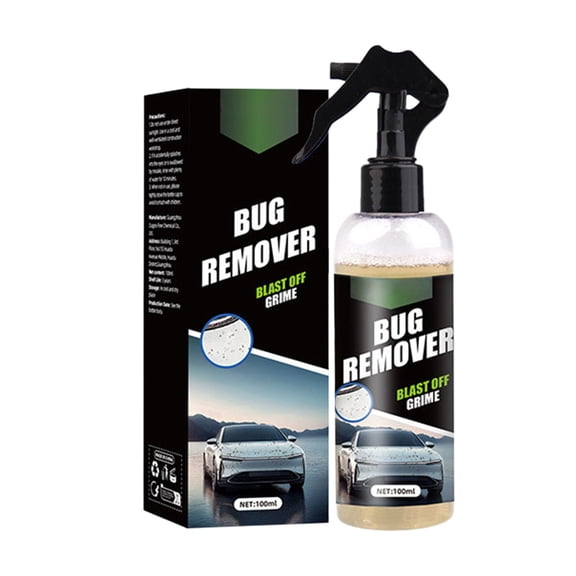
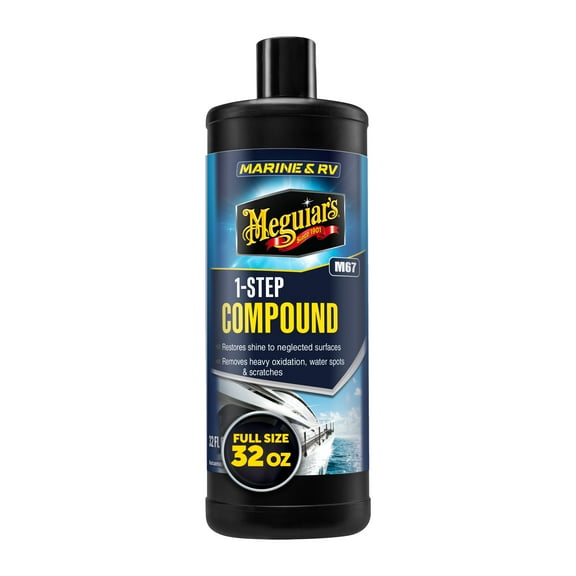
For exterior care, you may want an exterior rv cleaner that lifts bug residue and road grime from gel-coat or fiberglass. You can also look for formulas that clean black streaks without stripping wax from the finish you maintain.
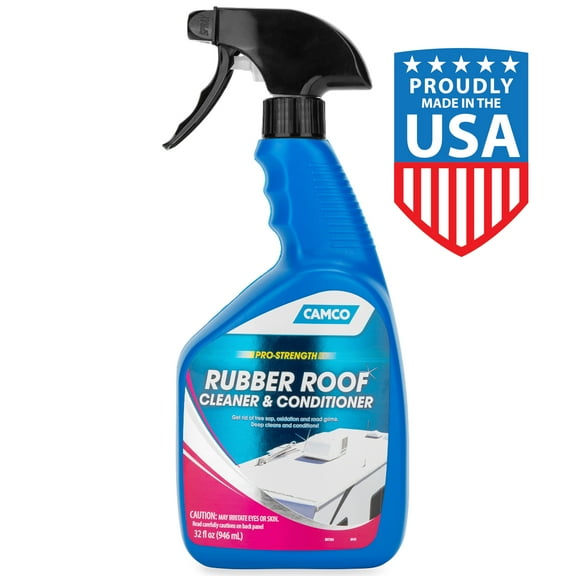
On the roof, you should check whether the cleaner is meant for rubber roof materials before you spray or scrub. This helps you avoid mismatched formulas and keeps your maintenance routine simpler from one trip to the next.
- You can target black streaks, roof film, and road residue with surface-specific formulas.
- You can keep tanks and drains in mind by choosing system-compatible cleaning products.
- You can compare liquids, gels, powders, and drop-in tablets based on how you prefer to apply them.
- You can maintain interior and exterior areas with products designed for RV materials and plumbing.
Choosing rv cleaners for exterior and interior surfaces
You should start with the application surface because that choice changes how the formula behaves. You can use exterior wash products for broad coverage, while black streak removers focus on vertical marks below vents and trim.
If you clean fabric awnings, you’ll want a cleaner intended for that material and typical outdoor buildup. You can then reserve stronger body-cleaning formulas for fiberglass panels, painted sections, or other hard exterior surfaces.
Inside your RV, you may prefer interior cleaners that suit compact kitchens, baths, and touchpoints. You can keep your routine organized by separating cabin care from roof, drain, and tank maintenance.
When you compare rv cleaners, you should also check the target area listed on the label. You can narrow your options faster when you know whether you’re cleaning a roof, fiberglass wall, drain, or toilet tank.
What to look for in rv safe drain cleaner and tank care
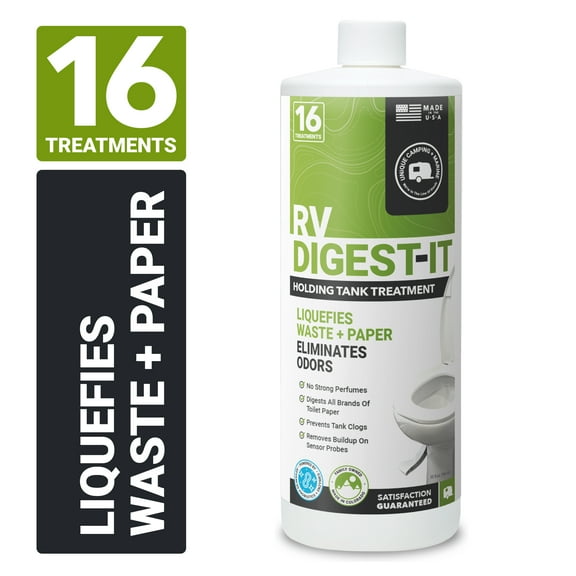
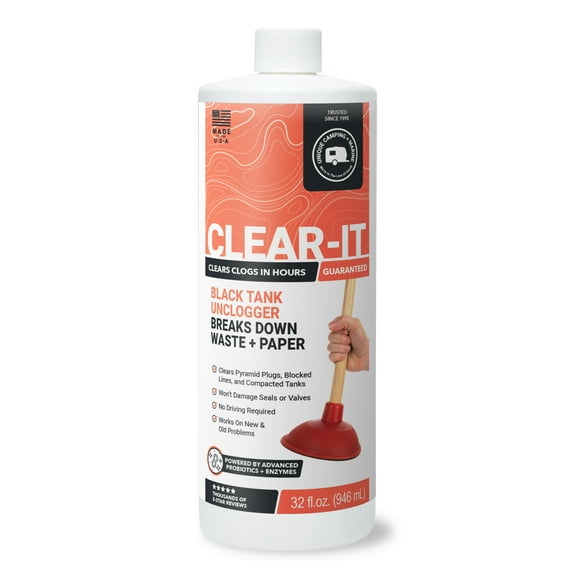
You should pay close attention to system compatibility because RV plumbing differs from household plumbing. You can look for an rv safe drain cleaner or rv drain cleaner that’s labeled for RV use, septic-safe systems, and holding tank setups.
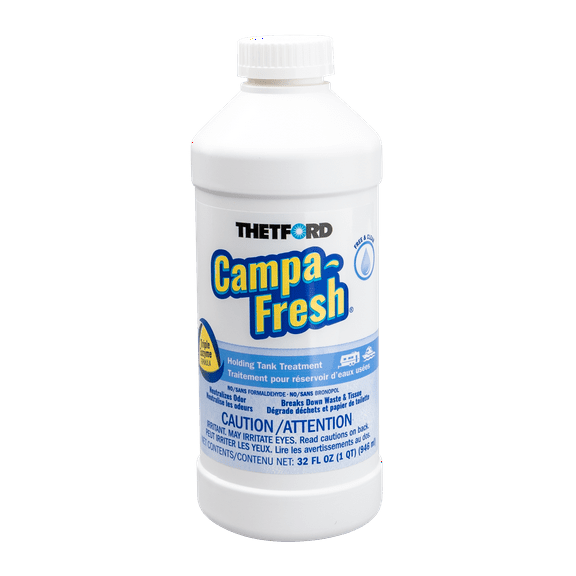
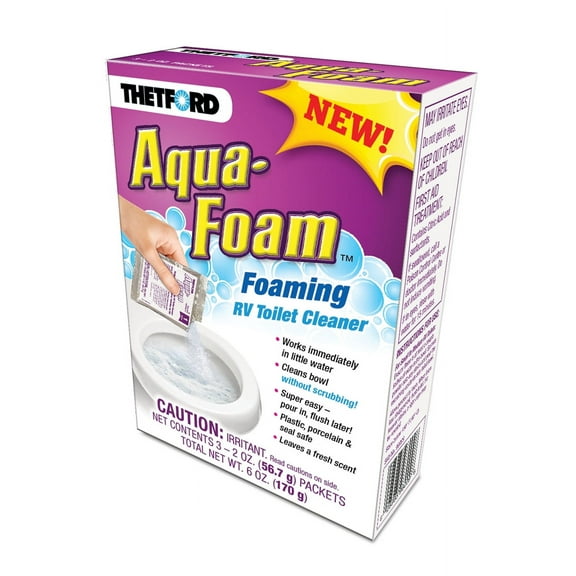
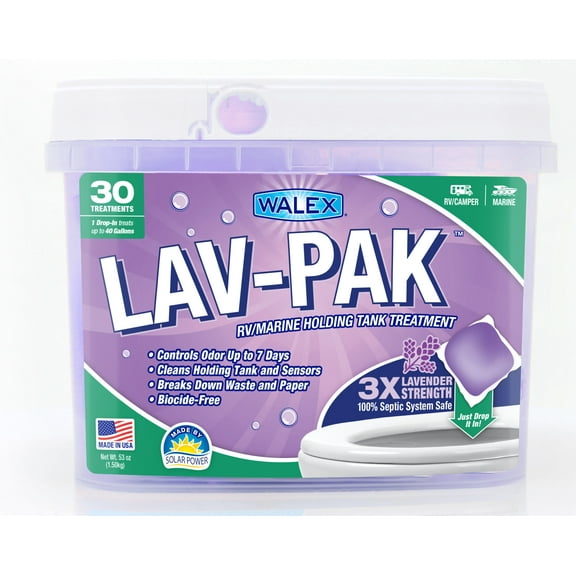
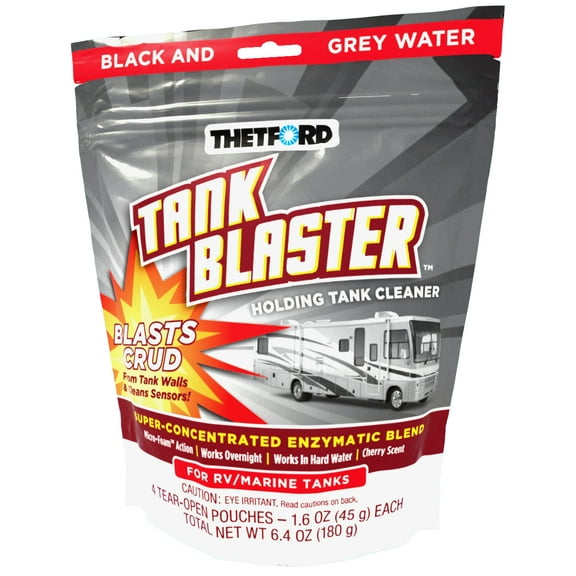
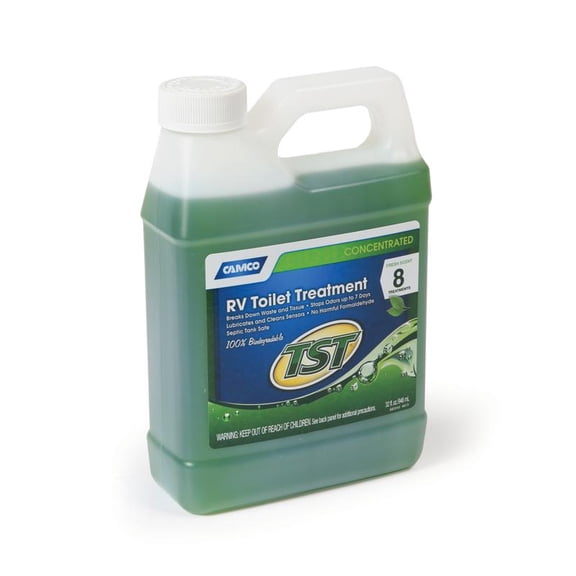
For toilet and tank maintenance, you may also want products described as holding tank safe or sensor-safe. You can use that guidance to choose formulas that work with onboard tank systems and common monitoring components.
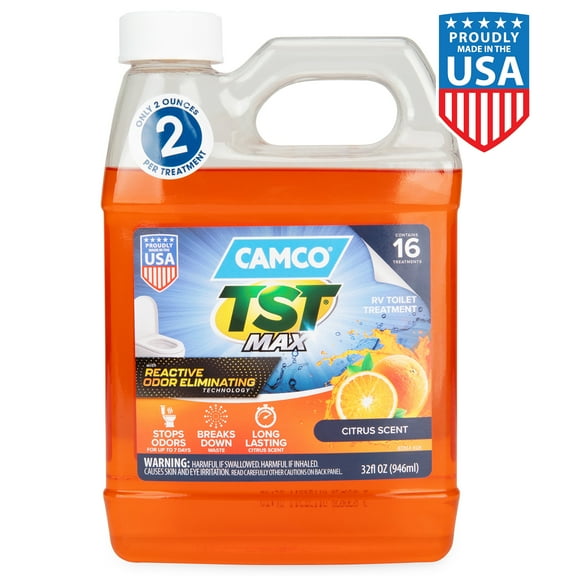
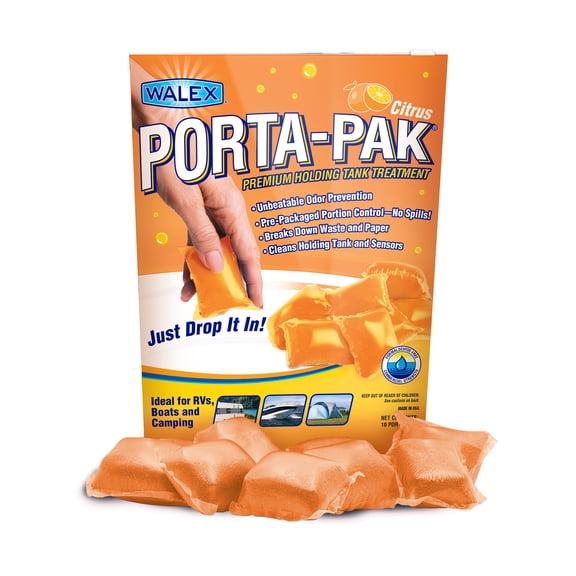
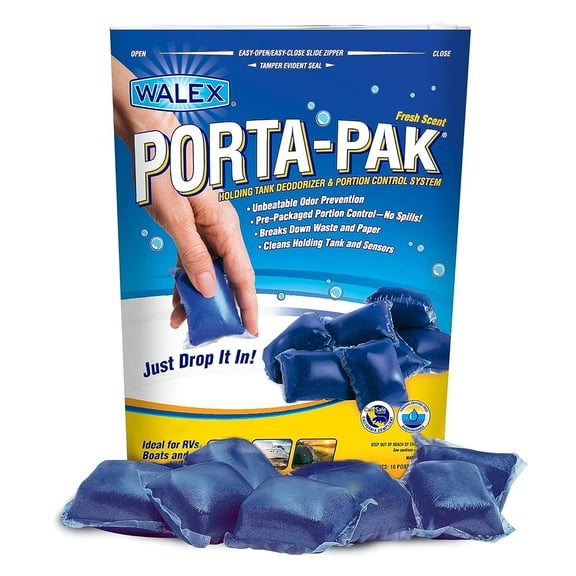
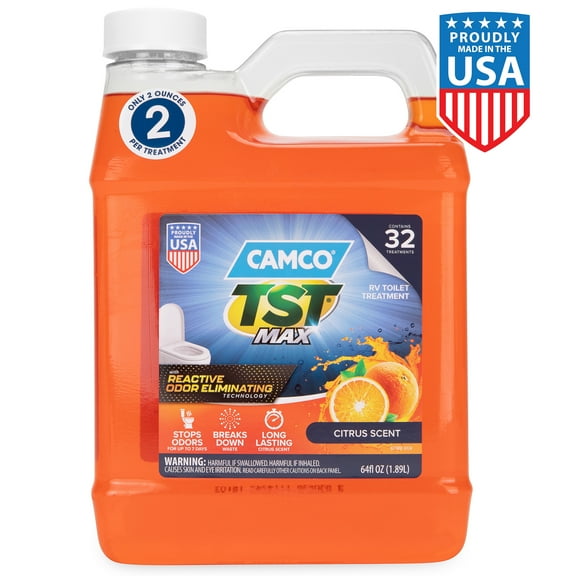
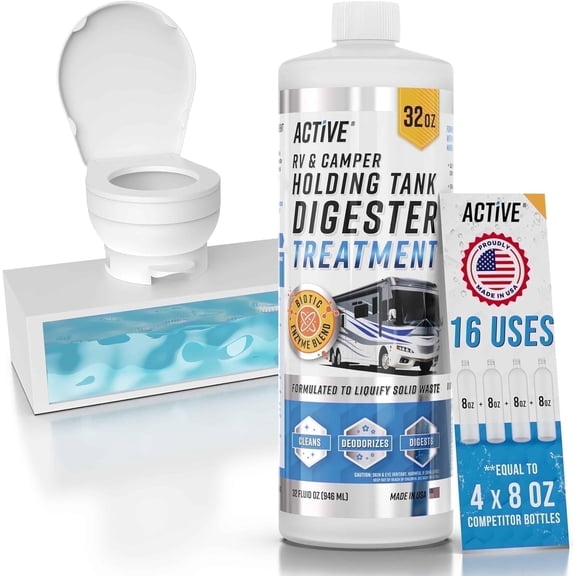
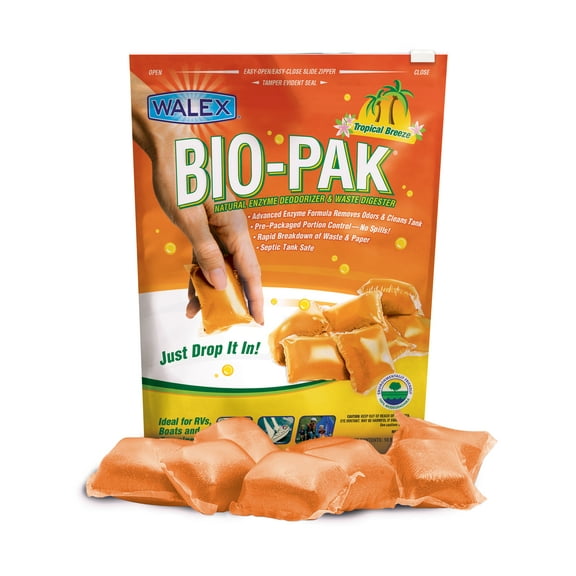
If you’re comparing porta potty cleaner or toilet tank treatments, you should focus on use instructions and compatibility notes. You can pick options meant for portable toilets, built-in RV toilets, or specific waste tank routines.
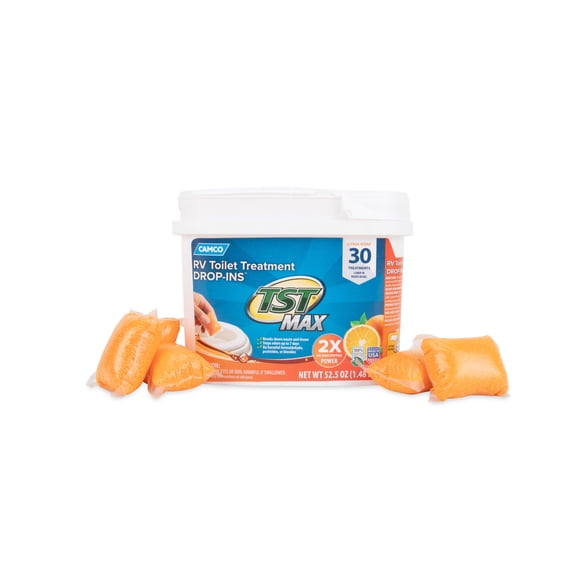
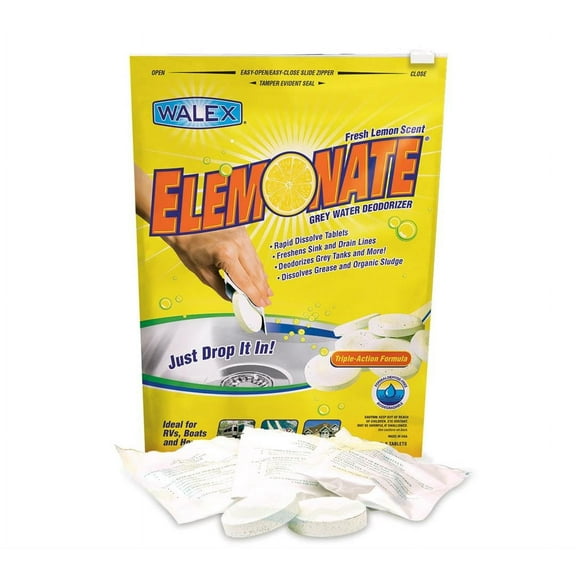
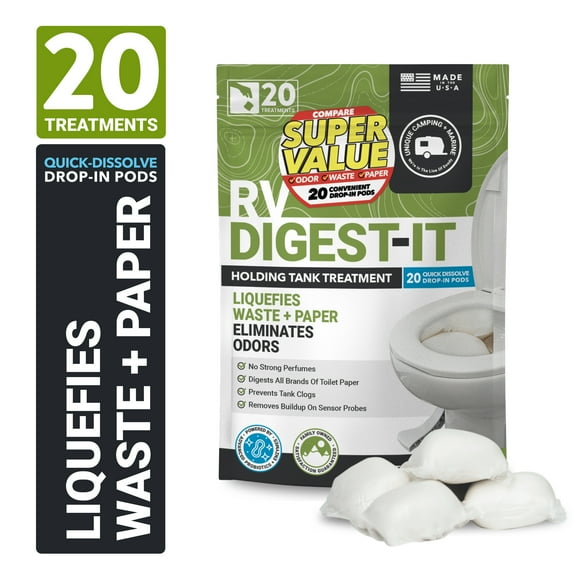
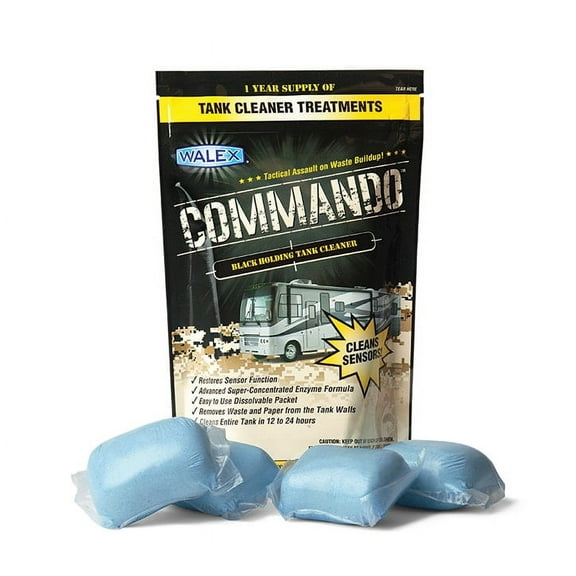
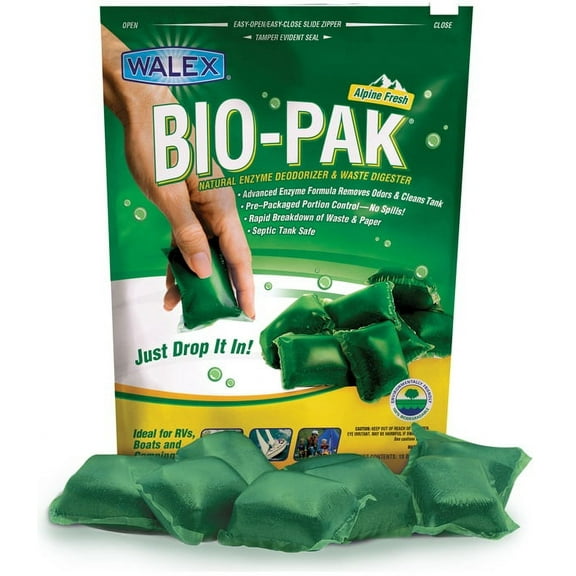
For routine maintenance, you may prefer drop-in tablets because they simplify measuring and storage. You can also choose liquid, gel, or powder formulas when you want more control over quantity and application style.
Comparing rv chemicals and cleaners by formulation
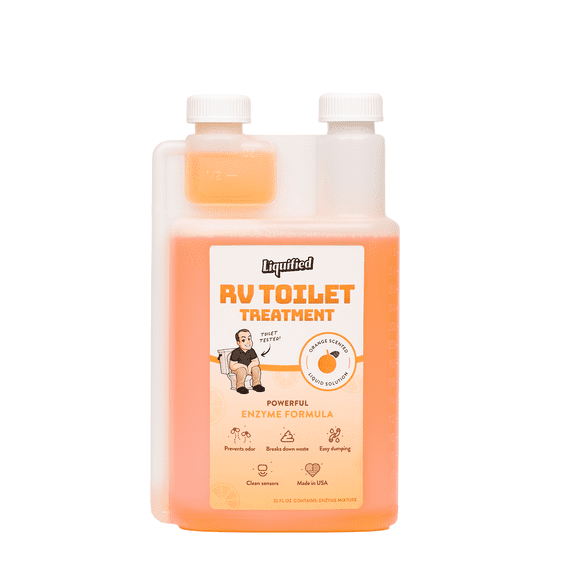
You may notice that formulation affects how you store, pour, and apply each product. You can choose liquid formulas for quick mixing, gels for cling on targeted areas, powders for compact storage, and tablets for grab-and-go convenience.
If you clean exterior panels often, you may like a liquid camper cleaner that spreads easily across larger sections. You can use gels when you want more contact time on streaked areas or spots around trim.
For drains and tanks, you should compare whether the formula is intended for direct application or dilution. You can make fewer mistakes when the product format matches your regular cleaning habits and storage space.
Because RV storage is limited, you may also think about container size and handling. You can keep your supplies more organized when the formula fits your cabinet, pass-through compartment, or utility bin.
Matching camper cleaner options to real RV jobs
Before a trip, you may want a camper cleaner that refreshes the exterior and clears away travel residue. You can pair an exterior wash with a black streak remover when sidewalls need more focused attention than a general rinse.
After a long drive, you might need a roof cleaner that’s compatible with rubber materials and runoff patterns. You can check the label for roof use so your maintenance plan matches the materials on your coach.
During campground stays, you may focus on toilet tank and drain upkeep between full cleanings. You can use rv chemicals and cleaners that fit holding tank routines, portable toilet care, or scheduled drain maintenance.
At season start or storage prep, you may break the job into zones for faster results. You can clean fiberglass walls, awnings, drains, and interior areas with products chosen for each surface and system.
When you compare rv cleaning supplies this way, you can make smarter choices for the exact work ahead. You can keep your RV looking cleaner outside and more manageable inside with products matched to roof, tank, drain, and wall care.