


Find tires that fit
Let’s search for tires that fit your vehicle.20 Run Flat Tires at Everyday Low Prices


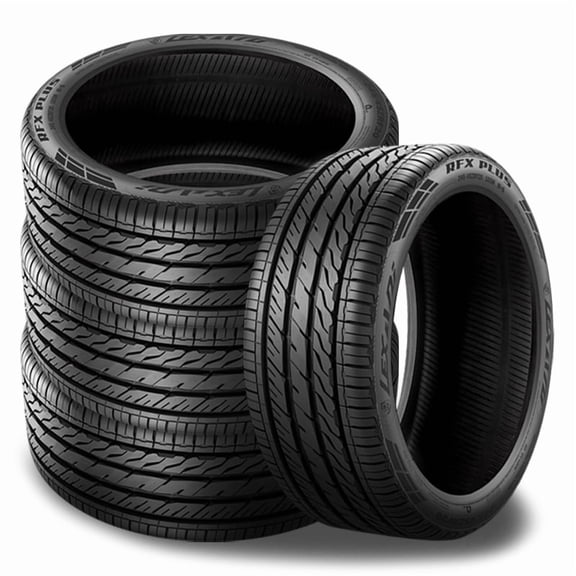

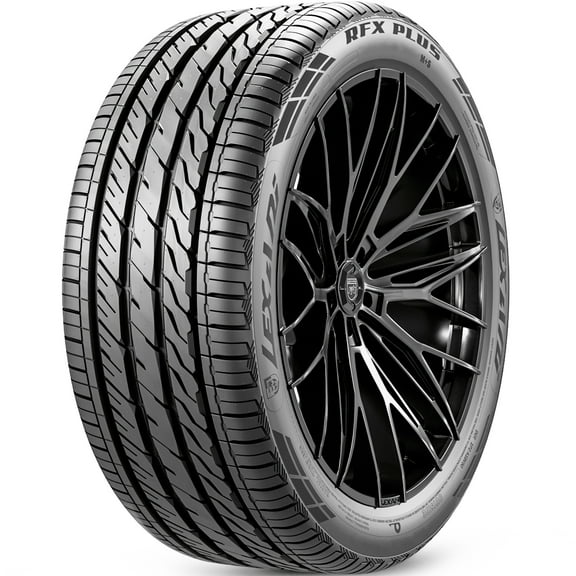
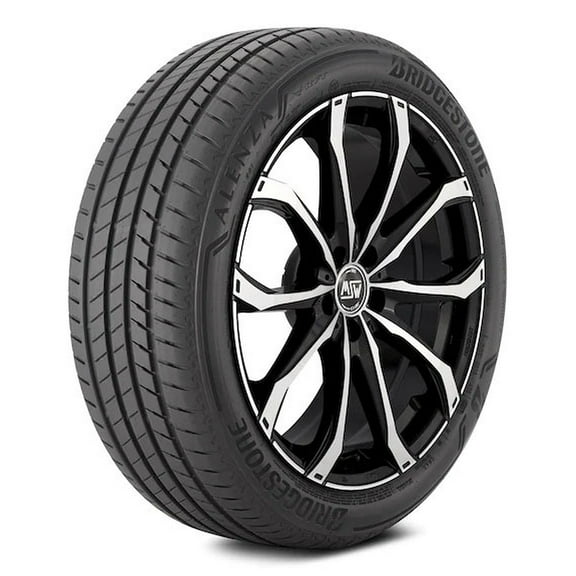

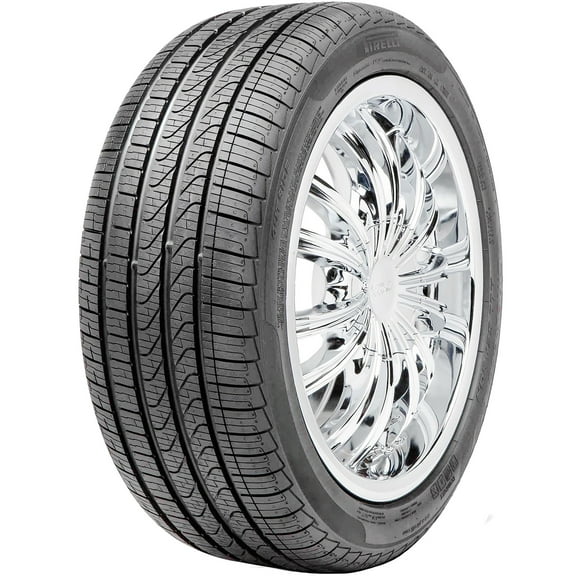






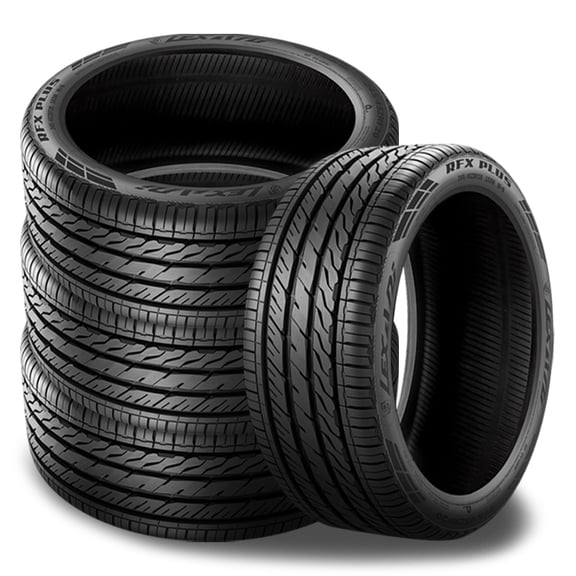
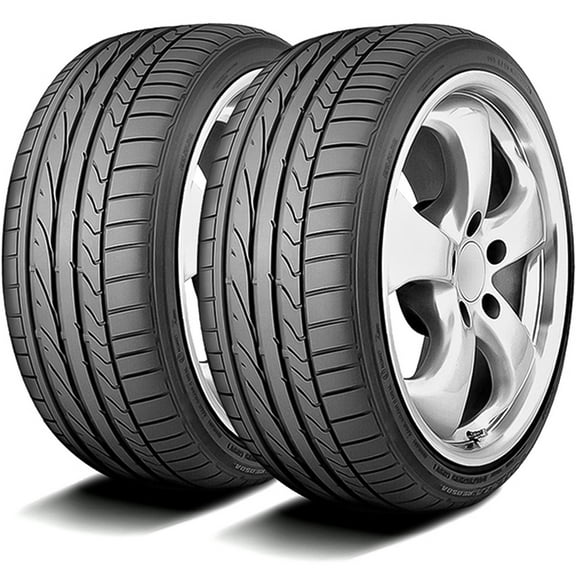
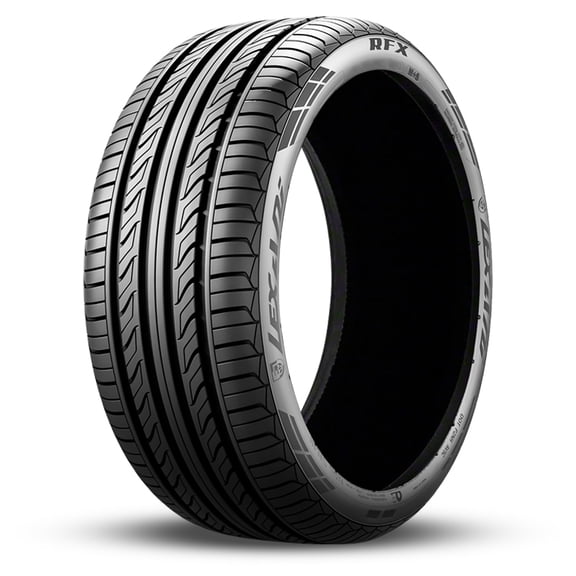
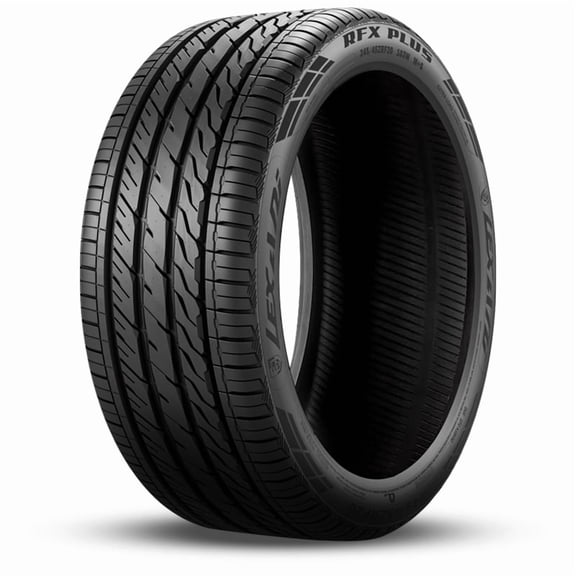

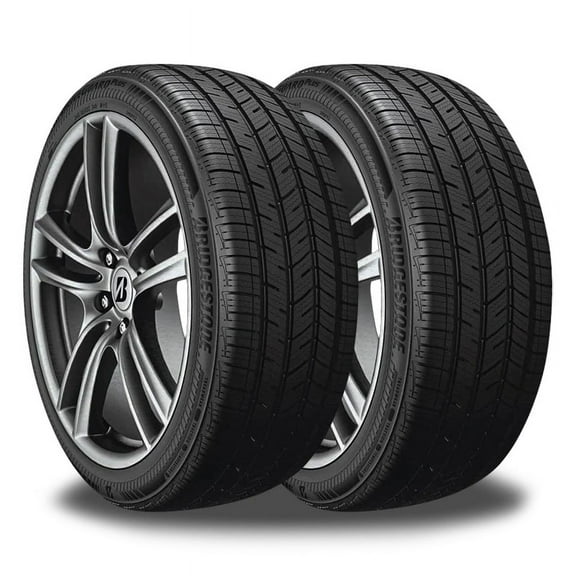
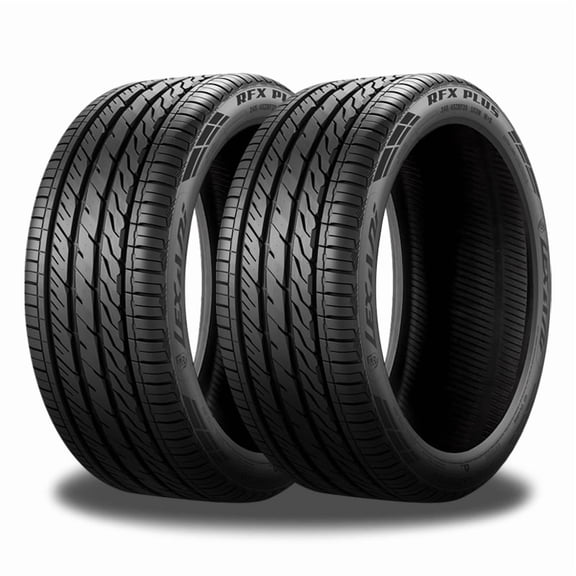

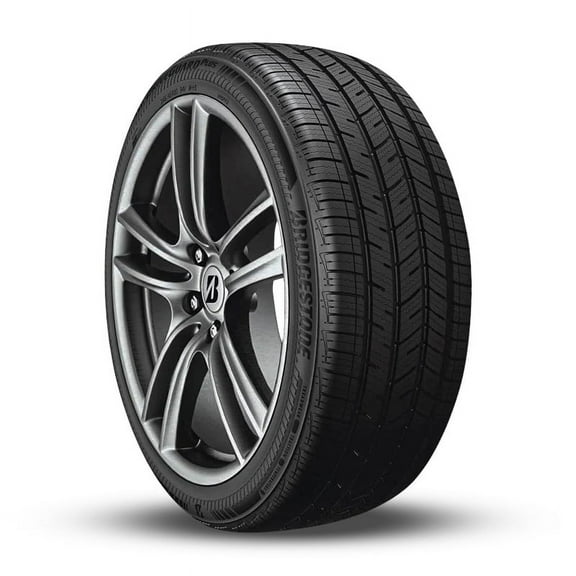
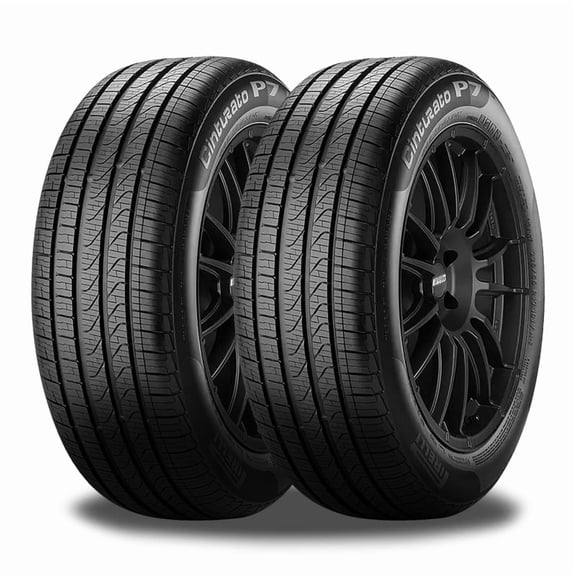

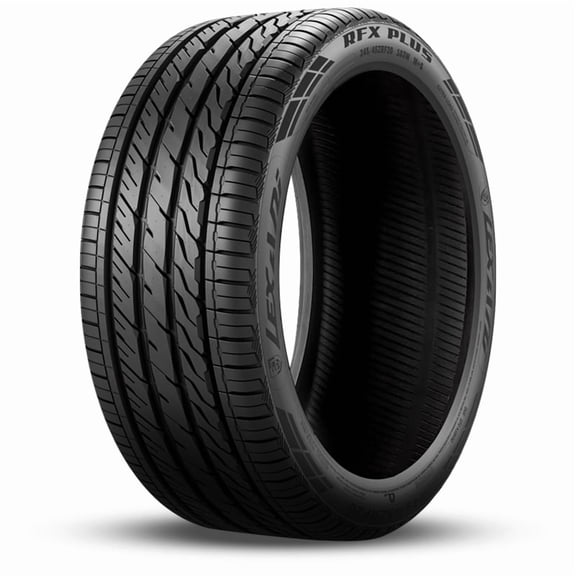
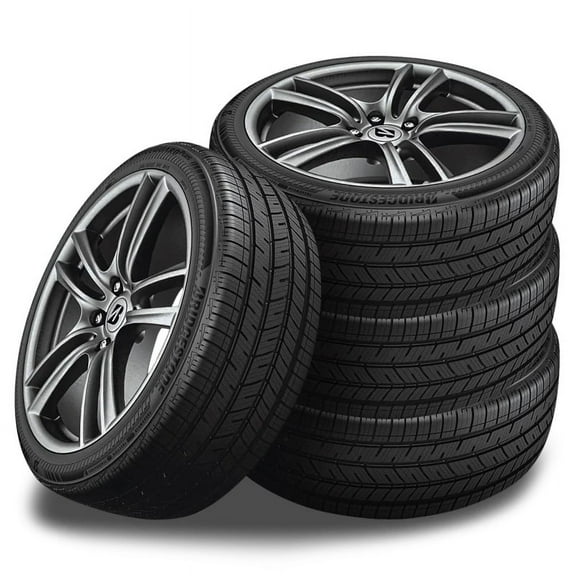
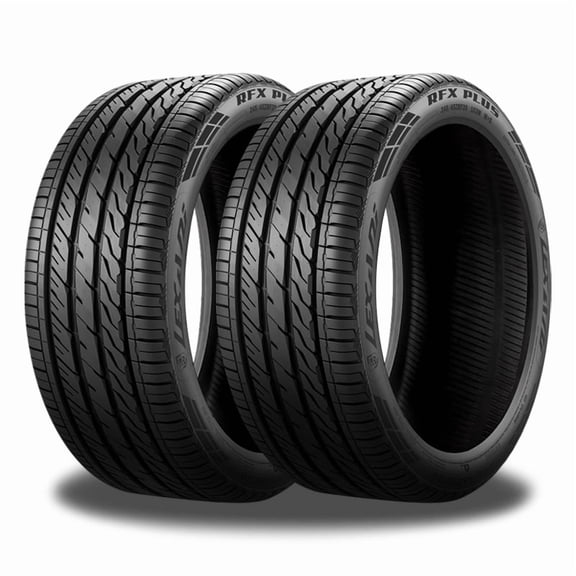


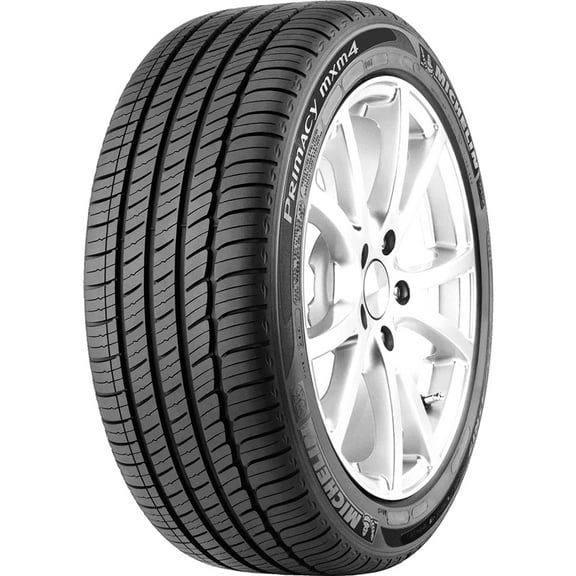


About 20 Run Flat Tires at Everyday Low Prices - Walmart.com
When you compare 20 run flat tires, you can narrow fit, handling, and installation choices around your vehicle’s exact requirements. You can use 20-inch sizing, seasonality, vehicle type, and run-flat construction to build a more accurate shortlist.
How to choose 20 run flat tires by fit
Start with your owner’s manual, because you need the correct 20-inch rim diameter before you compare tread patterns or sidewall designs. You should also check your tire width, aspect ratio, and speed rating, since those numbers shape steering feel and highway stability.
If your vehicle came with run-flat fitment, you should match the approved size and load details carefully. You can make a cleaner decision when you compare those specs first and review tread style second.
You may also want to confirm bolt pattern and wheel compatibility before installation, especially if your purchase includes wheels. You can avoid guesswork when your wheel setup and tire dimensions match your vehicle requirements.
Choosing between run flat car tires for your vehicle type
Your vehicle type changes what you should prioritize, because passenger cars, SUVs, and performance luxury models place different demands on a run-flat design. You may want comfort and everyday road manners for commuting, while you may prefer sharper response for performance driving.
If you drive an SUV, you may look for reinforced construction that supports added weight and steady highway handling. If you drive a performance luxury model, you may compare speed rating and sidewall response more closely.
You may notice that drivers often select run flat car tires for vehicles with larger wheels and lower-profile fitments. You can use filters for size and vehicle application to focus on options that align with your driving style.
What to look for in run flat tire construction
You should compare the two main run-flat approaches before you decide, because each one supports mobility in a different way. You may see self-supporting designs more often, and you can recognize them by their reinforced sidewalls.
You may also see a support ring system, which uses an internal ring to support the tire after air loss. You may want to verify whether your vehicle supports that setup, because fitment and wheel requirements can differ.
If you’re comparing a run flat tire design, you should focus on how the construction works with your vehicle’s approved wheel and tire system. You can make a smarter choice when you pair the run-flat type with your model’s fitment guidance.
- You can continue driving for a limited distance after air loss, which helps you reach a service location more conveniently.
- You may keep trunk space available, because you often do not need to carry a full-size spare.
- You can compare construction types by vehicle requirements, which makes fitment decisions more precise.
- You may find options matched to larger diameters, including 20-inch applications for modern cars and SUVs.
How to compare run flat all season tires, summer, and winter options
You should match seasonality to your roads and weather, because tread design changes how your tires respond in different conditions. You may choose run flat all season tires when you want one set for daily commuting and routine highway use.
If you want firmer dry-road response, you may compare summer options that emphasize handling and warm-weather traction. If you expect cold temperatures and winter roads, you should look for winter fitments designed for seasonal driving.
You can use seasonality as a practical filter after you confirm size, because the right diameter still comes first. You can get a more useful shortlist when your 20-inch fitment matches your vehicle and climate.
Understanding run flat tires cost and runflat tire price factors
When you review run flat tires cost, you should think about construction, size, seasonality, and vehicle fitment rather than one simple number. You may see runflat tire price change with 20-inch sizing, because larger diameters and lower-profile designs use different engineering.
You may also notice differences between all-season, summer, and winter choices, since tread compounds and intended use can vary. You can make a clearer comparison when you weigh upfront spend against continued mobility after air loss.
If longevity matters in your search, you should compare treadwear information along with ride priorities and installation plans. You can balance cost and everyday use more effectively when your tire choice fits your mileage habits.
Where to buy run flat tires with local installation options
If you’re deciding where to buy run flat tires, you may want online selection and an installation path that fits your schedule. You can check eligible services through Walmart and look for pickup or installation options that match your location.
When you search for run flat tires near me, you often want nearby availability, simple scheduling, and a clear next step. You can appreciate size filters, vehicle fit tools, and local service options that connect your tire choice to installation.
If you plan to buy run flat tires for a daily driver, you may want all-season fitments and straightforward appointment planning. If you drive a performance model, you may focus on exact speed ratings and 20-inch compatibility before service.
How to use these filters with confidence
You can simplify your decision by moving in order: choose rim diameter first, then seasonality, then vehicle type, and finally run-flat construction. You can avoid mismatched options when you treat speed rating, aspect ratio, and load details as required fit factors.
Once you confirm those details, you can compare tread goals, ride feel, and installation convenience with less guesswork. You can feel more confident when your selected tire matches your vehicle requirements and everyday driving routine.