



Tillers in Outdoor Power Equipment






















About Tillers in Outdoor Power Equipment - Walmart.com
Tillers cultivators help you turn packed soil into planting-ready rows with less hand work. You can compare power, tine position, and width to match your garden size and soil texture.
If you're planning raised beds, vegetable plots, or seasonal cleanup, you need the right machine for the job. You can narrow your choice faster when you understand how gas, electric, and cordless options differ.
How to choose tillers cultivators by power source
Power source shapes how you work, how far you can move, and how much soil you need to loosen. You should compare gas tillers, electric tillers, and cordless tillers based on plot size and routine use.
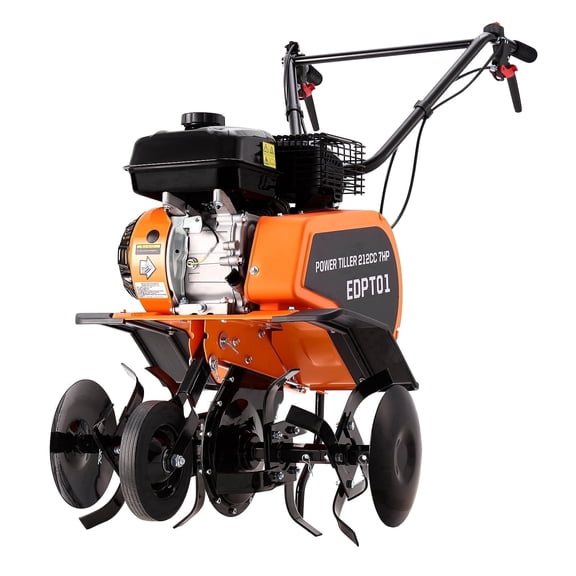
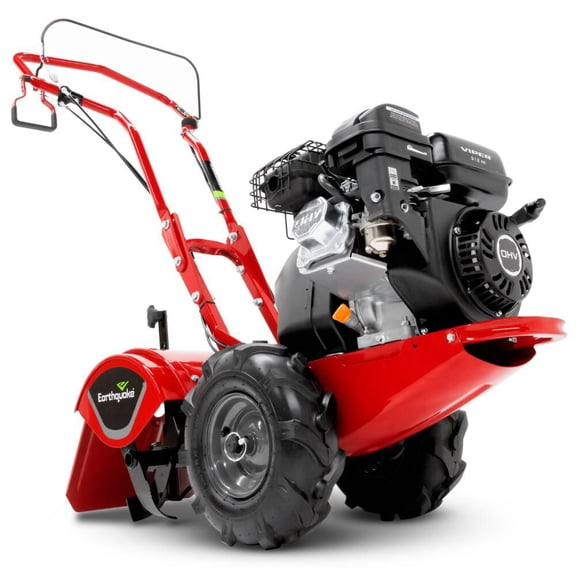
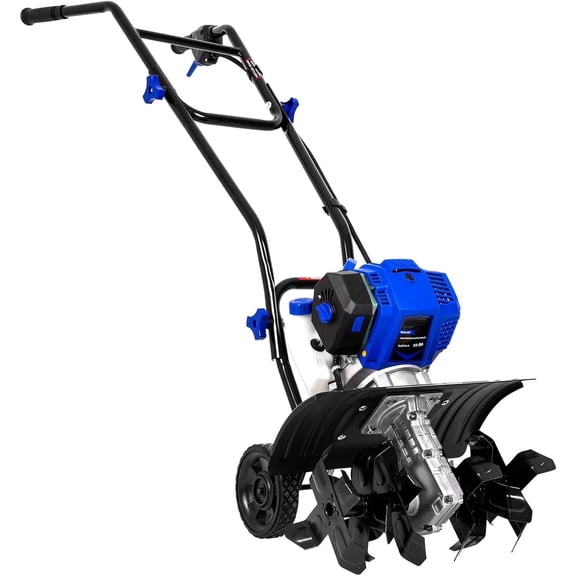
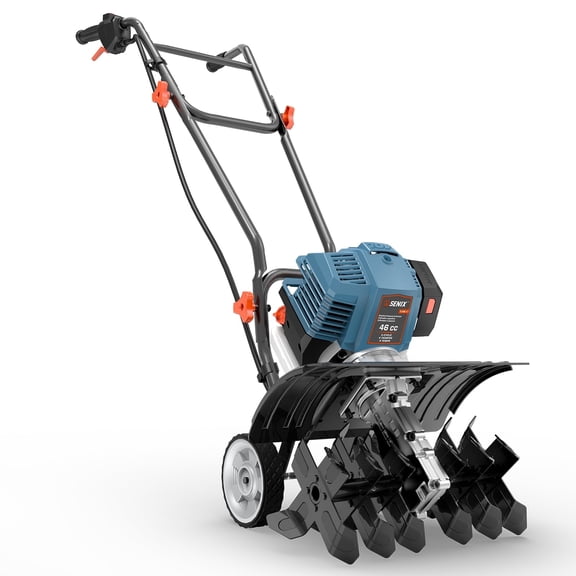
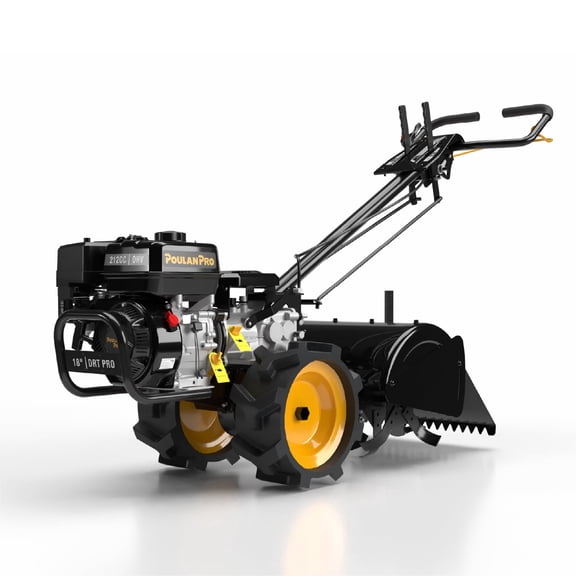
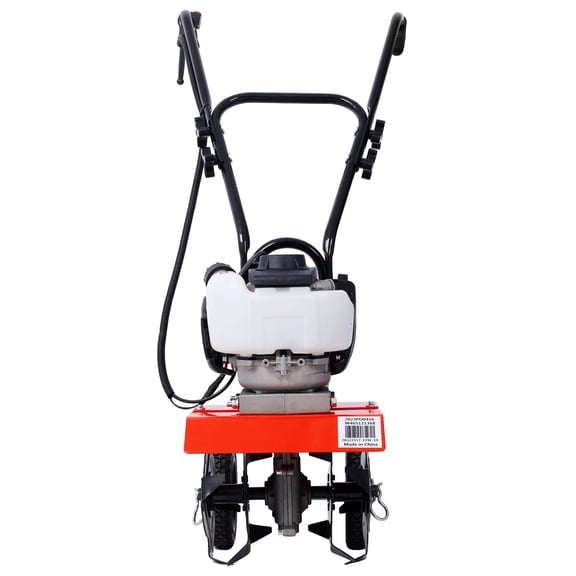
Gas tillers give you strong digging power for larger spaces and tougher ground. You can look at engine cc to gauge output, especially when you're breaking new ground.
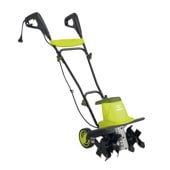
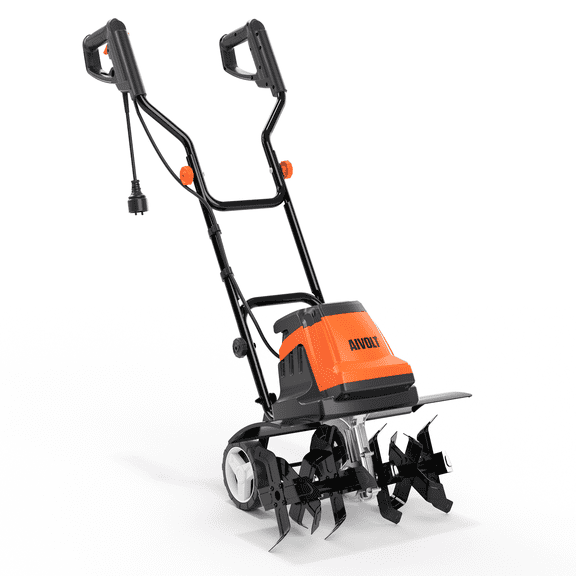
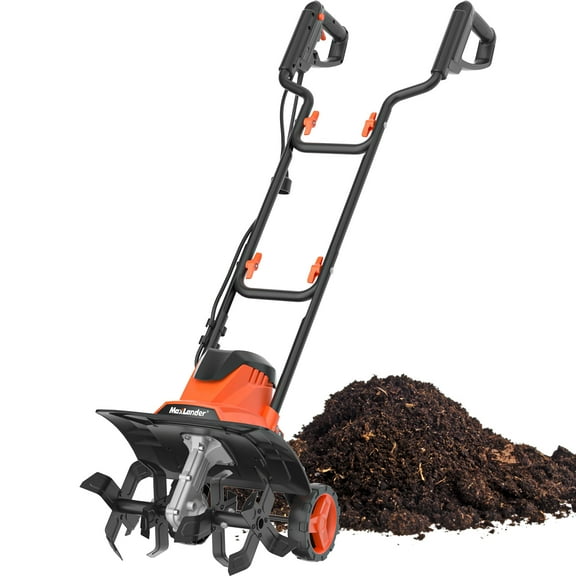
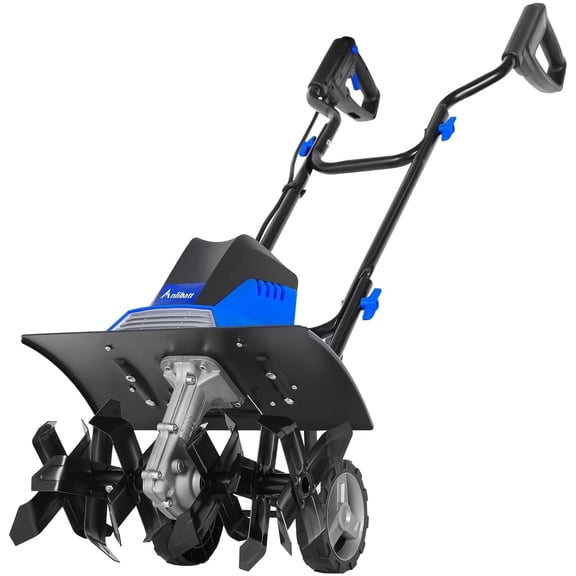
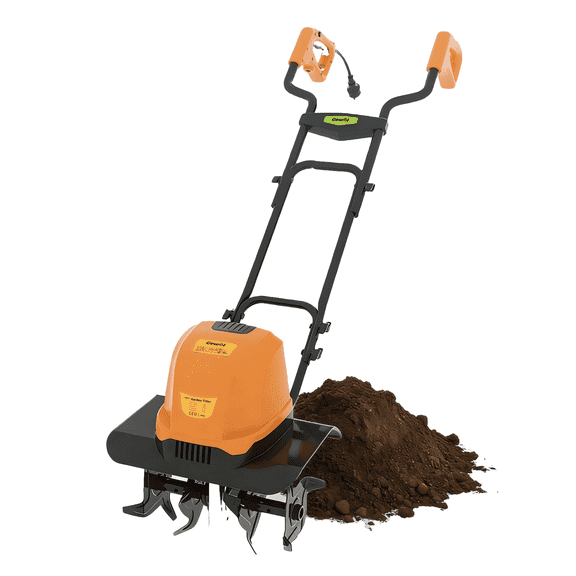
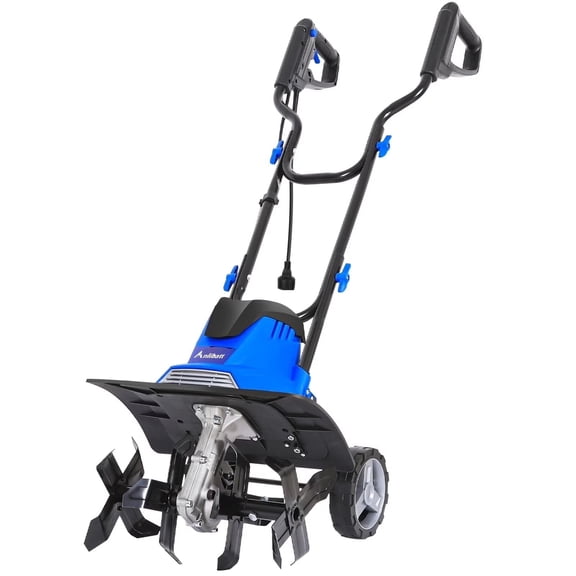
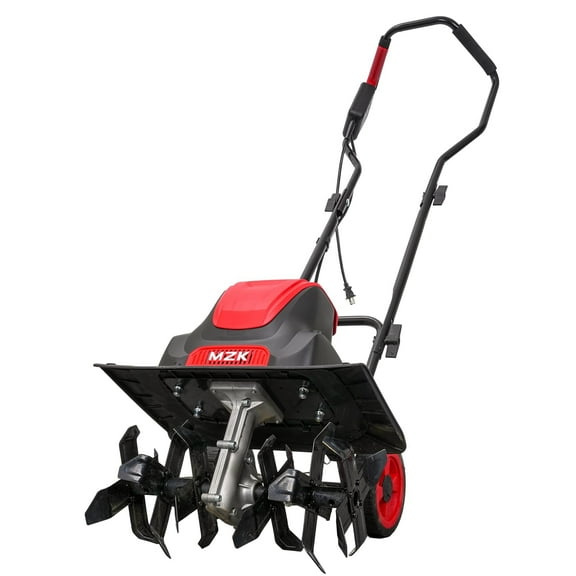
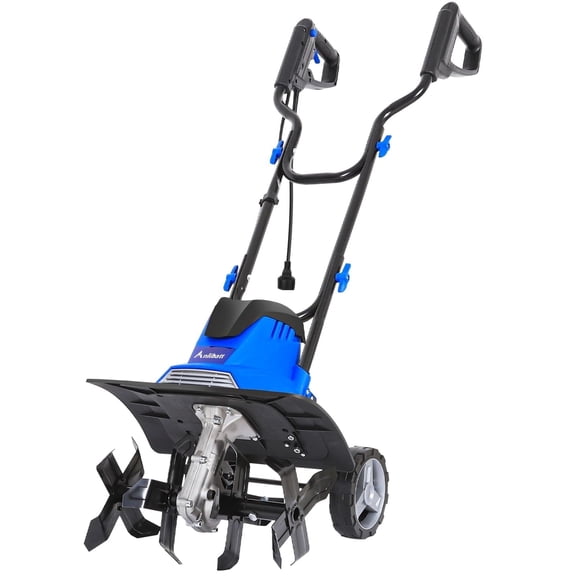
Corded electric tillers keep setup simple when you work close to an outlet. You can check voltage to compare motor strength for flower beds, soil blending, and regular garden maintenance.
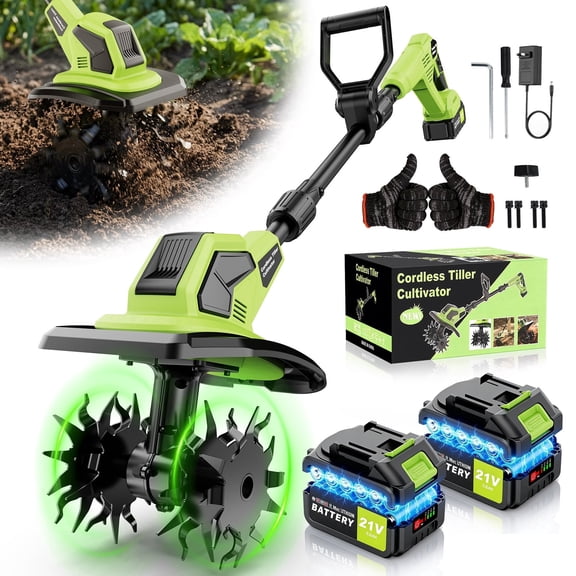
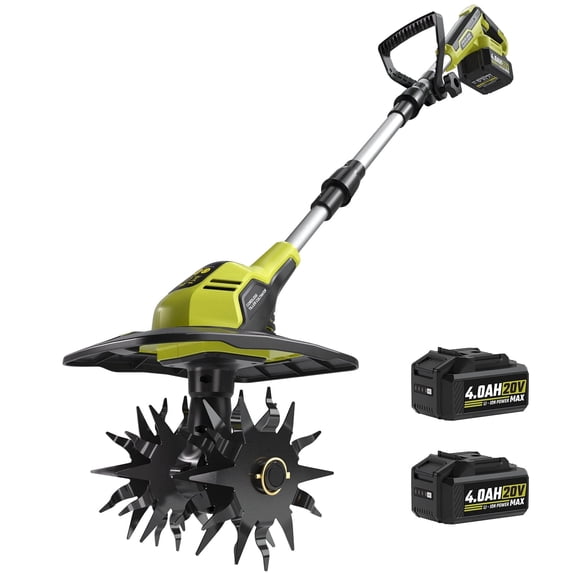
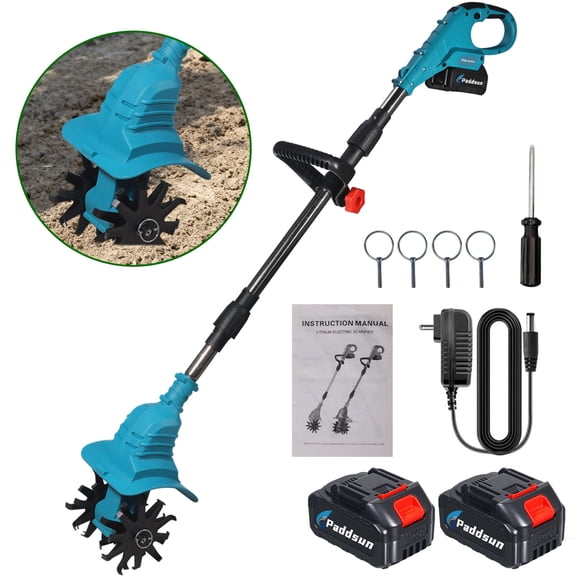
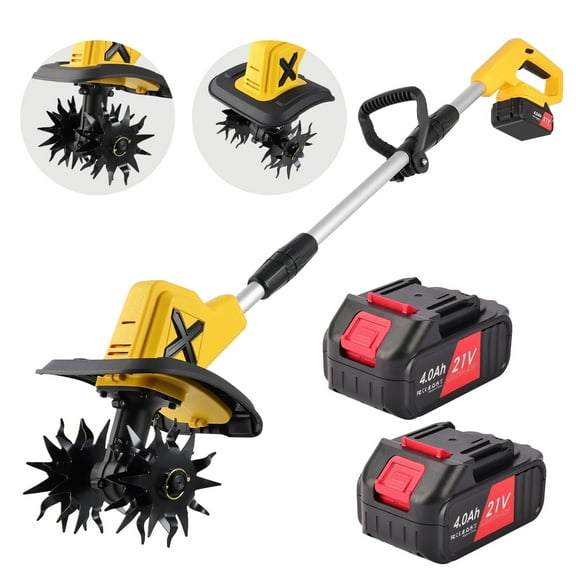
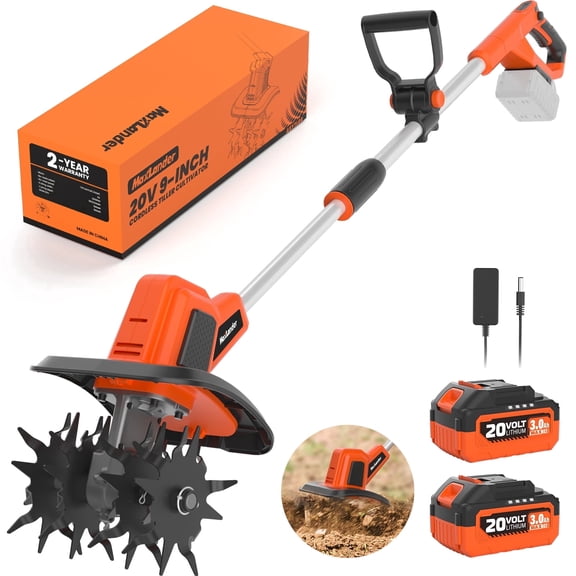
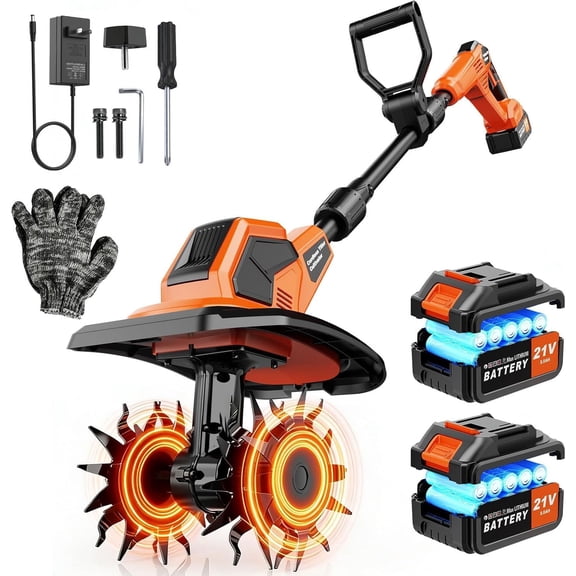
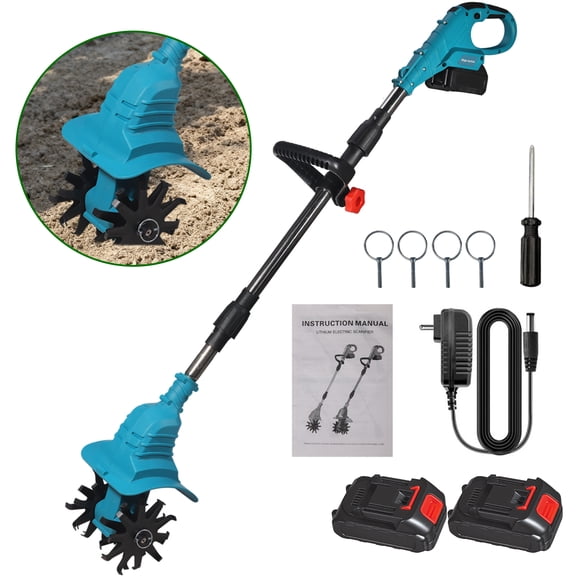
Cordless tillers give you cable-free movement around beds, borders, and smaller patches. You should compare battery amp-hours because higher capacity usually supports longer work sessions.
- You can use gas models for larger plots and dense soil.
- You can use corded models for steady power in compact spaces.
- You can use cordless models for flexible movement around beds and paths.
- You can compare voltage, battery amp-hours, and engine cc as practical buying clues.
Choosing front tine tillers, rear tine tillers, and vertical tine options
Tine position changes how your machine handles, pulls, and bites into the ground. You should choose front tine tillers, rear tine tillers, or vertical tine designs based on the soil work ahead.
Front tine tillers work well when you want control in smaller garden rows and established beds. You can use them for light digging, weeding, and mixing compost into loose soil.
Rear tine tillers suit heavier jobs where you need stronger traction and deeper soil preparation. You can use them when you're opening new garden space or working through firmer ground.
Vertical tine options can help when you want a narrower pass and close control around defined planting zones. You should consider them for tighter layouts where turning space matters.
What tilling width means for small garden tillers and larger plots
Tilling width affects how much ground you cover in each pass and how easily you move between rows. You should measure your paths, bed spacing, and gate openings before you choose a size.
A six-inch or 10-inch width can make sense when you work in narrow beds or around edging. You can guide small garden tillers more easily in compact spaces and around young plants.
A 16-inch width gives you a balanced middle ground for many home gardens. You can cover open rows faster without giving up too much maneuverability.
A 24-inch width fits larger sections where you want broader passes across open soil. You should check storage space and handling comfort because wider machines usually feel bulkier to move.
Matching garden cultivators to your soil and yard tasks
Your soil type should guide your decision because loose soil and packed clay behave very differently. You can choose garden cultivators with more confidence when you match the machine to the ground condition.
Loose, worked soil responds well to lighter machines for mixing amendments and refreshing rows. You can prepare planting areas quickly when your main job is soil blending or light cultivation.
Dense or compacted soil often calls for more digging force and steadier traction. You should lean toward stronger models when you're breaking new ground or opening an unused patch.
For flower beds and routine weeding, a lighter machine can feel easier to handle around established plants. You can move through tighter spaces with less bulk when you only need surface cultivation.
- You can blend compost and soil amendments before planting.
- You can weed between rows in established vegetable gardens.
- You can break new ground for larger seasonal planting areas.
- You can refresh flower beds without relying on hand tools alone.
Key features to compare before you choose garden tillers
You should compare handling details as closely as you compare motor strength. You can make yard work feel more manageable when you check weight, wheel design, and handle layout.
Lighter machines can feel easier to lift, turn, and store after use. You should still balance handling with digging strength, especially if your soil needs deeper cultivation.
Adjustable or fold-down handles can help when you store your tiller in a garage or shed. You can also look for widths and shapes that fit your storage area without extra rearranging.
If you switch between raised beds, open rows, and border work, you should compare how each model transitions between tasks. You can get a smoother experience when the machine matches your garden layout from the start.
When you compare tillers cultivators with these decision points in mind, you can prep soil with less guesswork. You end up with a machine that fits your ground, your space, and your planting plans.