


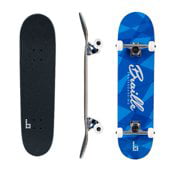
Skate Wheels Nearby: Roller Skate & Inline Wheels


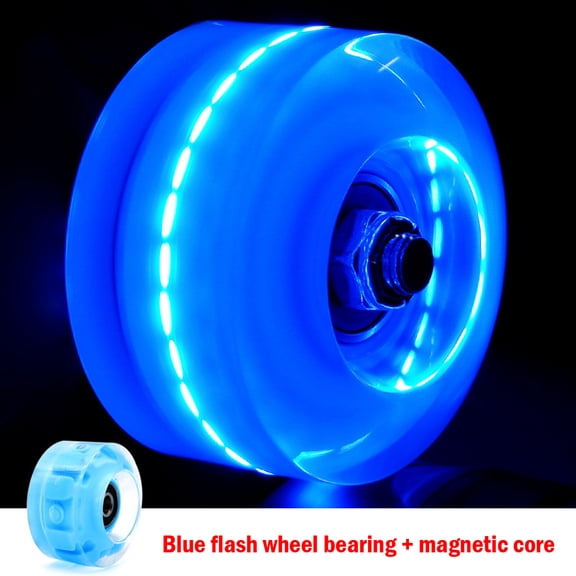


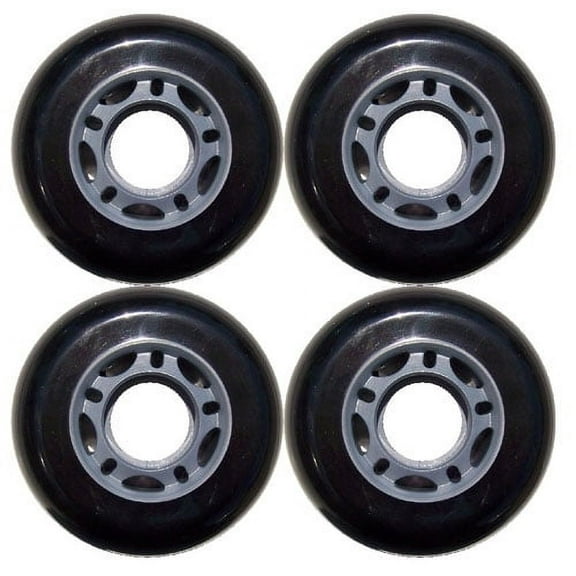
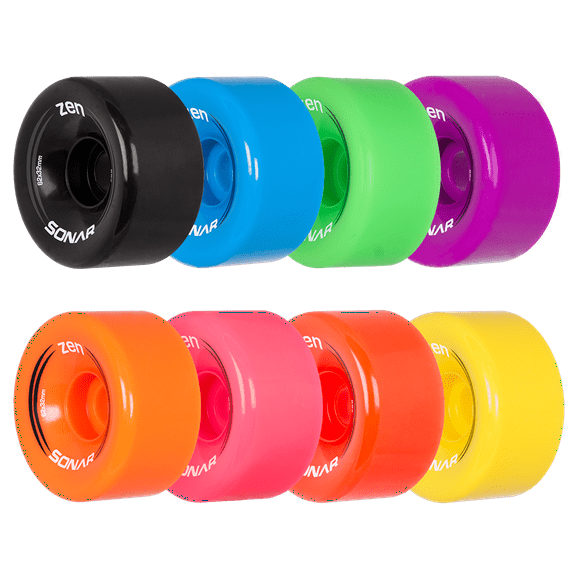


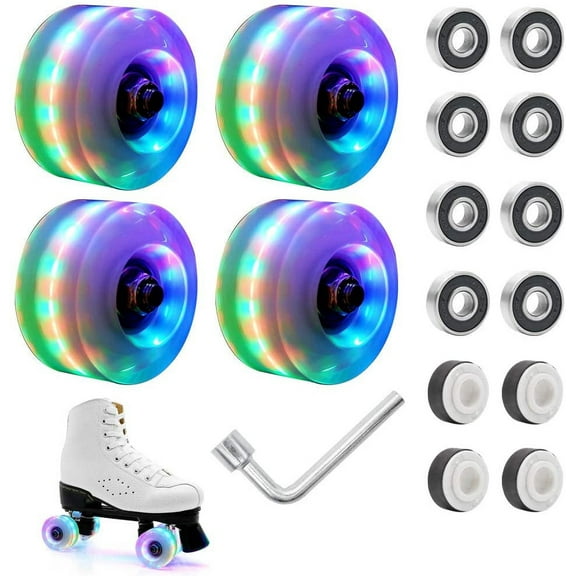


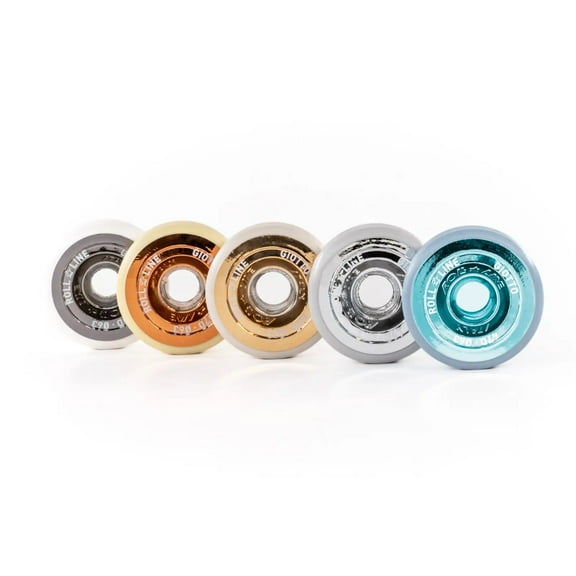
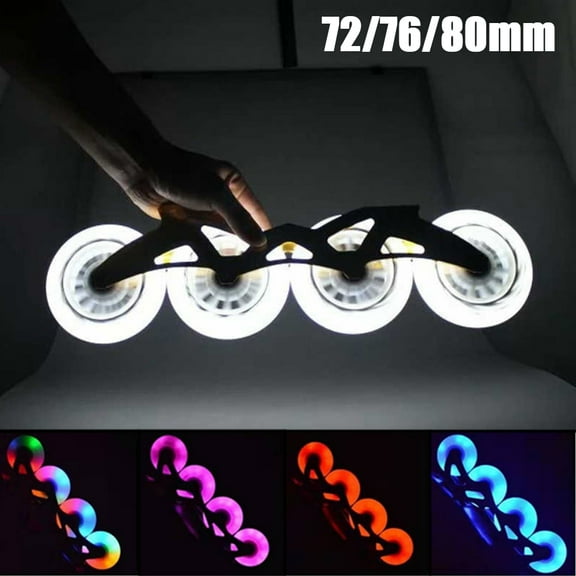


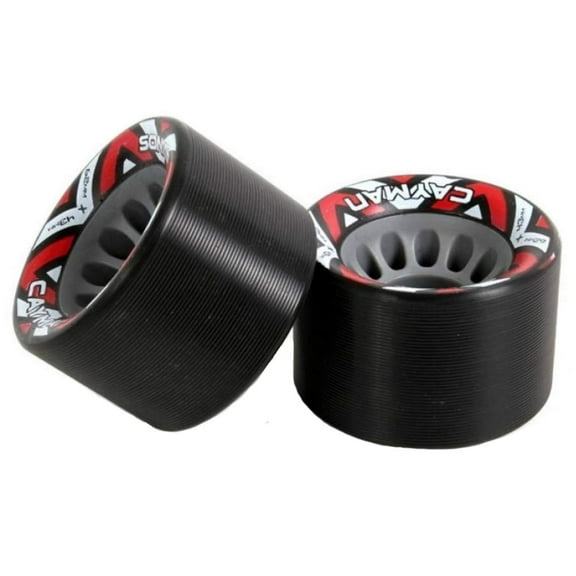

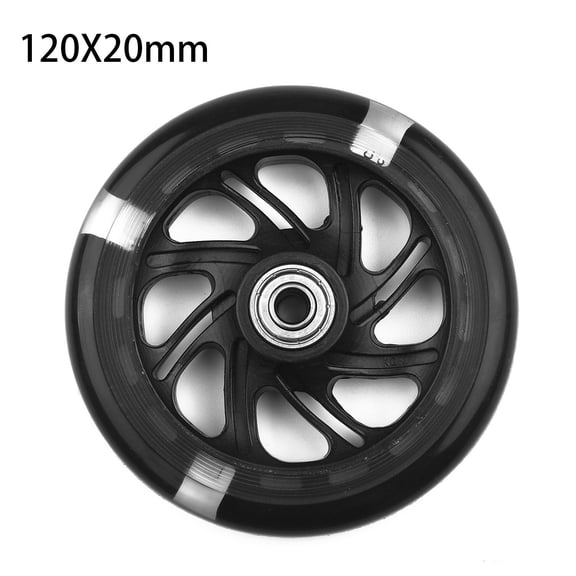
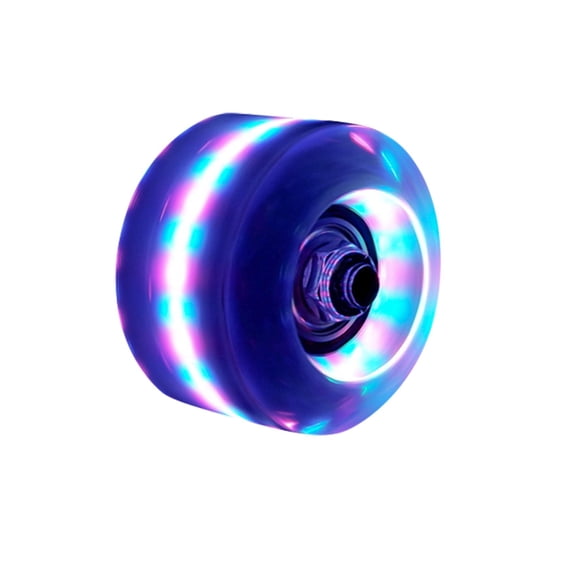
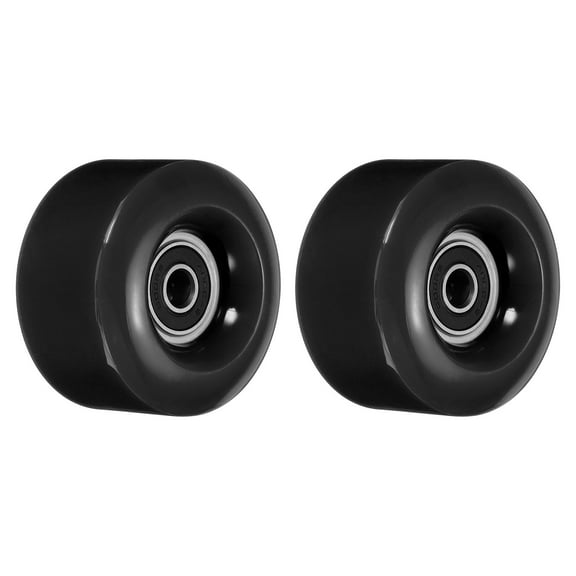


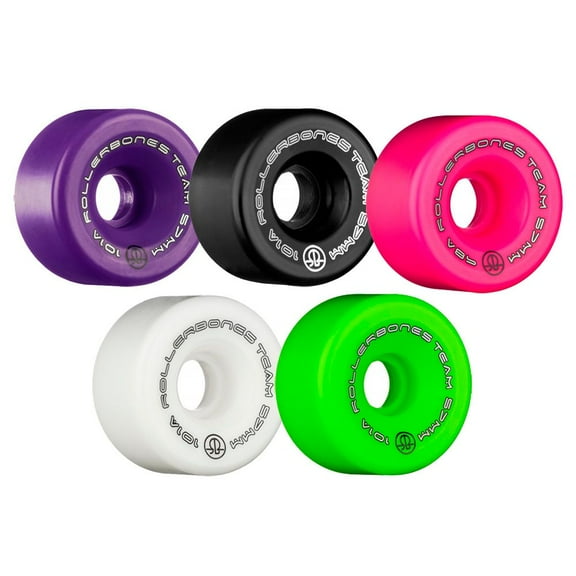









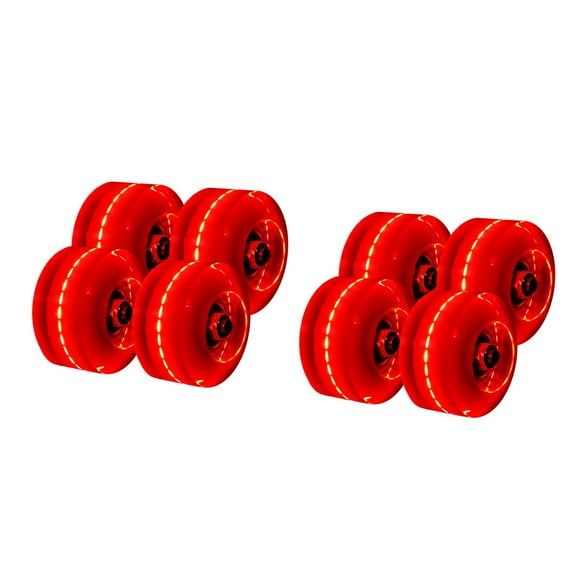


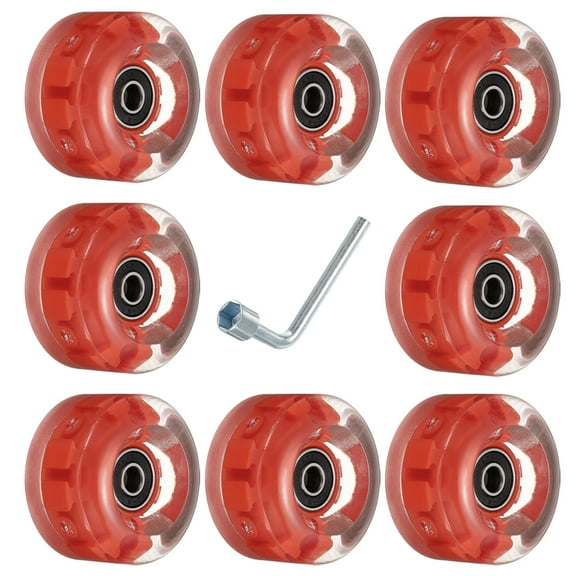


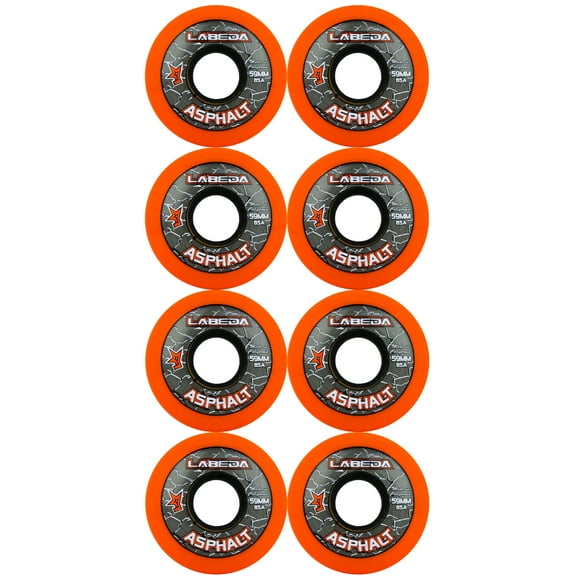
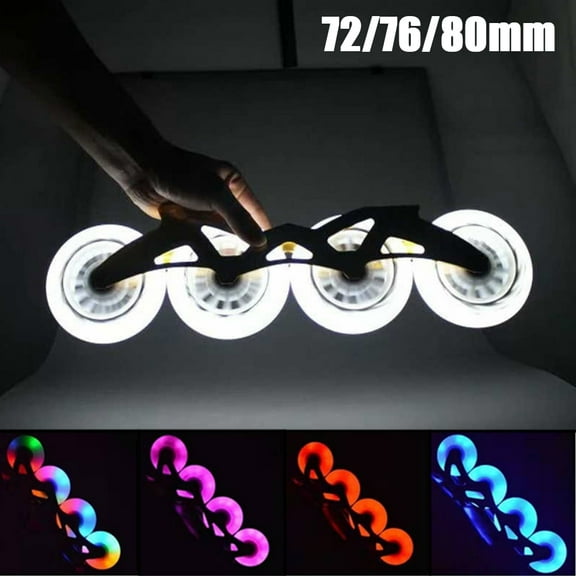


About Skate Wheels Nearby: Roller Skate & Inline Wheels - Walmart.com
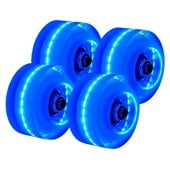
Skate wheels shape how your ride feels on pavement, ramps, and rink floors. You can compare size, durometer, and compatibility to match your setup more precisely.
If you're replacing worn parts or tuning a new build, you need details that matter fast. You can use this guide to narrow wheel type, surface use, and ride feel.
How to choose skate wheels by wheel type
You should start with compatibility before you compare colors or profiles. Your axle size and bearing fitment need to match your skates or board correctly.
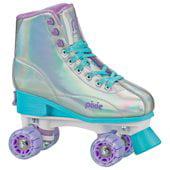
When you compare roller skate wheels and quad skate wheels, you should check hub shape and width. Your setup may need wheels that suit toe-stop clearance and plate spacing.
If you ride a board, you should compare skateboard wheels by diameter and contact patch. Your trucks, deck style, and riding surface influence how responsive your setup feels.
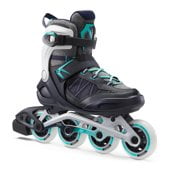
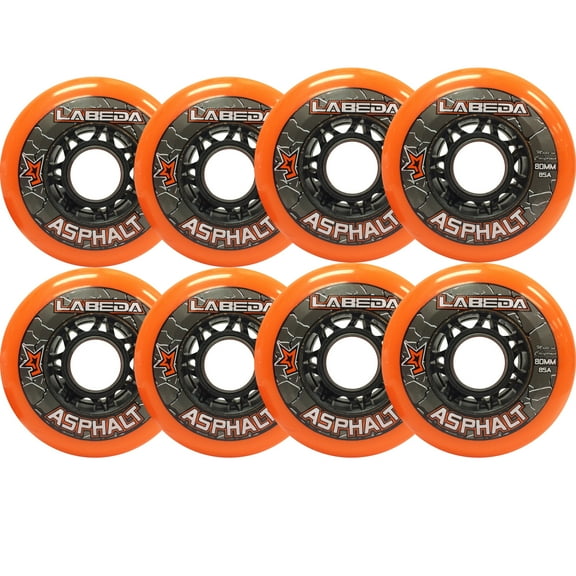
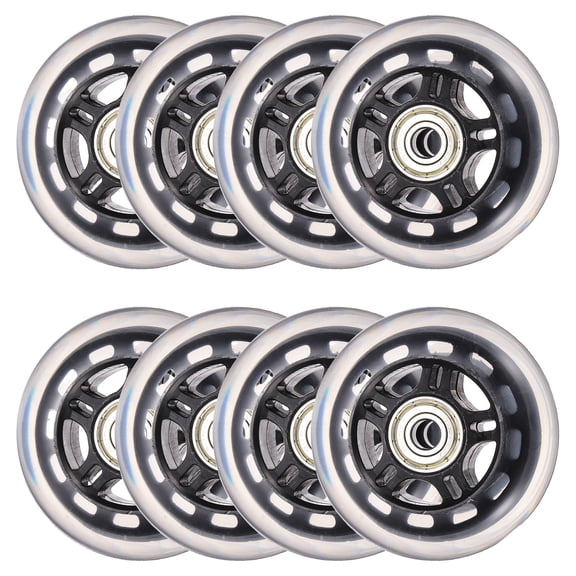
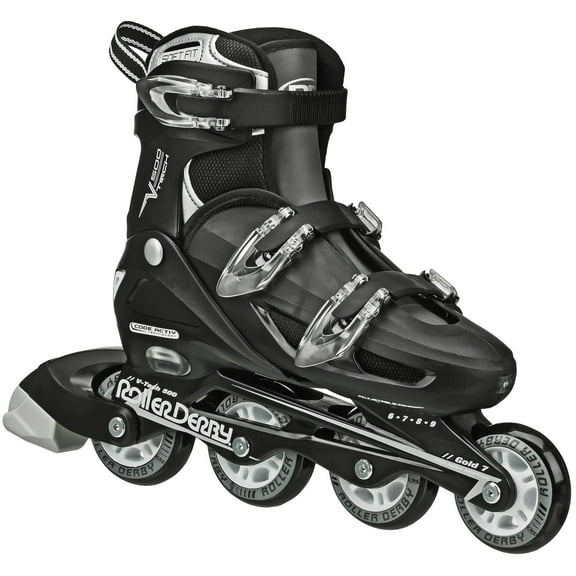
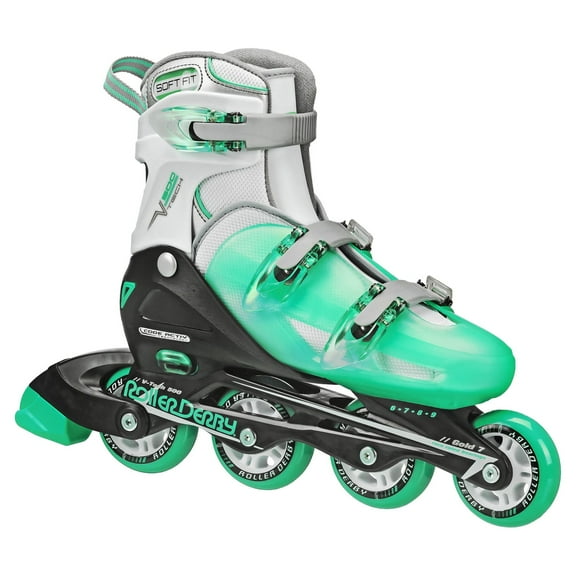
For inline skate setups, you should confirm wheel count, diameter range, and bearing compatibility. Your frame usually accepts a tighter size range than many other skate types.
- You can narrow choices faster by matching wheel type to your current setup.
- You can avoid fit issues when your axle and bearing specs align.
- You can tune grip, roll speed, and turning feel through the right wheel format.
- You can build a more predictable ride when your wheels suit your plate, frame, or trucks.
Choosing skate wheels by terrain and durometer rating
You should use terrain as a key filter because surface texture changes wheel feel quickly. Your outdoor skate wheels usually feel smoother on rough sidewalks and uneven streets.
When you compare indoor skate wheels, you should look for harder compounds for coated rink floors. Your ride can feel quicker and more direct on smooth indoor surfaces.
A durometer rating tells you how firm a wheel feels under pressure. You can read lower numbers, like 78A or 82A, as softer options for outdoor use.
You can read 95A or 101A as firmer choices for polished spaces or technical sessions. Your harder wheels often slide more easily and feel faster on smooth ground.
Polyurethane wheels are common because you can get grip and rebound in many hardness levels. Your comparison gets easier when you group options by surface first.
What to look for in diameter size
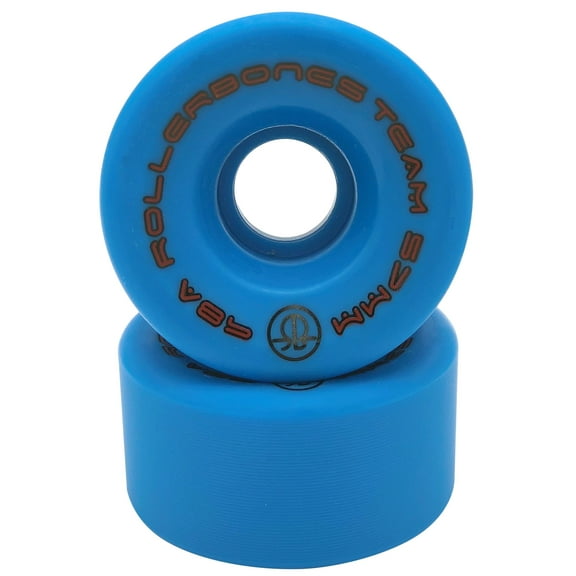
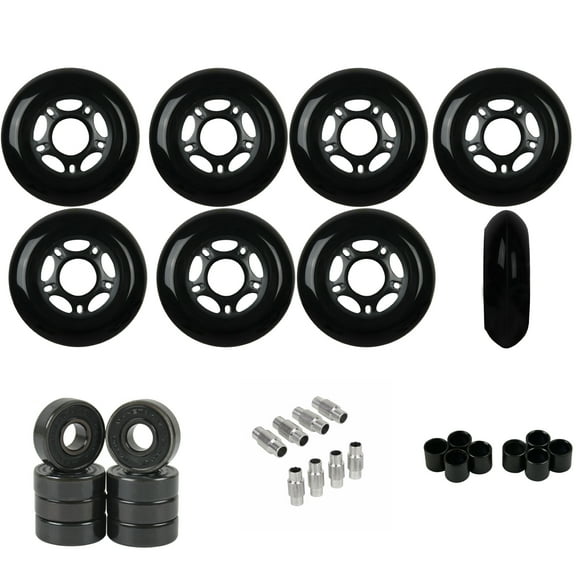
You should compare diameter size in millimeters because it affects speed, clearance, and stability. Your smaller skate wheels, like 52mm, often feel lower and more controlled.
If you want quicker starts and a grounded feel, you may prefer 52mm or 58mm. Your setup can feel easier to manage for street tricks or tighter turns.
When you move to 62mm or 70mm, you usually gain roll speed and crack coverage. Your ride can carry momentum longer on outdoor paths or longer cruising sessions.
You should also check whether larger wheels fit your frame, deck, or plate without wheel bite. Your clearance matters just as much as diameter when you compare options.
Comparing roller skate wheels, skateboard wheels, and quad skate wheels
You can use category differences to match your riding style instead of guessing. Your roller skate wheels often focus on dance sessions, rink laps, or outdoor cruising.
If you want skateboard wheels, you should compare street versus cruiser use closely. Your street setup often favors smaller, firmer wheels, while cruiser wheels usually feel softer and larger.
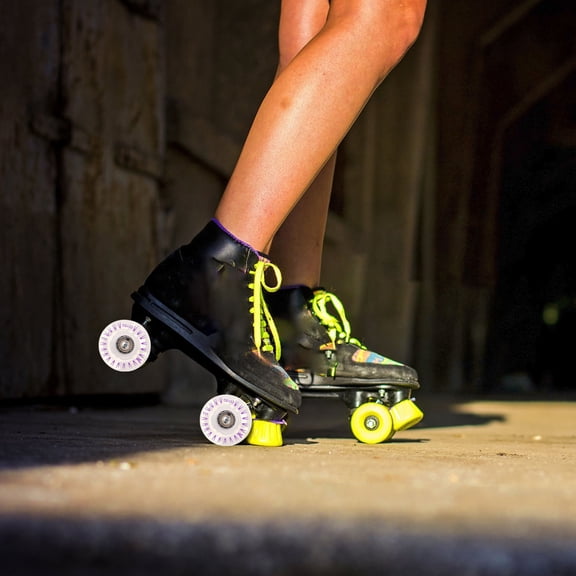
When you compare quad skate wheels, you should consider edge control and toe-stop space. Your turning feel can change with wheel width, lip shape, and hardness selection.
You should keep bearing fitment in mind across every category. Your wheels need the right core and bearing seat for a clean, reliable install.
Using skate wheels for real riding situations
If you skate on sidewalks, you should consider outdoor skate wheels in softer durometers. Your ride can feel smoother over seams, rough patches, and small debris.
When you skate at the rink, you may prefer indoor skate wheels with firmer compounds. Your transitions can feel crisp on coated floors and polished surfaces.
If you build a park or street board, you should compare skateboard wheels in smaller diameters. Your setup can stay responsive for flips, ledges, and quick direction changes.
For casual cruising, you may want cruiser wheels or larger diameters with a softer feel. Your sessions can stay comfortable on longer paths and mixed pavement.
If you skate quad setups outdoors, you should balance grip with steady roll speed. Your choice of 78A or 82A can support smoother movement across rougher ground.
When you fine-tune a performance setup, you should compare diameter with durometer together. Your wheel size affects momentum, while your hardness changes grip and slide.
You can make a smarter choice when you measure your setup and riding surface first. Your next set of skate wheels can feel more stable, more compatible, and more predictable.