

Robots & Electronic Pets in Electronic Pets, Robots & Toys
























![Five Nights at Freddy's Animatronic Golden Freddy Mystery Bundle [11 Great Items! Lights & Sounds]](https://i5.walmartimages.com/seo/Five-Nights-at-Freddy-rsquo-s-Golden-Freddy-Collector-Bundle-Case-by-PhatMojo_56de501a-0287-4ebf-b72e-181c7e63827a.a6826b9aaeeb9b6d5d80a517152a0bd4.jpeg?odnHeight=576&odnWidth=576&odnBg=FFFFFF)







About Robots & Electronic Pets in Electronic Pets, Robots & Toys - Walmart.com
Electronic pets bring animated play home with sounds, motion, and touch responses. You can compare pet types, tech levels, and power options for your child’s age and play style.
How to choose electronic pets for your child
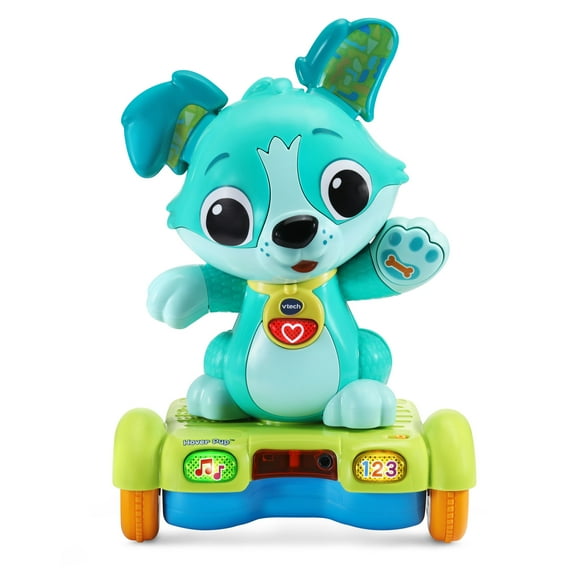
When you compare electronic pets, you’ll usually start with the pet type your child wants. You can choose a dog, cat, dinosaur, or unicorn based on favorite animals and play themes.
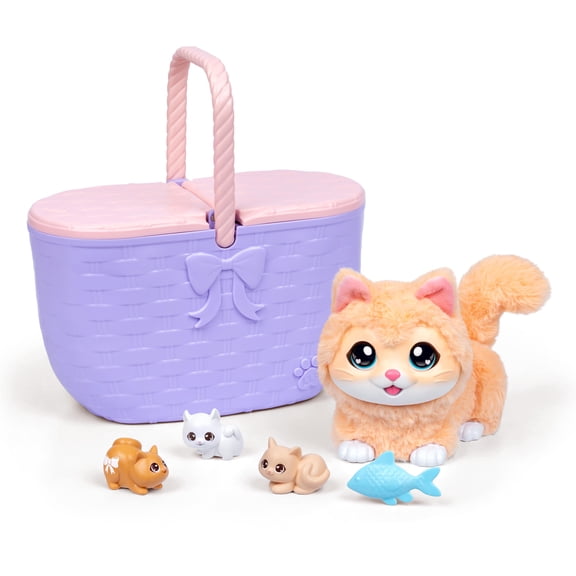
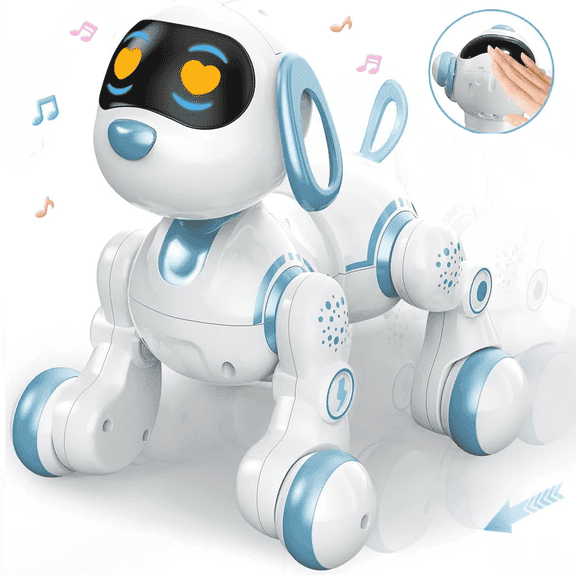
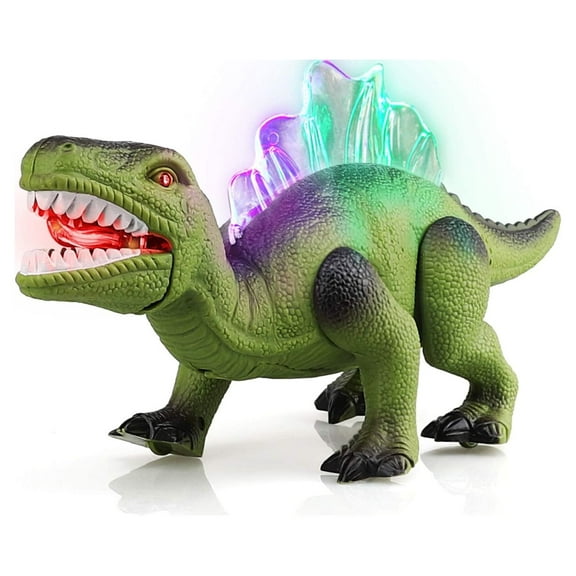
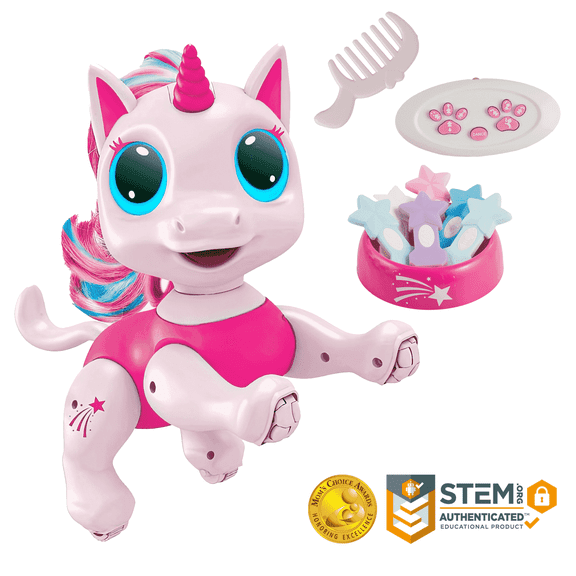
A dog often fits kids who want fetch-style actions, barking sounds, or an electronic dog toy with movement. A cat may suit quieter pretend play, while dinosaurs and unicorns add fantasy details and brighter lights.
You should also compare realism and playability before you choose. Some interactive pets mimic pet behavior, while others focus on songs, games, buttons, and playful commands.
- You can pick dog and cat styles when your child wants familiar pet routines and simple care play.
- You can choose dinosaur or unicorn styles when your child prefers fantasy features, lights, and imaginative stories.
- You can compare lifelike motions with game-style buttons when you want the right mix of realism and easy play.
- You can match the pet design to your child’s age range for smoother setup and more satisfying interaction.
Choosing between toy robots and interactive pets
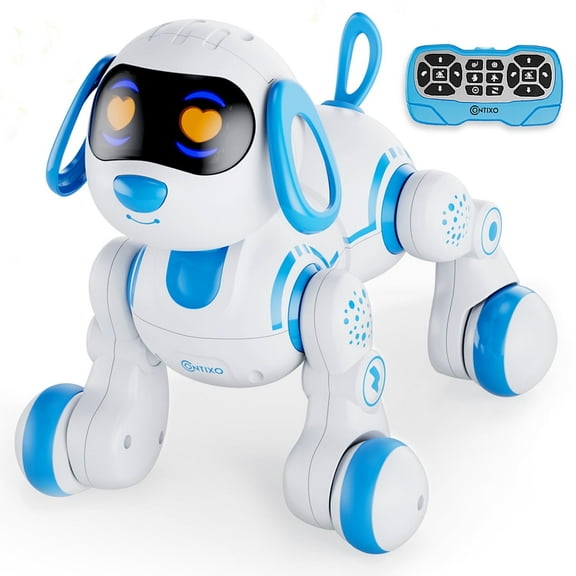
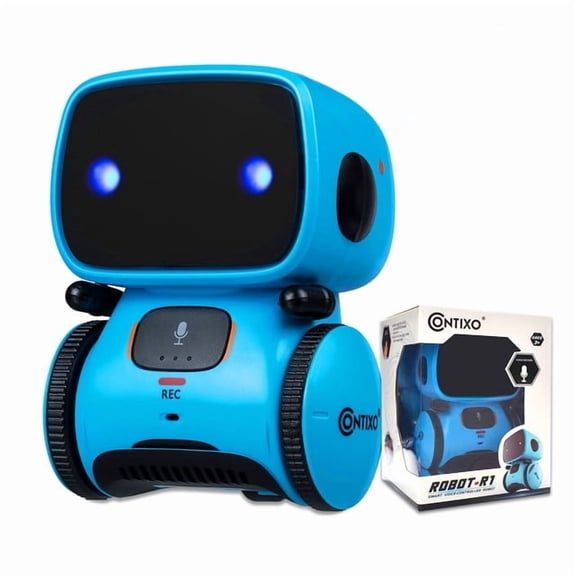
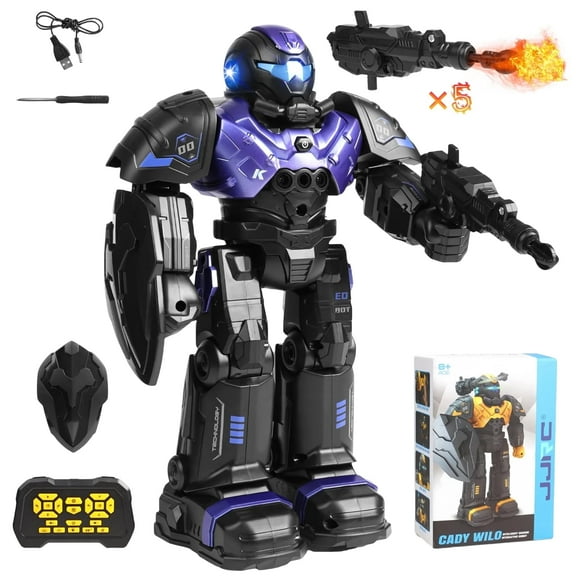
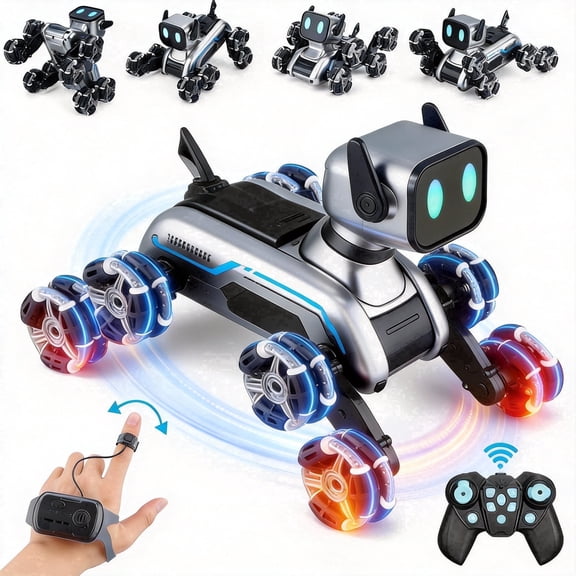
Toy robots and interactive pets can overlap, but you may notice different play patterns in each style. You may prefer toy robots when your child enjoys commands, tricks, programming steps, or remote control movement.
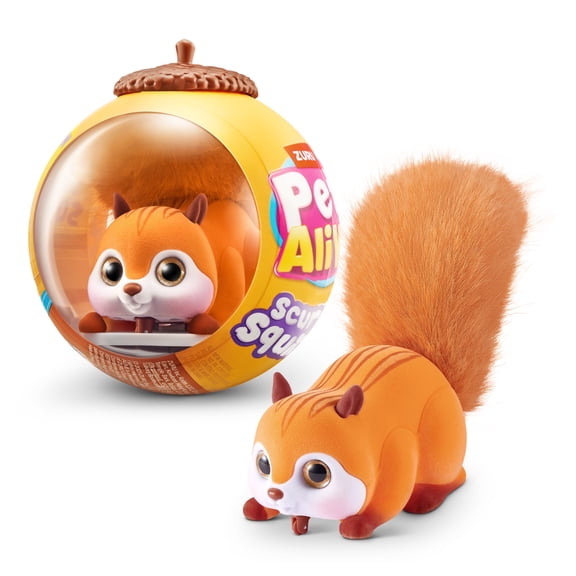
Interactive pets often focus on companionship, pretend care, and touch-based responses for animal-themed play. Robotic toys for kids may add dance moves, obstacle actions, or coded routines that feel more game-like.
If you’re shopping for toddlers, you’ll often want fewer controls and larger buttons. If you’re shopping for kids ages four to seven, you may want simple voice prompts and repeatable actions.
For kids ages eight to 12, you can consider programmable features and more advanced controls. This gives older kids more ways to experiment without making play feel too basic.
What to look for in tech level and setup for electronic pets
You should compare interactive, remote control, programmable, and voice-activated options as separate play experiences. Each tech level changes how much direction your child gives and how much the toy responds on its own.
Interactive electronic toys usually react to touch, sound, or motion with very little setup. You may like this format if you want quick play right out of the box.
Remote control styles give your child direct movement control across floors or tabletops. You may choose this format when your child likes steering, racing, or making a robotic pet perform tricks.
Programmable models let your child enter action sequences and test cause and effect. You may find this style useful when your child enjoys step-by-step play and basic STEM exploration.
Voice-activated options respond to spoken cues, which can feel hands-free and engaging. You should check whether your child wants simple commands or a toy that follows a small set of phrases.
Setup matters just as much as features when you want fewer interruptions. You can check whether a toy needs an app, pairing steps, or account setup before you decide.
Some smart robotic pets work well without a phone, which keeps play simple for younger kids. Others use app-connected features that may appeal to older kids who want expanded controls.
Comparing battery life, charging, and materials
You should review power options carefully because battery life shapes how long play lasts. You can choose rechargeable battery models, AA or AAA battery designs, or USB charging based on convenience.
Rechargeable robot toy styles often suit frequent play because you can power them up again without replacing cells. You should still compare run time and charge time, since those details affect daily use.
AA and AAA battery models can be convenient when you want quick swaps during busy playtime. You may prefer them for travel, gifting, or toys used in different rooms.
USB charging can simplify power needs when you already use common charging cables at home. You should check whether the cable type and charging port feel practical for your routine.
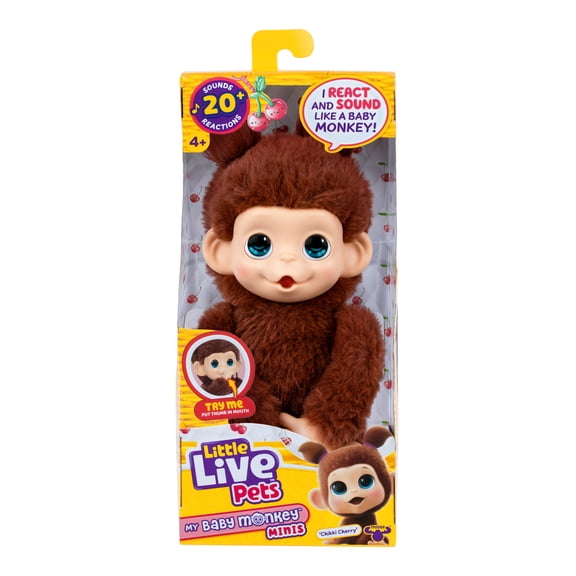
Material also changes the play experience, especially for different age groups. Plush electronic pets feel soft and cuddly, while hard plastic shells often support wheels, joints, and stronger motion effects.
Silicone details can add flexible textures on ears, paws, or decorative parts. You may want softer surfaces for comfort, but you should also consider how easy the toy is to wipe clean.
Durability matters when younger kids play with drops, grabs, and repeated button pressing. You can look for simple shapes, stable bases, and sturdy outer materials for everyday excitement.
Matching electronic pets to real play scenarios
You can match pet type and tech level to the way your child actually plays each day. A plush dog with touch responses may fit calming bedtime routines, while a hard plastic dinosaur suits active floor play.
If your child likes pretend care, you may choose a cat or dog with feeding, petting, or sound-response features. If your child likes action, you can look at remote control robots with movement patterns and tricks.
For gift giving, you can use age range as your simple filter. Toddlers often need simpler controls, while older kids may enjoy voice prompts, coding steps, or app-based extras.
During holiday shopping, you may compare holiday electronic toys by charging method and setup time first. This helps you avoid complicated first use when you choose toys with clear controls and quick start play.
If you’re considering robotic Christmas gifts, you can narrow choices by where your child will use the toy. Plush styles fit cozy indoor play, while rolling toy robots often need open floor space.
You can also pair material with your child’s favorite routine for a more useful pick. A silicone-accent unicorn may fit display and pretend play, while a rechargeable dog may fit repeated daily interaction.
When you compare interactive pets with robotic toys for kids, you can balance personality and control. This helps you find play that feels engaging, age-appropriate, and easier to enjoy again and again.
You can feel more confident when you compare pet type, setup, power source, and material together. That approach helps you choose electronic pets that fit your child’s routine from the first play session.