


Find tires that fit
Let’s search for tires that fit your vehicle.Tires by Rim Size in Tires & Accessories








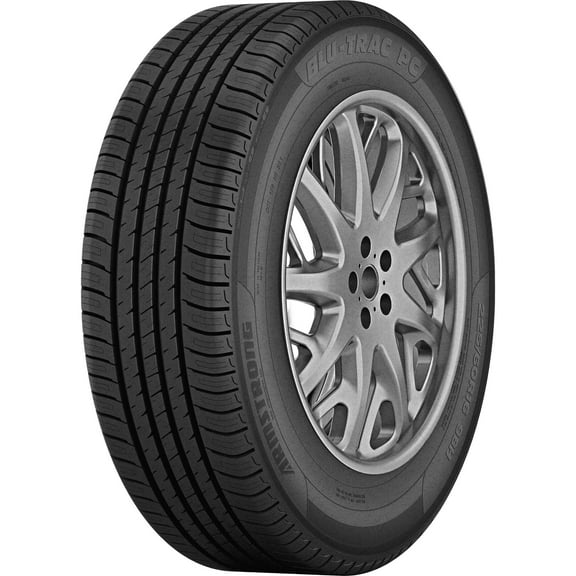


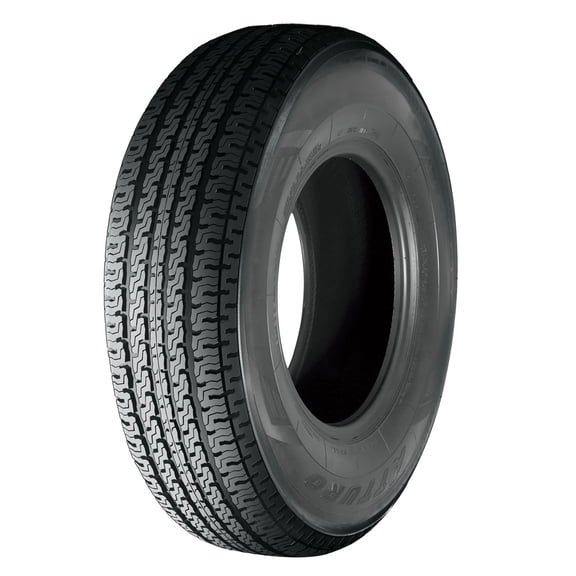

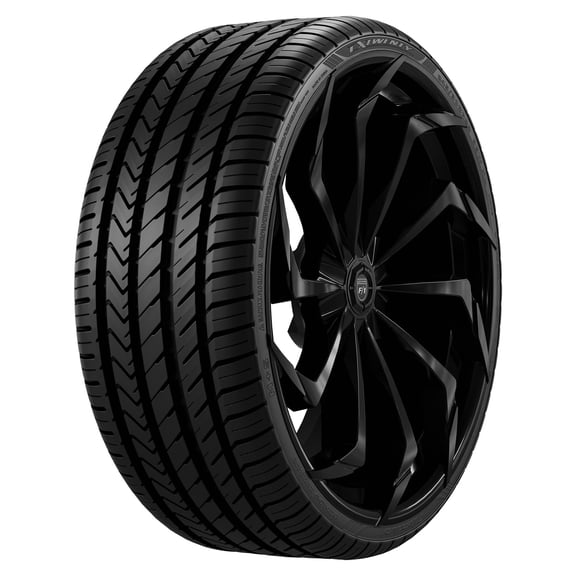

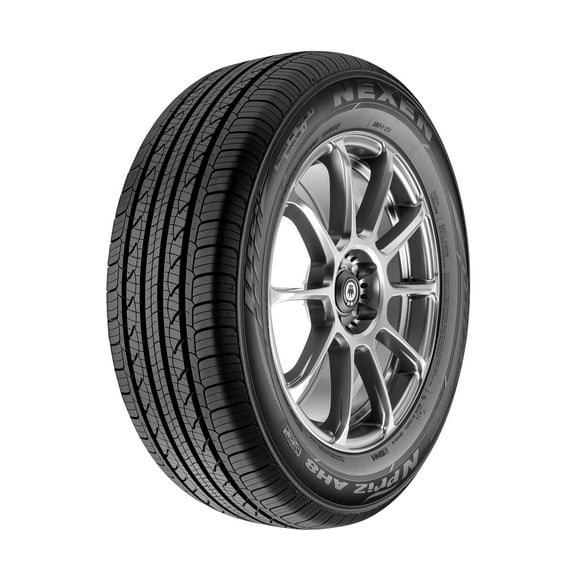


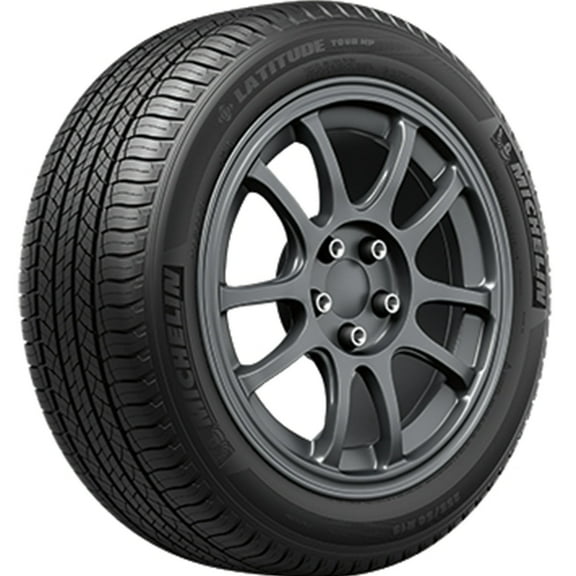
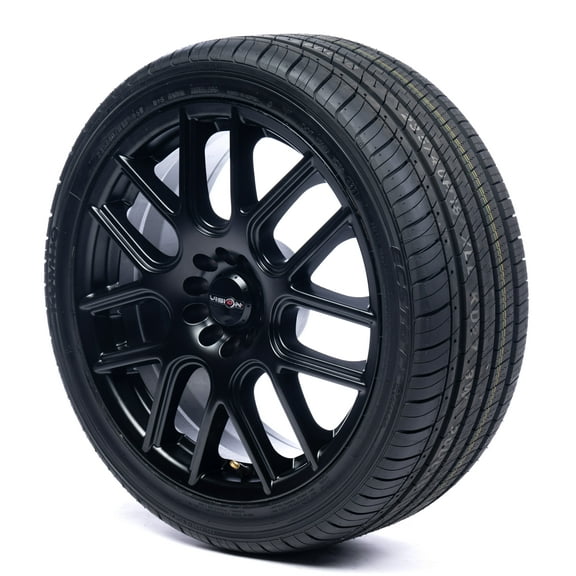


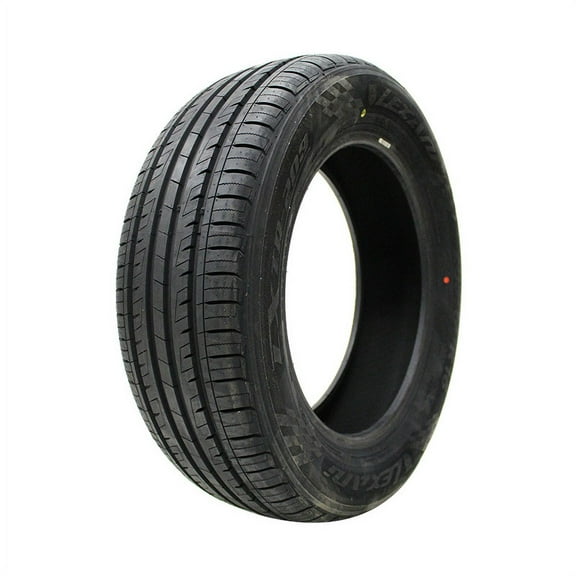

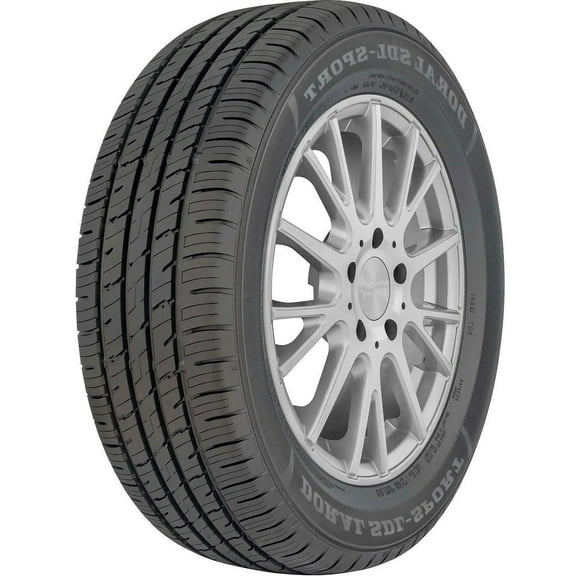




About Tires by Rim Size in Tires & Accessories - Walmart.com
Tires by rim size help you narrow fitment faster and compare options that match your vehicle’s wheel diameter and driving needs. You can use sidewall details, tire type, and vehicle class to choose rim size tires with more confidence.
How to choose tires by rim size
Start with your current sidewall marking, because you’ll see the rim diameter listed at the end of the size sequence. You can match 15 inch, 16 inch, 17 inch, 18 inch, or 20 inch options to your wheel.
When you read a size like 225/65R17, you’re looking at three key fit details for car tires by size. You’ll see 225 as section width, 65 as aspect ratio, and 17 as rim diameter.
Section width tells you how wide the tire is in millimeters, so you can compare 205, 215, 225, 235, and 245 sizes. Aspect ratio shows sidewall height relative to width, which helps you balance ride feel and handling.
- You can sort faster when you know your rim diameter first.
- You can compare width and sidewall height for ride comfort and appearance.
- You can match tire specs to your vehicle type and driving conditions.
- You can review ratings like UTQG, load index, and speed symbol before choosing.
Choosing rim diameter, width, and aspect ratio
Consider rim diameter as your first filter, because your tire must match your wheel exactly. You can then refine your search by width and aspect ratio for the fit your vehicle calls for.
If you drive a passenger car, you may look for a size that supports everyday commuting and predictable road manners. If you drive an SUV, crossover, or light truck, you may need a different balance of height, width, and load support.
A 205 width can suit narrower fitments, while 245 can support wider contact with the road. A 55 aspect ratio gives you a shorter sidewall, while 70 gives you a taller profile.
You should also check your owner’s manual or driver door placard before changing sizes. That step helps you confirm the tire size range your vehicle was designed to use.
How to choose crossover tires and seasonal tread types
When you compare crossover tires, you should start with the weather you face most often. You can then decide between all-season, all-terrain, winter, or performance designs.
All-season options work well when you want year-round convenience in changing conditions. Winter or snow tires make sense when you drive through frequent cold weather, ice, or packed snow.
All-terrain choices can suit light trucks and some SUVs when you split time between pavement and rougher surfaces. Performance tires can fit drivers who want sharper response and a more planted feel on dry roads.
You should match tire type to your vehicle class, because tread design affects how your ride feels each day. You’ll want crossover models that align with your wheel size and intended road use.
What to look for in ratings and sidewall details
You can use UTQG information to compare treadwear, traction, and temperature grades across many passenger tire options. A higher treadwear number often points to longer-lasting use, though you should still compare category and driving style.
Load index matters because you need a tire that supports your vehicle’s required carrying capacity. Speed rating matters because you should match the symbol your vehicle specification calls for.
When you shop tires by rim size, these markings help you compare more than diameter alone. You can read the full sidewall code and focus on fit, seasonal use, and durability together.
Check whether the tire’s load capacity index matches your vehicle needs, especially for SUVs and light trucks. Compare whether the speed symbol aligns with your manufacturer guidance for daily driving.
Matching sizes to real driving needs
If you commute in a passenger car, you may want all-season sizing with a familiar width and aspect ratio. You can keep your ride feel consistent by staying close to your original equipment size.
If your crossover handles school runs, errands, and highway miles, you may prefer a balanced setup with all-season tread. You can compare 17 inch or 18 inch fitments that commonly appear on many crossover applications.
If your SUV sees changing weather, you may want winter-ready sizing for colder months and a separate warm-season setup. You can use the same rim diameter while choosing a tread pattern built for those conditions.
If your light truck handles heavier loads or weekend gear, you should pay close attention to width and load index. You can compare sidewall markings carefully to confirm the tire supports your intended use.
You may also want to move between popular subcategories like 15 inch, 16 inch, 17 inch, 18 inch, and 20 inch options. That approach helps you focus on sizes that fit first, so you can make a cleaner final comparison.
With tires by rim size, you can read the numbers that matter and compare fitment with much less guesswork. You’ll make a more confident choice when your diameter, width, aspect ratio, and ratings all line up.