


Find bulbs that fit
Let’s search for bulbs that fit your vehicle.T15 LED Reverse Light Bulbs & Replacement Bulbs | Walmart











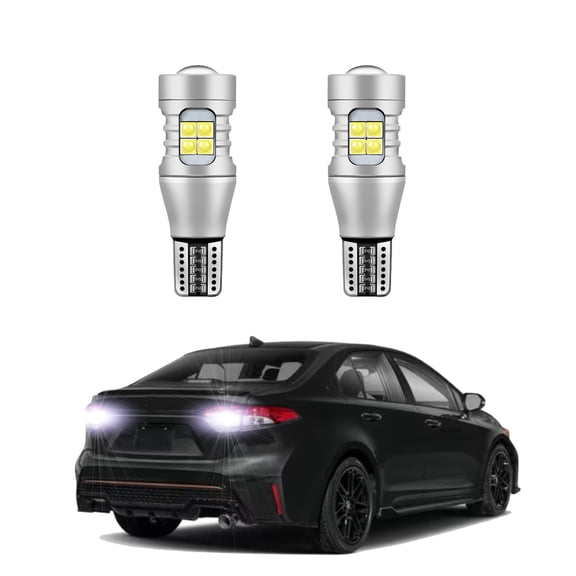
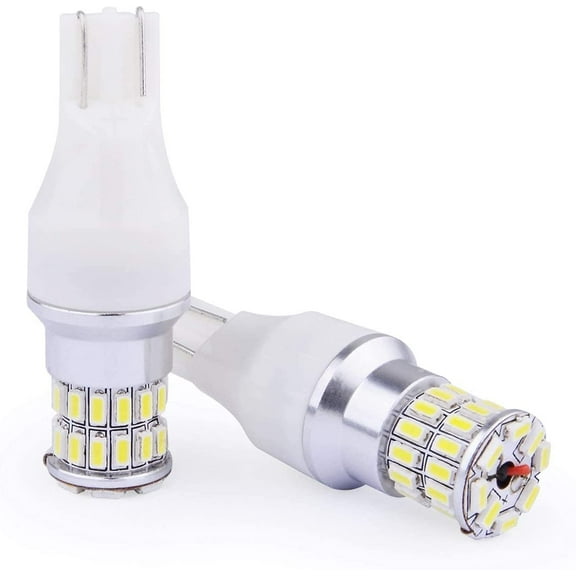

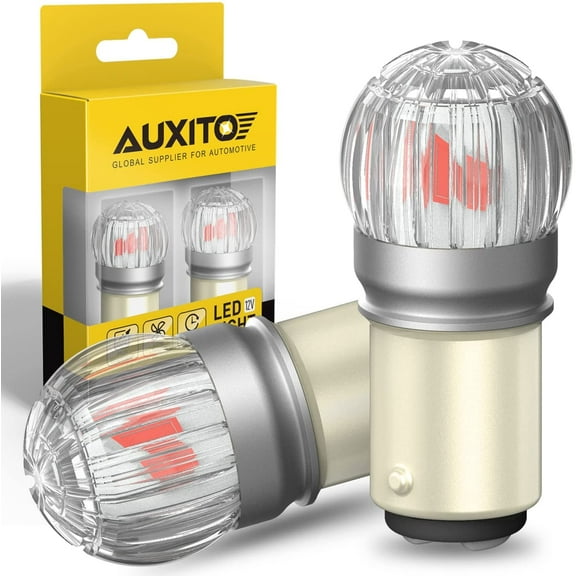
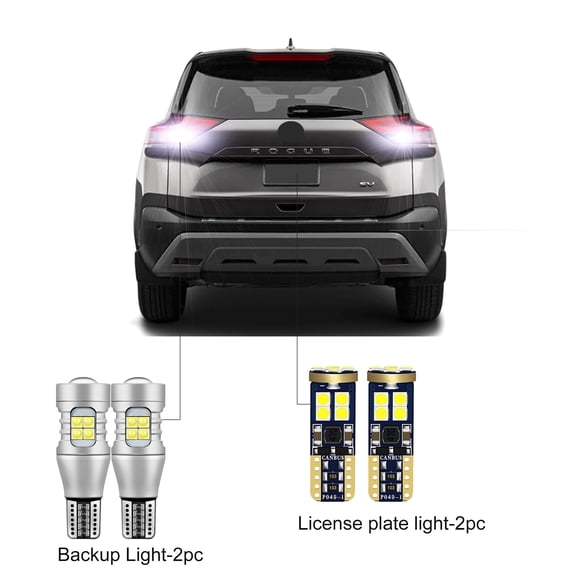









About T15 LED Reverse Light Bulbs & Replacement Bulbs | Walmart - Walmart.com
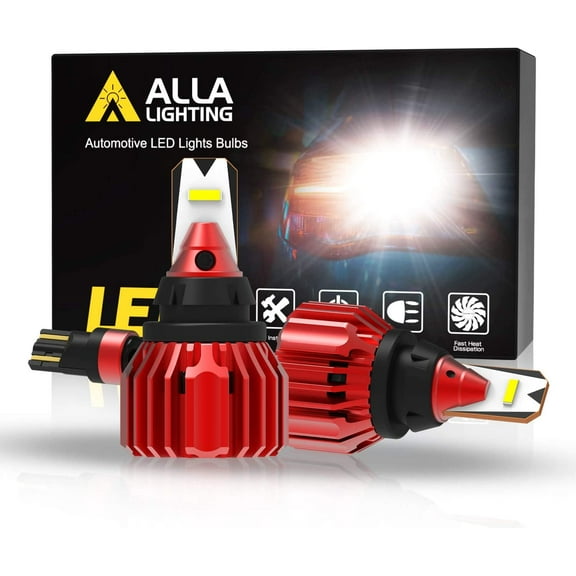
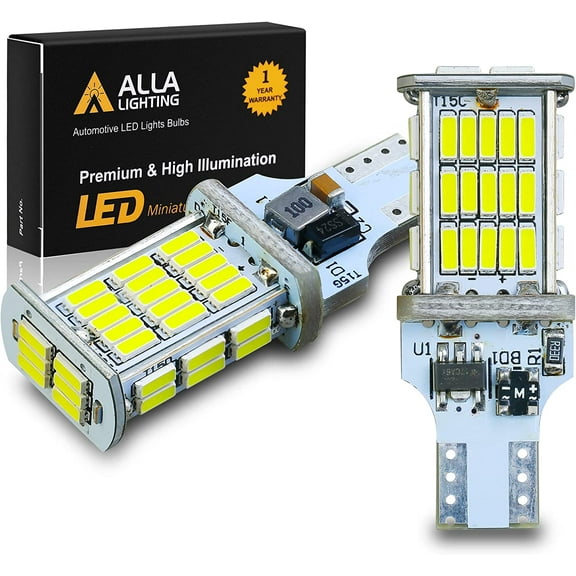
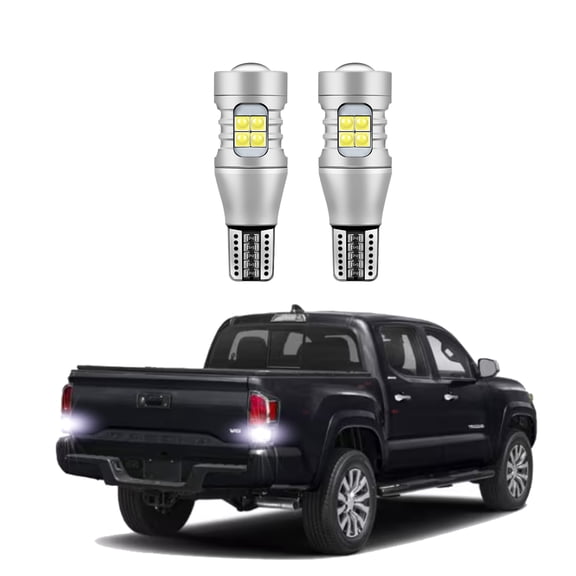
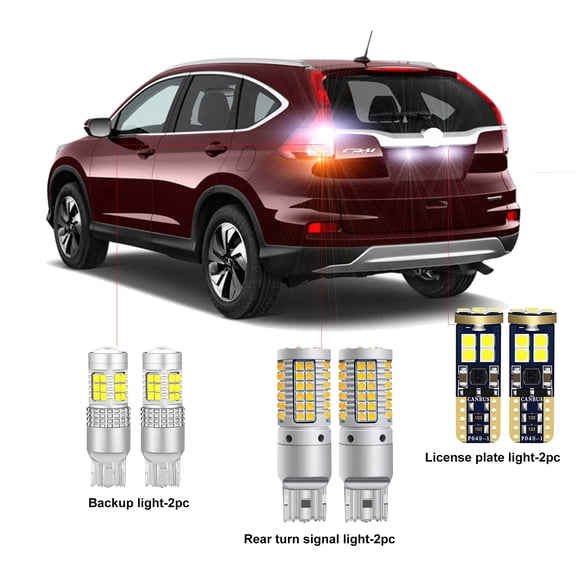
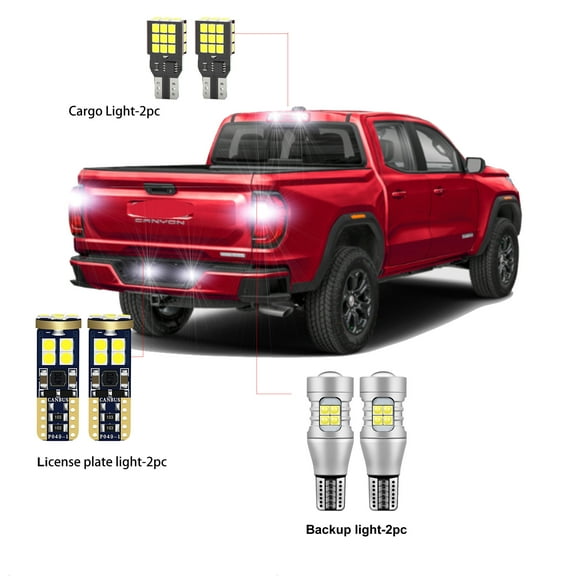
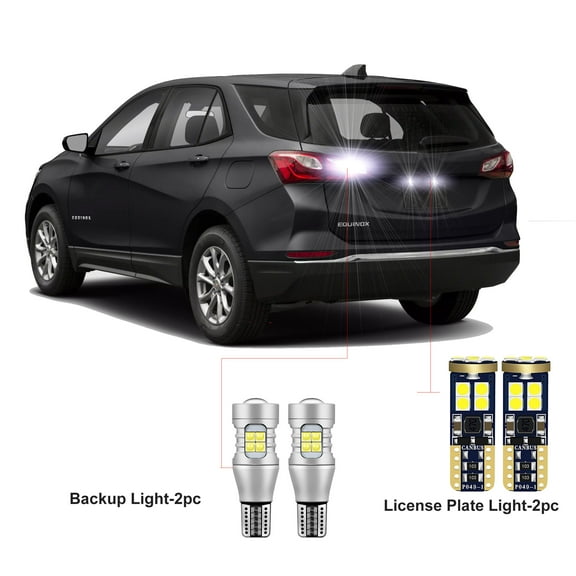
Your t15 led reverse light choice affects fitment, bulb placement, and installation steps when you compare key size and compatibility details. You need reverse lighting that matches your socket, fits your housing, and supports confident backing in dark driveways or tight parking areas.
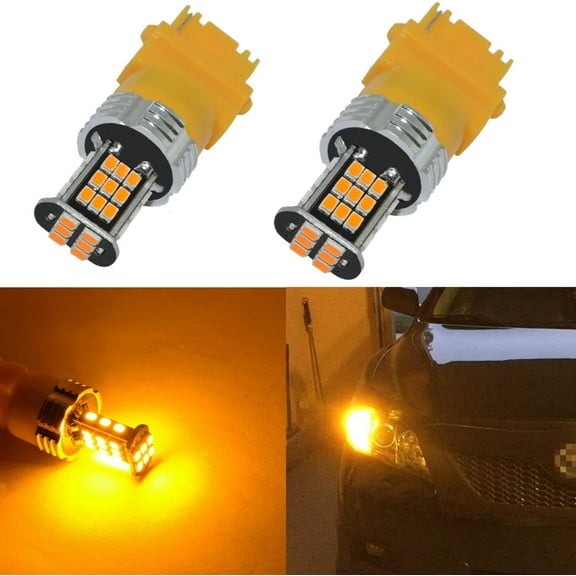
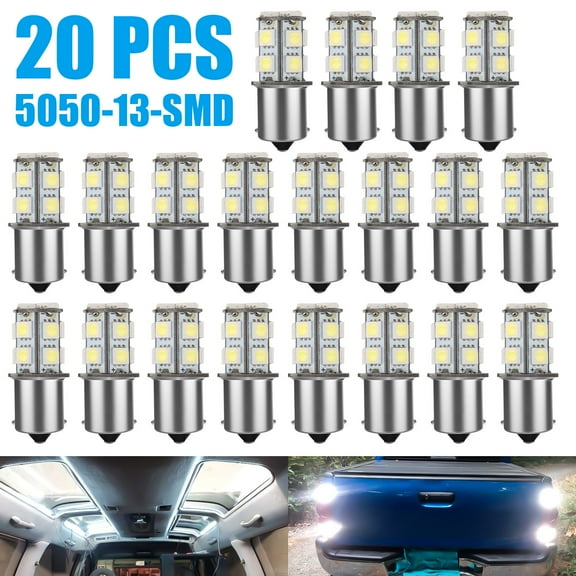
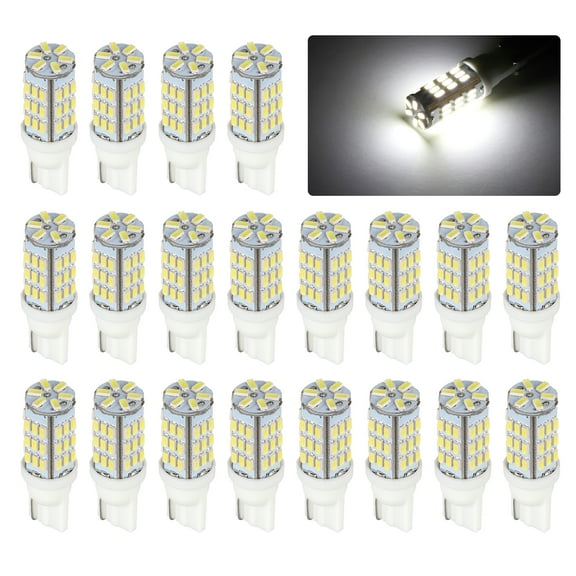
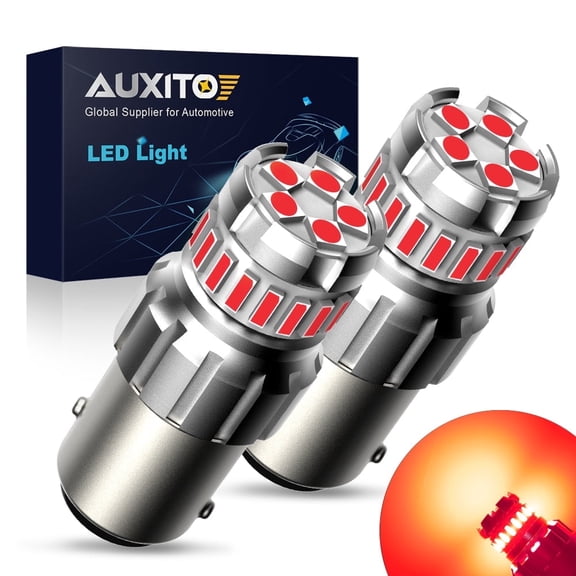
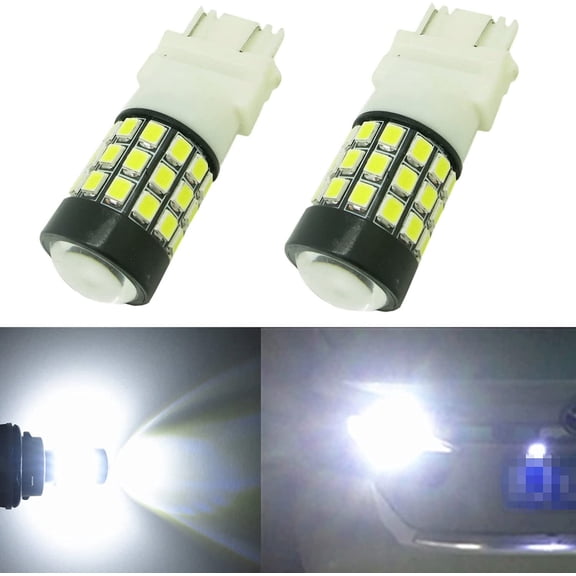
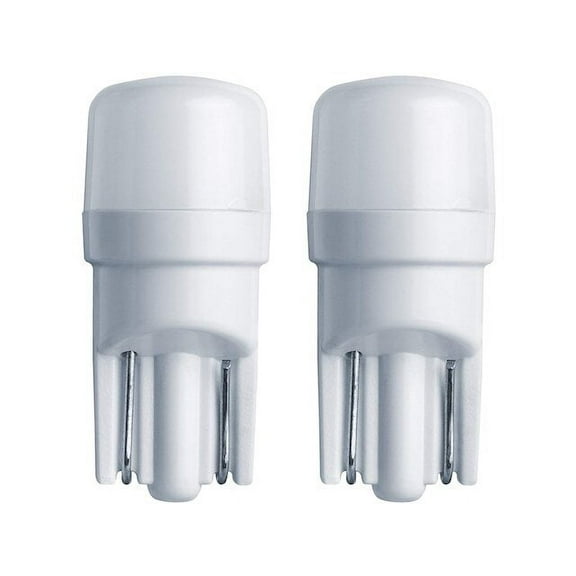
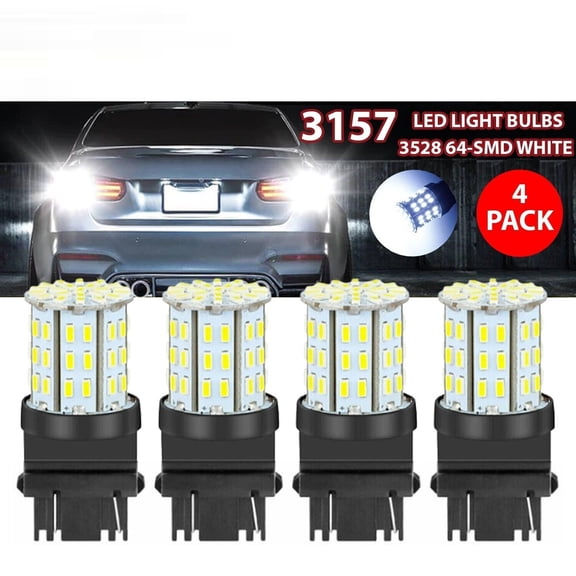
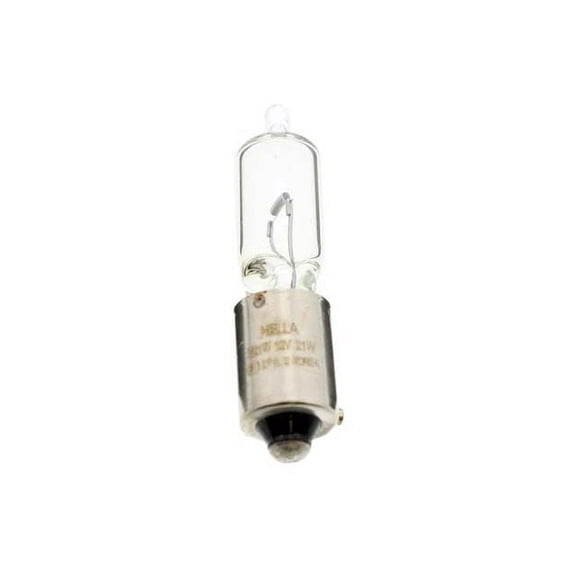
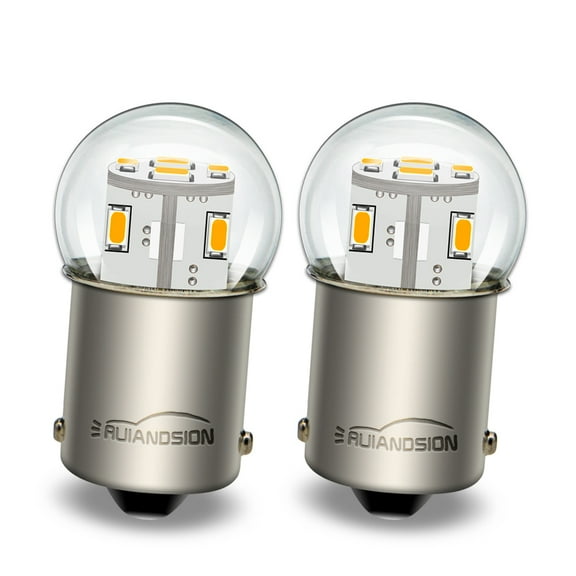
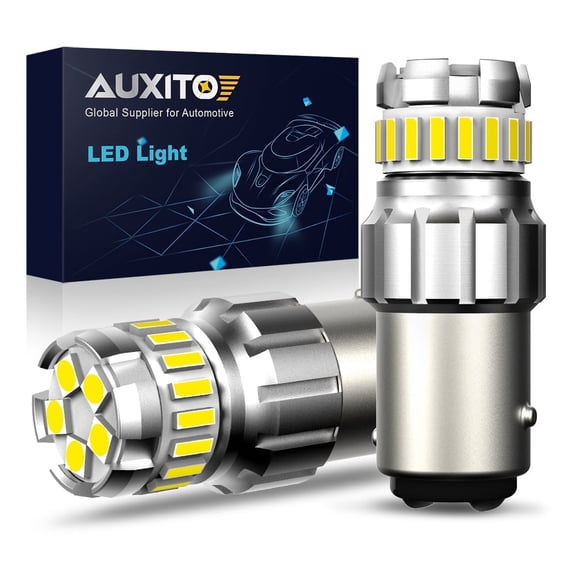
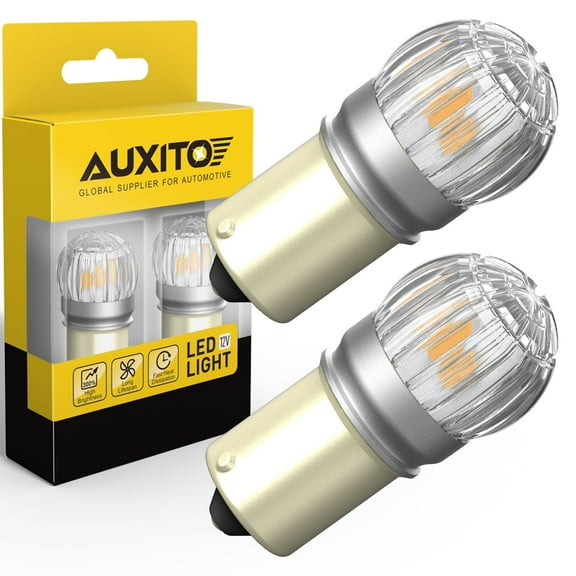
When you shop this category, you’ll see T15, 921, 1156, 3157, and 7440 options across rear reverse and backup lamp positions. You can also compare LED, halogen, and incandescent styles, so your reverse bulb replacement matches your vehicle and your driving routine.
How to choose a t15 led reverse light
You should start with bulb size, because your socket type determines whether a bulb will fit and connect correctly. You can check your owner’s manual, your existing bulb marking, or your vehicle filter for a direct match.
If you’re replacing a t15 led reverse light, you’ll usually compare it with nearby sizes like 921 or 7440. You’ll want to confirm the exact base and placement, since similar-looking bulbs may not interchange in your housing.
You may also need to confirm whether your rear reverse light bulb sits in a dedicated backup lamp or a shared tail light area. You’ll avoid guesswork when you match the listed fitment details to your make, model, and year.
Choosing the right reverse light bulb benefits
You’ll notice category differences when you compare light output, response style, and expected service life. You can use those differences to decide whether led reverse light bulbs or traditional halogen options suit your daily driving.
- You’ll often get a white appearance from LED bulbs, which can help you see lines, curbs, and garage edges during backing.
- You can choose halogen or incandescent options when you want an OE-style replacement for an existing reverse tail light bulb setup.
- You’ll appreciate immediate illumination from many LED options when you shift into reverse during parking or trailer hookup.
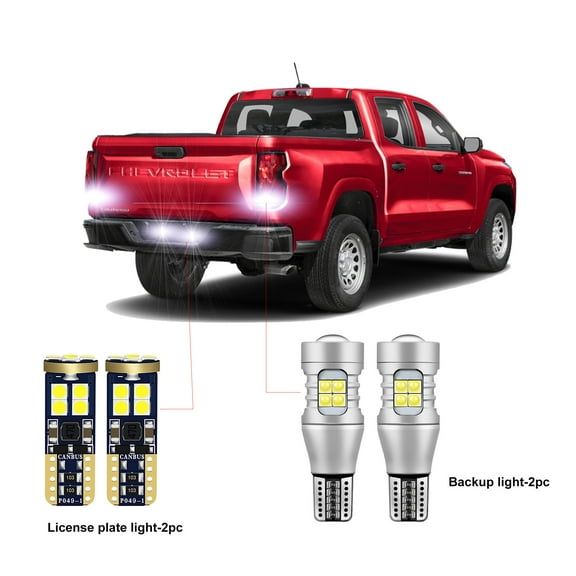
- You can narrow choices by placement, including backup lamp bulb, rear reverse light bulb, or shared tail light applications.
If you drive early or park after dark, you’ll likely care about how evenly your reverse bulb spreads light behind your vehicle. You can compare beam pattern notes and bulb chip placement to help limit dim spots.
For frequent backing, you may prefer LED options that maintain output through repeated use. You’ll also find that many shoppers want a backup light bulb replacement with a straightforward upgrade path.
Finding the right reverse light bulb size and technology
You should treat fitment as your first filter, especially when several bulb sizes appear close in shape. You can compare T15, 921, 1156, 3157, and 7440 listings to match the socket your vehicle actually uses.
When you compare lighting technology, you’ll see LED, halogen, and incandescent choices with different light color and output styles. You can use LED options for a modern look, or choose halogen for a familiar replacement format.
You may also see CAN bus error-free notes on some LED listings. You’ll want that detail if your vehicle’s system is sensitive to bulb changes and dashboard warnings matter to you.
If your vehicle needs additional load support, you may notice references to load resistors in some product details. You should check those notes carefully, because your compatibility needs can vary by vehicle electronics.
For a tail light bulb for 2014 chevy silverado or a similar truck query, you should always verify the exact light position. You can’t assume the brake, tail, and reverse locations all use the same bulb size.
Matching vehicle compatibility and bulb placement
You’ll make a solid choice when you compare both vehicle compatibility and exact bulb placement together. You should look for listings that call out Chevy Silverado, Ford F-150, or universal fit guidance clearly.
If you own a truck, you may search by model year because tail light housings can change across generations. You’ll want to confirm whether your reverse light bulb size differs from other rear lighting sockets.
For universal fit listings, you should still verify the base type and intended application before you choose a reverse bulb. You can use universal options only when the socket, voltage, and placement details align.
You may also need to choose between a rear reverse light bulb and a backup lamp bulb description. You’ll often see those terms used closely, but the correct match still depends on your specific housing location.
What to look for in reverse bulb replacement
You should check whether installation is plug-and-play, because that can simplify your reverse bulb replacement process. You’ll want bulb dimensions and base style details when space inside the housing feels tight.
If you’re upgrading from halogen, you may want to compare polarity notes for LED options. You can avoid extra trial and error when you review installation details before removing your current bulb.
You’ll also benefit from checking pack count if you replace both sides at once. You can keep lighting appearance consistent when both reverse bulbs use the same size and technology.
When you replace a reverse light bulb, you should compare brightness descriptions with fitment notes, not brightness alone. You’ll get a usable result when the beam works with your reflector or lens design.
With the right bulb size, placement match, and compatibility details, you can choose a reverse light bulb that fits your vehicle. You’ll get an installation that fits cleanly and lights the area behind you as expected.