






Resume & Business Stationery in Paper



















About Resume & Business Stationery in Paper - Walmart.com
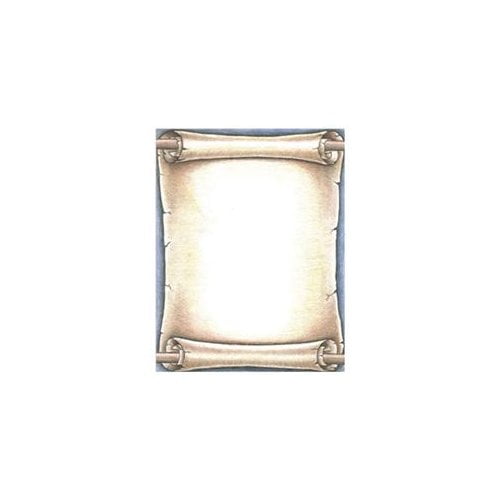
You can choose resume business stationery that presents your documents with a polished look and a professional feel. You’ll find paper weight, cotton content, texture, and color differences that shape how your resume prints and presents.
If you’re applying for interviews, mailing cover letters, or preparing business correspondence, these details matter right away. You can compare resume paper and matching stationery formats that suit home printers, office printers, and hand-delivered packets.
How to choose resume business stationery
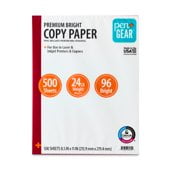
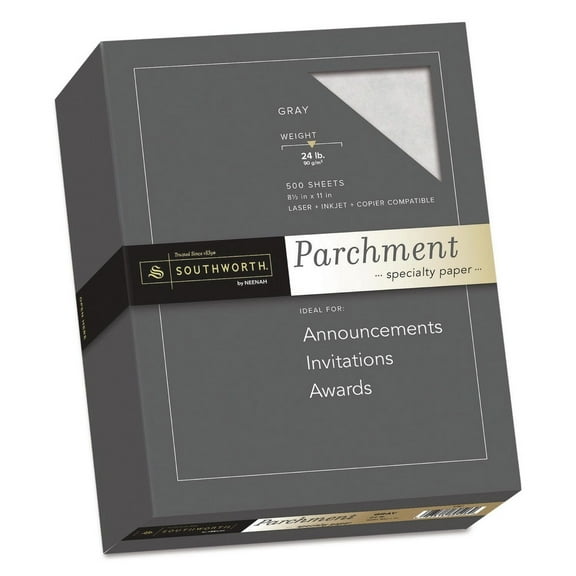
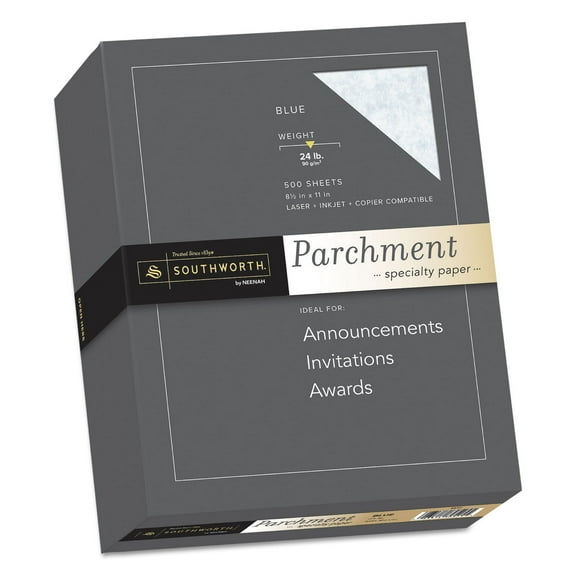
You should start with the paper weight because it affects how substantial each sheet feels in your hand. You’ll usually see 24 lb, 32 lb, and 20 lb options across resume business stationery.
If you want a standard professional presentation, you may prefer 24 lb sheets for a clean, balanced feel. If you want extra heft, you may choose 32 lb paper for a firmer page.
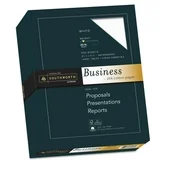
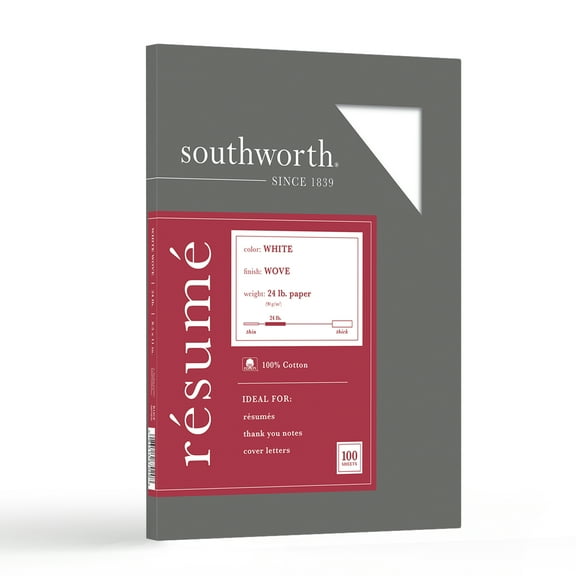
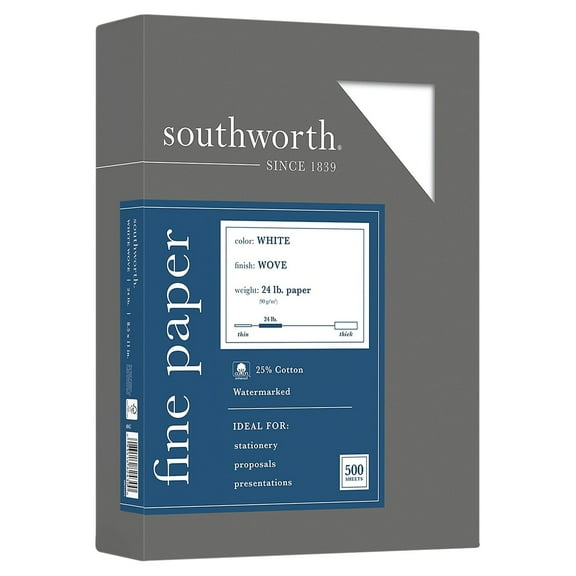
You can also compare material content because cotton changes the texture and impression of the page. You’ll often see standard wood pulp, 25% cotton, and 100% cotton options in this category.
- You can use 24 lb paper for everyday resume printing and coordinated letters.
- You may choose 32 lb sheets when your packet needs a heavier hand feel.
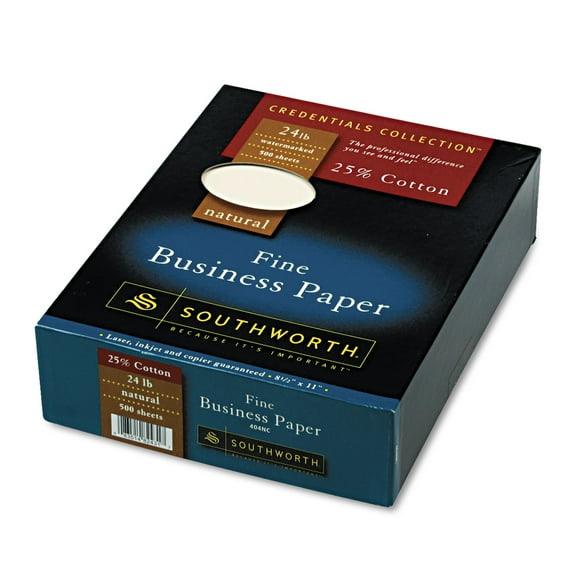
- You can select 25% cotton for a classic professional touch with familiar printer handling.
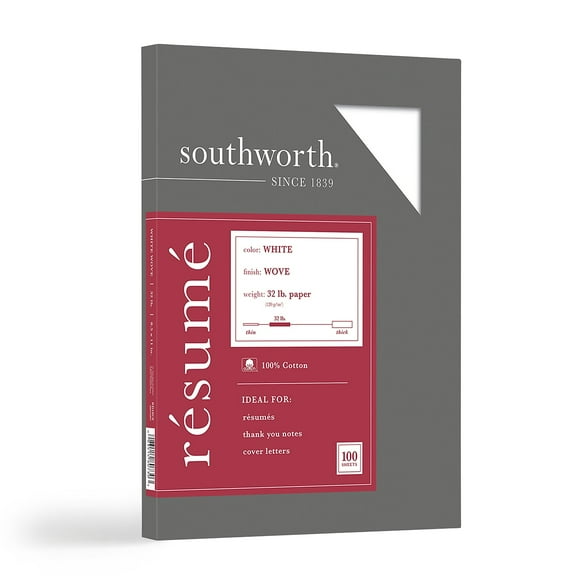
- You may prefer 100% cotton resume paper when you want a more distinctive paper texture.
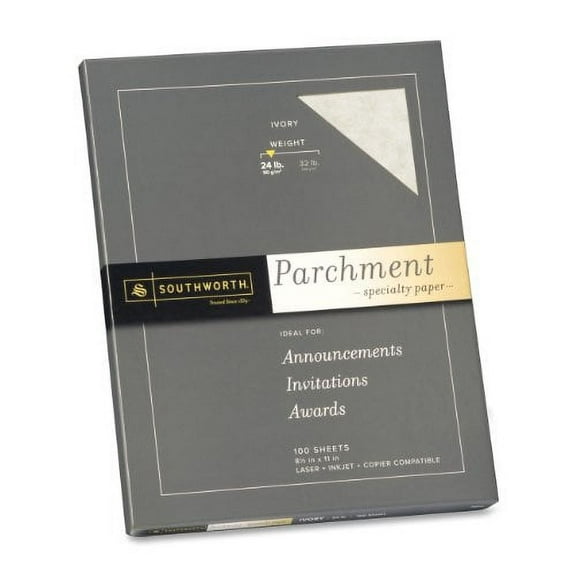
- You can match bright white, ivory, cream, or off-white sheets with coordinated envelopes.
You’ll notice that cotton resume paper often feels softer and more substantial than standard sheets. You can use that difference to create a refined presentation for resumes, references, and cover letters.
Choosing the right resume paper weight and material
You should compare resume paper weight with your printing setup and your presentation goals. You’ll often find that 20 lb paper feels closer to general office sheets and works for lighter correspondence.
If you want a more professional resume paper feel, you may step up to 24 lb stock. You can choose 32 lb when you want stronger rigidity and a more formal handout.
You should also check whether cotton content fits the impression you want to make. You can choose 25% cotton for a classic finish, or 100% cotton for a more distinctive texture.
When you compare business stationery paper, you should think about how sheets feed through your printer. You can often print smooth papers more easily, while textured sheets may need more printer attention.
What to look for in texture, color, and size
You should compare linen, laid, smooth, and wove finishes before you print a full set. You’ll notice each finish changes how light reflects and how text appears on the page.
If you want crisp everyday printing, you may lean toward smooth finishes for broad printer compatibility. If you want visible texture, you can consider linen or laid sheets for formal correspondence.
You should check printer compatibility when you choose professional resume paper with texture. You can often use laser or inkjet printers successfully, but you should confirm the paper type first.
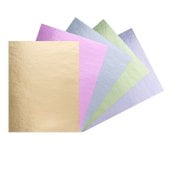
Color matters because you want your resume, cover letter, and envelopes to look coordinated. You can choose bright white for sharper contrast, or ivory, cream, and off-white for a softer tone.
You should also confirm sheet size before printing your final documents. You can choose letter size stationery for standard U.S. resumes, while A4 fits international formatting needs.
How you can match paper choices to real situations
If you’re printing resumes at home for interviews, you may want 24 lb or 32 lb sheets with a smooth finish. You can get clearer text and more reliable feeding for last-minute printing.
If you’re mailing a resume and cover letter, you should match your paper color with your envelopes. You’ll create a cleaner presentation when your sheets and mailing pieces share the same tone.
When you’re assembling welcome notes, thank-you letters, or office correspondence, you can use business stationery paper with linen or wove texture. You’ll add visual interest without changing your message format.
If you need cotton resume paper for a formal packet, you can compare 25% cotton and 100% cotton options side by side. You’ll get a clearer sense of texture, stiffness, and print appearance.
You may also need professional resume paper for career fairs, portfolio packets, or printed references. You can choose heavier sheets when your documents will be handled often throughout the day.
For shared office use, you should consider how often you’ll print and which printer you’ll use. You can keep smooth bright white sheets for daily use and textured ivory sheets for select correspondence.
You can feel more confident when your resume business stationery matches your paper weight, finish, and color needs. You’ll create a polished presentation that supports clear printing, coordinated documents, and a strong first impression.