




Red Mulch in Mulch

























About Red Mulch in Mulch - Walmart.com
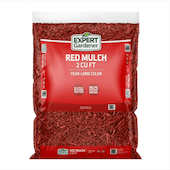
Red mulch helps you give beds, trees, and walkways a bold finished look. You can compare bag sizes, bulk quantities, and material types to match your project.
When you shop this category, you can narrow your choice by coverage, texture, and color life. Your project may need quick touch-ups or larger landscape installs.
Choosing the right red mulch for your project
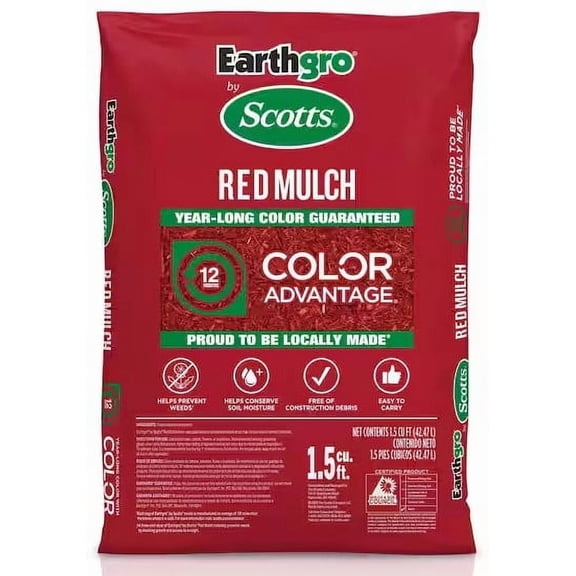
You’ll usually start with the amount you need and the look you want. Your choice may include red wood mulch for natural ground cover or longer-wearing alternatives.
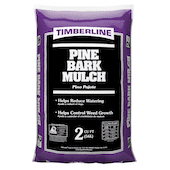
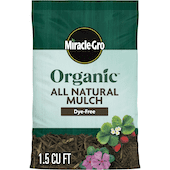
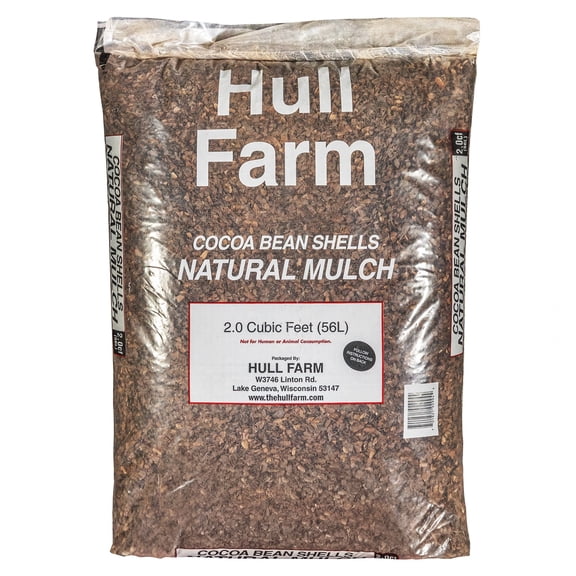
For small beds, edging refreshes, and seasonal touch-ups, you may prefer red mulch bags. For larger yards, shared properties, or repeat installs, you may prefer pallet quantities or loose truckload options.
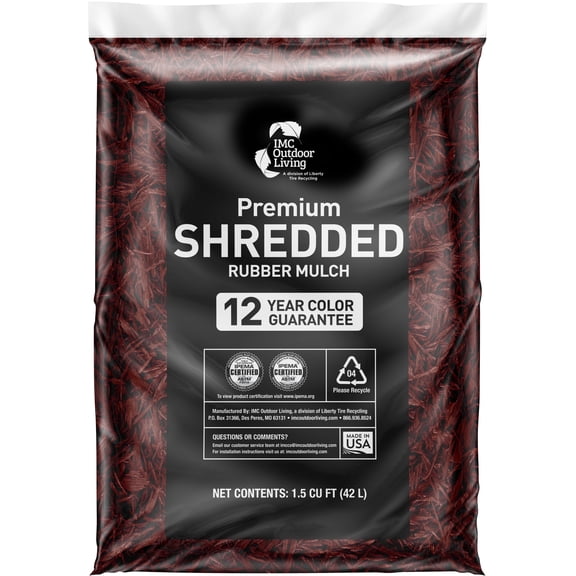
Shredded red mulch can work around shrubs, paths, and garden borders when you want visible texture. You may notice that shredded styles help you create a freshly finished surface.
How to compare red mulch bags and bulk red mulch
You can make a faster decision when you measure length, width, and depth before you buy. Your estimate gets easier when you multiply length by width by depth in feet.
If your depth is in inches, you can divide by 12 first to convert it to feet. You can then compare that total with 1.5 cu ft bags, 2 cu ft bags, or bulk yard quantities.
- You can use individual bags when your project needs simple carrying and storage.
- You can choose bulk red mulch when your plan covers long borders or several beds.
- You can compare 1.5 cu ft and 2 cu ft bag volumes to reduce leftover material.
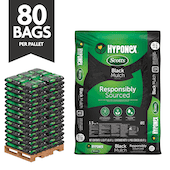
- You can consider pallet counts when you manage rental properties or commercial landscapes.
You may find bags easier when you’re working alone or refreshing one area. You may find bulk formats easier when your install needs fewer package changes.
Loose truckload options can fit wide landscape plans with broad square footage. You can pair that format with a tarp area or wheelbarrow path for smoother spreading.
Choosing material type for red mulch
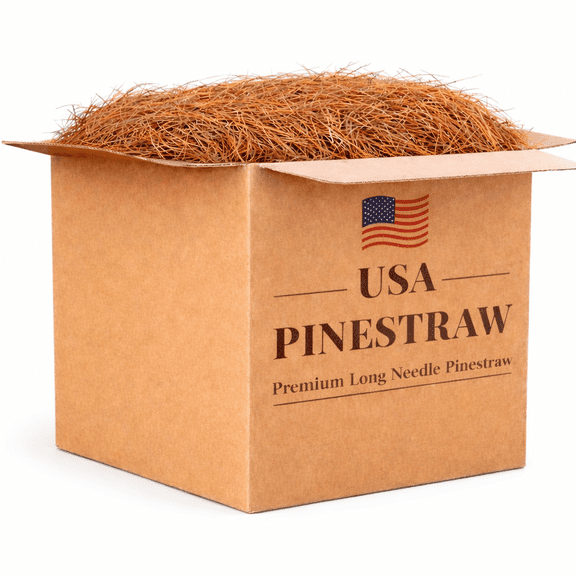
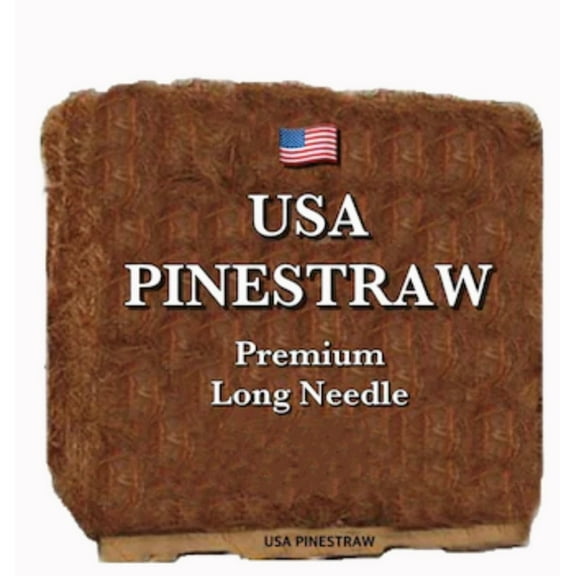
You can compare wood, cedar, and rubber by how long you want the surface to last. Your decision may also depend on whether you want mulch that breaks down or stays in place longer.
With red wood mulch, you get a classic landscape look around trees and flower beds. As wood decomposes, you can use it where your material blends into the soil over time.
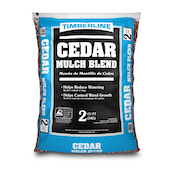
If you’re considering cedar, you may like its natural wood appearance and neat finish. You can use cedar around foundation plantings or entry landscaping where appearance matters.
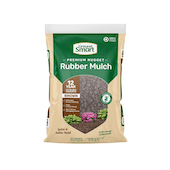
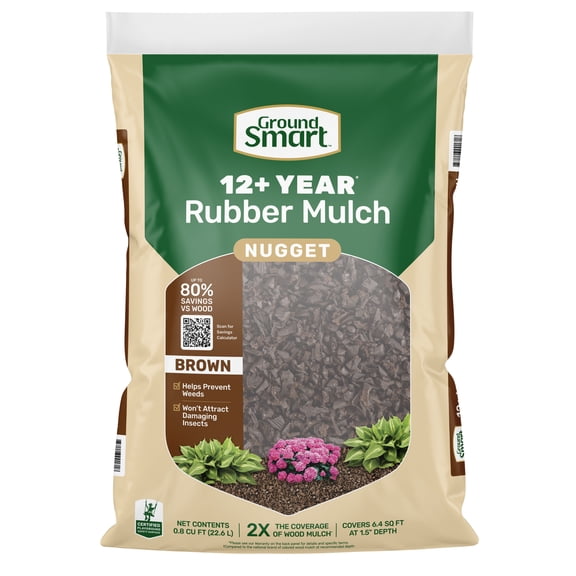
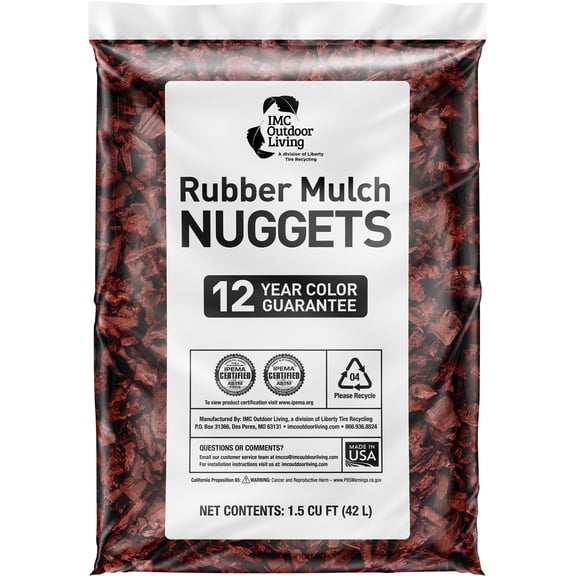
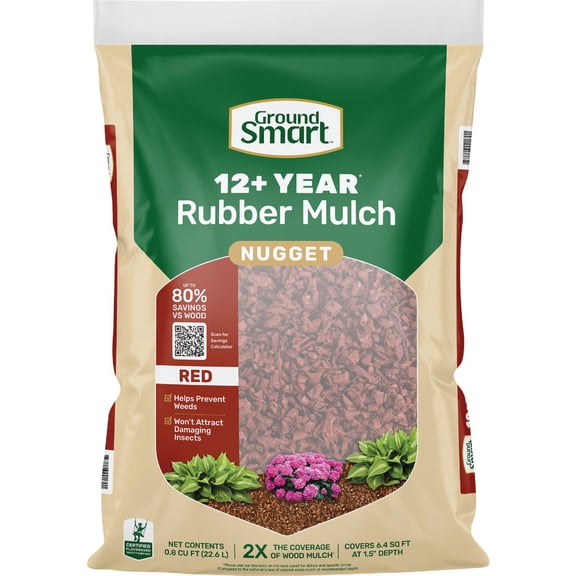
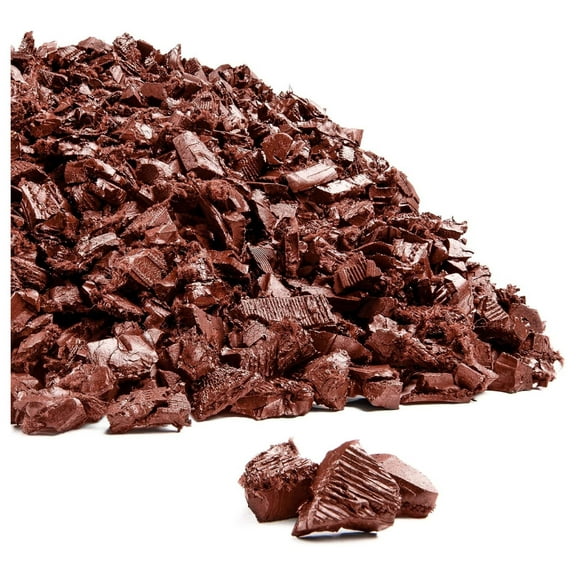
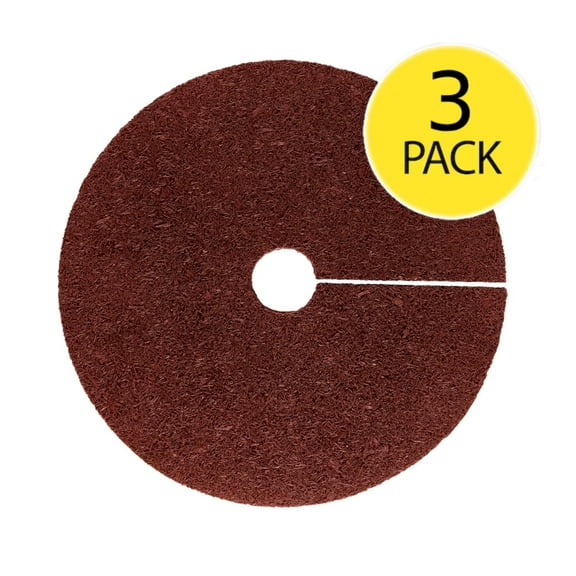
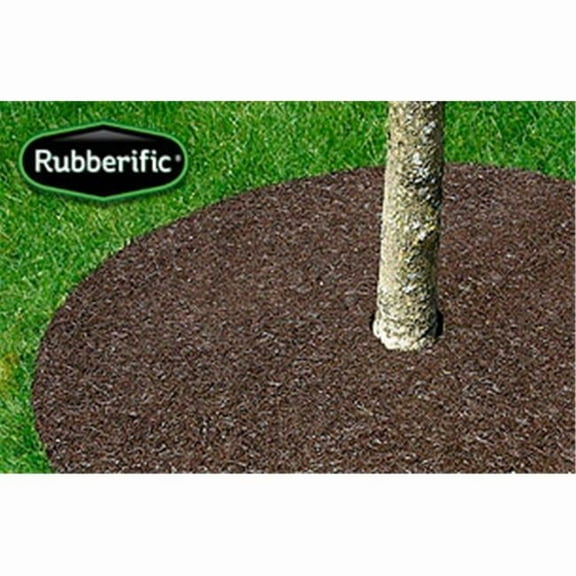
With rubber red mulch, you can choose a long-lasting surface for play areas, pathways, or spaces with repeated foot traffic. You can often keep the same look longer because rubber doesn’t break down like wood.
You can use this material comparison to narrow your options with less guesswork. Your balance of appearance, longevity, and maintenance can guide the right choice.
Understanding color longevity and dye details
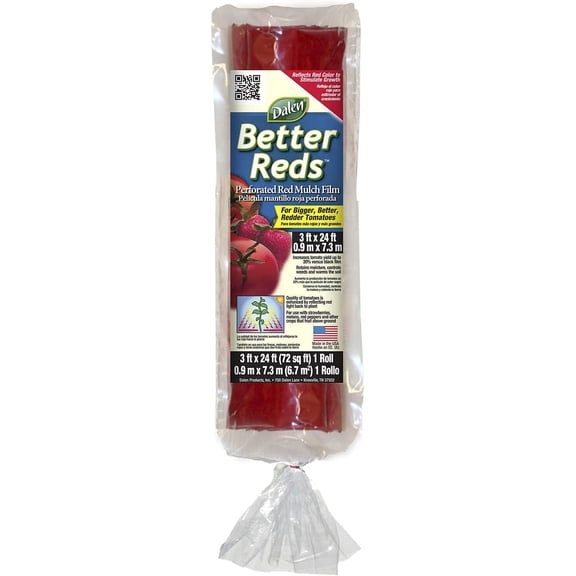
You can compare color longevity by checking whether a product highlights seasonal color hold or multi-year colorfast performance. You can use that detail to match how often you plan to refresh your beds.
Some options focus on 12-month color protection, while others emphasize longer-lasting color. You can use those labels as a quick guide when you want a brighter red look through changing seasons.
You may also want to compare texture, since finer pieces and shredded pieces create different finished surfaces. You can use that difference to match formal borders, casual beds, or wide natural areas.
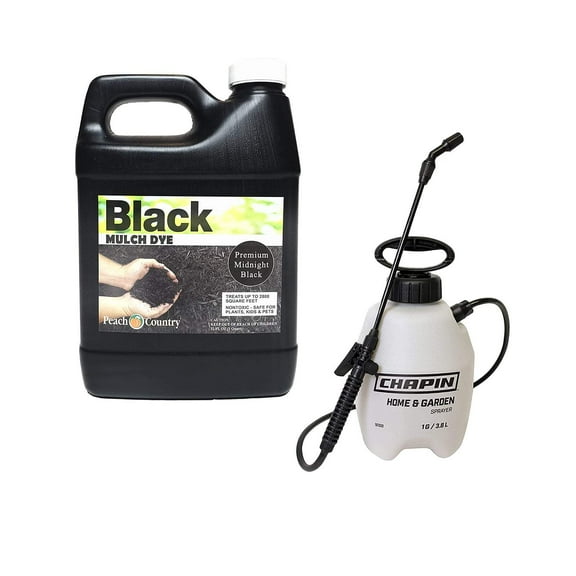
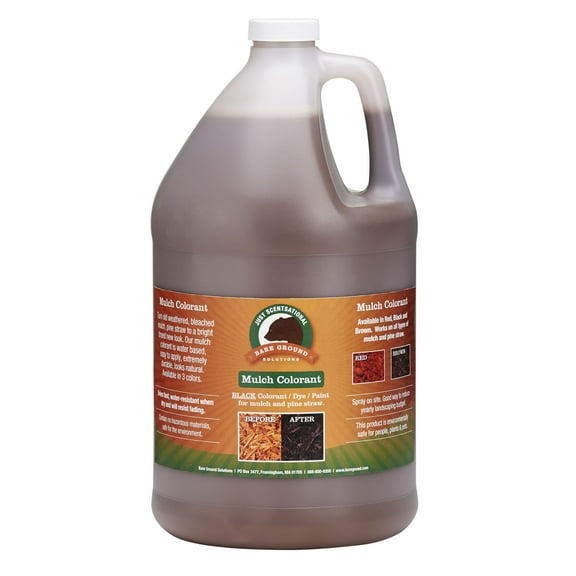
When colorants are part of your decision, you can look for product details that explain intended outdoor use. You can also review packaging notes when you want plain-language guidance for homes with pets and plantings.
How to use red mulch around your yard
You can use red mulch to frame flower beds, define tree rings, and give curbside areas stronger contrast. You can also use it to separate green foliage from stone, brick, or siding.
For vegetable garden paths or utility areas, you may prefer a coverage-focused format that’s easy to replenish. For front-yard display beds, you may prefer a color-rich finish that stands out against lawns.
You can use bagged mulch for quick weekend refreshes around mailboxes, porches, and fence lines. You can use pallet or yard quantities when you’re updating several zones at once.
If you manage a rental, community entrance, or business landscape, you may want bulk red mulch for repeatable coverage. You can keep your layout more consistent when you order by larger volume.
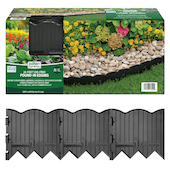
You can also pair mulch with landscape edging, garden soil, and digging tools for a cleaner installation process. This helps you get a more defined border when you prep the area before spreading material.
When you choose the right format, material, and bag volume, your project gets easier to plan. You can finish beds with clearer color contrast and steadier coverage across your landscape.