


Rectangle Trampolines in Trampolines

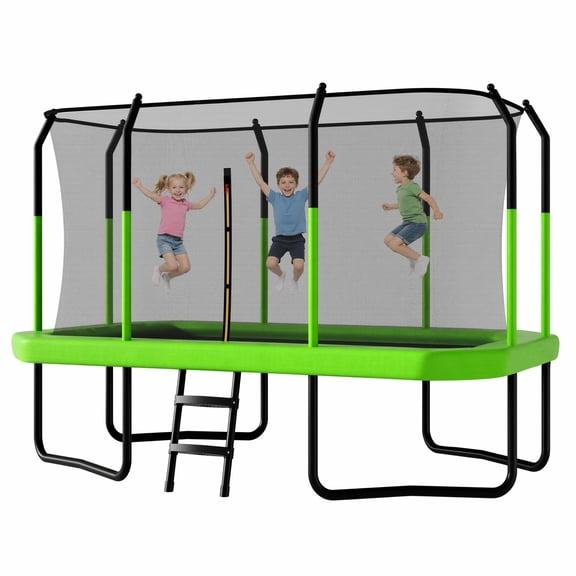


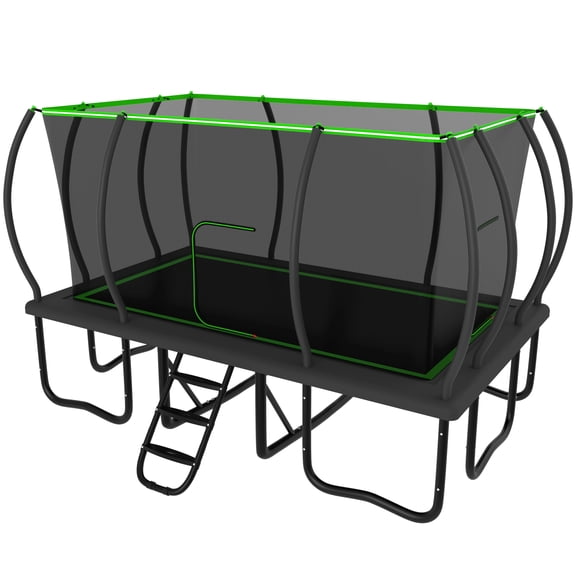


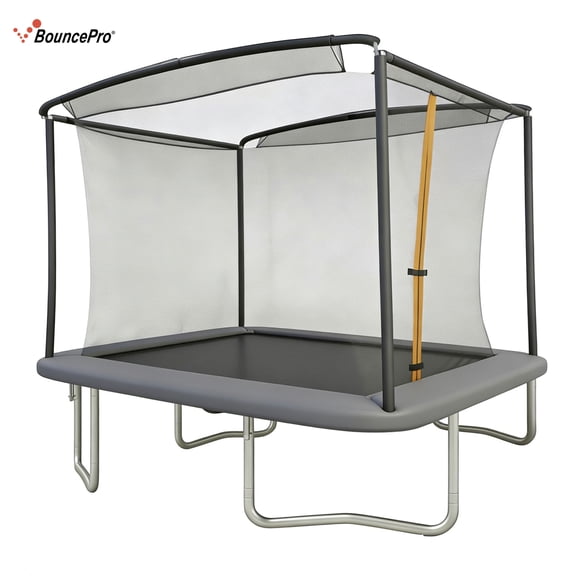
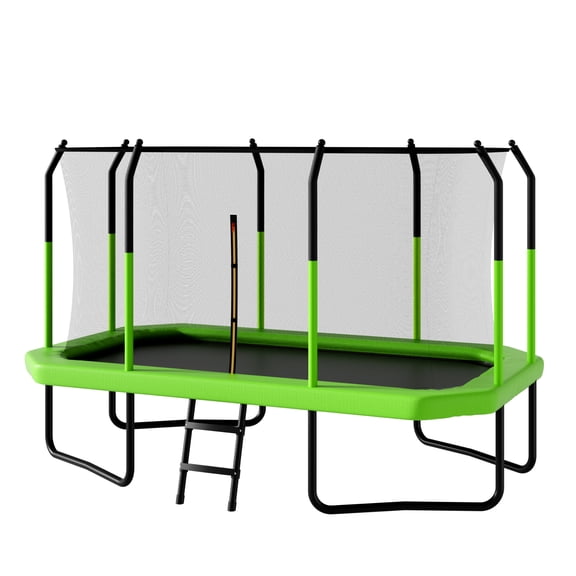
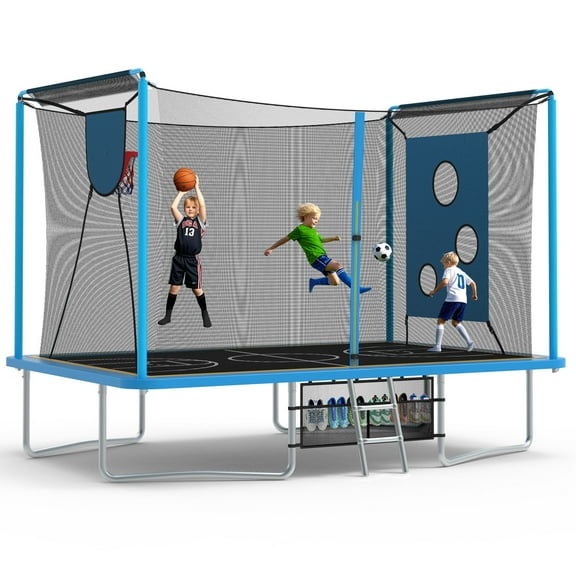

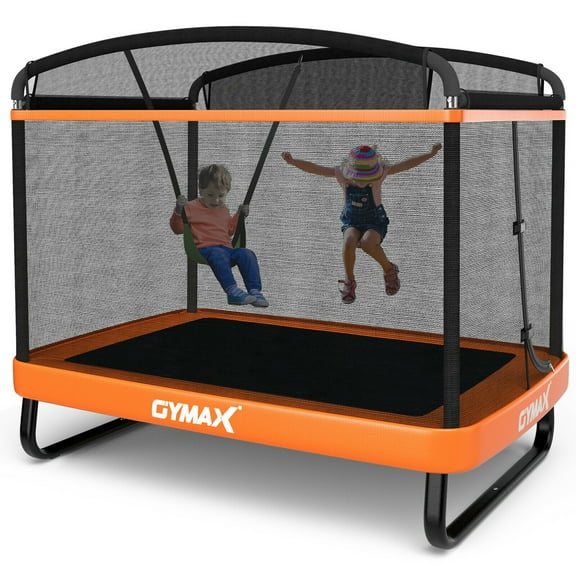


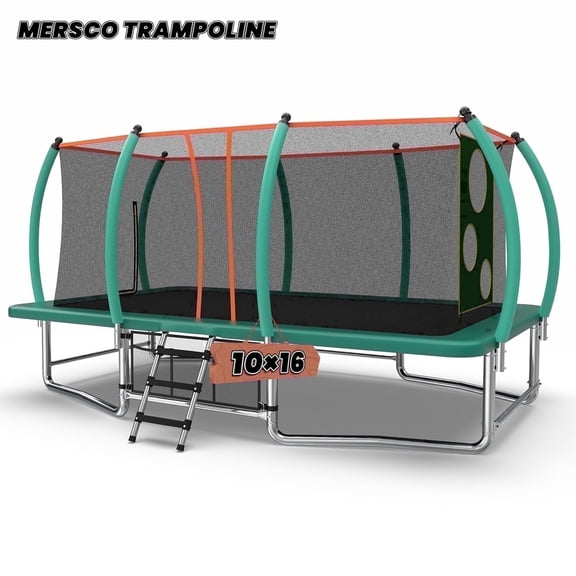


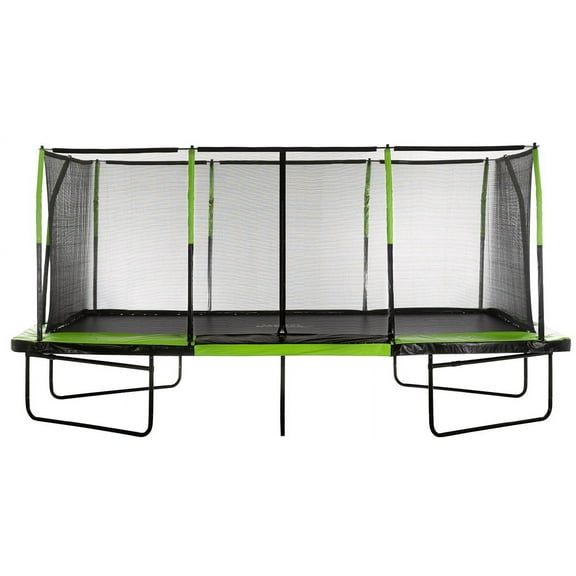










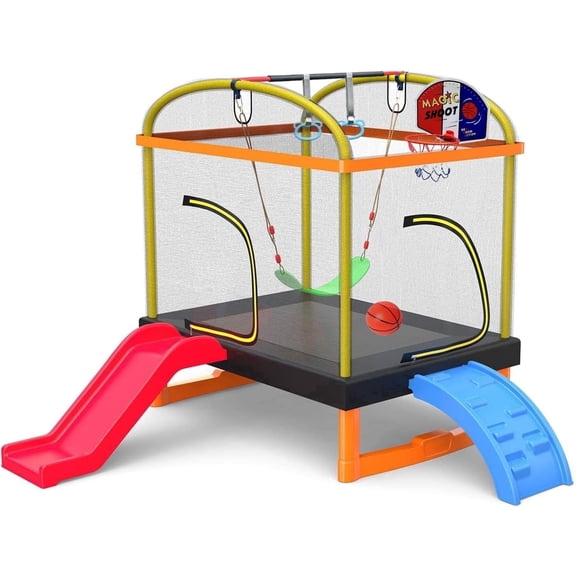
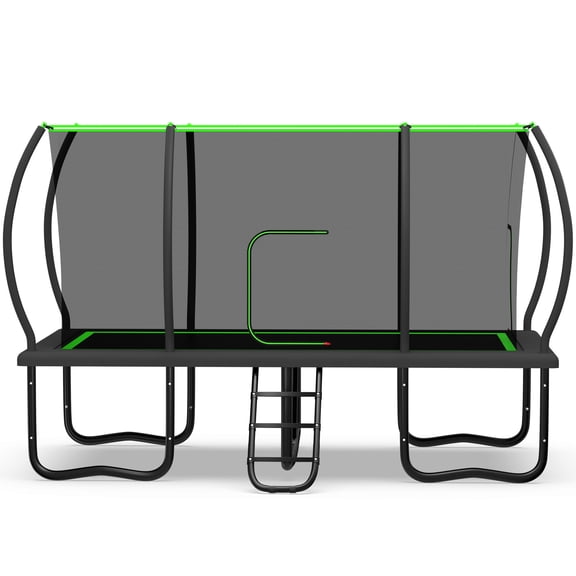
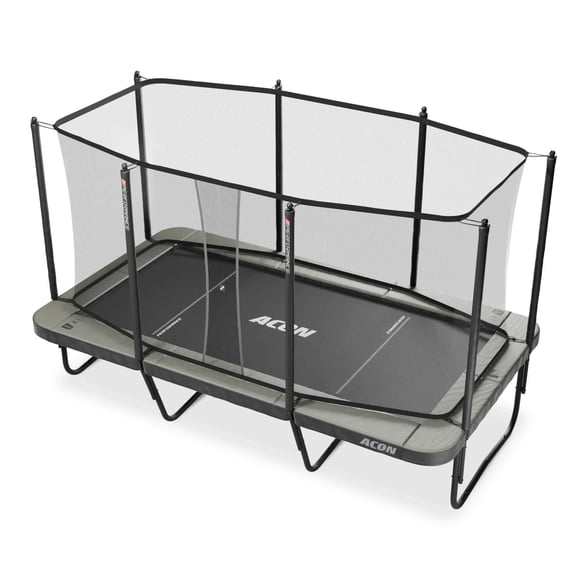


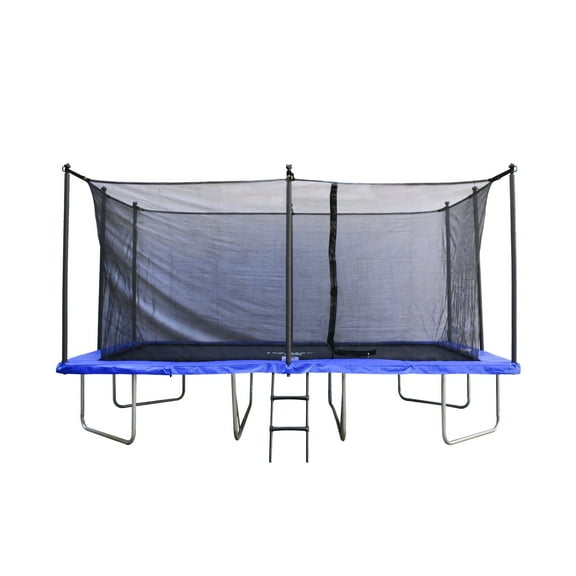


About Rectangle Trampolines in Trampolines - Walmart.com
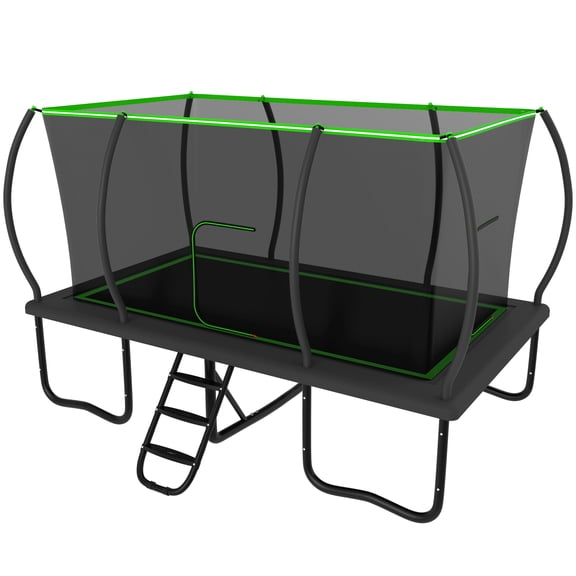
Your rectangle trampoline setup can deliver a longer jumping lane, steadier rebound, and a smarter backyard fit for active play and practice. You can compare enclosure styles, frame strength, and exact sizes here, so your space and users stay aligned.
When you shop this category, you’re usually balancing gymnastics-style bounce with family use and yard dimensions. You’ll also want choices that include nets, padded edges, and frames built for outdoor seasons.
How to choose a rectangle trampoline
A rectangle trampoline gives you a more even bounce path from end to end than many round layouts. You can use that shape to support skill drills, active kids, and narrower backyard footprints.
Because you’re choosing a category with longer jump zones, you should measure your yard before comparing frame dimensions. You’ll want open clearance around the frame and overhead space for comfortable use.
As you compare options, you can focus on a few key decisions that shape daily use. You’ll usually narrow your choice faster when you review these points first.
- You can choose a design with a safety net for enclosed jumping and clearer boundaries.
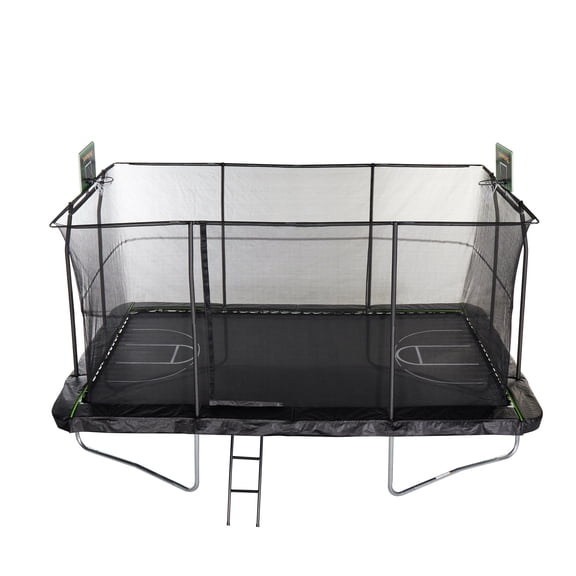
- You can compare dimensions like 10ft x 12ft, 8ft x 14ft, and 10ft x 17ft.
- You can match large, small, or compact footprints to your available yard space.
- You can select builds suited for kids, family play, or gymnast-style training.
Choosing a rectangle trampoline with net
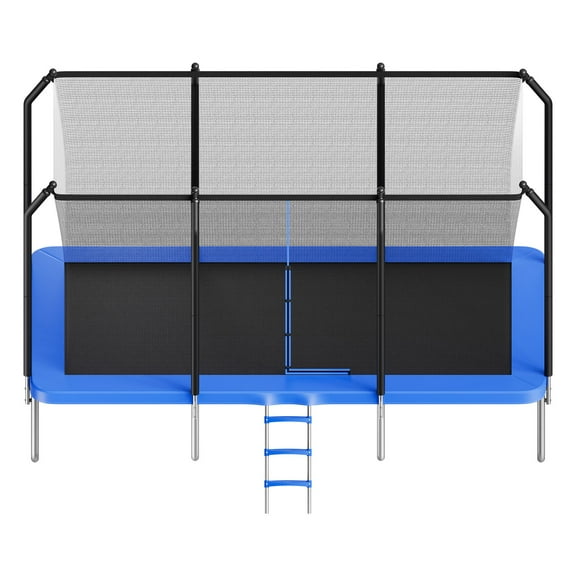
If you’re comparing a rectangle trampoline with net, you should check how the enclosure attaches to the frame. You’ll want a secure connection that keeps the jumping area clearly defined.
A rectangular trampoline with net can also help you compare gap-free enclosure details and padded spring cover layouts. You’ll notice these features matter when you want a cleaner edge around the mat.
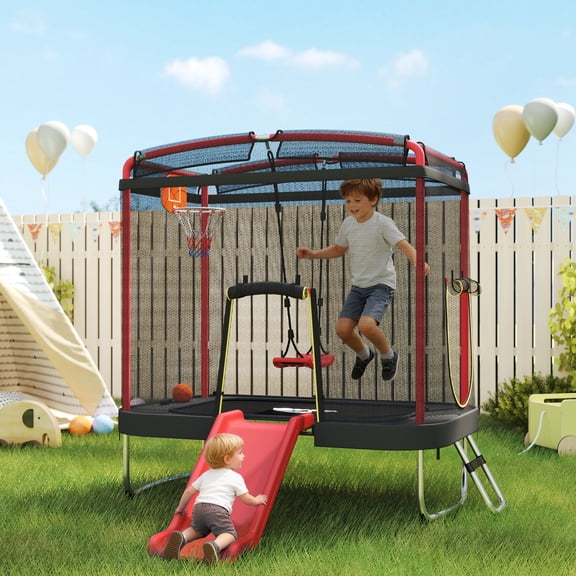
For younger users, you may prefer a rectangular kids trampoline with visible entry access and full-height enclosure support. You’ll also want padding that covers springs and frame edges consistently.
When you review safety design, you should look at how poles, net sleeves, and closure points come together. You can often tell which layouts feel simpler to maintain over time.
Comparing dimensions and size categories
You should start with your usable yard area, not just the frame size listed on the product page. You’ll need room around the trampoline for entry, movement, and a clear safety buffer.
A rectangle trampoline 10ft x 12ft often suits households that want a balanced footprint for play and light skill work. You can place that size in many backyards without moving into extra-long layouts.
If you want a longer jump path, a 10ft x 17ft frame can give you more runway-like space. You may prefer that shape when your yard is long and your users practice repeated passes.
An 8ft x 14ft option can work when you need a compact profile with rectangular bounce characteristics. You can also consider a small rectangle trampoline with net for tighter outdoor areas.
When you compare size category labels, you should read them as starting points, not final answers. A large rectangular trampoline may fit your users well, but your measurements should guide the decision.
What to look for in springs and frame strength
If you’re shopping for gymnasts or energetic jumpers, you should compare spring count alongside frame dimensions. You’ll usually see that a higher spring count supports a more responsive, even feel.
You can also review tensile strength details when they appear in product specs. That term helps you understand how well the springs hold up during regular use.
Frame material matters just as much as the jumping surface. You should look for galvanized steel and check the steel gauge, because thicker tubing can feel sturdier in larger formats.
When you leave a trampoline outdoors, you should also compare rust prevention and UV-resistance notes. You’ll want those details when sun, moisture, and season changes are part of your setup.
For family use, you may focus on balanced rebound and durable construction instead of training-focused responsiveness. You can match those priorities by checking dimensions, spring layout, and frame design together.
Matching target users to real backyard use
If your main goal is everyday play, you may want a rectangular kids trampoline with net and padded edges. You’ll get a layout that supports active movement while keeping the jumping zone clearly enclosed.
For shared household use, you can look for family-friendly sizes that balance yard fit and open jumping area. You’ll often find 10ft x 12ft models easier to place in multipurpose backyards.
If you’re buying for gymnast-style drills, you should compare longer decks, spring count, and frame strength carefully. You’ll likely prefer a layout that creates a consistent takeoff and landing path.
When your space is limited, you can narrow your search to compact or small rectangle trampoline with net options. You’ll still keep the rectangular shape while working within tighter yard boundaries.
You may also want to plan for accessories that support your setup over time. You can pair your selection with trampoline anchors, weather covers, and other trampoline accessories when conditions call for extra stability.
As you compare rectangle trampoline options, you should let your yard size, enclosure style, and spring system guide the final choice. You’ll end up with a setup that fits your space and supports steadier, more confident jumping.