

Voice Recorders in Portable Audio



















About Voice Recorders in Portable Audio - Walmart.com
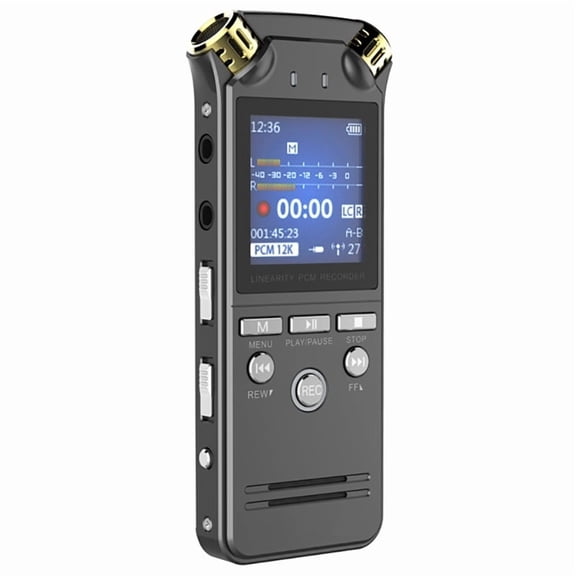
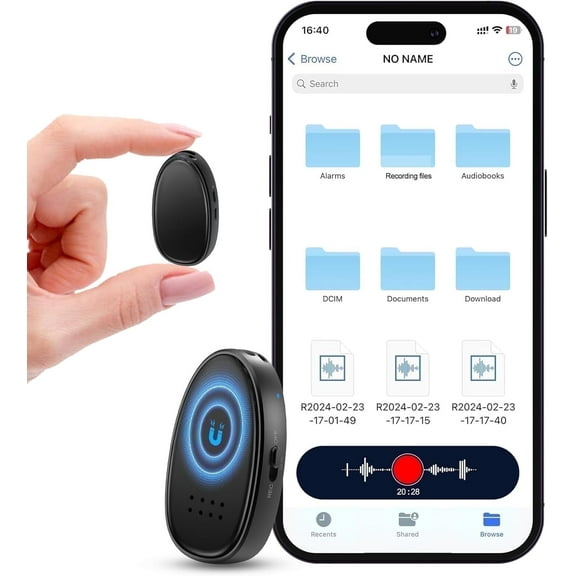
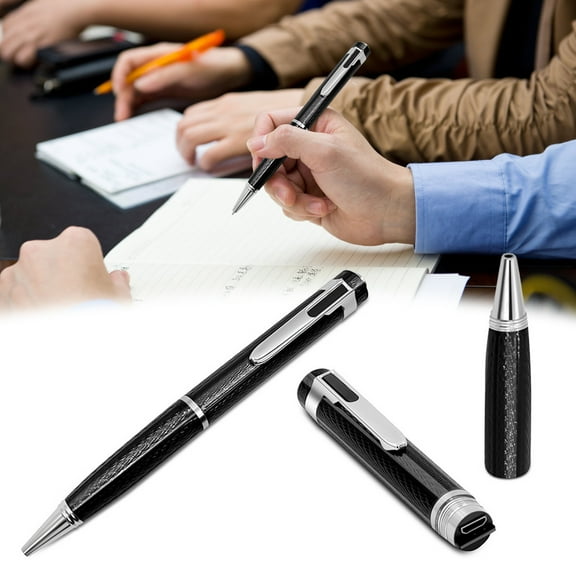
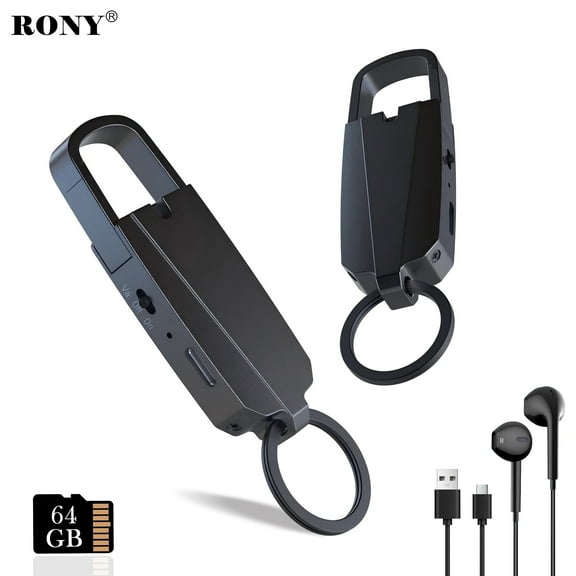
Sony voice recorders help you capture lectures, meetings, interviews, and notes with clear files and simple controls. You can compare recording formats, storage, microphones, connectivity, and power options before you choose a model.
Choosing Sony voice recorders by recording format
When you compare recording format, you should start with how you plan to use your files. You can pick MP3 for smaller files, WAV for broad compatibility, or Linear PCM for detailed sound.
If you record long classes or daily dictation, you may prefer MP3 because you can fit more hours in the same space. If you review music practice or nuanced speech, you may prefer WAV or Linear PCM for added detail.
You should also check bitrate because it affects both file size and playback detail. Higher bitrates usually give you fuller sound, while lower bitrates help you store longer sessions.
How to compare storage on a Sony digital voice recorder
Storage capacity shapes how often you need to move or delete files. You can choose 4GB, 8GB, 16GB, or expandable SD options based on your recording habits.
If you record short memos, you may be comfortable with 4GB or 8GB. If you record multihour lectures, interviews, or recurring meetings, you may want 16GB or expandable memory.
You should think about how many files you keep before transferring them to your computer. An expandable SD slot can give you more flexibility when your schedule keeps you recording for days.
- You can store quick voice notes without filling memory too fast.
- You can keep separate files for classes, work meetings, and interviews.
- You can choose expandable storage if you archive longer sessions.
- You can match file size needs to MP3, WAV, or Linear PCM recording.
What to look for in microphone type and pickup range
Microphone type matters because you need the right pickup pattern for your setting. You can compare mono, stereo, and adjustable S-Microphone designs based on room size and speaker distance.
If you record a one-on-one interview, you may like mono or a focused setting for close-up speech. If you record lectures or group discussions, you may want stereo or adjustable sensitivity for wider coverage.
You should also consider how far the speaker will be from your recorder. In a large lecture hall, you may need stronger sensitivity than you would for desk notes.
A Sony audio recorder with the right microphone setup can make playback easier to review later. You can spend less time replaying muffled sections when your pickup range fits your space.
Choosing connectivity on a handheld voice recorder
Connectivity affects how quickly you can move files and listen back with your usual devices. You can compare built-in USB, Bluetooth, and a 3.5mm jack based on your routine.
If you want simple file transfer, you should look for built-in USB plug-and-play support. You can connect directly to your computer without carrying an extra cable in many cases.
If you review audio privately, you may want a 3.5mm jack for wired headphones. If you prefer fewer cords, you may look for Bluetooth to pair with compatible wireless accessories.
You should match connectivity to how you study or work every day. A handheld voice recorder with easy transfer can help you organize files soon after each session.
How power source affects your recording schedule
Power source plays a big role when you record away from a desk. You can compare rechargeable lithium-ion designs and AAA battery models based on your schedule.
If you record often during the week, you may prefer rechargeable power for regular overnight charging. If you travel or attend long events, you may like AAA batteries for quick swaps.
You should check continuous recording hours before choosing a model. Longer battery life can matter when you record seminars, all-day meetings, or extended interview sessions.
Using Sony IC recorder options for real recording needs
Your daily routine should guide the features you prioritize first. If you record classroom lectures, you may want higher storage, wider microphone pickup, and dependable battery life.
If you capture interviews, you may focus on close-range clarity, easy file transfer, and compact size. If you record personal reminders or work dictation, you may prefer straightforward controls and efficient MP3 storage.
You can also think about accessories that support your setup after purchase. Headphones can help you review details, while memory cards or batteries can extend your recording routine.
When you compare Sony voice recorders this way, you can narrow your choice with more confidence. You can focus on the format, storage, microphone, connectivity, and power combination that fits your recordings.