













Reading Sunglasses in Reading Glasses

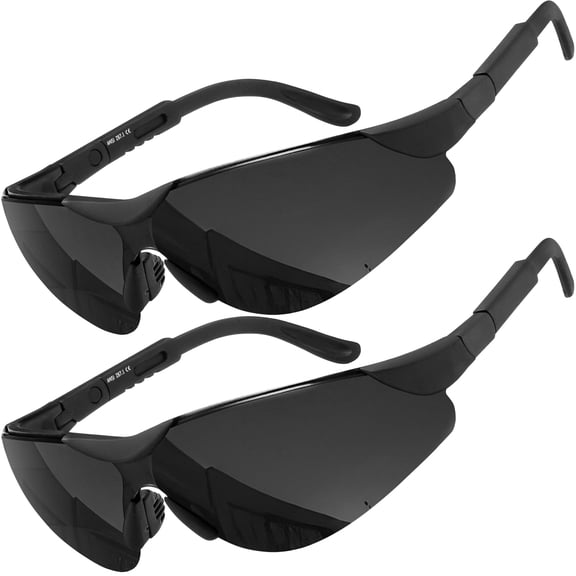
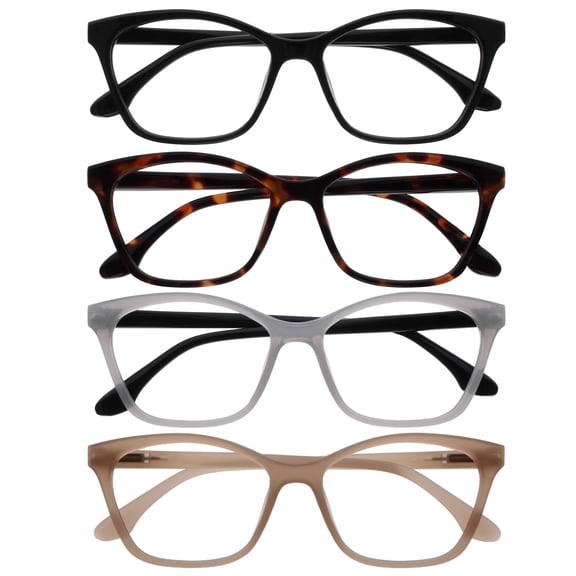


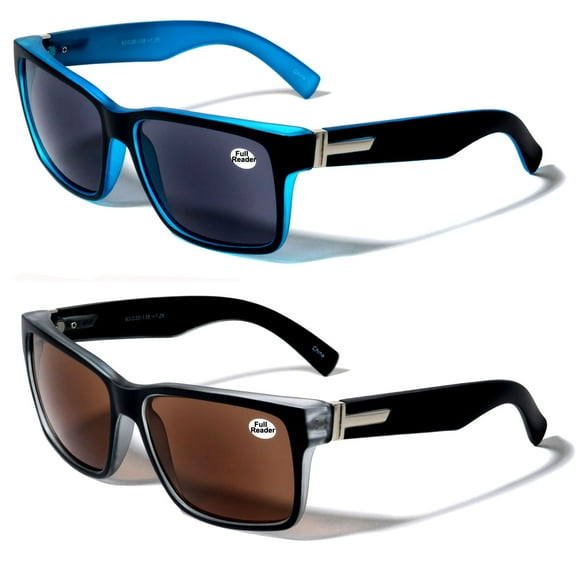


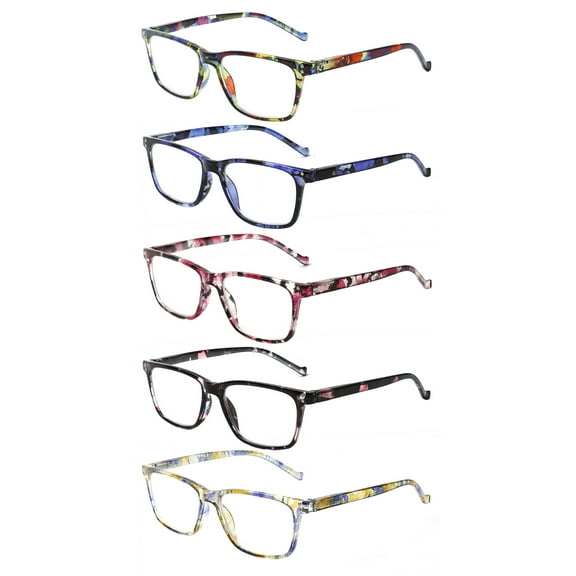








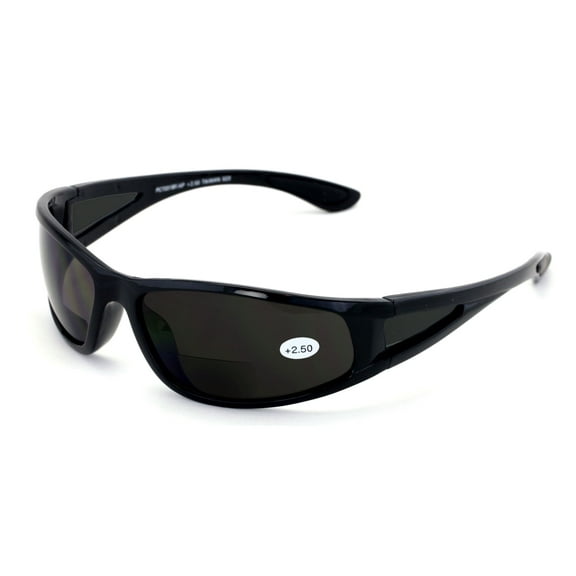


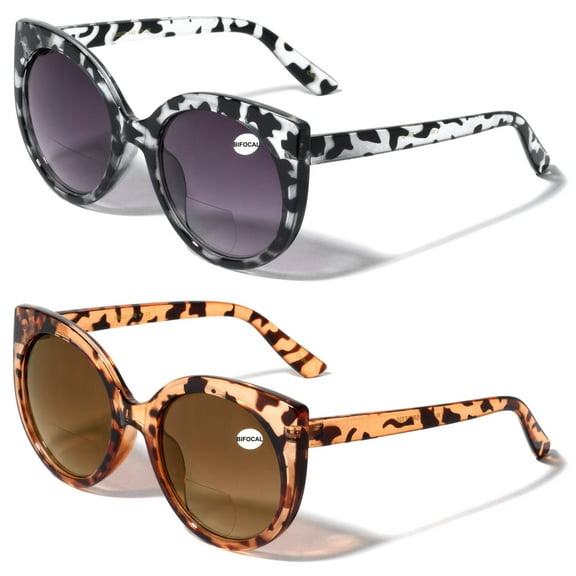


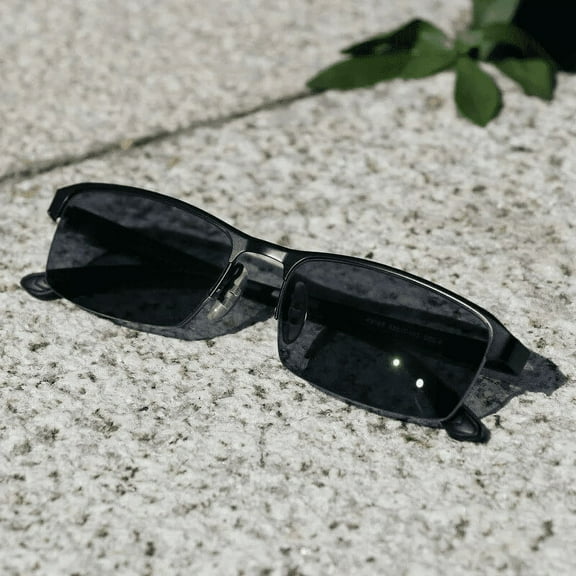


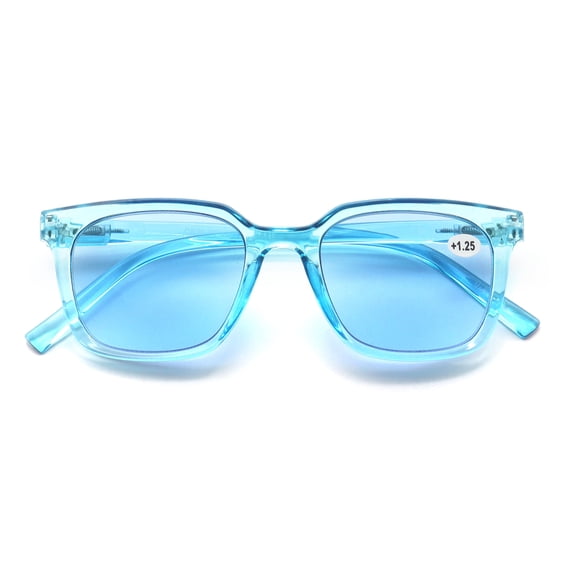










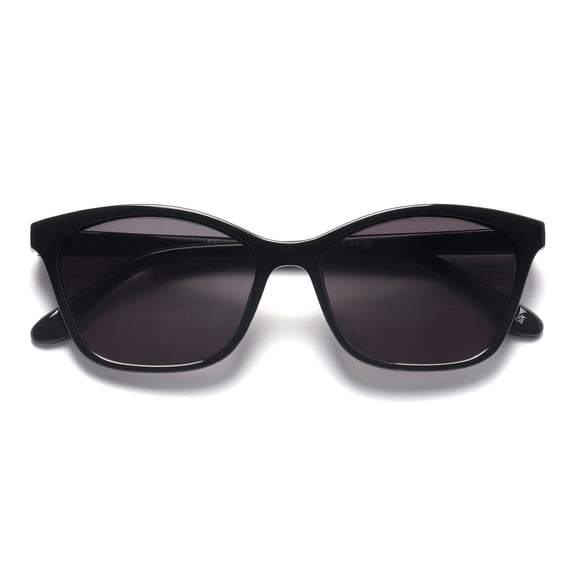


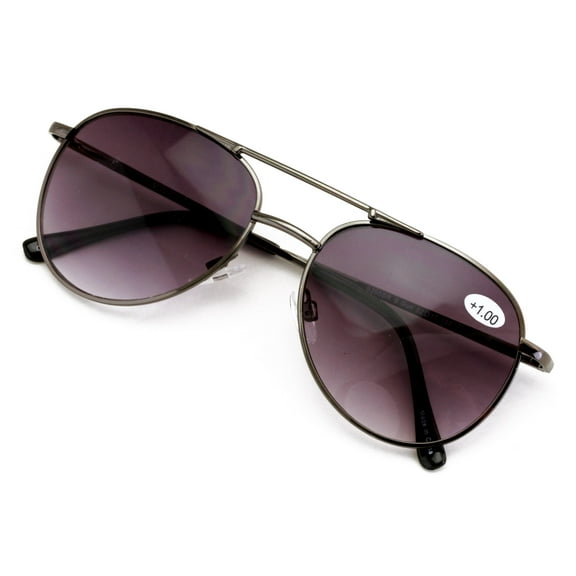


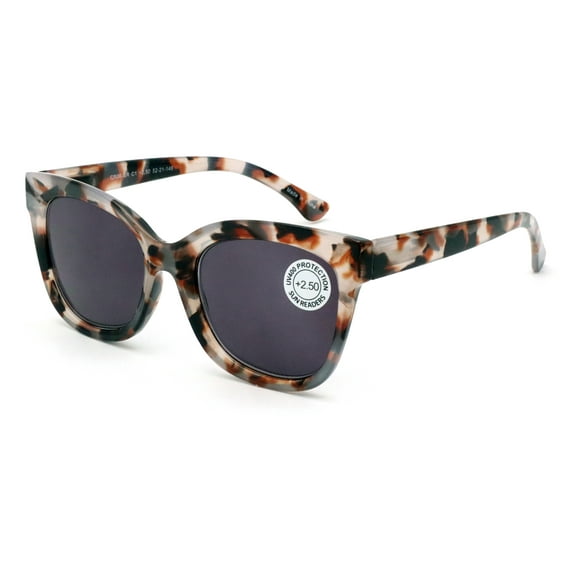


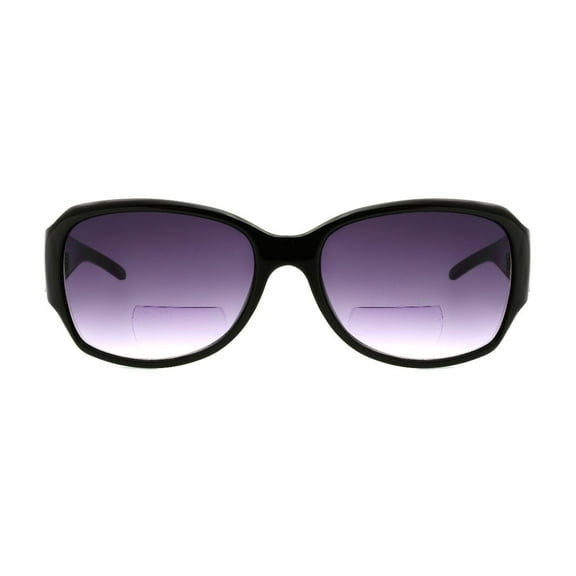
About Reading Sunglasses in Reading Glasses - Walmart.com
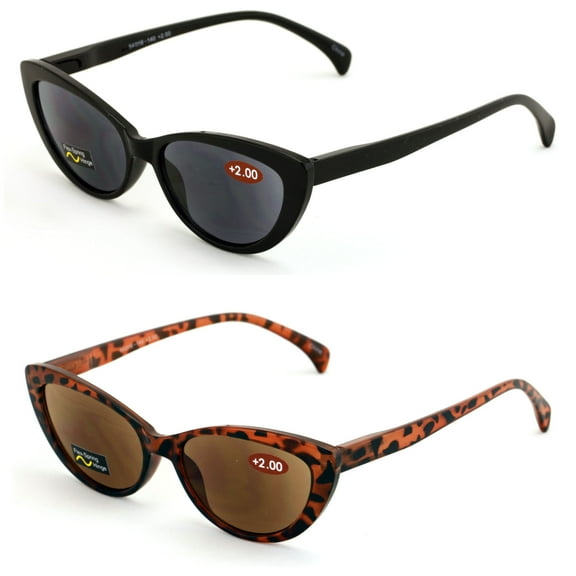
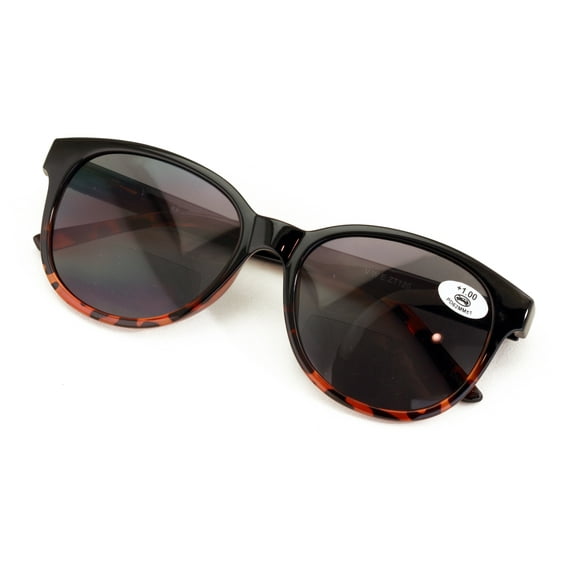
Reading sunglasses help you read outdoors with clearer close-up vision and shaded lenses in one easy pair. You can compare magnification strengths, lens types, and frame shapes that fit how you relax outside.
How to choose reading sunglasses
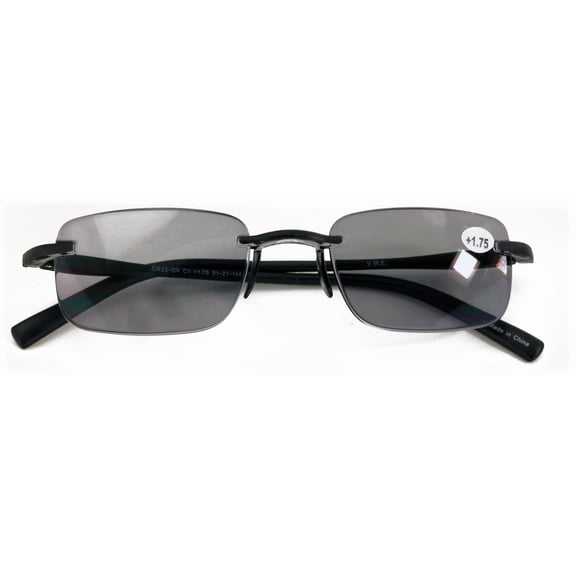
When you choose reading sunglasses, you’ll want the same reading power you already use for books or screens. You can start with common strengths like +1.25, +1.50, +2.00, and +2.50.
If you’re between strengths, you should compare the diopter power that keeps small print crisp without forcing you to hold items farther away. You’ll usually get the smoothest experience when your outdoor pair matches your indoor readers.
You should also think about where the magnification sits in the lens. You may prefer a lower reading segment, or you may want magnification across the full lens.
- You can match your usual reading strength for familiar close-up clarity.
- You can pick a lens layout that suits reading, walking, or switching between distances.
- You can choose frame shapes that feel comfortable during longer outdoor wear.
- You can look for UV protection and glare control for brighter conditions.
Choosing the right bifocal reading sunglasses
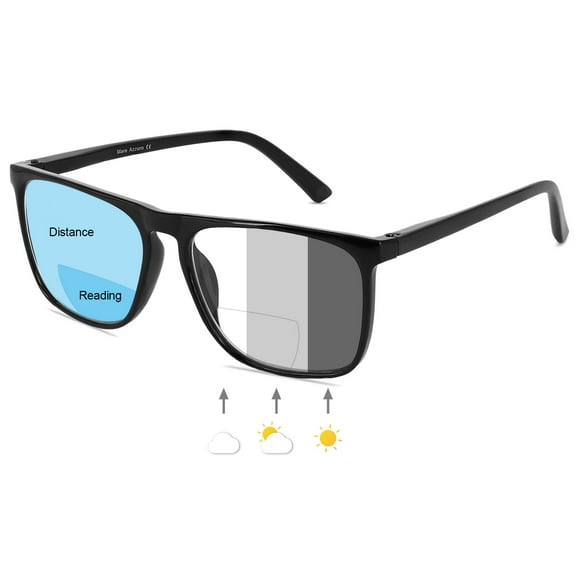
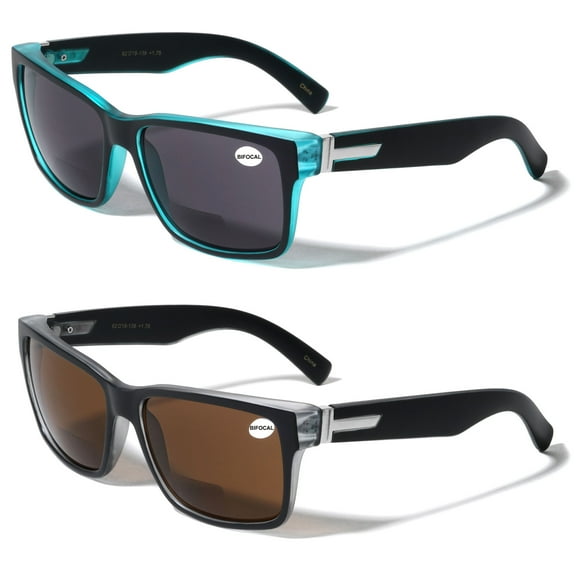
If you want distance vision on top and reading power below, bifocal reading sunglasses are a smart place to start. You can glance up at the water, trail, or patio, then look down at a menu.
If you spend more time reading than looking far away, full lens reading sunglasses may suit you more naturally. You’ll get magnification across the entire lens, which helps when you read a book outside.
If you want a gentler shift between distances, progressive reading sunglasses can feel more seamless. You can move between nearby text and farther views without a visible bifocal line.
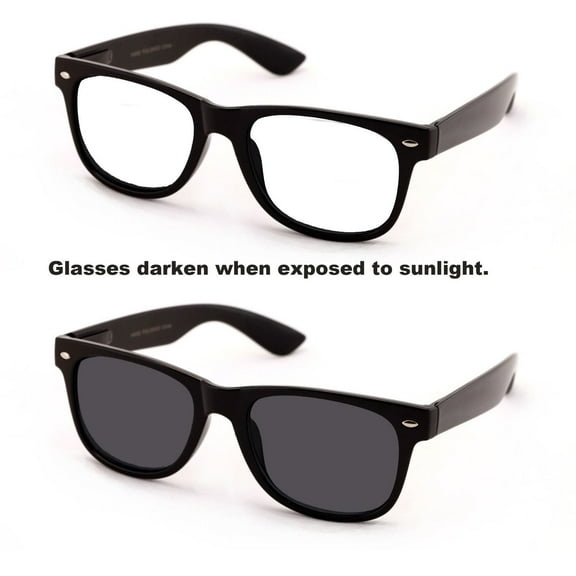
For brighter settings, polarized reading sunglasses can reduce reflected glare from water, pavement, and car dashboards. You’ll often notice easier viewing when sunlight bounces off flat surfaces.
Comparing frame style and fit
When you compare frame styles, you should think about comfort first and appearance second. You’ll wear reading sunglasses longer when the fit feels balanced on your nose and ears.
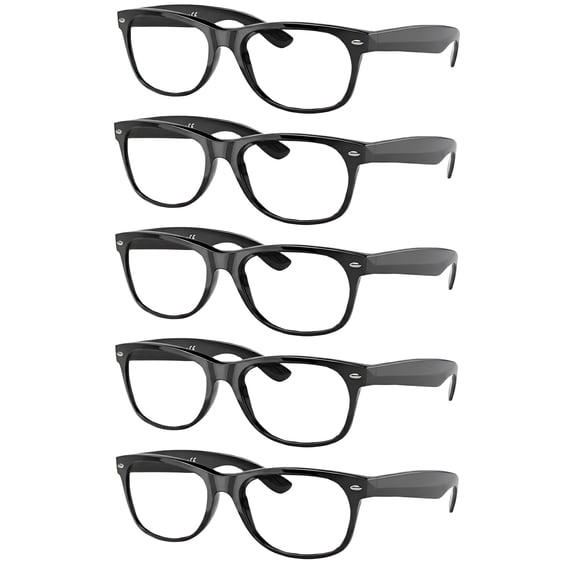
Aviator shapes can give you broad lens coverage and a classic outdoor look. Wayfarer frames can feel structured, while round and rectangular shapes can change how the glasses frame your face.
If you’re shopping reading sunglasses for men, you may look for wider fits and straight temples. If you’re shopping reading sunglasses for women, you may prefer lighter profiles or softer frame curves.
You don’t need to limit yourself by label, though. You can choose unisex fits when your priority is lens width, bridge comfort, and everyday outdoor style.
What to look for in lens features
You should check whether the lenses include UV protection for sunny reading sessions. You can look for UV400 labeling when you want coverage designed for bright daylight use.
Polarization is another key decision if you read near water, windows, or reflective pavement. You’ll usually see less glare, which can make pages, screens, and receipts easier to view outdoors.
Lens tint also changes how your pair feels in different light. You may prefer darker tints for strong sun, while moderate tints can feel easier during mixed afternoon light.
If you move between porch reading and short walks, you should compare bifocal and single vision layouts carefully. You can keep your close-up area where you need it most.
Reading sunglasses for men and women in everyday use
You might use sun readers on the patio, at the beach, or during a weekend game. You can keep a pair in your bag, glove box, or travel case for quick access.
If you read fishing knots, phone screens, or restaurant checks outdoors, the right lens setup matters. You’ll want enough magnification for close detail without giving up useful sun coverage.
Summer reading sunglasses can be especially useful for pool days, outdoor concerts, and park afternoons. You can stay focused on crossword clues, paperbacks, or small print in direct sun.
If you alternate between reading and conversation, bifocal reading sunglasses may feel practical. If you stay focused on a novel or tablet, full lens reading sunglasses may feel more natural.
You can also coordinate your pair with nearby categories that support your routine. You may want standard reading glasses for indoor use, plus sunglasses or blue light glasses for other settings.
How to choose your strength with confidence
If you already own readers, you should begin with that same strength before testing a different power. You’ll usually know quickly if the text looks sharp at your normal reading distance.
If you hold menus farther away than usual, you may need a lower strength. If you pull print closer to your face, you may prefer a higher strength like +2.00 or +2.50.
With the right reading sunglasses, you can enjoy outdoor reading with less switching between pairs and fewer interruptions. You’ll leave with a pair that matches your light, your routine, and your reading distance.