

Hide Rugs in Rugs










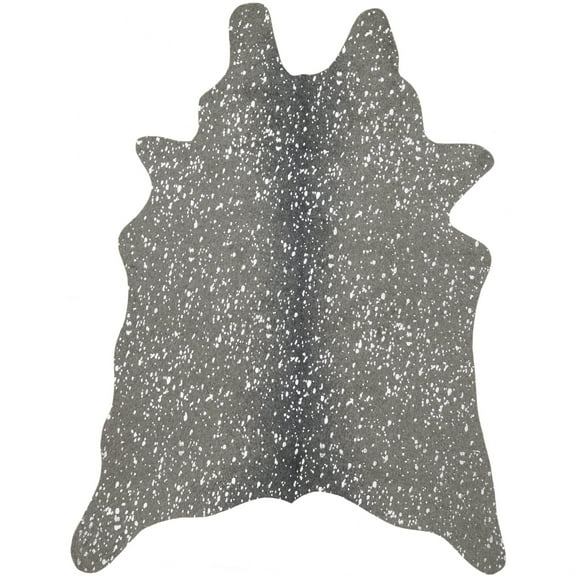
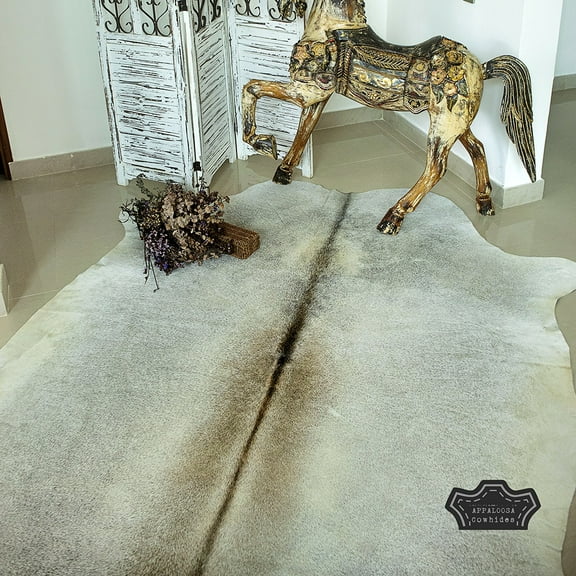
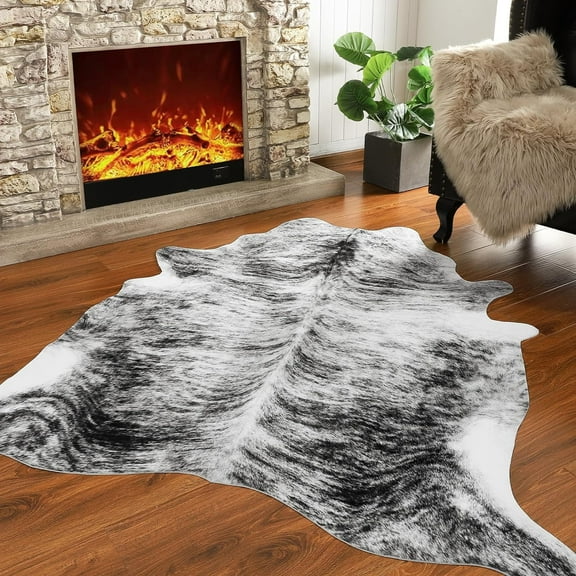


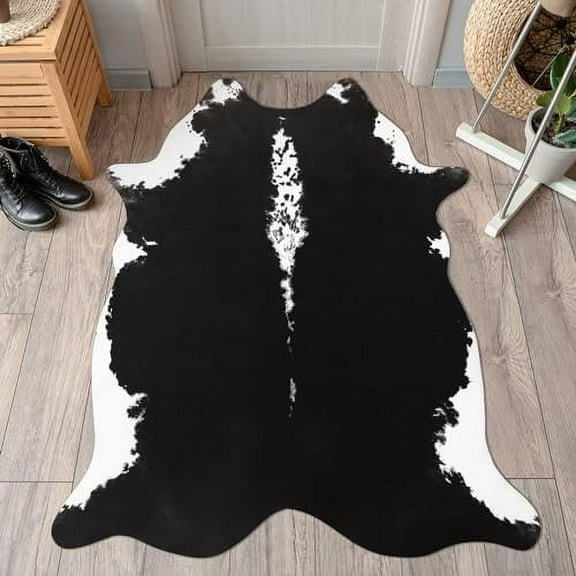

















About Hide Rugs in Rugs - Walmart.com
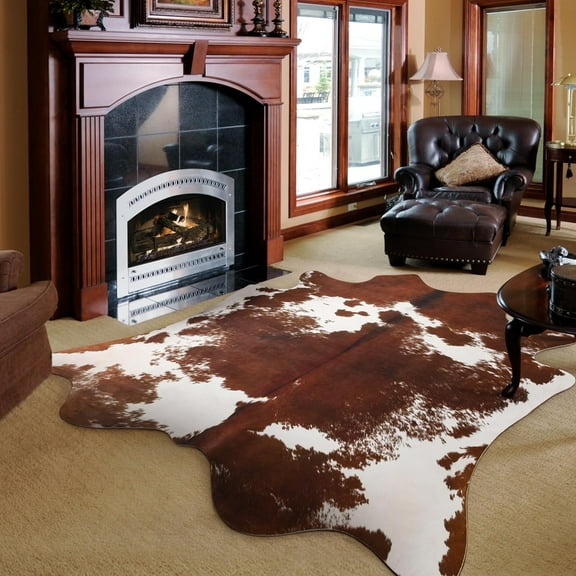
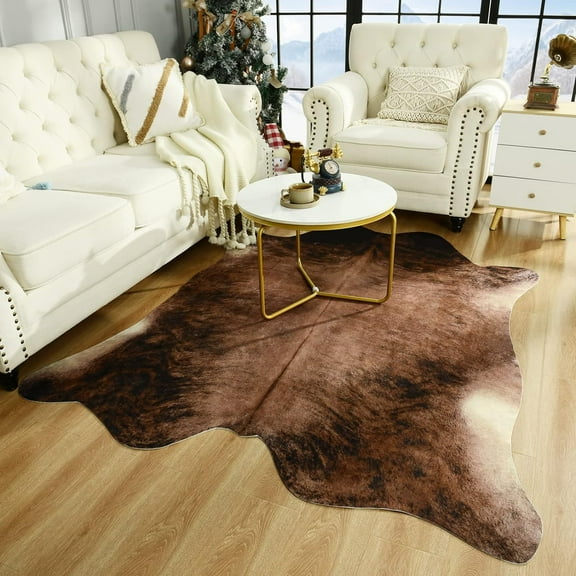
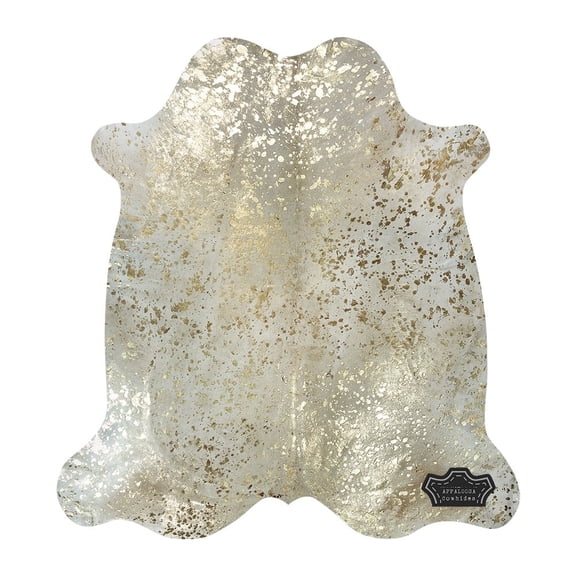
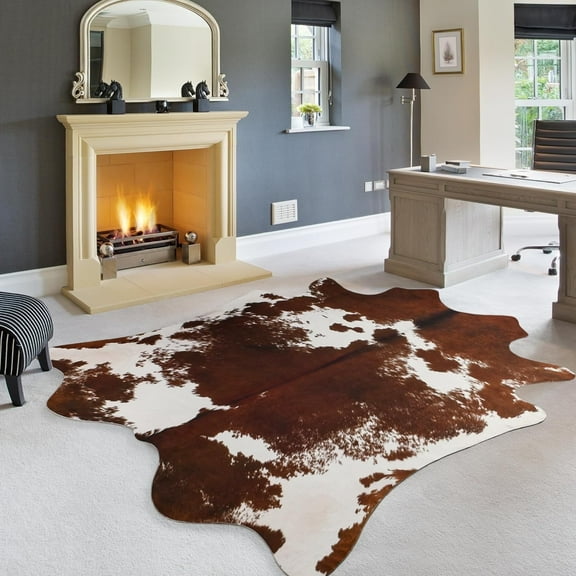
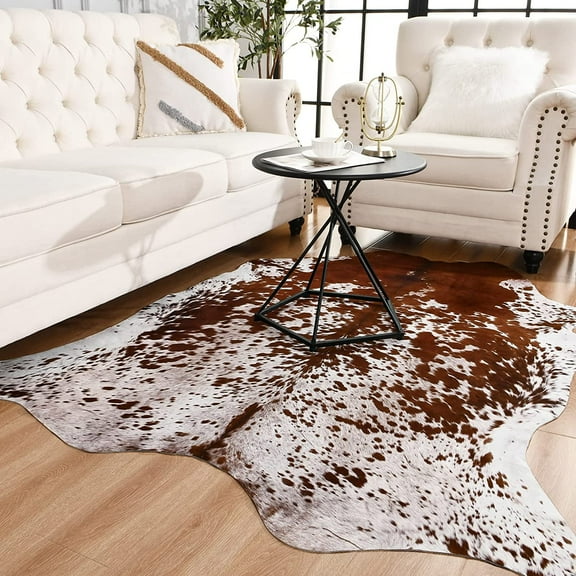
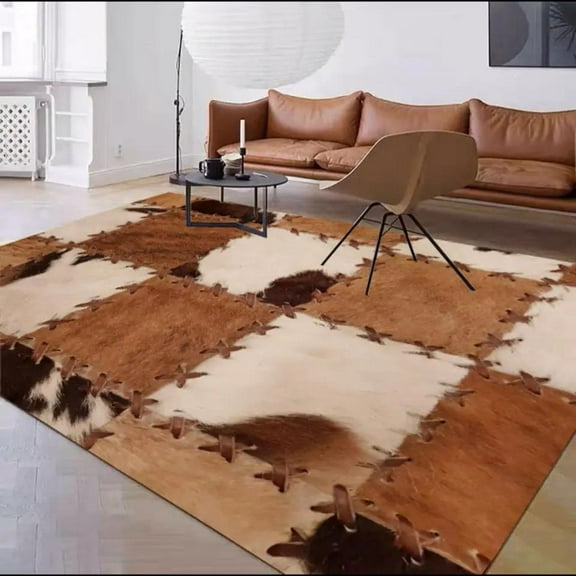
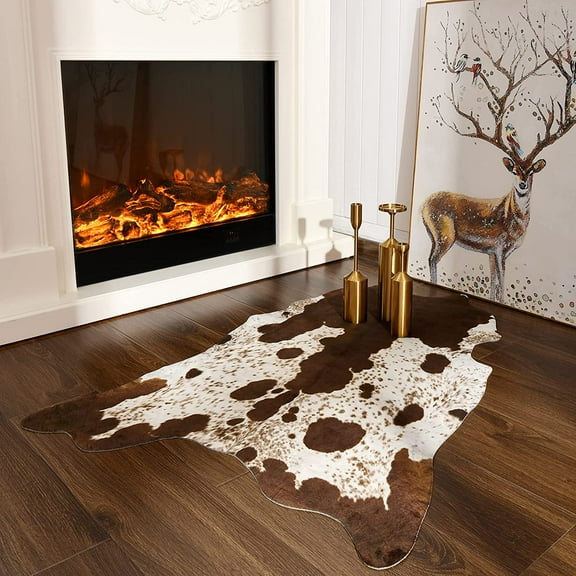
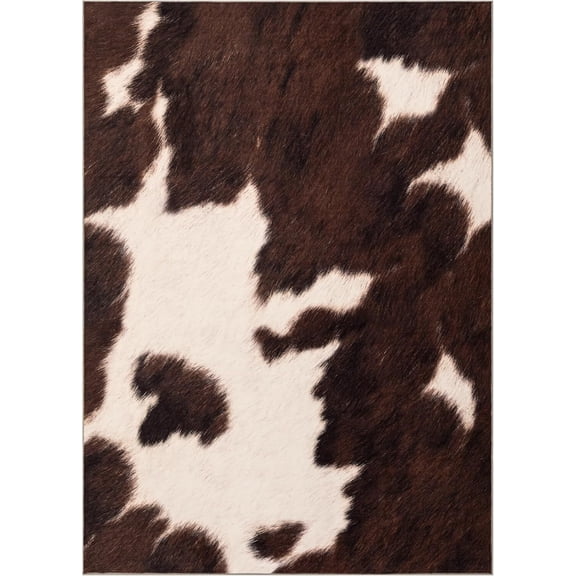
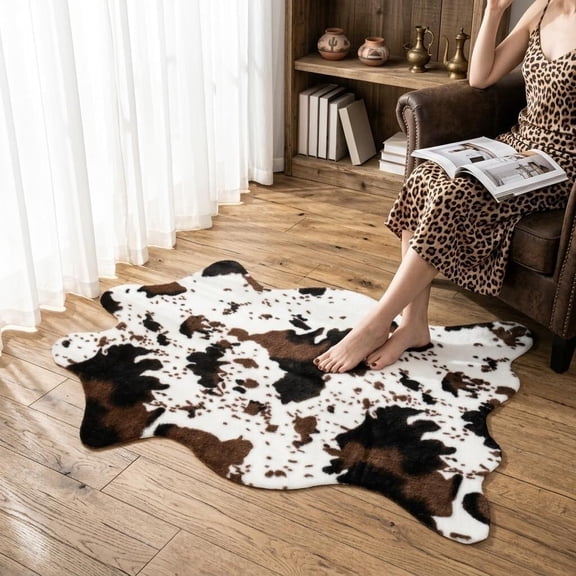
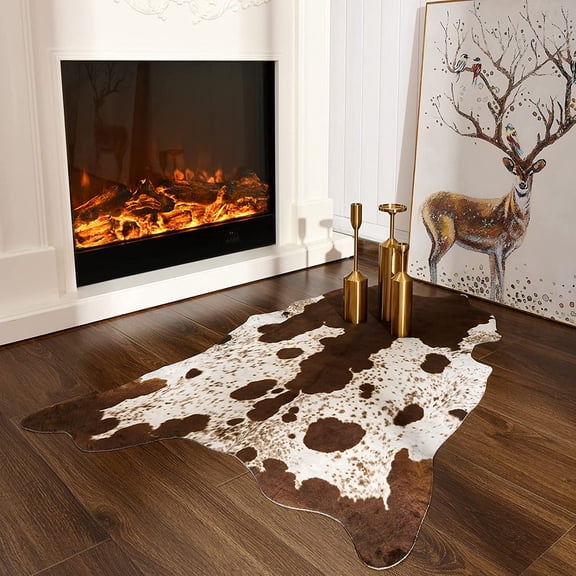
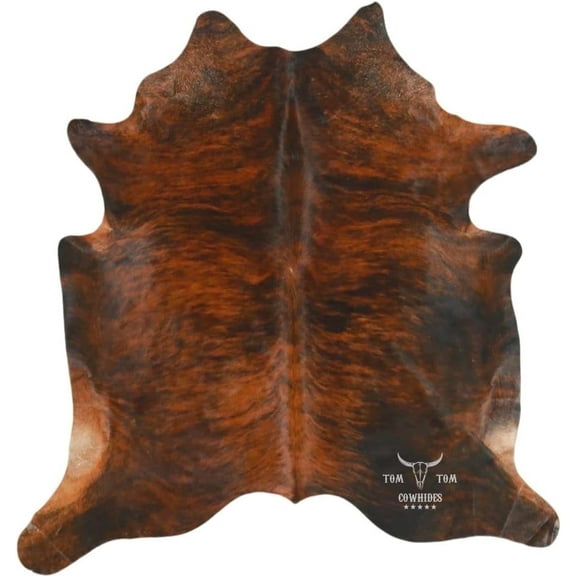
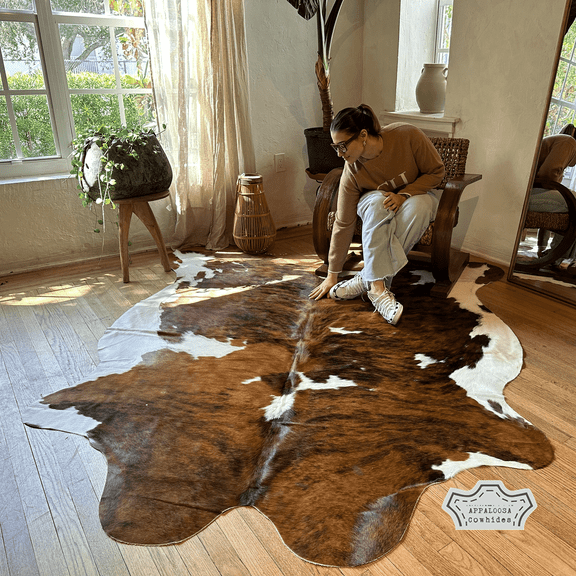
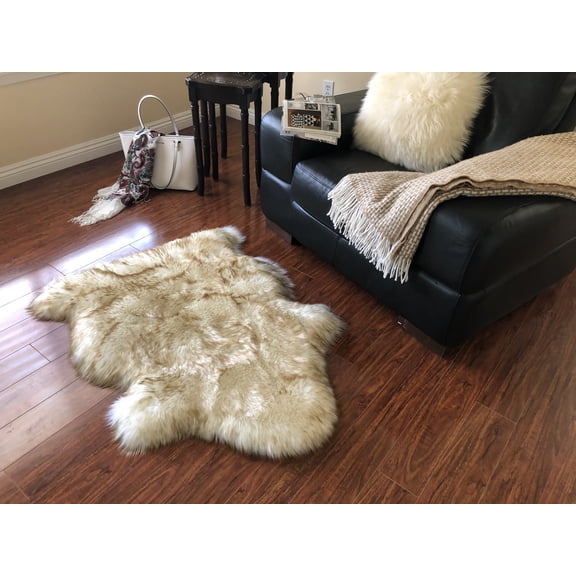
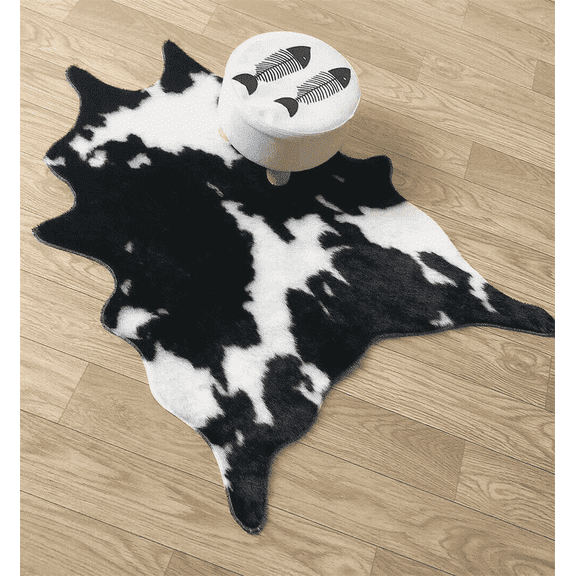
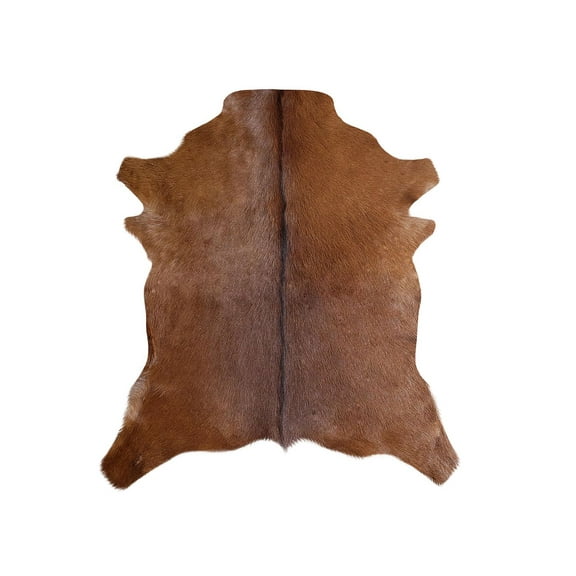
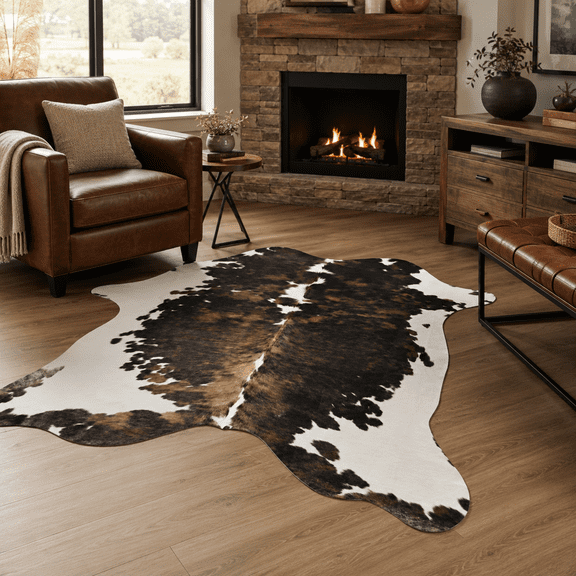
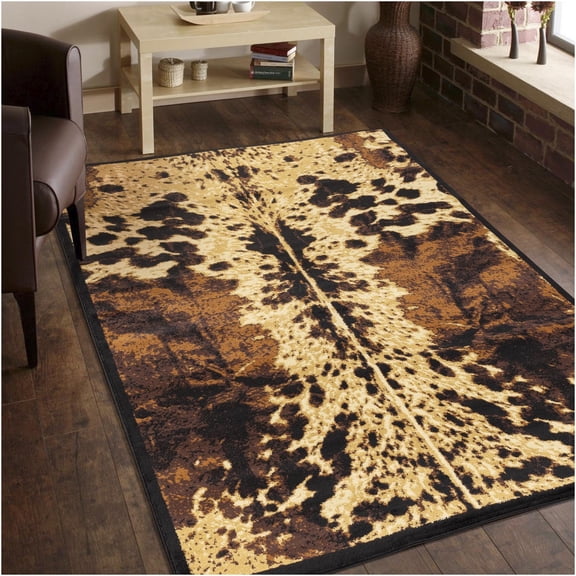
With a faux cowhide rug, you can add animal-hide style without the upkeep of genuine hide. You’ll also get flexible shapes, easier care, and patterns that fit living rooms, bedrooms, and offices.
If you’re comparing hide-inspired rugs, you’ll want guidance that matches how you decorate and clean. You can use material, pattern, size, placement, and shape to narrow your choice quickly.
How to choose a faux cowhide rug
When you compare material types, you’ll usually see faux, synthetic, or acrylic blend options. You can expect a soft surface and a hide-inspired look that’s easier to place in busy rooms.
If you want a faux animal hide rug for daily use, you should check how the pile feels and how the backing sits. You’ll notice that a flexible construction can help your rug lie flatter on hard floors.
You should also check whether your rug includes latex backing or needs a separate rug pad. If you place it on smooth flooring, you’ll often want a rug pad for a steadier feel.
Key benefits you can expect
You can use a hide-inspired rug to break up straight furniture lines and soften a room layout. You’ll also get a more organic outline than you would with a standard rectangular accent rug.
Because you’re choosing faux materials, you can usually handle everyday cleanup with less fuss. You can blot small spills, lift surface debris, and keep the look polished with regular light care.
- You can add Western, rustic, modern, or eclectic style without changing your whole room.
- You can place irregular hide shapes in corners, under coffee tables, or beside beds more easily.
- You can use patterned options to anchor neutral furniture and add movement to open floor plans.
- You can choose faux textures when you want animal-hide style with simple maintenance routines.
If you’re decorating a layered room, you can place a faux cowhide area rug over larger flatweave or low-pile rugs. You’ll create contrast in shape and pattern without making the room feel crowded.
You may also like how a faux animal skin rug works in compact spaces. You can tuck it beside a reading chair, at the foot of a bed, or under a narrow desk.
Choosing material, pattern, and backing
When you review materials, you should look for wording that explains texture and construction in plain terms. You’ll often see synthetic fibers or acrylic blends that mimic the look of natural hair-on-hide.
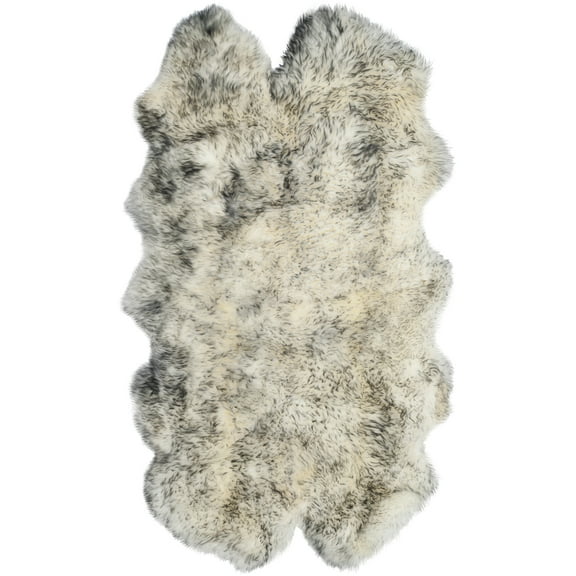
If you want a softer touch, you should compare pile height and surface finish. You can often tell whether your rug will look sleek or fluffy by reading those details.
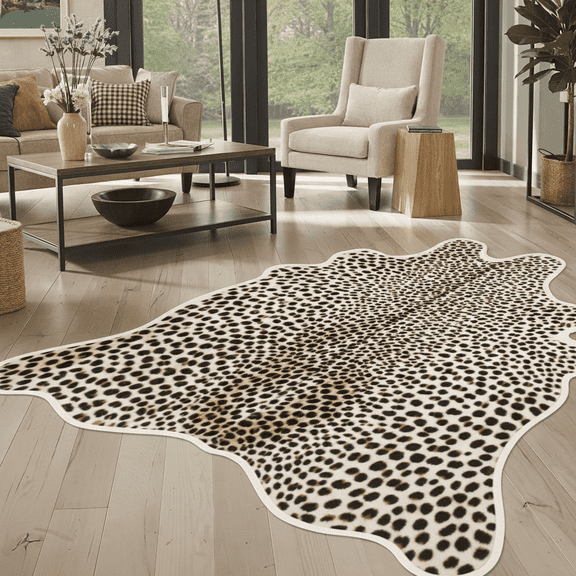
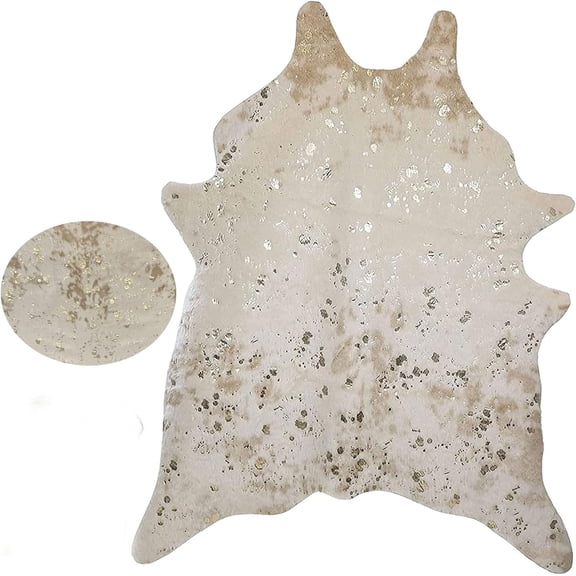
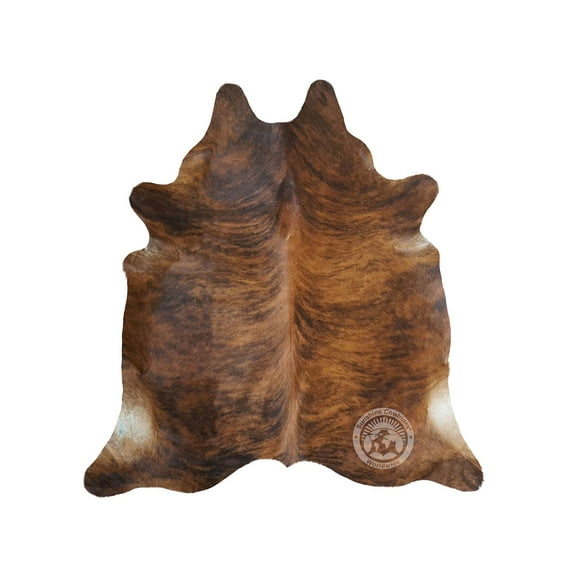
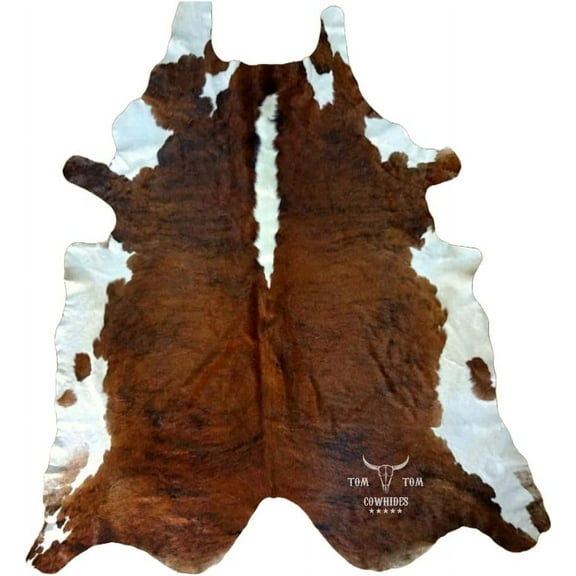
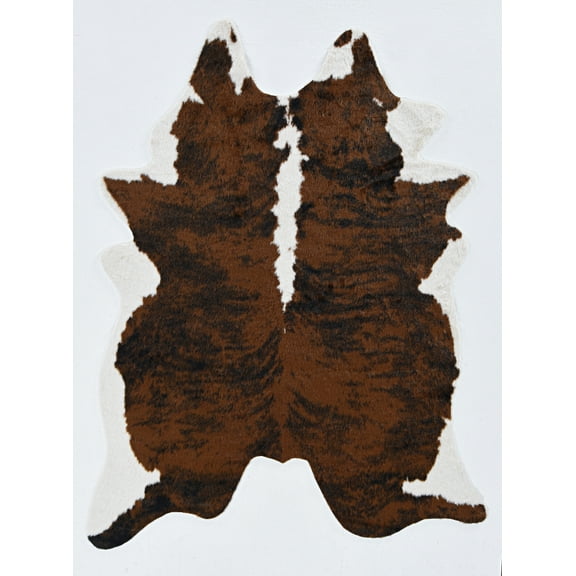
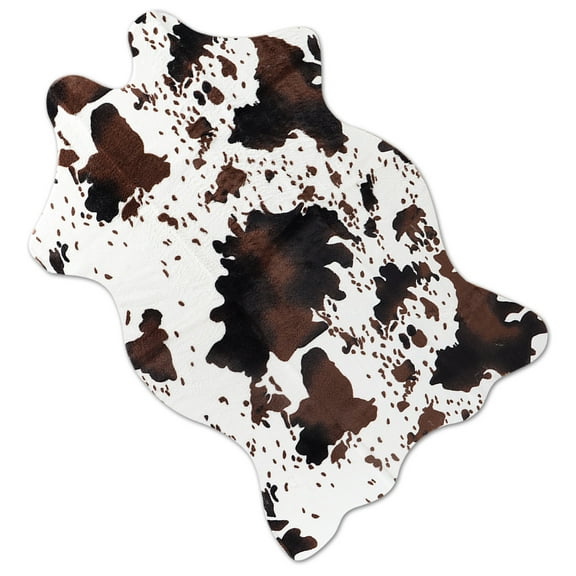
Pattern matters because you’re choosing a visual focal point, not just floor coverage. You can pick a faux cowhide rug for classic mottled markings or a faux zebra hide rug for sharper contrast.
If your room already has bold art or printed pillows, you may want a quieter cowhide-inspired pattern. If your space feels plain, you can use zebra or leopard looks to add stronger definition.
You should measure backing needs before you place your rug on wood, tile, or laminate flooring. If your rug doesn’t include latex backing, you’ll likely want a pad that helps it stay in place.
You can also compare edge finish and thickness when you want a flatter profile near doorways. That detail helps you plan placement under chairs, side tables, and entry furniture.
Choosing size, room placement, and shape
If you’re shopping for a larger statement piece, a faux cowhide rug 8x10 can define a seating area clearly. You can use that size to connect a sofa, chairs, and coffee table visually.
For medium rooms, you may prefer a five by seven option that adds pattern without taking over. You can also use small accent sizes when you want to highlight one corner or piece of furniture.
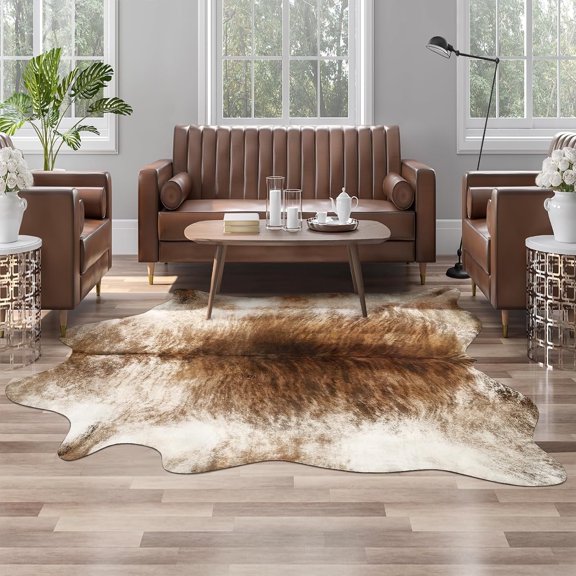
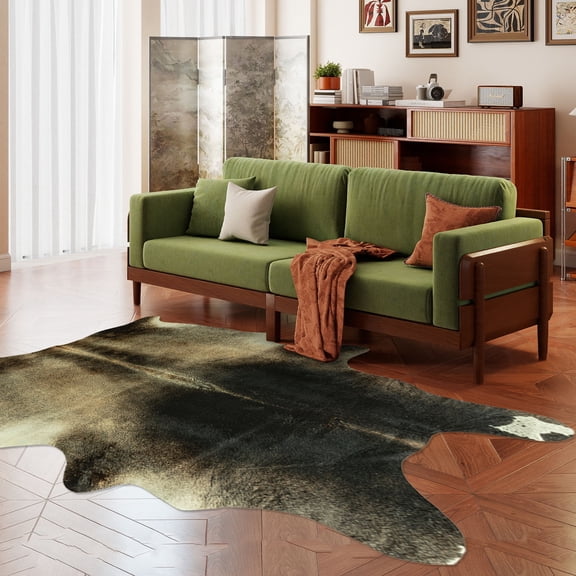
Room placement changes how your rug should function day to day. In a faux cowhide area rug for living room setups, you’ll want enough surface area to ground your seating plan.
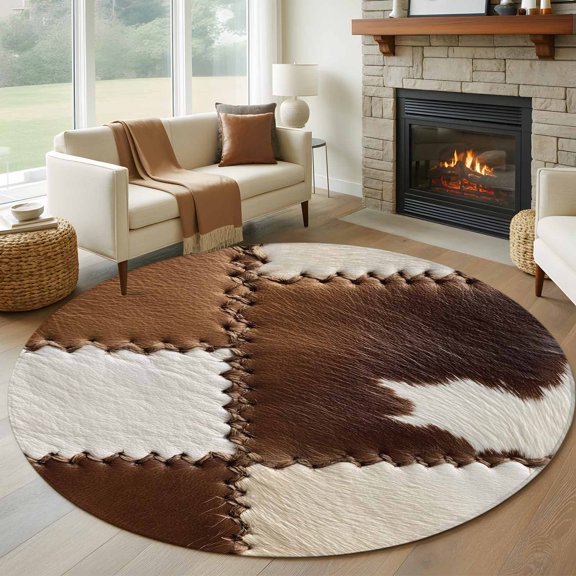
In bedrooms, you may want a natural hide shape beside the bed for a softer visual edge. In offices, you can use a rectangular or rounded style that fits neatly under a desk zone.
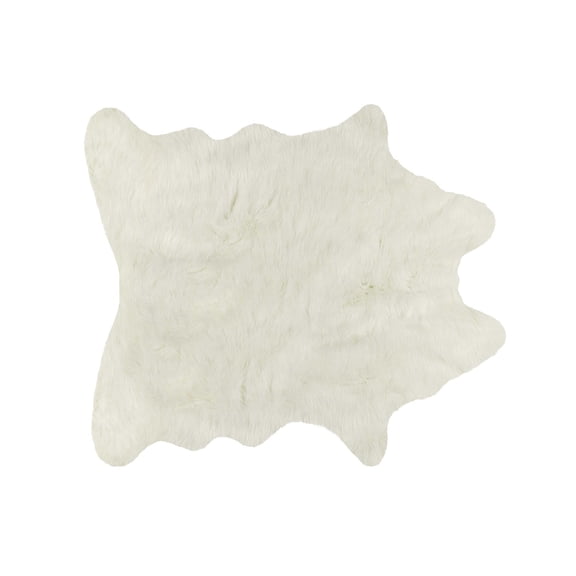
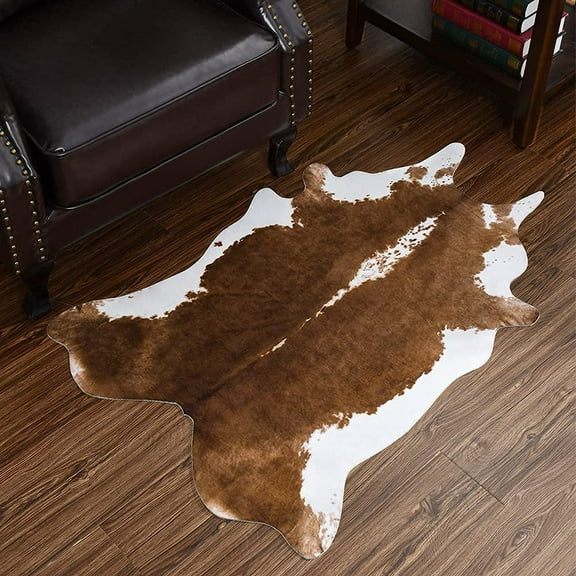
Shape is a practical choice as much as a style choice. You can use a natural hide shape to offset boxy furniture, while rectangular rugs create cleaner borders.
If you’re layering under furniture, you should measure table legs and walking paths before choosing an irregular outline. You’ll get a cleaner look when the rug shape supports the room layout.
How you can style and care for faux animal hide rugs
You can style a faux animal hide rug with leather-look seating, black metal frames, or warm wood tones. You’ll also see it pair well with cream upholstery, linen bedding, and simple solid-color decor.
For a modern room, you can keep surrounding patterns minimal and let the rug carry the movement. For a rustic room, you can combine hide-inspired shapes with textured throws and natural finishes.
When spills happen, you should blot quickly and follow the care directions listed for the rug. You can usually keep the surface looking fresh with light brushing or gentle spot cleaning.
If you want easier upkeep, you should compare pile type and cleaning instructions before you choose. You’ll appreciate that step when your rug sits in a living room, office, or bedroom entrance.
You can feel confident choosing hide-inspired floor decor when you focus on material, pattern, backing, size, and shape. That approach helps you find a rug that fits your room and keeps its polished look.