

Range Finders Near Me | Hunting & Golf Rangefinders




















About Range Finders Near Me | Hunting & Golf Rangefinders - Walmart.com
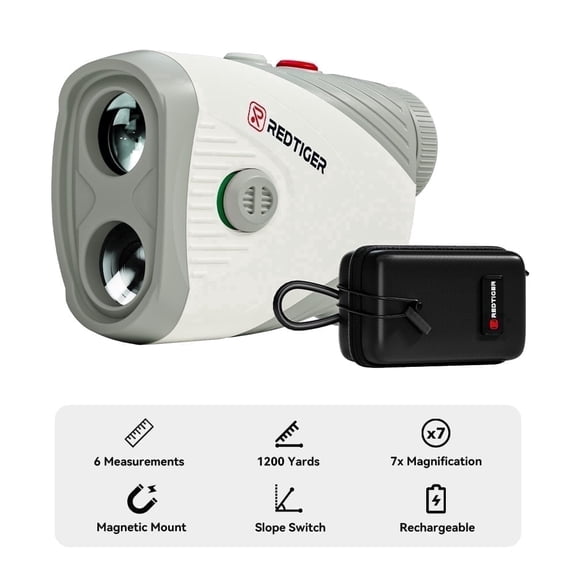
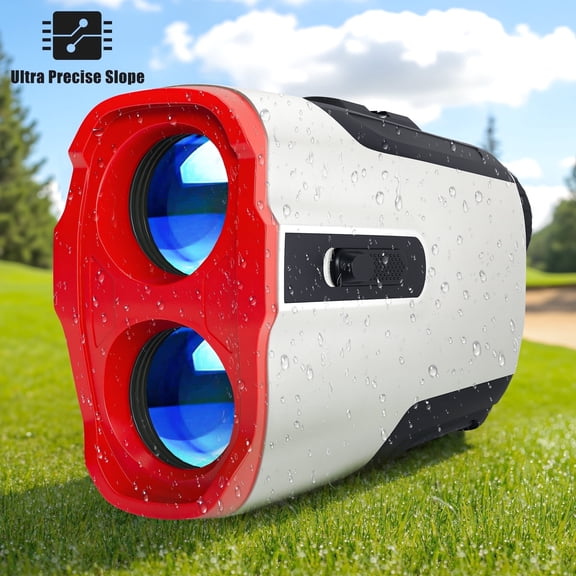
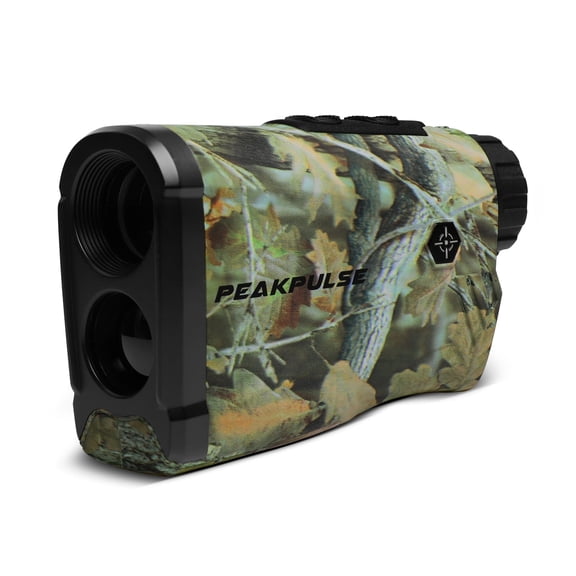
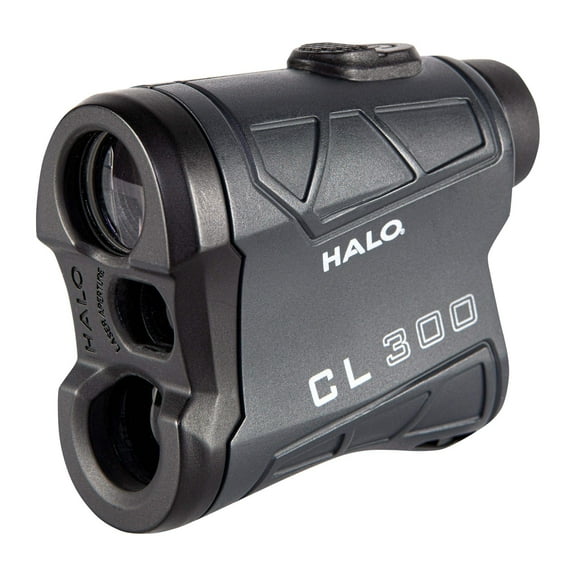
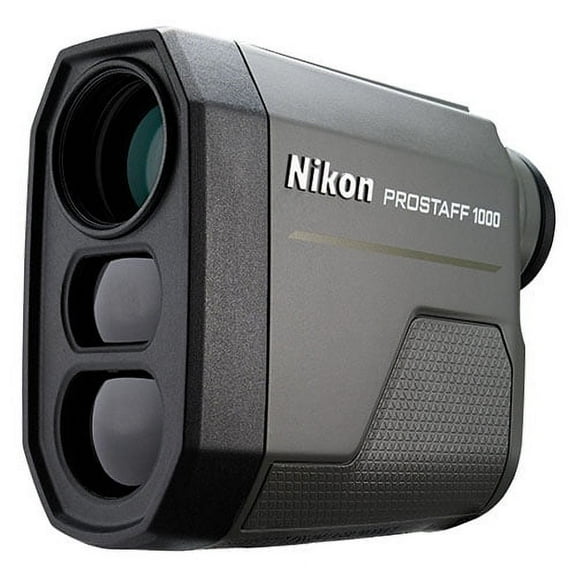
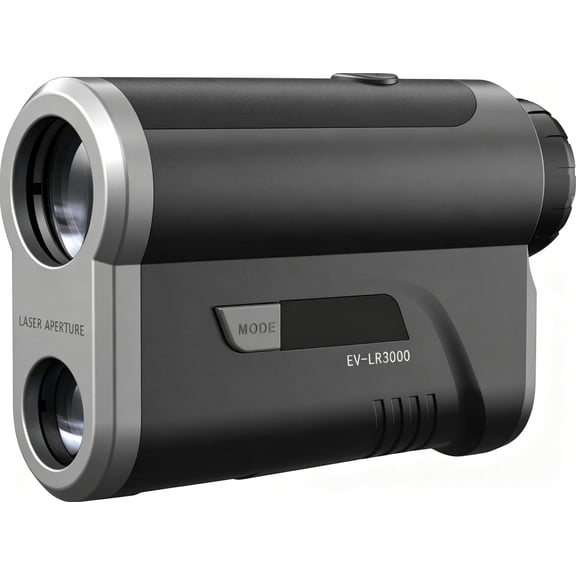
Rangefinders help you measure distance with clearer confidence across golf, hunting, and archery use. You can compare target priority, slope settings, and range capacity to match your routine.
If you’re replacing older optics, you’ll notice newer options often show faster readings and clearer displays. You can also sort by laser, optical, or GPS technology for the way you measure.
How to choose rangefinders by use case
Start with how you’ll use your rangefinders, because golf and field use need different readouts. You’ll usually want quick flag targeting for golf and distant target priority for hunting.
When you compare golf rangefinders, look for pin seeker support and slope compensation that you can turn off. You’ll want that control if your rounds require tournament-legal settings.
When you compare hunting rangefinders, check long-distance performance and display illumination for dim conditions. You may also prefer target priority logic that favors distant objects beyond brush.
For archery, you’ll often want compact sizing and quick readings at shorter distances. You can benefit from simple controls when you need repeatable yardage checks at the range.
Key benefits you can expect from a laser rangefinder
A laser rangefinder can help you judge distance quickly without relying on visual estimates alone. You’ll spend less time second-guessing yardage and more time focusing on your next shot.
- You can get clearer distance confirmation to flags, trees, or marked targets.
- You can compare slope, magnification, and display type based on where you use it.
- You can choose compact models for carrying ease or longer-range models for open terrain.
With golf rangefinders, you can read distance to the pin and nearby hazards with less guesswork. You’ll appreciate that clarity when club selection depends on precise yardage.
With hunting rangefinders, you can evaluate farther targets across fields, timber edges, or ridgelines. You’ll also benefit from display options that stay easier to read in dim conditions.
For mixed outdoor use, you can choose one unit that covers practice days, course play, and field scouting. You’ll get more flexibility when features match several activities.
What to look for in rangefinders and core specs
Consider whether laser, optical, or GPS technology fits the way you measure distance. You’ll usually choose laser for direct yardage, while GPS can support course reference points.
Magnification matters because you’ll see targets more clearly at distance with stronger optics. You should still balance zoom with steadiness, especially if you use your unit by hand.
Check range capacity carefully, because listed maximum yardage often reflects highly reflective targets. You’ll usually get different real-world results on flags, trees, brush, or darker surfaces.
If you’re comparing up to 500 yards, up to 1000 yards, and 1500+ yards, match the number to your terrain. You won’t need extreme distance if your usual shots stay much closer.
Display type can affect how easily you read measurements in changing light. You may prefer LCD for familiar clarity or OLED for brighter illuminated readings in darker conditions.
Battery type, body size, and grip shape also shape everyday use. You’ll notice that compact designs ride easier in a golf bag, pack, or pocket.
Choosing features that match your conditions
Slope compensation adjusts distance readings for elevation change on hills. You’ll find it useful on uneven courses, and you should check whether slope mode turns off.
Pin seeker features help you lock onto a flag instead of background objects. You can use that faster confirmation when trees or clubhouse structures sit behind the green.
Target priority logic matters when foreground clutter changes what you need to measure. You’ll often want first target priority for golf and distant target priority for hunting.
Look at display illumination if you use your unit early or late in the day. You can benefit from brighter readouts when shadows make standard screens harder to read.
Weather-resistant construction and simple button layouts also deserve attention. You’ll appreciate easier handling when conditions shift and you need quick readings without extra menu digging.
How different rangefinders fit real outdoor scenarios
If you play golf regularly, you may want a model with pin seeker, slope control, and compact carry size. You’ll get a setup that supports course management without adding bulk.
If you hunt in wooded or low-light settings, you may prefer longer yardage and an OLED display. You’ll see readouts more easily when the background looks dark or uneven.
If you practice archery, you may want quick readings at shorter distances and simple controls. You’ll benefit from repeatable checks when you’re refining form and arrow placement.
When you move between open fields and denser cover, compare reflective yardage and practical yardage. You’ll want to remember that target surface and lighting can change usable distance.
If you’ve searched for a wild range rangefinder, you can still compare that style with broader category features here. You’ll make a clearer choice when you line up use case, display, and range needs.
By focusing on use case, technology, display, and yardage, you can narrow the field with less confusion. You’ll end up with a rangefinder that fits your real conditions and your reading style.