

Radiator Cleaners in Radiator Additives


















About Radiator Cleaners in Radiator Additives - Walmart.com
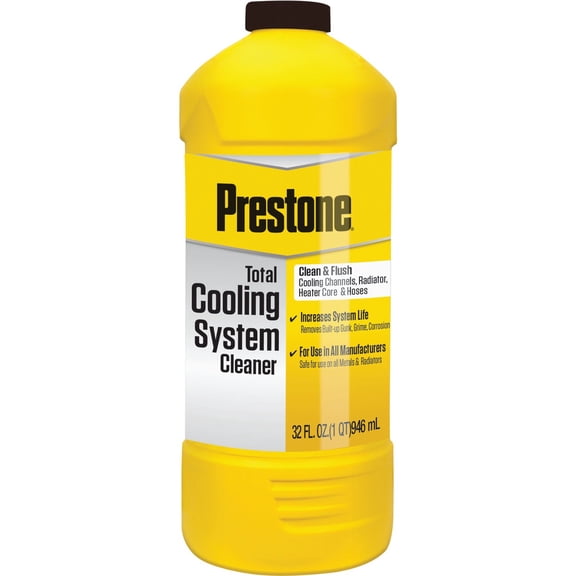
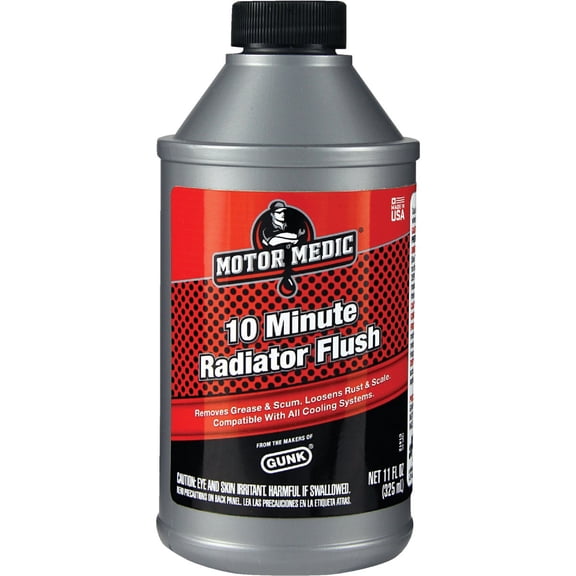
Radiator cleaners help you remove internal buildup and exterior debris during routine vehicle care. You can compare chemical flushes, radiator cleaner tools, and spray attachments in one place for a focused purchase.
If you’re maintaining a car, truck, or motorcycle, you may want options that match your radiator material and cleaning method. You can use this guide to compare compatibility, connection type, tool length, and application style.
Choosing radiator cleaners by product type
You should first decide whether you need a chemical flush or a physical cleaning tool. Your choice depends on whether you’re clearing internal scale or washing away bugs, dirt, and packed debris.
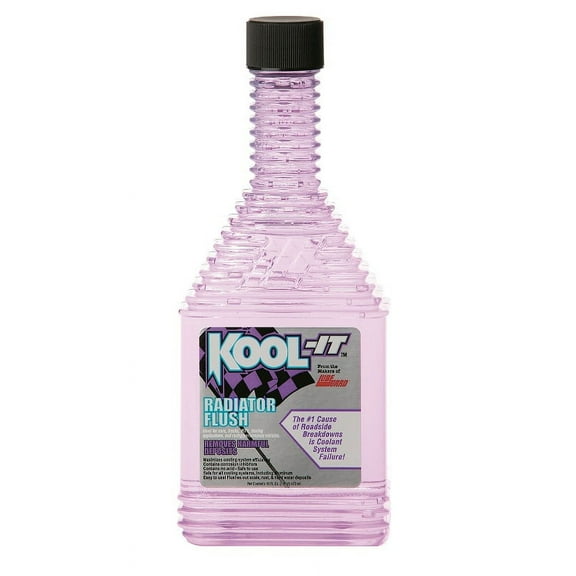
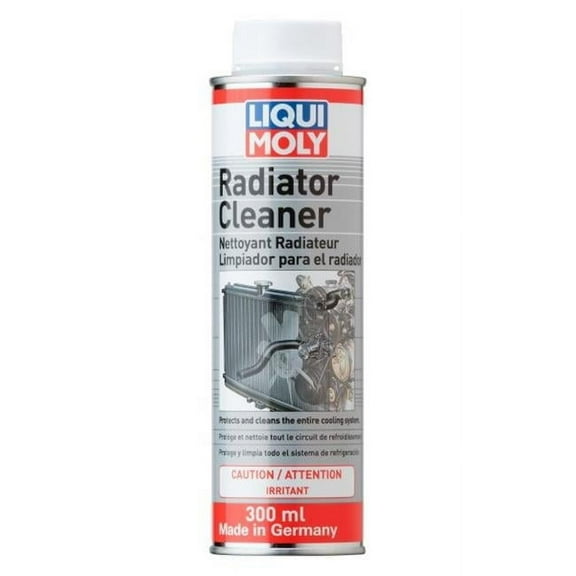
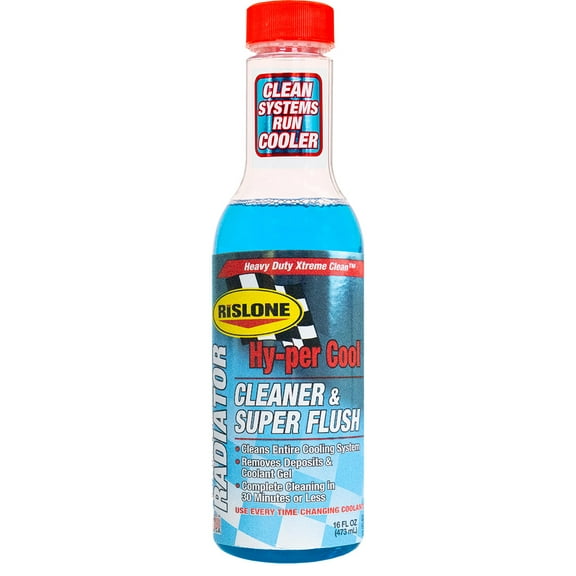
When you choose a chemical flush, you’re looking for a pour-in liquid or spray-on aerosol that circulates through the system. When you choose a wand, fin comb, or brush, you’re targeting buildup on the radiator face and between cooling fins.
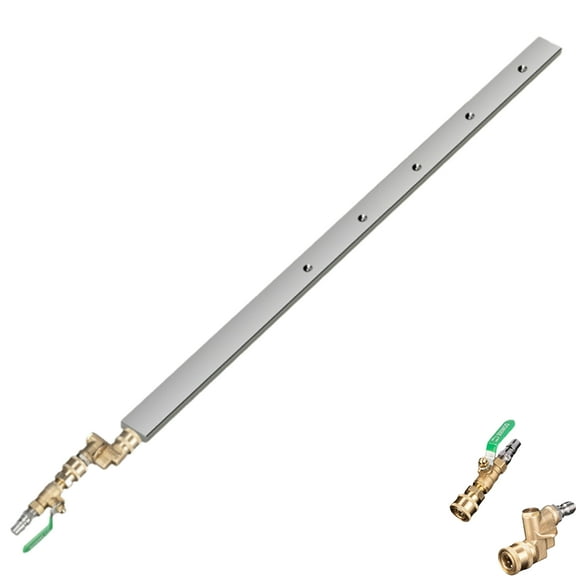
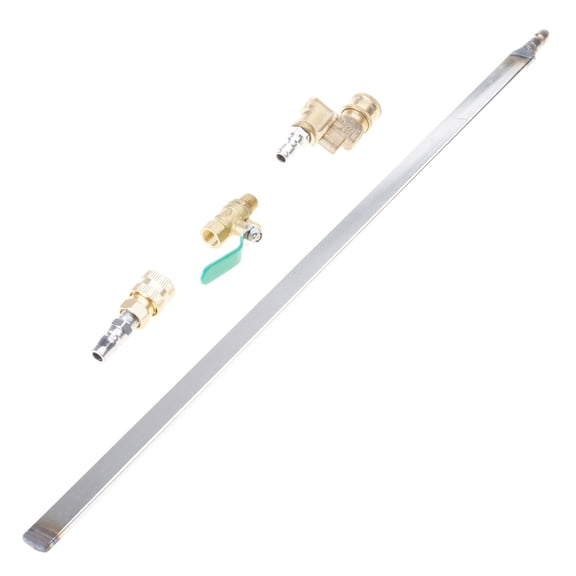
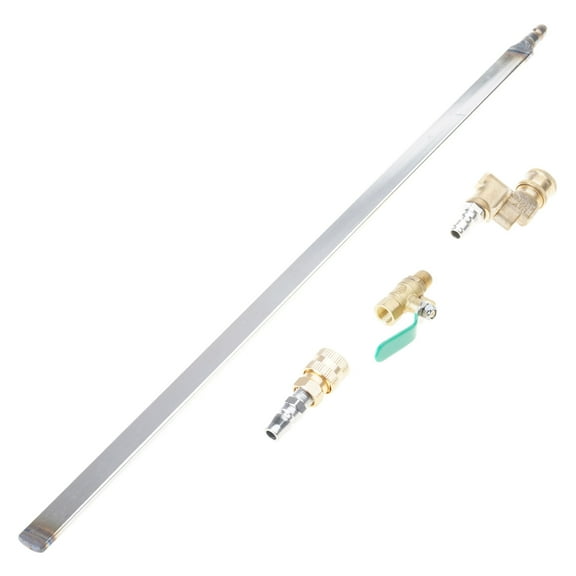
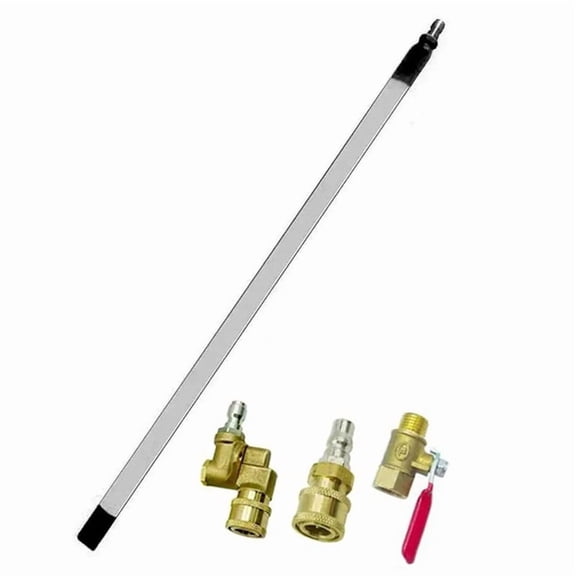
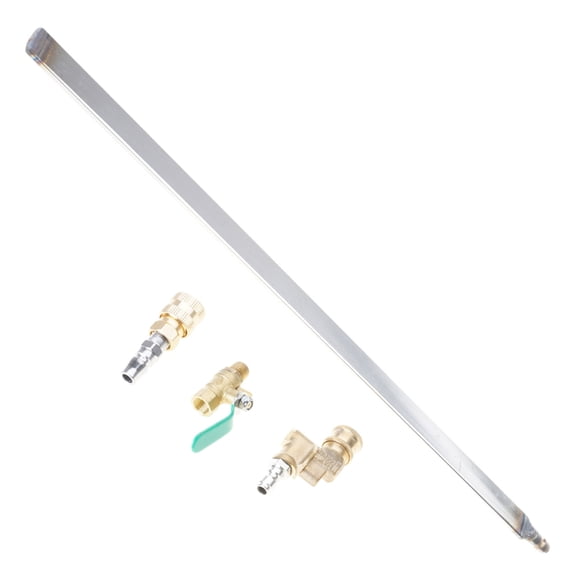
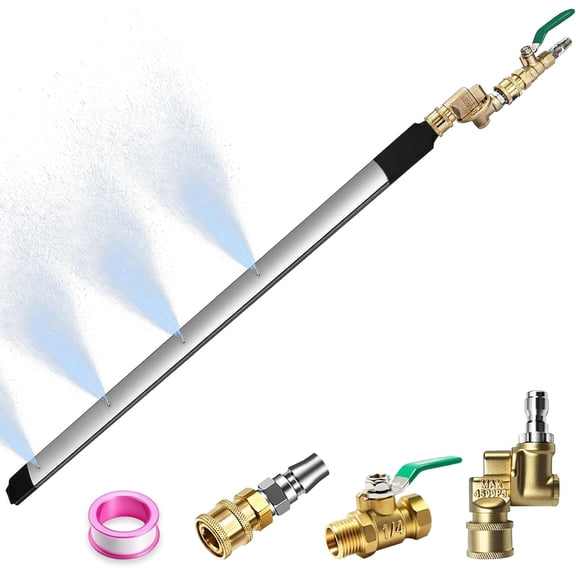
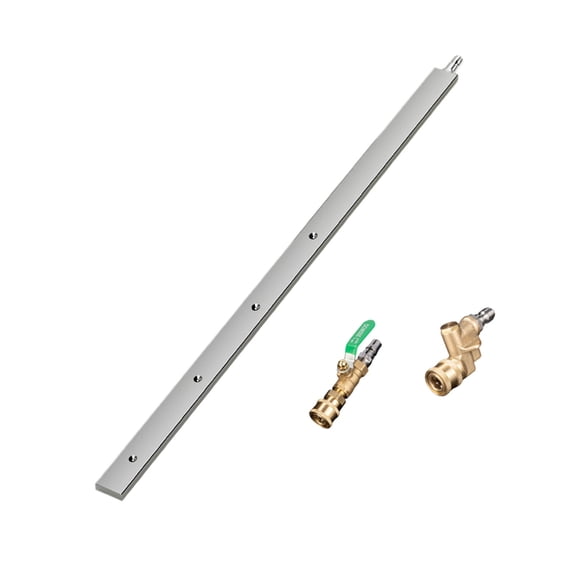
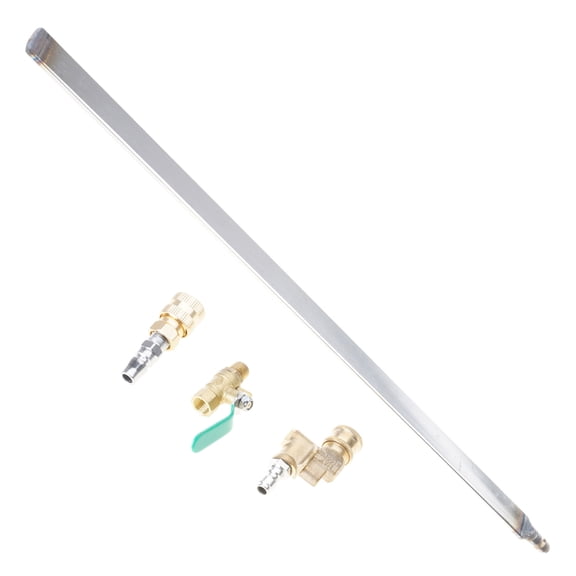
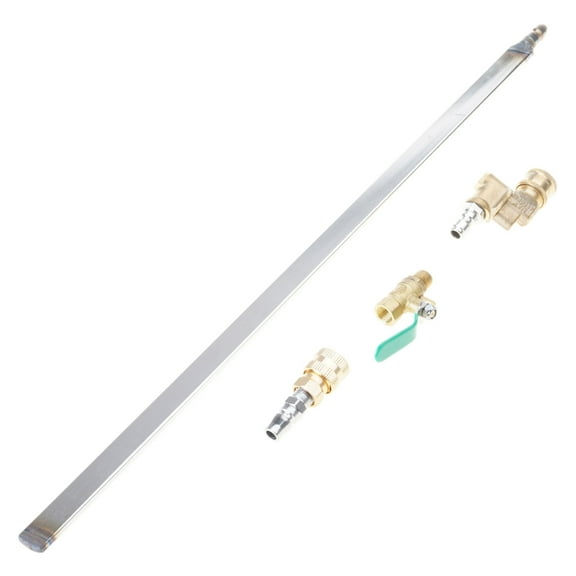
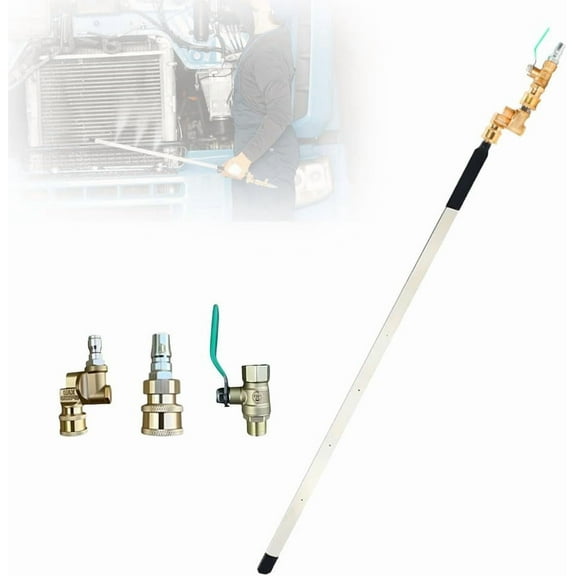
A pressure washer radiator cleaner can help you reach narrow spaces without removing nearby parts. A flat radiator cleaning wand can also help you direct water through tight gaps where standard spray patterns may miss.
- You can target internal deposits with a chemical flush that matches your cooling system material.
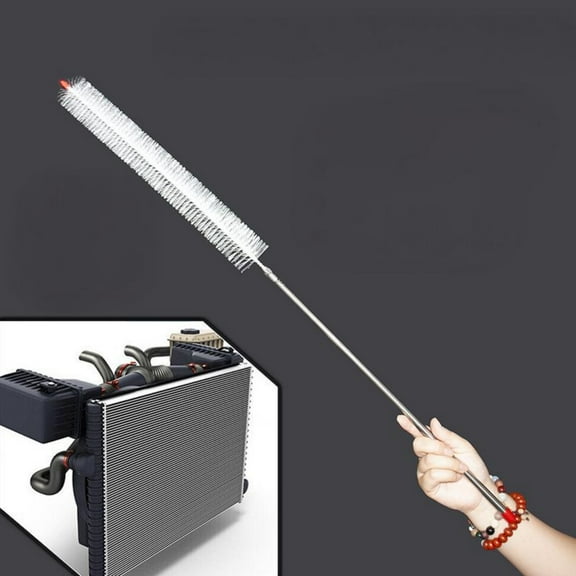
- You can loosen packed debris from the radiator face with a radiator wand cleaner.
- You can straighten bent fins with a fin comb to support unobstructed airflow paths.
- You can compare manual tools and spray attachments based on your cleaning setup.
How to compare application methods and compatibility
You should compare application methods based on your available time and cleanup routine. A pour-in liquid often fits scheduled maintenance, while a manual brush or spray tool suits exterior cleaning.
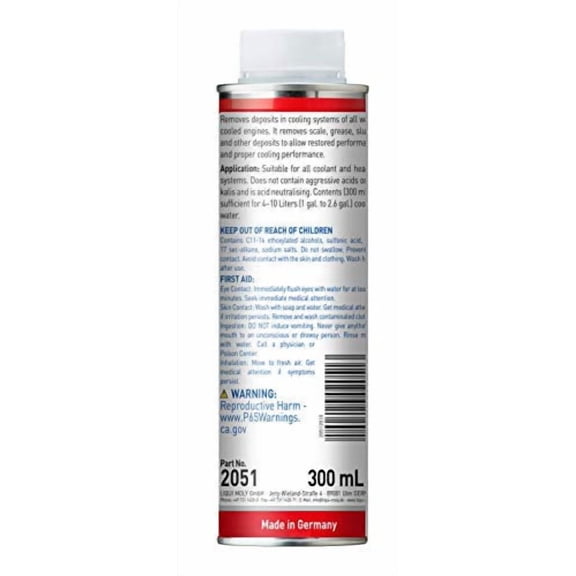
If you’re shopping for a radiator cleaner for car use, you should check whether the formula has an aluminum-safe label. You should also look for acid-free or silicate-free wording when your system includes aluminum parts or rubber hoses.
You may also want universal options if you maintain different vehicles at home. If you’re working on heavy-duty trucks or motorcycles, you should verify that the cleaner or tool lists that intended fit.
A spray-on aerosol can help you focus on exterior grime without a full fluid service. A concentrated liquid can help you measure the amount you use, especially when your service manual gives volume guidance.
What to look for in a radiator cleaner tool
You should check connection details before choosing a radiator cleaner tool for pressure-assisted cleaning. If your setup uses a 1/4-inch quick connect, you can look for a tool that lists that fitting.
You should also compare PSI rating details with your washer or air setup. That step helps you choose a tool built for the pressure range your equipment delivers.
If you’re considering a radiator wand cleaning tool, you should look at wand shape and reach. A flat radiator cleaning wand can help you guide spray between the condenser and radiator on tight engine bays.
You can also compare tool length based on how much clearance your vehicle gives you. A 12-inch tool suits compact access, while 24-inch, 36-inch, or adjustable options help you reach deep areas.
Material matters when you’re cleaning often or storing tools with other garage equipment. Stainless steel tools can give you a sturdy option for repeated use and frequent rinsing.
Matching radiator cleaners to your maintenance routine
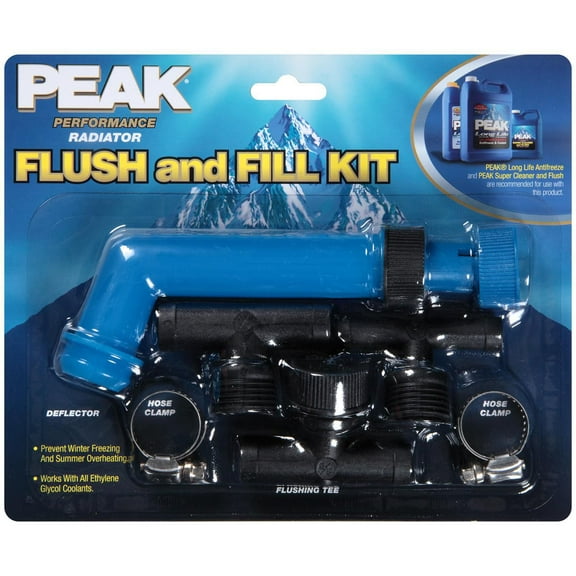
You should match your choice to the kind of cleaning job you’re doing. If you’re addressing old coolant residue inside the system, you may prefer a chemical flush that works during a drain-and-refill routine.
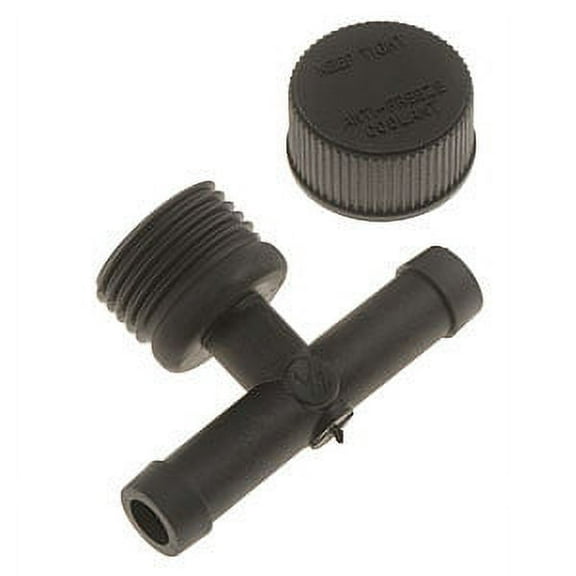
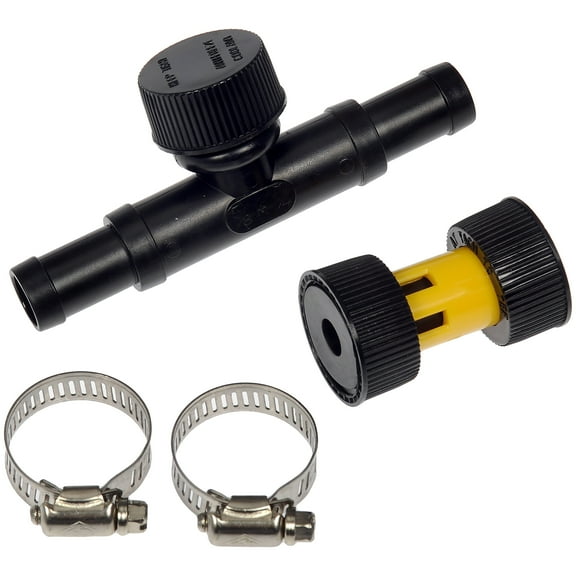
If you’re washing out road grime, grass, mud, or bugs from the radiator face, you may prefer a radiator washing tool. A radiator hose cleaner or wand can help you direct water where debris blocks airflow.
You might choose a manual brush when you want simple control around delicate fin areas. You might choose a pressure washer attachment when you already own compatible equipment and want wide exterior coverage.
If you handle seasonal maintenance, you may want products that fit into your regular coolant service schedule. If you clean work trucks or off-road vehicles, you may need long tools and extended reach for packed debris.
You can also pair your cleaning plan with related maintenance items like coolant or antifreeze. That approach helps you handle flushing and refilling in one service session.
How to narrow your selection with confidence
You should focus on the decision points that affect fit and use directly. Compare product type, application method, vehicle compatibility, material safety, and tool length before you choose.
When you match those details to your vehicle and equipment, you’re likely to get a clean radiator and a smooth maintenance routine. This helps you finish with a choice that fits your setup and the kind of buildup you need to remove.