


Find auto parts that fit
Let’s search for parts that fit your vehicle.Raceline Wheels and Rims in Shop Wheels and Rims by Brand
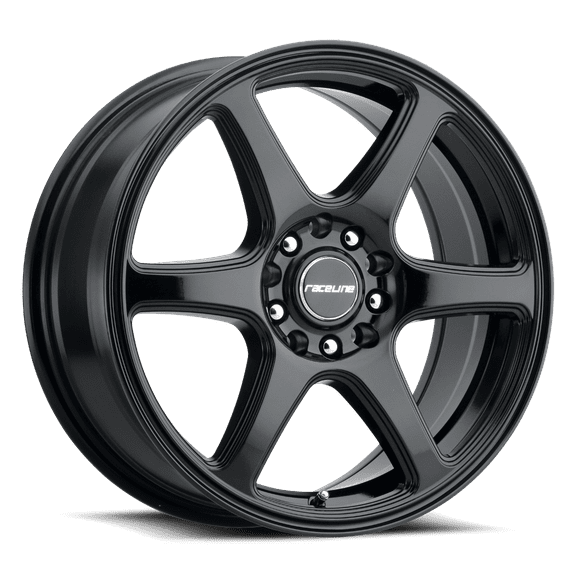


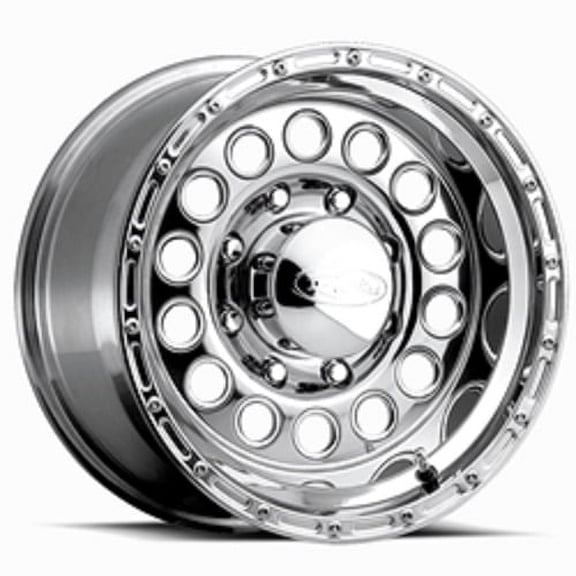
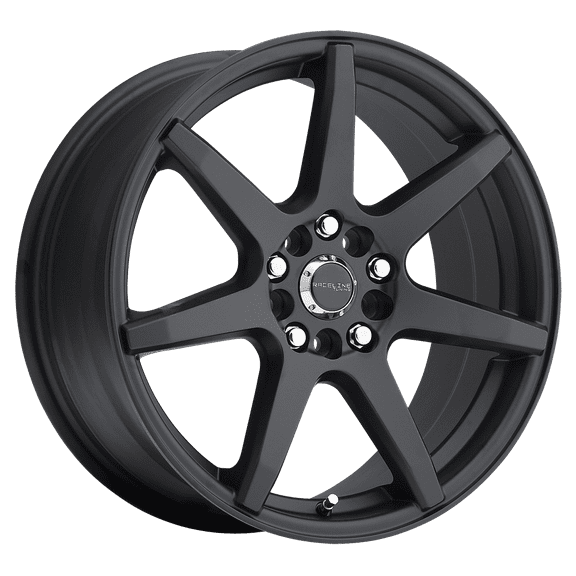
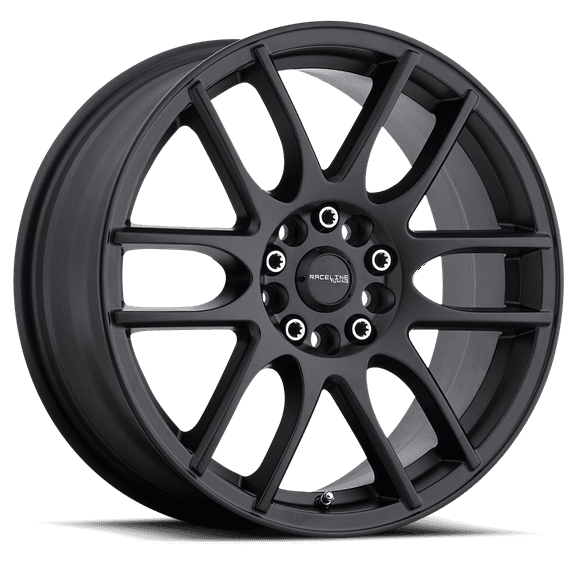
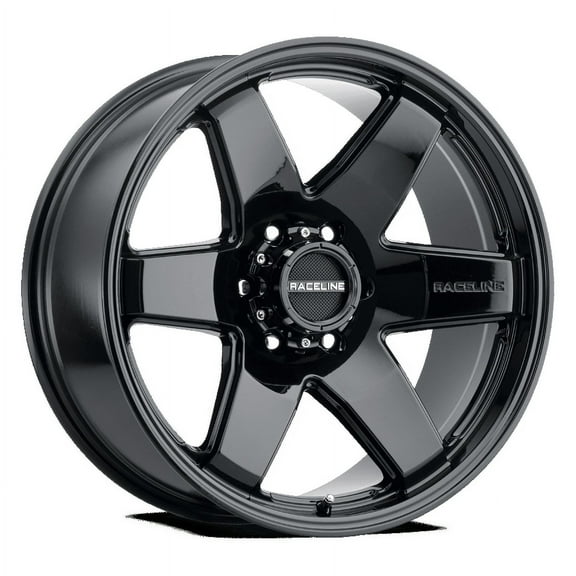
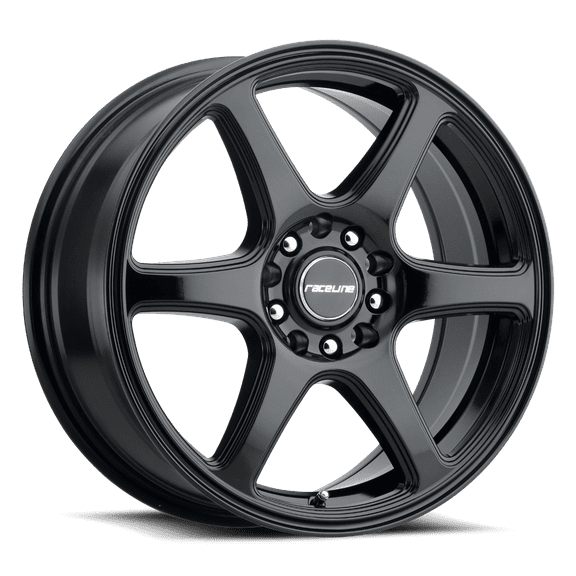

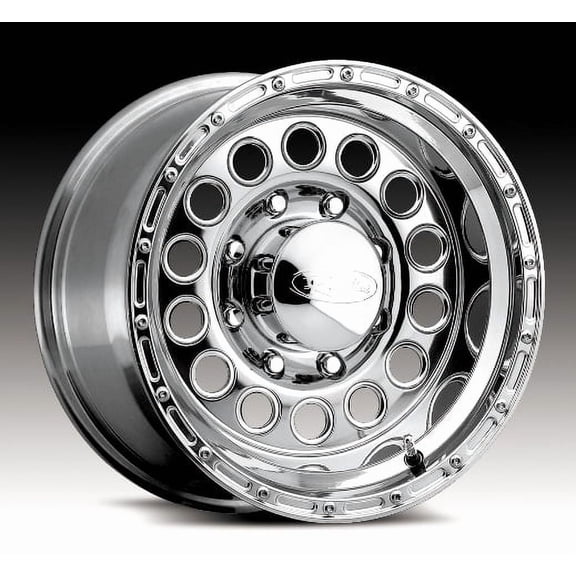


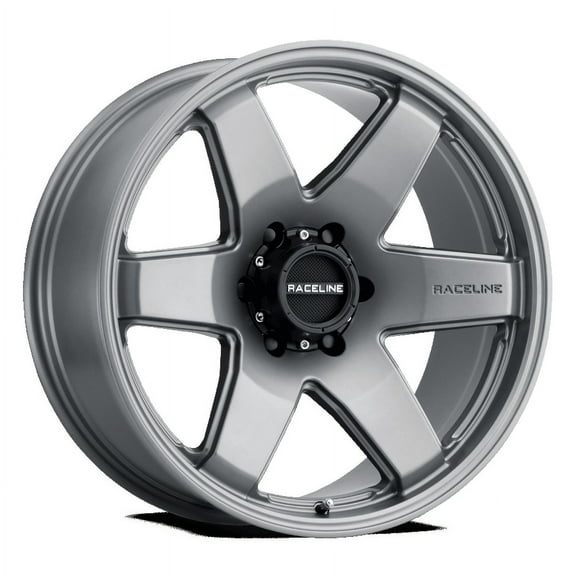

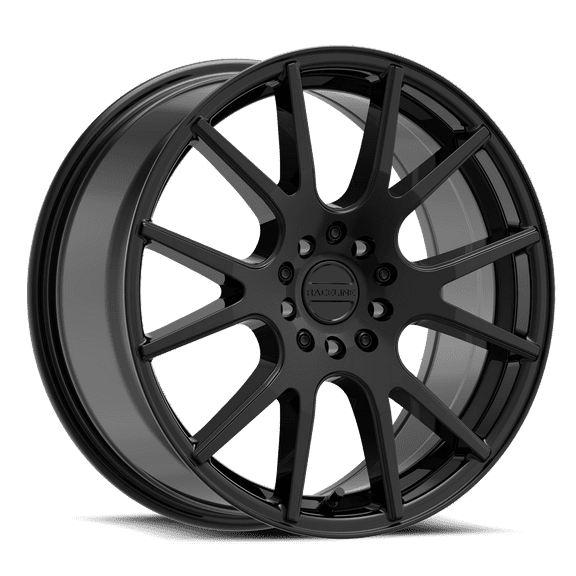


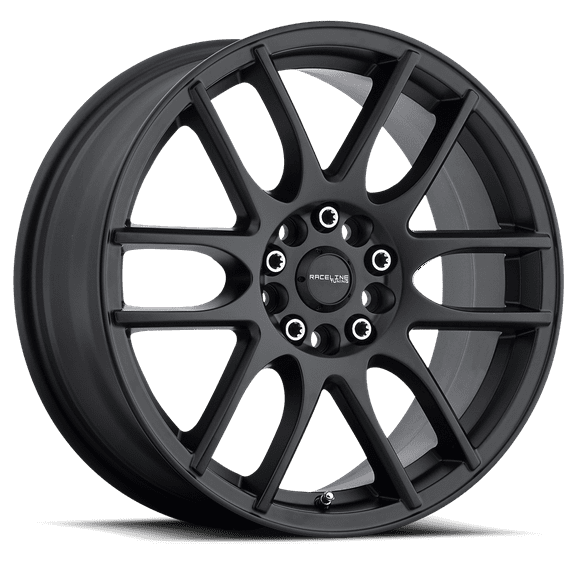
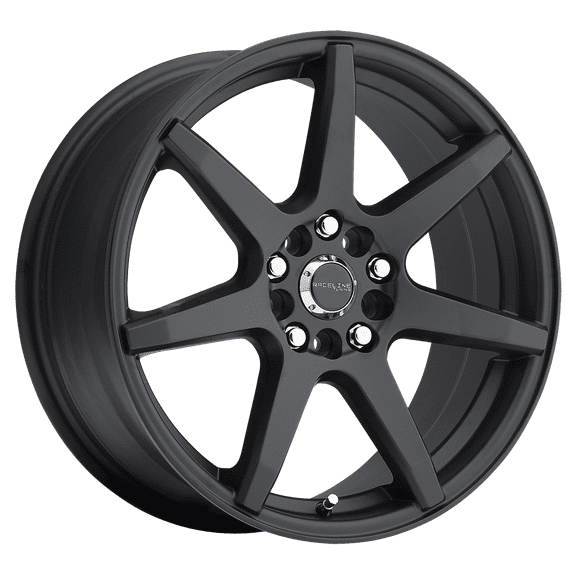
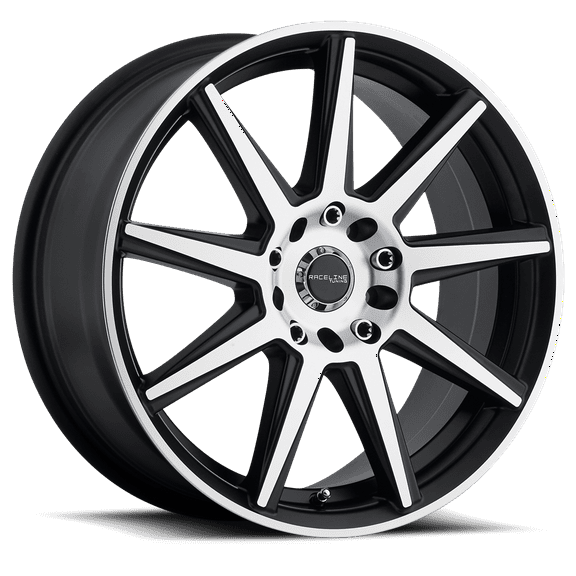


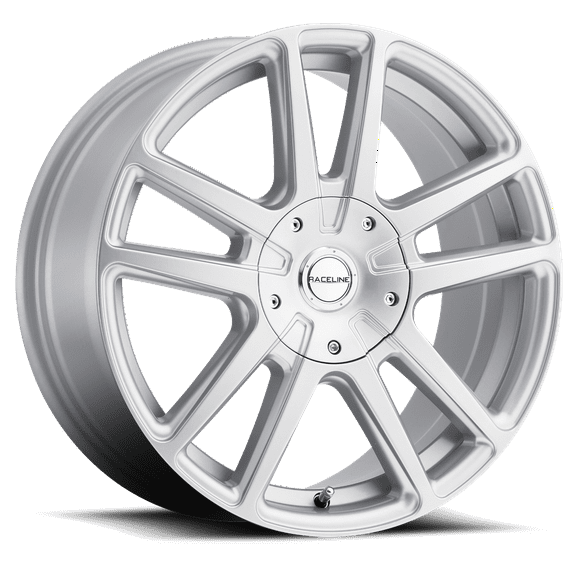
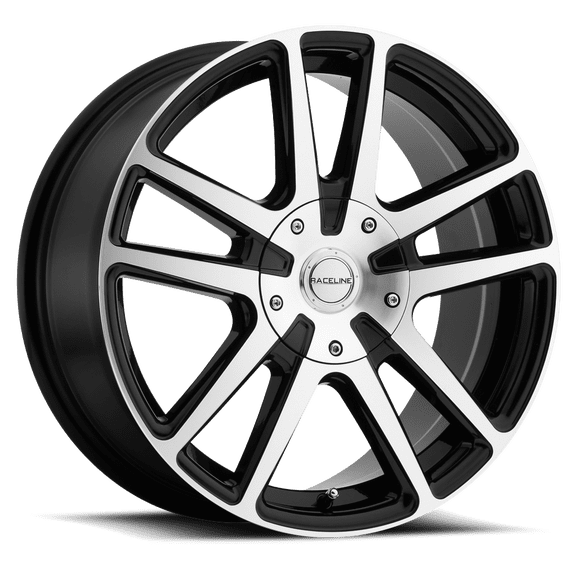

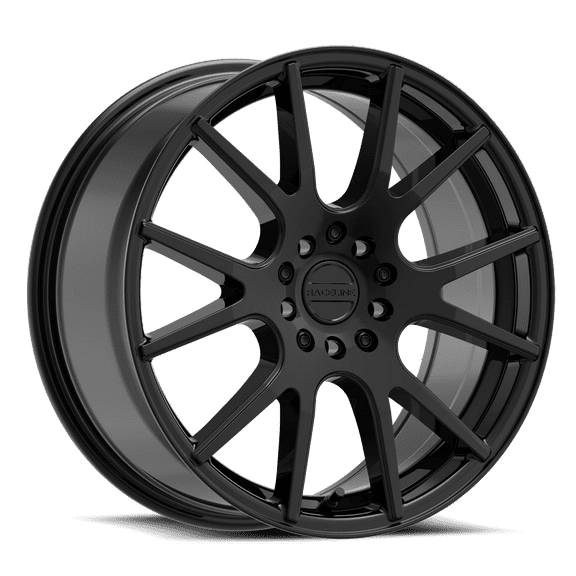

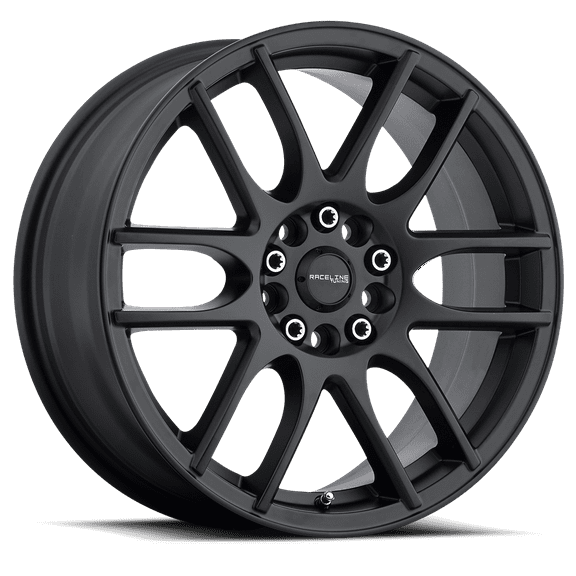
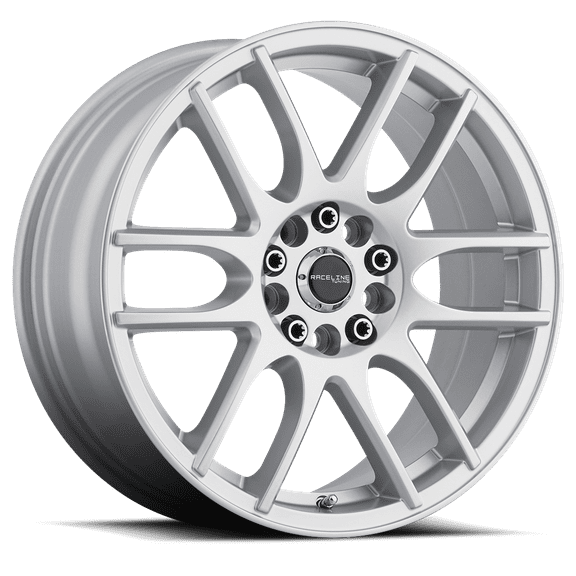
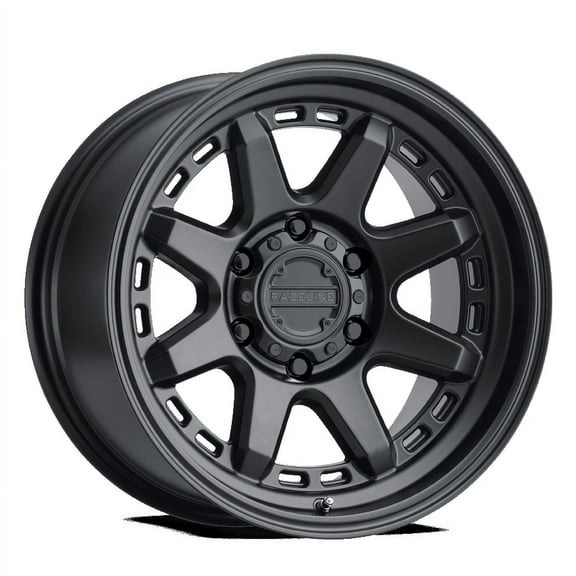

About Raceline Wheels and Rims in Shop Wheels and Rims by Brand - Walmart.com
Raceline wheels and rims help you build the right look and fit for your truck, SUV, Jeep, or trailer. You can compare diameter, bolt pattern, finish, and material choices in one place.
If you want wheels that suit off-road trails or street driving, you need clear fitment details first. You’ll also want finishes and sizes that match your tires, stance, and daily driving plans.
How to choose Raceline wheels
When you compare Raceline wheels, you should start with your vehicle type and intended use. You’ll notice that truck, SUV, Jeep, and trailer setups often call for different load needs.
For trail use, you may prefer raceline off road wheels that support a tougher stance and wider tires. For street driving, you may focus on cleaner lines, lighter feel, and easier upkeep.
You can narrow your options faster by checking the factors that matter highly before you compare finishes. You should look at bolt pattern, wheel diameter, rim width, load capacity, and backspacing.
- You can use the correct bolt pattern to match your hub and support proper fitment.
- You can choose the right diameter to support your tire size and overall stance.
- You can compare finishes based on your cleaning habits, weather exposure, and style goals.
- You can review load capacity if your vehicle handles towing, gear, or rough terrain.
Choosing the right Raceline rims for fitment
You should confirm your bolt pattern before you consider style details, because fitment drives every other decision. You’ll commonly compare 5-lug, 6-lug, and 8-lug options across many vehicle setups.
If your vehicle uses a different pattern than your wheel, you won’t get the fit you need. You should also check offset and backspacing, because they affect how your wheel sits.
A lower offset can push your wheel outward for a wider appearance and extra clearance. More backspacing can pull your wheel inward, which may affect suspension and brake space.
You should also review load capacity in pounds when your vehicle carries tools, towing gear, or camping equipment. That spec helps you choose a wheel that matches your real driving demands.
Choosing wheel diameter, width, and tire match
You can compare 15 inch, 16 inch, 17 inch, 18 inch, and 20 inch sizes based on your vehicle. You should match your wheel diameter to the tire size your setup supports.
If you want more sidewall for trails, you may prefer a smaller wheel diameter with a taller tire. If you want a larger visual presence, you may choose a bigger wheel.
You should also compare rim width with your tire width and aspect ratio. That combination affects how your tire sits, how your vehicle looks, and how your setup feels.
For example, you may want extra sidewall flex for dirt roads, rocks, or uneven ground. You may want a lower-profile look if your driving stays mostly on paved roads.
Comparing finish and material options
You can use finish choices to shape your vehicle’s style and your maintenance routine. Matte Black gives you a bold look, while Polished and Chrome create a brighter appearance.
Satin Bronze can add contrast if you want a more customized look on darker paint colors. You should also think about how often you clean your wheels and where you drive.
If you drive through mud, dust, or road grime, you may prefer a finish that hides buildup. If you want a reflective style, you may accept more frequent wipe-downs.
Many alloy wheels and rims use cast aluminum or alloy construction for a lighter feel than some heavier alternatives. You’ll want that material choice to align with your use, style, and fitment needs.
Matching raceline wheels and rims to your vehicle
You can use vehicle type as a simple guide when you compare wheel specs. Truck and SUV drivers often focus on load needs, 6-lug fitment, and off-road clearance.
Jeep owners may look closely at offset, backspacing, and tire sidewall goals for trail setups. Trailer owners often prioritize dependable fitment, load support, and easy maintenance.
If you’re upgrading for weekend trails, you may pair raceline wheels and rims with all-terrain tires and the right lug nuts. If you’re refining a street build, you may focus on finish, diameter, and stance.
You should choose with your full setup in mind, including tires, suspension space, and everyday driving habits. That approach helps you get the look you want and the fit you need.
With raceline wheels and rims, you can compare the specs that matter before you commit to a setup. You’ll feel more confident when your diameter, bolt pattern, finish, and load needs all line up.