




Rabbit Hutches in Rabbits


































About Rabbit Hutches in Rabbits - Walmart.com
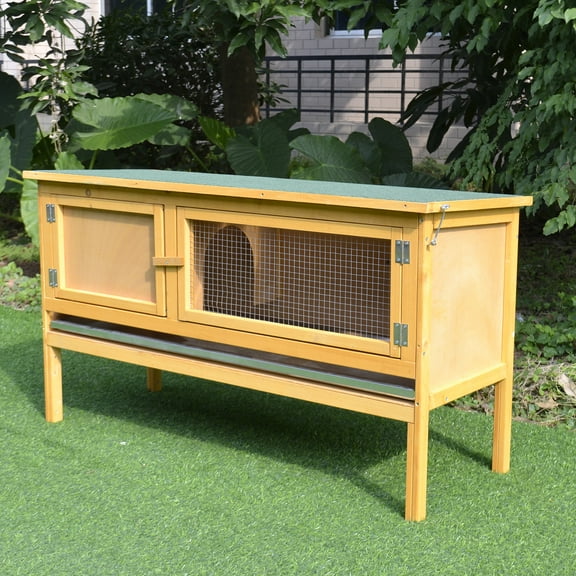
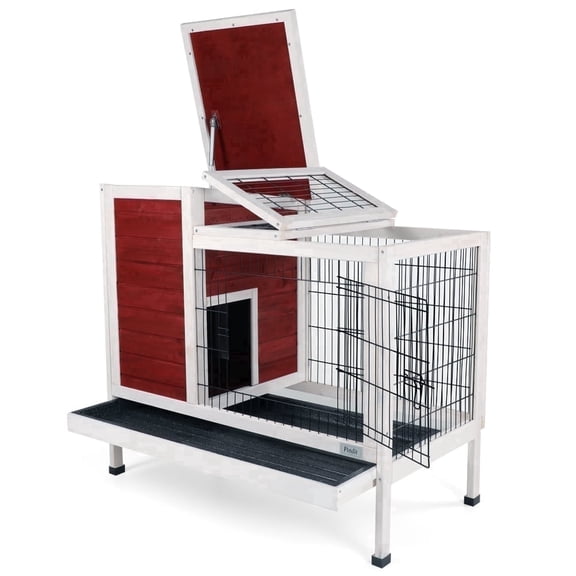
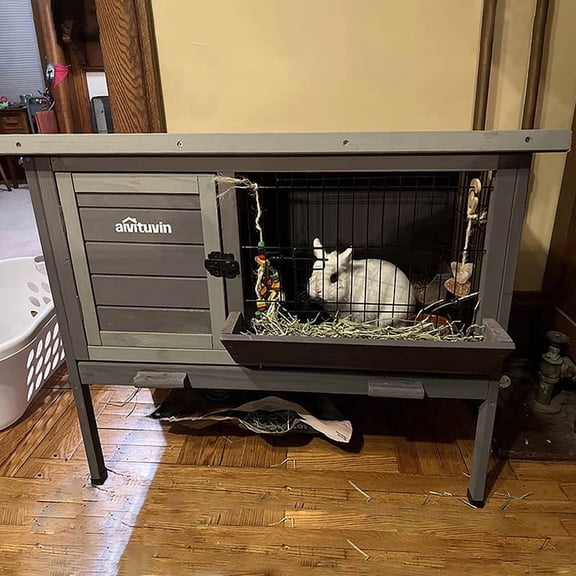
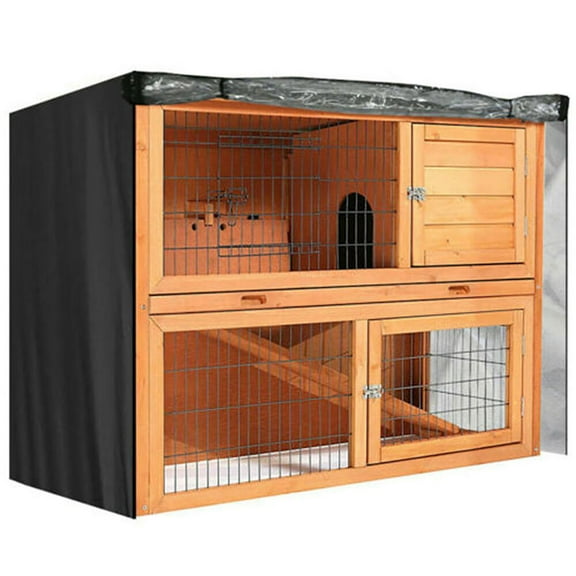
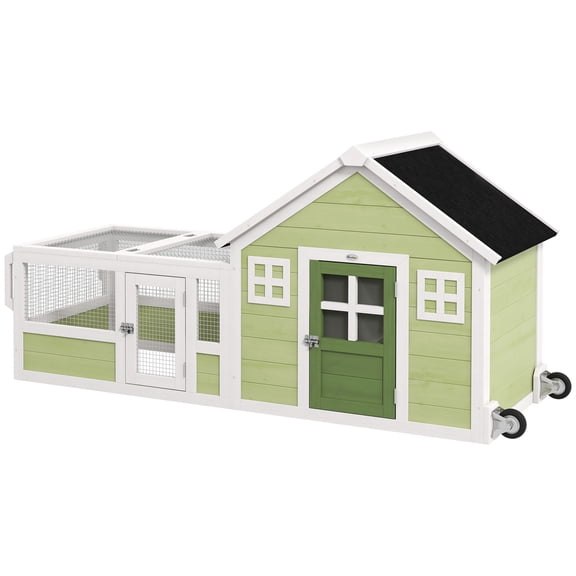
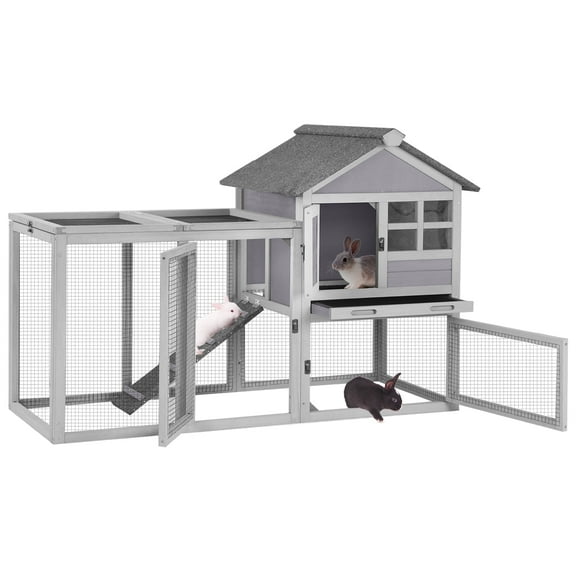
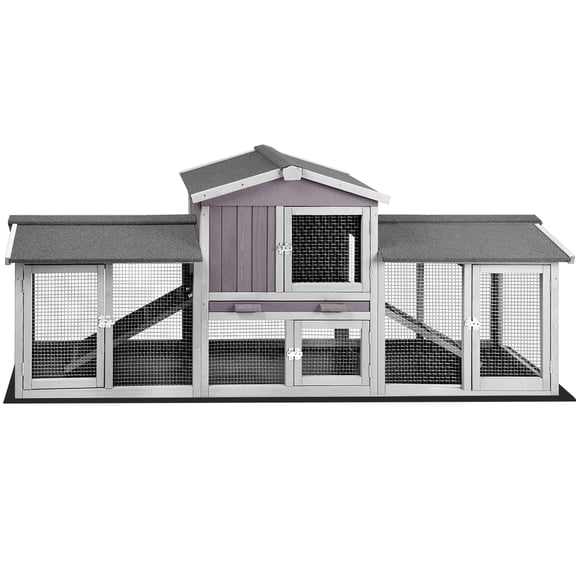
Rabbit cages help you create a cleaner, safer home base for your pet while matching your space, setup, and daily care routine. You can compare indoor rabbit hutch styles, outdoor rabbit hutches, and roomy layouts that support hopping, resting, and easy cleanup.
How to choose rabbit cages for your space
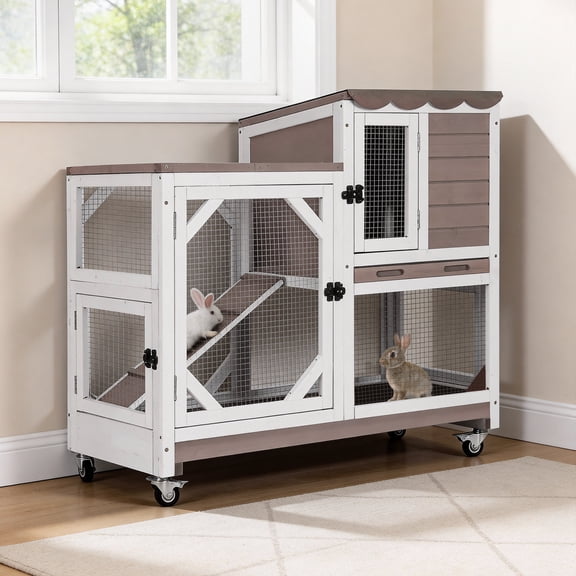
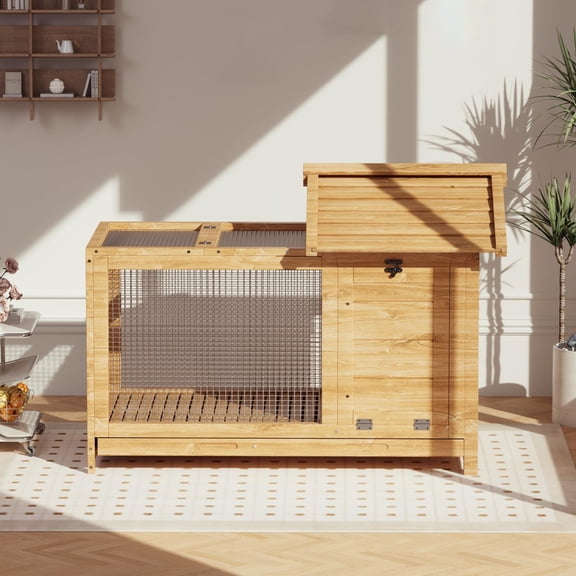
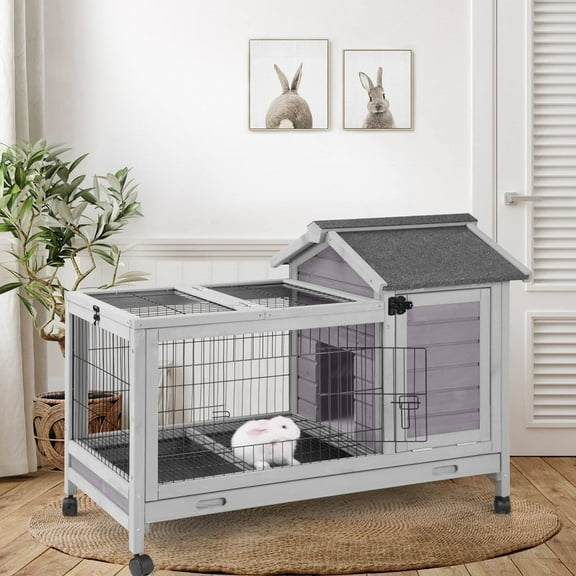
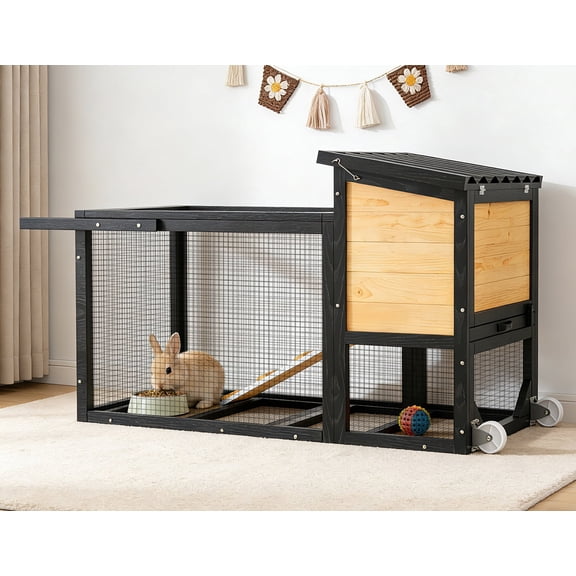
If you keep your pet indoors, you should consider an indoor rabbit hutch with a compact footprint and easy floor protection. You may prefer wheels, a pull-out base, or a raised frame that fits your room layout.
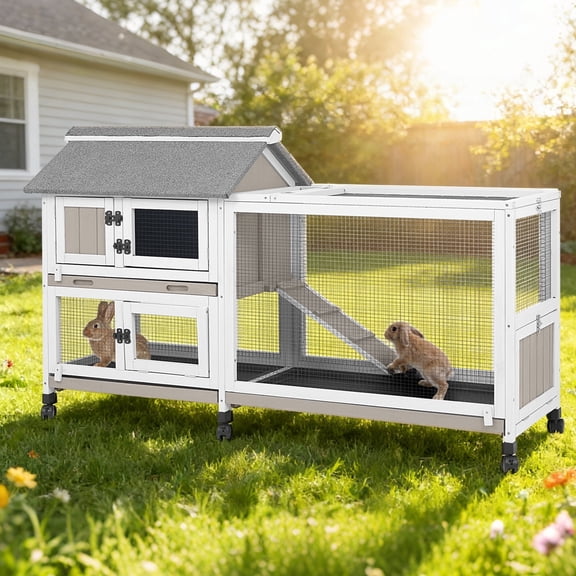
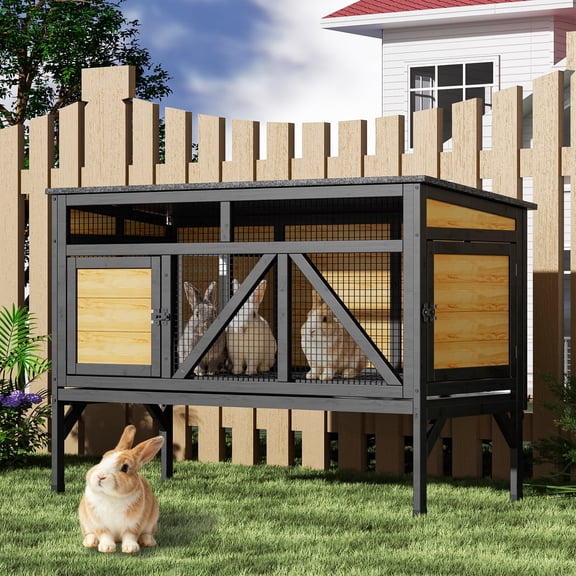
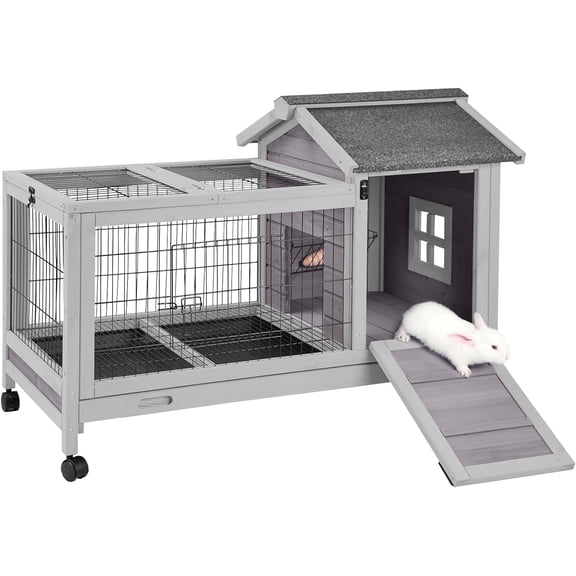
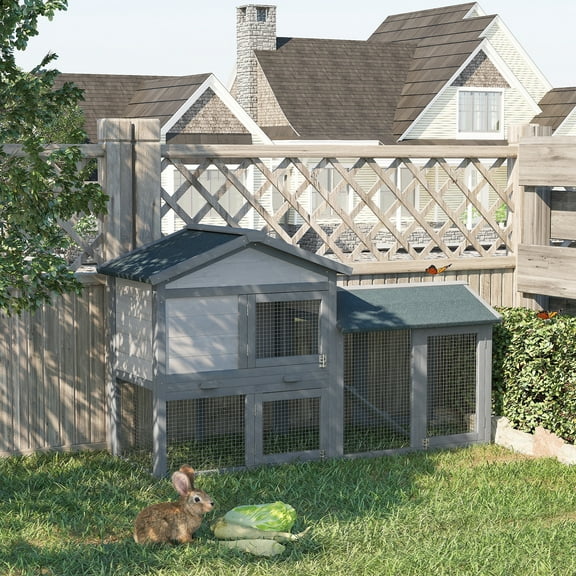
When you plan for a yard or patio, you should compare outdoor rabbit cages with weather-ready finishes and covered shelter areas. You can look for treated wood, coated wire, and enclosed sleeping sections that handle changing conditions.
Your placement choice often shapes your daily routine, cleaning time, and available exercise room. You should measure doorways, corners, and outdoor surfaces before you choose a cage size or frame style.
What to look for in indoor rabbit hutch options
An indoor rabbit hutch can help you keep bedding, hay, and scattered mess more contained. You can also choose a style with a tray, which makes regular cleaning simpler and less disruptive.
If your rabbit spends long hours inside the enclosure, you should compare floor space before you compare decorative details. You’ll want enough room for stretching, turning, and separate zones for food, litter, and rest.
- You can choose rabbit cages with tray designs when you want faster cleanup.
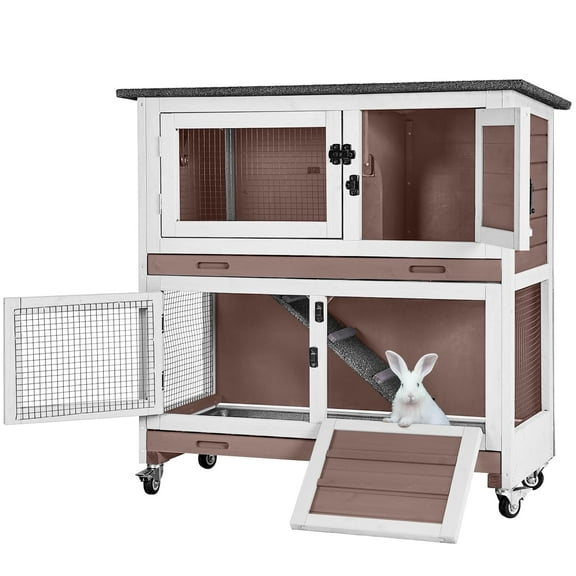
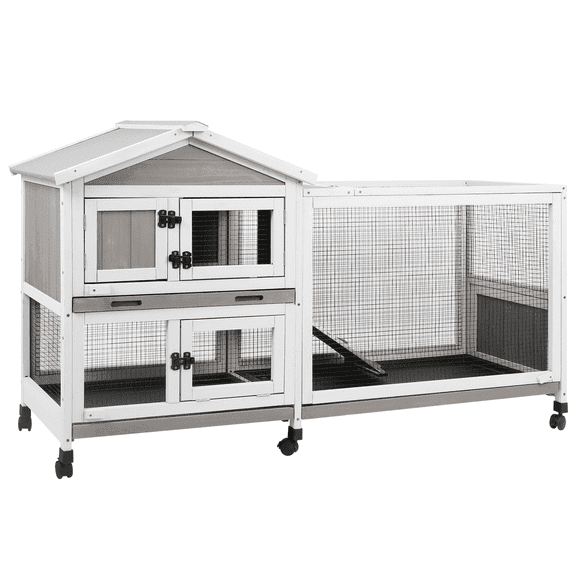
- You can compare single-level and double decker layouts based on activity and floor space.
- You can use wheels or lightweight frames when you move the cage for cleaning.
- You can pair bunny cages with small animal playpens for added supervised exercise space.
Your indoor setup may also benefit from quieter door latches and smoother rolling casters. You should check whether the opening is wide enough for food bowls, litter pans, and daily handling.
Choosing large rabbit cages by size and capacity
Large rabbit cages give you more flexibility when your rabbit needs room to move between eating, resting, and litter areas. You should compare length, width, and overall usable floor space, not just height.
When you review capacity, you should match square footage to your rabbit’s size and weight. You can use larger footprints for bigger breeds, pairs, or setups with ramps and hideouts.
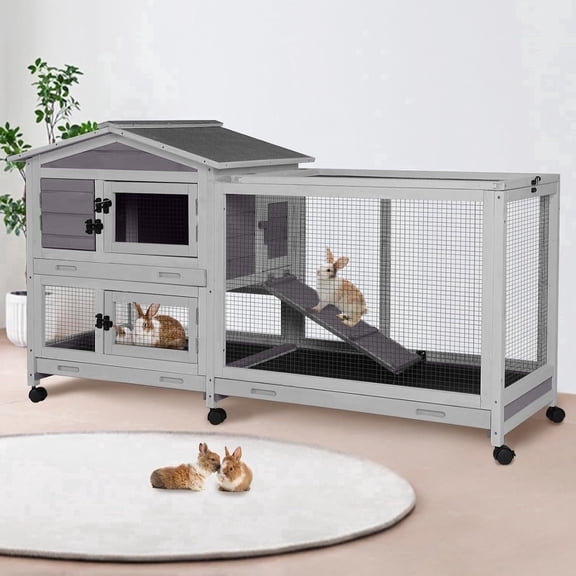
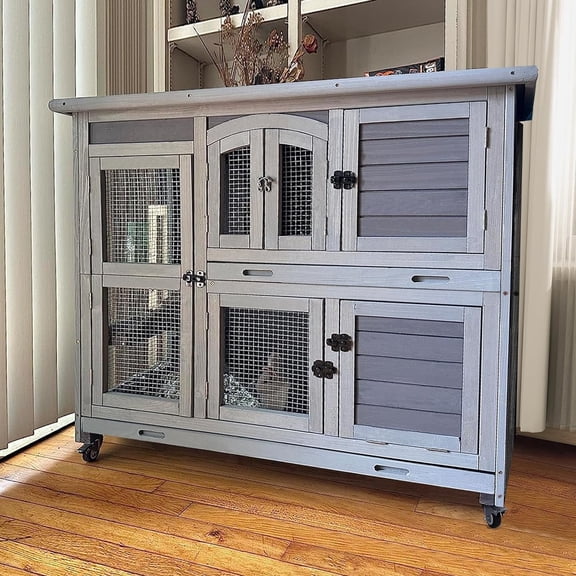
Double decker designs can help you use vertical space when your floor area is limited. You should still confirm that each level supports comfortable movement and easy access to food and bedding.
If you’re comparing extra large layouts, you should think about where litter boxes and hay feeders will sit. You can avoid cramped interiors by planning for accessories before you choose the frame.
Comparing wooden, wire, and plastic cage materials
Wooden styles can give you a furniture-like look, especially in living spaces or covered patios. You should check whether the finish is sealed and whether the panels allow airflow around resting areas.
Wire styles can help you see your pet easily and monitor food, water, and bedding levels. You can also compare wire spacing, since tighter spacing helps you choose a more secure fit.
Plastic base sections can simplify wipe-down cleaning and help separate litter from the main floor area. You should look for smooth corners and sturdy connections that support frequent maintenance.
Your material choice should reflect where the cage will live and how often you clean it. You can compare wooden frames, wire panels, and plastic trays as a full system instead of separate parts.
Checking key features for cleaning and security
Rabbit cages with tray designs make routine cleanup easier because you can remove waste without dismantling the enclosure. You should check tray depth, slide direction, and handle access before you choose one.
If you’re shopping for outdoor rabbit hutches, you should examine wire mesh gauge and latch style carefully. You can look for sturdy mesh and lockable doors that create a more secure daily setup.
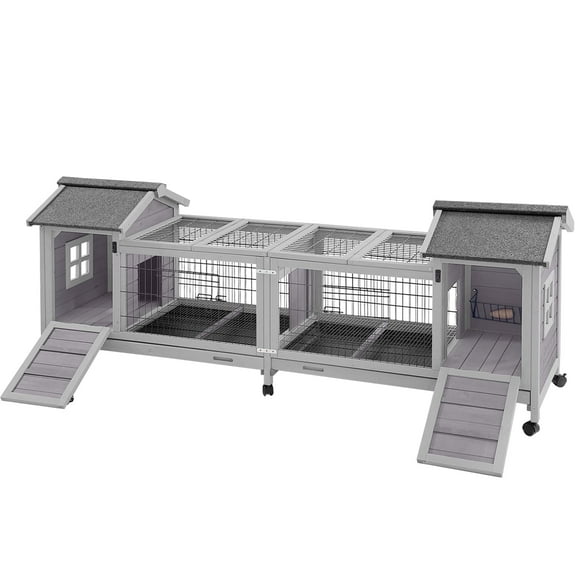
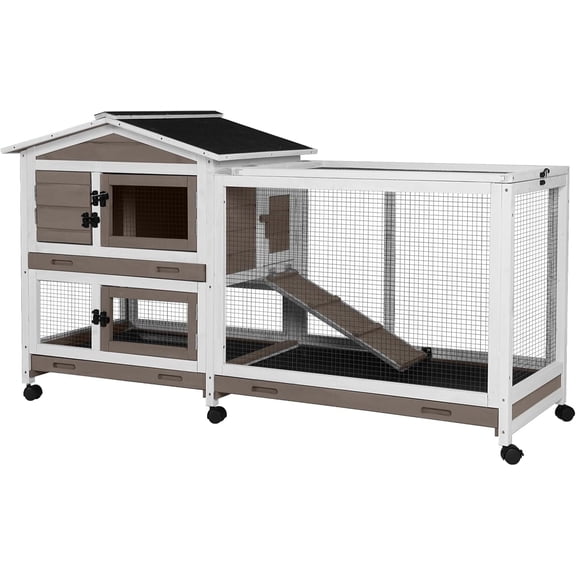
Cages with attached runs give you a connected area for movement without constant transfers. You should compare ramp width, run height, and door placement so feeding and cleaning stay manageable.
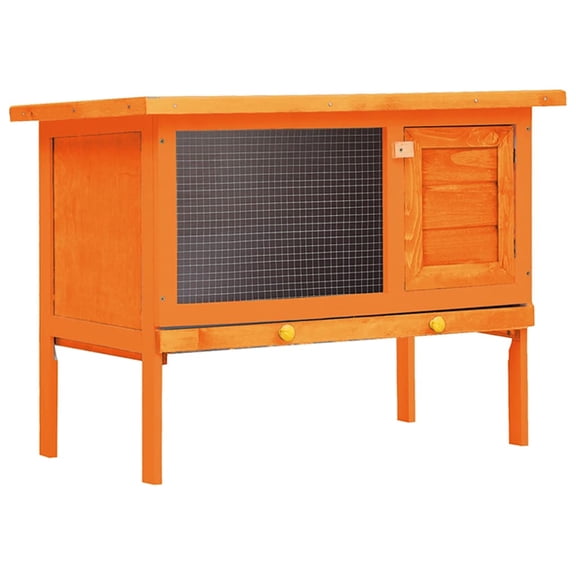
Raised legs or wheels can make access easier when you sweep around the cage or move it for cleanup. You should also check whether the frame stays stable once the enclosure is in place.
How rabbit cages fit everyday routines
You may want bunny cages for apartments, family rooms, mudrooms, or covered outdoor areas. You can match compact indoor designs to smaller homes and larger hutches to open spaces.
If your rabbit uses a litter area, you’ll likely appreciate separated zones and removable bases. You can keep feeding tools and bedding changes more organized when the layout supports daily tasks.
Outdoor rabbit cages may suit you when you want a sheltered enclosure with an attached run for daytime activity. You should compare roof coverage, elevated sleeping spaces, and access panels for refilling food and water.
Small animal playpens can complement your setup when you want supervised movement beyond the main enclosure. You can use them with larger hutches to create a flexible routine around cleaning and play time.
When you compare placement type, materials, size, and cleaning features, you can narrow the field with more confidence. The right cage helps your rabbit stay comfortable while making your daily care routine easier and more organized.