

Climbing Quickdraws in Climbing & Mountaineering Equipment
















About Climbing Quickdraws in Climbing & Mountaineering Equipment - Walmart.com
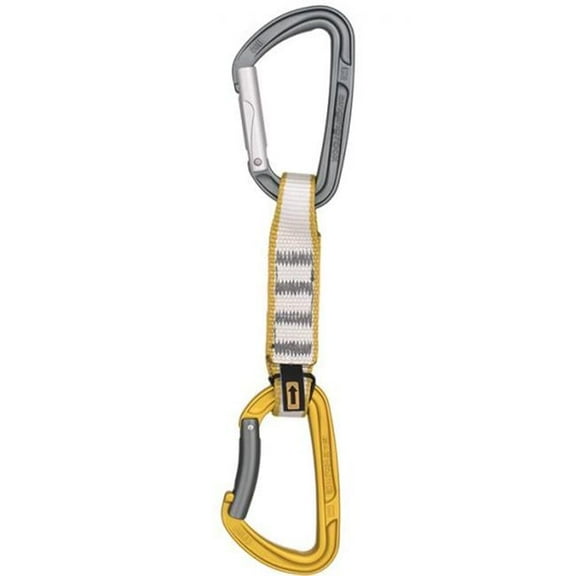
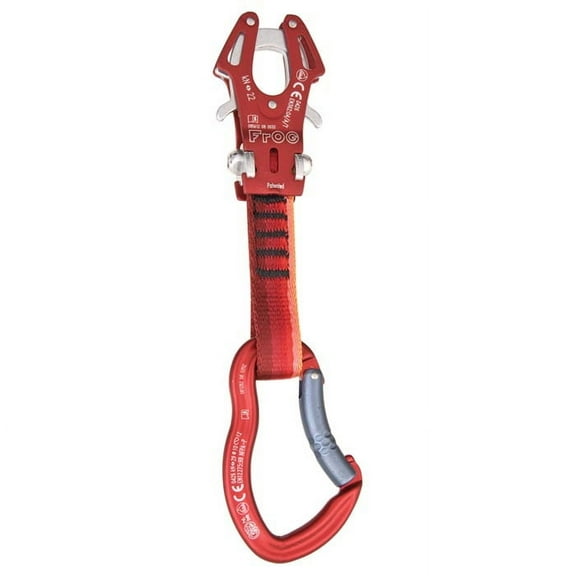
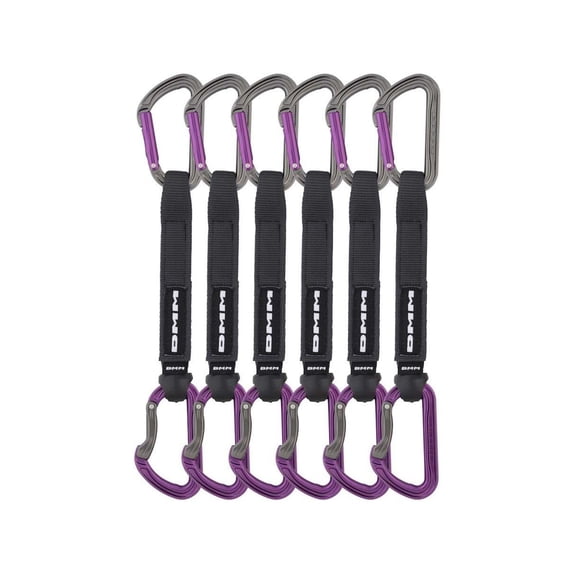
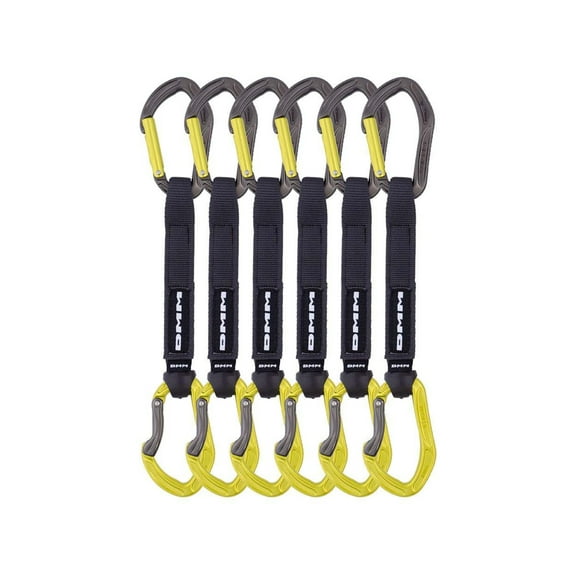
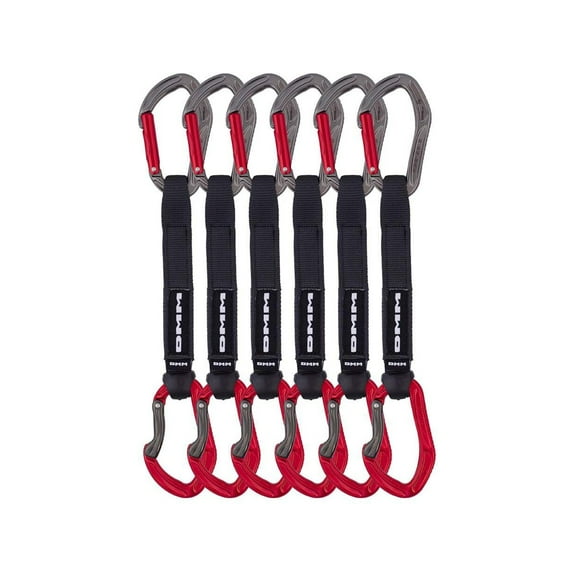
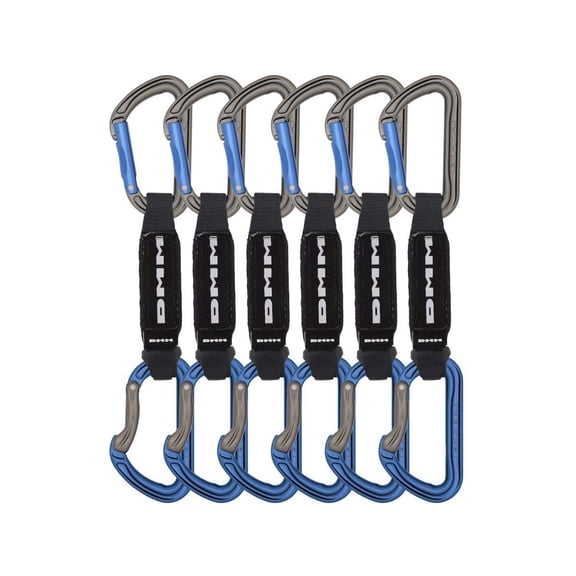
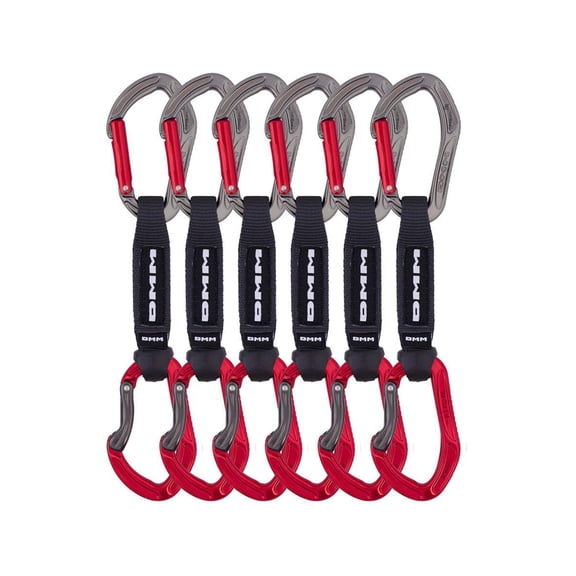
Quickdraws for sport climbing help you build a rack that clips smoothly and hangs cleanly on bolted routes. You can compare gate styles, sling lengths, and certifications to match your route plans and clipping style.
Choosing quickdraws for sport climbing
When you choose quickdraws for sport climbing, you’re really choosing how easily you can clip on the wall. You’ll want a draw that feels secure in your hand and moves well with your rope path.
Route shape matters more than many new climbers expect. If you climb straight bolt lines, you may prefer shorter draws, while wandering routes often call for longer options.
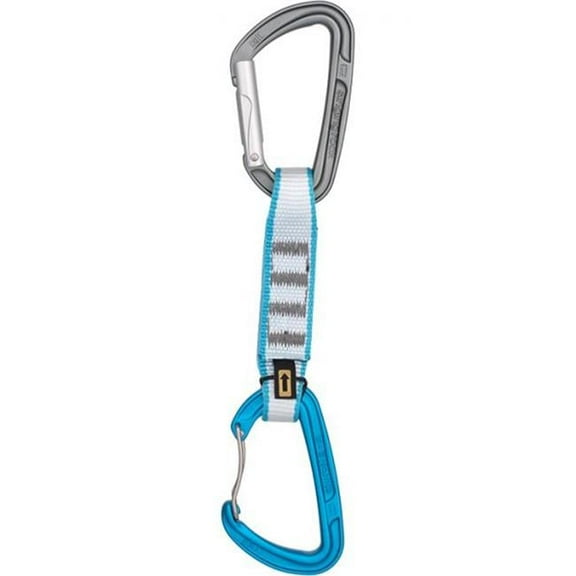
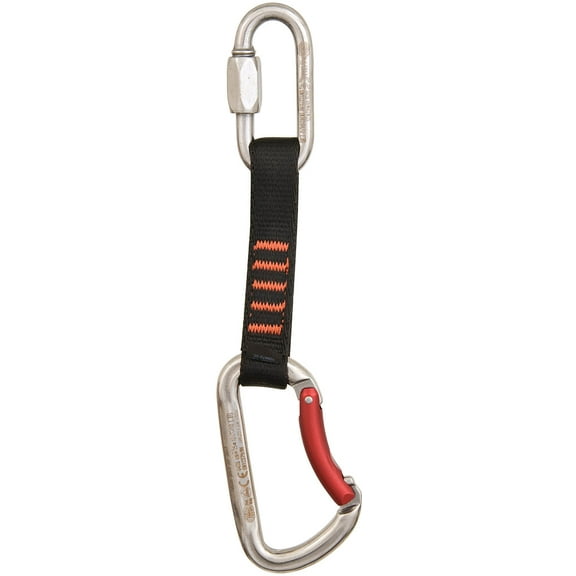
You’ll also want to check how the two carabiners and the sewn sling work together. That combination affects how easily you clip bolts, manage rope drag, and organize your rack.
How to compare gate type options
You should start with gate type because it changes how the quickdraw feels during clipping. Solid gate models usually give you a familiar hand feel, while wire gate designs can feel lighter on your harness.
If you compare solid gate and wire gate options, you’ll notice each suits different preferences. You may like solid gates for repeated clipping practice, while wire gates can feel simple and streamlined.
You should also look for a keylock nose if you want cleaner unclipping from bolts and hangers. That smoother nose can help you avoid snagging on bolt hangers or rope loops.
- You can use solid gate options when you want a traditional clipping feel.
- You can choose wire gate options when you want a lighter rack for long approaches.
- You can look for keylock noses when you want cleaner clipping and unclipping.
- You can compare bent gate and straight gate layouts for bolt-end and rope-end handling.
Understanding sling length and rope drag
You should match sling length to the line you plan to climb. A 12cm draw often suits straighter sport routes, while 17cm or 25cm lengths can help on wandering sections.
When you use longer slings, you can reduce rope drag on routes that zigzag between bolts. That smoother rope path can make clipping and movement feel more natural as you climb.
You’ll also want to think about spacing on your harness. Shorter draws can feel compact for gym sessions and direct outdoor lines, while longer draws give you more placement flexibility.
What sling materials mean for your rack
You can compare nylon, polyester, and Dyneema slings by thinking about handling and packability. Nylon often feels broader in hand, while Dyneema designs usually look slimmer on your harness.
If you want a draw that’s easy to grab while working moves, you may prefer a wider sewn sling. If you want a trim rack for longer days, you may lean toward narrower sling constructions.
You should check product details for the material and width that fit your style. Those details can shape how your rack carries, clips, and organizes on route days.
Checking certifications, strength ratings, and pack size
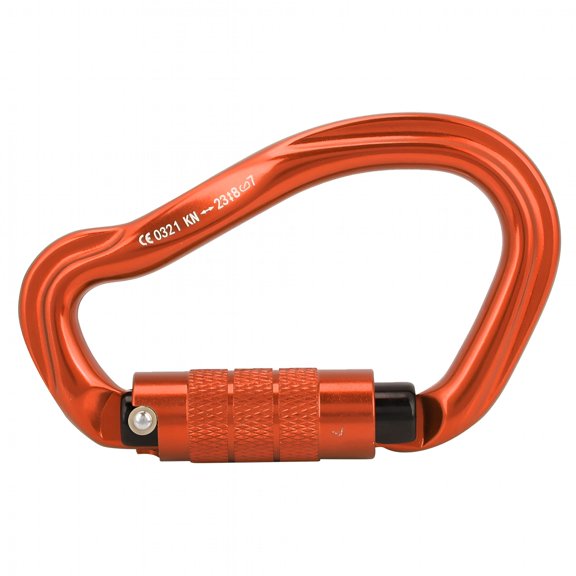
You should always look for CE or UIAA markings when you compare climbing hardware. Those markings help you confirm the quickdraw meets recognized climbing equipment standards.
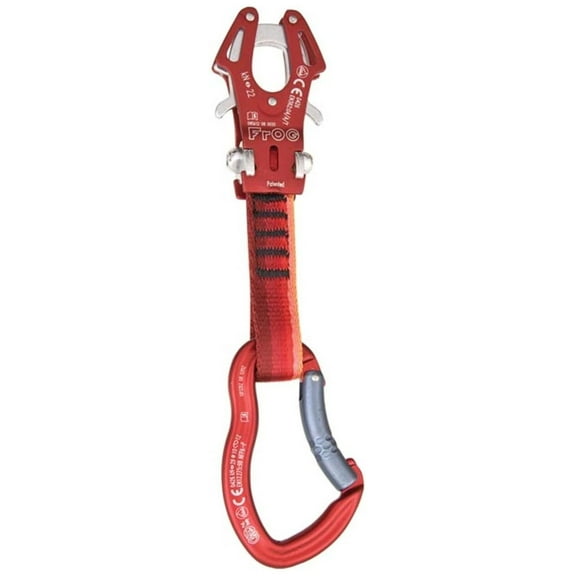
You may also see strength ratings listed in kN, or kilonewtons, on carabiners and slings. Those numbers help you compare hardware specs in a standard format across different designs.
Pack size matters because you need enough draws for the route you plan to climb. You might carry around 10 to 16 quickdraws for many sport routes, depending on bolt count and anchors.
If you’re building your first rack, you can start by counting bolts on the routes you usually climb. That simple check helps you choose single draws or multi-pack options with fewer surprises.
Matching quickdraw setups to climbing style
You can use these comparisons to match gear choices to sport, trad, or alpine days. For sport climbing, you may focus on smooth clipping, bolt efficiency, and lengths that reduce rope drag.
If you also climb trad, you may want draws that work alongside alpine slings and extra carabiners. If you head into alpine terrain, you may look harder at pack weight and versatile lengths.
You should think about where you climb most often before choosing your rack. That approach helps you avoid overbuilding for one style when you mainly clip bolts at the crag.
As you narrow your options, you can compare gate feel, sling length, material, and certification details side by side. That clearer checklist helps you choose quickdraws for sport climbing that fit your routes and clipping habits.