












Pop Up Canopy Tents for Outdoor Events(1000+)
Deal, GVDV Canopy Tent, 10x10 ft Easy Pop up Outdoor Canopy Tent, Portable Straight Leg Gazebo Instant Canopy, Blue, Price $ 75.99 Was $ 129.99 Options from $75.99 – $79.99
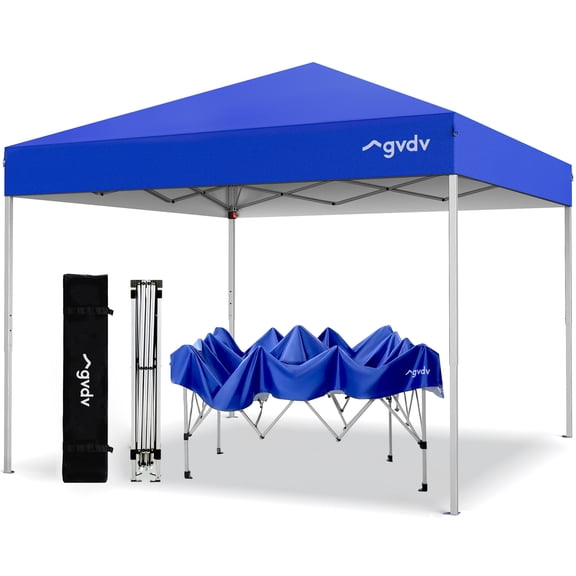

Deal, CROWN SHADES 10x10 Pop Up Canopy Patented Center Lock One Push Instant Outdoor Canopy Tent Grey, Price $ 85.99 Was $ 139.99 Options from $85.99 – $125.99

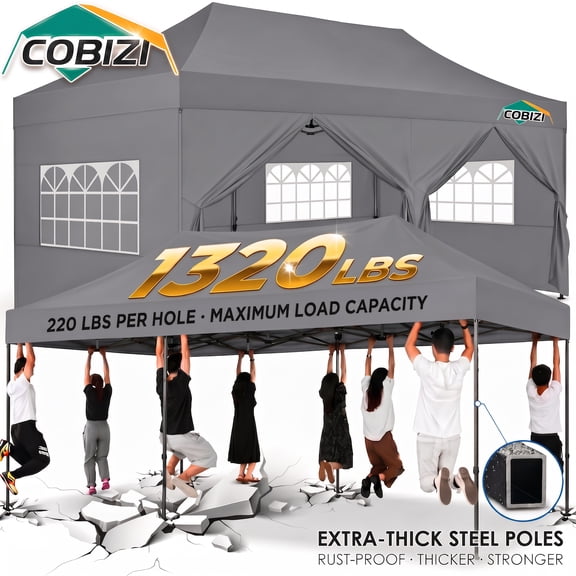
Deal, COBIZI 10x20 Heavy Duty Pop Up Canopy Tent, Reinforced Frame 220 LBS/Leg, 6 Removable Sidewalls, Waterproof & Windproof, with Wheeled Bag, Sandbags & Ground Stakes, for Wedding & Trade Show, Gray, Price $ 269.99 Was $ 700.00 Options from $111.99
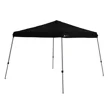
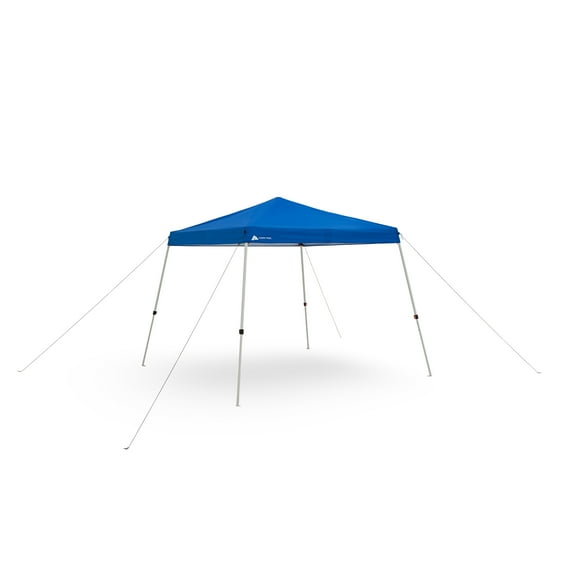
Ozark Trail Instant 10 ft x 10 ft Slant Leg Pop-Up Canopy Tent, Blue, Price $ 59.97 Options from $55.79
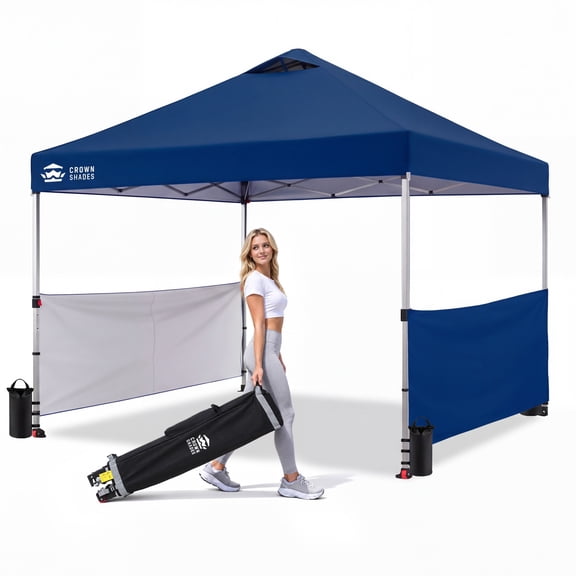
Deal, CROWN SHADES 10x10 Ez Pop Up Canopy Tent, Outdoor Sun Shade Shelter Canopy, One Push Setup with 2 Half Sidewalls, UPF50+, STO 'N Go Bag, Navy Blue, Price $ 119.99 Was $ 155.99 Options from $116.99
Deal, Garvee Outdoor 10x10 ft Pop-up Canopy, One Button Push Setup, Heavy Duty, Portable Roller Bag, Green, Price $ 85.99 Was $ 249.99 Options from $85.99 – $119.99
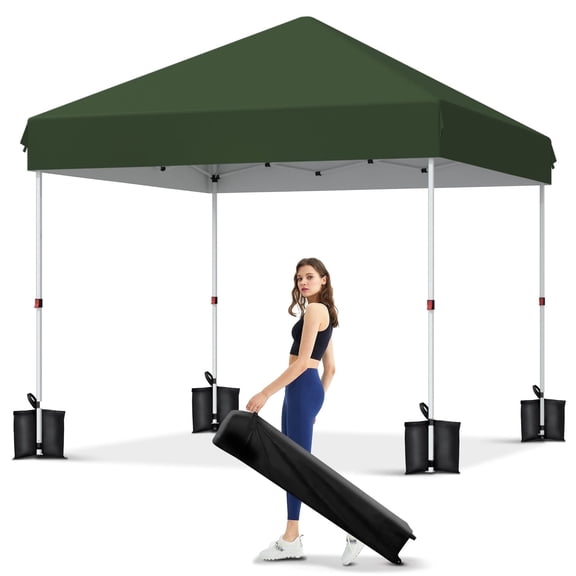
Deal, FREESKY 10x10 ft Pop Up Canopy Tent Straight Leg Instant Outdoor Shelter with Carry Bag, Water Resistant Sun Shade for Backyard, Party, Camping, Beach, Event - White, Price $ 71.99 Was $ 79.99
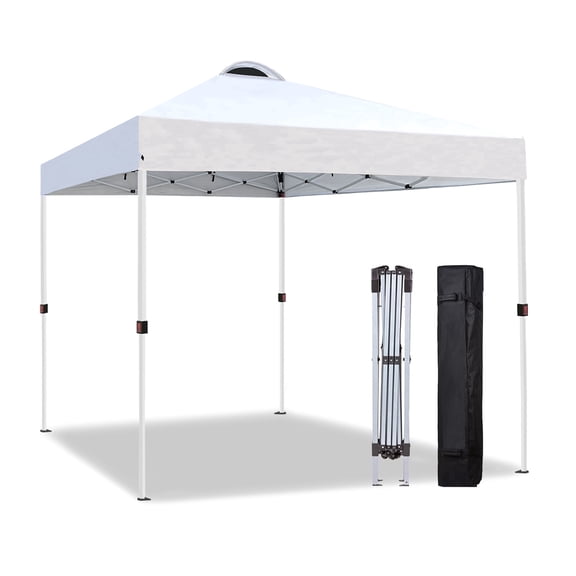
CROWN SHADES 12x12 Pop Up Canopy Outside Canopy Patented One Push Setup Tent Canopy Sun Shade Blue, Price $ 229.99 Options from $129.99
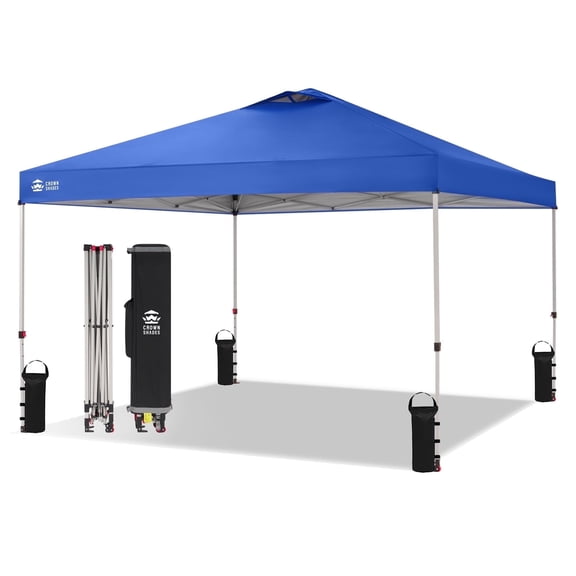
Deal, GVDV Canopy Tent, 10x10 ft Easy Pop up Outdoor Canopy Tent, Portable Straight Leg Gazebo Instant Canopy, Price $ 75.01 Was $ 129.99

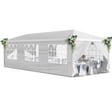
BaPiPro 10'x20' Pop up Canopy Tent, Folding Outdoor Party Wedding Event Tent with 6 Removable Sidewalls, 4 Windows, Portable Instant Shelter Canopy Gazebo, Blue, Price $ 139.99 Options from $139.99 – $199.99

Dateyes 10x20 Pop Up Canopy Tent, Waterproof Party Tent with 6 Removable Sidewalls, 3-Level Height Adjustable Event Tent, Instant Shelter for Wedding, Party, Commercial & Market Events, Black, Price $ 129.99 Was $ 239.98 + $ 29.99 shipping Options from $129.99 – $189.99
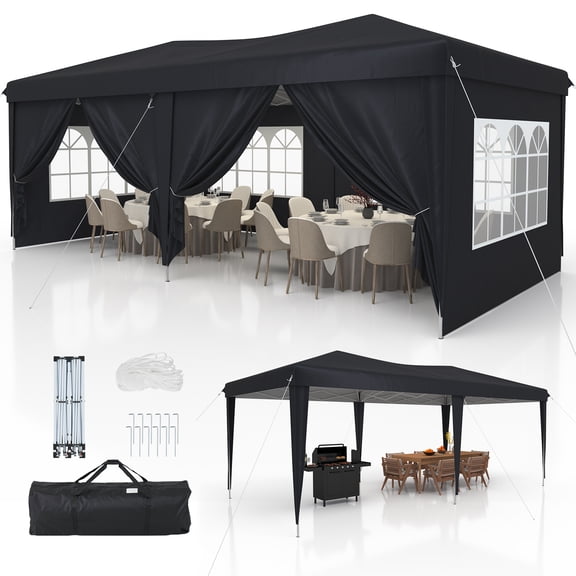
Deal, Nalwort 10x10 Pop Up Canopy Tent with 99% UV Blocking, Instant Portable Sun Shade for Party, Includes Sandbags & Stakes,white, Price $ 71.99 Was $ 95.99

Deal, CROWN SHADES 10x10 Ez Pop Up Canopy Tent, Outdoor Sun Shade Shelter Canopy, One Push Setup with 2 Half Sidewalls, UPF50+, STO 'N Go Bag, Blue, Price $ 116.99 Was $ 129.99 Options from $116.99 – $119.99

Deal, COBIZI 10x10 Pop Up Canopy Tent with Sidewalls, Waterproof Instant Canopy UPF 50+ with Air Vents, Sandbags, Stakes & Ropes, Carry Bag, Shelter for Outdoor Party, Camping, Backyard, Beach, Gray, Price $ 99.99 Was $ 179.99 Options from $71.07
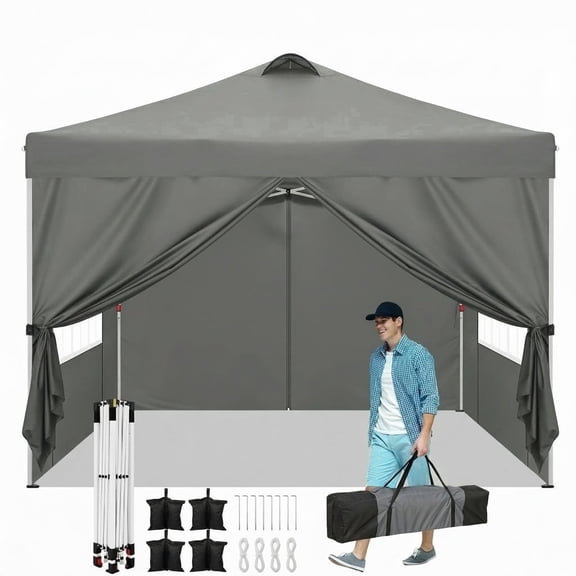
Deal, COBIZI 10x30 Pop Up Canopy Tent with 8 Sidewalls, Heavy Duty Waterproof UPF 50+ Commercial Instant Gazebo, Ez Setup for Party, Wedding & Trade Show, Includes Roller Bag, Dark Blue, Price $ 439.99 Was $ 639.99 + $ 20.00 shipping Options from $139.89

Overall pick, Ozark Trail 10' x 10' Instant Slant Leg Pop-up Outdoor Canopy, Blue, Price $ 59.97 Options from $59.96
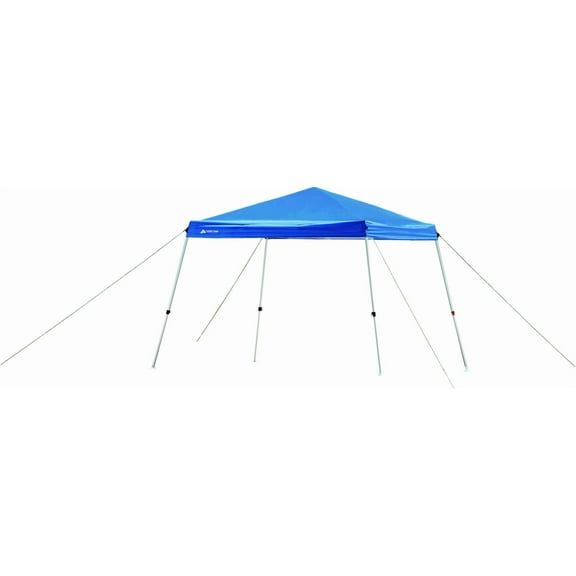
Ozark Trail 10' x 10' Straight Leg Replacement Canopy Top, Black, Price $ 32.67 Options from $32.67 – $32.96
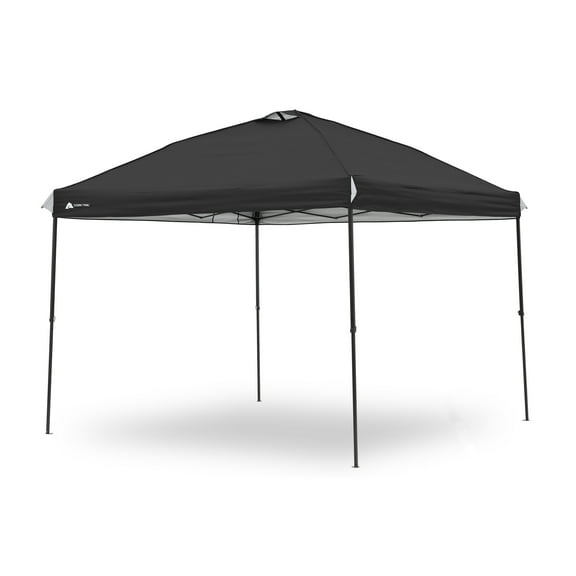
Ozark Trail 10' x 10' Straight Leg Instant Pop-up Outdoor Canopy, Gold, Price $ 98.94 Options from $89.00
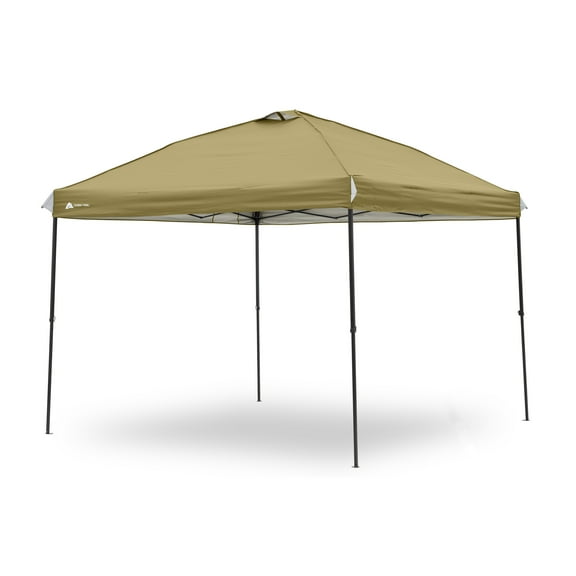
Ainfox 10 x 10 ft Heavy Duty Pop up Canopy Tent with Sidewalls, Folding Instant Frame Canopy Gazebo,Pink, Price $ 170.99

Caravan Canopy Haven Sport 12 x 12 Foot Folding Instant Shade Canopy Tent, Blue, Price $ 125.99 Was $ 139.99 Options from $125.99 – $143.40
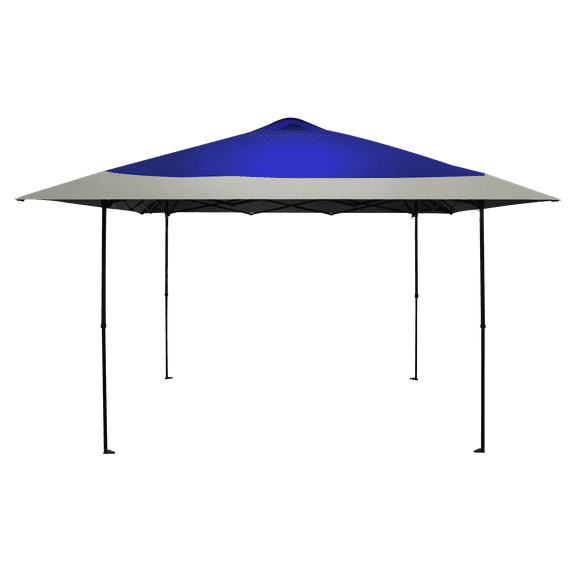


10 ft x 10 ft Instant Outdoor Canopy Tent with 3 Sidewalls, 4 Sandbags and UPF 50+ Sun Protection, Beige White, Price $ 99.99 Options from $96.99
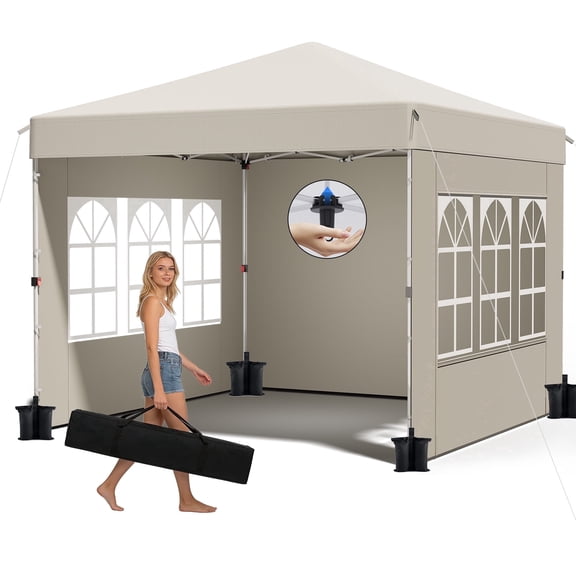
COBIZI 10' x 10' Pop up Canopy Tent with 4 Removable Sidewalls, Outdoor Patio Gazebo Tent with Handbag for Camping, Light Gray, Price $ 79.88 Was $ 139.99 + $ 30.00 shipping Options from $79.88 – $102.88

Deal, GVDV Outdoor Pop-up Canopy Tent,6.6x6.6 Height Adjustable Commercial Instant Canopy, Outdoor Camping Sun Shelter for Camping, Party,White, Price $ 62.99 Was $ 109.99

Deal, Garvee Outdoor 10x10 ft Pop-up Canopy, One Button Push Setup, Heavy Duty, Portable Roller Bag, Green, Price $ 85.99 Was $ 249.99 Options from $85.99 – $119.99
Zimtown 10'x 20' Pop Up Party Tent One Push Setup Gazebo Outdoor Sun Shade for Events,Wedding Canopy, Price $ 159.99
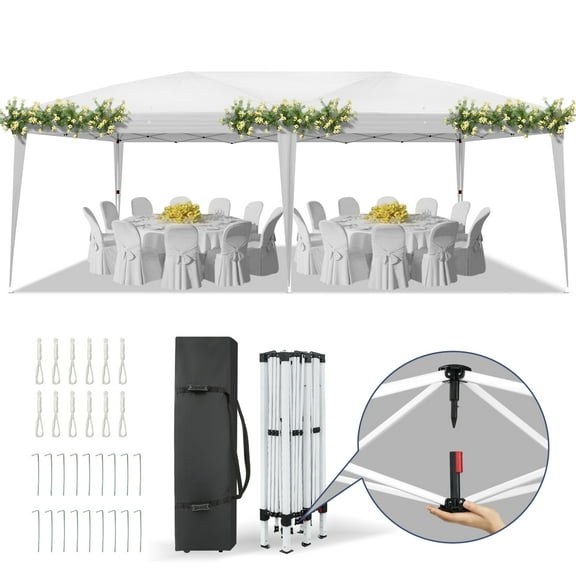
Ainfox 8 x 8 ft Pop up Canopy Tent with One Sidewall,Instant Slant Outdoor Gazebo for Beach, Sun Shade,Outdoor Activies,Black, Price $ 59.99 Was $ 159.99 Options from $59.99 – $79.99

Deal, HOTEEL 10x10ft Popup Canopy Waterproof Canopy with 4 Sidewalls Outdoor Commercial Instant Shelter Beach Camping Canopy Tent for Party, Black, Price $ 89.99 Was $ 149.98 Options from $89.99 – $199.99
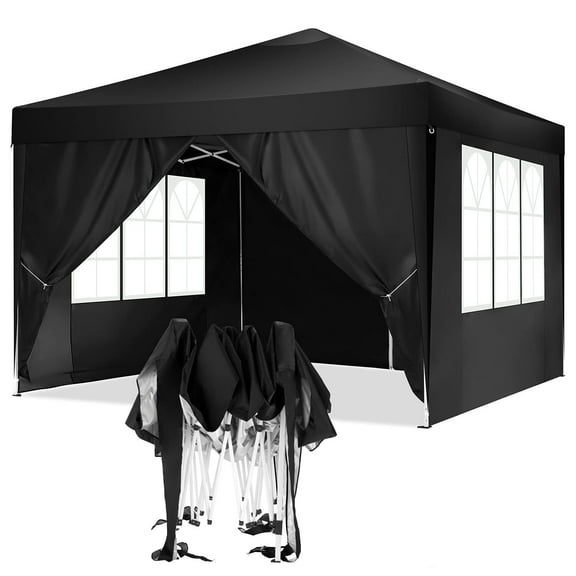
Impact Canopy 10x10 Pop Up Canopy Tent, Sidewalls, Straight Leg Shelter, Steel Frame, Roller Bag, White, Price $ 254.74
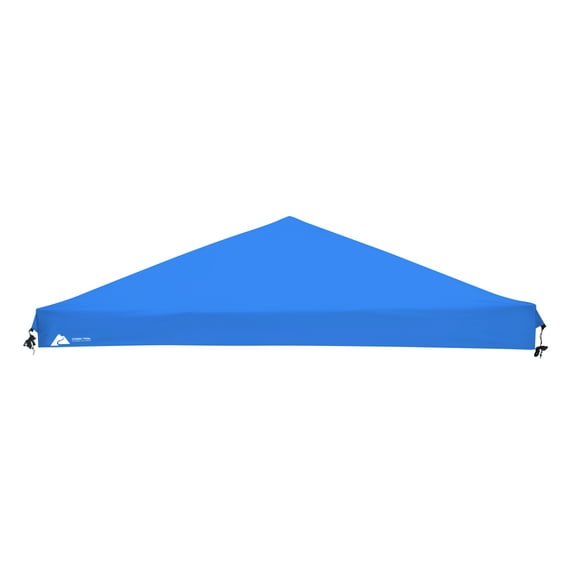
Ozark Trail 10' x 10' Blue Instant Slant Leg Canopy Replacement Top Cover, Price $ 29.97 Options from $29.97 – $59.94
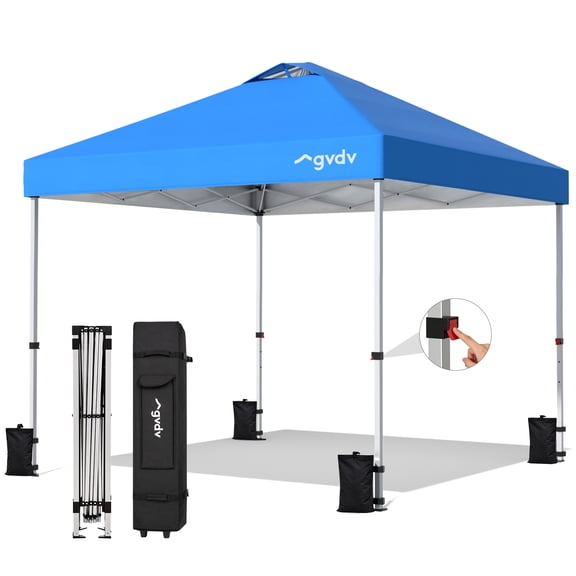
Deal, GVDV Canopy Tent, 10x10 Pop up Canopy Outdoor Shade with Wheeled Bag, Easy up Sun Shelter with Vents, Blue, Price $ 85.09 Was $ 129.99
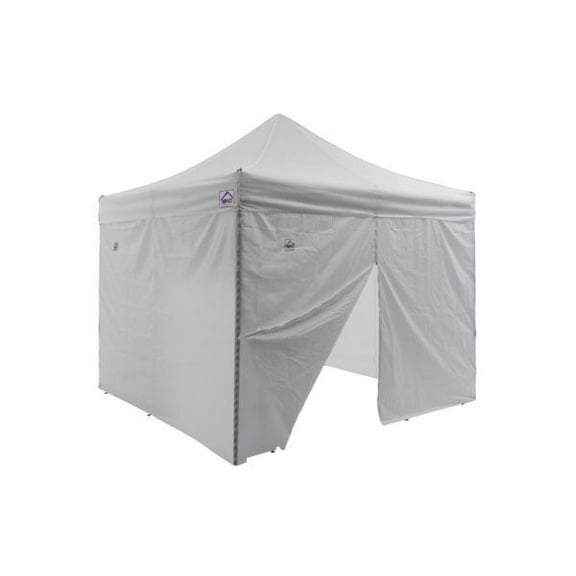
Deal, ABCCANOPY 10ft x 10ft Easy Pop up Outdoor Canopy Tent With 2 Side Walls, White, Price $ 107.99 Was $ 129.95 Options from $71.19

Deal, HOTEEL 10x10ft Popup Canopy Waterproof Canopy with 4 Sidewalls Outdoor Commercial Instant Shelter Beach Camping Canopy Tent for Party, Black, Price $ 89.99 Was $ 149.98 Options from $89.99 – $199.99
Deal, COBIZI 10x30FT Party Tent with 8 Removable Sidewalls, Waterproof Outdoor Canopy for Weddings, BBQ, Patio & Camping, White, Price $ 119.99 Was $ 169.99 Options from $79.89

JOYMOR 10x10ft Pop Up Canopy Tent, Portable Instant Tent with 4 Sidewalls, Waterproof Sun Shelter for Outdoor Parties, Beach, 2 Doors & 2 Windows, Price $ 89.99 Options from $82.99


Deal, FREESKY 10x10 ft Pop Up Canopy Tent Straight Leg Instant Outdoor Shelter with Carry Bag, Water Resistant Sun Shade for Backyard, Party, Camping, Beach, Event - White, Price $ 71.99 Was $ 79.99
Deal, COBIZI 10x10 Heavy-Duty Pop-up Canopy with Mosquito Netting, Instant Outdoor Shelter for Parties, Backyard, Camping & Events, Black, Price $ 127.99 Was $ 199.99 Options from $124.99
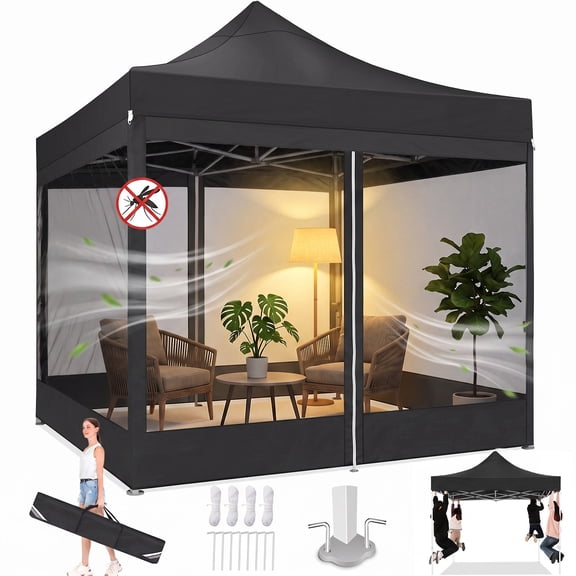
Sunula 10x10 FT Pop Up Canopy Tent with 4 Sidewalls, Heavy Duty Waterproof Outdoor Gazebo, Reinforced Steel Frame Folding Party Tent for Backyard, Camping, and Events (Gray), Price $ 82.99 Options from $82.99 – $89.99
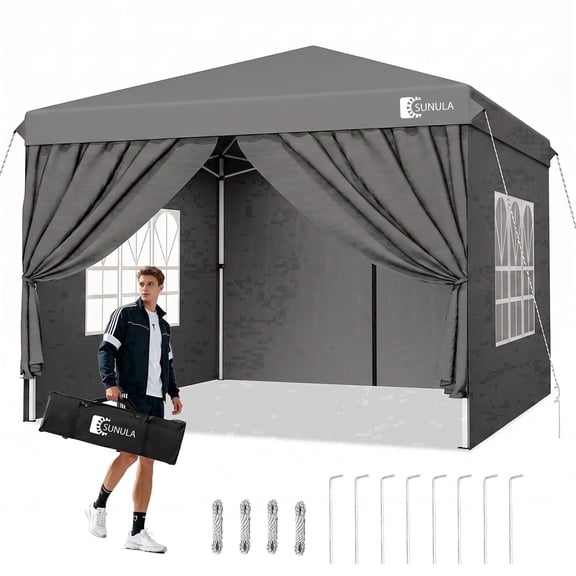
Ruimatai Camping and Hiking Outdoor Instant Canopy Patio Gazebo Event Tent, Portable Waterproof Canopy for Party Camping Backyard(Without Ceiling and Pole), Price $ 23.99 Options from $15.39


Outdoor Basic 12x12FT Pop Up Canopy Tent with One Push Setup, Easy Setup Gazebo with 4 PVC Transparent Sidewalls,Includes Wheeled Bag. for Events, Parties, Camping, Gray, Price $ 119.99 Was $ 169.99
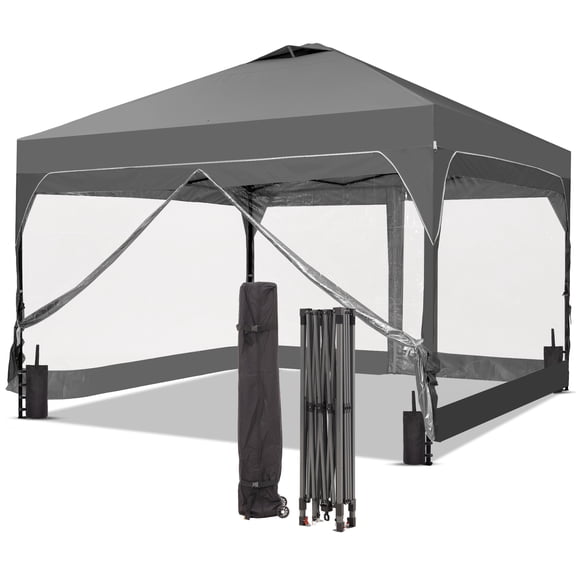
HOTEEL 10x20 Pop up Canopy Tent, Waterproof Commercial Tent with 6 Removable Sidewalls, Outdoor Sun Shelter Gazebo for Parties, Wedding, Camping, Courtyard ,White, Price $ 159.99 Was $ 249.99 + $ 50.00 shipping Options from $159.99 – $179.98

Deal, FREESKY 10x10 ft One-Push Instant Pop Up Canopy Tent, Central Hub Patent Technology for 1-Person Setup, Easy Setup Folding Shelter with Wheeled Bag, UV Protect Gazebo, White, Price $ 79.99 Was $ 129.99
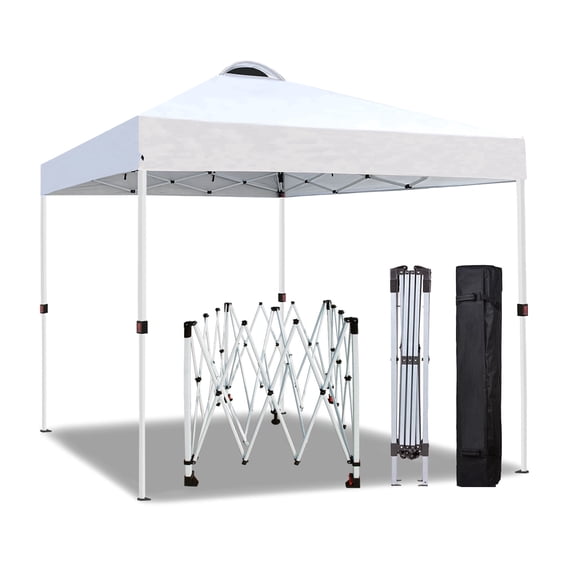
10 ft x 10 ft Instant Outdoor Canopy Tent with 3 Sidewalls, 4 Sandbags and UPF 50+ Sun Protection, Beige White, Price $ 99.99 Options from $96.99
Ozark Trail 10' x 10' Dusty Blue Instant Slant Leg Pop-up Outdoor Canopy, Price $ 54.17
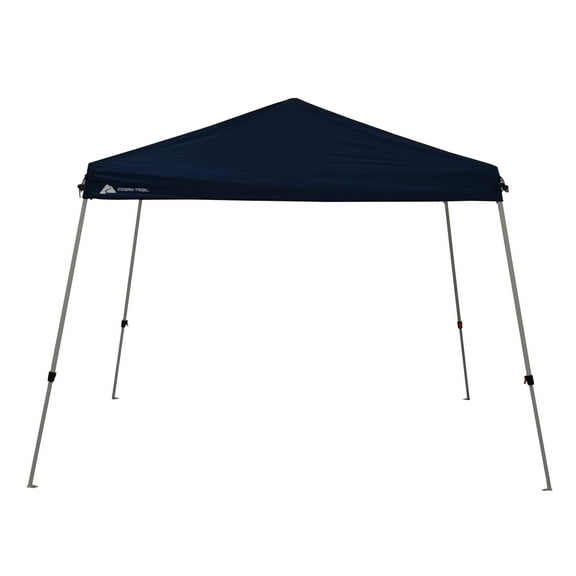
Deal, COBIZI 10x20 Pop Up Canopy with 6 Sidewalls, Heavy Duty UPF 50+ Waterproof All Season Commercial Tent for Outdoor Weddings & Parties, Roller Bag Included, Black, Price $ 269.99 Was $ 399.99 Options from $89.89
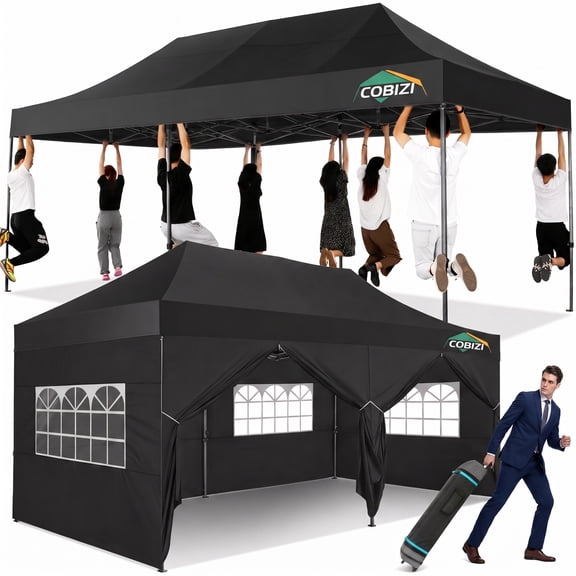
WQJNWEQ Inflatable Thick Cloth Tent with Window, Price $ 24.28 Options from $19.99


COBIZI 10' x 10' Pop up Canopy Tent with 4 Removable Sidewalls, Outdoor Patio Gazebo Tent with Handbag for Camping, Light Gray, Price $ 79.88 Was $ 139.99 + $ 30.00 shipping Options from $79.88 – $102.88
Deal, GVDV Canopy Tent, 10' x 10' Instant Straight Leg Pop-up Commercial Canopy, Outdoor Shading Shelter, Blue, Price $ 75.39 Was $ 109.99 Options from $75.39 – $75.99

Deal, HOTEEL Canopy 10x10 Waterproof Pop up Canopy Tent with 4 Sidewalls Outdoor Event Shelter Tent for Parties Sun Shade Party Commercial Canopy with Air Vent & One Push Central Button, Black, Price $ 98.99 Was $ 148.99 + $ 10.00 shipping Options from $98.99 – $199.98
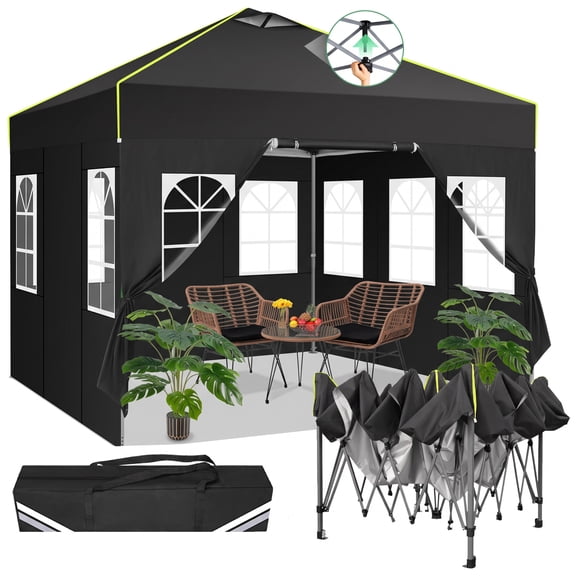
Dateyes 10x20 Pop Up Canopy Tent, Waterproof Party Tent with 6 Removable Sidewalls, 3-Level Height Adjustable Event Tent, Instant Shelter for Wedding, Party, Commercial & Market Events,White, Price $ 169.99 Was $ 255.99 Options from $129.99

Outdoor Basic 12x12 Pop Up Canopy, One Push Set Up with Central Lock, Patio Canopy with Wheeled Bag, Outdoor Fldable Gazebo with Vent Top, Pink, Price $ 119.99 Was $ 139.99

About Pop Up Canopy Tents for Outdoor Events - Walmart.com
Ready to elevate your outdoor experience? Discover how a pop-up canopy can transform any gathering—whether it's a backyard barbecue, a day at the park, or a special event—into a comfortable, shaded retreat. With easy setup and durable materials, these canopies offer convenient shelter wherever your plans take you.
- Quick shade solution: Pop-up canopies set up in minutes, letting you create a cool, sheltered spot without the hassle of complex assembly.
- Versatile outdoor protection: Shield your space from sun or light weather—perfect for camping, picnics, tailgating, or relaxing outdoors.
- Spacious design: The roomy coverage fits gatherings of all sizes, making it ideal for family get-togethers, vendor events, or outdoor activities.
- Portability for any adventure: Lightweight construction and included carrying cases make it simple to bring reliable shade to parks, sports fields, or anywhere you roam.
- Built to last: Crafted from sturdy materials and available with convenient features like sidewalls and replacement tops, these canopies adapt to your needs season after season.
Browse Walmart's selection to find the right pop-up canopy for your next outing. Enjoy peace of mind knowing you've got flexible, dependable shade wherever your adventures lead.
Popular in Pop Up Canopy Tents for Outdoor Events - Walmart.com
FAQ
How do I pick the right size canopy?
Choosing the right pop-up canopy size depends on your event and space needs.
- For small gatherings, an 8x8 or 10x10 canopy works well for backyard parties or camping.
- Larger events may need a 12x12 or bigger canopy for more coverage.
- Consider how many people or tables you want shaded, and check the product details for dimensions.
- Measure your available space before buying to ensure a good fit.
Can I use a pop-up canopy at the beach?
Pop-up canopies are popular for beach trips, but it's important to check the product description for features like sandbags or stakes.
- Look for canopies with UV protection and sturdy frames to handle wind.
- Bring extra weights or anchors to secure your canopy in sandy conditions.
- Some models are designed specifically for beach use, offering easy setup and portability.
How do I clean my canopy after an event?
Keeping your pop-up canopy clean helps it last longer.
- Brush off loose dirt and debris before packing it up.
- Use mild soap and water on the fabric—avoid harsh chemicals that might damage the material.
- Let the canopy air dry completely before storing to prevent mold or mildew.
- For metal frames, wipe them with a damp cloth and check for rust.
Are replacement tops or sidewalls available?
Many pop-up canopies offer replacement tops and sidewalls, which can be found in the canopy accessories section.
- Check the product listing for compatible parts and sizes.
- Replacement covers, sidewalls, and accessory packs are available for popular models.
- It's a good idea to match the brand and measurements to your existing frame for the best fit.
What’s the easiest way to set up a pop-up canopy?
Most pop-up canopies are designed for quick, hassle-free setup.
- Start by unfolding the frame on a flat surface.
- Attach the canopy top and extend the legs to your desired height.
- Secure the canopy using stakes, sandbags, or weights for stability.
- Some models feature one-push or center-lock mechanisms for even faster assembly.