








White Paint in Paint Colors



About White Paint in Paint Colors - Walmart.com
White paint colors for walls create a clean backdrop that works across busy kitchens, calm bedrooms, and bright living spaces. This page focuses on white paint with interior-ready options, common finish choices, and size formats that fit room projects.
Why white paint colors for walls work so well
White color makes trim lines look crisp and helps natural light feel more noticeable throughout the room. It also pairs easily with wood floors, black fixtures, brushed metals, and colorful textiles.
For many rooms, white indoor paint for walls gives you flexibility when furniture or decor changes later. You can refresh a nursery, office, or hallway without reworking the whole palette.
- Brightens spaces with a clean, versatile backdrop.
- Supports many design styles, from modern to farmhouse.
- Makes artwork, tile, and cabinetry stand out clearly.
- Works across single-room updates or whole-home painting plans.
White paint also helps connect adjoining rooms when you want a smoother visual flow. Thatu's useful in open layouts, narrow halls, and entryways with several sightlines.
Choosing the right white paint
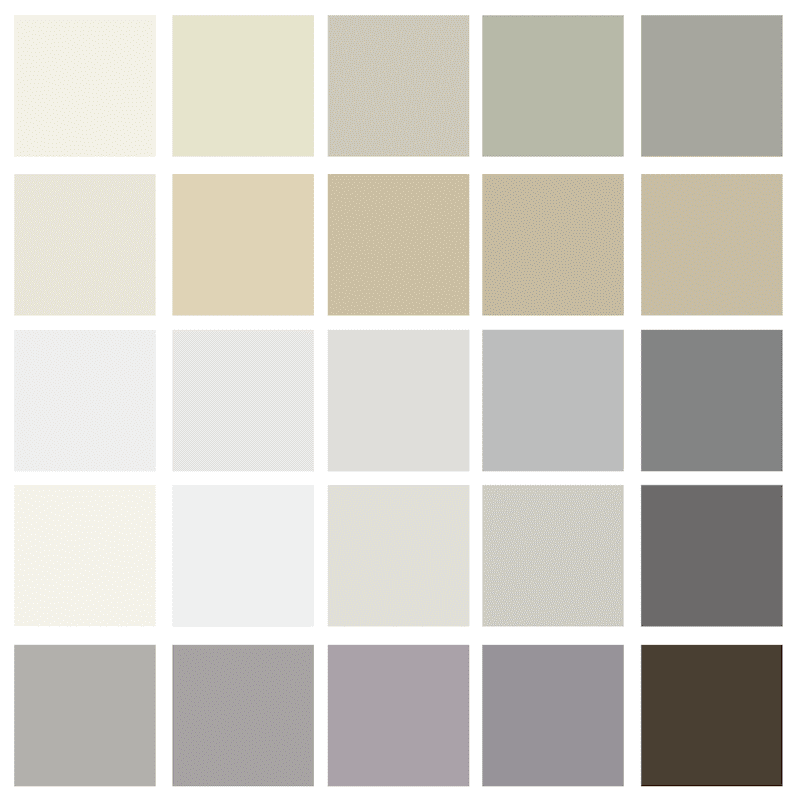
Undertone matters when youu're comparing shades. Some whites lean warm with creamy notes, while others feel cooler beside gray stone, chrome, or bright daylight.
Finish matters too, especially on interior walls. Eggshell offers a soft look for living areas, satin adds a gentle sheen, and semi-gloss is often chosen for trim and doors.
When youu're selecting white indoor paint for walls, think about the roomu's light direction and surface texture. North-facing rooms can read cooler, while textured drywall can emphasize sheen.
Coverage guidance helps with planning. A gallon of white paint is often used for larger rooms, while small white paint for walls suits touch-ups, trim accents, or sample testing.
White paint by the gallon and smaller sizes
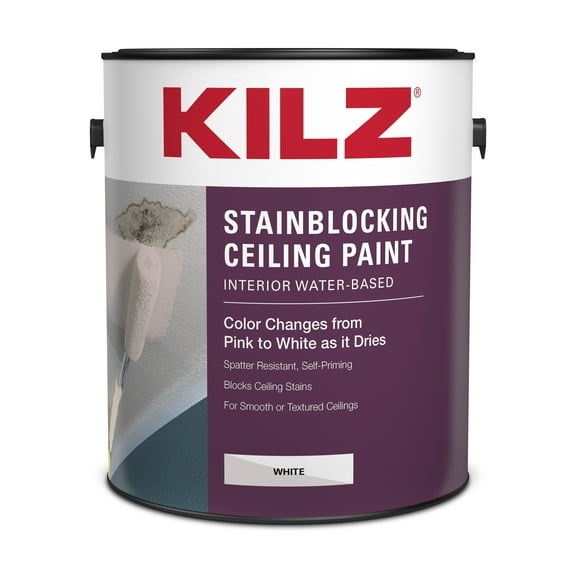
A 1 gallon of white paint is a practical starting point for many wall projects. It can suit bedrooms, offices, and feature walls, depending on room size and application method.
If youu're updating several connected spaces, gallon sizing can simplify color consistency across the project. Using the same white paint reduces visible shifts between hallways, doors, and adjacent walls.
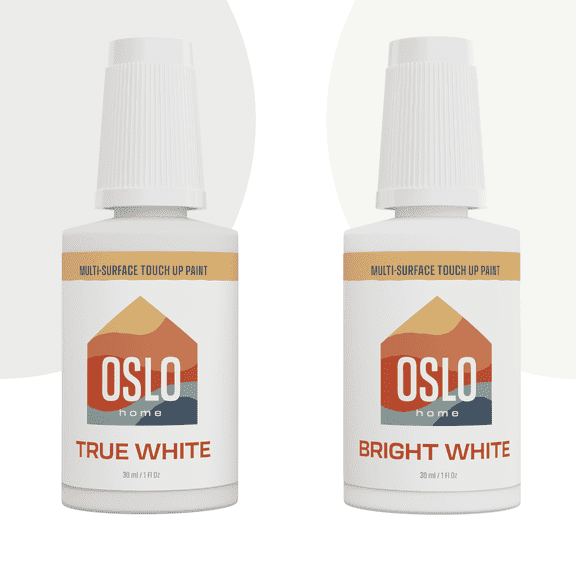
Smaller containers make sense when youu're covering a compact area or testing white color before a full repaint. Theyu're also handy for patchwork after nail holes, shelf changes, or trim updates.
Paint quantity depends on square footage, coats, and wall condition. Porous surfaces, darker previous colors, and major color changes may call for more product.
Interior white paint finishes and room use
Different rooms call for different finishes because surfaces reflect light in distinct ways. A flat finish can soften wall texture, while satin gives a polished look in active spaces.
Eggshell is often chosen for family rooms, dining rooms, and bedrooms because it balances softness and everyday appearance. Itu's a common pick when you want subtle sheen.
Satin white paint fits kitchens, baths, and childrenu's rooms where you want a smoother surface look. Semi-gloss is usually reserved for trim, cabinets, and doors rather than broad walls.
Matching finish to room use helps the final color read the way you expect. The same white paint can look warmer, cooler, brighter, or softer depending on sheen.
Project pairings for white paint
Wall paint projects often go more smoothly with the right tools nearby. Rollers cover broad sections efficiently, angled brushes help with edges, and painteru's tape keeps lines clean.
Drop cloths, trays, liners, and extension poles can also streamline a room refresh. These accessories matter when youu're painting tall stairwells, ceilings, or long hallway stretches.
White paint is often used for rental turnovers, room staging, cabinet-adjacent walls, and baseboard refreshes. Itu's also common for home offices where a neutral backdrop supports shelving and framed art.
For cohesive results, compare your wall shade against trim, flooring, countertops, and existing decor before opening every can. That quick check helps avoid an uneven final look between surfaces.
With white paint colors for walls, you can create a brighter, more unified interior that still leaves room for your own style. The right shade, finish, and size make each coat look intentional.