

Pyle Subwoofers: 10, 12 & 15-Inch Car Subs | Walmart









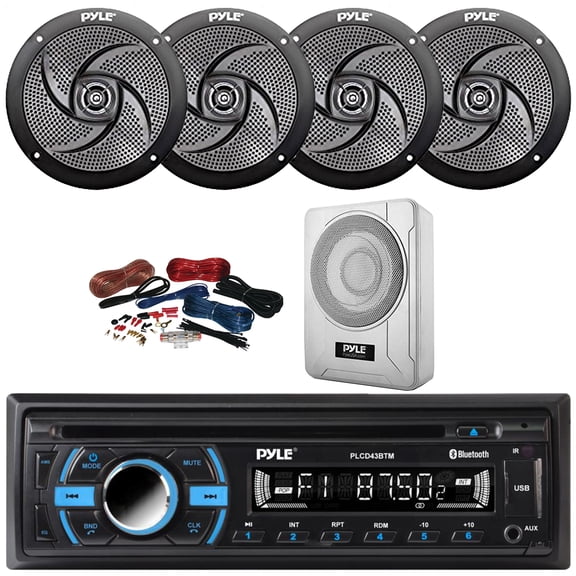

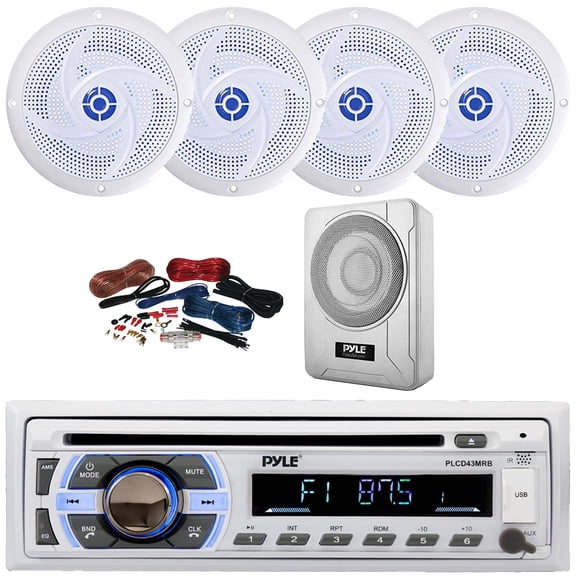
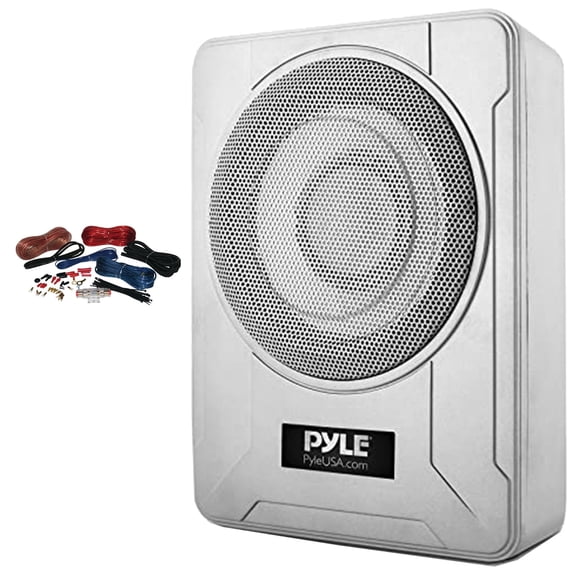
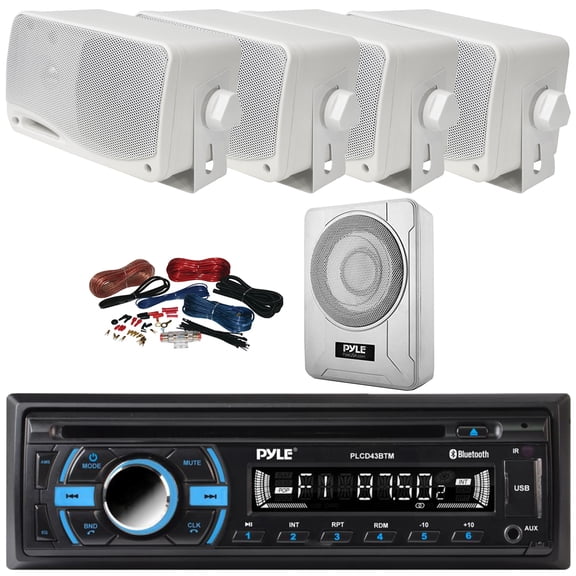


About Pyle Subwoofers: 10, 12 & 15-Inch Car Subs | Walmart - Walmart.com
Pyle car subwoofers help you add deeper bass to your vehicle with practical size, enclosure, and setup choices. You can compare fit, wiring needs, and sound style before you choose a system for daily driving.
If you're upgrading factory audio, you may want fuller low end without a complicated build. You'll also find options that support compact installs, enclosed systems, and classic subwoofer-and-amp setups.
How to choose Pyle car subwoofers
You should start with the space available in your trunk, cargo area, or under-seat location. You'll want to measure enclosure dimensions and mounting depth before you compare larger woofer sizes.
When you compare subwoofer size, you can match output goals with the room you actually have. You'll often see an 8 inch model for tighter spaces, while a 15 inch model needs much more enclosure volume.
- You can choose 8 inch sizes when your vehicle has limited cargo space.
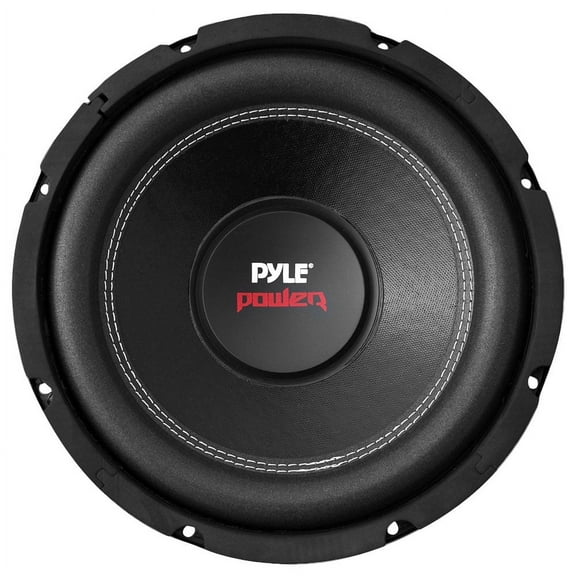
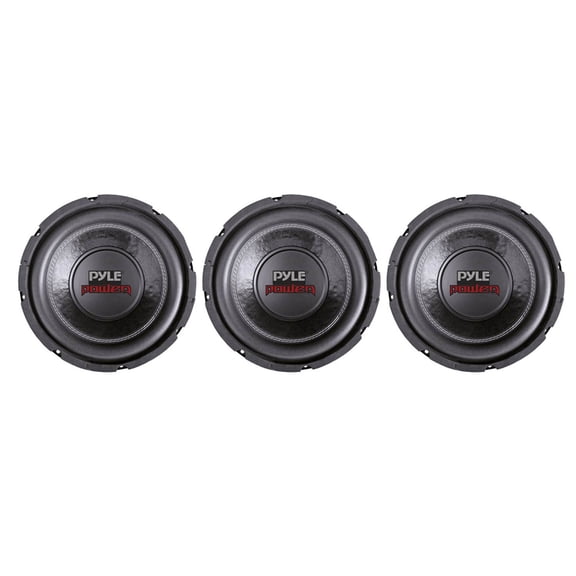
- You may prefer a Pyle 10 inch subwoofer for balanced bass and easier fitment.
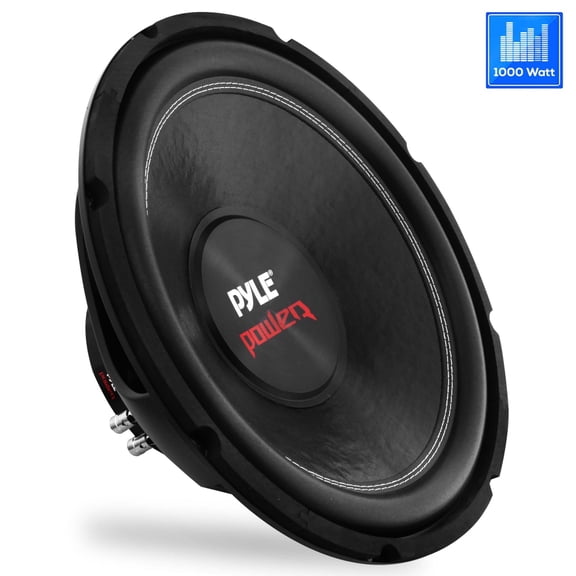
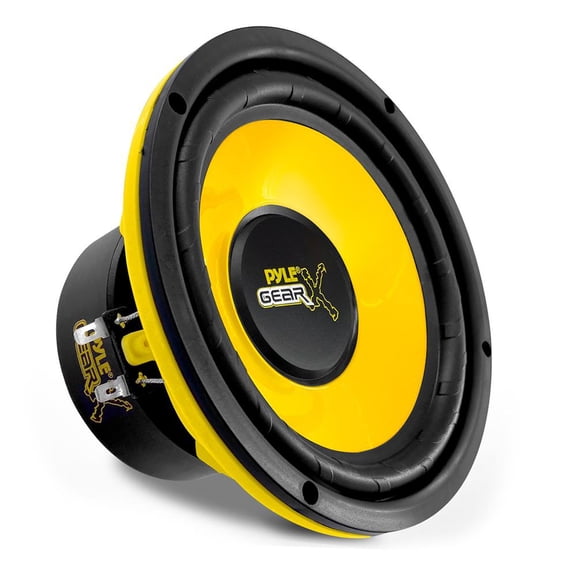
- You can step up to a Pyle 12 inch subwoofer when you want stronger low-end presence.
- You should consider 15 inch options when your vehicle can support a larger box.
- You can compare shallow mount designs if you have limited installation depth.
You'll notice size changes more than loudness alone. You can also affect enclosure requirements, amp matching, and how easily your system fits around daily cargo use.
Choosing size, enclosure, and sound style
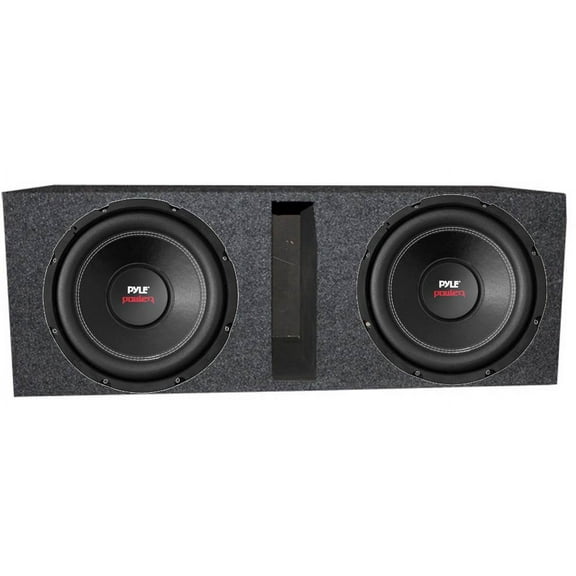
You can use enclosure type to shape how your bass feels in the cabin. You'll usually hear sealed boxes as tighter and more controlled, while ported boxes sound fuller and more forceful.
If you like punchy bass for rock or spoken audio, you may lean toward sealed designs. If you want stronger rumble for hip-hop or electronic tracks, you may prefer ported enclosures.
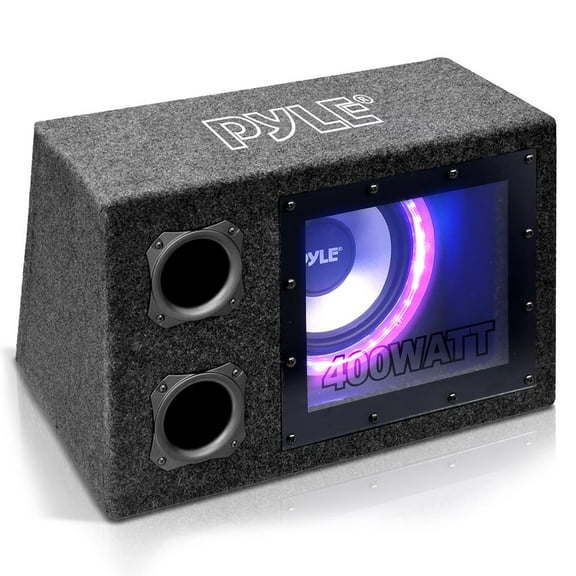
You may also compare bandpass and shallow mount options for specific vehicle layouts. You'll often use bandpass boxes for strong output, while shallow mount styles help when you have limited depth.
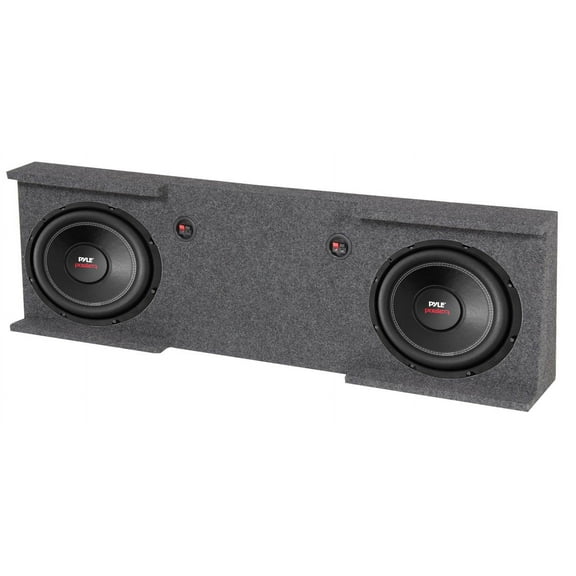
When you review Pyle car audio subwoofers, you should check whether the package includes the enclosure. You'll make installation planning easier when you know the box style before buying wiring and amplifier gear.
Comparing active and passive Pyle subwoofers
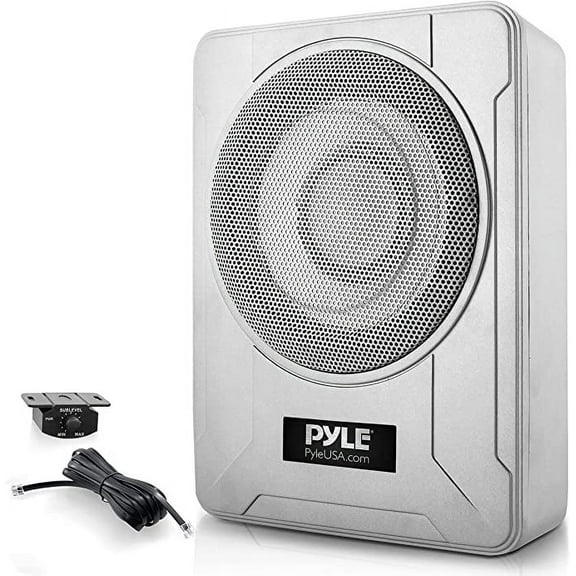
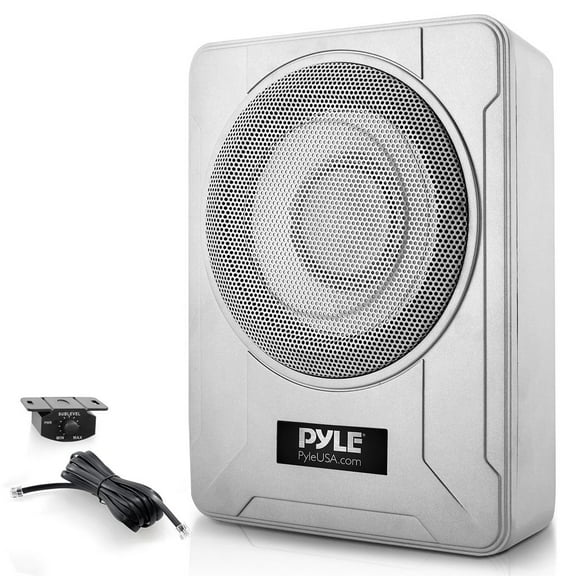
You can simplify your setup by choosing active models with a built-in amplifier. You'll reduce the number of separate components, which can help when you want a cleaner installation path.
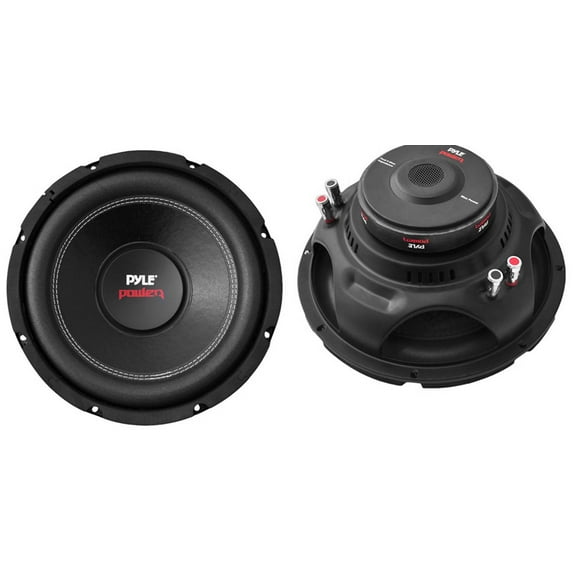
If you prefer more control, you may choose passive subwoofers and pair them with an external amp. You'll have more flexibility with power selection, tuning, and future system upgrades.
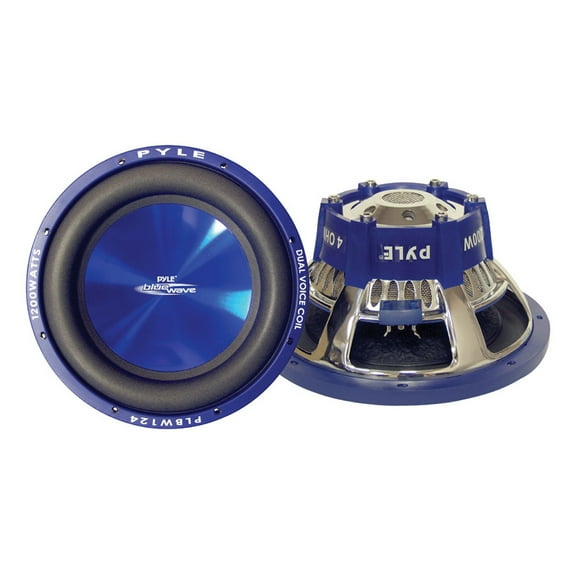
You should also look at voice coil configuration before finalizing your amp plan. You'll usually find single voice coil options easier to wire, while dual voice coil designs give you added wiring flexibility.
When you compare impedance in ohms, you can better match your subwoofer to your amplifier. You'll want the wiring plan to align with the amp's supported load for smooth system setup.
What to look for in power handling and fit
You should focus on RMS wattage when you compare daily listening performance. You'll get a clearer picture of continuous power handling than you would from peak numbers alone.
If you're matching an existing amplifier, you should compare RMS output and impedance together. You'll avoid guesswork when you know how much steady power your amp sends at a given ohm load.
Mounting depth matters when you install a subwoofer in a compact car or truck. You'll want enough clearance behind the woofer, especially when your box sits against a seat or side panel.
You can also check terminal style, enclosure shape, and cutout dimensions before installation day. You'll keep your build moving smoothly when your wiring, box, and mounting plan all line up.
Using Pyle car subwoofers in real vehicle setups
You might choose a compact sealed 8 inch or 10 inch setup for a daily commuter. You'll keep more trunk space while adding bass that fills out factory speakers.
If you drive an SUV or larger sedan, you may have room for a 12 inch ported enclosure. You'll hear stronger low-end extension, and you can build a system with more presence for longer drives.
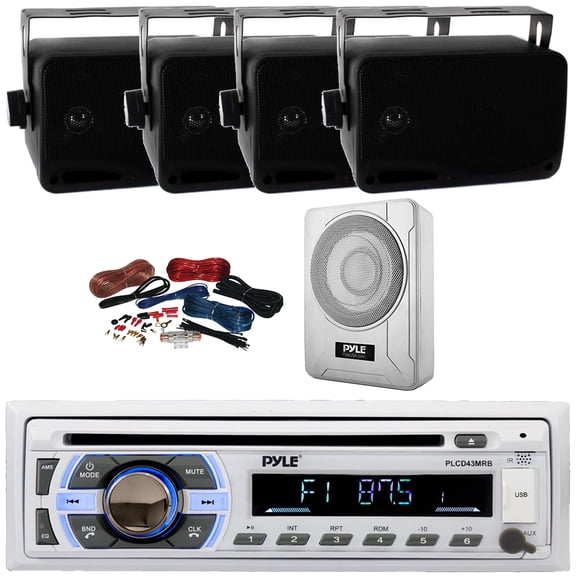
You can use active enclosed systems when you want fewer separate parts to install. You'll appreciate that approach if you're adding bass to an aftermarket stereo without building a fully custom setup.
If you're planning a more customized system, you may prefer passive subs with a dedicated amplifier. You'll have more freedom to match speaker wire, amp power, and enclosure style to your listening goals.
You should also think about the music you play most often. You'll usually want sealed boxes for tighter bass lines, while ported or bandpass designs suit heavier low-frequency output.
When you compare Pyle car subwoofers across sizes and configurations, you can narrow your choice with practical measurements first. You'll end up with bass that fits your vehicle, wiring plan, and everyday listening style.