

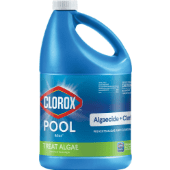

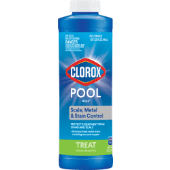
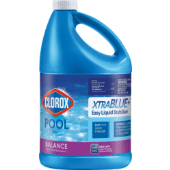
Pool Stabilizers in Pool Chemicals

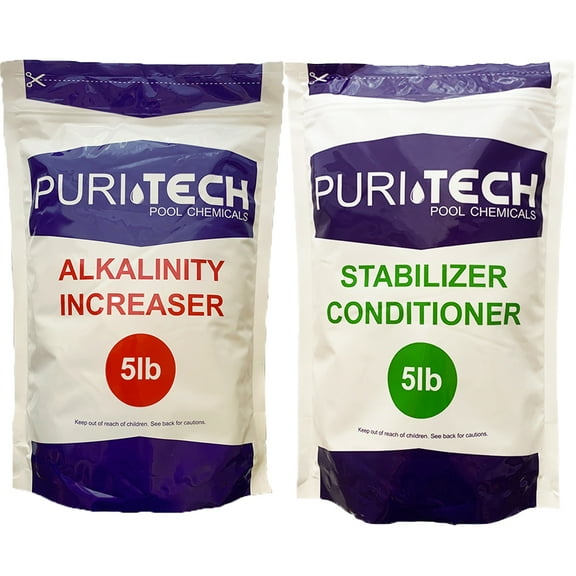

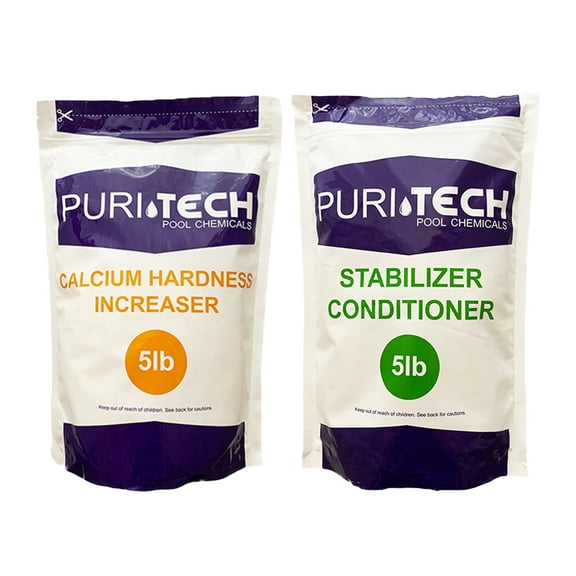
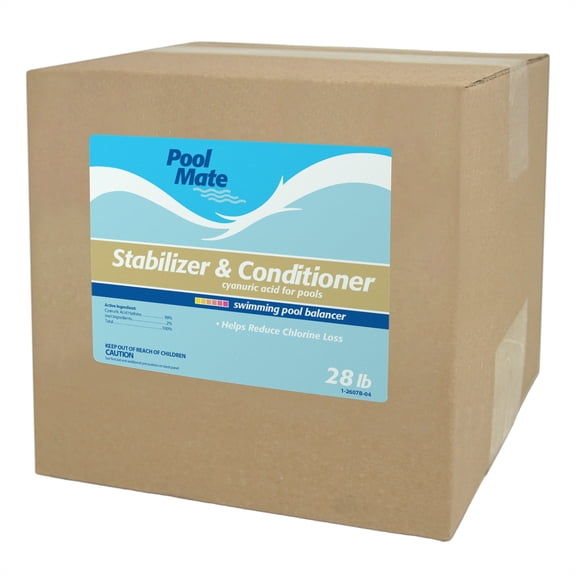

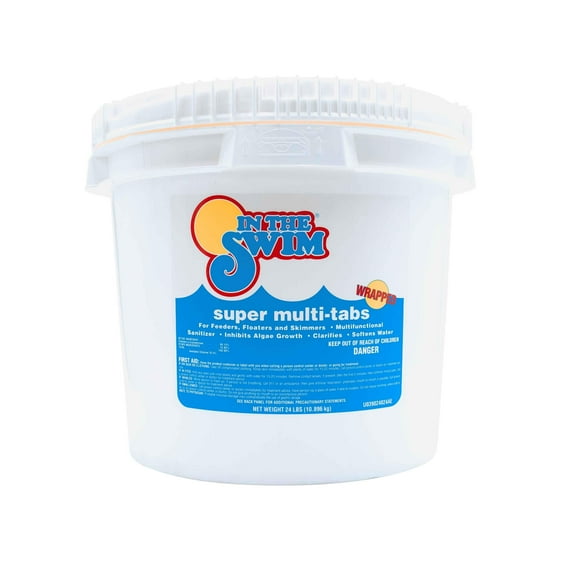


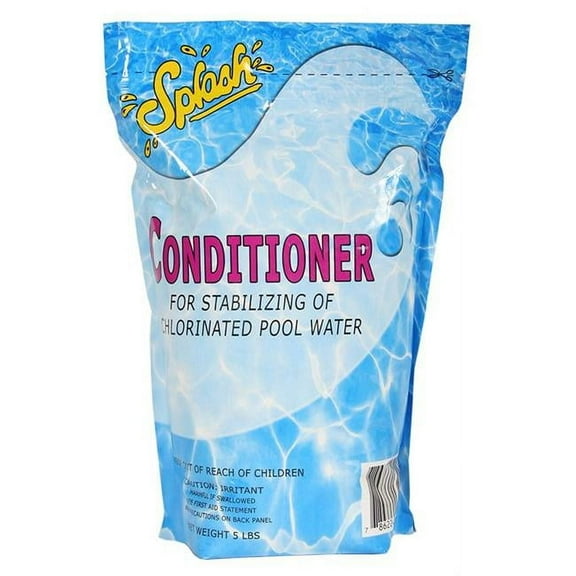
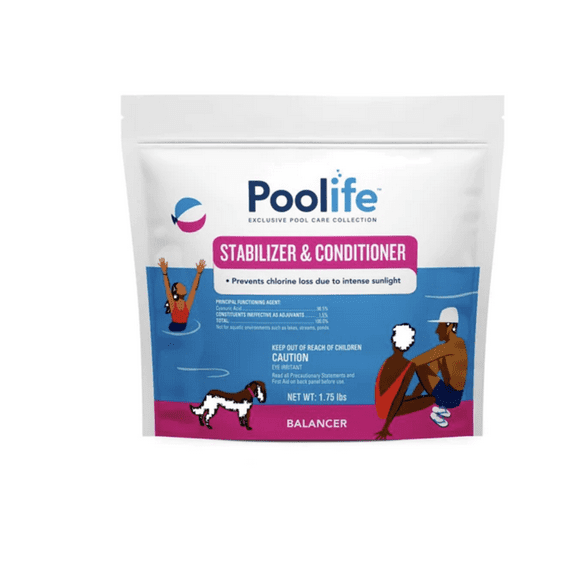


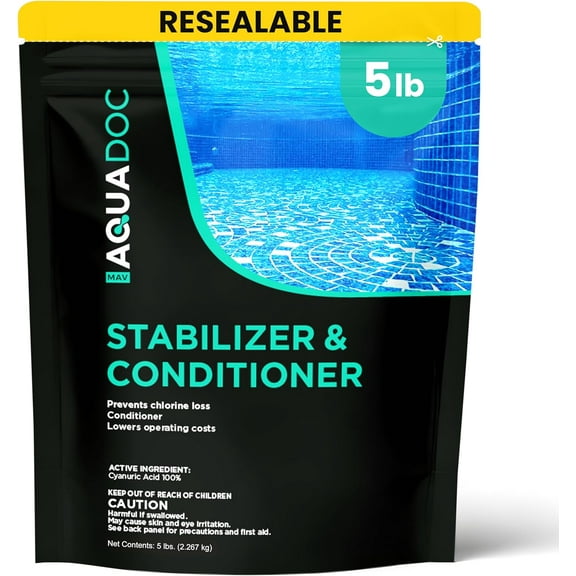
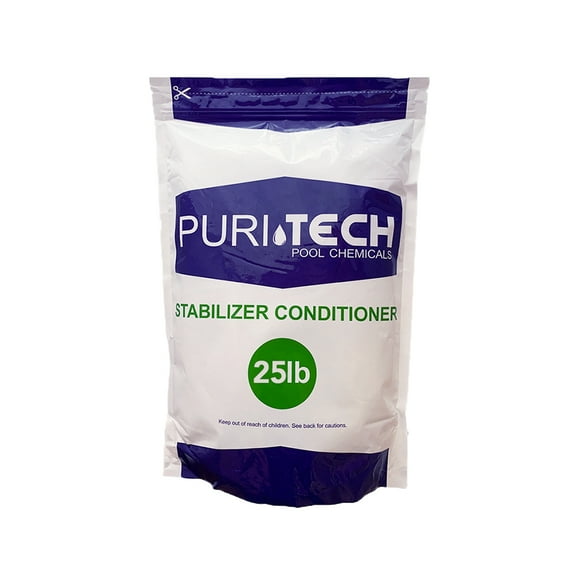
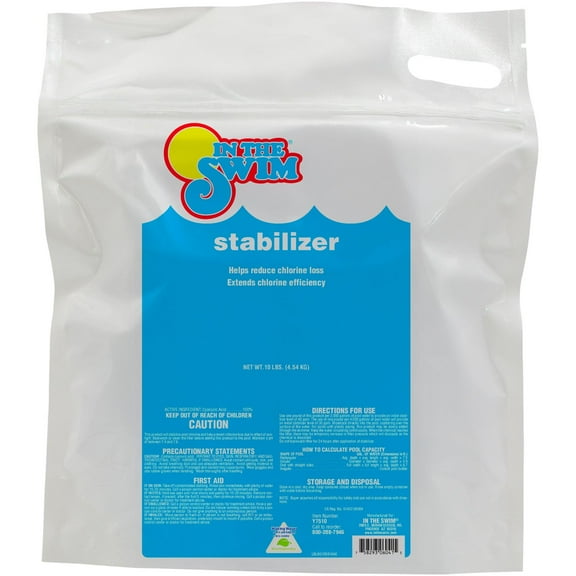
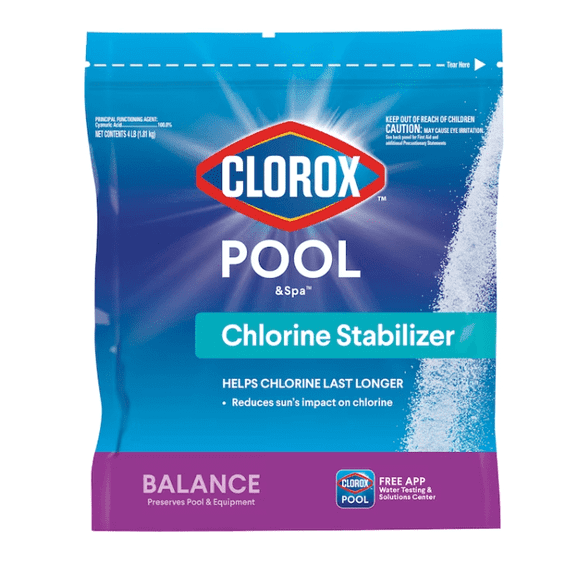
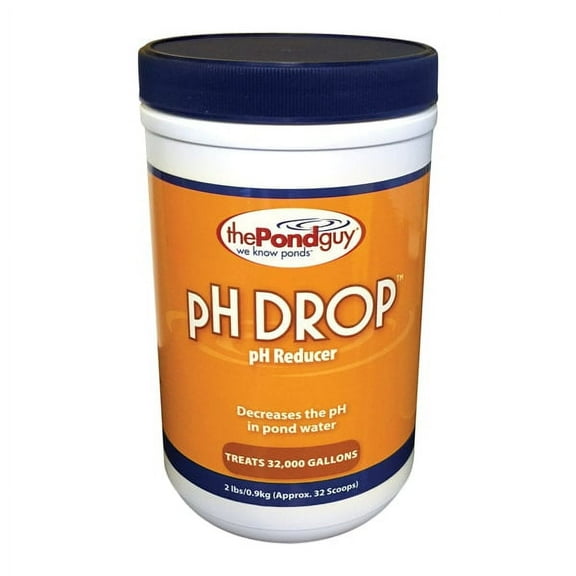
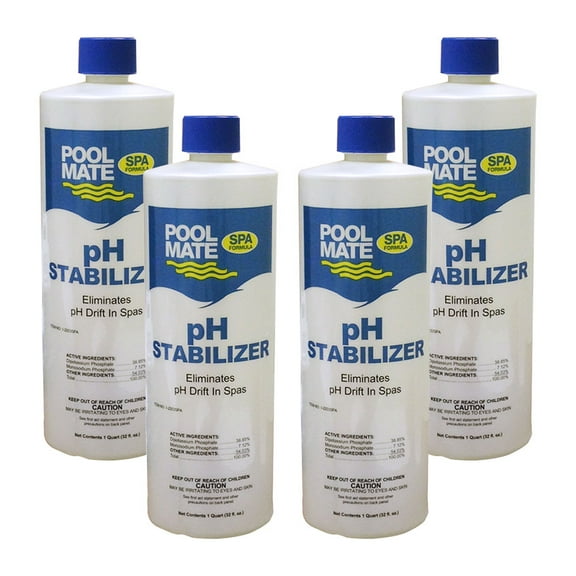
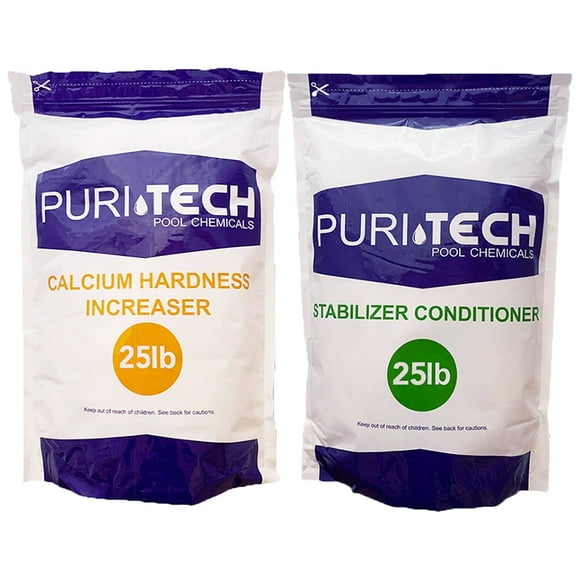





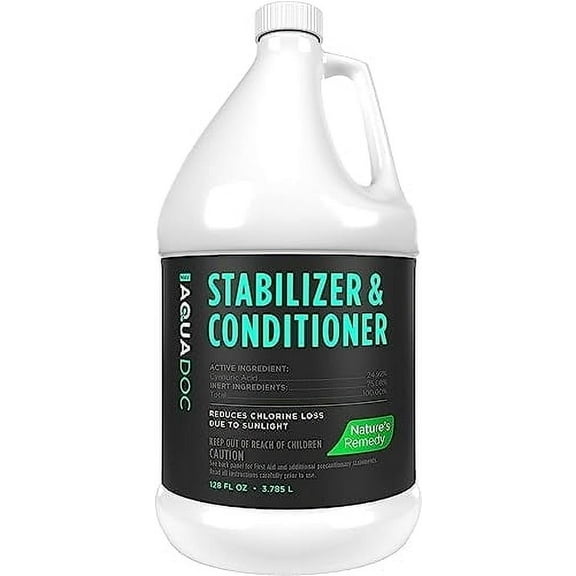
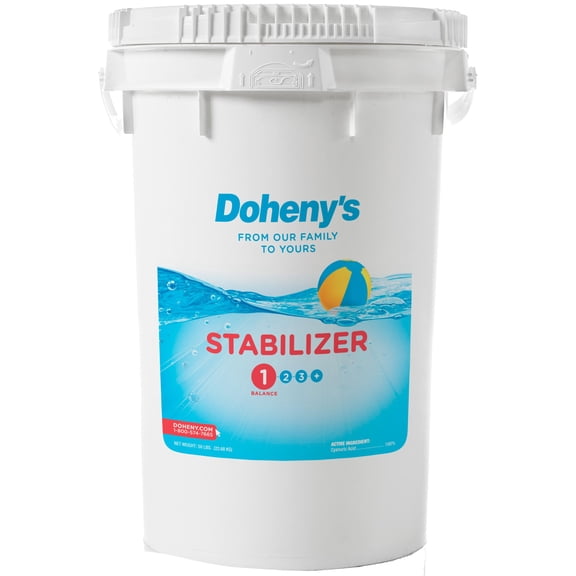
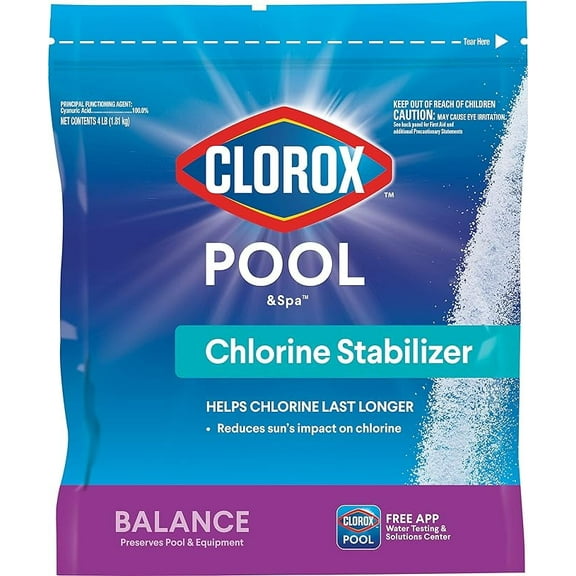

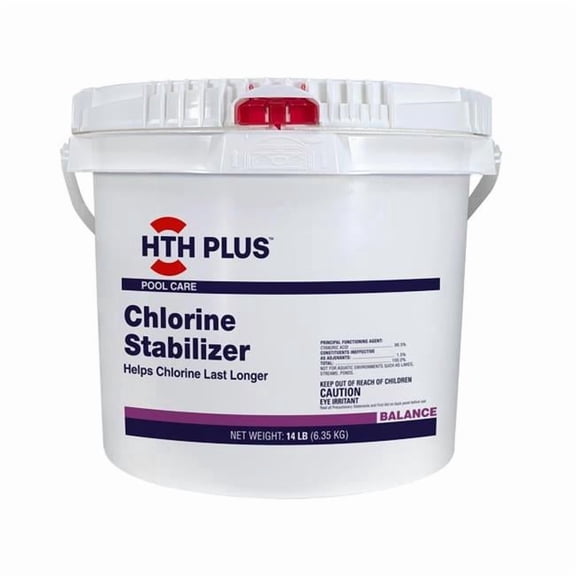
About Pool Stabilizers in Pool Chemicals - Walmart.com
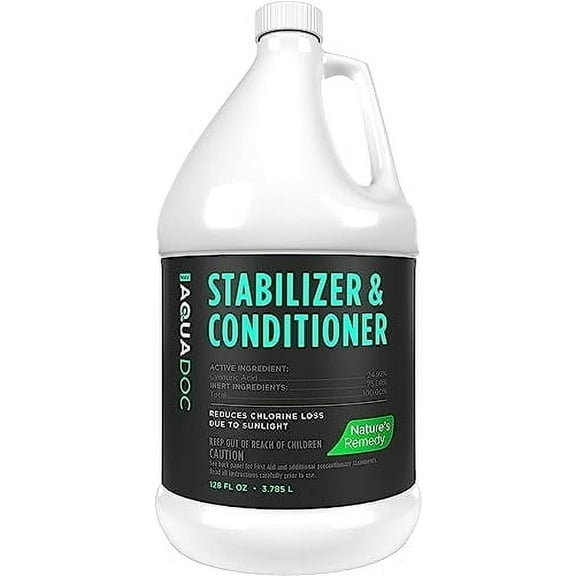
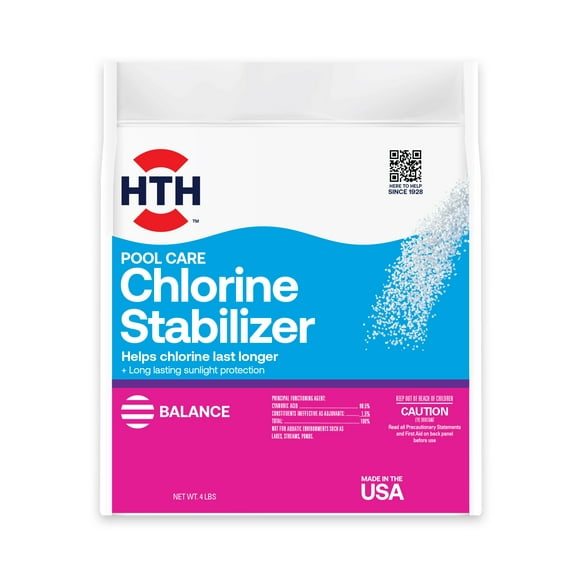
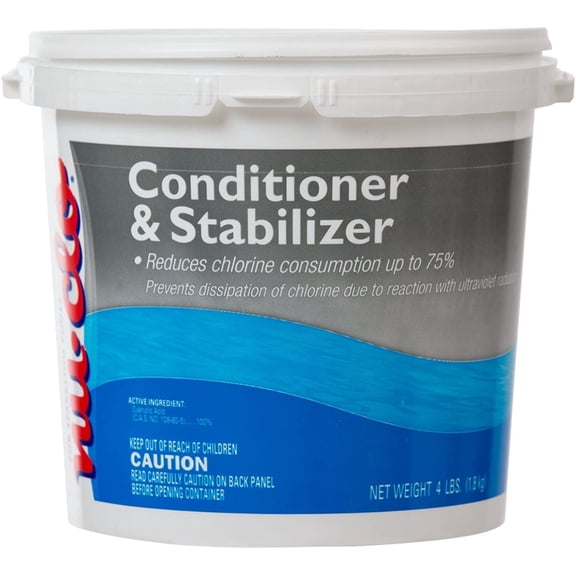
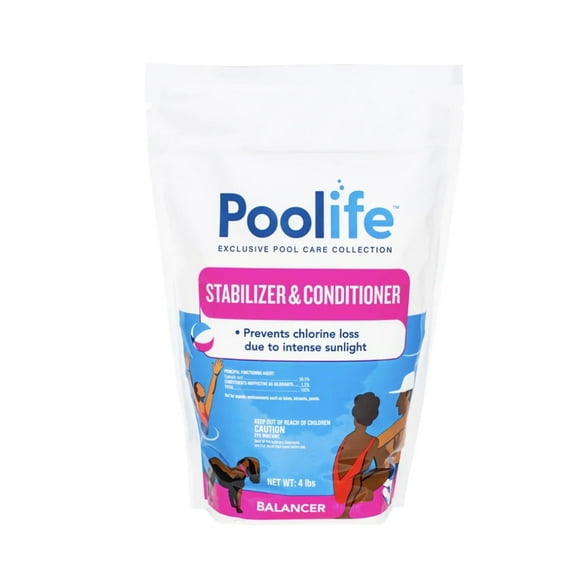
Choose a chlorine stabilizer for pool care that helps free chlorine last longer during sunny weather. Pool stabilizers, often called pool conditioner or stabilizer conditioner, add cyanuric acid for outdoor pools. That means you spend less time rebalancing water after bright afternoons.
On this page, you’ll find options for regular maintenance, seasonal openings, and heavy-use weeks. Many formulas dissolve fast when added through a skimmer or pre-dissolved in a bucket. Others come as granules for controlled dosing and easier storage.
Why a pool water stabilizer matters
A pool water stabilizer helps chlorine last longer when sunlight is strong. When stabilizer levels are in range, daily swings can feel more manageable. That can mean fewer surprise adjustments after a weekend of swimming.
Stabilizer also works well when you use chlorinating tablets in a floater or feeder. Tablets can add some stabilizer over time, depending on the type you use. Adding a separate pool stabilizer helps you reach a target range without overcorrecting.
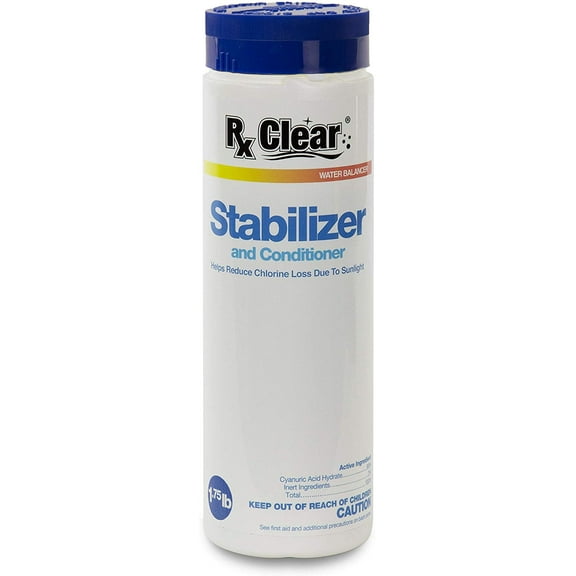
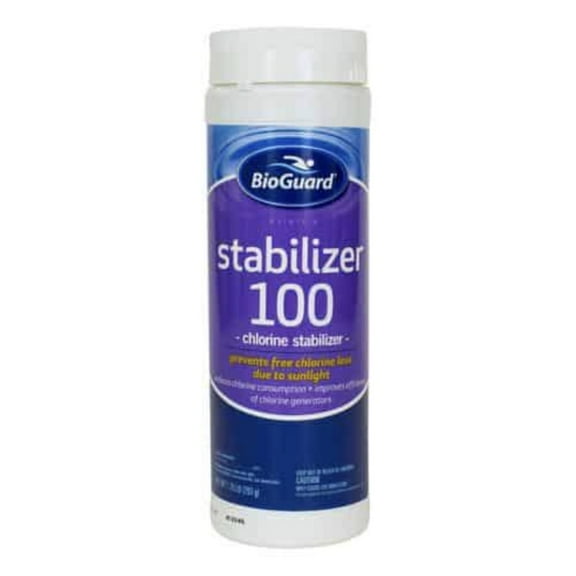
Pool conditioner and pool stabilizer usually refer to the same job in the water. Many shoppers search both terms when they mean cyanuric acid. Labels may say “stabilizer,” “conditioner,” or “stabilizer conditioner.”
Benefits you’ll notice with pool stabilizer
Using a swimming pool stabilizer can make routine upkeep feel simpler during sunny weeks. The goal is steadier free chlorine results between tests. That supports a more consistent swim day plan.
Pool stabilizers can fit many pool types, including above ground and in-ground setups. They’re often compatible with chlorine tablets, liquid chlorine, and saltwater chlorine generators. Matching stabilizer level to your chlorine source helps keep your chemistry plan organized.
- Supports longer-lasting chlorine performance during bright, outdoor conditions.
- Helps maintain a more consistent routine for testing and dosing.
- Pairs well with tablets, feeders, floaters, and many sanitizer systems.
- Useful for pool openings, mid-season corrections, and ongoing maintenance.
Many people also like that stabilizer is a targeted product with one main job. You can adjust cyanuric acid without shifting other balance factors as much. That separation helps when you’re reviewing a test strip or kit reading.
Choosing the right chlorine stabilizer for pool
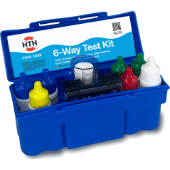
Start by checking your current cyanuric acid reading using a pool test kit. Many pool care guides discuss a typical target range around 30 to 50 ppm. Product directions and pool type can change the right number for you.
Next, choose a product form that matches how you like to dose chemicals. Granular pool stabilizer is common and easy to measure with a scoop. Look for formulas labeled as quick-dissolving for easier distribution.
Pay attention to pool size coverage and dosage charts on the label. Many products guide you by gallons and desired ppm increase. Measuring accurately helps you avoid repeating corrections.
Look for clear instructions on where to add the product. Add some stabilizers to the skimmer with the pump running. Broadcast others in the deep end after dissolving, based on label directions.
If you’re maintaining a saltwater system, stabilizer still matters. Sunlight can affect free chlorine in salt pools, too. A pool chlorine stabilizer can support steadier readings from your generator output.
Common use cases for pool stabilizers and conditioners
Pool openings are a popular time to add stabilizer conditioner. Fresh fill water often starts with low cyanuric acid. Adding stabilizer helps set a foundation for the season’s chlorine plan.
Hot, bright months can call for mid-season adjustments. If tests show stabilizer has drifted low, you may see faster chlorine drop-offs. Adding a pool water stabilizer helps you return to a steadier routine.
Above ground pools can benefit from careful dosing because water volume is smaller. A measured addition helps keep changes controlled. Many owners prefer granular products for precise scoops.
In-ground pools with automatic feeders often use tablets for steady chlorination. Over time, you might want a separate pool stabilizer to fine-tune cyanuric acid. That supports balance without changing your feeder setup.
After heavy rain or partial drain and refill, chemistry can shift quickly. Fresh water can dilute cyanuric acid levels. Retesting and adding a chlorine stabilizer for pool maintenance helps reset your target.
Finish your routine with a clear, measurable result
When you match stabilizer level to your pool size and sanitizer method, maintenance becomes easier to track. Test, measure, and dose using the label directions and your pool kit readings. A well-chosen pool stabilizer supports steadier chlorine performance through sunny days.