

Pool Filters Near Me | In Store & Online at Walmart




![Clear Choice Pool Spa Filter 9.94 Dia x 25.31 in Cartridge Replacement for Waterway Pool 150 Baleen AK-80001, [1-Pack]](https://i5.walmartimages.com/seo/Clear-Choice-Pool-Spa-Filter-9-94-Dia-x-25-31-in-Cartridge-Replacement-for-Waterway-Pool-150-Baleen-AK-80001-1-Pack_0769bcdc-21bd-43d9-a969-ba7a9e58e6e0_1.3c9bc2cbc6200ae2098e68c4578d510d.png?odnHeight=576&odnWidth=576&odnBg=FFFFFF)




















About Pool Filters Near Me | In Store & Online at Walmart - Walmart.com
You can compare pool filters more efficiently when you match filter type, pool style, and connection size before you choose. You also get clear direction for seasonal opening, regular cleaning, and replacement compatibility.
How to choose pool filters by filter type
You should start with filter type because your upkeep routine changes with each option. You can compare sand, cartridge, and diatomaceous earth styles by cleaning method and regular maintenance.
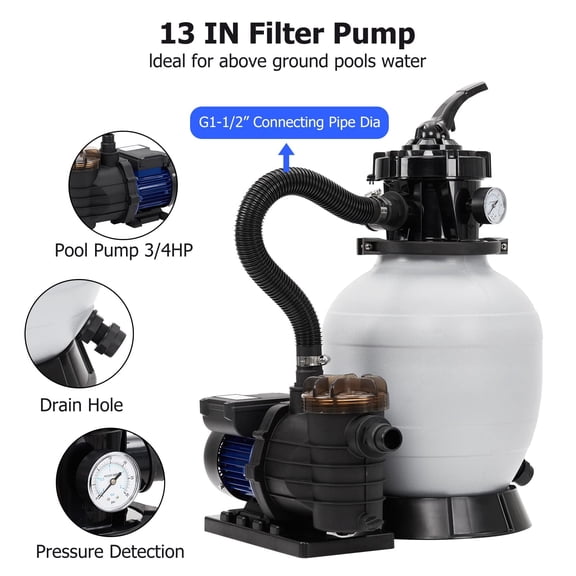
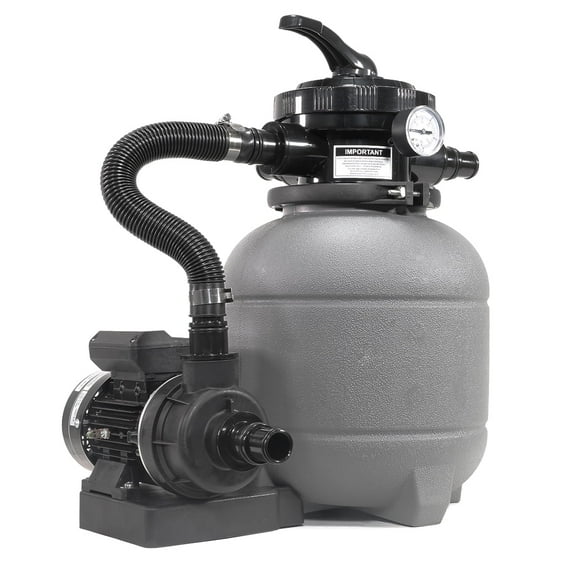
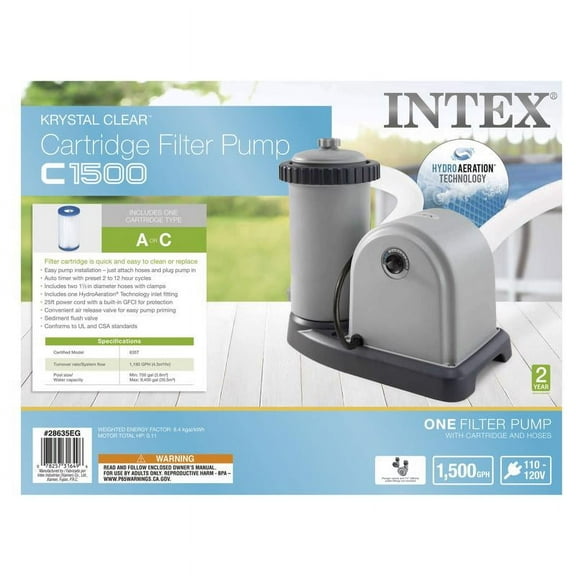
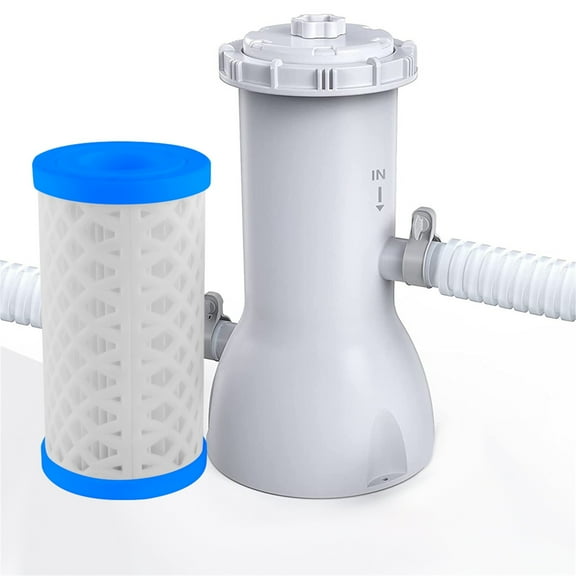
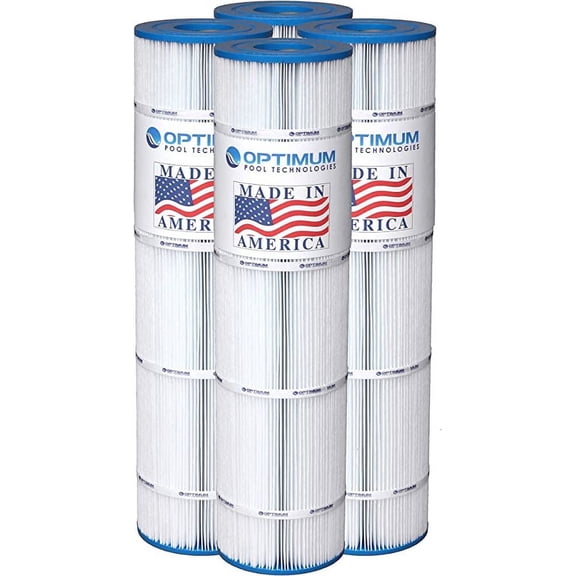
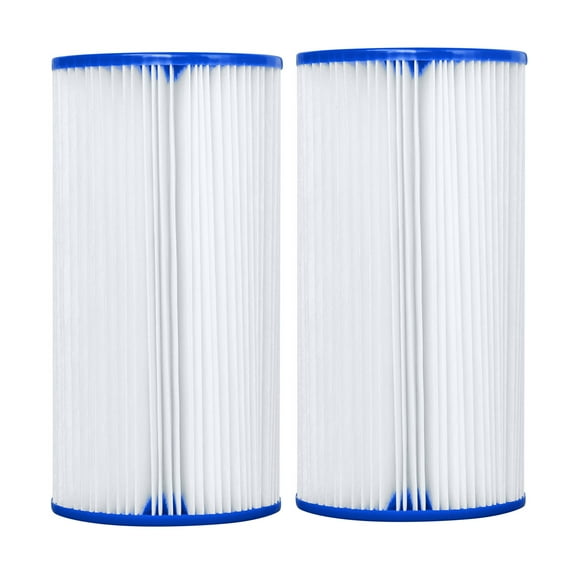
If you want simple rinsing, you may prefer cartridge pool filters for quick removal and washdown. If you want backwashing, you may lean toward pool sand filters for familiar upkeep.
You can also compare D.E. options when you want fine debris capture and a different cleaning routine. You should check your system requirements first, so your replacement fits your setup.
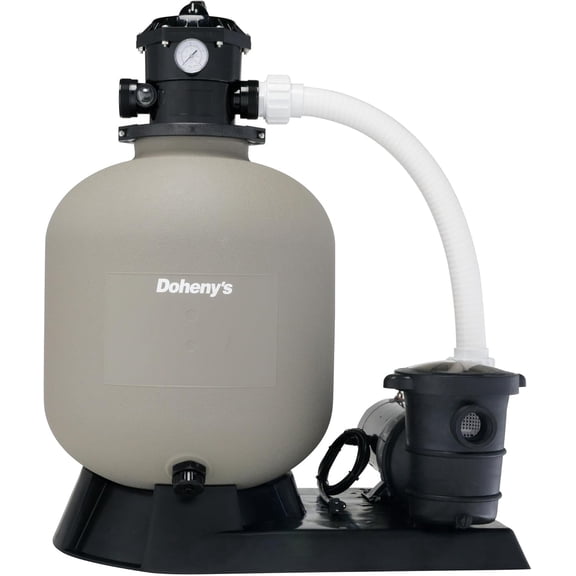
- You can choose sand systems when you want backwashing instead of hand-rinsing a cartridge.
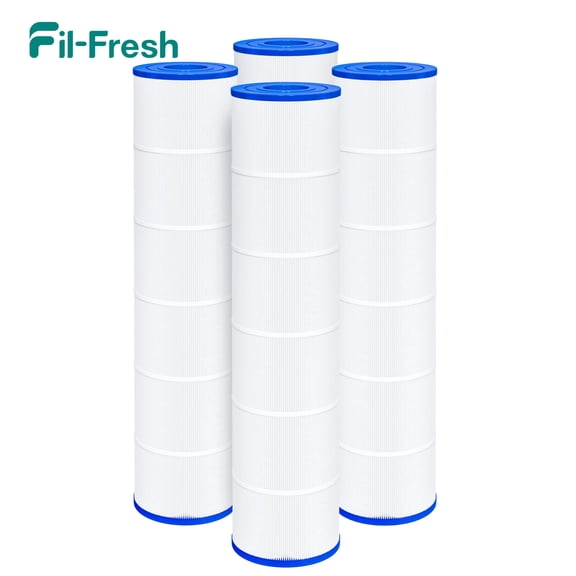
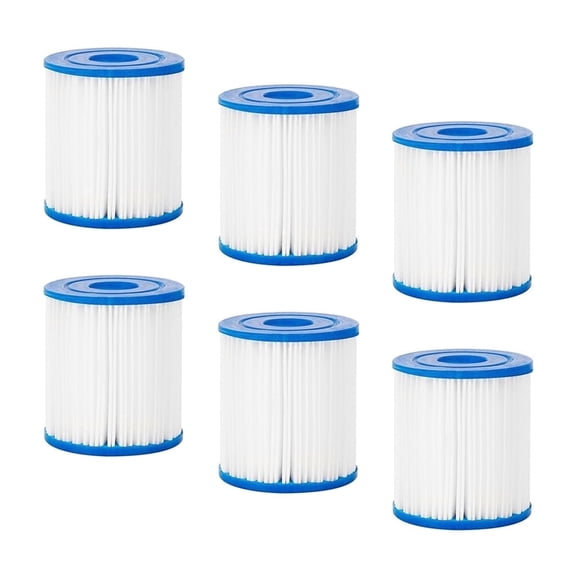
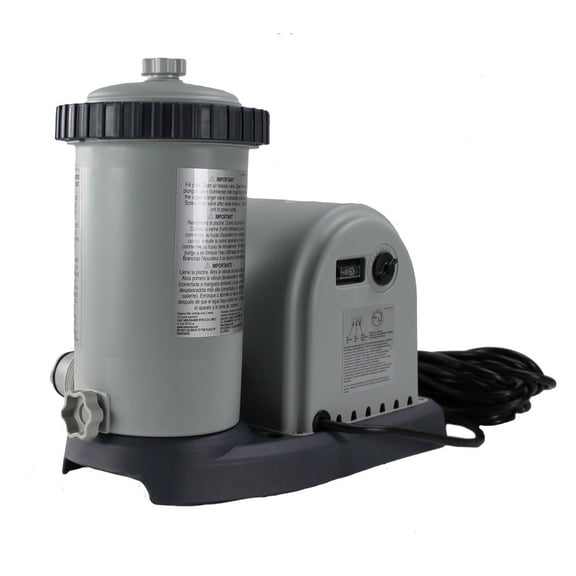
- You can choose cartridge styles when you want a compact filter body and straightforward element changes.
- You can compare D.E. systems when you want another filtration format for specific pool equipment setups.
- You should match the filter type to your pump, hose size, and maintenance routine.
Choosing above ground pool filters and inground options
You should compare pool type next because above ground and inground setups often use different equipment layouts. You can avoid mismatches when you check your pool style before comparing swimming pool filter systems.
For above ground pool filters, you’ll usually look closely at hose routing, footprint, and pump pairing. For inground setups, you’ll often compare larger housings, plumbing connections, and higher flow ranges.
You can also use your pool model and equipment pad space as quick screening tools. You should measure available room first, so your filter system fits where your current unit sits.
What to look for in flow rate capacity
You should compare GPH ratings because flow rate affects how your system circulates water through the filter. You can use pool volume and pump output together when choosing a practical capacity range.
If your setup runs under 1000 GPH, you may want a smaller unit for compact seasonal pools. If your setup falls between 1000 and 2000 GPH, you can cover many common above ground systems.
You should consider 2000 to 4000 GPH when your pool holds more water or runs longer cycles. You can explore 4000+ GPH options when your larger setup needs stronger circulation support.
You should compare gallons and GPH together instead of guessing from appearance alone. You can get consistent day-to-day performance when your pump and filter ratings stay in the same working range.
Checking connection size and compatibility
You should verify hose and port measurements before you choose, because connection size affects whether installation feels straightforward. You can commonly compare 1.25 inch, 1.5 inch, and 2 inch connections across pool filters.
If your current hoses use 1.25 inch fittings, you should stay within that size unless your system supports adapters. If your setup uses 1.5 inch or 2 inch plumbing, you can focus on matching those measurements exactly.
You should also check model compatibility when you replace a worn unit or filter element. You can often narrow choices by your pool brand, pump model, or existing housing dimensions.
When you compare compatible brand information, you can screen options for common systems from major pool equipment makers. You should still confirm specs on your current setup before you finalize your selection.
How maintenance habits shape your choice
You should think about cleaning frequency before choosing a filter, because upkeep affects how your pool routine feels all season. You can save time on comparisons when you know whether you prefer rinsing or backwashing.
With cartridge styles, you’ll usually remove the element and rinse it before reinstalling it. With sand systems, you’ll usually use a backwash setting to clear trapped debris from the media bed.
You can also compare replacement intervals and access points when you want straightforward routine care. You should look for a design that matches how often you plan to clean and reopen your pool.
Using pool filters for seasonal setup and replacement planning
You can use these decision points during spring opening, midseason maintenance, or full equipment replacement. You should compare filter type, pool type, GPH, and hose diameter before replacing an older unit.
If you’re refreshing an above ground setup, you may pair compact systems with matching hoses and manageable footprints. If you’re updating a larger installation, you can focus on stronger flow ranges and larger connection sizes.
You should also think about winter storage and startup needs when comparing housings and service access. You can make preseason prep simple when your system allows straightforward draining, cleaning, and reassembly.
You’ll shop with more confidence when your filter matches your pool volume, plumbing size, and cleaning routine. You can narrow the right setup quickly and keep your water system running with fewer compatibility surprises.