

Pool Cues in Pool & Billiards


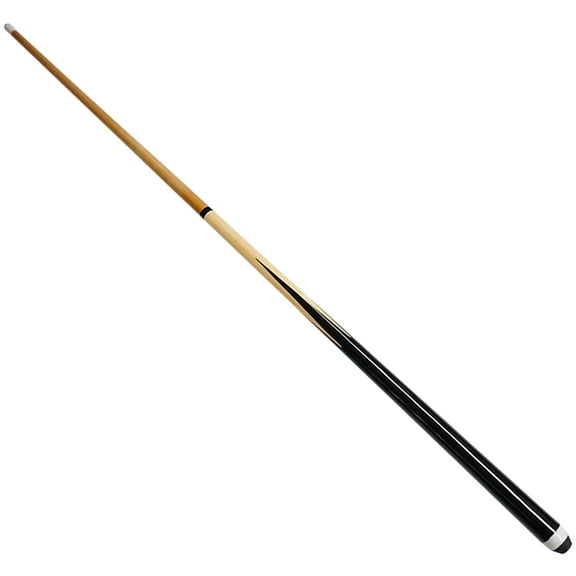


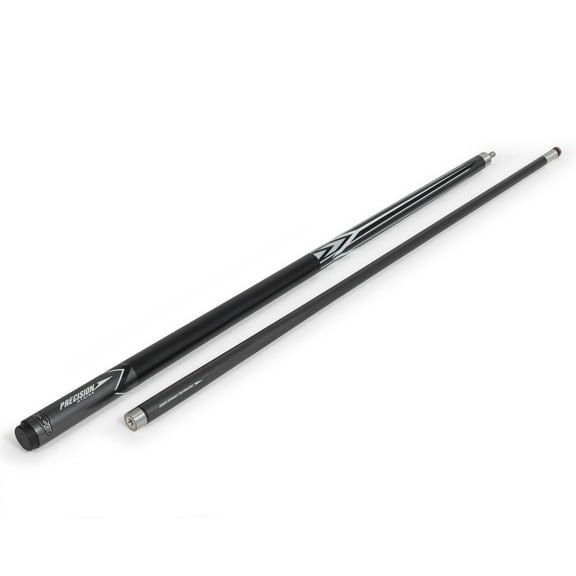


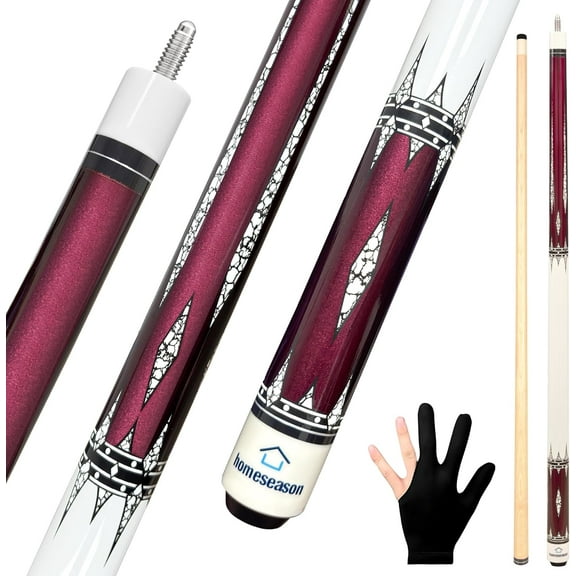


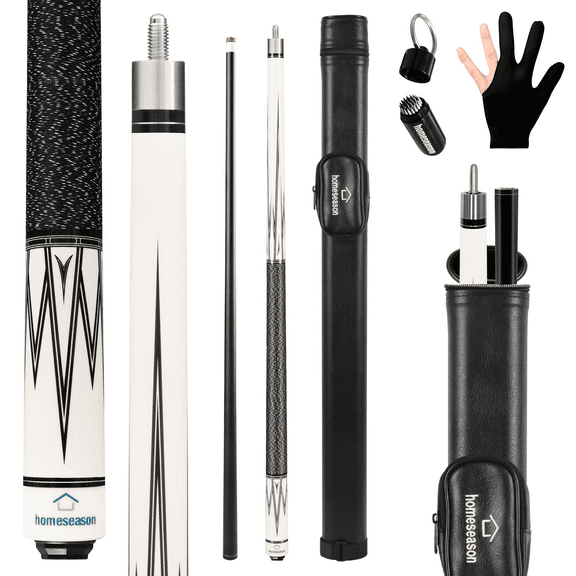












About Pool Cues in Pool & Billiards - Walmart.com
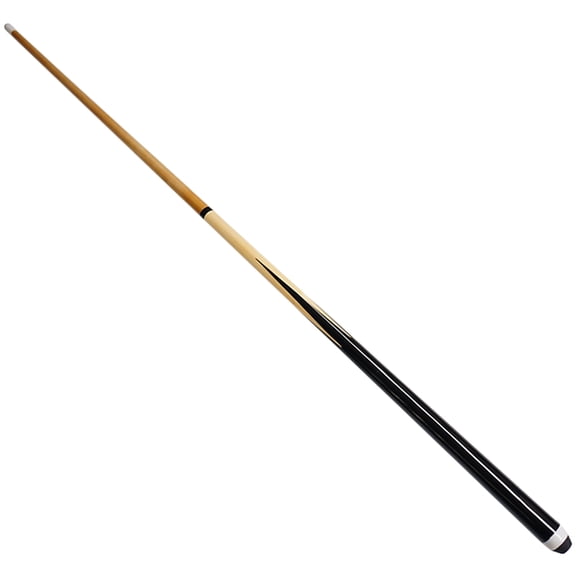
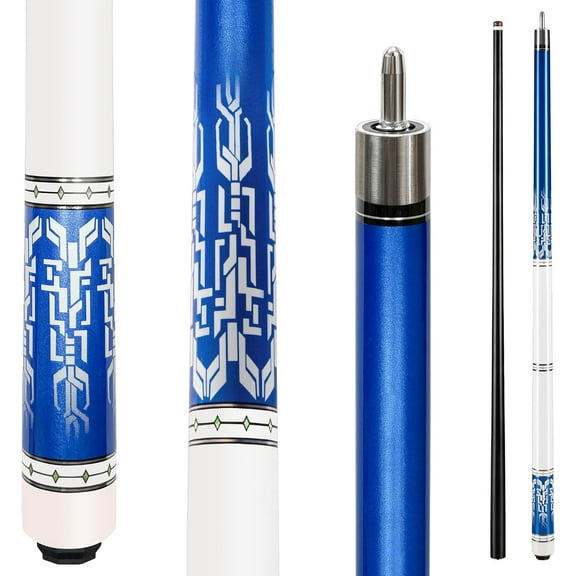
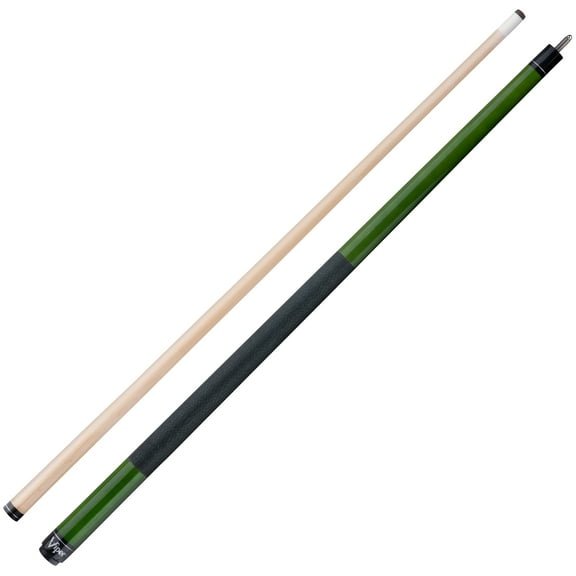
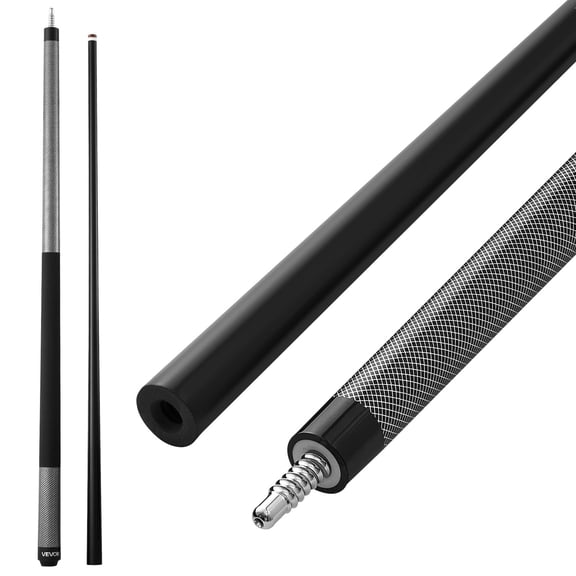
McDermott pool cues give you a focused way to compare weight, shaft material, joint fit, and wrap feel before you choose your next playing cue. You can use this guide to sort through brand-specific options that matter at the table, including maple construction, two-piece designs, and cue shaft compatibility.
How to choose McDermott pool cues
When you compare McDermott pool cues, you should start with the decisions that shape how your stroke feels in real play. You can narrow your options faster by checking cue weight, shaft material, joint type, and wrap style first.
A brand-specific page helps you focus on details that wouldn't matter on a generic billiard cues page. You can compare joint systems, shaft builds, and grip materials without guessing which combinations fit your routine.
Choosing the right cue weight
You should measure cue weight first because it changes how much feedback and push you feel on each shot. You may prefer 18 oz or 19 oz if you want a lighter swing. You may choose 20 oz or 21 oz if you like a steadier, more planted feel.
With lighter weights, you can move the cue quickly on finesse shots and soft position play. With heavier weights, you may notice extra momentum on longer table shots and firmer breaks.
- You can look at 18 oz for a quick, light feel.
- You can compare 19 oz for balanced control and easy movement.
- You can choose 20 oz when you want a classic all-around weight.
- You can consider 21 oz if you prefer a heavier stroke response.
As you compare options, you should think about your stroke tempo instead of chasing a number alone. Your comfort over a full session usually matters more than a dramatic weight change.
Comparing pool cue shafts and shaft materials
You should compare shaft material next because it affects hit feel, feedback, and cue ball response. You may see Hard Rock Maple, Carbon Fiber, and G-Core Maple listed across pool cue shafts.
Hard Rock Maple gives you a traditional feel that many players know well from classic maple pool cues. Carbon Fiber can give you a sleek, consistent surface with a modern look and easy upkeep.
If you compare G-Core Maple, you should look for a familiar maple feel with a more technical build. You can use that middle-ground option when you want classic wood character with added consistency.
You may also see low-deflection language when you compare shaft technology. In plain terms, that means you can expect less cue ball squirt on off-center hits, which helps your aim feel more predictable.
Checking joint type and compatibility
You should check joint type carefully because it affects how your cue sections connect and which parts fit together. You may see 3/8x10, Quick Release, and Uni-Loc options on McDermott billiard cues.
When you read pin specs, you should treat them as fit details, not filler numbers. A 3/8x10 joint tells you the pin size and thread pattern, which helps you compare shaft compatibility more accurately.
Quick Release joints let you connect sections with fewer turns, which you may prefer for fast setup. Uni-Loc designs also focus on quick assembly, while 3/8x10 joints often appeal if you want a classic threaded connection.
Before you choose a replacement shaft, you should match the joint system exactly to your butt section. Your cue can only perform as expected when the pin style and thread pattern line up correctly.
Picking the wrap feel you want
You should compare wrap type by hand feel because your grip comfort can change from the opening rack to the final shot. You may find Irish Linen, Leather, and No Wrap constructions across McDermott pool sticks.
Irish Linen gives you a textured grip that many players like for a dry, traditional feel. Leather gives you a smoother, cushioned touch that can feel a bit more substantial in your bridge hand.
If you choose No Wrap, you get direct contact with the cue handle material and a cleaner profile. You may prefer that option when you want a simple look and uninterrupted hand placement.
How these choices fit your game
You can use these attribute combinations to match the way you practice, compete, or play at home. A 19 oz cue with Hard Rock Maple and Irish Linen may suit you if you want a classic feel.
You may lean toward a 20 oz cue with G-Core Maple and a Quick Release joint if you want familiar feedback with modern convenience. A Carbon Fiber shaft with a No Wrap handle may fit you if you prefer a sleek setup and easy maintenance.
If you carry your cue often, you should also think about how a two-piece build works with your case and accessories. You can pair your setup with billiard accessories like cue cases, billiard balls, and table gear for a more complete routine.
When you compare McDermott pool cues this way, you can make a cleaner decision based on weight, shaft behavior, joint fit, and grip feel. Your final choice should give you a cue that feels consistent from practice sessions to league night.