



Poker Supplies & Sets: Chips, Tables & Cards | Walmart










































About Poker Supplies & Sets: Chips, Tables & Cards | Walmart - Walmart.com
You can build a smooth game night with poker gear that matches your table, player count, and favorite card format. You’ll find category choices that cover chip counts, case styles, and accessories for Texas Hold'em and other casino-style games.
How to choose poker gear for your table
You should start with the kind of game you host frequently and the number of players you expect. You can narrow your choices when you compare poker sets, poker chips, and poker tables by real use.
If you host casual rounds, you may want a compact setup with playing cards and a smaller chip count. If you run longer sessions, you may prefer larger cases, table layouts, and dedicated dealer accessories.
What to look for in poker sets and accessories
You’ll notice the right category mix keeps your game moving without constant resets or missing pieces. Your setup can feel organized when chips, cards, and accessories fit one case or table plan.
- You can match chip count to your guest list and avoid short stacks during longer rounds.
- You can choose materials that fit your preferred chip feel, sound, and table presentation.
- You can pick a case style that keeps cards, buttons, and chips easy to carry and store.
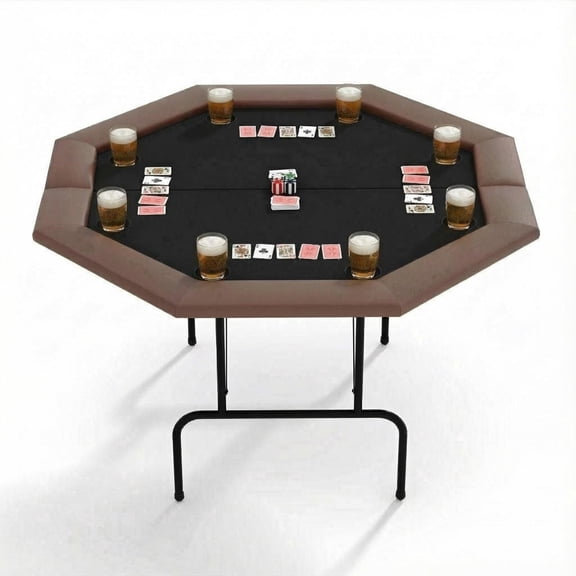
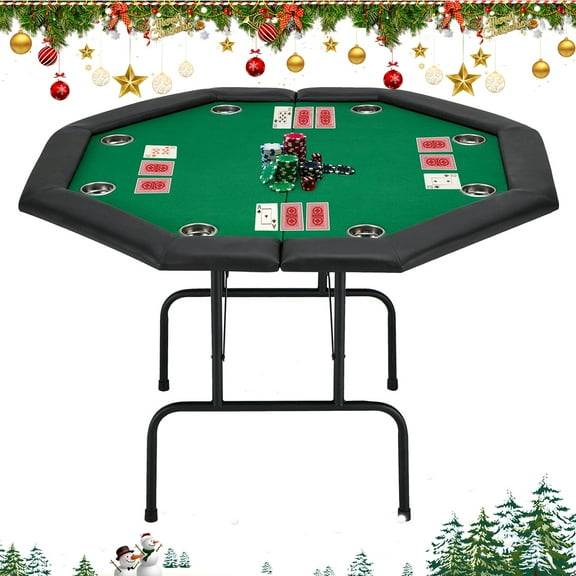
- You can add poker tables or toppers that define betting areas and card placement.
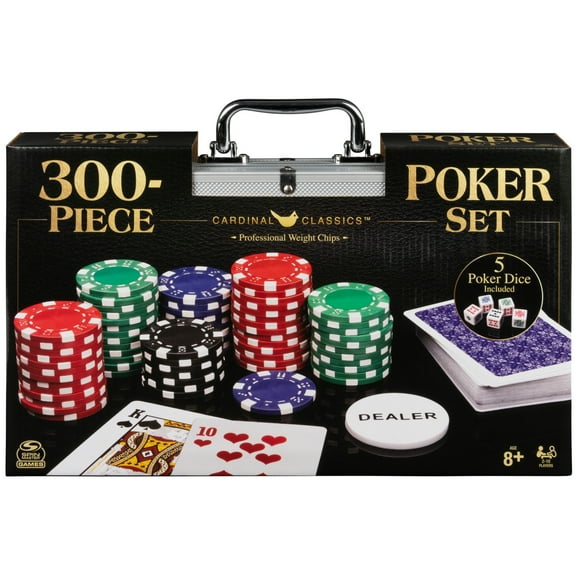
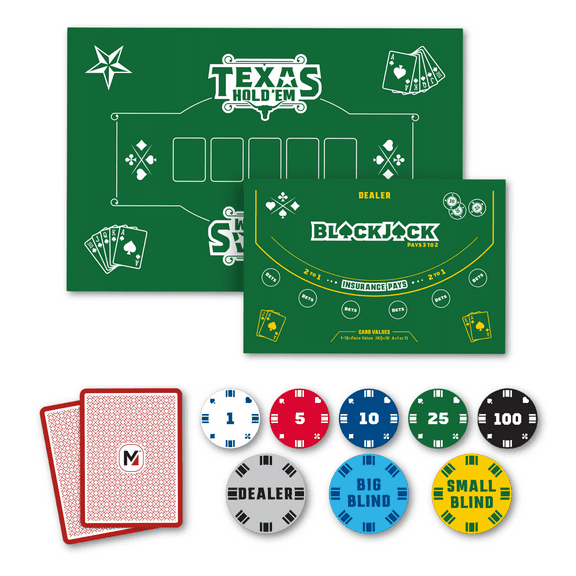
For social nights, you may want a set that includes dealer buttons, dice, and playing cards together. That kind of completeness helps you start quickly and keep your table focused.
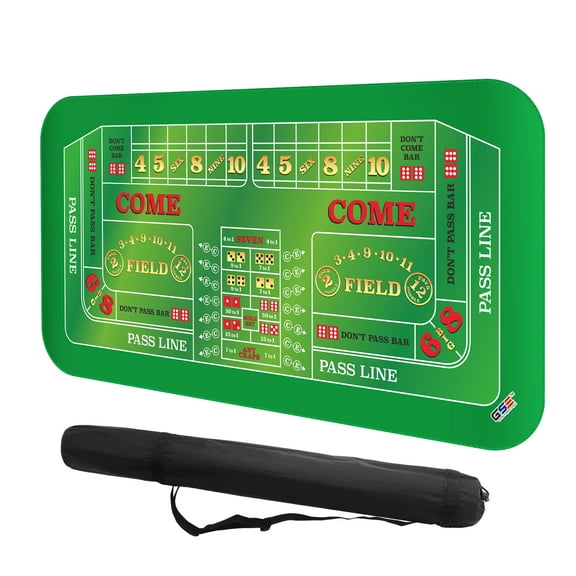
When you rotate between games, you can compare layouts that support texas holdem, blackjack, roulette, or baccarat. Your gear can stay useful across different nights instead of serving one format only.
Choosing poker chips by count and material
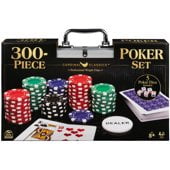
You should compare chip count first because it shapes how many players you can seat comfortably. A 100 chip set often fits quick heads-up play, while 300 chips cover smaller home groups.
If you host fuller tables, you may want 500 chips for regular game nights with rebuys. For larger gatherings or mixed games, 1000 chips can give your table added flexibility.
Material also changes how your chips feel in your hand and sound on the table. You’ll usually find plastic chips lighter, while clay composite options bring added weight and texture.
If you want a familiar casino-style feel, you may compare clay poker chips with ceramic styles. Ceramic chips often show crisp graphics, while clay composite chips can deliver a textured stack feel.
You may also see wood storage pieces that shape the overall presentation rather than the chip body itself. Those options can suit display-minded setups or recurring hosted events at home.
Comparing poker sets, cases, and included accessories
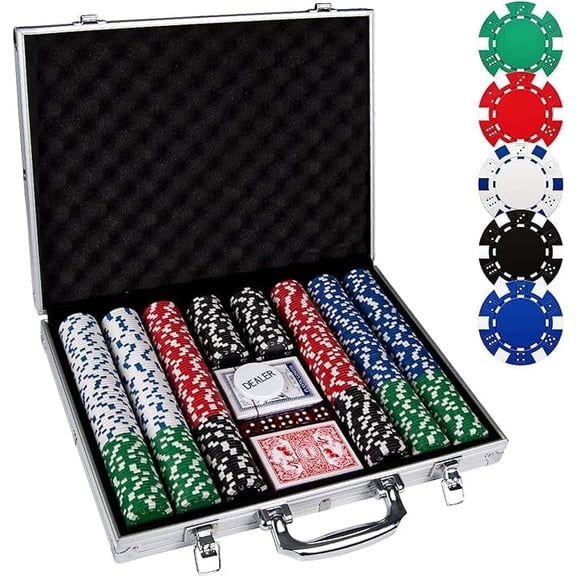
You should check what each set includes before you decide on size or material alone. Your ideal poker sets may include playing cards, dealer buttons, blind buttons, and dice in one case.
Case style matters because you’ll handle your set before and after every game. An aluminum case can feel highly structured and portable, while a leather case can offer a refined storage look.
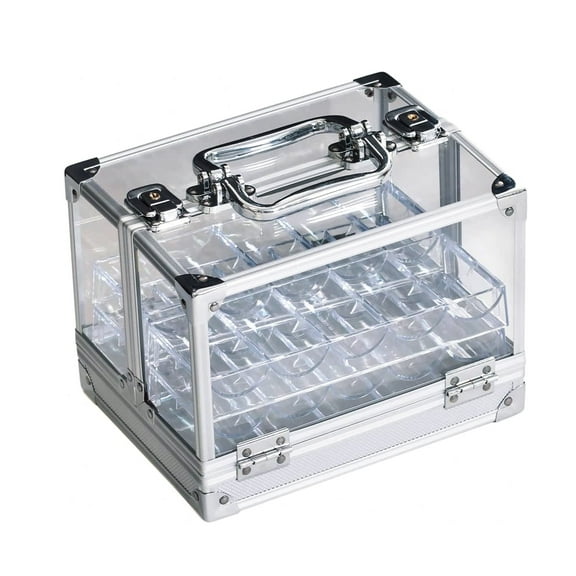
If you want something decorative for a den or rec room, you may compare a wooden carousel. If you prefer clear visibility, an acrylic carrier can help you see chip colors quickly.
You’ll also want to compare insert layouts that keep stacks separated and cards protected. Your setup stays simple to reset when each accessory has a defined spot.
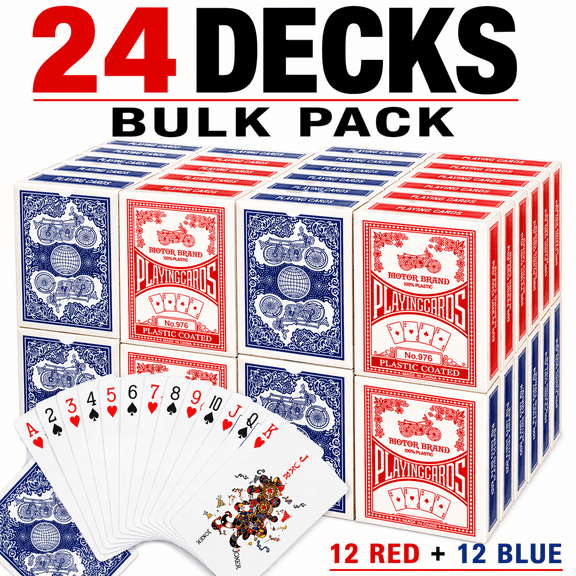
For frequent hosting, you may appreciate card shufflers that support setup between rounds and help maintain flow. You can pair those with extra decks when your group plays several game types.
Choosing poker tables and layouts for your space
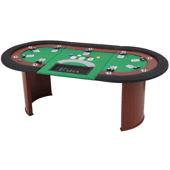
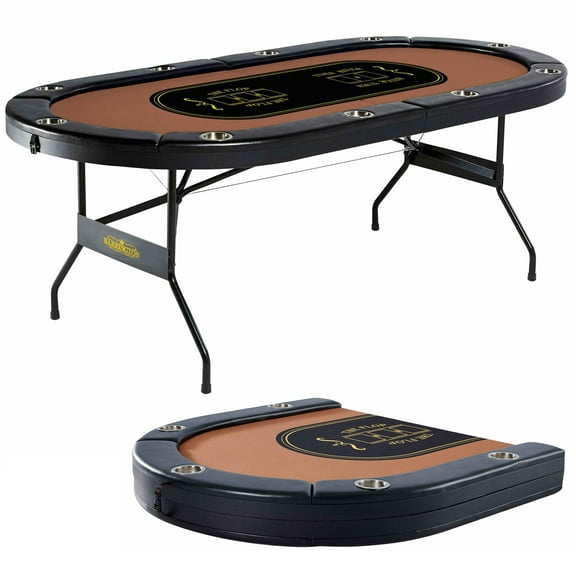
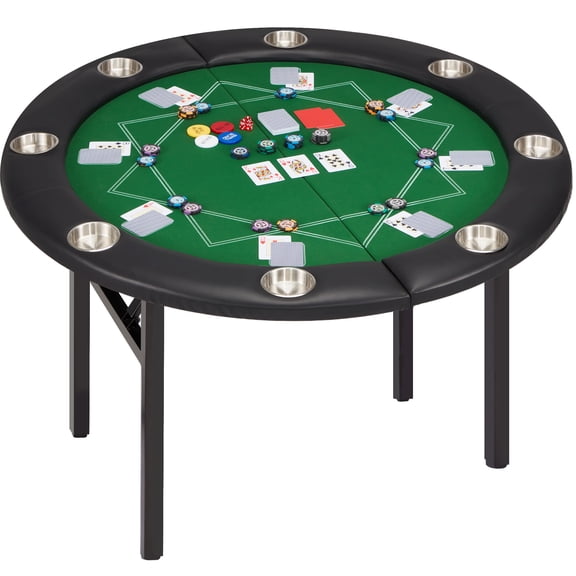
You should measure your room before you pick poker tables or table accessories. Your seating plan, walkway space, and storage needs all affect which layout makes sense.
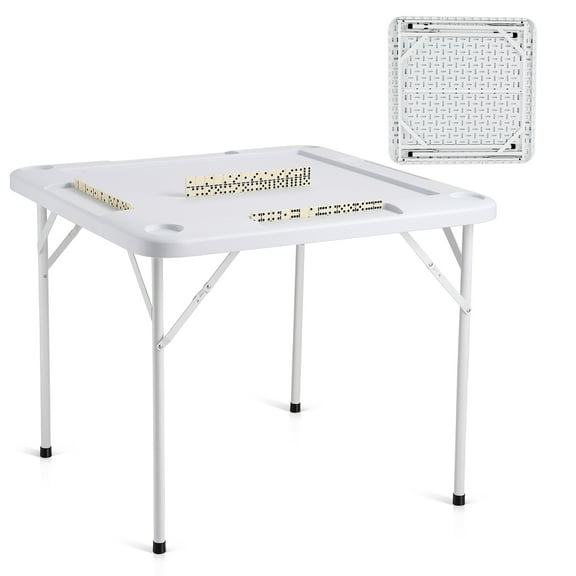
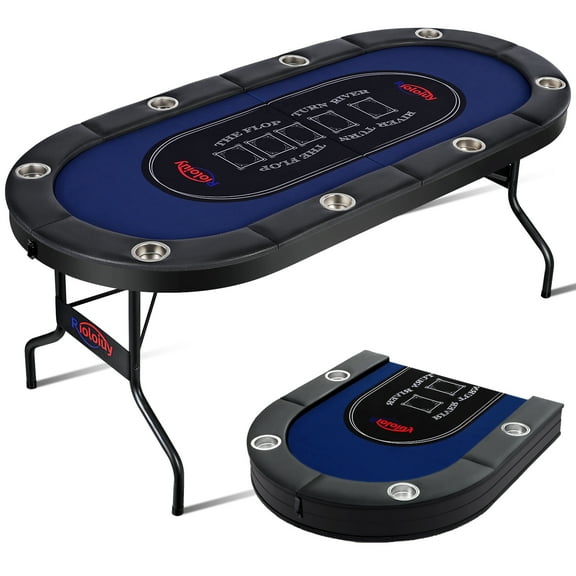
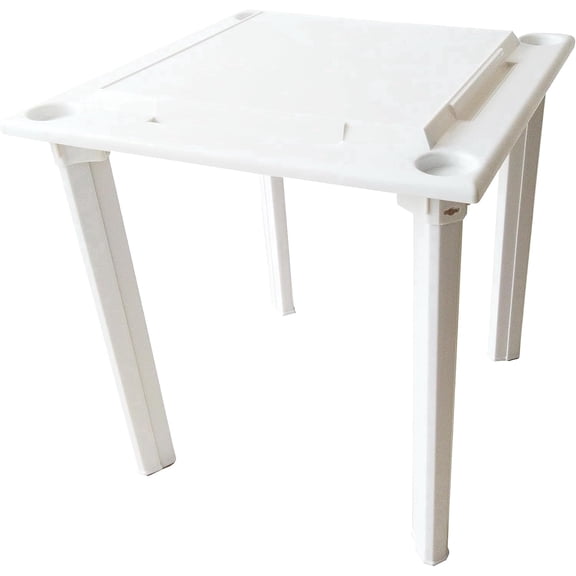
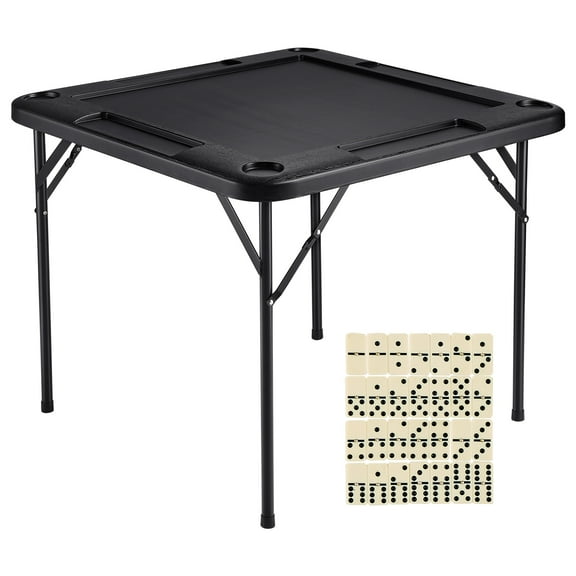
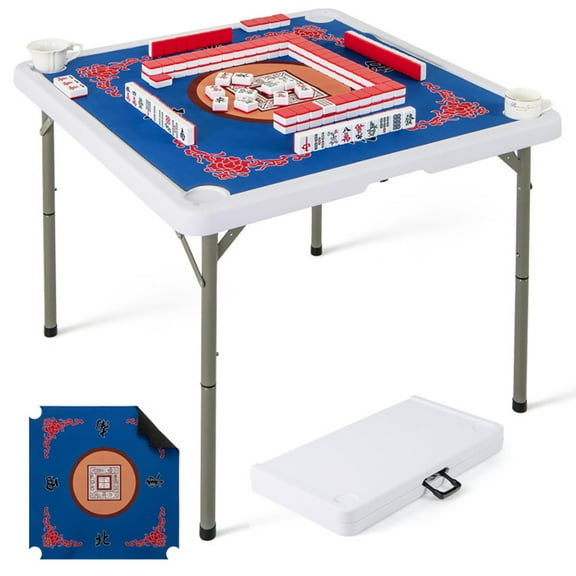
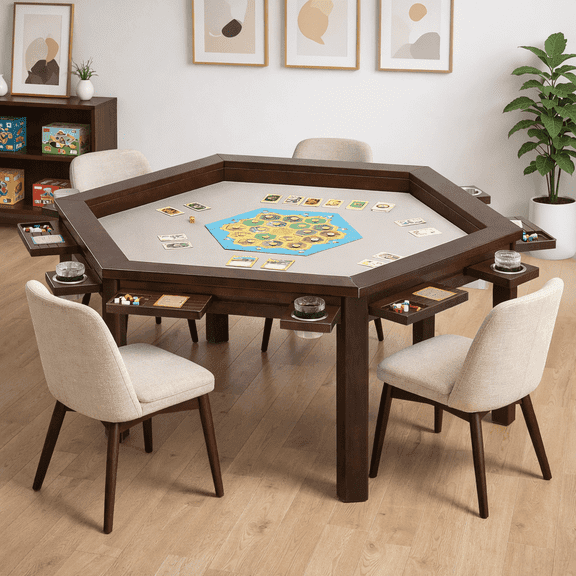
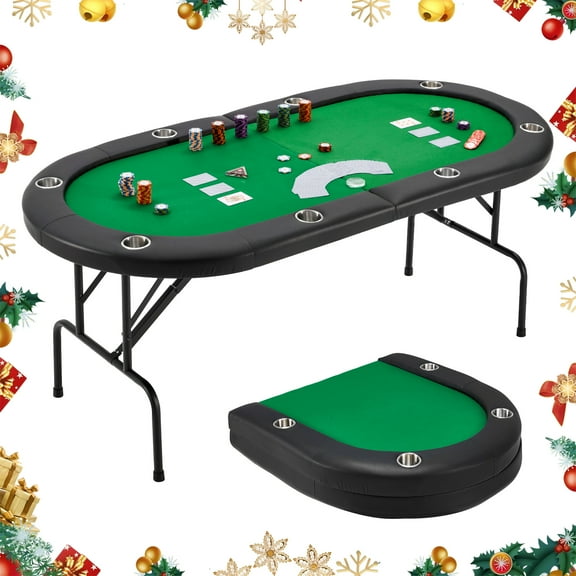
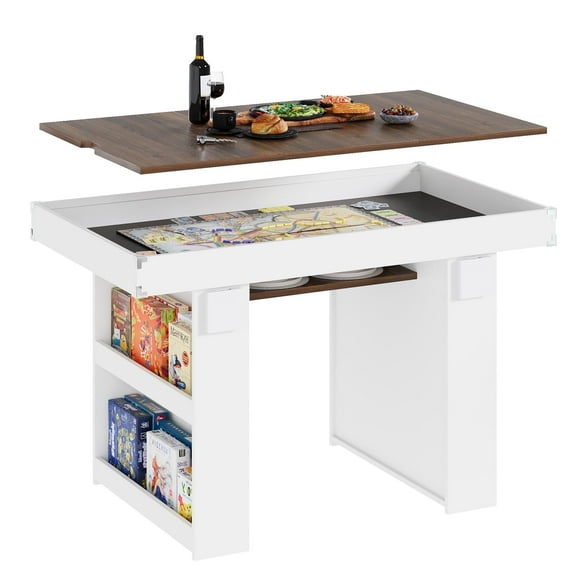
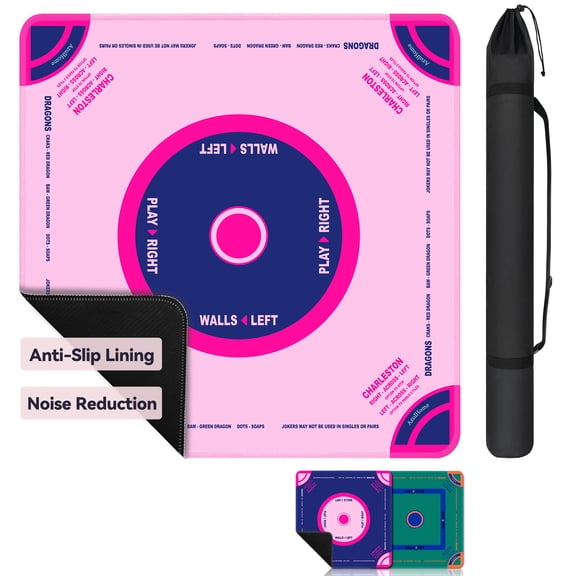
If you host in flexible spaces, you may prefer portable options that store easily after play. A dedicated table can create a focused surface, while a topper can adapt an existing table.
You’ll want enough edge space for chips, cards, and drinks without crowding the center. Your players can stay comfortable when each seat has defined personal room.
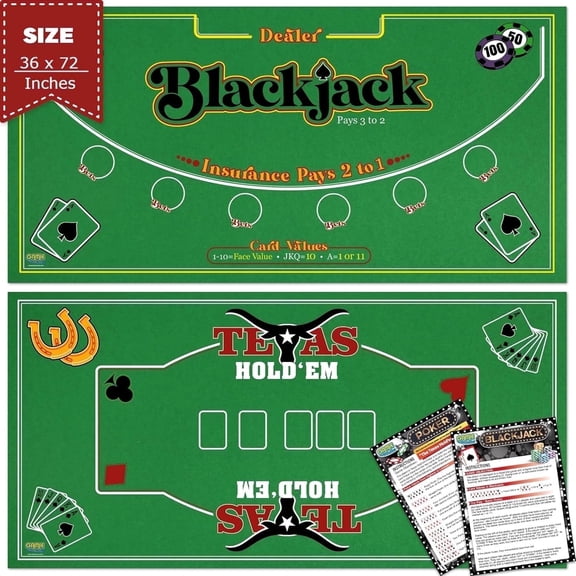
Layout also changes how different games feel at home. Texas holdem often benefits from a clear dealer position, while blackjack and baccarat can call for different card and betting arrangements.
Matching item types to your game night
You can build a simple setup with poker chip sets, playing cards, and a carrying case for casual evenings. That combination fits apartments, shared spaces, or occasional hosting.
For recurring groups, you may add poker tables and card shufflers to support smooth pacing. Your game night can feel structured when every round has a clear place and process.
If your group likes variety, you can compare gear that works across roulette, blackjack, baccarat, and texas holdem. Your setup is simple to reuse when accessories support multiple table formats.
You may also choose by atmosphere as much as function. Your preferred mix of chip material, case style, and table layout can shape a polished home card room experience.
With poker choices built around chip count, material, item type, and case design, you can create a setup that fits your room and routine. You’ll play with fewer interruptions and a table that feels ready from the first deal.