

Outlets with Switch in Outlets

















About Outlets with Switch in Outlets - Walmart.com
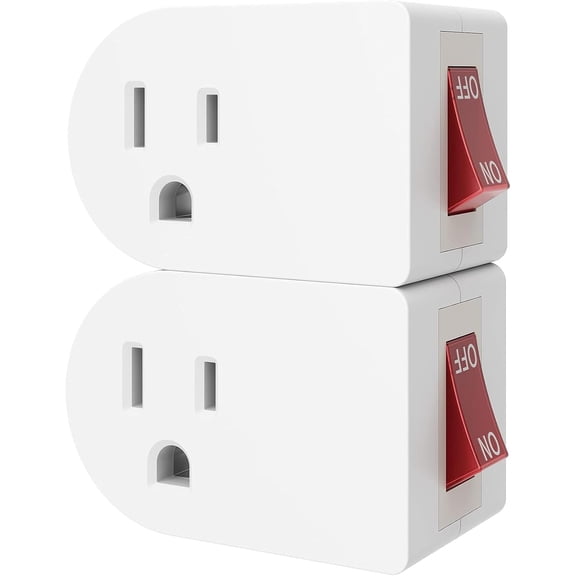
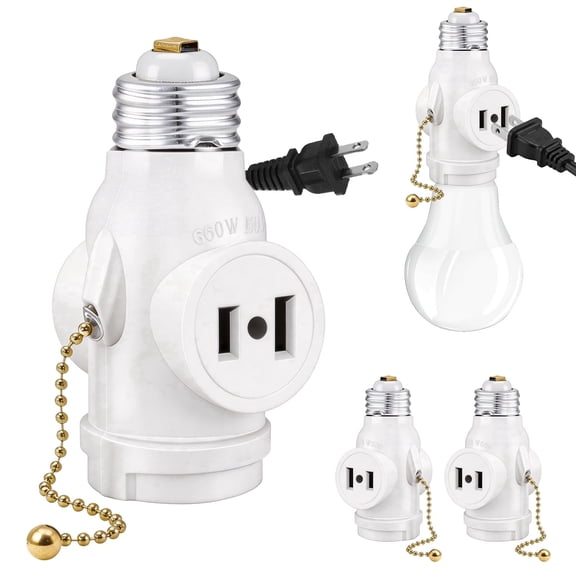
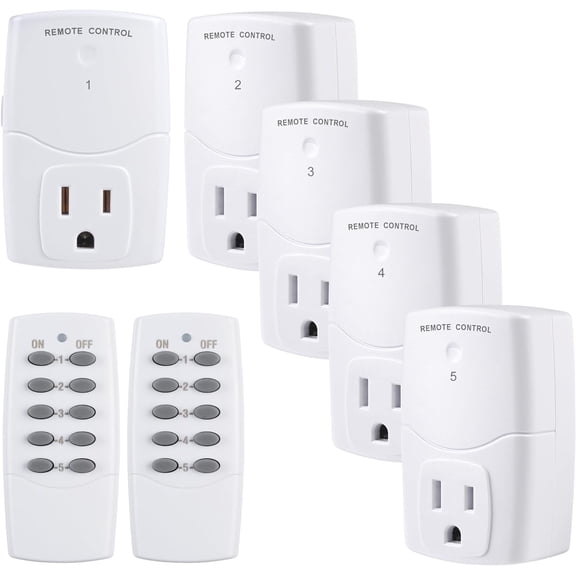
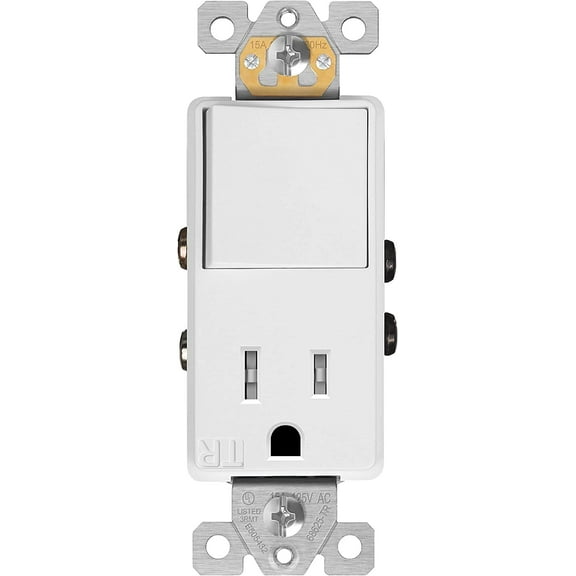
Outlets with switch give you wall control and plug access in one device. You can compare amperage, outlet type, and switch style for your room and wiring plan.
When you update a bedroom, bath, or workspace, you may want fewer wall devices. In many projects, your combination layout keeps the wall cleaner while supporting everyday power needs.
How to choose outlets with switch
Start with the outlet type that fits your space and daily use. You may compare duplex, GFCI, USB, and single options before choosing your final setup.
With a duplex design, you get two plug openings in one device. If your wall box serves a focused task, your single opening may suit that location.
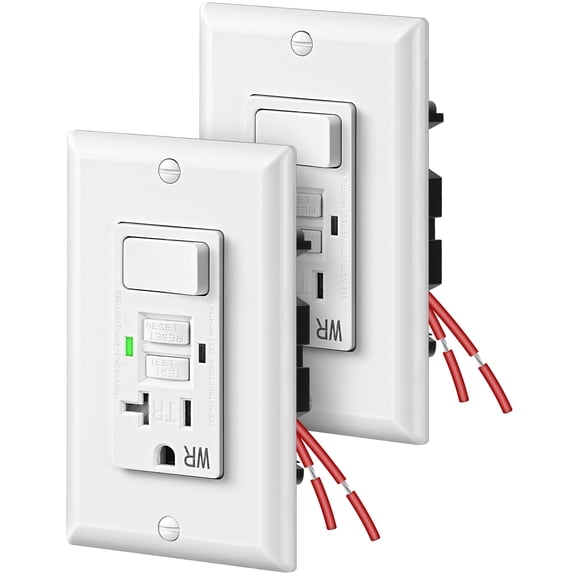
For counters, utility areas, and other code-sensitive spaces, your GFCI format adds test and reset controls at the device. In desk or bedside setups, your USB option keeps chargers close without using both receptacle openings.
- Your wall can look less crowded with switching and power in one device.
- Your room can stay visually consistent when your switch style matches nearby controls.
- Your project can fit remodels, replacements, and targeted room upgrades.
- Your device type can match general power, charging needs, or protected locations.
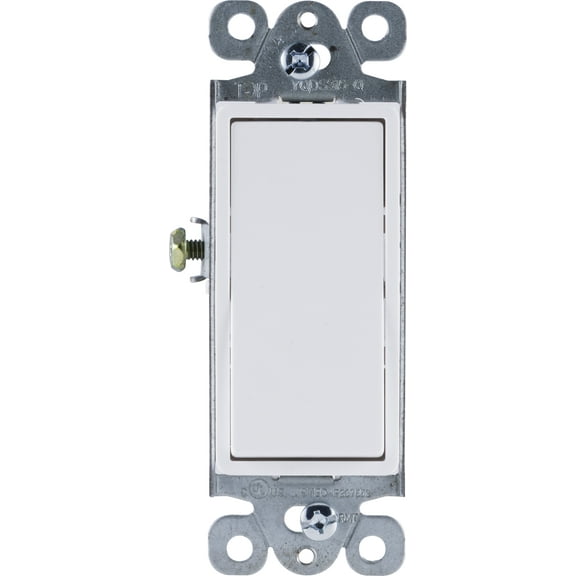
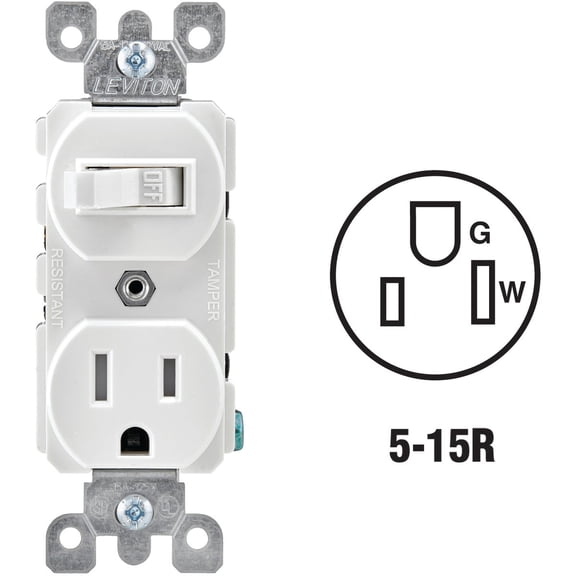
Another key choice is your switch style. You may compare rocker, toggle, Decora, and push button designs to match existing plates and nearby controls.
If your home uses broad paddle controls, your rocker or Decora look may blend in smoothly. In older spaces, your toggle or push button style may suit the wall more naturally.
Choosing the right switch outlet combo
Your amperage choice matters because it should match the circuit in your wall. You may compare a 15 amp outlet with switch against a 20 amp model before replacing the device.
In many living spaces, your 15 Amp configuration fits common household circuits and everyday plug-in use. Where your circuit uses a T-slot pattern, your 20 Amp device may be the correct match.
Wiring layout also shapes how your switch outlet combo works. You should check whether your switch controls the receptacle, or whether your switch and outlet operate independently.
Some designs include a removable tab that supports split wiring. With that setup, your lamp may use wall control while your second plug opening stays constantly powered.
Terminal style can also affect your installation plan. Depending on your box and conductors, your project may call for side wiring, back wiring, or screw terminal access.
Safety details deserve close attention during selection. You should look for UL listed devices and compare whether your location calls for GFCI protection.
In kitchens, baths, laundry areas, and utility spaces, your switched outlet receptacle may need that protected format. Before choosing a standard device, your room requirements and local code should guide the decision.
Matching features to your room
Color and finish can change how polished your wall looks after installation. You may compare white, ivory, black, and light almond finishes with your trim, plate, and nearby switches.
When your device color matches the rest of the wall hardware, your update looks more intentional. If your room already has warm tones, your ivory or light almond finish may blend more easily.
Face shape matters too, especially when your plates already follow a certain style. You should measure your opening and confirm that your wall plate and device shape work together.
A wall outlet with switch can solve different room needs with the same basic footprint. Your bedroom may need lamp control, while your workshop may need constant power beside a separate switch.
Using a switched outlet receptacle in real spaces
In bedrooms, your light switch and outlet combo can place lamp control near the doorway. That setup helps your room feel easier to use when furniture blocks direct outlet access.
Living rooms often benefit from a combination switch outlet near seating or side tables. Your cords can stay concentrated at one wall point instead of spreading across multiple devices.
At desks, dorm rooms, and nightstands, your USB version supports charging without giving up the main receptacle layout. That format suits compact spaces where your phones and accessories stay within reach.
In garages, laundry areas, and utility rooms, your GFCI option may fit spaces that need a protected device style. Your switched control can also support task lighting or a dedicated plug location.
For remodels, your wiring decision often matters as much as your finish choice. You should compare common-feed setups against split-control layouts based on how you want the receptacle to behave.
When your switch controls the whole outlet, your lamp or small fixture turns on from the wall. If your switch works independently, your outlet can keep one connection live for chargers or electronics.
With the right amperage, wiring setup, and wall style, your device can fit the room without guesswork. That clarity helps your outlets with switch align with your circuit, your layout, and your daily routine.