

Toy Balls in Sports Toys






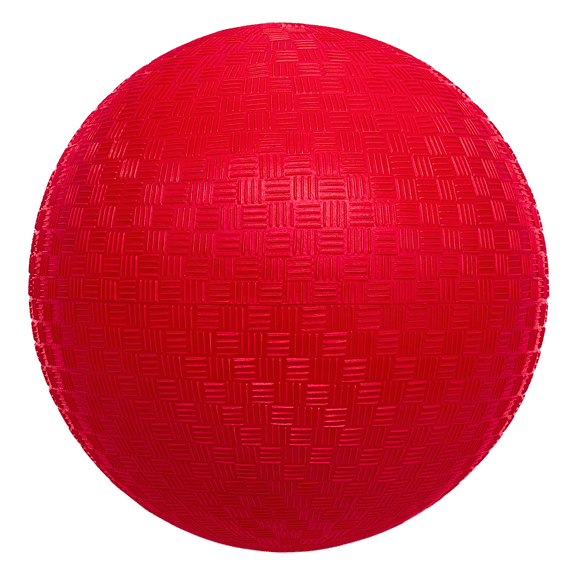
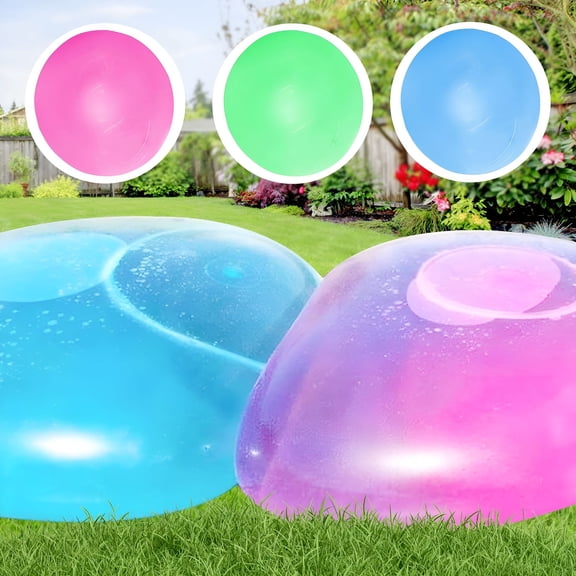

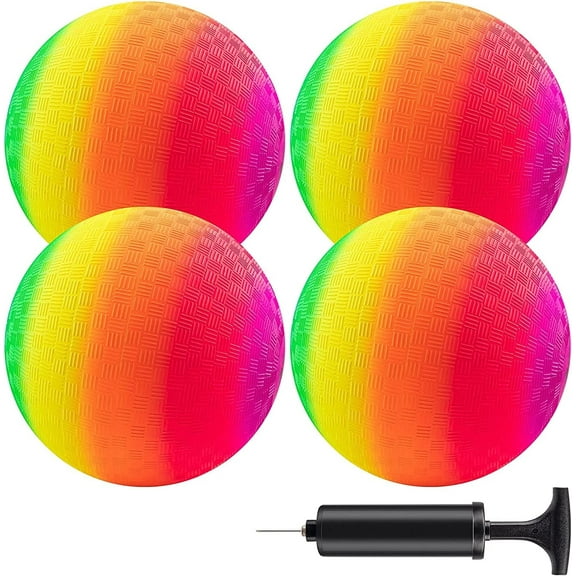


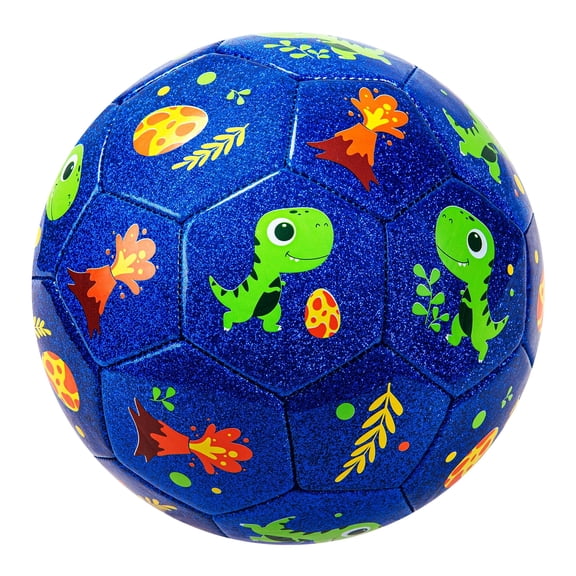
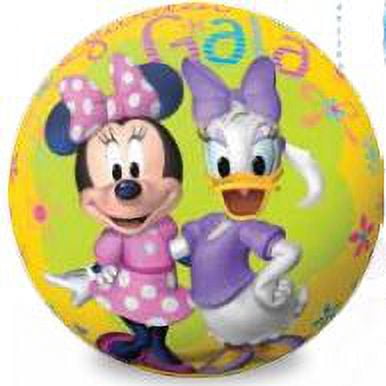


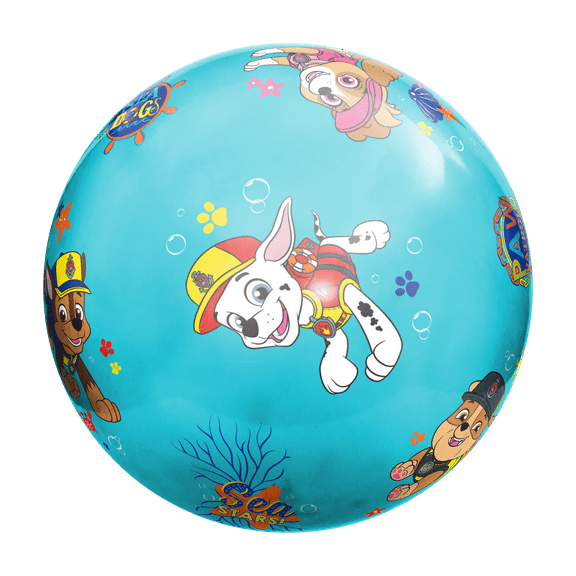

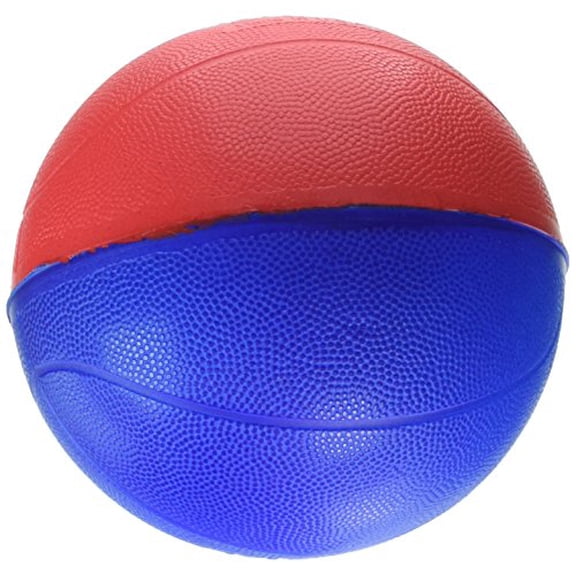


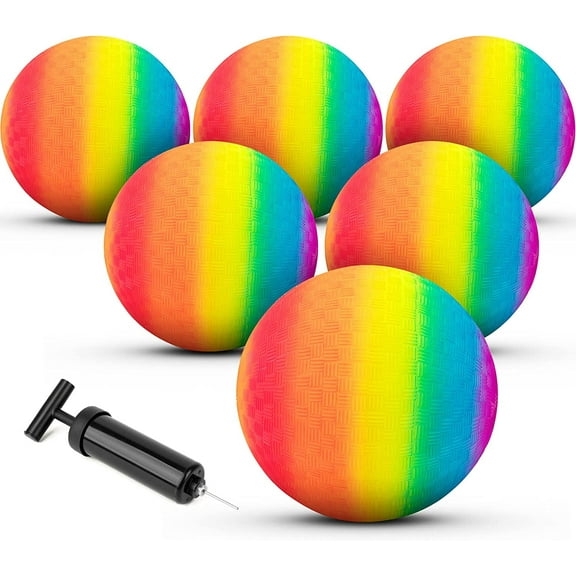








About Toy Balls in Sports Toys - Walmart.com
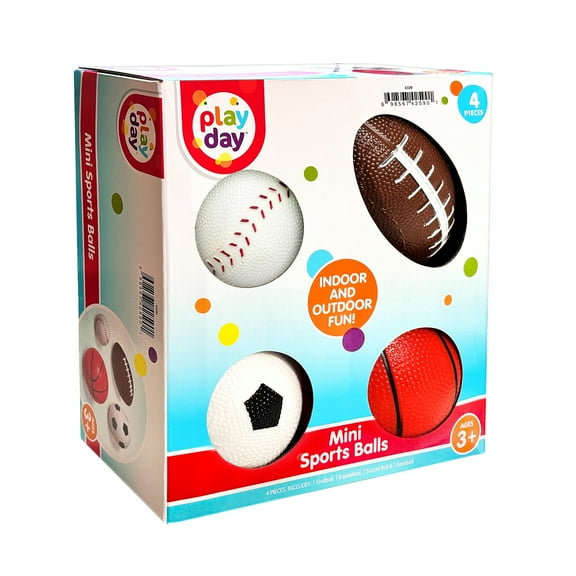
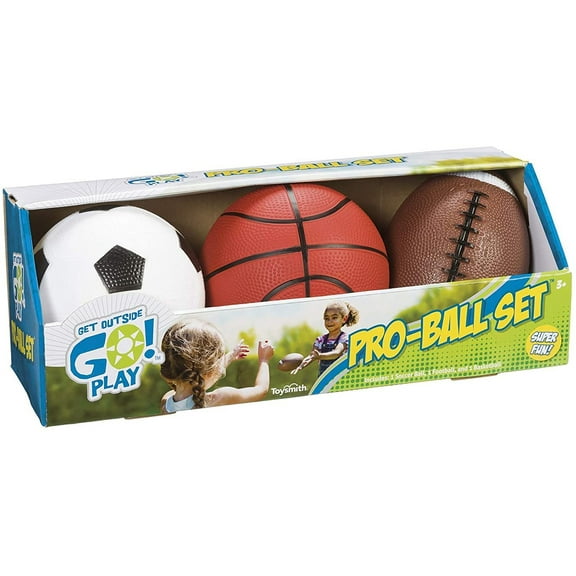
Toy balls help you build active play, sensory fun, and easy indoor entertainment for kids. You can compare sizes, materials, and textures quickly when you need balls for toddlers, ball pits, or playground games.
How to choose toy balls for your space and age group
When you choose toy balls, you should start with your child’s age and your play space. You’ll want details like diameter, texture, and material to match how your child plays.
For toddlers, you should check ball size carefully and compare options made for early hands. You’ll often prefer soft textures and easy-grip shapes for rolling, tossing, and supervised sensory play.
If you’re shopping for preschoolers or older kids, you can look at medium or large sizes for catch and kick games. You’ll notice larger options suit yards, driveways, gyms, and playground areas.
Choosing materials for sensory toy balls and active play
Material changes how your toy balls feel, bounce, and clean up after play. You can compare plastic, foam, rubber, and plush options based on where and how you’ll use them.
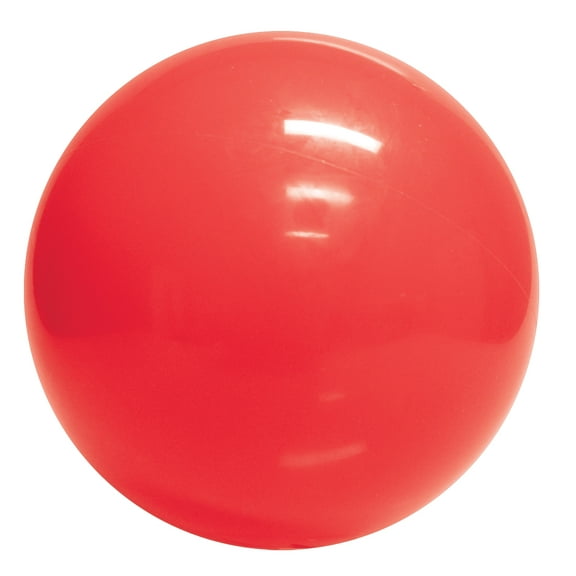
- You can pick plastic ball pit balls when you want lightweight pieces for pits, play tents, and easy storage bins.
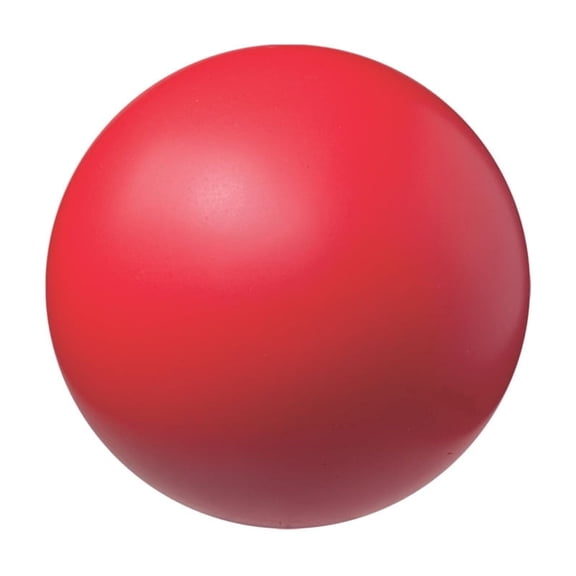
- You can choose foam toy balls when you want a softer feel for indoor toss games and beginner play.
- You can select rubber styles when you want more bounce for playground games, kick play, and outdoor movement.
- You can consider plush balls when you want quieter indoor play and a soft touch for calm sensory moments.
When you compare safety details, you should look for BPA-free and phthalate-free materials when manufacturers list them. You can also check for non-toxic certification details on product pages and packaging.
For cleanup, you’ll find smooth plastic and rubber surfaces easier to wipe after messy play. Plush and deeply textured designs may take more effort when you want a quick refresh.
Comparing size, texture, and inflation details
Size affects grip, throwing control, and where you can use toy balls during play. You should compare small, medium, and large options with your child’s age and your room size.
Small balls under three inches can fit compact sensory bins and some ball pit setups. You should verify age guidance carefully and measure before buying for younger children.
Medium balls from four to six inches often balance easy gripping with active play. You can use them for indoor toss games, beginner catch, and many balls for toddlers collections.
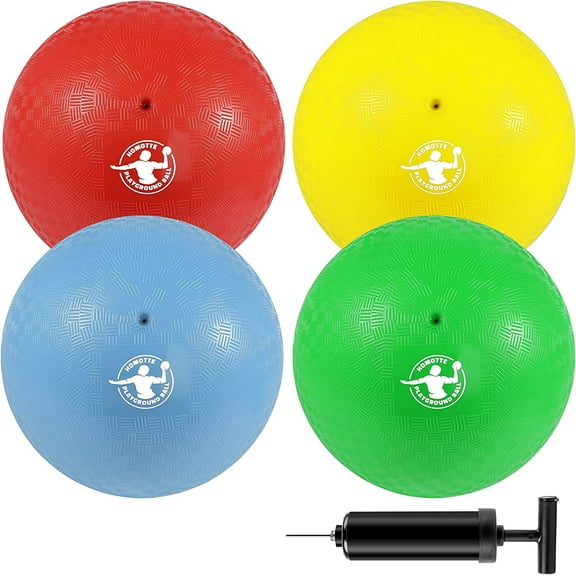
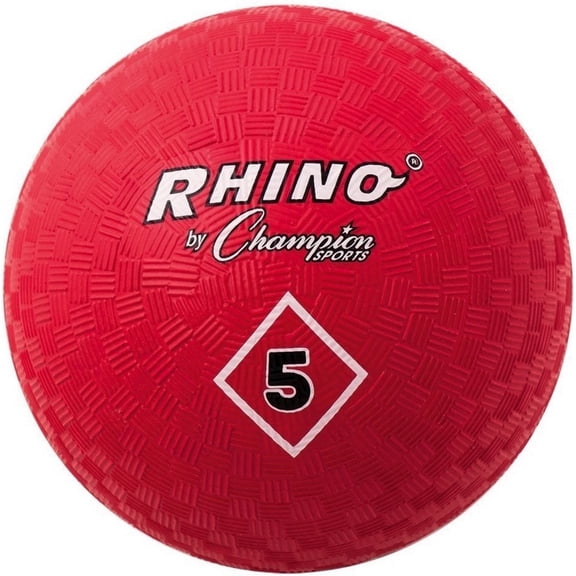
Large balls over seven inches work well when you want visible targets and bigger movement. You’ll often choose these playground balls for kick games, bounce practice, and shared outdoor play.
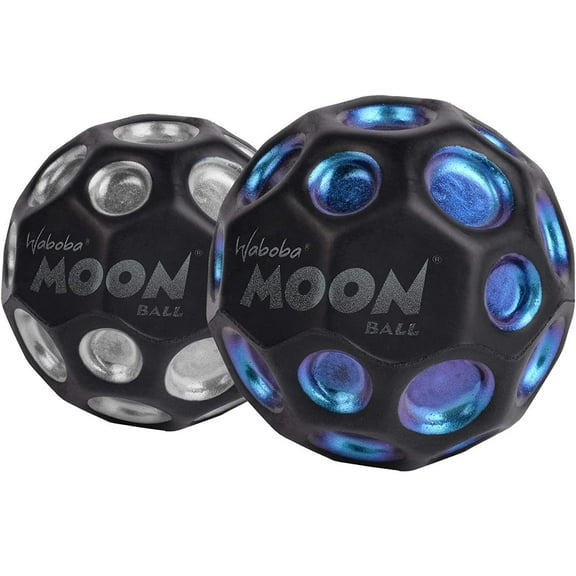
Texture also shapes the experience you want during playtime. You can pick smooth surfaces for classic tossing, or choose nubby and textured finishes for sensory toy balls.
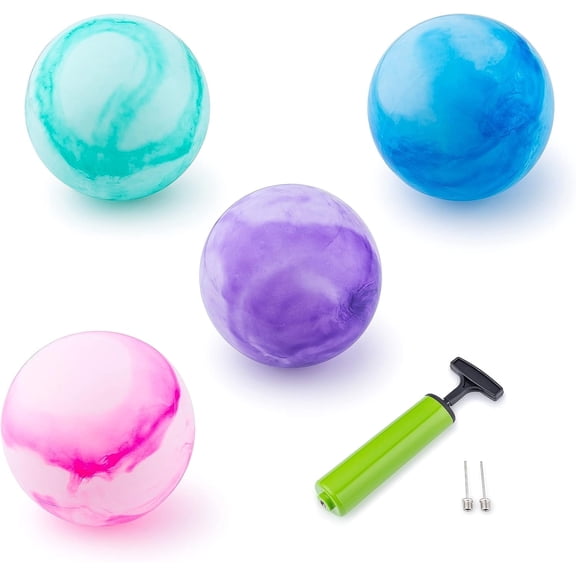
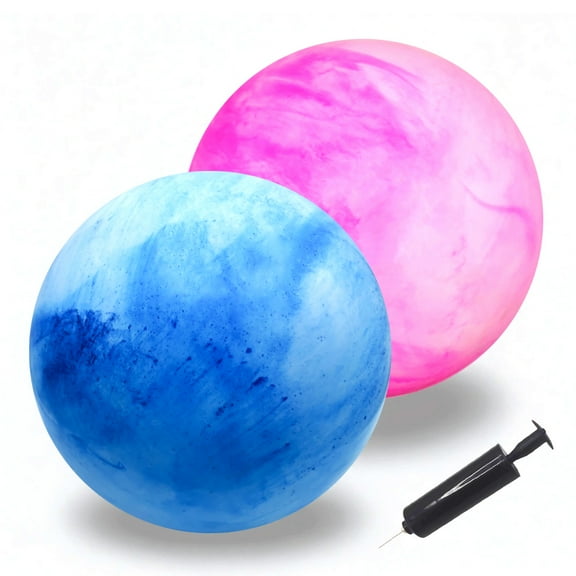
If you’re comparing inflatable options, you should check whether the package includes a pump before checkout. You’ll also want puncture-resistant designs when you expect frequent bouncing on rougher surfaces.
Matching toy balls to ball pits, playground games, and pool play
Your use case should guide nearly every choice you make in this category. You can narrow options faster when you decide between ball pit, sensory play, playground games, or pool play.
For ball pits, you’ll usually want plastic ball pit balls that feel light and stack easily. You can fill play tents, kiddie corners, and activity zones without adding heavy bulk.
For sensory play, you may want textured surfaces, mixed colors, and varied firmness in one set. You can create tactile sorting, rolling games, and simple hand-eye practice with sensory toy balls.
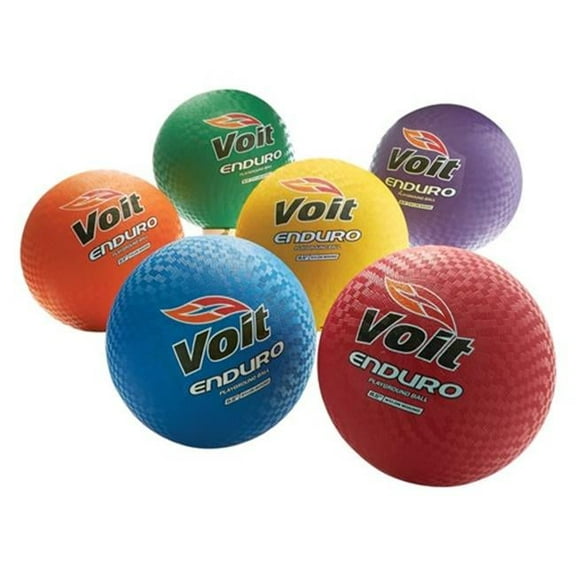
For playground games, you’ll likely prefer medium or large sizes with more bounce and stronger walls. You can use playground balls for kickball, catch, four square, and recess-style activities.
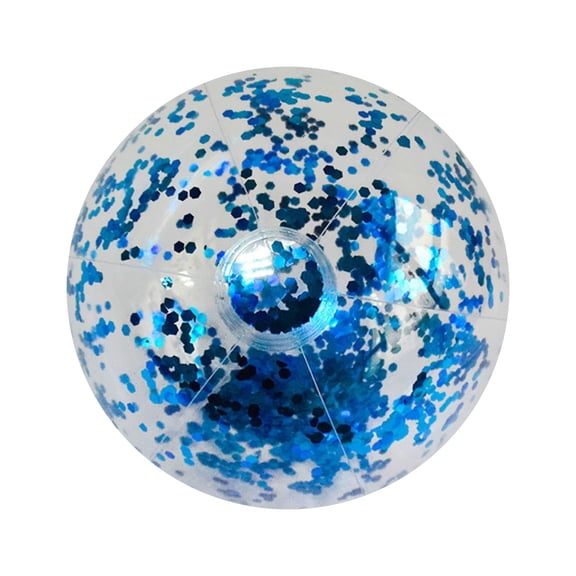
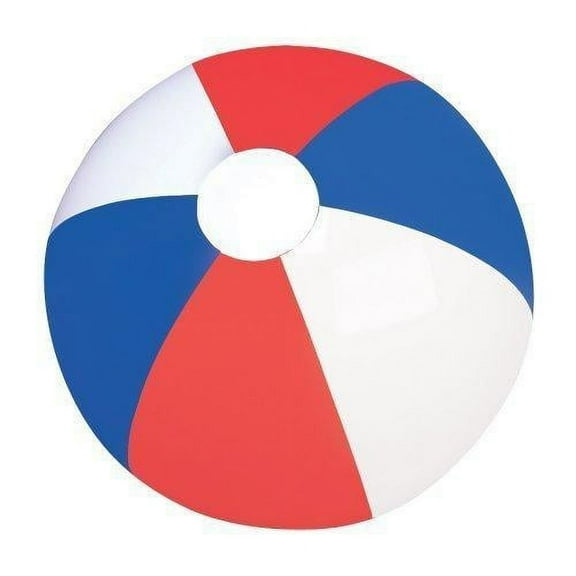
For pool play, you should compare lightweight designs that work well around water and deck areas. You’ll want materials that rinse easily and dry quickly after splash sessions.
If you’re setting up indoor play, you may prefer foam or plush options that keep noise lower. When you’re planning backyard use, you can shift toward rubber or sturdy inflatable styles.
What to look for when buying balls for toddlers
When you buy balls for toddlers, you should prioritize easy grip, clear age guidance, and simple materials information. You’ll also want surfaces that feel comfortable during rolling, squeezing, and short tosses.
Look for rounded shapes, lighter weight designs, and finishes that support little hands during practice. You can make early play feel more manageable when the ball fits your child’s grip.
It also helps to compare texture with your child’s play style and attention span. You may choose smooth balls for straightforward rolling, or textured styles for more sensory feedback.
When you’re building a mixed play set, you can combine a few sizes for different moments. You’ll cover tummy-time rolling, seated play, and standing toss practice with less guesswork.
Why these decision points matter for toy balls
When you compare toy balls by material, age group, use case, size, and texture, you can narrow choices with more confidence. You’ll end up with options that fit your space, your routine, and your child’s way of playing.
That practical approach helps you choose plastic ball pit balls, sensory toy balls, or playground balls with less guesswork. You get play pieces that match real use and support smoother play from the first session.