

Buckets in Cleaning Tools




























About Buckets in Cleaning Tools - Walmart.com
Buckets help you handle mopping, rinsing, mixing, and carrying with less mess and more control. You can compare capacity, material, and bucket features to match your cleaning routine.
If you clean small rooms, large floors, cars, or work areas, you need a bucket that fits the job. You’ll notice details like wringer fitment, pour spouts, and handle design matter during everyday use.
How to choose buckets for cleaning tasks
When you compare buckets, start with the task size and how much water you want to carry. You can use smaller sizes for quick wipe-downs and larger sizes for wide floor areas.
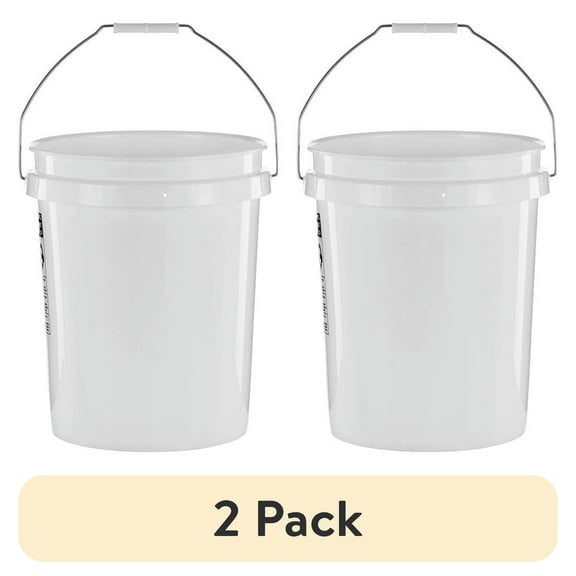
For light household cleaning, you may prefer two gallon or three gallon options that feel easier to lift. For larger rooms, you may want five gallon buckets or 10+ gallon choices.
You can also match the bucket shape to your tools. If you use string mops or flat mops, you’ll want enough depth and opening width for easy dipping.
Choosing the right capacity and material
Capacity affects how often you refill and how heavy each trip feels. You can balance convenience and control by picking a size that suits your space.
- You can use two gallon and three gallon buckets for spot cleaning, bathrooms, and smaller apartments.
- You may choose five gallon buckets when you want more water for kitchens, entryways, and repeated rinsing.
- You can look at 10+ gallon sizes for larger floor plans, outdoor washing, or heavier-duty work areas.
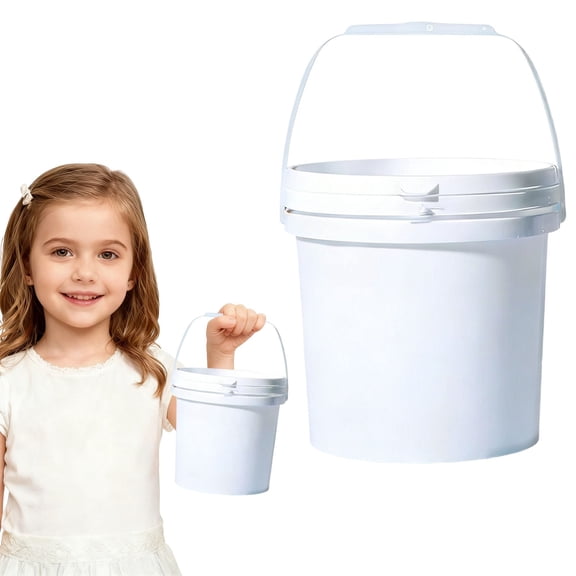
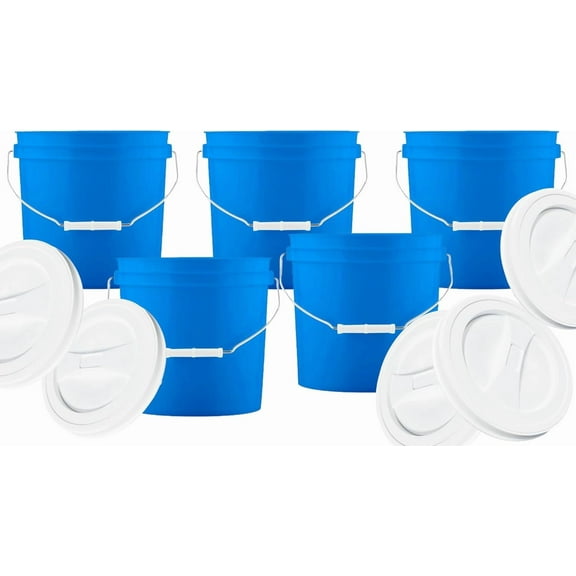
- You may prefer buckets with lids when you want covered storage between tasks.
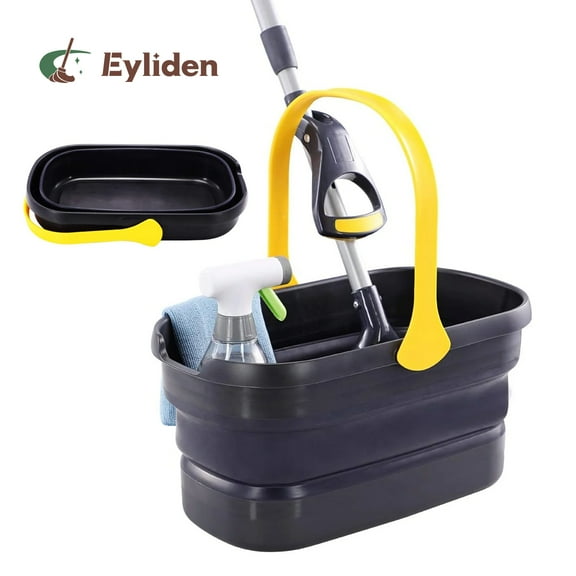
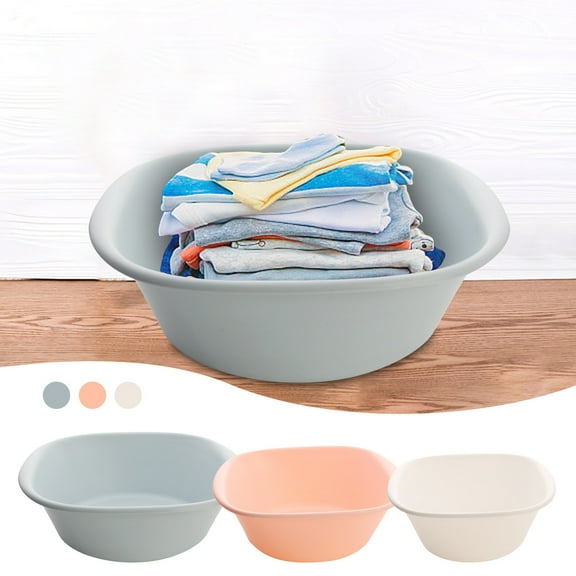
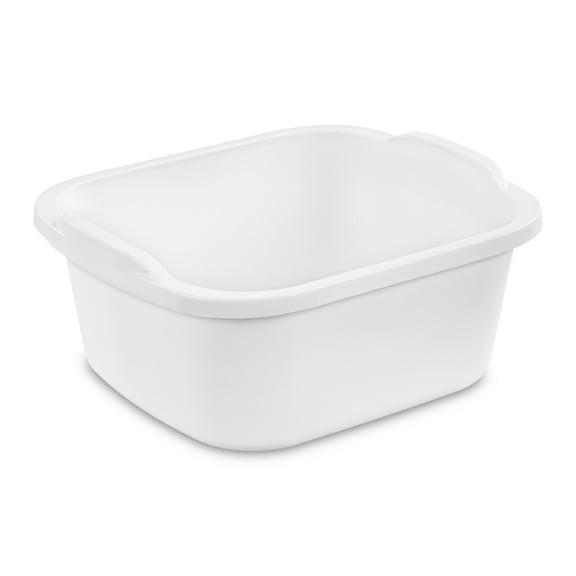
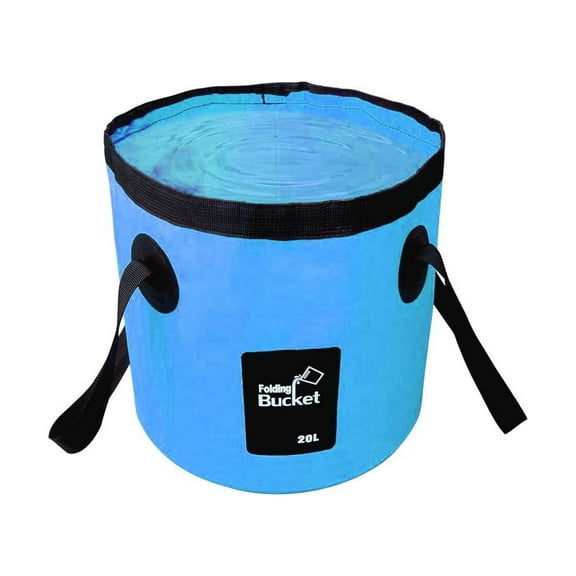
Material changes how your bucket feels and where you use it. You can choose heavy-duty plastic for everyday cleaning, galvanized steel for rugged utility, or collapsible silicone for compact storage.
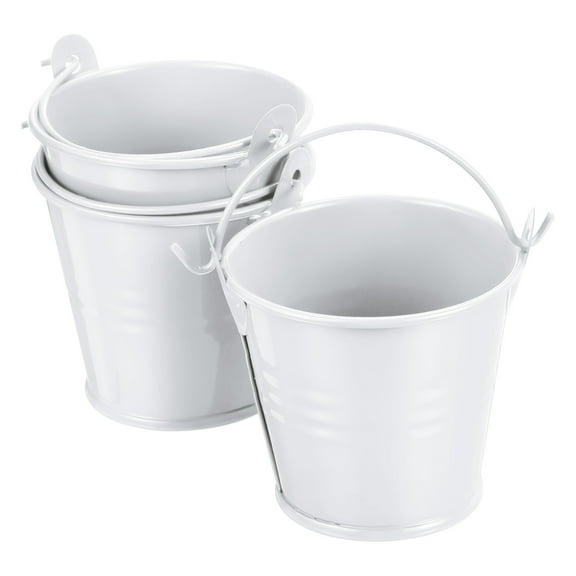
Plastic buckets often feel lighter to carry from sink to floor. You may like galvanized steel when you want a sturdy utility option for garages, workshops, or outdoor cleanup.
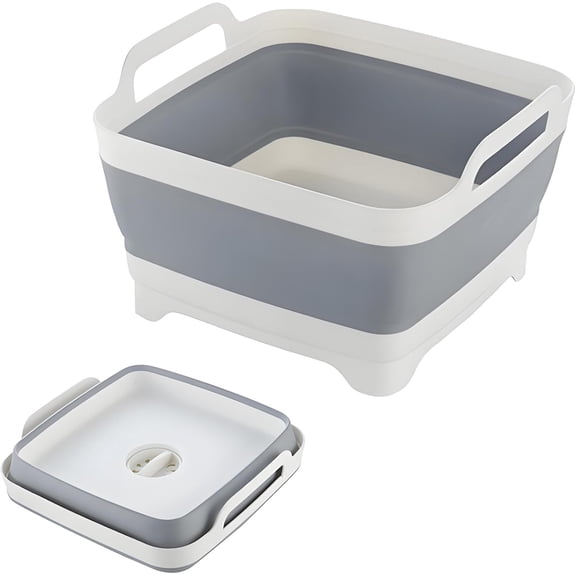
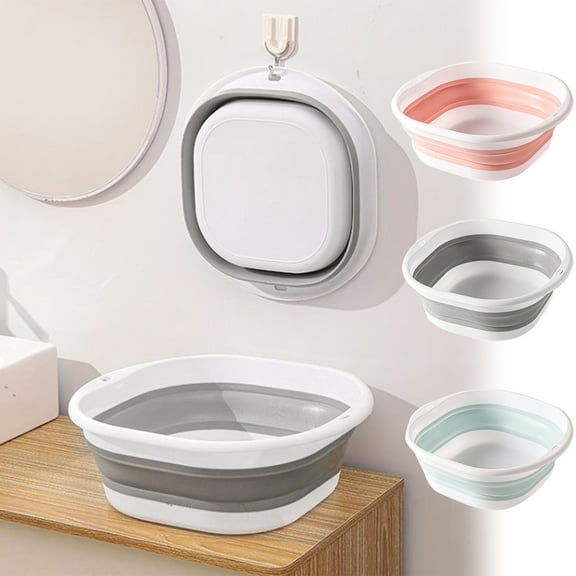
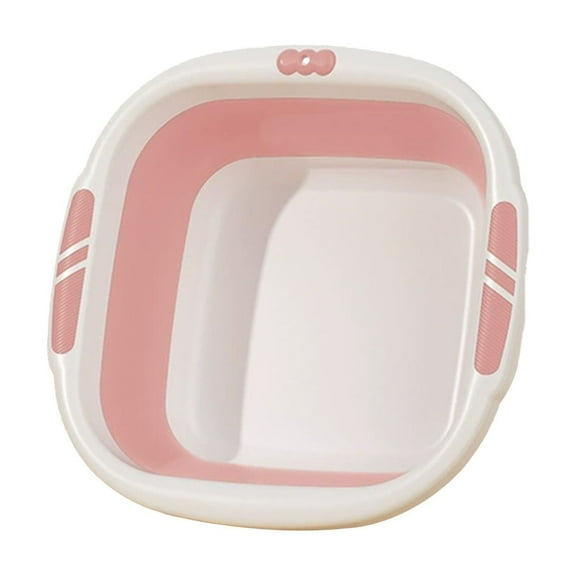
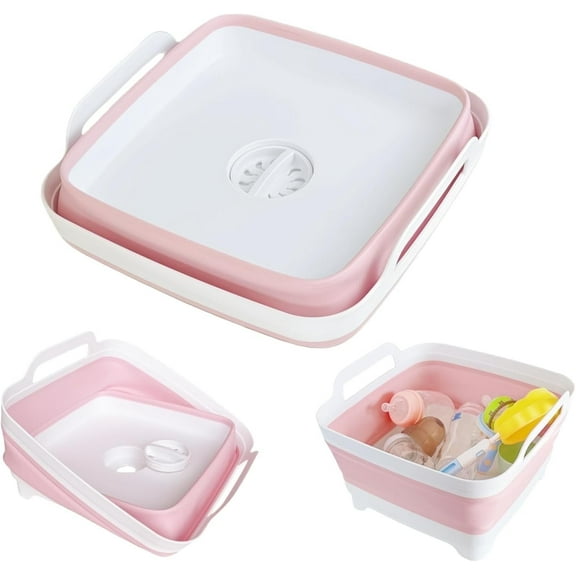
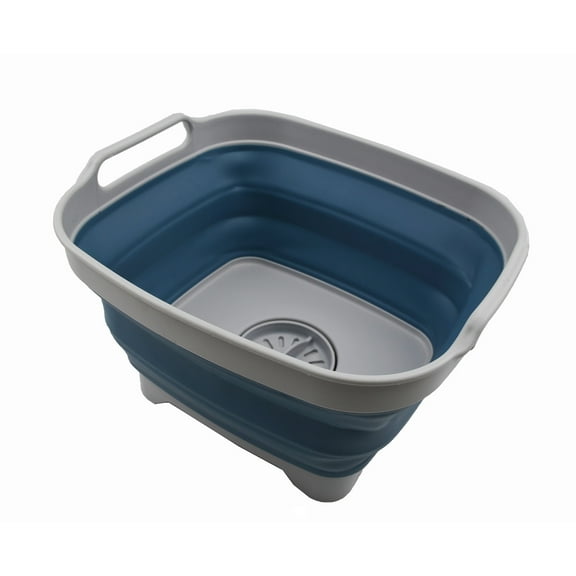
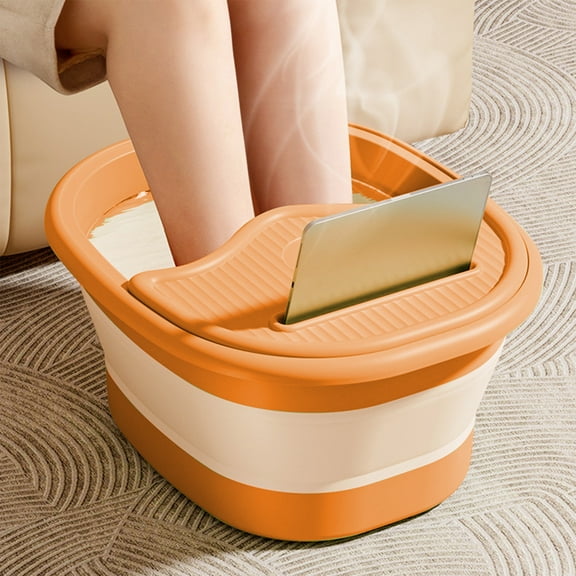
If storage space is tight, you can consider collapsible silicone designs that fold down after use. You’ll appreciate that feature in apartments, laundry rooms, and utility closets.
What to look for in cleaning buckets and mop buckets
Cleaning buckets work harder when their features match your routine. You can compare pour spouts, measurement markings, lids, and wringer compatibility before you choose.
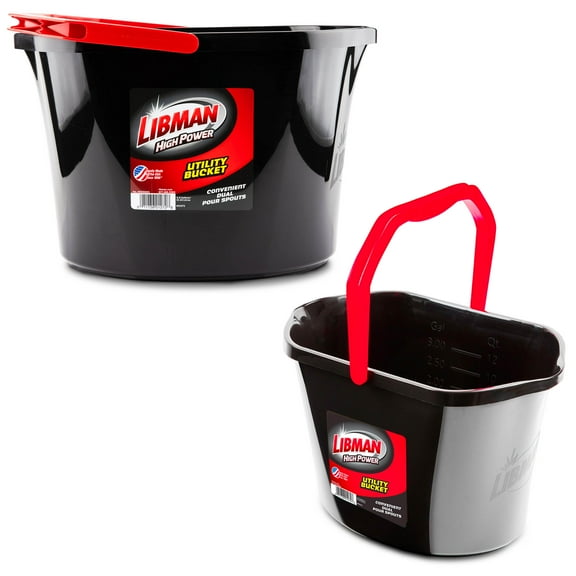
A pour spout helps you empty water with more direction and less splashing. Measurement markings help you mix cleaning solutions with consistent ratios during repeated tasks.
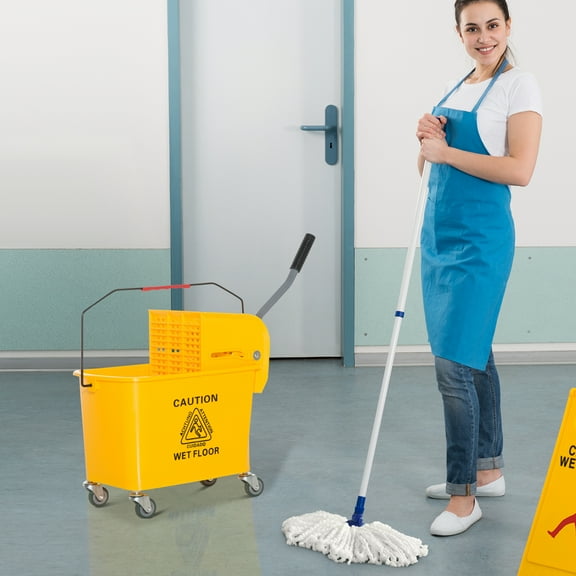
If you’re shopping for mop buckets, check whether your wringer style matches the bucket design. You may need side-press or down-press wringer fitment, depending on your mop setup.
That fitment matters because the wrong opening or attachment point can slow your workflow. You can avoid extra trial and error by comparing wringer attachment details first.
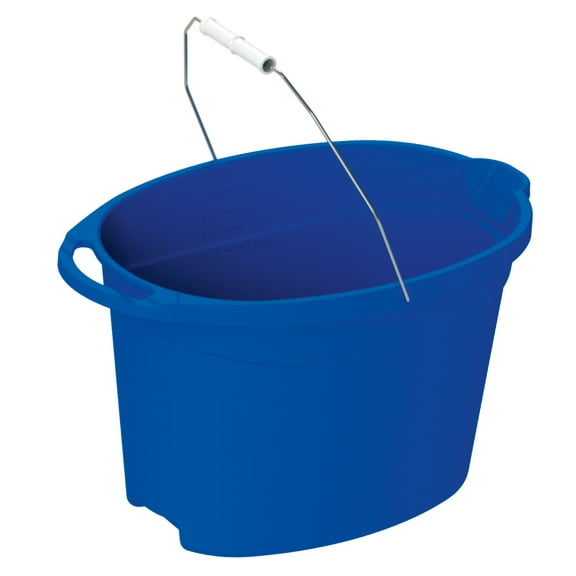
Handle construction also affects comfort when the bucket is full. You may want a comfort grip for household use or a steel wire bail for heavier loads.
Buckets with lids can help you cover supplies, water, or cleaning tools between tasks. You can also use lidded options when you want stackable storage in utility spaces.
Matching bucket types to your space and routine
Your routine can guide the right combination of size, material, and features. You can narrow choices faster when you picture where and how you’ll use the bucket.
For mopping, you may want mop buckets with wringer attachment support and a stable base. You’ll benefit from a larger capacity when you clean hallways, kitchens, or other broad surfaces.
For general cleaning, you might choose a compact bucket with measurement markings and a comfortable handle. You can carry it easily for wiping counters, baseboards, and bathroom surfaces.
For car washing, you may prefer plastic buckets that feel lighter during repeated refills. You can look for a wider opening and a pour spout for easier rinsing.
For workshops, garages, or tougher cleanup, you may consider heavy duty buckets with stronger handles. You’ll want a material and size that support frequent lifting and rougher environments.
If you move between rooms often, a rigid bucket may suit you when you want stable carrying. If you store gear in small spaces, you may prefer collapsible designs that tuck away neatly.
When you compare cleaning buckets by task, you’ll make a more practical choice from the start. You can focus on fit, capacity, and handling instead of replacing a bucket that feels awkward.
How buckets support everyday cleaning
You can keep your routine smoother when your bucket matches your water volume, tool size, and storage space. You’ll notice the right handle, spout, and shape make repeat tasks feel simpler.
Whether you need plastic buckets, heavy duty buckets, or buckets with lids, you can choose with more confidence. You’ll get a bucket that fits your cleaning setup and carries what your job requires.