


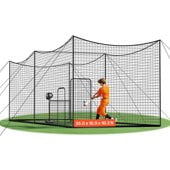
Pitching Machines Nearby: Baseball & Softball | Walmart
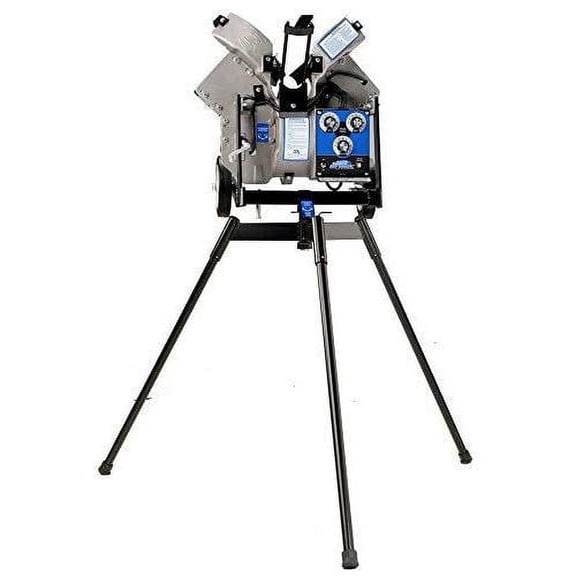


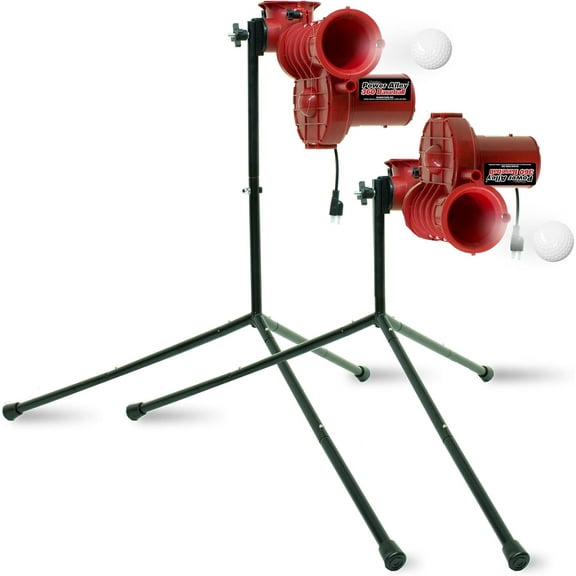
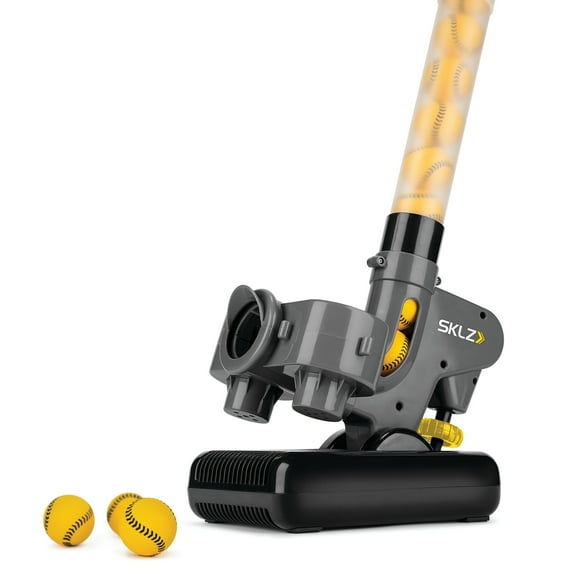
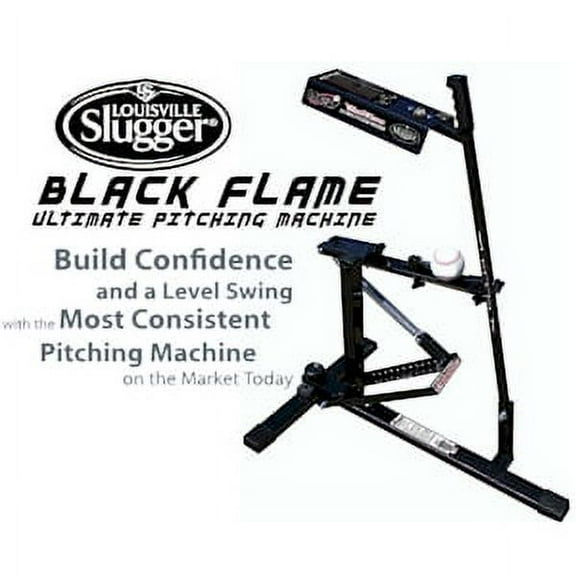
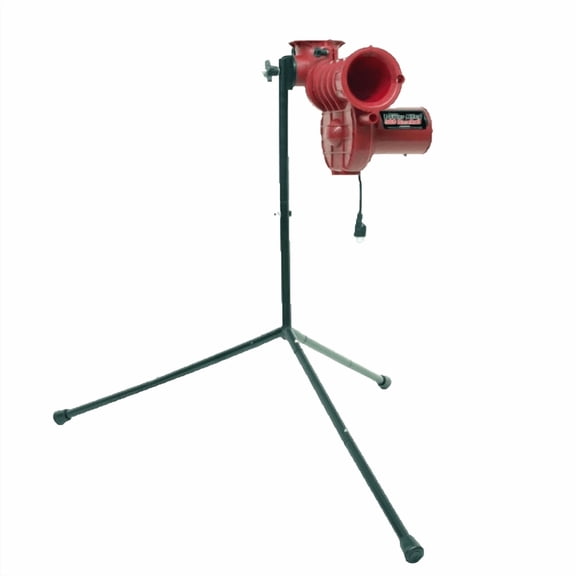
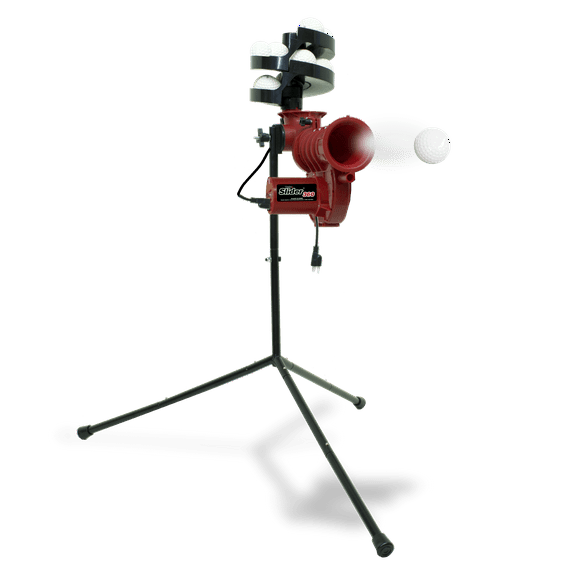
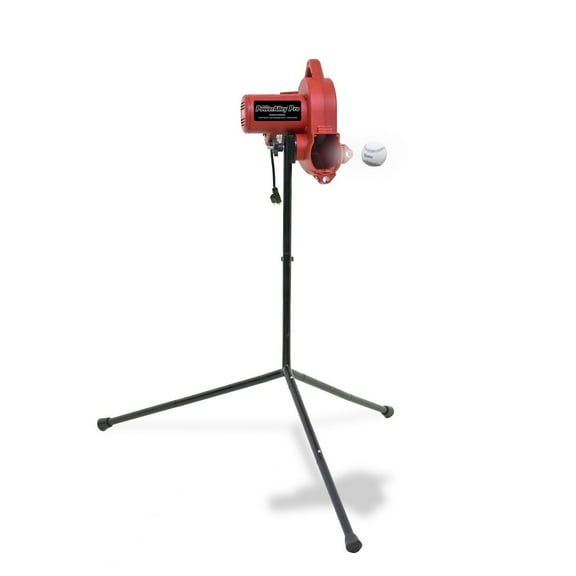








About Pitching Machines Nearby: Baseball & Softball | Walmart - Walmart.com
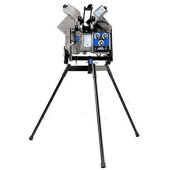
Your pitching machine setup can turn backyard reps or team practice into more consistent swings and cleaner defensive work. You can compare baseball and softball options, power choices, and release styles that fit home cages, fields, and training plans.
When you choose this category, you’re selecting equipment built for repeatable tosses, adjustable speeds, and focused skill development. You can also narrow your search by sport type, pitch style, release mechanism, and brand preferences.
How to choose a pitching machine nearby
You may want a pitching machine nearby when you need pickup options or fast delivery for upcoming practice. You can use this page to compare portable designs, field-ready power setups, and training-focused throw types.
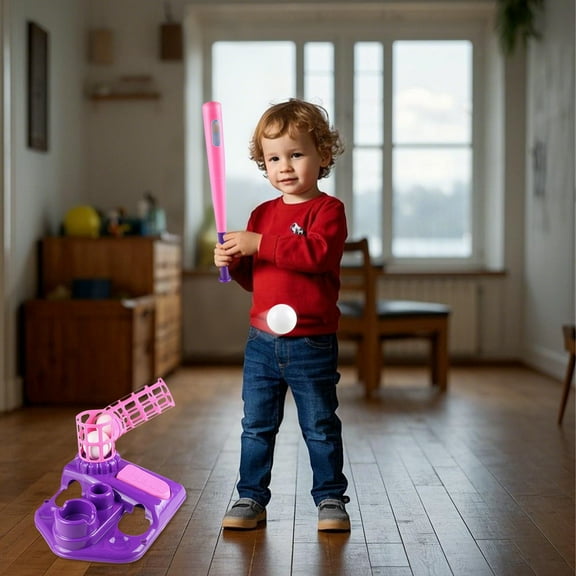
If you’re shopping for younger hitters, you may prefer lower speed ranges and straightforward controls. If you’re training older players, you may look for wider MPH adjustment and pitch feeds that support progression.
- You can build more repeatable batting practice with steady timing and consistent ball delivery.
- You can train for baseball or softball with models designed around each ball size and flight path.
- You can practice pop flies, line drives, or straight pitches with sport-specific machine settings.
- You can choose portable power options for backyard use, cages, or fields without nearby outlets.
Another key benefit is efficiency during team sessions. You can keep players moving through drills without relying on a live thrower for every rep.
You’ll also notice more targeted practice when you match pitch style to your goals. You can work on contact timing, fly ball reads, or slowpitch softball arcs.
Choosing sport type, pitch style, and release mechanism
You should first check whether your machine supports baseball, softball, or both ball types. You’ll want to confirm compatibility with leather balls, dimpled balls, or each format listed by the manufacturer.
If you plan to switch between sports, you should compare feeder design, ball size support, and recommended ball construction. You can avoid mismatches by checking whether the manufacturer tuned the machine for baseballs, softballs, or combo use.
Pitch style matters because your training goal changes what you need the machine to throw. You may want slowpitch softball machine options for arc training, or baseball fly ball machine styles for defensive work.
When you compare slowpitch softball machine and fastpitch-focused models, you should look at release path and speed range. You can match those settings to player age, league type, and drill intensity.
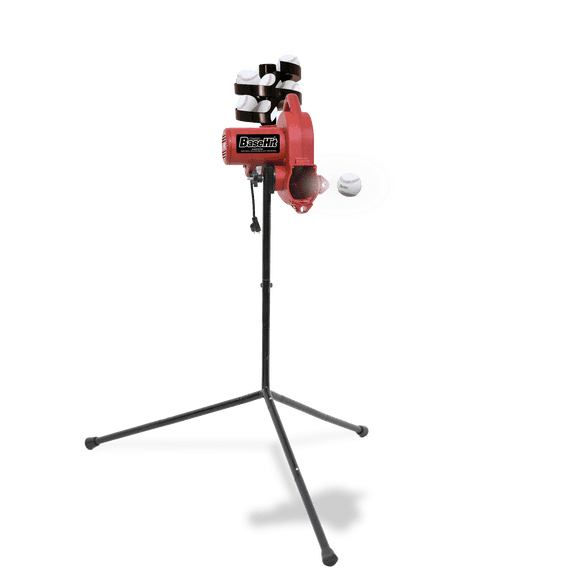
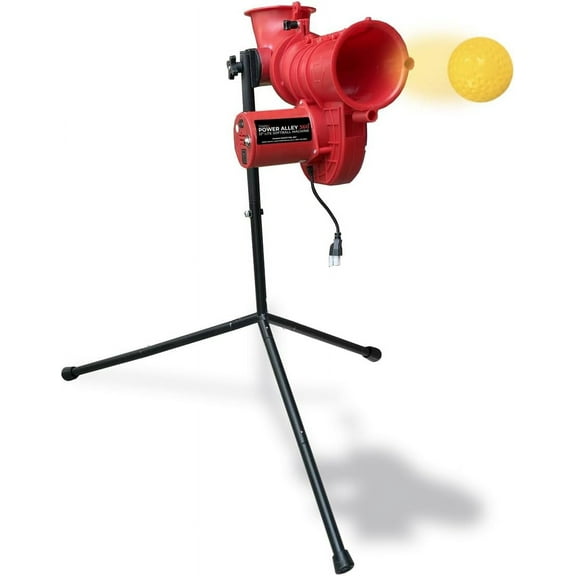
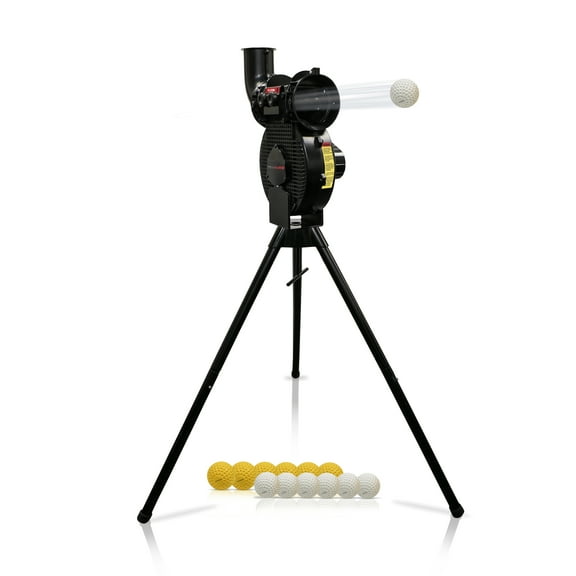
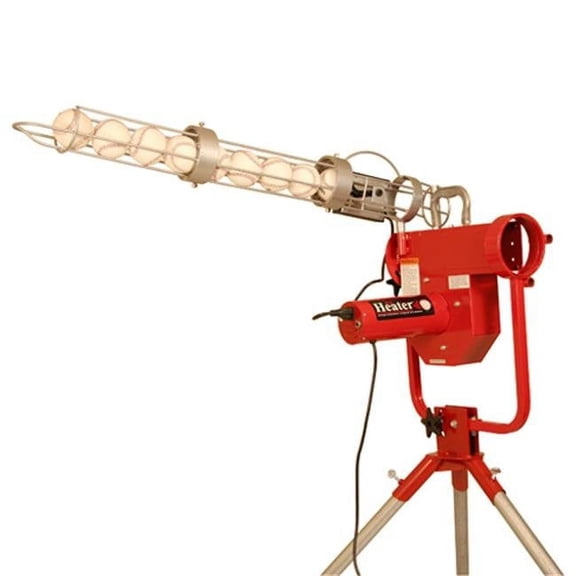
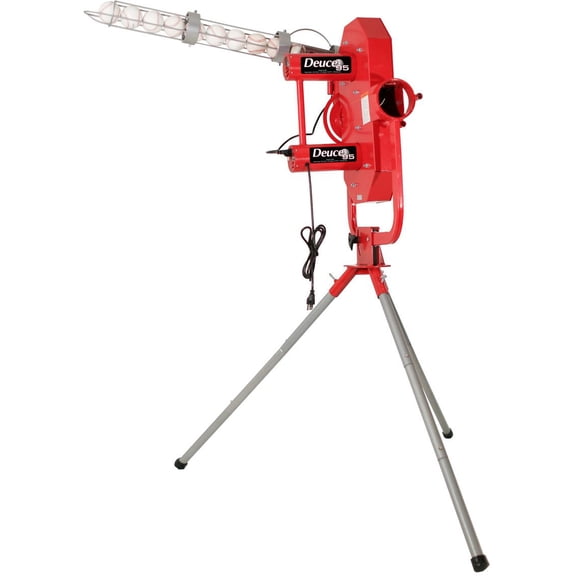
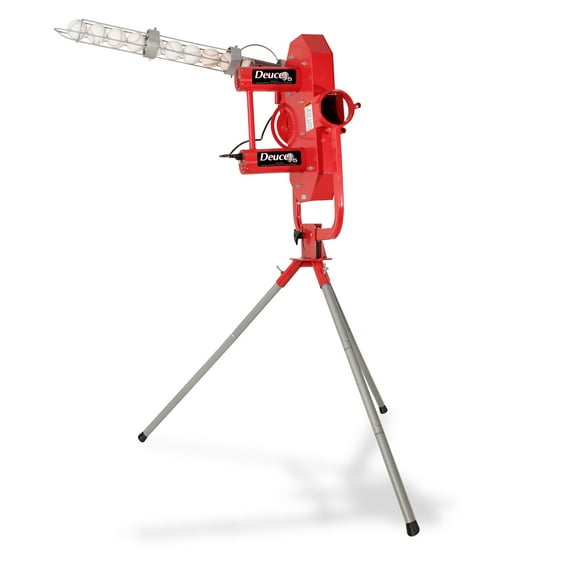
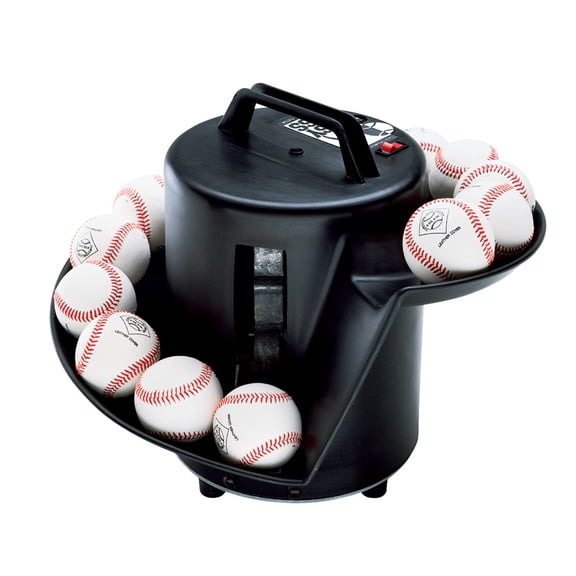
Release mechanism is another major decision. You can choose a pitching arm design for a more visual release point, or a wheel rotary system for quick adjustments.
If you’re considering a pitching arm, you should check how it handles timing drills and ball type compatibility. If you prefer wheel systems, you can compare single-wheel and dual-wheel setups for spin control.
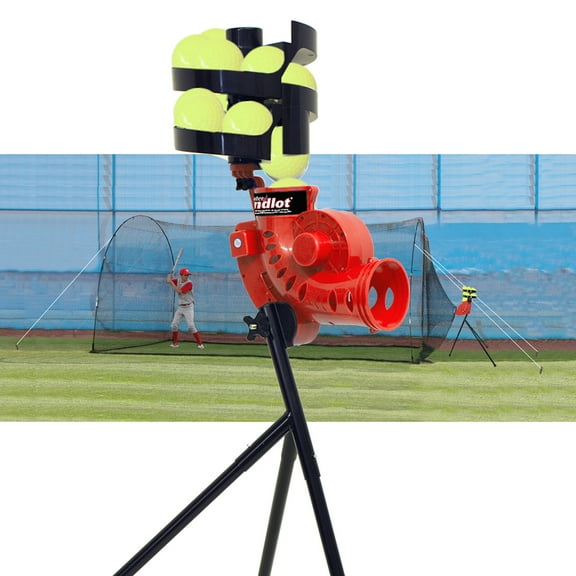
Single-wheel machines usually support straightforward fastball-style training. Dual-wheel machines can help you compare speed balance and spin settings when you want more advanced pitch variation.
What features to look for in a pitching machine
You should look closely at speed range because MPH settings shape who can use the machine comfortably. You can choose lower ranges for newer hitters or broader ranges for long-term progression.
Adjustability matters just as much as raw speed. You’ll want simple controls that let you change pitch height, location, and pace between drills.
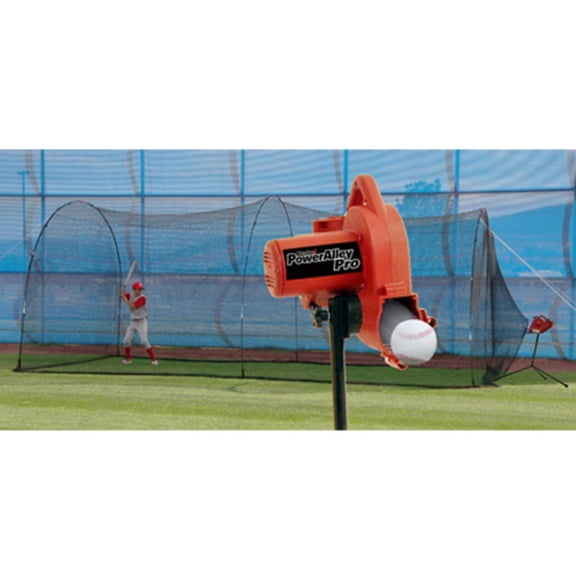
Power source can shape where you practice. You may need 110V AC power for cages or garages, or a 12V deep cycle battery setup for fields.
If you move between locations often, you should compare wheels, handles, and overall weight. You can make setup easier when your machine fits your car, storage area, and practice routine.
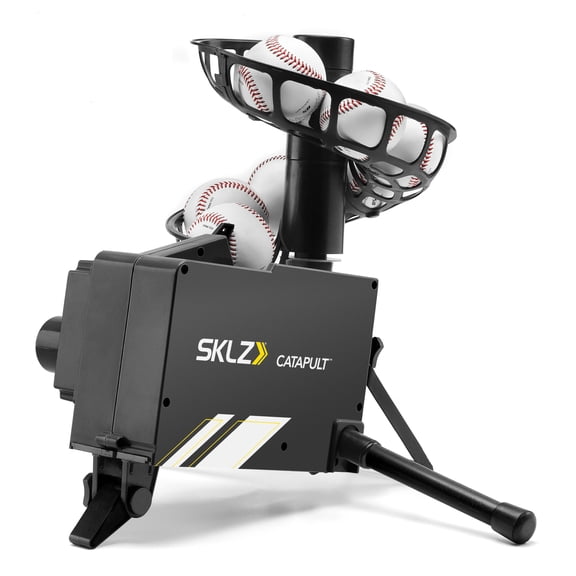
You should also check feed style and capacity. You may prefer automatic feeds for solo sessions, while manual feeds can work for shorter, coach-led drills.
Brand can matter when you’re comparing controls, replacement parts, and familiar training formats. You may search for a Rawlings pitching machine, but you should still compare sport support and power details first.
Another useful detail is pitch movement capability. You can focus on straight pitches for basic timing, or compare dual-wheel spin control if your training calls for breaking-ball simulation.
Matching pitching machine types to real practice needs
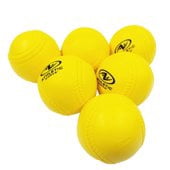
If you’re building a home batting setup, you may want compact dimensions and standard household power. You can pair that setup with baseball practice balls or softball training balls for repeatable sessions.
For team practices, you may need a machine that moves easily from dugout to field. You can use baseball fly ball machine functions to support outfield reads and catch timing.
If your player focuses on softball, you should compare arc style and ball compatibility before choosing a model. You can narrow your search with softball slow pitch machine options for game-like trajectory work.
When you coach mixed age groups, you may need broad speed adjustment and easy angle changes. You can keep drills useful across skill levels without changing your entire setup.
If you train advanced hitters, you may want dual-wheel systems that allow finer spin control. You can use those settings to practice recognizing different movement patterns and release speeds.
For solo practice, you should look for easy loading and repeatable feed timing. You can keep your reps steady when setup steps stay simple between rounds.
You may also compare how much is a pitching machine for baseball by considering durability, speed range, and power flexibility. You can make a smarter choice when you weigh training goals against long-term use.
When you want brand familiarity, you can review recognized names alongside feature needs. You should treat brand as one factor, while checking sport type, pitch style, and power first.
Your final choice should support the drills you actually run each week. You can get more useful reps when your pitching machine matches your sport, space, and progression plan.