

Pipe Insulation in Pipe Fittings












![Uxcell Pipe Insulation Foam Tube, 28mm 1-1/10" ID 38mm 1-1/2" OD 1m Length Soft Foam Tubing for Roof Racks [Red]](https://i5.walmartimages.com/seo/Uxcell-Pipe-Insulation-Foam-Tube-28mm-1-1-10-ID-38mm-1-1-2-OD-1m-Length-Soft-Foam-Tubing-for-Roof-Racks-Red_60dc7fe5-478e-4321-95fc-db0d35cdbd3c.c36e61e660e8bd5bee8333a12d01ee37.jpeg?odnHeight=576&odnWidth=576&odnBg=FFFFFF)



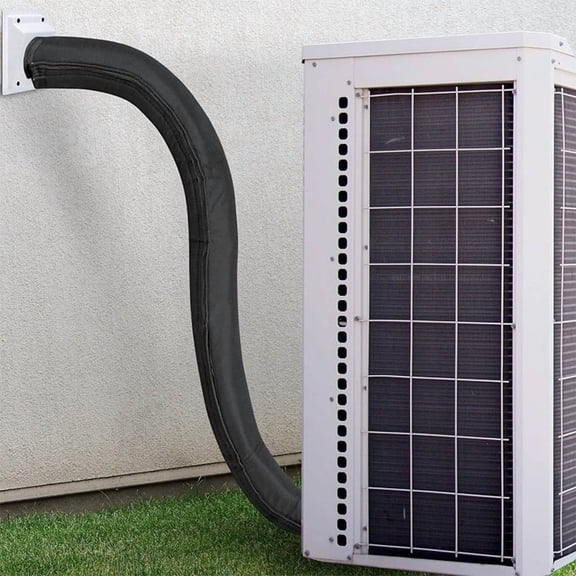
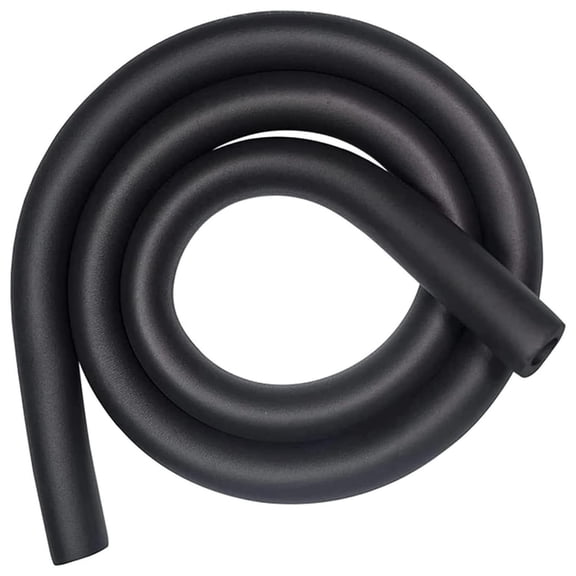


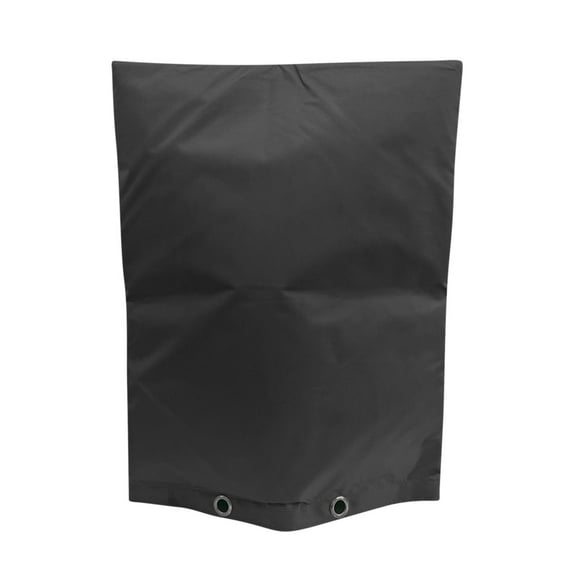


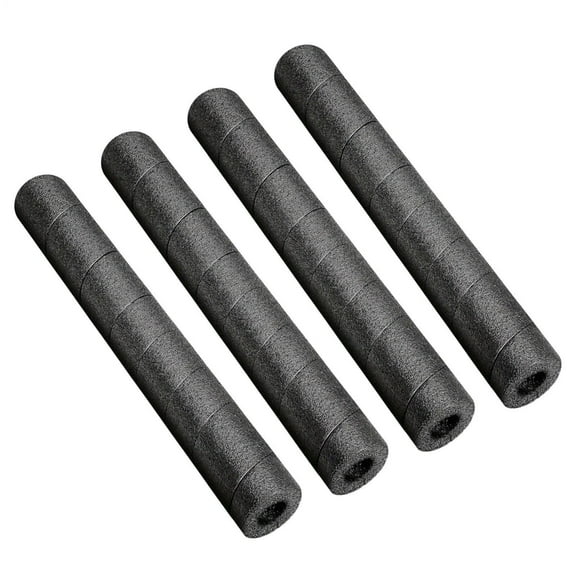


About Pipe Insulation in Pipe Fittings - Walmart.com
Pipe insulation helps protect exposed plumbing, improve temperature control, and create a cleaner finished look around utility areas and workshop setups. At Walmart, you can compare foam pipe insulation, pipe wrap insulation, and foam pipe covers for different pipe sizes and installation needs.
Why pipe insulation matters
Cold-weather prep starts with the right insulation for pipes. Covering exposed lines helps maintain consistent water temperature and gives vulnerable sections extra coverage in basements, garages, crawl spaces, and utility rooms.
It also helps hot water lines hold warmth longer between the heater and the faucet. That can make daily tasks feel more efficient in kitchens, laundry rooms, and bathrooms.
Experienced buyers usually check three things first. They look at pipe diameter, insulation thickness, and whether the material is slit for faster placement.
- Foam sleeves fit straight runs neatly and trim easily around common household plumbing.
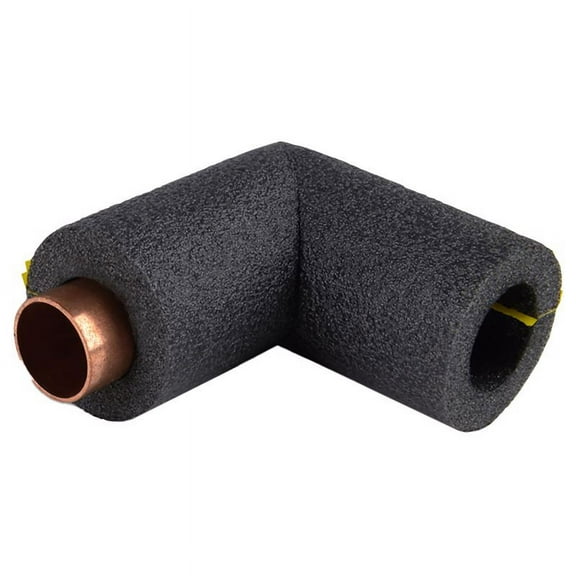
- Pipe wrap insulation bends around valves, elbows, and irregular sections where rigid sleeves wonu't sit flush.
- Closed-cell options create a smooth outer layer that looks tidy along exposed utility lines.
- Pre-slit designs speed up installation on long runs in basements and mechanical rooms.
Types of pipe insulation and materials
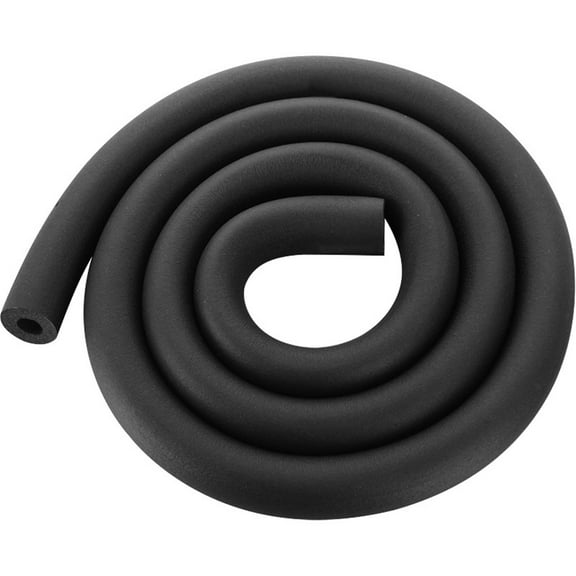
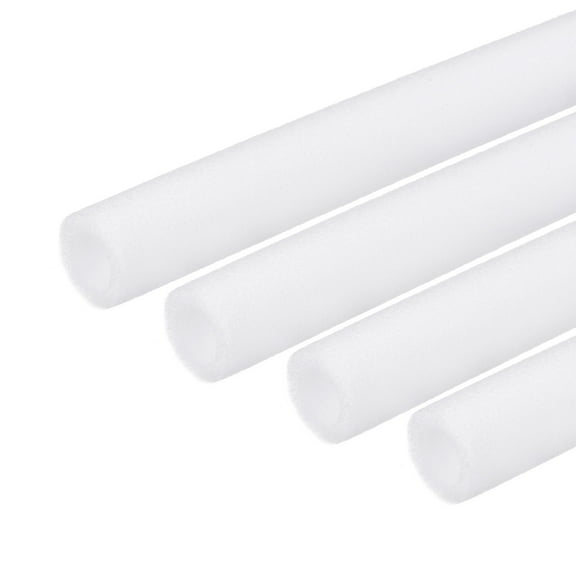
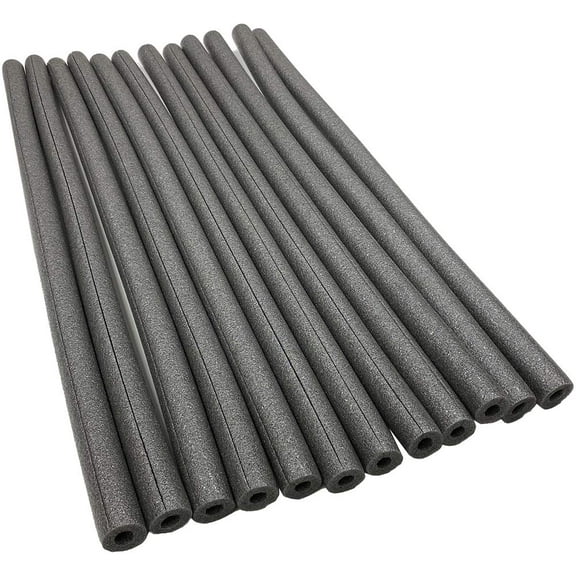
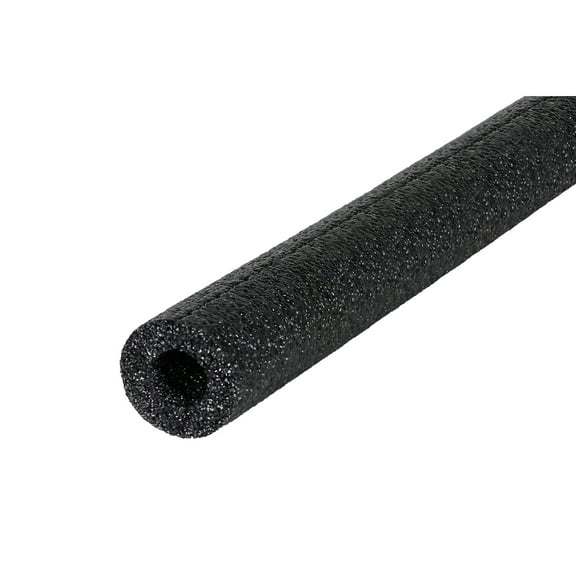
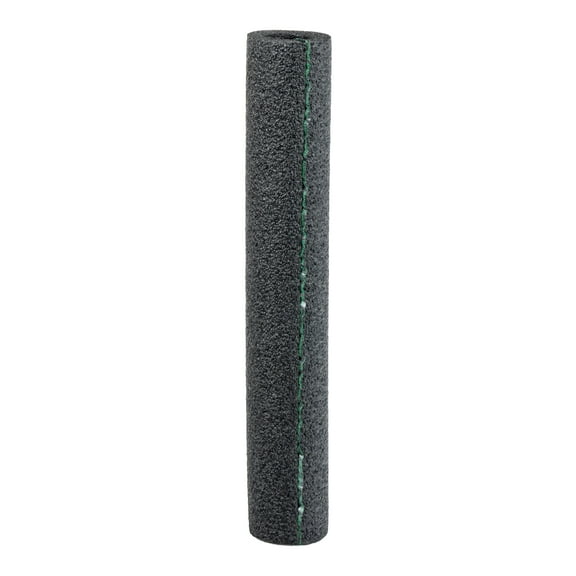
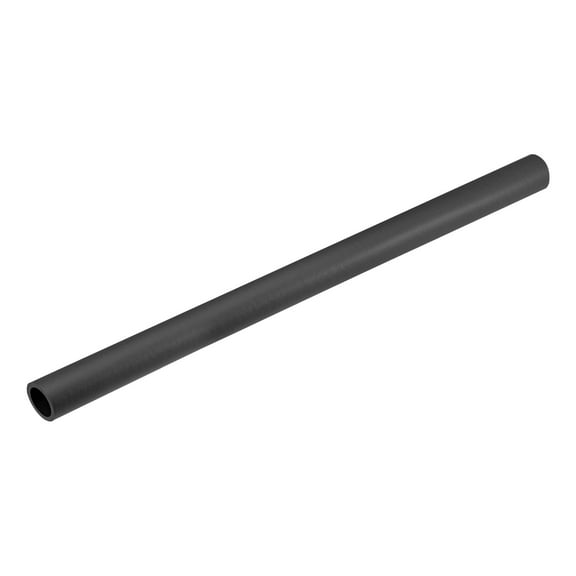
Foam pipe insulation is a go-to choice for many indoor plumbing projects. It usually comes in tubular lengths sized to wrap standard copper, CPVC, or PEX outside diameters.
Pipe insulation foam products are often lightweight and easy to cut with a utility knife. Many designs include a slit opening, so you can place them over existing lines quickly.
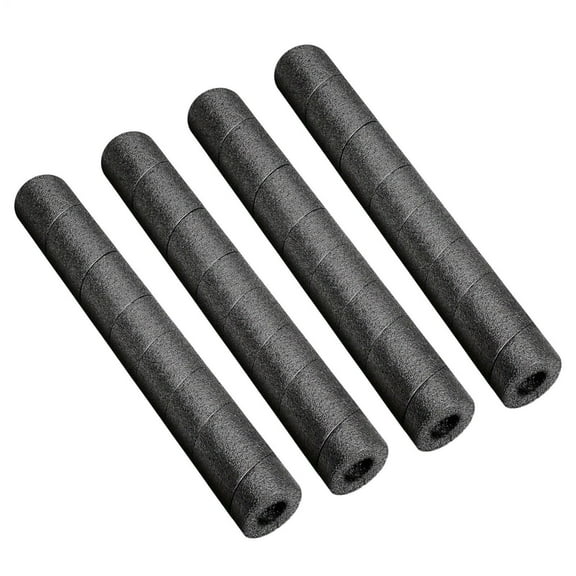
Foam pipe covers work well when you want a clean, uniform fit on straight pipes. They can also help reduce surface condensation on cold lines in humid utility spaces.
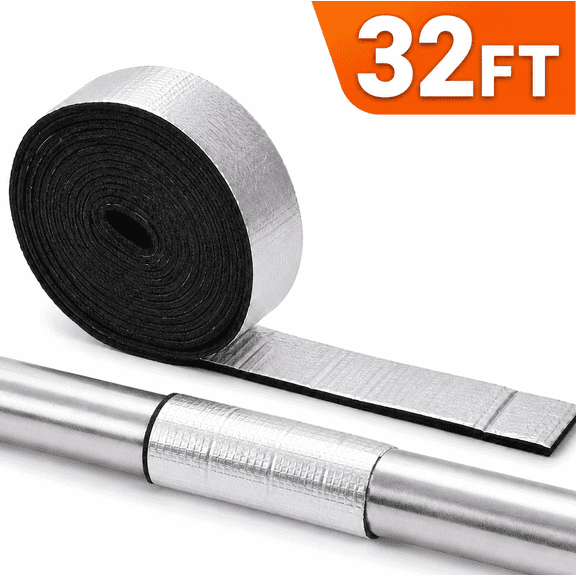
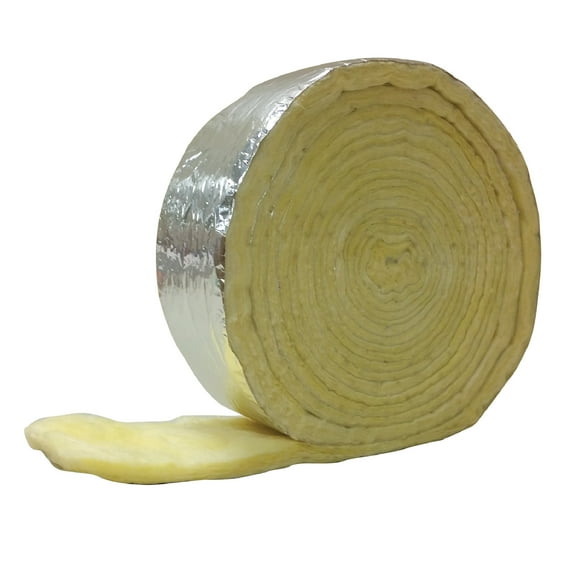
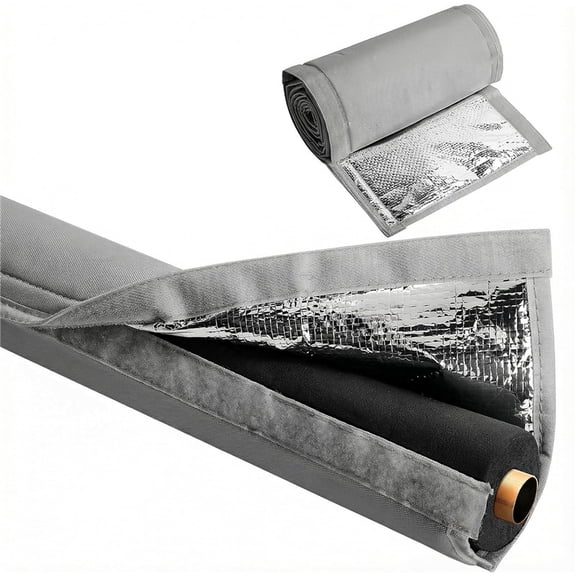
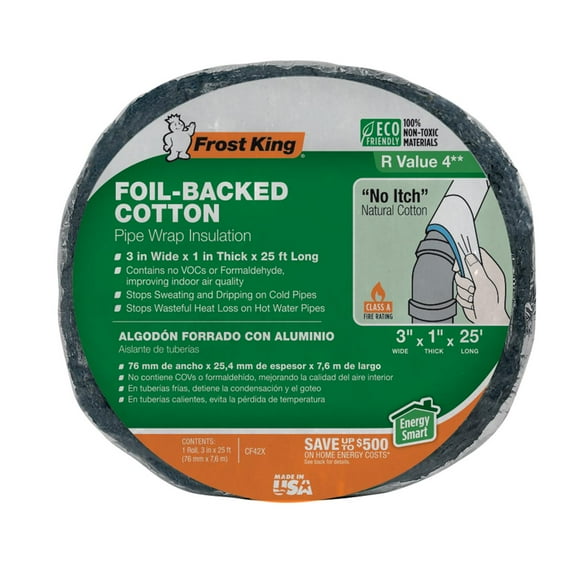
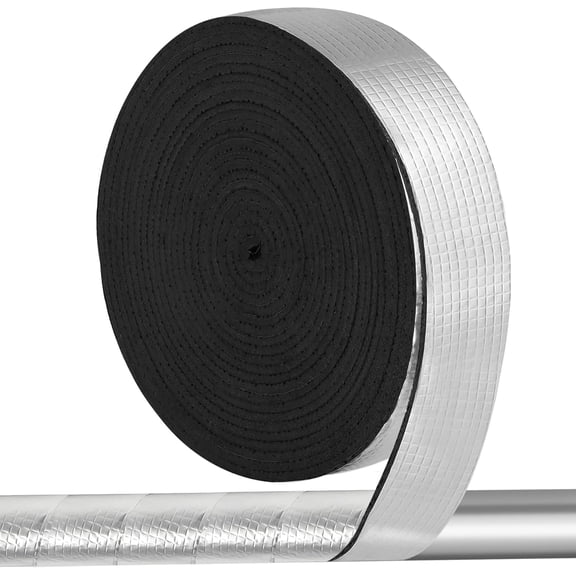
Pipe wrap insulation is useful for fittings, short segments, and uneven shapes. Rolls or spiral wrap formats give you flexibility around corners, tees, and cramped installations.
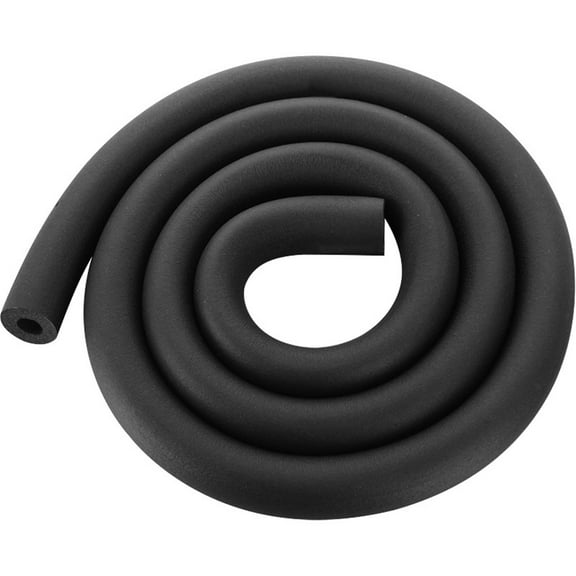
Rubber-based insulation is another common option for plumbing and mechanical lines. Buyers often choose it when they want a denser feel and a snug fit around specific pipe diameters.
Some shoppers compare materials by thickness and labeled temperature range. Others focus on finish, moisture resistance, or whether a product works indoors or in partially sheltered spaces.
What to look for before choosing foam pipe insulation
Start with pipe size, because fit affects performance and appearance. Measure the outside diameter or match the listed compatibility to your plumbing type.
Next, review wall thickness and length per piece. Thicker insulation can add more coverage, while longer sections may reduce the number of seams.
Many shoppers also check R-value information when available. That detail helps compare how different insulation products are built for thermal resistance.
Installation style matters too. Self-seal edges can simplify placement, while standard slit tubes let you trim custom lengths around existing layouts.
If your setup includes elbows, valves, or branch lines, combine tube sections with pipe wrap insulation. That approach creates fuller coverage across tricky transitions.
For visible plumbing, appearance can be part of the decision. Smooth black or gray finishes often look more polished along exposed basement ceilings or utility walls.
Common uses for insulation for pipes
Pipe insulation supports seasonal prep for homes with exposed water lines. Itu's commonly used around crawl spaces, garages, attics, and exterior-adjacent plumbing routes.
Hot water lines are another frequent target. Insulating those runs can help keep water warmer as it travels from the heater to sinks, tubs, or laundry areas.
Cold water lines in humid spaces can also benefit from added coverage. Foam pipe covers help create a barrier around lines running near washers, water heaters, and utility sinks.
DIY projects often use pipe insulation foam tube sections for quick updates before winter. Theyu're practical for straight runs near sill plates, foundation walls, and basement joists.
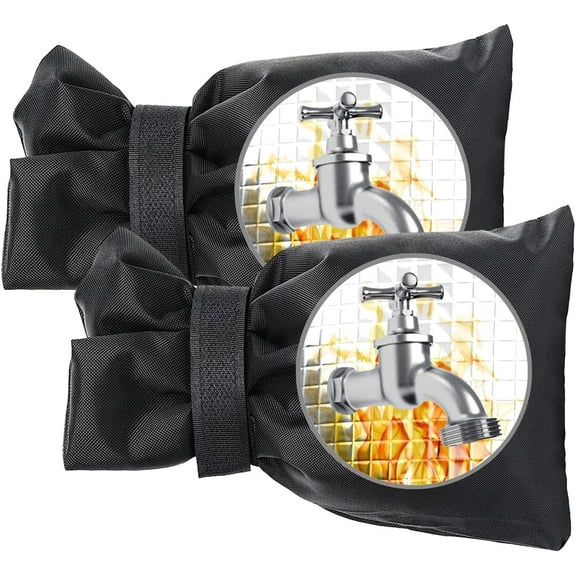
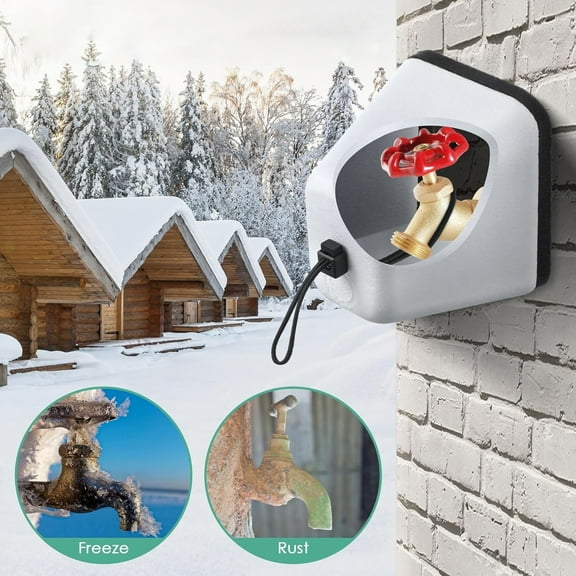
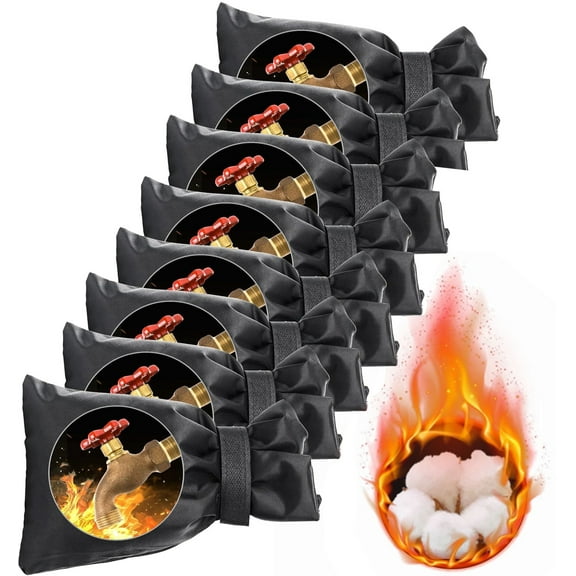
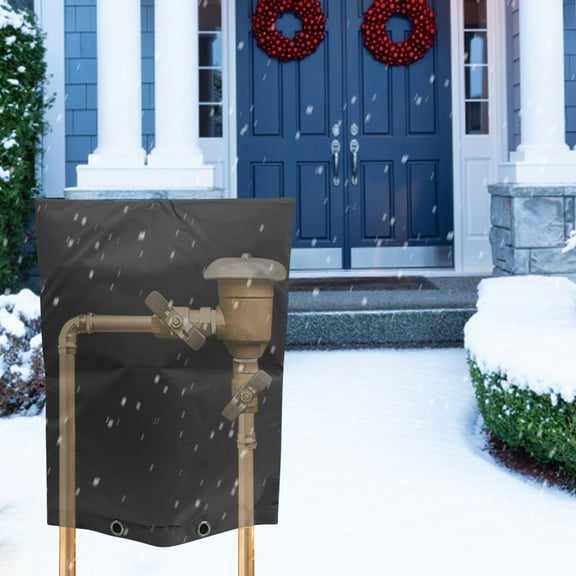
Pipe wrap insulation works well for outdoor faucet supply lines and other awkward sections. Itu's also handy for wrapping valves and bends where standard sleeves need extra support.
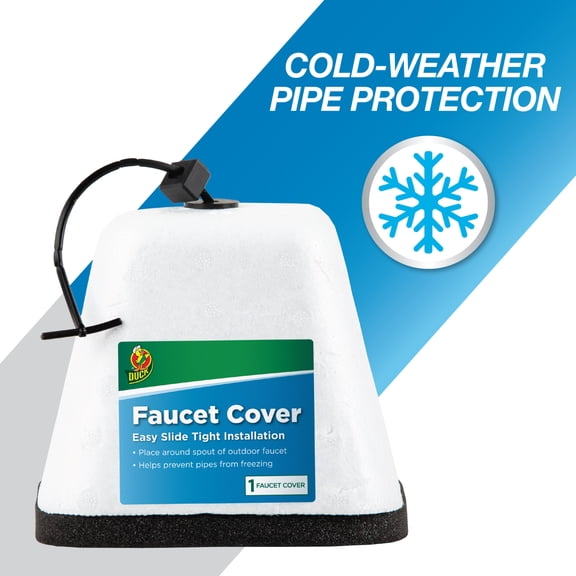
For broader home prep, many shoppers pair this category with water heaters, outdoor faucets, and winterization essentials. That creates a more complete setup before temperatures drop.
Choose pipe insulation with confidence
The right pipe insulation fits your pipe diameter, your layout, and your installation style. With foam sleeves, wraps, and covers in multiple sizes, itu's easier to finish plumbing projects with cleaner coverage and more dependable protection for exposed lines.