



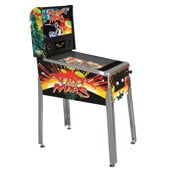
Pinball Machines in Arcade Games
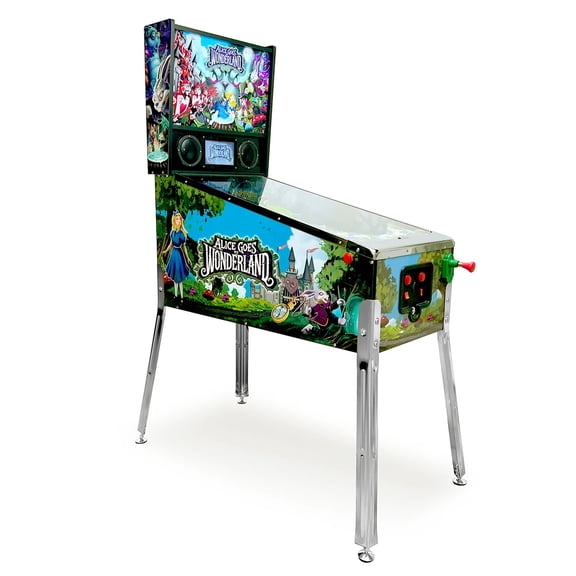

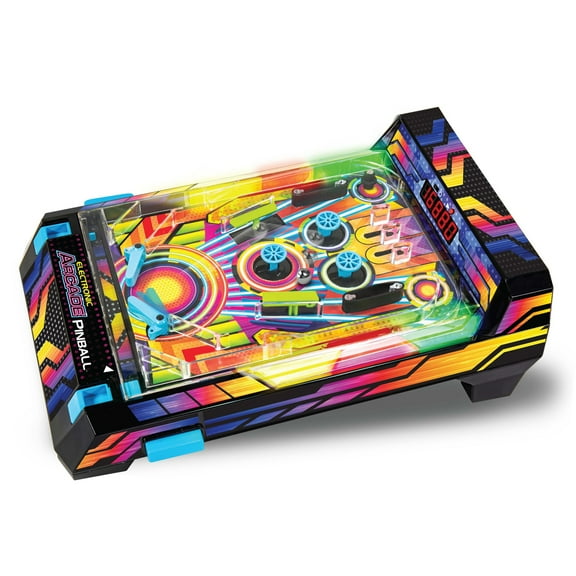


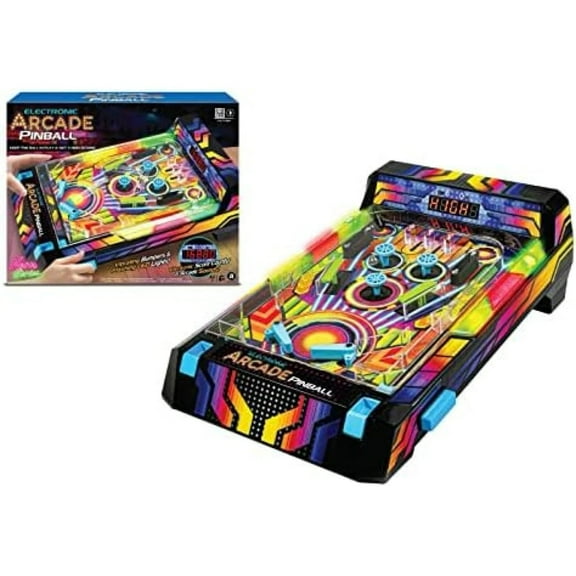













About Pinball Machines in Arcade Games - Walmart.com
Arcade games help you turn a spare corner into a lively play space with authentic controls, cabinet styles, and multiplayer options. You can compare full-size builds, compact tabletops, and game lists that fit your room and how you play.
How to choose arcade games for your space
Start with cabinet size, because your floor plan shapes every other decision. You should measure height, width, and walking clearance before you choose a full-size unit or a smaller countercade.
Full-size arcade cabinets give you the tallest profile and a classic upright look. You may prefer them when your game room has open wall space and you want a more traditional stance.
Three-quarter scale models give you a familiar arcade feel with a smaller footprint. You can place them more easily in basements, bedrooms, or shared family rooms.
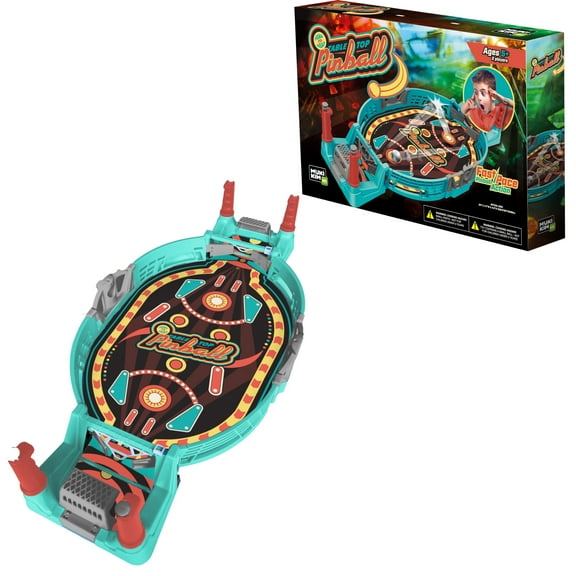
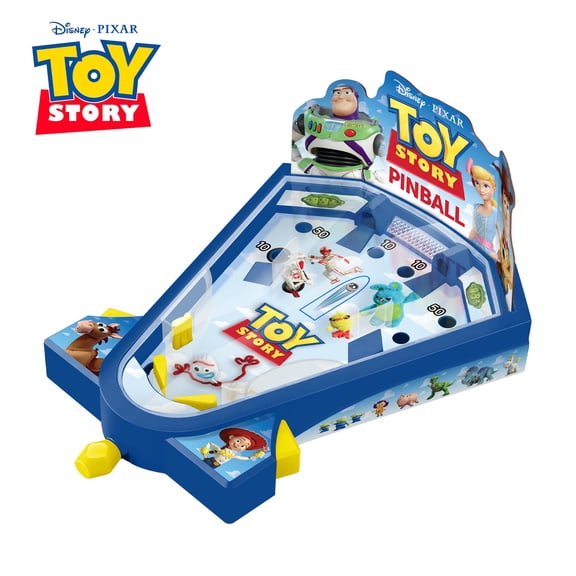
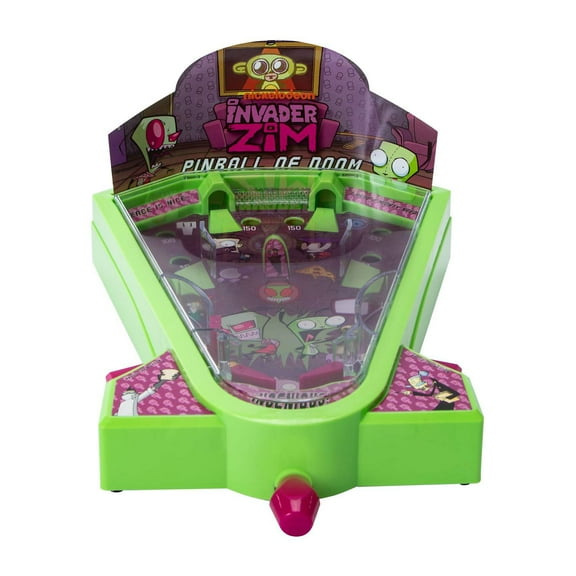
Tabletop and countercade formats work well when you need flexible placement. You can set them on a sturdy surface and keep your floor area open for seating.
Choosing arcade cabinets by game selection
Your game list matters as much as cabinet size, because it shapes replay value. You should compare multi-game systems, single-game cabinets, and classic retro lineups before you commit.
Multi-game options give you variety in one machine and suit mixed-age households. You can move from fighters to puzzle titles or sports-style play without changing machines.
Single-game cabinets focus on one title or a narrow theme for a dedicated feel. You may like that format when you want familiar artwork, matching controls, and a more specific arcade setup.
Classic arcade machines often center on retro arcade games with vintage-inspired art and button layouts. You should also check whether listings describe original licensing or emulation, since that affects how the menu and title list are presented.
- You can choose full-size cabinets for a traditional upright look and a room-defining footprint.
- You can pick tabletop or countercade formats when your space needs a compact gaming station.
- You can select multi-game lineups when your household wants variety across genres.
- You can choose one-player, two-player, or four-player designs based on how you host game nights.
What to look for in home arcade machines
Home arcade machines vary in controls, screens, power source, and assembly needs. You should compare these details closely, because they affect placement, setup time, and how the cabinet feels during play.
Screen type is a key decision point when you want a certain visual style. You'll usually see LCD displays, and you should read the size specs so the viewing distance matches your room.
Control layout changes how comfortable your sessions feel over time. You should check joystick style, button spacing, and player positions, especially when you want side-by-side multiplayer play.
Power source also shapes convenience in your home. AC powered machines suit permanent setups, while battery operated models support easier movement between rooms.
Wi-Fi enabled machines may offer connected features, score tracking, or updates depending on the model. You should confirm those details in the item description, because connected functions can vary by cabinet.
Assembly deserves attention before delivery day. You should check whether tools are included, how many steps are required, and whether two people make the build easier.
Weight and width matter when you need to move a cabinet through doors or up stairs. You can avoid setup surprises when you measure entryways and compare the listed dimensions first.
Matching player capacity to how you play
Your player count should match the way you use your game room. You may want a one-player setup for solo score chasing or a four-player cabinet for parties and family gatherings.
One-player designs fit smaller footprints and a focused control panel layout. You can use them in offices, bedrooms, or hobby spaces where a compact station makes more sense.
Two-player cabinets support head-to-head matches and cooperative play without taking over the whole room. You may find this format works well when you want arcade cabinets that balance size and social play.
Four-player machines create a more involved group setup with wider control decks. You should plan extra elbow room around the cabinet so everyone can play comfortably.
Using arcade games in real rooms
You can use arcade games to anchor a basement game room, a family den, or a rec space. Full-size cabinets often suit dedicated entertainment zones where the machine becomes part of the room design.
Smaller home arcade machines work well in apartments, offices, or corners near media furniture. You can get a recognizable arcade feel without giving up large amounts of floor space.
If you host friends often, you may want multiplayer arcade machines with a broader game list. You can keep guests engaged longer when different skill levels have several genres to choose from.
If you want a nostalgic setup, you may prefer classic arcade machines with retro styling and familiar control layouts. You can pair that look with stools, wall art, or other game room accents for a cohesive space.
When you need easy placement, you should compare power access and surface requirements before you order. You can narrow choices quickly by matching cabinet size, player count, and game type to your room.
With the right cabinet dimensions, controls, and title lineup, you can create a setup that feels built for your home. You’ll get a clearer path to the right fit when you compare size, players, and game selection first.