




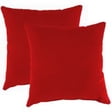
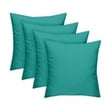
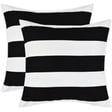
Outdoor Pillow Inserts in Outdoor Pillows
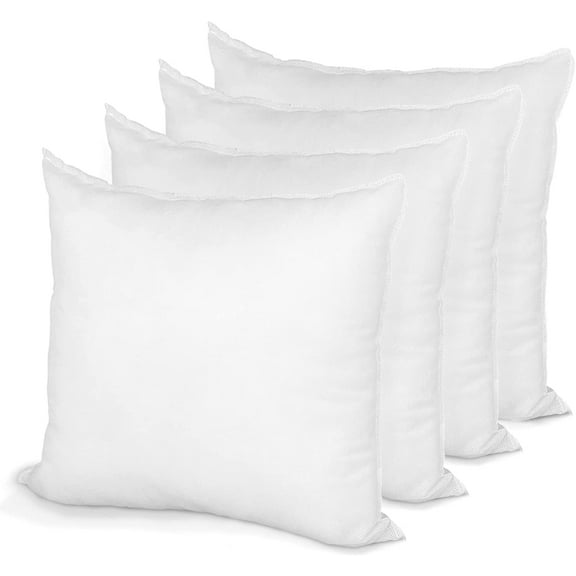


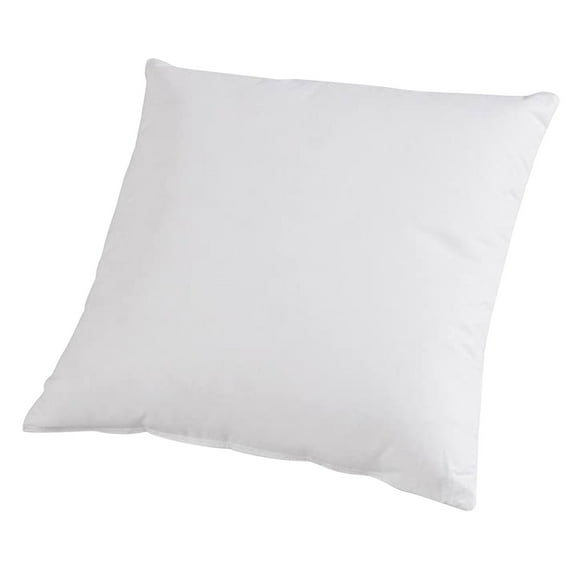























About Outdoor Pillow Inserts in Outdoor Pillows - Walmart.com
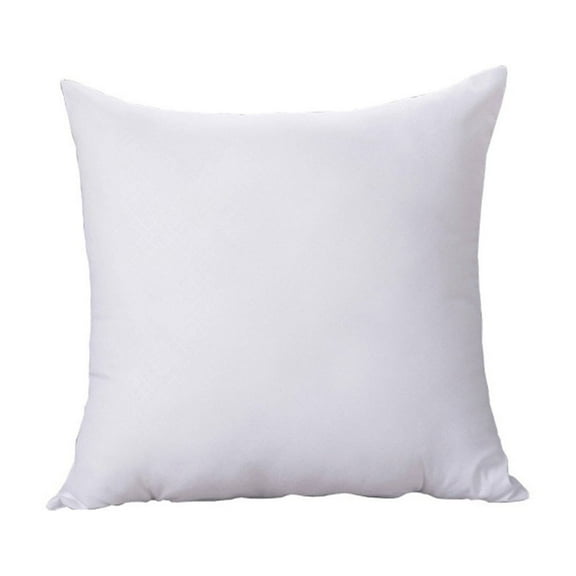
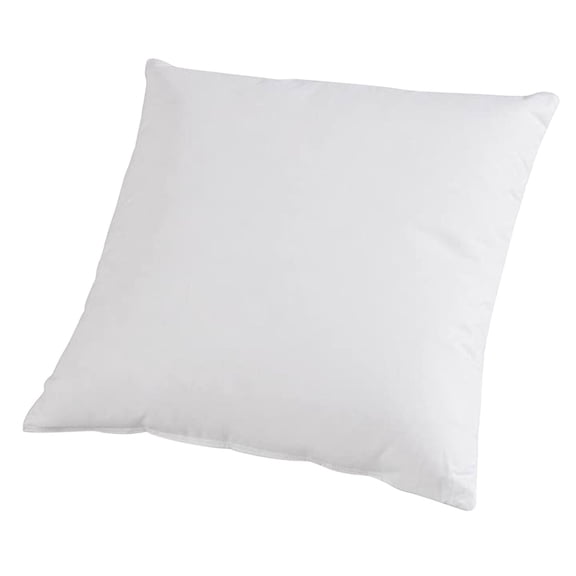
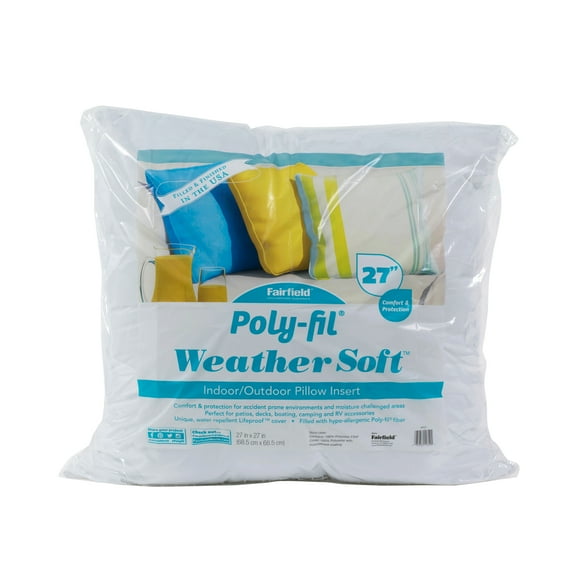
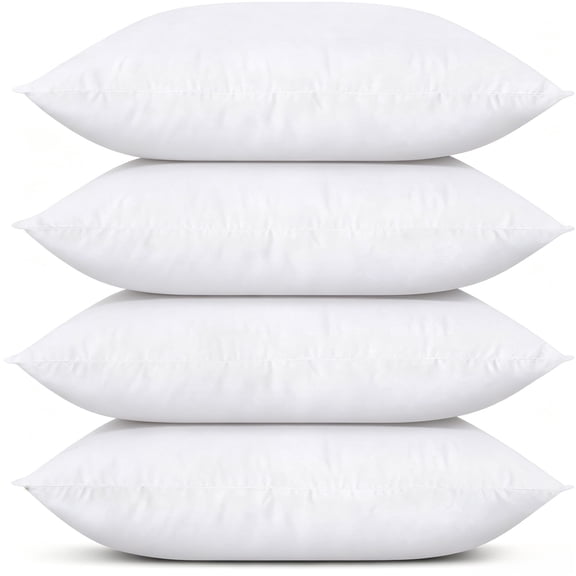
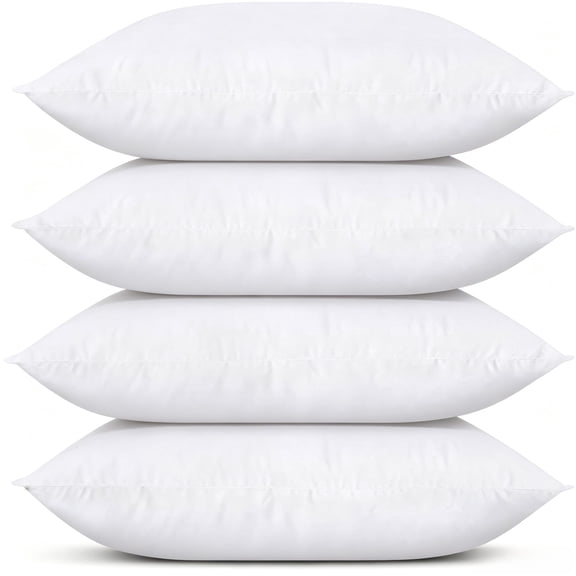
You can refresh patio seating with outdoor pillow inserts that fit your covers neatly and hold shape through sun, splash, and changing weather. Unlike indoor fills, you can compare outdoor options by size, water resistance, shape, and fill material for porch and patio use.
When you choose inserts made for outdoor spaces, you can keep pillows looking fuller between gatherings and everyday lounging. You can also match square or lumbar styles to chairs, benches, and sectionals for a more tailored finish.
How to choose outdoor pillow inserts
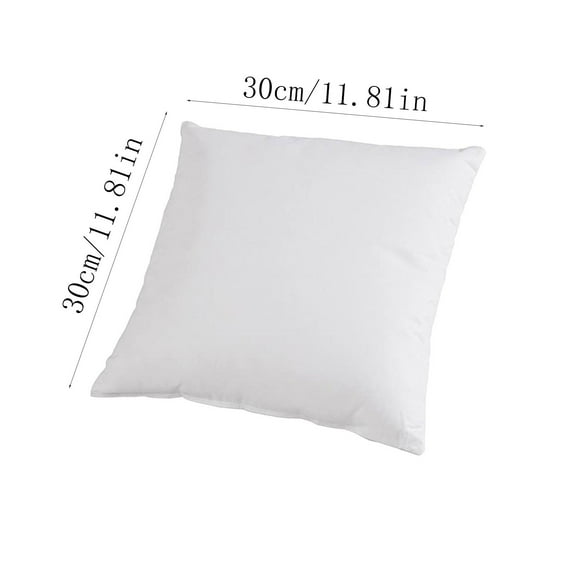
You should start with your cover size, because fit changes how full your pillows look and how neatly corners fill out. For a plumper result, you can choose an insert one to two inches larger than your cover.
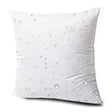
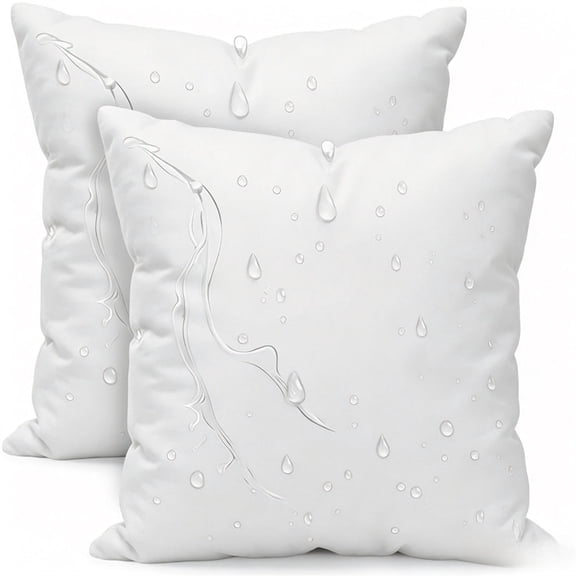
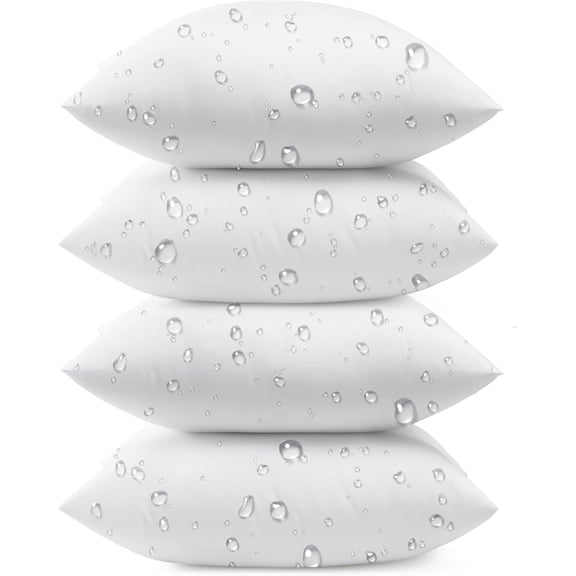
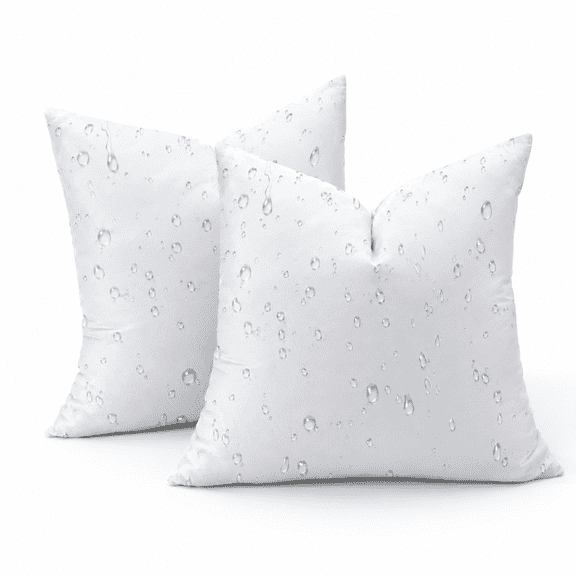
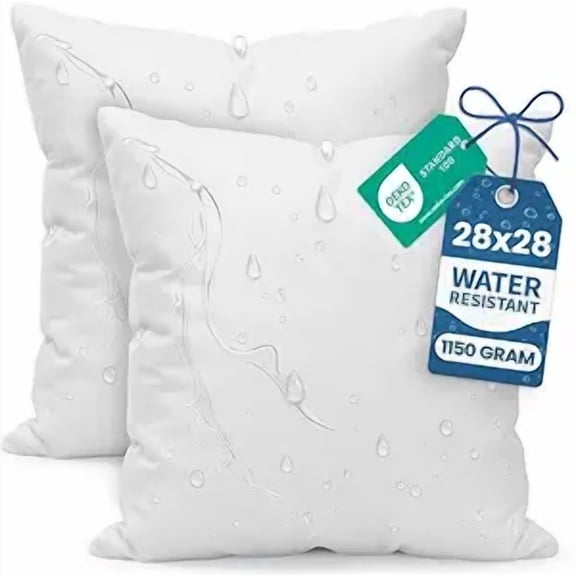
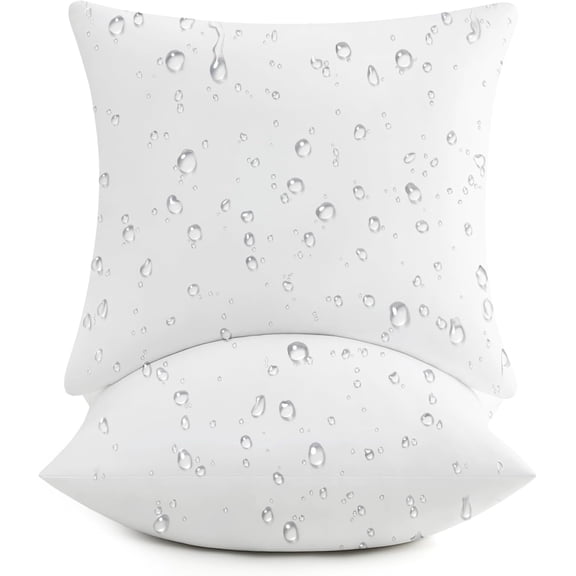
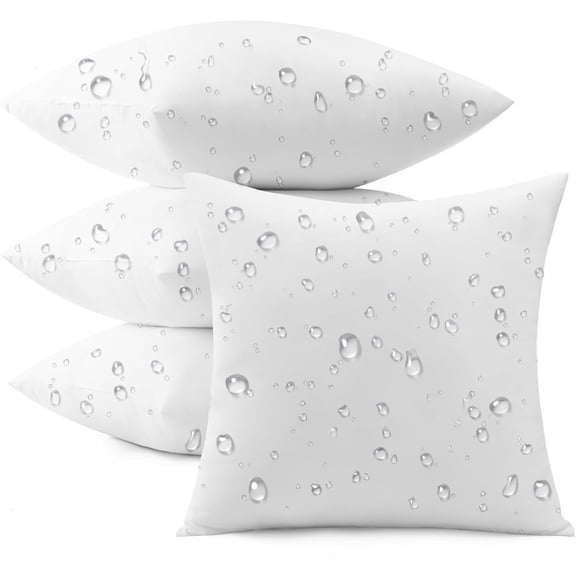
Another key decision is water resistance, because exposure changes what feels practical in your space. If your setup stays uncovered, you may prefer waterproof outdoor pillow inserts with a more structured feel.
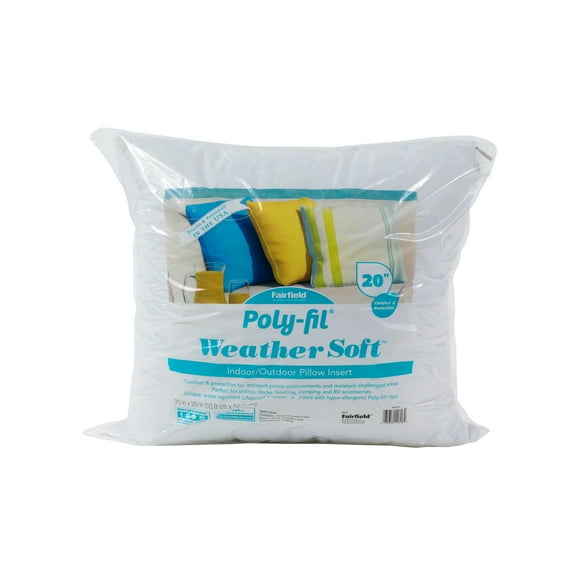
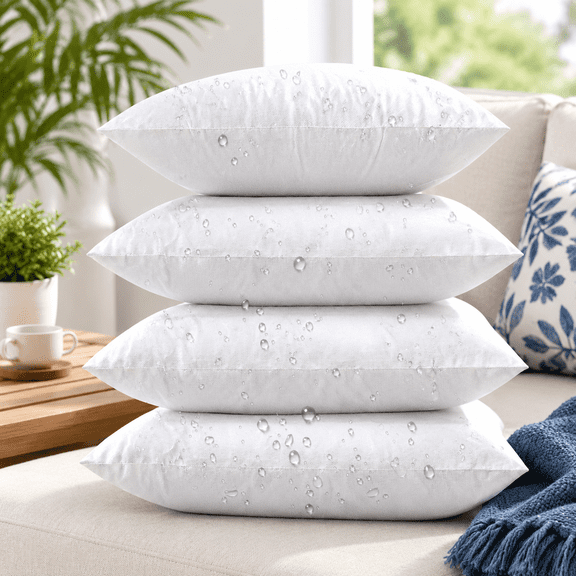
Covered patios often call for softer fills that still handle humidity and light splashes. In those spaces, you may prefer a weather resistant pillow insert with a gentler hand and quick-drying properties.
- You can get a fuller look by sizing inserts slightly larger than your pillow covers.
- You can keep corners neater when outdoor-grade fill resists flattening after repeated use.
- You can match square and lumbar shapes to chairs, benches, and sectional seating.
- You can balance softness and moisture defense by comparing shell construction and fill type.
Choosing the right size: outdoor pillow inserts 18x18 and more
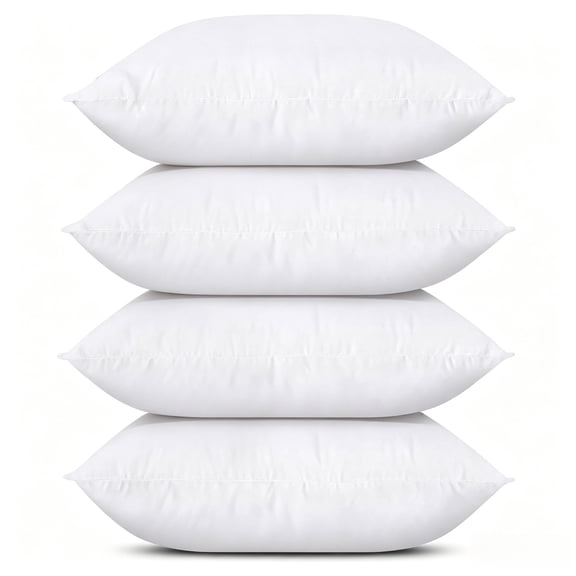
You should measure your cover before comparing inserts, especially if you want crisp edges and a plump finish. Common sizes include outdoor pillow inserts 18x18, 16x16, 20x20, and 20x36 for many patio layouts.
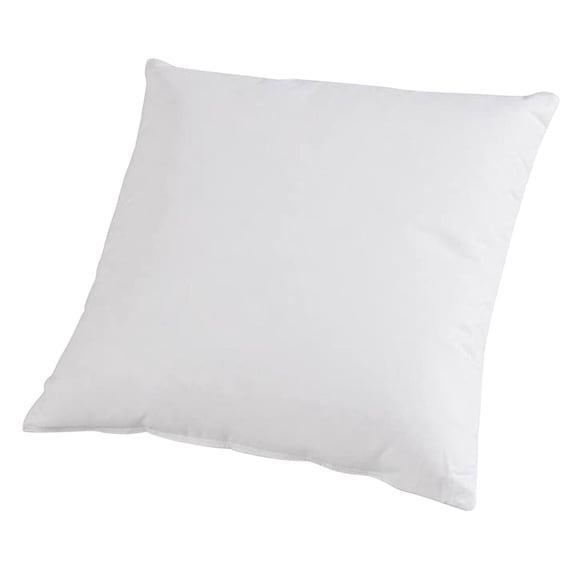
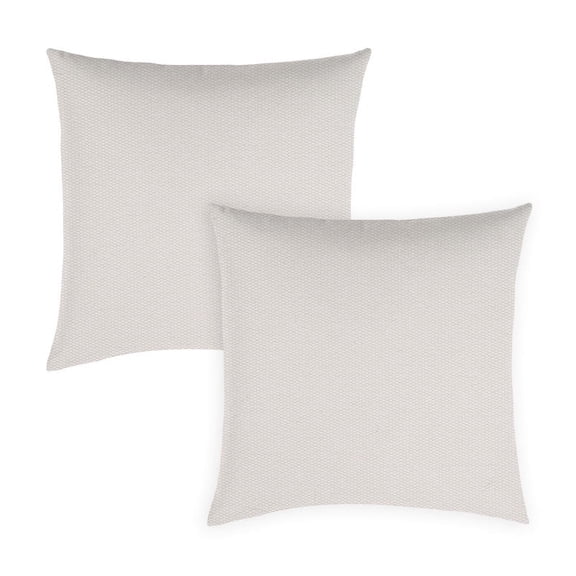
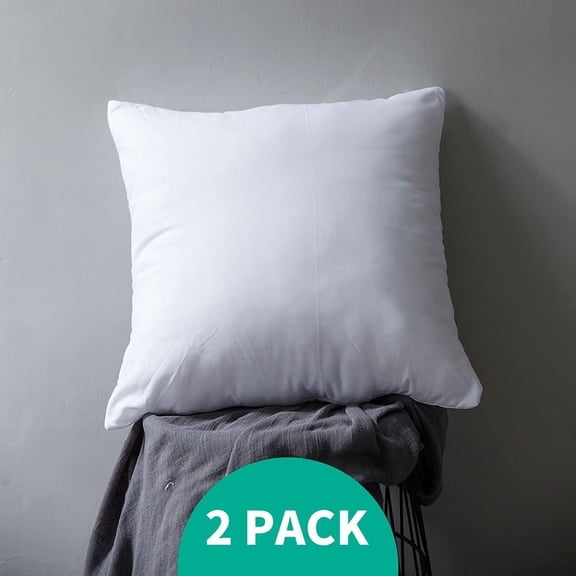
Square inserts work well when you use classic back pillows or layered throw arrangements. A throw pillow shape can help your porch swing, sofa, or dining set look more polished.
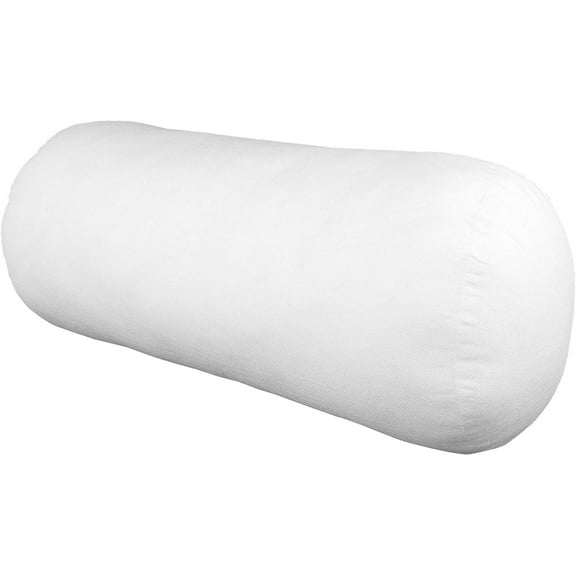
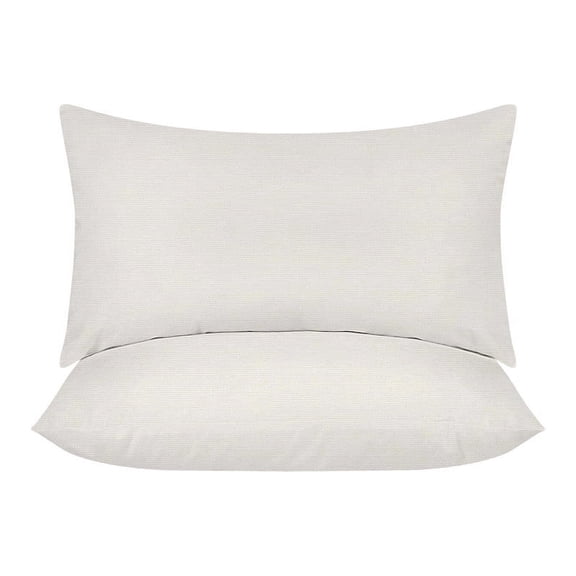
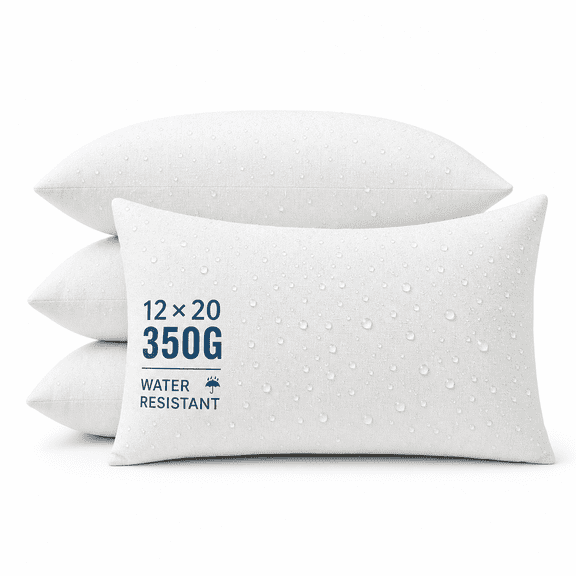
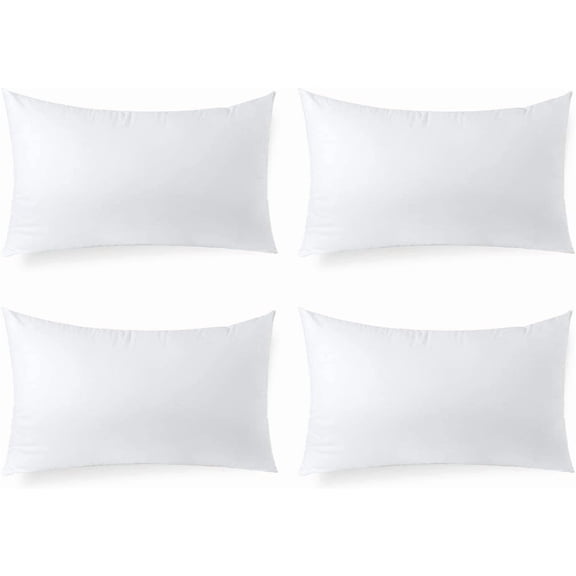
An outdoor lumbar pillow insert suits narrower covers on benches, accent chairs, and deep seating. That shape can help your arrangement look balanced without adding too much bulk across the seat back.
You should also check whether your cover features a label for a throw pillow shape or a true lumbar design. You can get a cleaner fit when the insert shape matches the seam layout and corner structure.
Choosing waterproof or weather-resistant outdoor pillow inserts
You can compare waterproof outdoor pillow inserts with softer weather resistant options based on how exposed your setup feels. A waterproof shell can help protect the core, while softer fills may feel less stiff in covered areas.
If your pillows sit near a pool, open deck, or uncovered patio, you may lean toward stronger moisture protection. When your seating stays under a roof, you may prioritize softness and quick-drying properties instead.
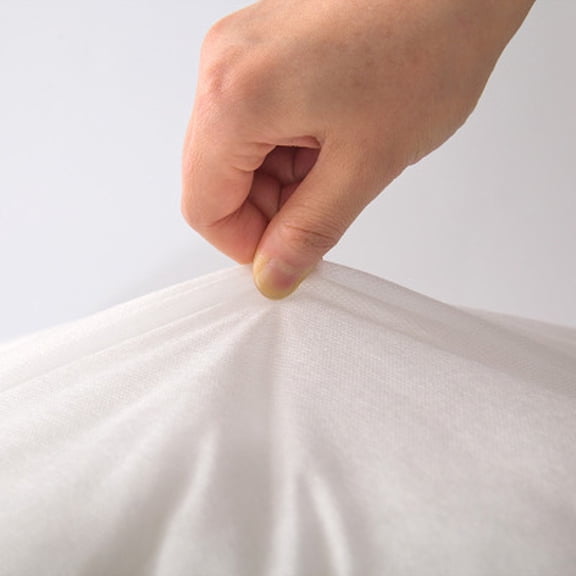
You should also consider breathable shells and drainage details when humidity or splashes are part of daily use. Those features can help moisture move out instead of staying trapped inside the insert.
Outdoor-grade materials also matter when your patio gets strong afternoon sun. Those materials can help your inserts keep loft longer and resist flattening through seasonal use.
Comparing fill material and construction
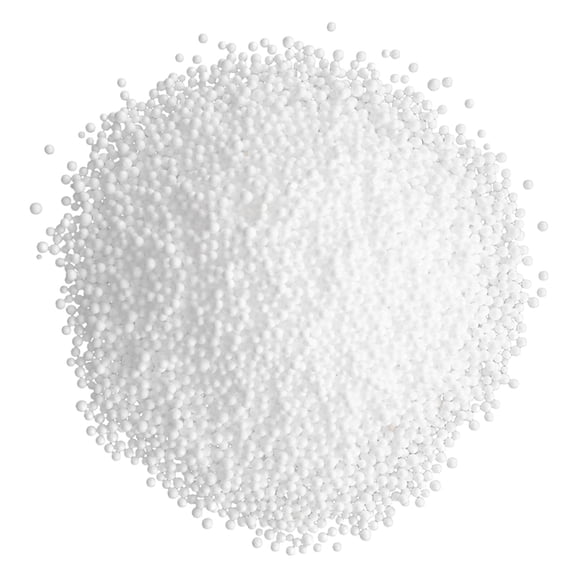
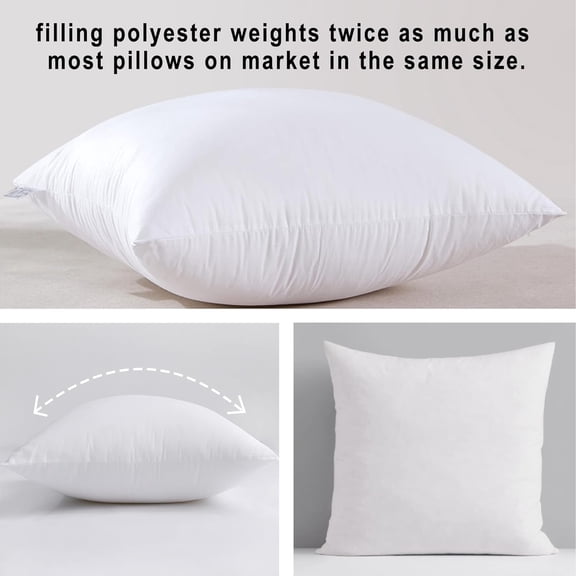
You should compare polyester fiberfill, waterproof pillow stuffing, and foam by how you use your pillows. Polyester fiberfill can feel plush, while foam can add structure for longer bench or backrest applications.
Waterproof pillow stuffing and coated shells can suit spaces with regular splashes or little overhead cover. Those options may feel firmer, so you should weigh moisture defense against the softness you want.
You can also compare shell texture, seam construction, and fill distribution before choosing outdoor throw pillow inserts. Those details can help corners stay filled instead of bunching toward the center after repeated use.
If your patio gets strong afternoon sun, you should look for outdoor-ready materials that resist flattening. That focus can help your pillows keep a smoother shape through seasonal setup and storage.
Matching inserts to real patio use
You can use 18 x 18 outdoor pillow insert sizes for dining sets, porch rockers, and many standard accent covers. That common size suits layered arrangements when you want seasonal covers to look full and structured.
For deeper seating, you may prefer 20x20 inserts that fill wider sectionals and outdoor loveseats more evenly. If your bench or settee uses a long cover, 20x36 can create a cleaner back cushion line.
Square inserts usually fit classic patio styling, while lumbar shapes suit narrow benches and supportive accent placements. Throw pillow formats work well when you mix sizes across sofas, chairs, and porch swings.
You should also think about rotation and storage during off-season months. Inserts that match common cover dimensions can make setup simpler and help your patio look pulled together each time.
Why outdoor-specific inserts matter
You can skip guesswork when you choose inserts built for patio conditions instead of indoor decor. That choice can give your covers a cleaner fit, steadier loft, and materials suited to moisture, sun, and outdoor seating.
When your corners stay shaped and your inserts dry quickly, you can keep your patio setup looking finished longer. Outdoor-specific fills help your covers sit neatly and feel more appropriate for everyday porch use.