

pH Meters Near Me: Digital pH Testers & Water Readers


















About pH Meters Near Me: Digital pH Testers & Water Readers
You can compare pH meters and thermometers more easily when you focus on accuracy, calibration, and the right form factor for your lab tasks. You also get a clearer path to the tools that match bench testing, field sampling, and routine water checks.
How to choose pH meters and thermometers
You'll want to start with device type because each option supports a different workflow. You can compare a pH meter, lab thermometer, combo tester, or pH pen by how you collect and record readings.
If you test liquids often, you may prefer laboratory pH meters with a separate probe and display. If you move between stations, you may prefer pH tester pens or handheld combo testers.
You'll also want to match your tools to the samples you handle most. You can use scientific thermometers for liquids, surfaces, or controlled lab environments, depending on the probe style.
Choosing the right device type and form factor
You can narrow your options quickly by comparing handheld, benchtop, pocket, and probe designs. You should measure where you work most, because portability and stability change how easily you capture repeat readings.
If you run frequent tests at one station, you may choose a benchtop unit for a larger screen and steady placement. If you travel between containers, you may choose a pocket pen or handheld meter.
You can also compare probe length and cable style before you decide. You'll find that longer probes help you reach deeper vessels, while compact pens fit tighter spaces.
- You can use benchtop units when your workflow needs steady placement and clear readouts.
- You can use handheld or pocket tools when your testing moves between samples or locations.
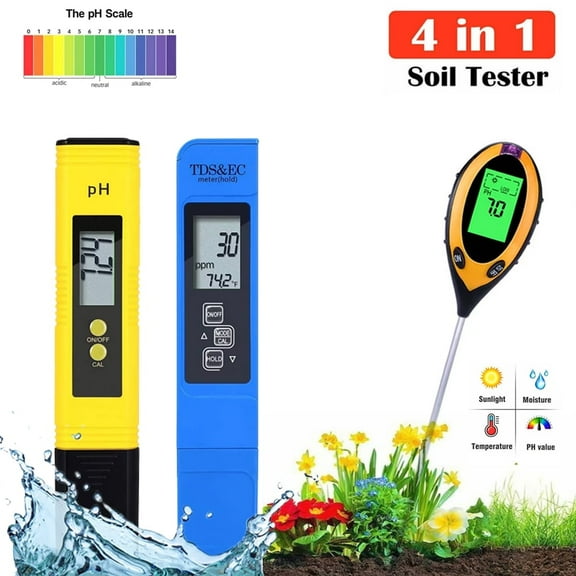
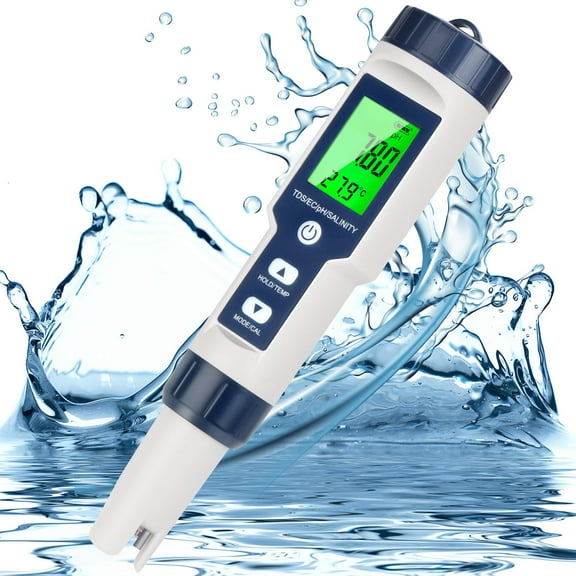
- You can choose combo testers when you want pH and temperature readings in one instrument.
- You can compare probe designs when your containers, beakers, or tanks vary in depth.
What to look for in laboratory pH meters
You should check measurement accuracy first, because small differences matter during repeat testing. You'll often look for around ±0.01 pH accuracy when your work needs fine resolution.
You can also compare the supported pH range and display readability before you choose. You'll appreciate a clear screen when you record readings quickly or work under bright lab lighting.
If you use pH buffer solutions often, you should compare calibration type closely. You can choose single-point calibration for simpler routines or multi-point calibration for broader sample ranges.
You'll also want to check whether the meter supports electrode replacement and storage accessories. You can keep your workflow more consistent when replacement probes and storage solutions are easy to match.
Comparing digital lab thermometers and display types
You can compare digital lab thermometers, analog dial models, and liquid-in-glass designs by readability and workflow needs. You'll usually prefer a digital LCD display when you want fast, easy-to-read numbers.
If you need a familiar visual reference, you may consider analog dial formats for quick checks. If you follow traditional procedures, you may also consider liquid-in-glass scientific thermometers.
You should also compare temperature resolution before you choose a model. You'll notice that finer resolution helps you record smaller changes during sample preparation or monitoring.
If you log readings throughout the day, you may prefer digital displays for easier viewing at a glance. You can streamline routine checks when the display remains clear from different angles.
Understanding calibration and ATC
You should check whether automatic temperature compensation, or ATC, is included before you choose a pH tool. You'll get readings that stay aligned with sample temperature changes during testing.
If your samples vary in temperature, you may find ATC especially useful during repeated checks. You can reduce extra adjustment steps when the meter accounts for temperature automatically.
You should also compare manual calibration with automatic prompts and guided steps. You'll spend less time guessing when the meter clearly supports your calibration routine with pH buffer solutions.
If you test across several ranges, you may prefer multi-point calibration for added control. You can use single-point calibration when your routine stays within a narrower range.
Using pH tester pens, combo testers, and water quality testers
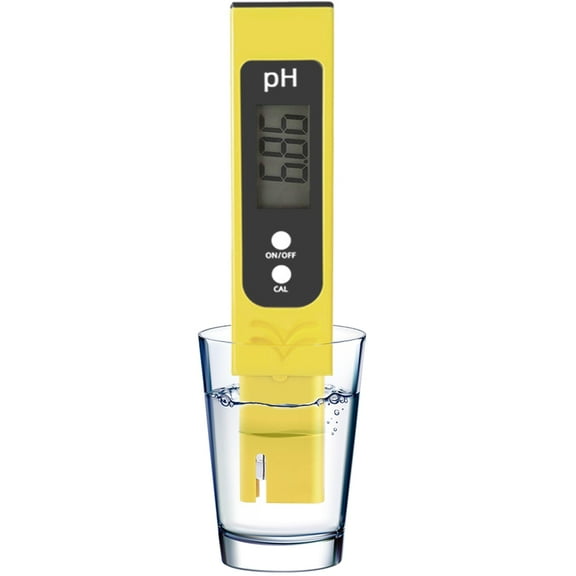
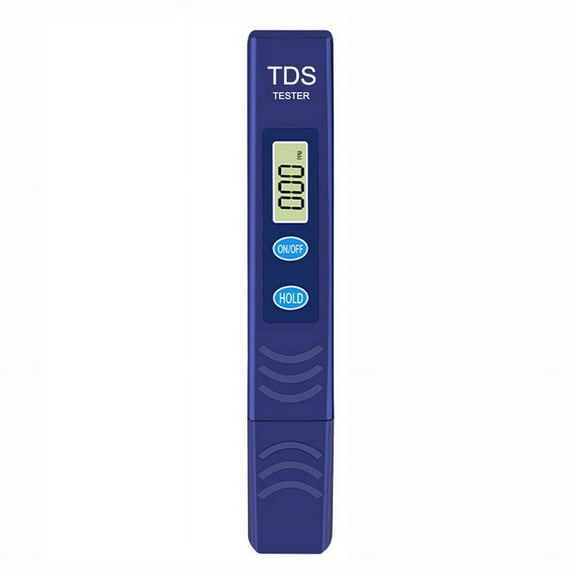
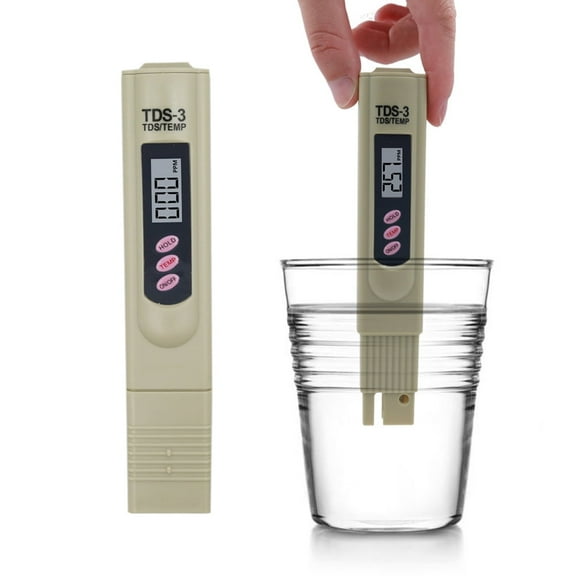
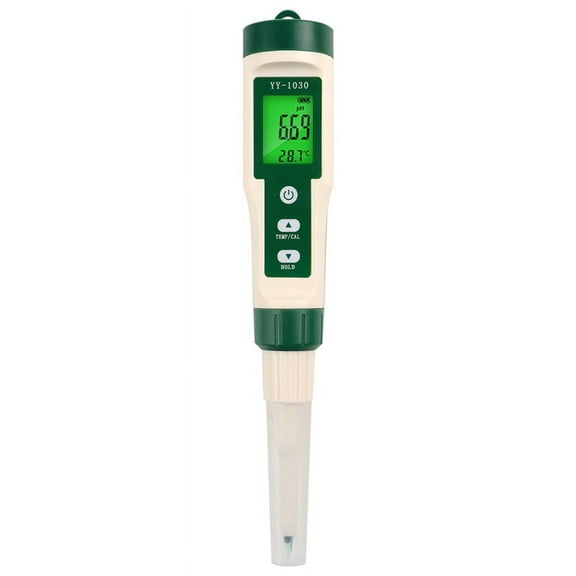
You can use pH tester pens for quick spot checks in classrooms, workstations, or sample prep areas. You'll appreciate their compact size when you need to move quickly between containers.
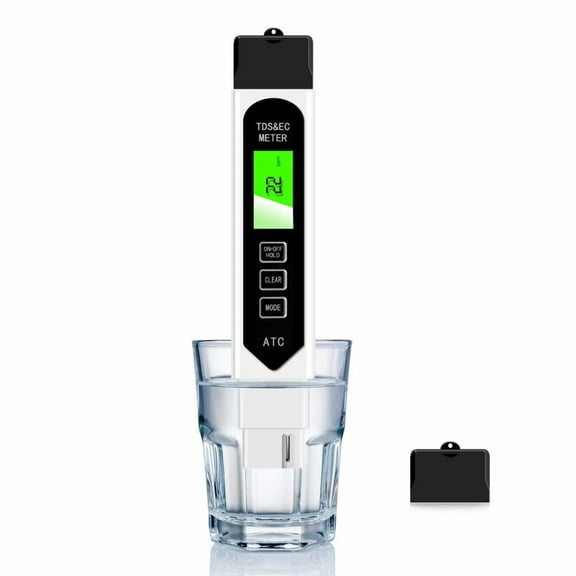
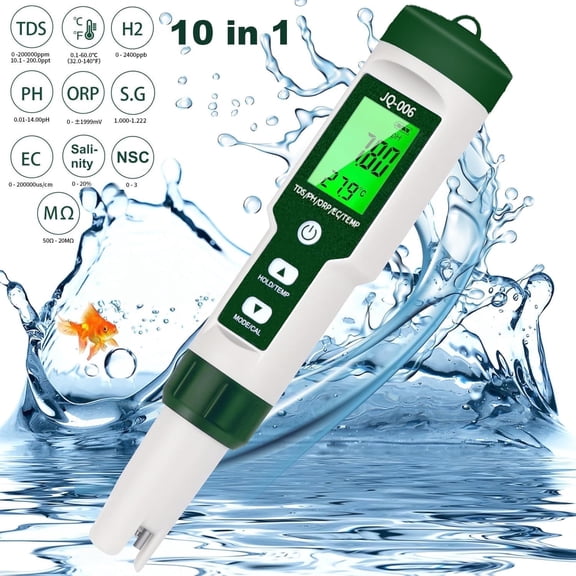
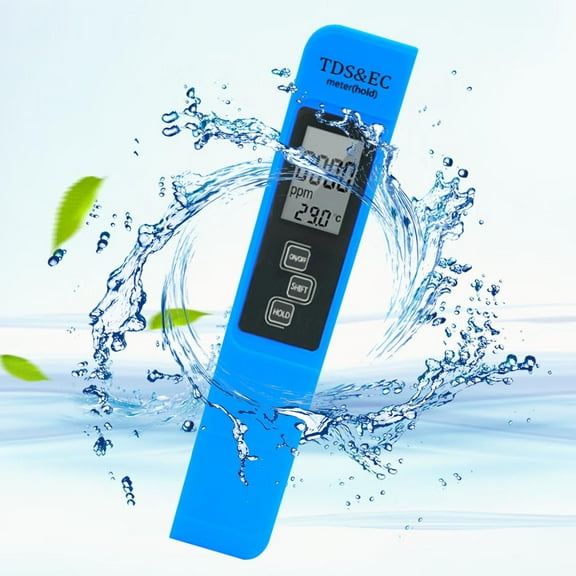
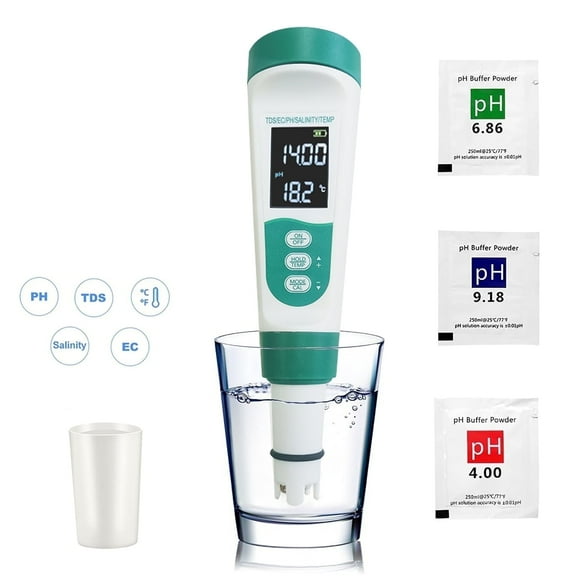
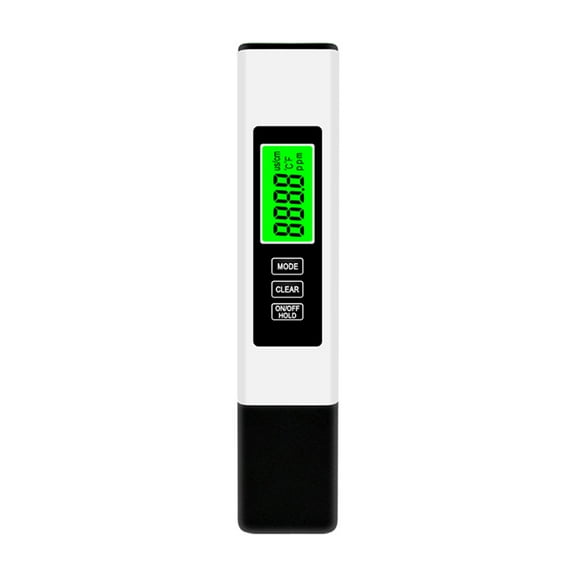
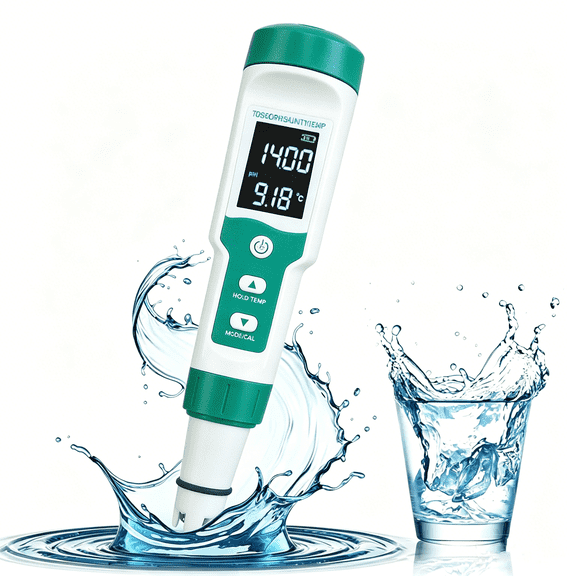
If you want fewer separate tools on your bench, you may choose a combo tester. You can measure pH and temperature together, which helps simplify routine water quality testers setups.
You may also compare these formats by maintenance needs before you decide. You'll want to check electrode care, storage caps, and replacement part availability for ongoing use.
If you handle frequent sampling, you should consider how easily each tool cleans and stores. You can keep your testing routine more organized when maintenance steps stay simple and consistent.
Matching features to your lab routine
You can choose different combinations of features based on how and where you test. You'll often pair a benchtop pH meter with multi-point calibration for repeated bench analysis.
If you move between stations, you may pair a handheld meter with ATC and a digital LCD screen. You can also choose digital lab thermometers with probe styles that match beakers, tanks, or narrow vessels.
You should think about replacement electrodes, probe access, and buffer use before you commit. You'll avoid workflow interruptions when your instruments fit your maintenance habits as well as your measurement needs.
You can make a confident choice when you compare device type, display, calibration, and form factor together. You'll end up with instruments that support clearer readings, smoother routines, and more consistent lab records.