

Pest Repellents in Insect and Pest Repellents







![Cedarcide Complete Pest Control Kit (Large) [Contains Cedarcid Original, Outdoor Bug Control Concentrate, Cedar Granules] - Kills and Repels Fleas, Ticks, Ants, Mites, Mosquitoes, Wasps, and Roaches](https://i5.walmartimages.com/seo/Cedarcide-Complete-Pest-Control-Kit-Large-Contains-Cedarcid-Original-Outdoor-Bug-Concentrate-Cedar-Granules-Kills-Repels-Fleas-Ticks-Ants-Mites-Mosqu_298b89e5-d466-46e6-8cd3-6668c70385c9.2b944c47d4894899b7811256fe8eec98.png?odnHeight=576&odnWidth=576&odnBg=FFFFFF)







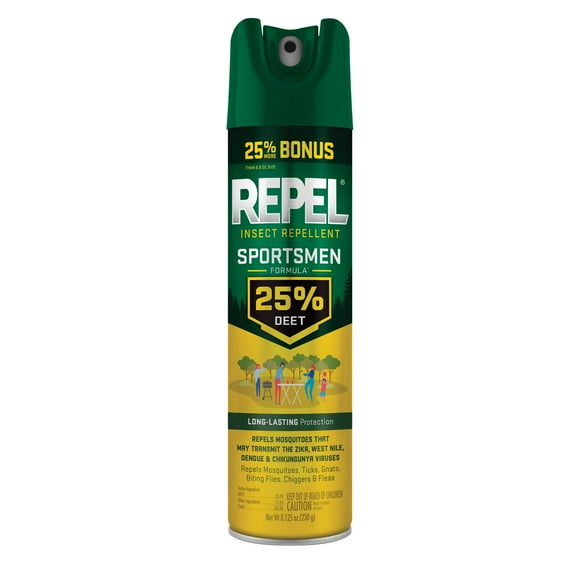
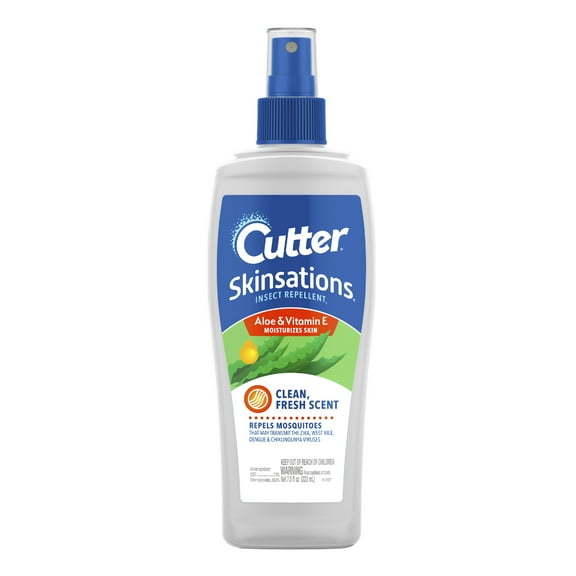
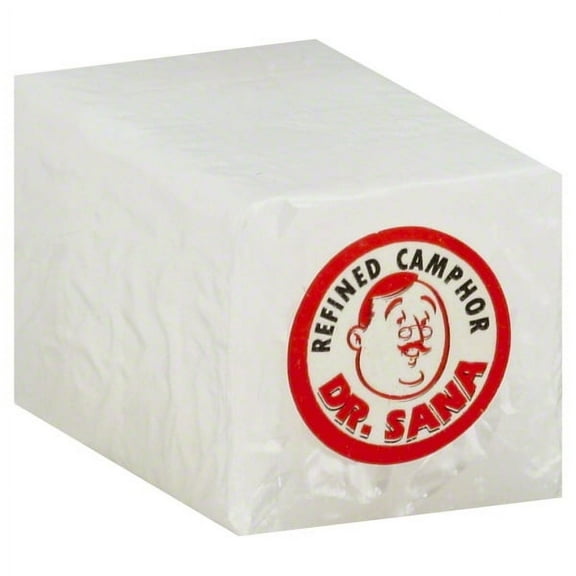

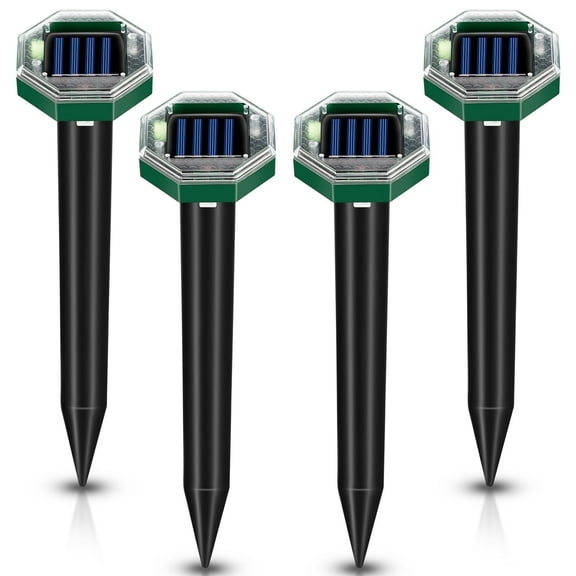

About Pest Repellents in Insect and Pest Repellents - Walmart.com
Pest repellents help you protect your home, yard, and entry points with options matched to specific pests and spaces. You can compare indoor pest repellents, outdoor pest repellents, and ingredient styles in one place.
When you choose the right format, you can cover baseboards, patios, garden edges, or utility areas with less guesswork. You can also check labels for target pests, application directions, and reapplication timing before you decide.
How to choose pest repellents for your space
You should start with where you'll use the product, because indoor and outdoor formulas serve different spaces. You can narrow choices faster when you match your space, pest type, and preferred application method.
If you need home pest repellents for kitchens, basements, or garages, you may prefer indoor-ready sprays, liquids, or electronic options. If you're treating patios, foundations, or fence lines, you may look for outdoor formulas, perimeter granules, or garden-ready choices.
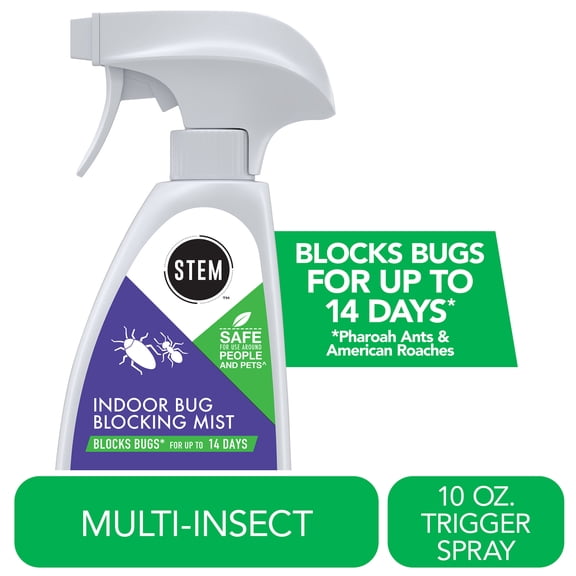
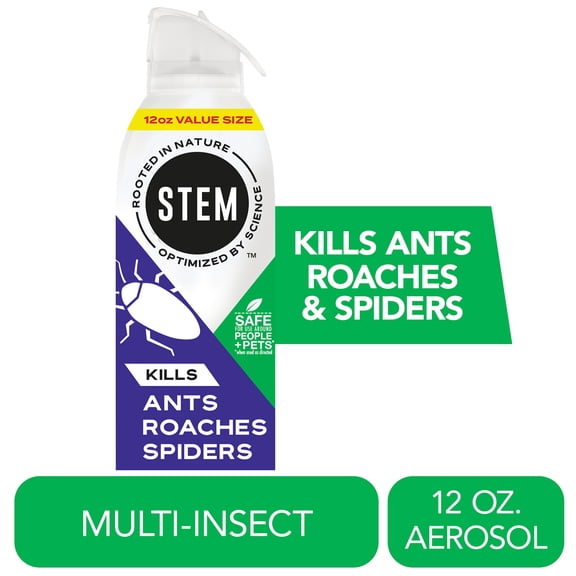
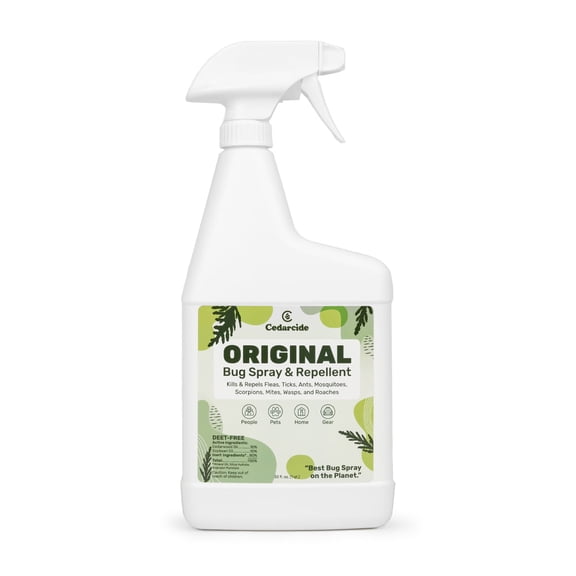
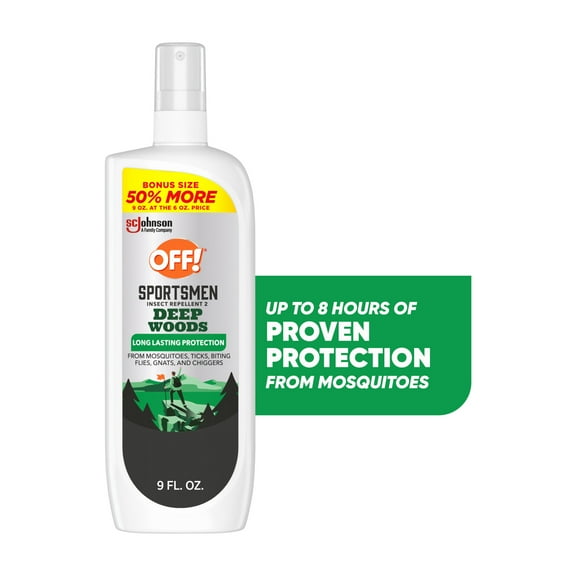
- You can use sprays for quick coverage on cracks, corners, and entry points.
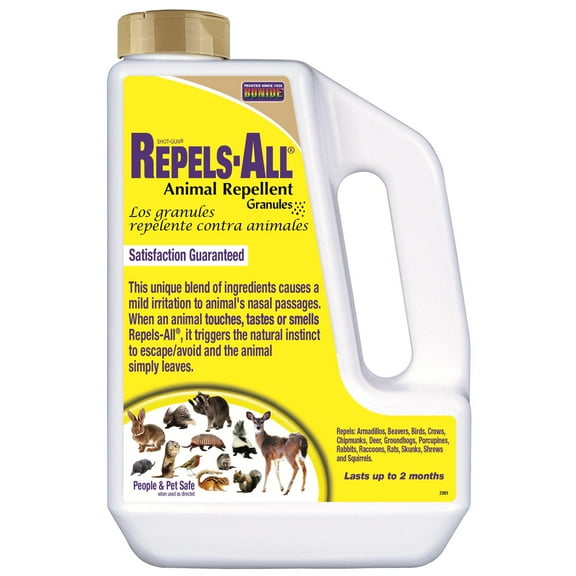
- You can choose granules when you want to cover a perimeter, flower bed edge, or yard border.
- You can pick liquids when you want measured application around foundations or outdoor zones.
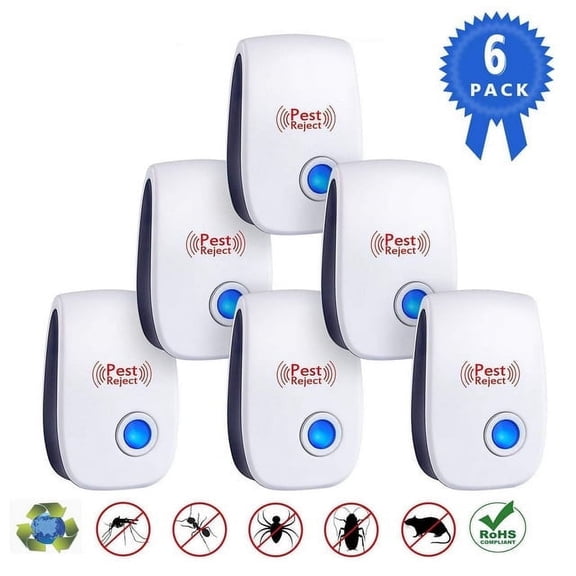
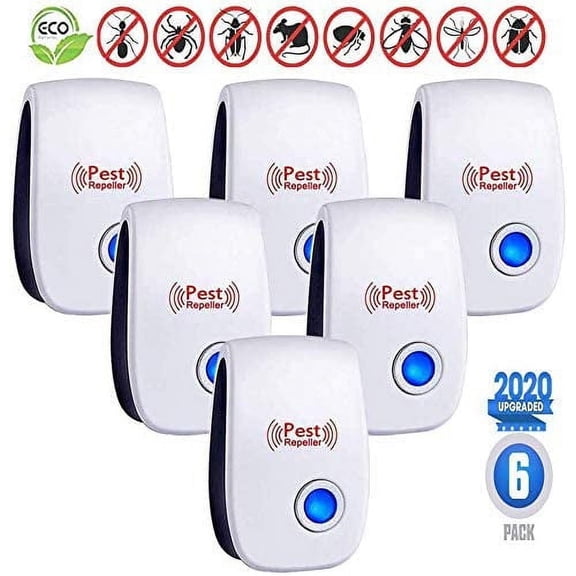
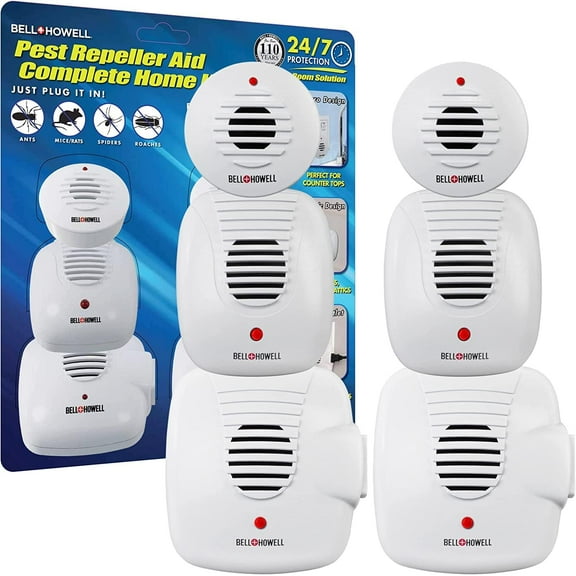
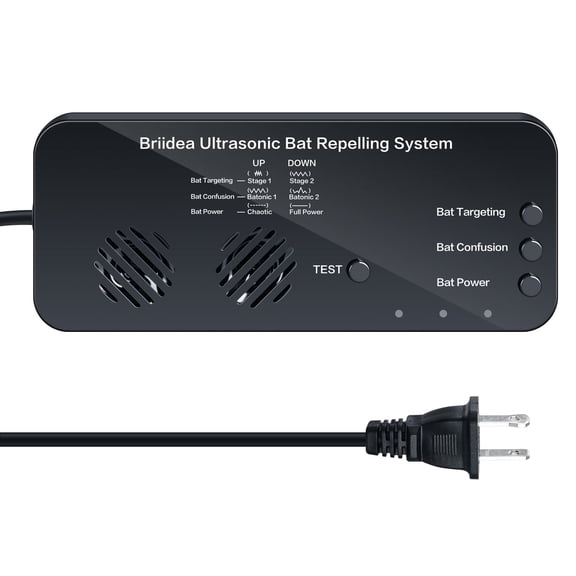
- You can compare electronic formats when you want plug-in convenience for select indoor areas.
- You can review trap options when you want a contained setup for specific pest activity.
You should also check whether the label matches your target pest, because ants, spiders, mosquitoes, and rodents call for different approaches. You can avoid trial and error when you confirm that the product is intended for your exact pest concern.
Choosing indoor pest repellents by area and routine
You may want indoor pest repellents that fit how you live, clean, and move through each room. You can compare formats that suit bedrooms, kitchens, laundry rooms, mudrooms, and storage spaces.
For indoor areas, you should look for clear instructions, placement guidance, and a format that fits the room size. You can often use sprays for spot application, while electronic options may suit outlets in steady-use spaces.
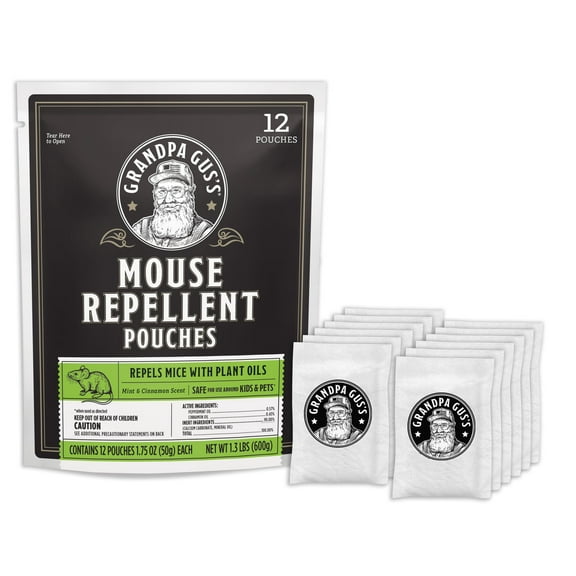
If children or pets share your home, you should read placement directions and usage notes before use. You can also compare natural pest repellents and plant-based options when ingredient style matters to your household.
You may find that indoor products with targeted labels help you focus on crawling insects, flying insects, or rodents. You can keep your selection practical by matching the label language to the pest activity you actually see.
Comparing outdoor pest repellents and perimeter coverage
Outdoor pest repellents help you address patios, walkways, foundations, sheds, and garden borders with broader coverage options. You can choose formats that handle open-air spaces, changing weather, and larger treatment zones.
Granules often make sense when you want a visible perimeter around your home's edge or planting areas. Liquids and sprays may fit when you need directed coverage on siding gaps, deck corners, or outdoor entry points.
If you're treating a garden, you should check whether the product is labeled for that application area. You can compare garden-focused and perimeter-focused products so your placement matches the space.
You should also review reapplication guidance, because outdoor conditions can affect how long coverage lasts. You can plan your routine more easily when you understand the timing listed on the package.
Matching pest control repellents to the pest problem
Pest control repellents work most effectively when you match the formula to the pest category, not just the room. You can shop with more clarity when the label clearly names insects, rodents, mosquitoes, ants, or spiders.
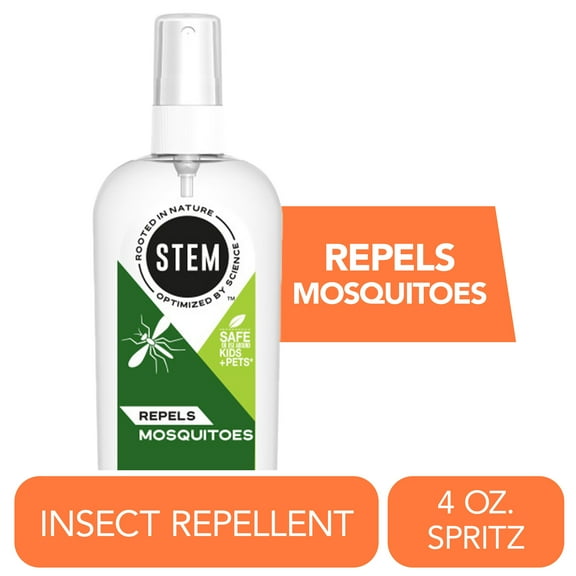
If mosquitoes are your concern, you may prefer outdoor formats designed for patios, seating areas, or yard use. If ants or spiders show up near doors and windows, you may lean toward crack-and-corner coverage.
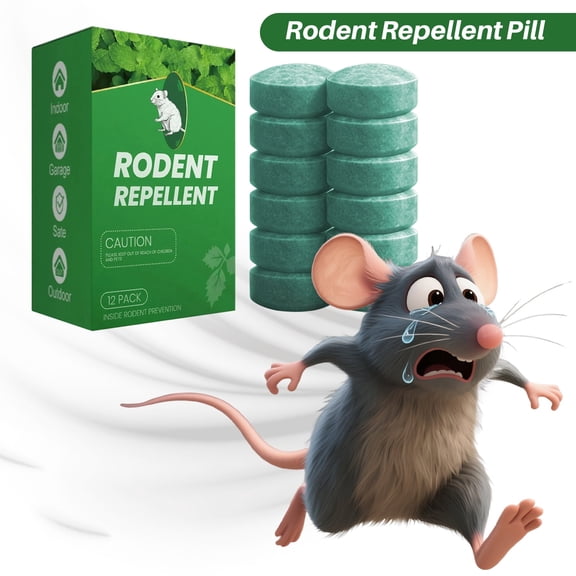
For rodents, you should look closely at placement instructions, coverage limits, and whether the format suits indoor or perimeter use. You can compare electronic and trap-style options when you want a contained setup in utility areas.
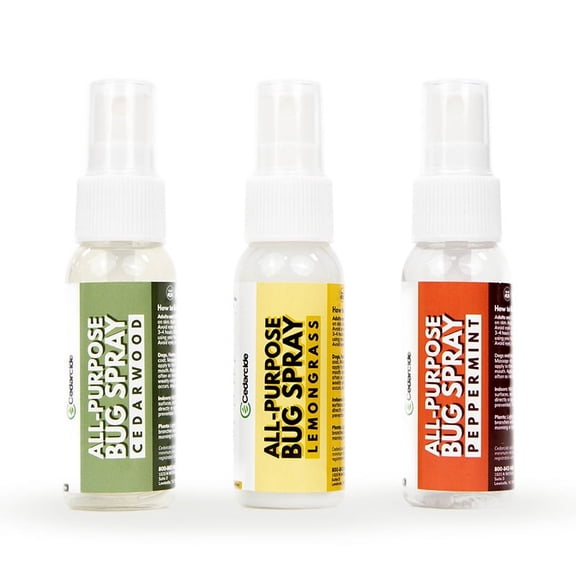
You may also want to compare ingredient bases before you choose. Natural pest repellents often use essential oils or plant-based ingredients, while other options use different active ingredients and listed concentrations.
What to look for in labels, duration, and ingredient base
You should read the label like a buying guide, because it tells you where to use the product and what pests it targets. You can also check active ingredient details when duration and reapplication timing matter to you.
If you want less maintenance, you may compare products by how often the label says to reapply. You can use that timing to judge whether a spray, granule, liquid, electronic option, or trap fits your routine.
You should also compare ingredient base language, especially if you're choosing between plant-based, essential-oil, or chemical formulas. You can keep your selection focused by choosing the approach that fits your household preferences.
When you want a practical choice, you should balance target pest, application area, and upkeep. You can get more reliable day-to-day coverage when those three details line up on the label.
Using pest repellents around your home and yard
You can use home pest repellents in entryways, garages, basements, porches, and outdoor living areas where pest activity tends to start. You should match each space with a product made for that exact location.
For apartments or smaller homes, you may prefer indoor options that fit tight spaces and simple routines. For larger properties, you may want perimeter products that help you cover foundations, fences, and garden edges.
If you rotate between indoor pest repellents and outdoor pest repellents, you can build a more complete household plan. You can also keep seasonal changes manageable by adjusting formats as activity shifts between rooms and outdoor zones.
With the right pest repellents, you can choose by formulation type, target pest, ingredient base, and coverage area without overcomplicating the process. You can make a more informed pick when the label, location, and routine all work together.