








Cat Litter Pellets in Alternative Cat Litter









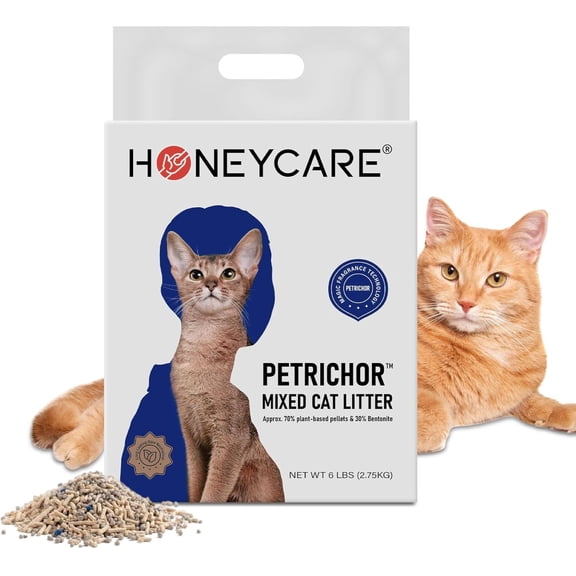

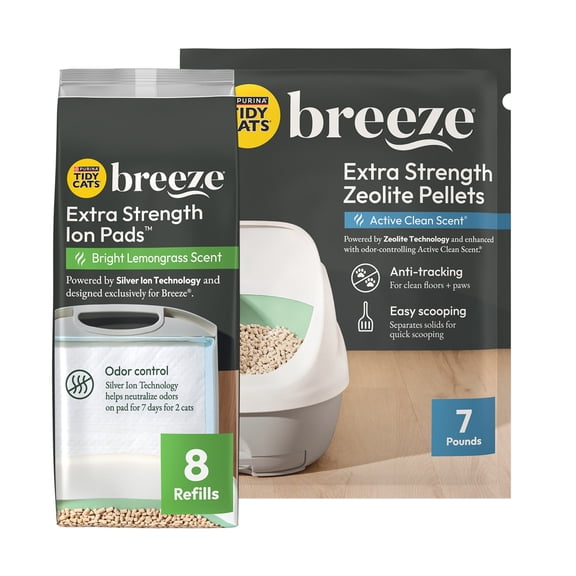

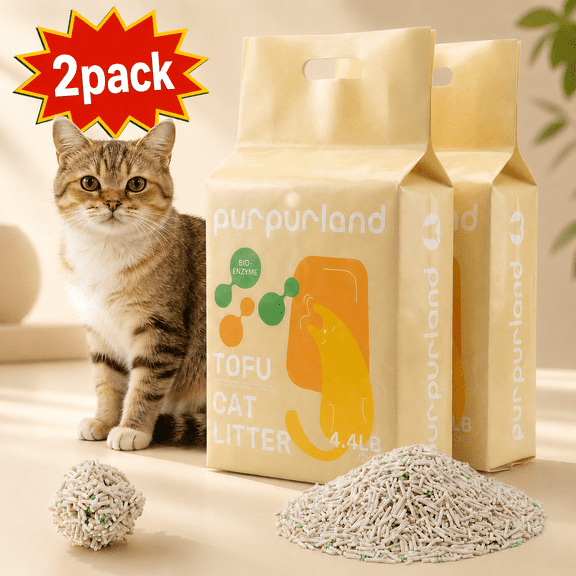


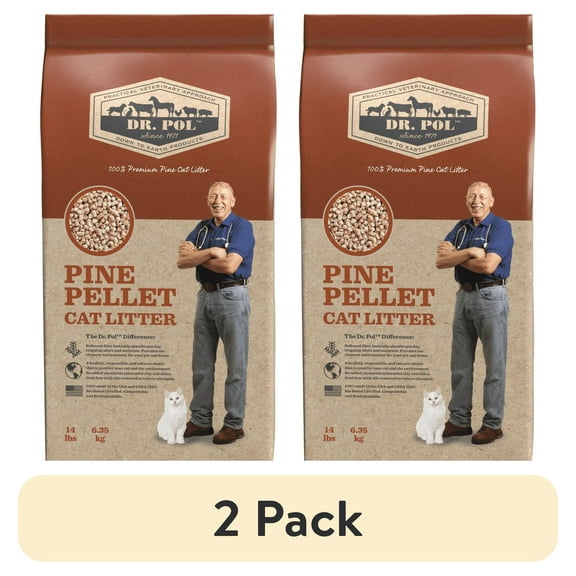

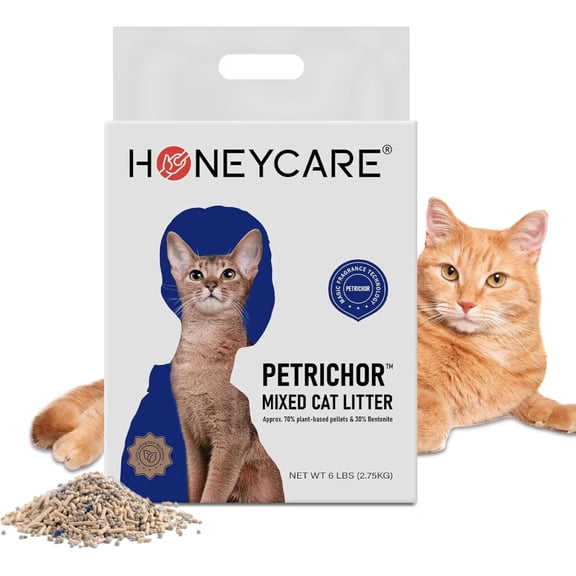
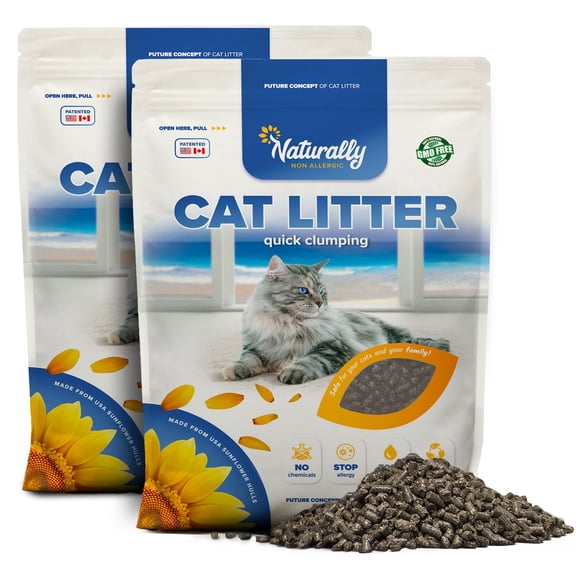
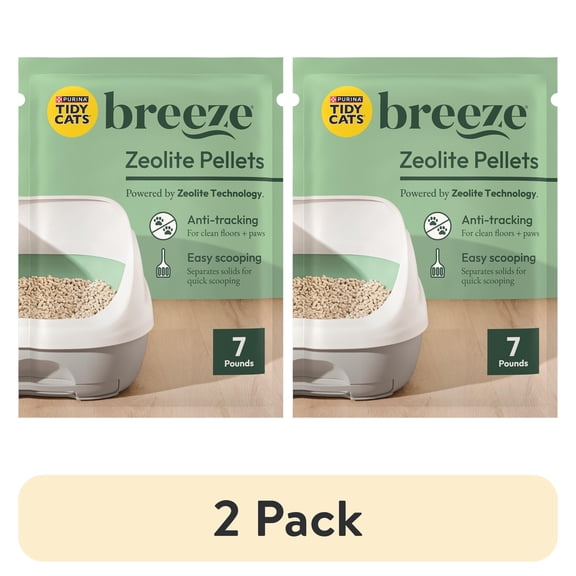
About Cat Litter Pellets in Alternative Cat Litter - Walmart.com
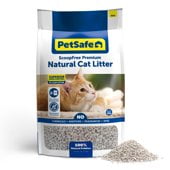
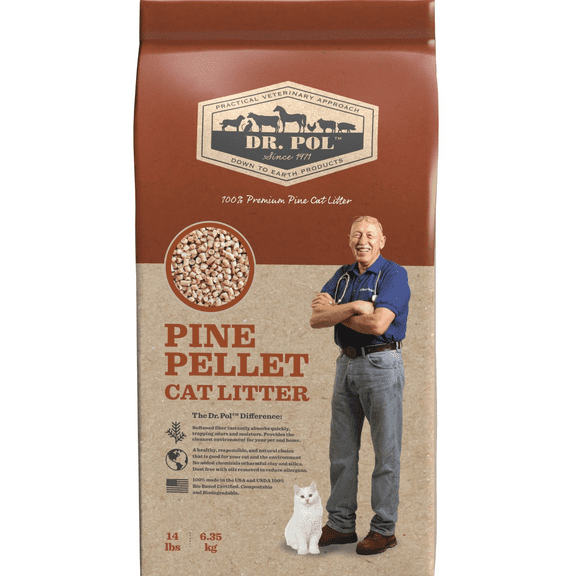
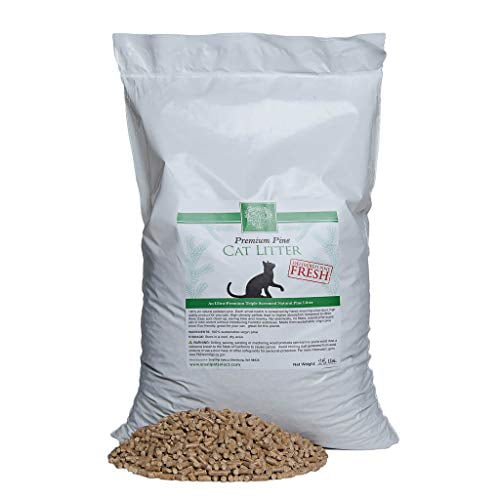
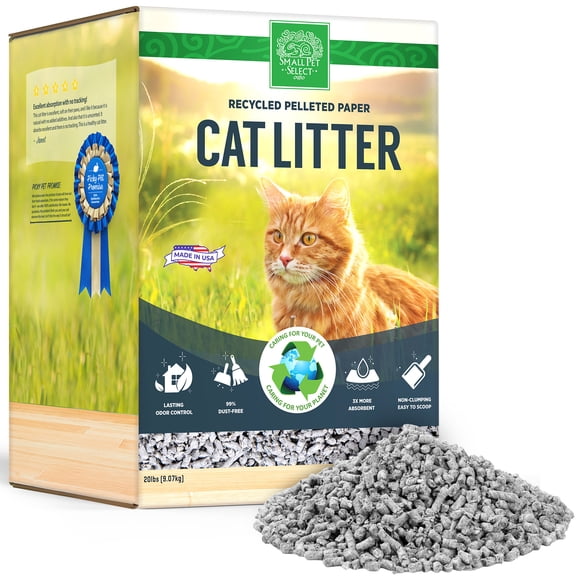
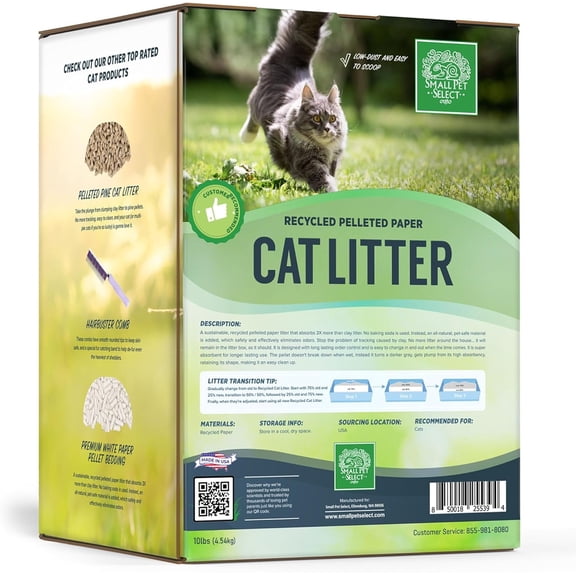
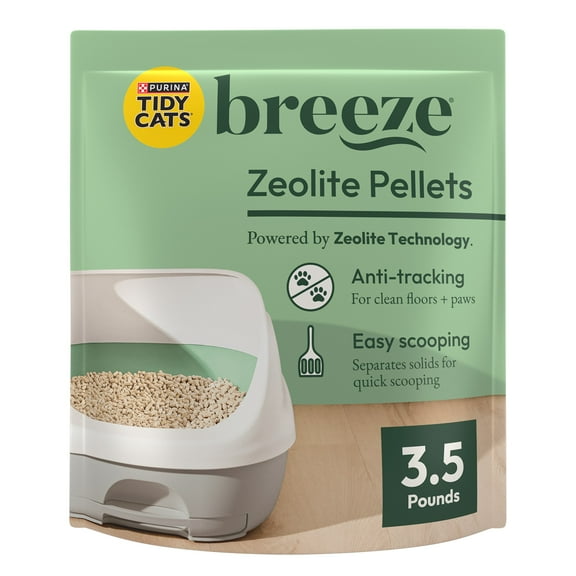
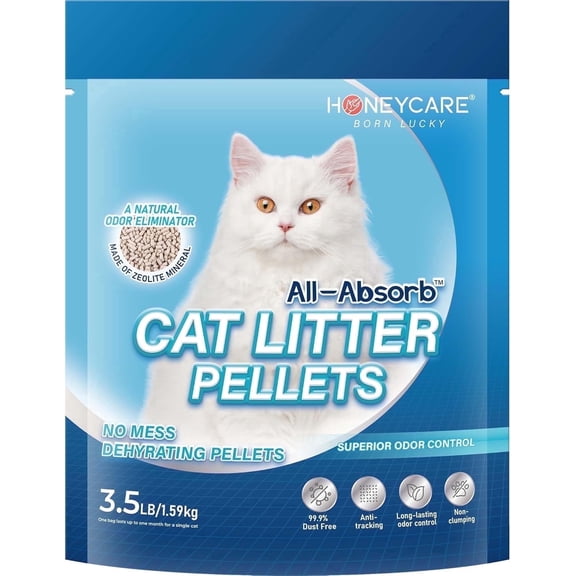
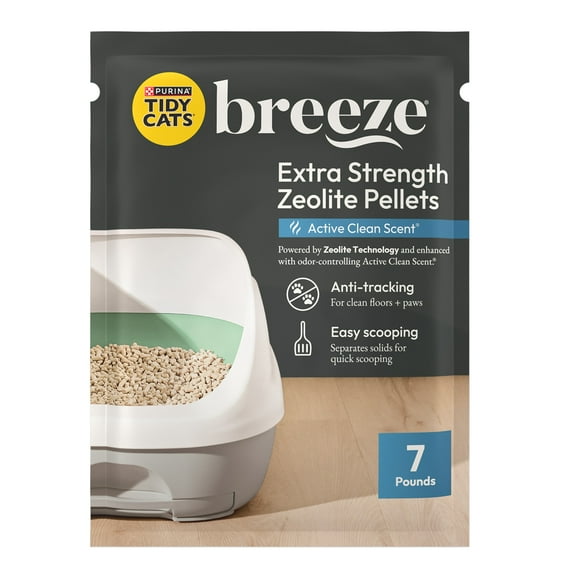
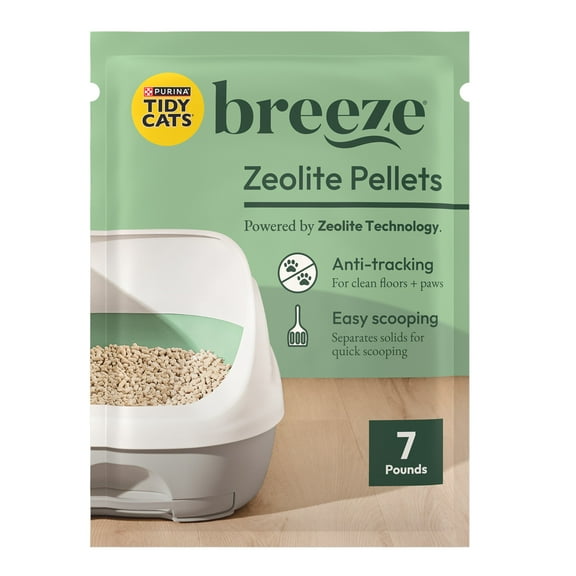
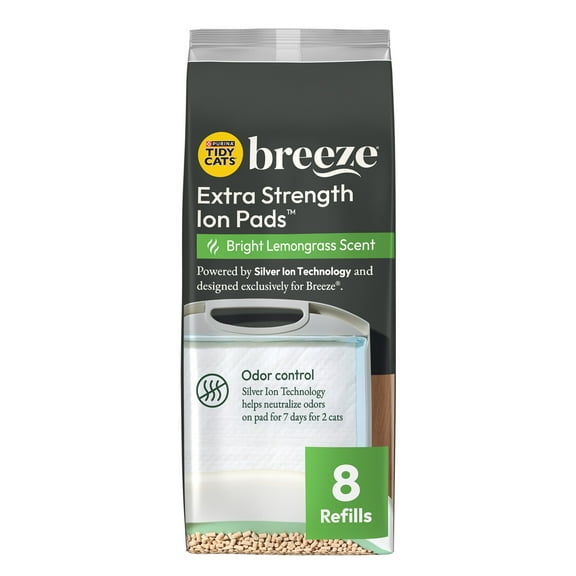
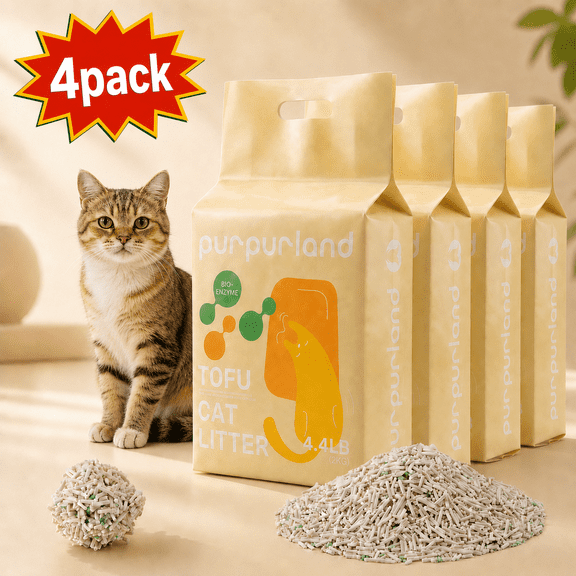
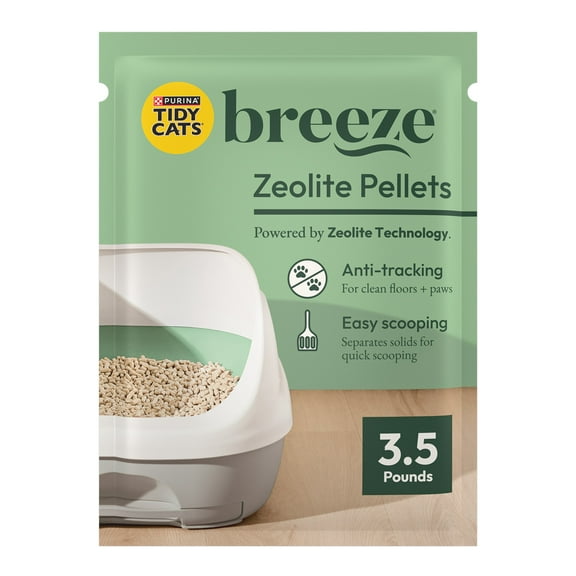
Cat litter pellets give you low-tracking cleanup with a fresh-smelling home and easier daily scooping. You’ll notice less dust on floors and fewer gritty bits on paws. Many options use pine or wood fibers that absorb moisture fast and help control odor. If you’re switching from clay, pellets can feel cleaner and simpler in busy households.
Benefits you’ll notice with cat litter pellets
Pellet litter can keep your space tidier because heavier pieces stay in the box. You’ll spend less time sweeping litter trails from hallways and rugs. Pellets also produce less airborne dust, so your surfaces stay clearer between cleanings.
Odor control often feels steadier because moisture gets pulled into the pellet core. Odor management works well with a routine. When you scoop daily and refresh on schedule, your box stays more comfortable for your cat.
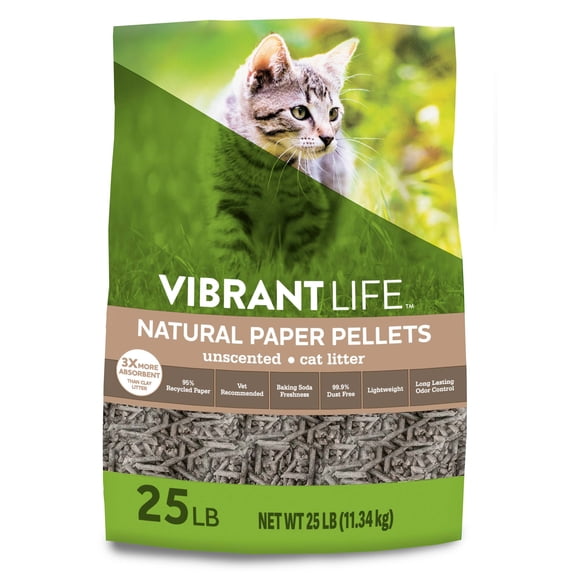
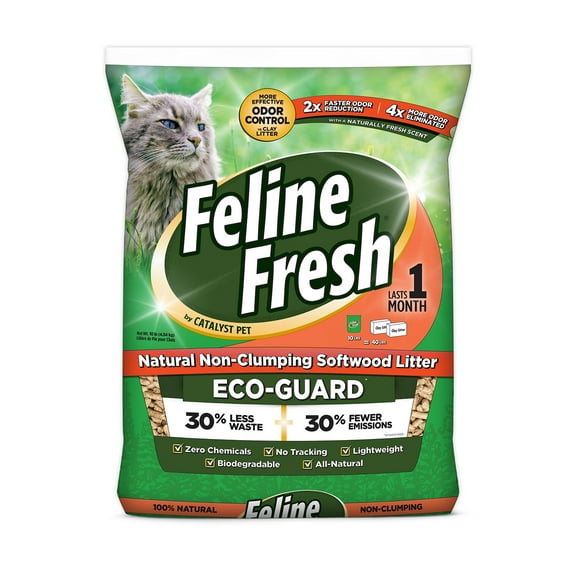
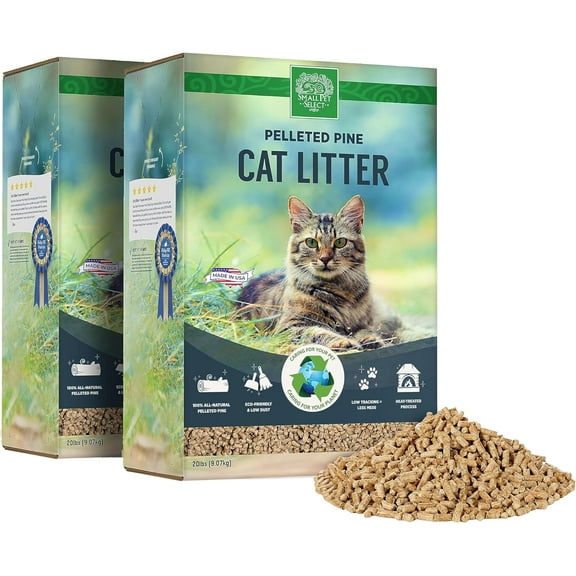
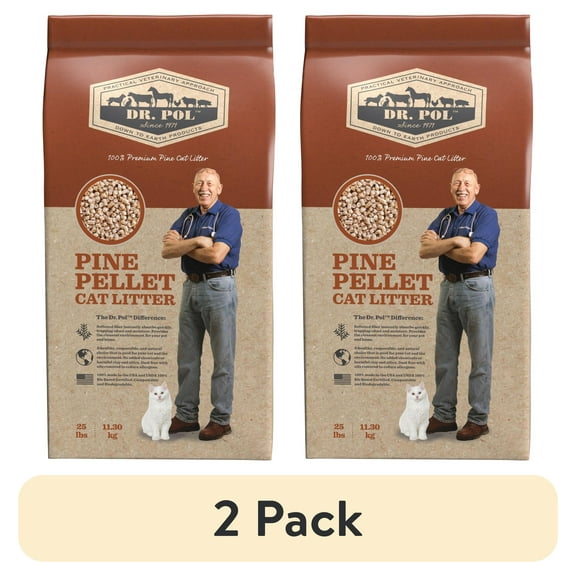
Many cat litter pellets are made from pine or wood, which can smell naturally fresh. That light wood scent can make litter areas feel less harsh. Some cats also prefer the drier top layer pellets can maintain.
- Less tracking because pellets are heavier than fine granules.
- Lower dust, which can mean less residue on floors and shelves.
- Absorbent cores that support odor control between cleanings.
- Pine or wood options that bring a lighter, natural scent.
Features to compare before you choose
Start with material, because it changes feel, scent, and cleanup style. Pine pellets often break down into sawdust as they absorb moisture. Wood fiber blends can clump differently, depending on how they’re processed.
Think about pellet size and texture for your cat’s paws. Larger pellets can track less, but they may feel firmer underfoot. Smaller pellets can feel gentler, yet they might spread more during digging.
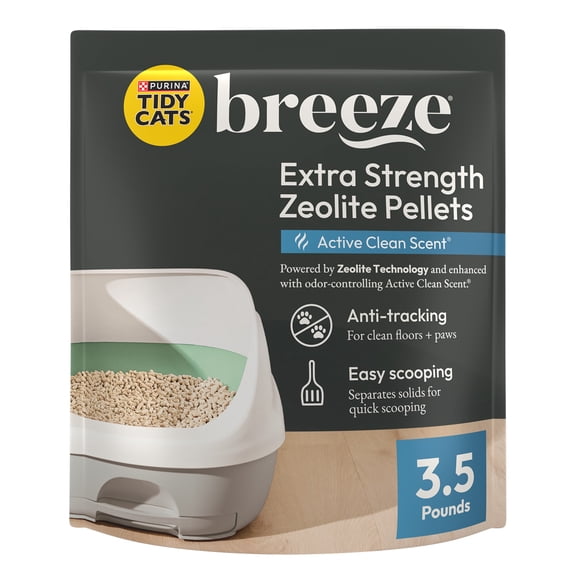
Check how the litter handles urine versus solid waste in daily use. Some pellet systems work with sifting boxes that separate sawdust efficiently. If you use a standard pan, you’ll want pellets that scoop cleanly.
Look for dust level notes and any added fragrance details. Unscented options can keep the litter area neutral. Lightly scented varieties can help if your box sits in a shared living space.
Use cases for different homes and cats
If your cat tracks litter into bedrooms, pellets can reduce that gritty trail. You’ll notice fewer granules stuck in toe beans. That can help when you have runners, carpet, or dark floors.
For multi-cat homes, consistent maintenance matters more than the box style. You’ll want a routine that includes daily scooping and regular top-offs. Cat litter pellets can support that rhythm with less dust during refills.
If you’re transitioning from clay, start by mixing pellets with your current litter. You can increase the pellet ratio over several days. That slower switch can help your cat accept the new texture.
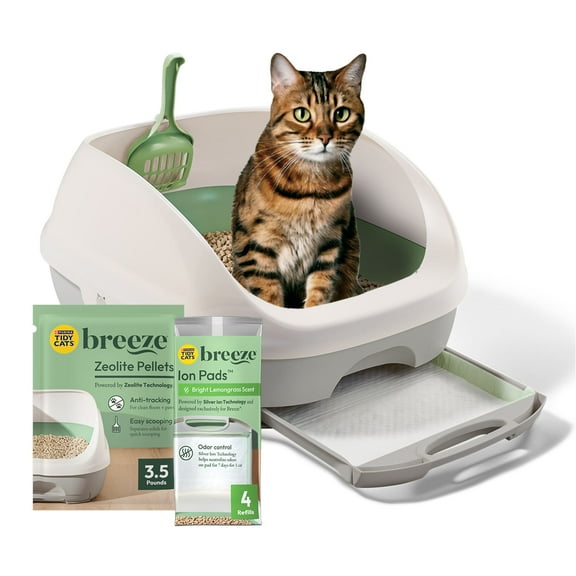
Pellets can work well with sifting litter boxes and liners. You’ll separate broken-down sawdust from intact pellets more easily. That can make full changes feel faster and less messy.
Confident everyday care
When you match the right pellet material to your cat’s habits, cleanup feels simpler. Keep your scoop routine steady and refresh the box on schedule. Cat litter pellets can keep floors cleaner and air less dusty.