

Pegboard Kits in Wall Organization






















About Pegboard Kits in Wall Organization - Walmart.com
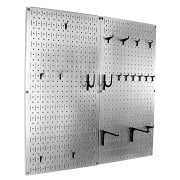
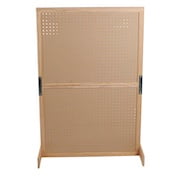
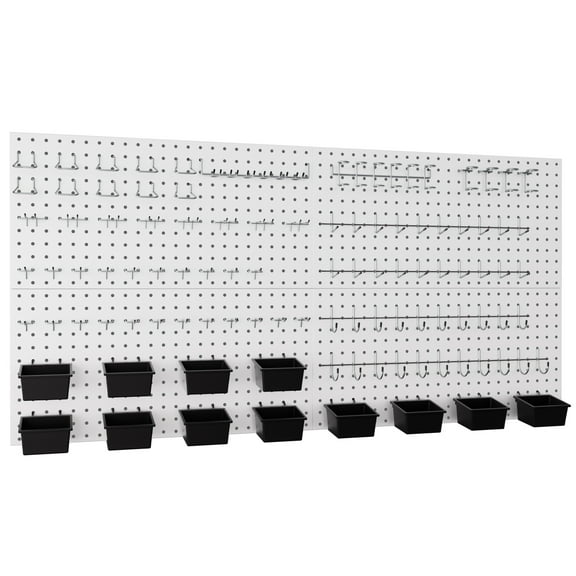
Pegboards help you turn open wall space into organized storage for tools, craft supplies, and office essentials. You can compare materials, sizes, and accessories to build a pegboard organizer that fits your room and your routine.
How to choose pegboards for your space
When you choose pegboards, you should start with the room and the items you plan to hang. You can match a garage pegboard to heavier hand tools, while a craft room pegboard suits scissors, ribbon, and markers.
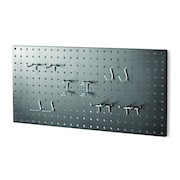
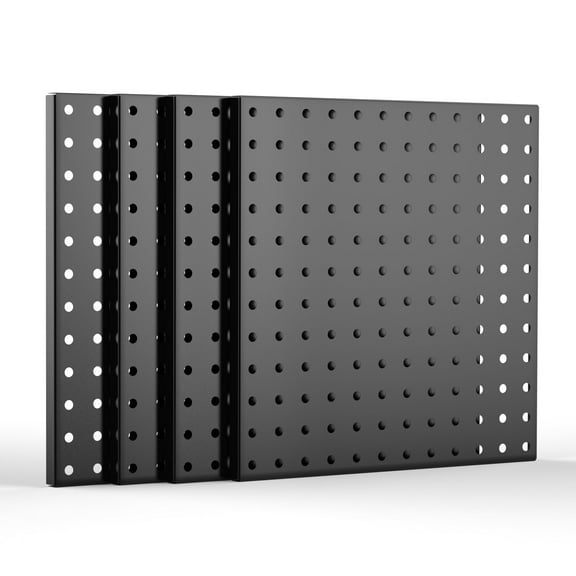
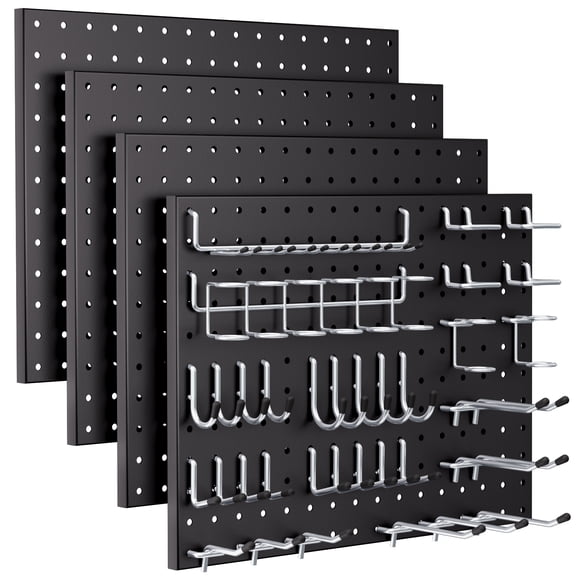
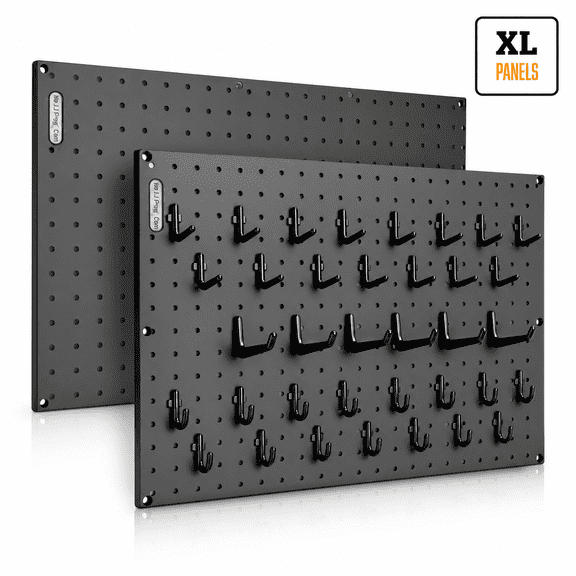
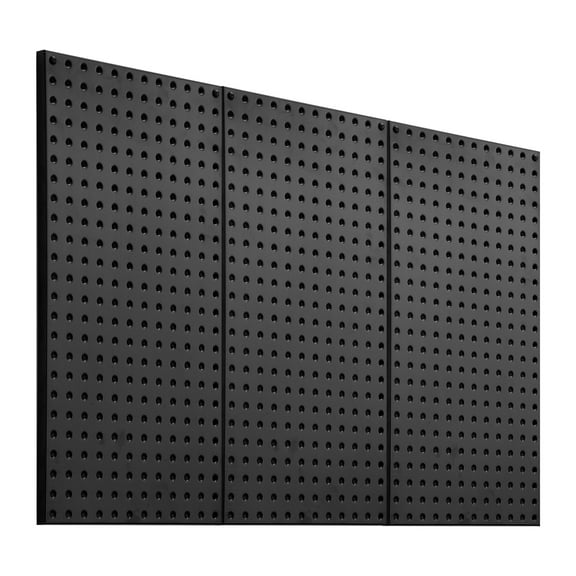
If you want a cleaner modern look, you may prefer a metal pegboard in black, white, or silver. If you need a classic utility surface, you can consider wood, plastic, or masonite options.
You should also measure your wall before you compare panel layouts. You can use small 8x8 or 16x16 panels for compact stations, or 24x48 and 4x8 panels for wider coverage.
Choosing material, finish, and weight capacity
Material affects how your pegboard wall organizer feels, looks, and performs over time. You can choose metal when your setup needs a sturdier surface for frequently used tools and heavier accessories.
Wood and masonite can work well when you want a familiar workshop style and a broad range of hook options. Plastic can suit lighter supplies when you want a simple surface that wipes clean easily.
You should check weight capacity before you plan your layout. You can compare light-duty, medium-duty, and heavy-duty panels based on the tools, bins, and shelves you want to hang.
- You can use light-duty panels for ribbons, keys, notes, and small office tools.
- You can choose medium-duty options for paint bottles, packaged hardware, and mixed household supplies.
- You can select heavy-duty panels when your garage pegboard needs to hold larger hand tools and denser gear.
Finish also shapes how your wall organizer blends into the room. You can pick white for a bright craft area, black for contrast, silver for an industrial look, or brown for a warmer workspace.
What to look for in a pegboard organizer
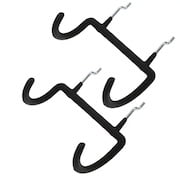
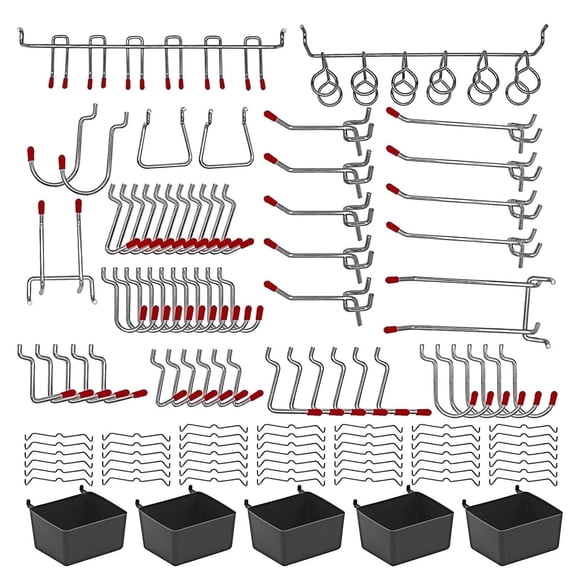
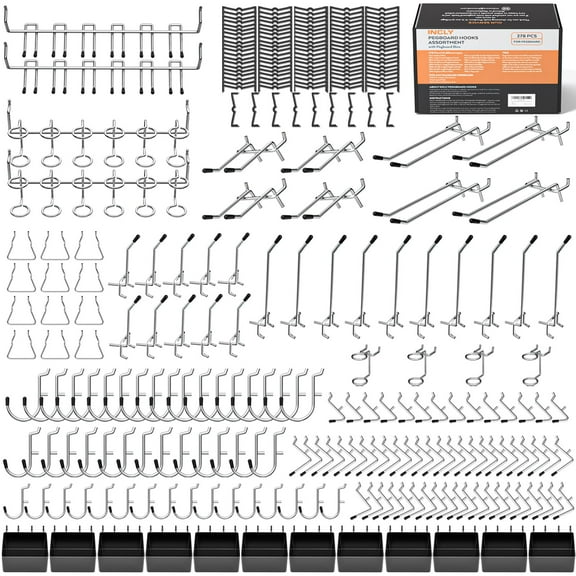
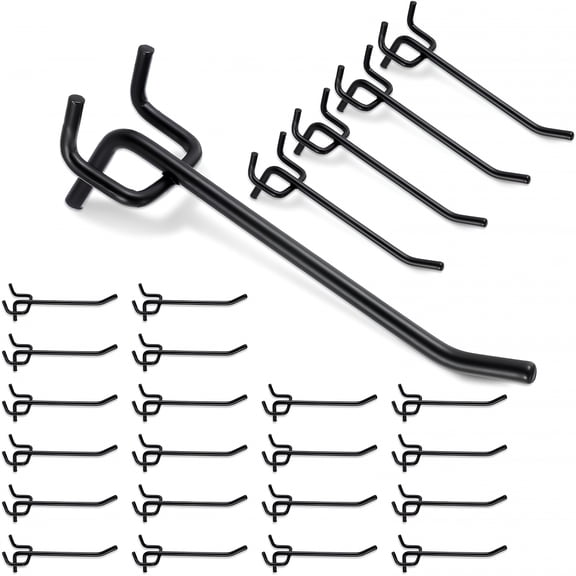
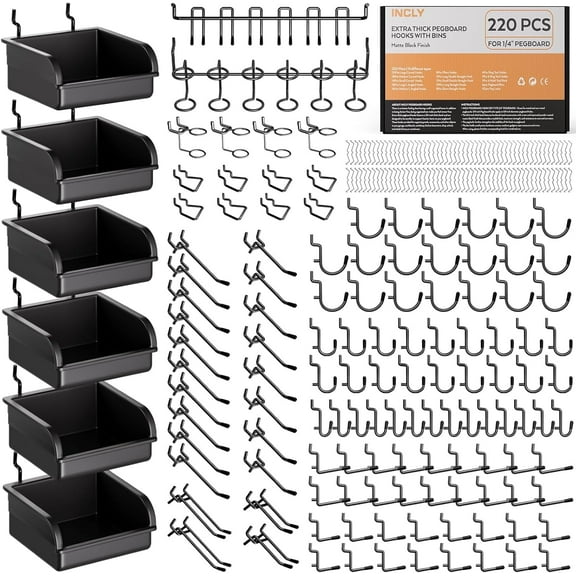
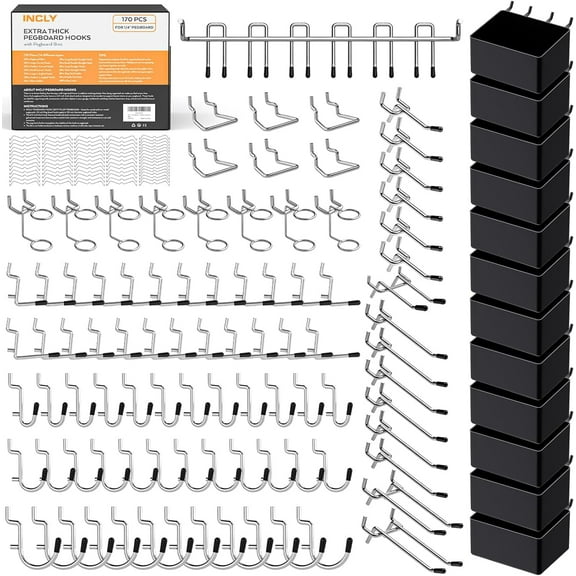
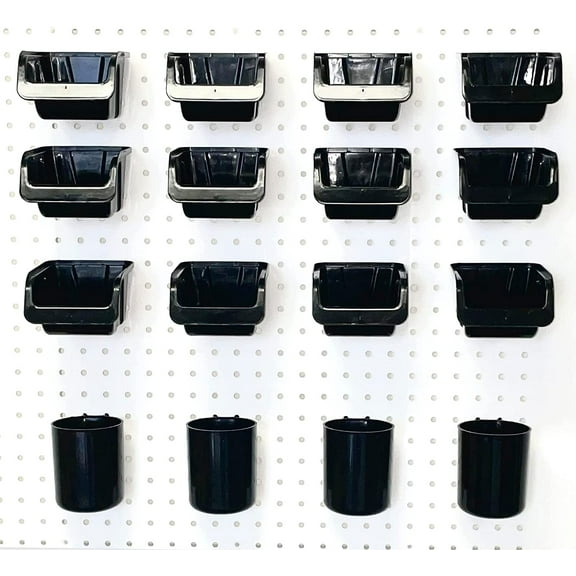
You should check whether pegboard accessories are included or sold separately before you finalize your setup. You can avoid fit issues by matching hooks and bins to standard 1/4-inch or 1/8-inch peg holes.
Hole compatibility matters because your hooks, trays, and holders need to sit securely on the panel. You can keep your layout flexible when you choose a system that works with common accessory sizes.
Mounting style is another key decision when you compare options. You should look for enough wall spacing behind the panel, so your hooks can insert cleanly and sit flat.
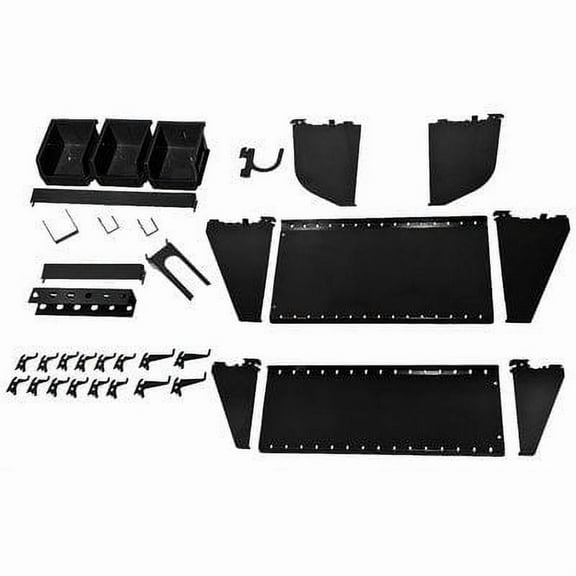
Some panels include mounting hardware, while others require separate spacers or frames. You can simplify installation when you confirm the hardware list and measure stud spacing or anchor points first.
You should also think about panel size in relation to your storage plan. You can use one larger board for a workbench wall, or combine smaller panels to create zones for different tasks.
Using a pegboard wall organizer in different rooms
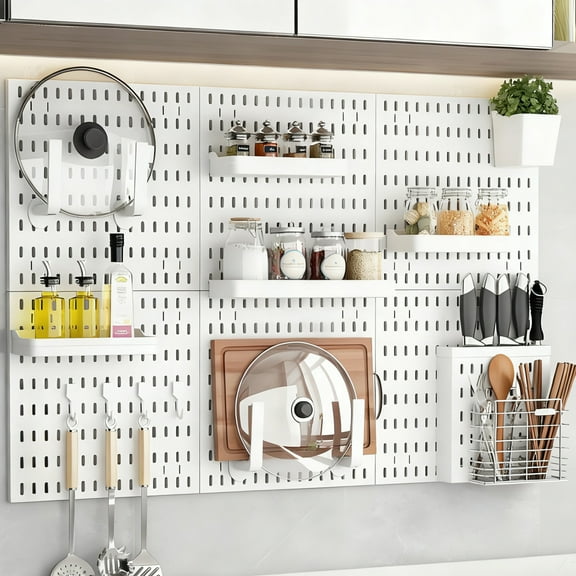
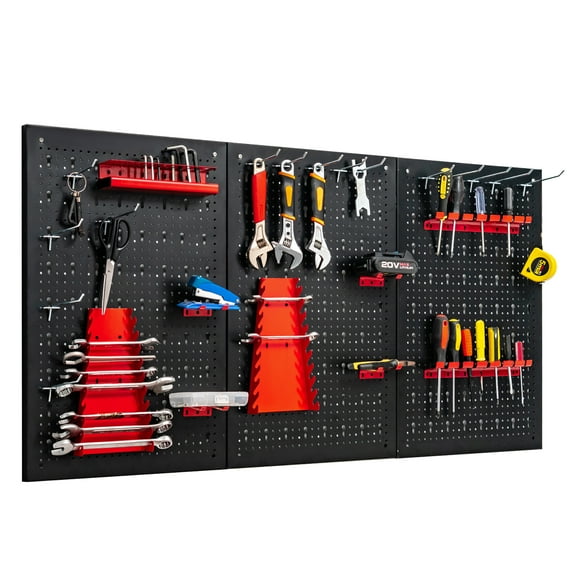
A pegboard wall organizer can help you keep a garage work area visible and efficient. You can hang pliers, tape measures, screwdrivers, and small parts containers where you can reach them quickly.
In a craft room, you can sort brushes, thread, rulers, and cutting tools without filling your desk. You can also rearrange hooks and cups as your projects change through the year.
In a workshop, you may want wider panels with heavier capacity and accessory rails. You can create a layout that separates measuring tools, fasteners, and frequently used hand tools.
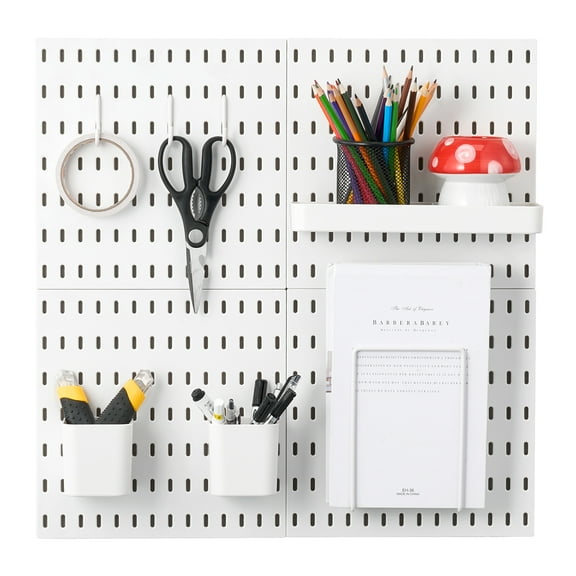
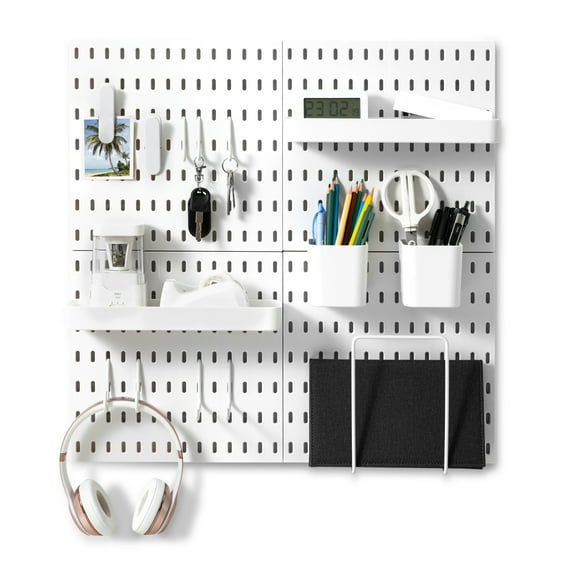
An office setup can benefit from compact panels in 8x8 or 16x16 sizes. You can store headphones, charging cables, scissors, and notes while keeping your desktop clearer.
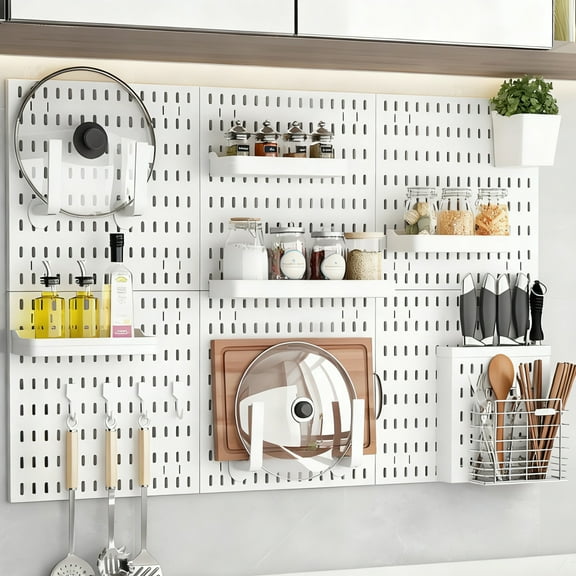
You can also combine colors and panel sizes to define work zones across one wall. You can use one section for tools, another for supplies, and another for items you grab every day.
How to compare sizes and layouts
You should measure both your wall and your gear before you choose a layout. You can prevent crowding by leaving room for hooks, bins, and the space your items need between panels.
Smaller panels can work well when you want targeted organization above a desk or bench. Larger panels can make sense when you need one continuous area for tools, containers, and shelves.
You should consider load rating in pounds per square foot when you compare panel sizes. You can distribute weight more evenly when you spread heavier items across a larger area.
If you plan to expand later, you may want modular panels that are easy to add in stages. You can start with a simple pegboard organizer and build a fuller wall system over time.
With the right material, size, and accessory fit, you can create storage that stays easy to adjust as your needs change. You can choose pegboards with more confidence when you compare load rating, mounting details, and room-specific use.