

Patchwork Quilts in Quilts
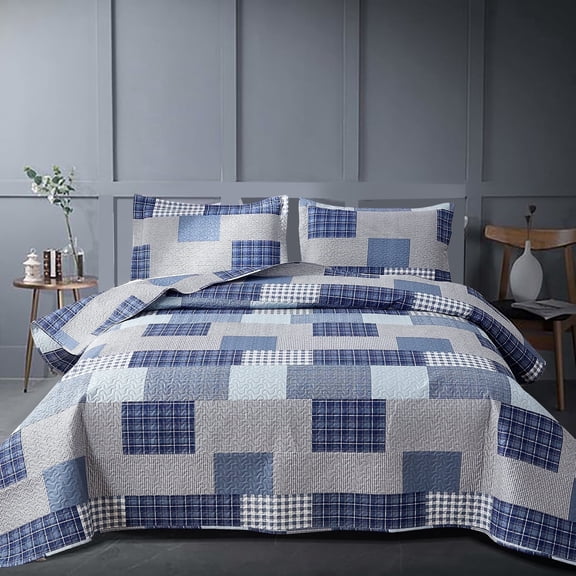


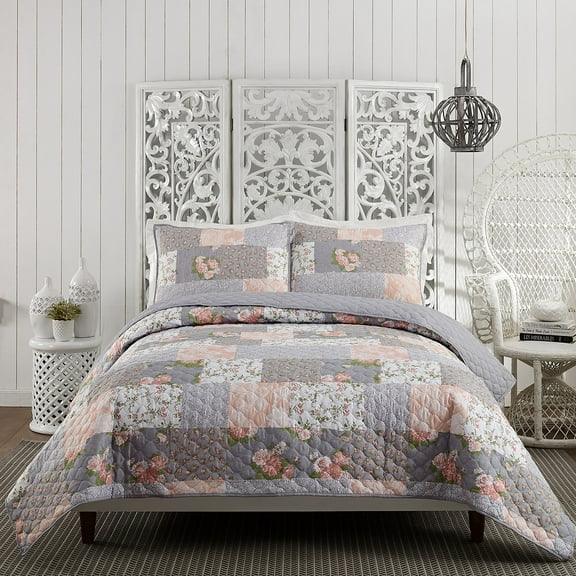


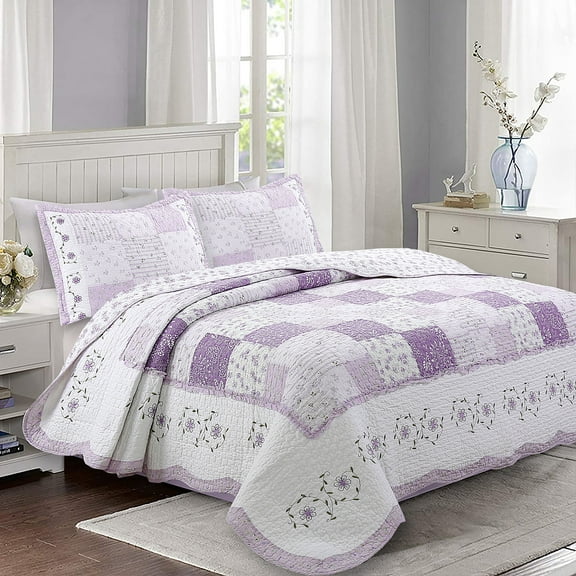
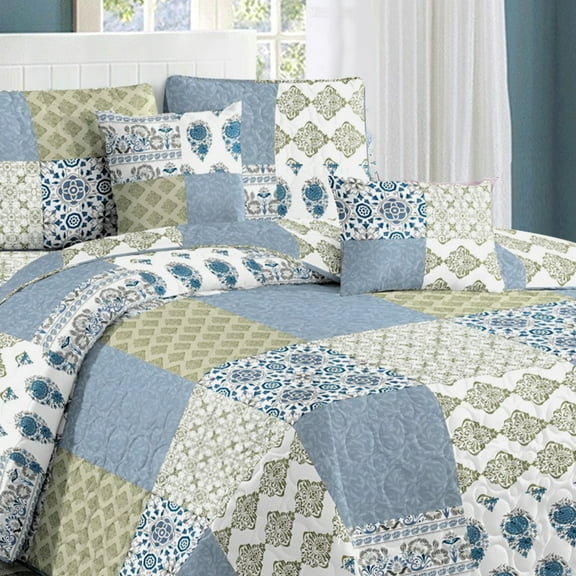









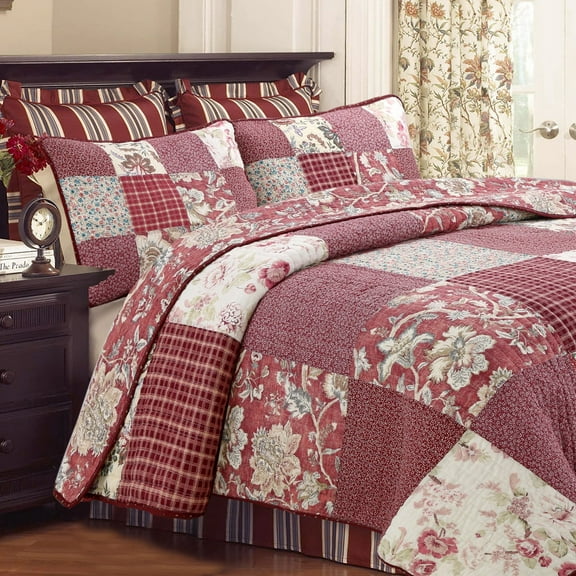


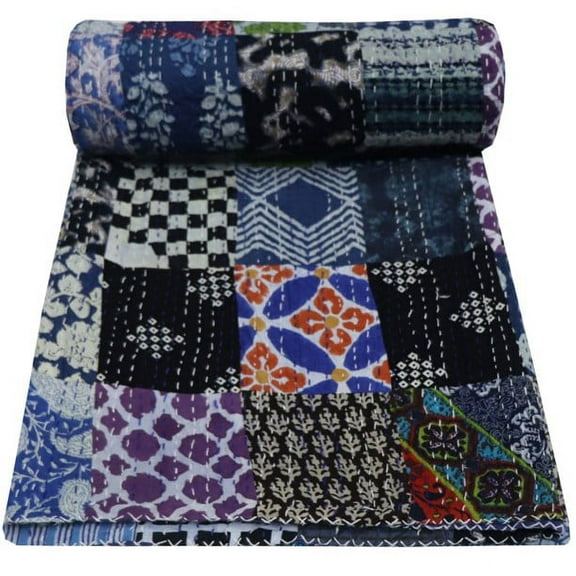

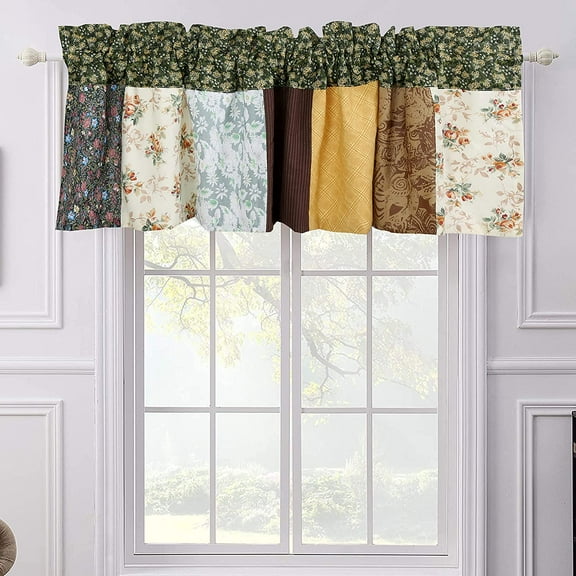


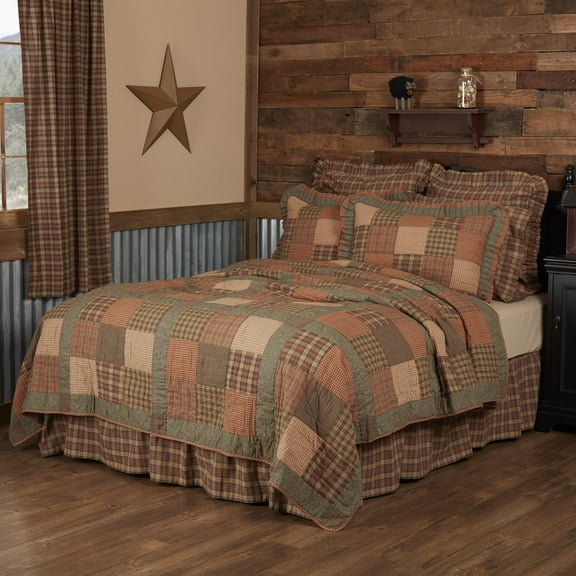


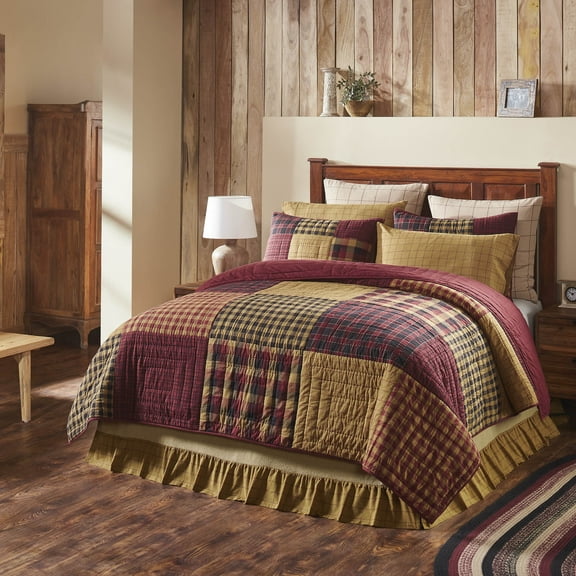


About Patchwork Quilts in Quilts - Walmart.com
Office chairs help you build a workspace that feels focused, supported, and ready for long hours. You can compare ergonomic details, chair types, materials, and mobility options without guessing what fits your desk.
How to choose office chairs for your workspace
When you compare office chairs, you should start with how long you sit each day. You should also measure your desk height, floor surface, and available room before you choose.
If you work through long meetings, you may want ergonomic office chairs with more adjustment points. If you move between tasks often, you may prefer desk chairs with simpler controls and lighter frames.
For a shared home office, you may need adjustable desk chairs that fit different users quickly. For a fixed workstation, you may focus more on seat shape, back style, and wheel type.
Choosing ergonomic office chairs by support features
You should look at lumbar support first because it shapes how your lower back meets the chair. You may also want adjustable armrests and swivel movement for easier reaching and turning.
If you compare tilt lock and adjustable tension, you can fine-tune how the chair reclines during typing or reading. You’ll notice these settings help your seat feel more controlled through the day.
Height range matters too, so you should check whether the gas lift cylinder fits your desk and leg position. You should also compare base diameter because it affects how stable the chair feels.
- You can use lumbar support to keep your seated position aligned with your desk setup.
- You can use adjustable armrests to match keyboard height and reduce awkward shoulder positioning.
- You can use swivel and tilt controls to move between screens, notes, and calls more smoothly.
- You can use height adjustment to pair your chair with standard desks, computer desks, or taller work surfaces.
What to look for in mesh office chairs and other materials
Material changes how your chair feels across the workday, so you should compare breathability, texture, and cleanup needs. You may notice mesh office chairs feel lighter and airier in warmer rooms.
If you want a smoother surface, you may lean toward leather, vinyl, or fabric upholstery. You should compare how each option looks with your office and how often you plan to clean it.
Mesh backs often suit long computer sessions because you get airflow and a flexible feel. Fabric seats can feel softer, while vinyl and leather-style finishes can give your workspace a more formal look.
Comparing desk chairs by chair type
You should match the chair type to your work style, not just your room design. Task chairs usually keep controls simple, while executive office chairs often focus on fuller backs and a larger seat presence.
If you use a taller counter or drafting table, you should check drafting chairs with the right seat height range. If your setup blends work and play, you may compare gaming-inspired styles with office-friendly support details.
You should also think about how much space surrounds your desk. A compact task chair may fit tighter corners, while a broader executive profile may suit larger offices.
Rolling office chairs and mobility decisions
Mobility affects how you move through your workspace, so you should decide between rolling wheels, glides, or stationary bases. Rolling office chairs can help you shift between drawers, printers, and nearby surfaces.
If you work on hard floors, you should check how casters pair with your setup and chair mat. If you want less movement, you may prefer glides or a stationary design for a steadier feel.
You should also compare the base footprint before you choose. A wider base can support smoother movement, while a smaller profile may fit tighter desk areas.
Use cases for home offices, workstations, and shared spaces
If you work from home, you may want comfortable office chairs that balance support with a style that fits your room. You can choose mesh and a lighter frame if your office doubles as a bedroom or guest space.
For daily business use, you may want ergonomic office chairs with lumbar support, adjustable armrests, and tilt controls. You can pair those features with rolling wheels when your routine includes filing cabinets, side tables, or multiple monitors.
If you furnish a study area for homework, bills, or occasional computer time, you may prefer desk chairs with simple setup. You should check assembly steps, seat height range, and overall footprint before you commit.
In collaborative spaces, you may need office chairs that different users can adjust quickly. You can look for straightforward levers, smooth swivel motion, and easy-clean materials for shared use.
If your desk sits beside office desks, desk lamps, or storage furniture, you should consider how the chair moves around those pieces. You can create a more functional workspace when your chair height and base size match the whole setup.
You’ll feel more confident choosing office chairs when you compare support, materials, chair type, and mobility together. You can narrow your options faster and end up with seating that fits your desk and daily routine.