

Painter's Tape in Hardware Tape


























About Painter's Tape in Hardware Tape - Walmart.com
When you need painter's tape, you want crisp lines, cleaner edges, and removal that fits your project timeline. You can compare surface compatibility, tack level, width, and removal windows for trim, walls, glass, and textured areas.
Choosing painter's tape by surface compatibility
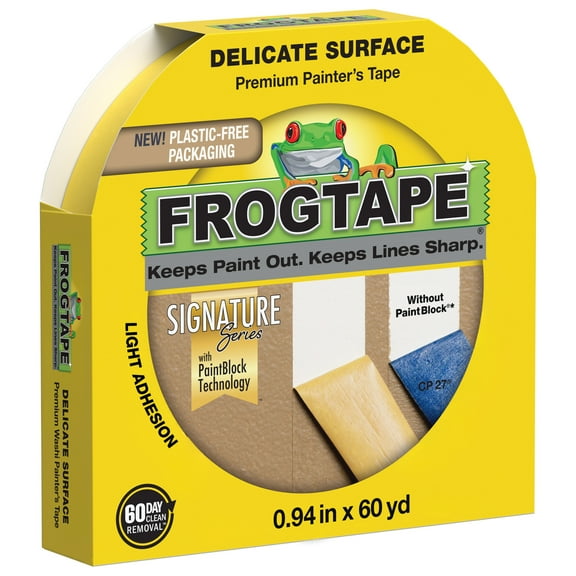
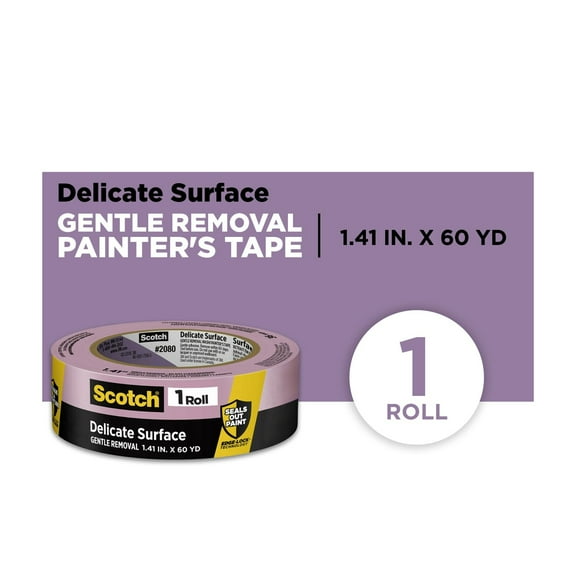
You should start with the surface because adhesion changes how your tape lifts and seals. You can use delicate surface painter's tape when your walls, cabinets, or finishes need a lighter hold.
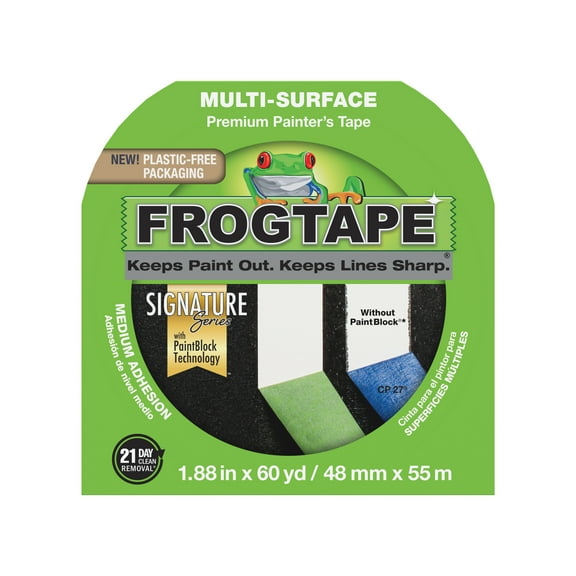
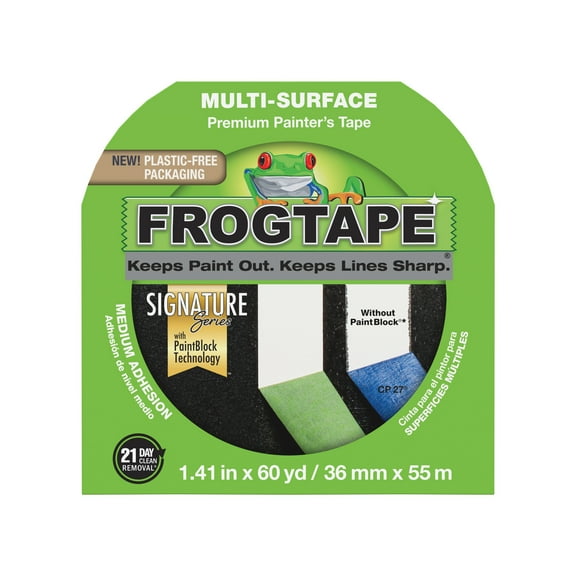
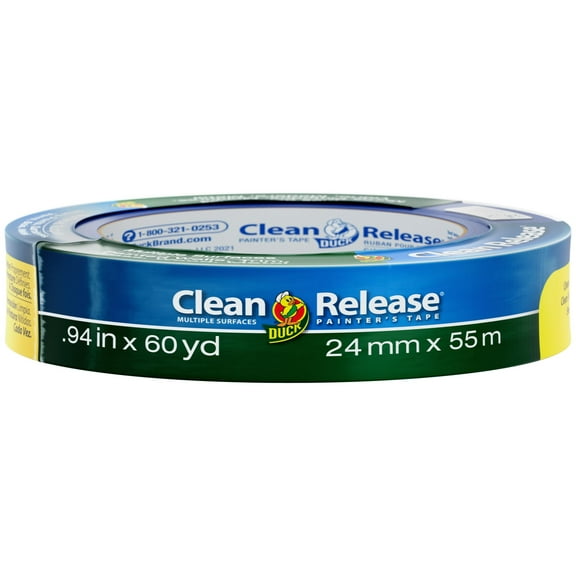
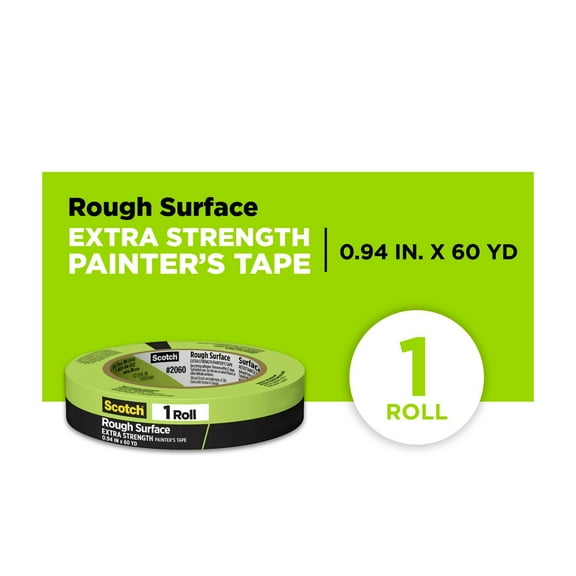
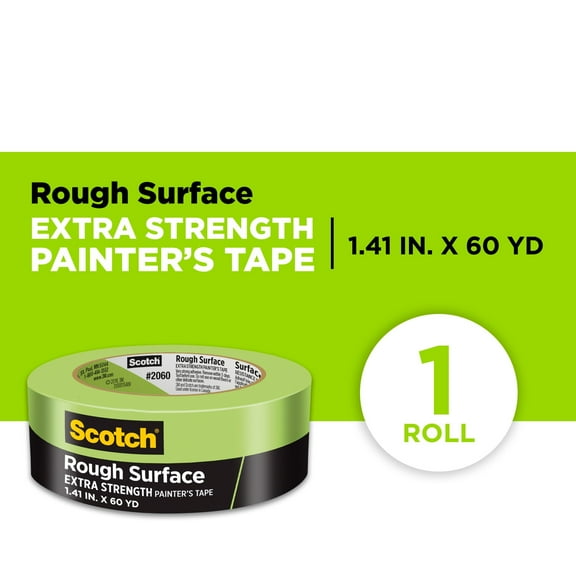
If your project moves across drywall, wood, metal, and glass, you may prefer multi surface painter's tape. You can also look for options made for rough or textured surfaces when your tape needs to grip stucco, brick, or textured walls.
You can usually get cleaner edges when your tape matches the material under it. You can also reduce touch-ups when your tape seals evenly along baseboards, window frames, and ceiling lines.
What to look for in adhesive strength and clean removal painter's tape
You should compare low tack, medium tack, and high tack options before you paint. You can use low tack tape for lighter adhesion, while medium or high tack may suit harder-to-mask surfaces.
Clean removal matters when your project lasts more than one day. You can check whether a clean removal painter's tape offers a rating of 14-day, 21-day, or 60-day removal windows.
A 14-day window may fit quick room refreshes and weekend trim work. A 21-day or 60-day option may help when your painting schedule stretches across prep, priming, and multiple color coats.
- You can choose low tack tape for delicate finishes and recently painted areas.
- You can choose medium tack tape for common indoor painting on drywall, wood, and metal.
- You can choose high tack tape for rougher surfaces that need a firmer hold.
- You can check removal windows so your tape still lifts cleanly after longer projects.
Choosing the right tape width and edge design
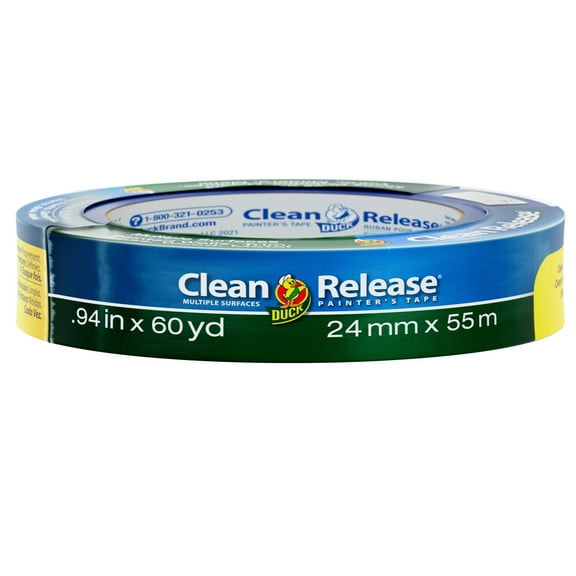
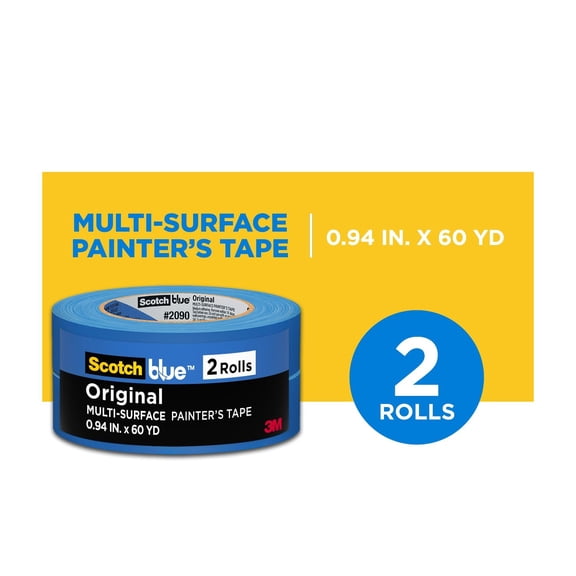
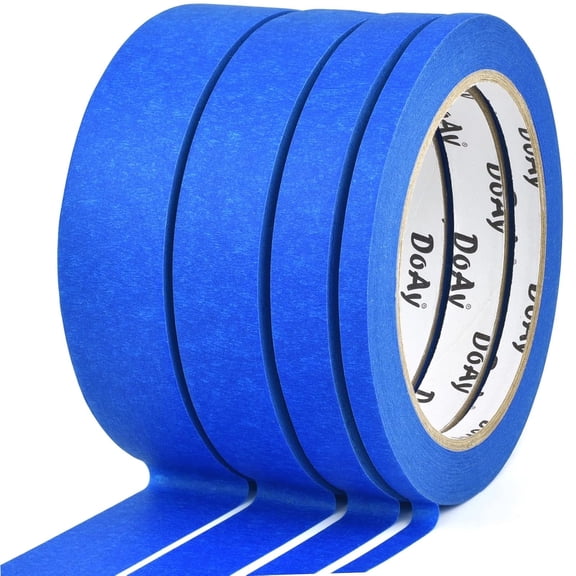
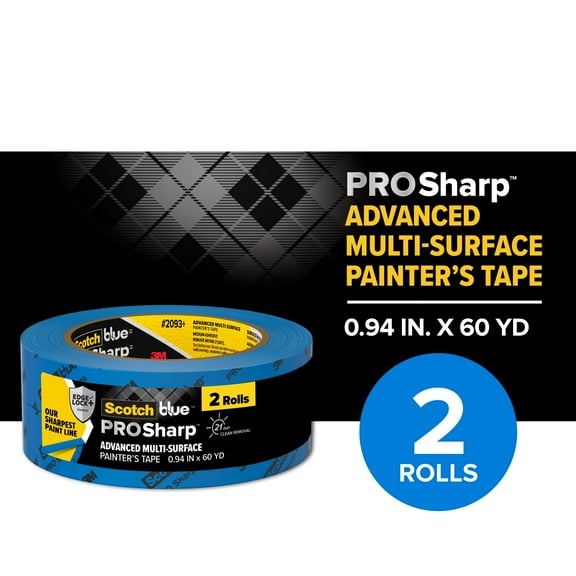
You should match tape width to the line you need to protect. You can use 0.70 in or 0.94 in widths for narrow trim, corners, and detailed paint work.
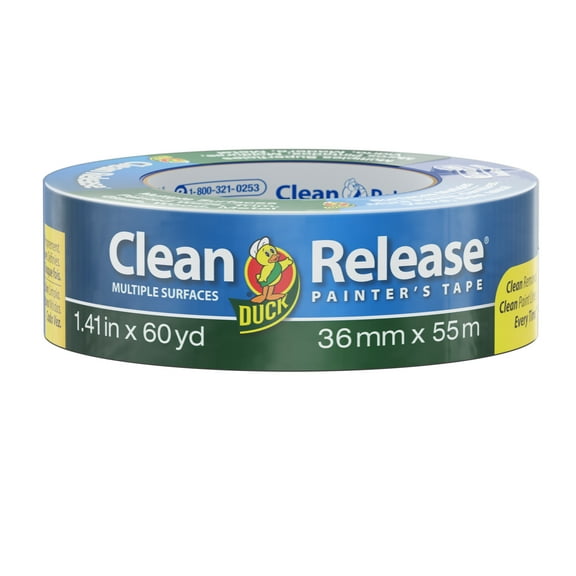
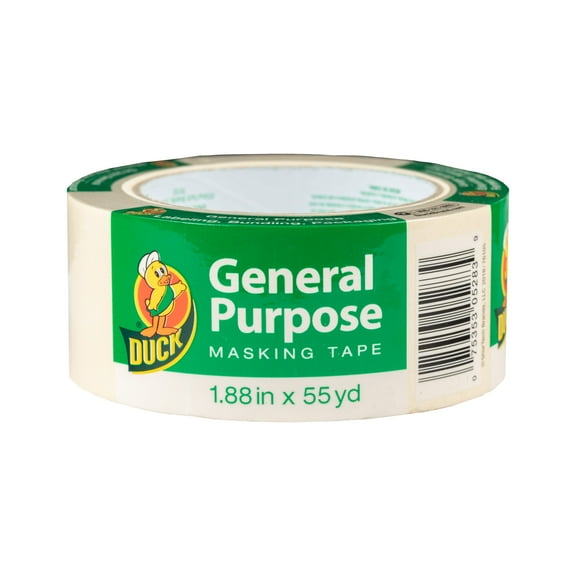
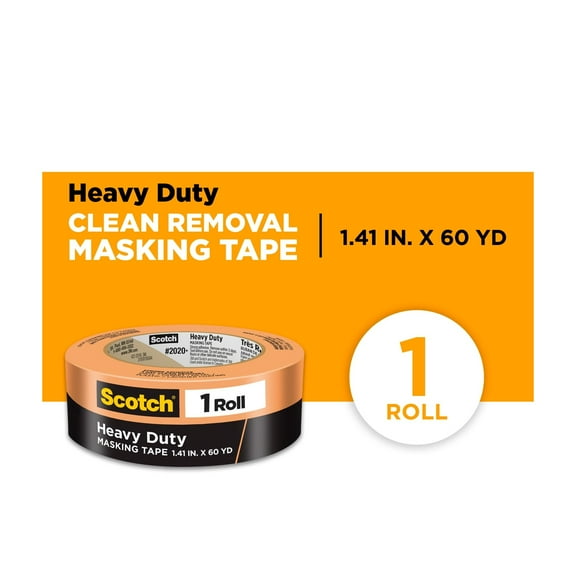
If you need more coverage, you may prefer 1.41 in or 1.88 in widths. Wide painter's tape can help you cover baseboards, window casings, and broader transition areas with fewer strips.
You may also compare edge-lock or gel-tech style designs when sharp lines matter. These features help you limit paint seepage, so your stripes, trim edges, and accent walls look precise.
You may often notice that wider rolls reduce repositioning on large sections. You can finish long runs faster when your tape spans more surface with each pass.
How blue painter's tape and masking tape for painting fit your project
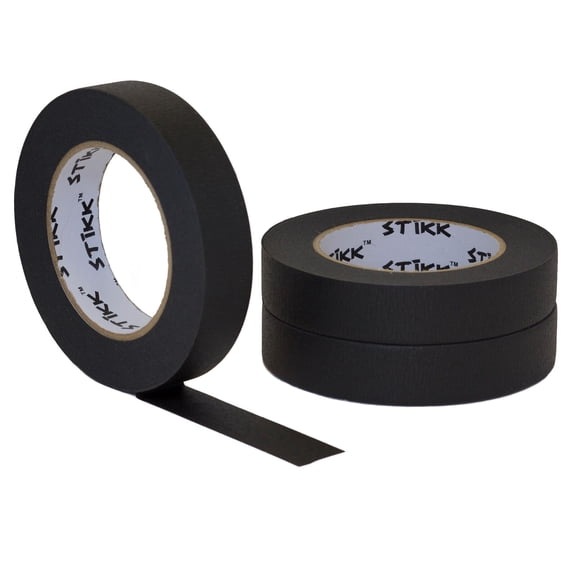
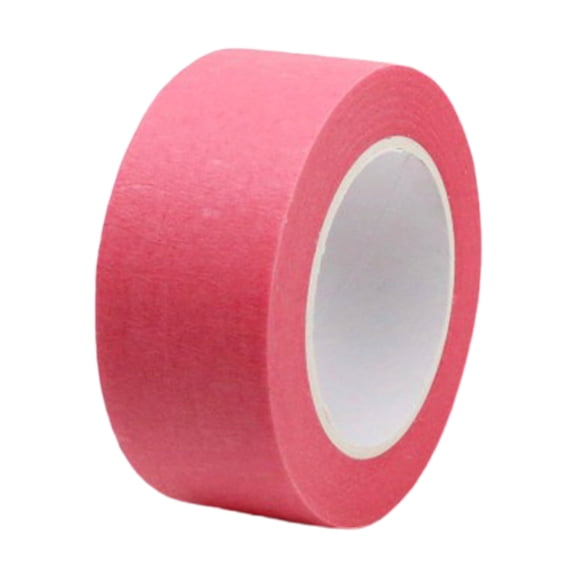
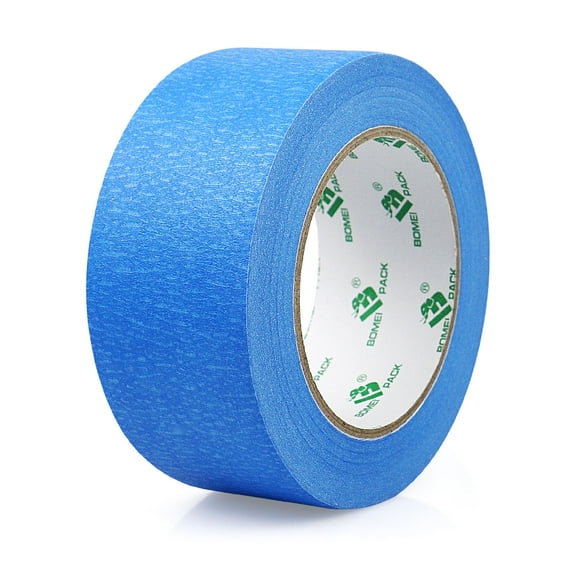
You may notice that blue painter's tape stands out during prep and removal. You can spot placement quickly on light walls, trim, and drop cloth setups, which helps during larger room projects.
Masking tape for painting can cover many prep tasks, but you should compare it carefully with painter-focused options. You can get more project-specific guidance by checking surface use, tack level, and removal timing.
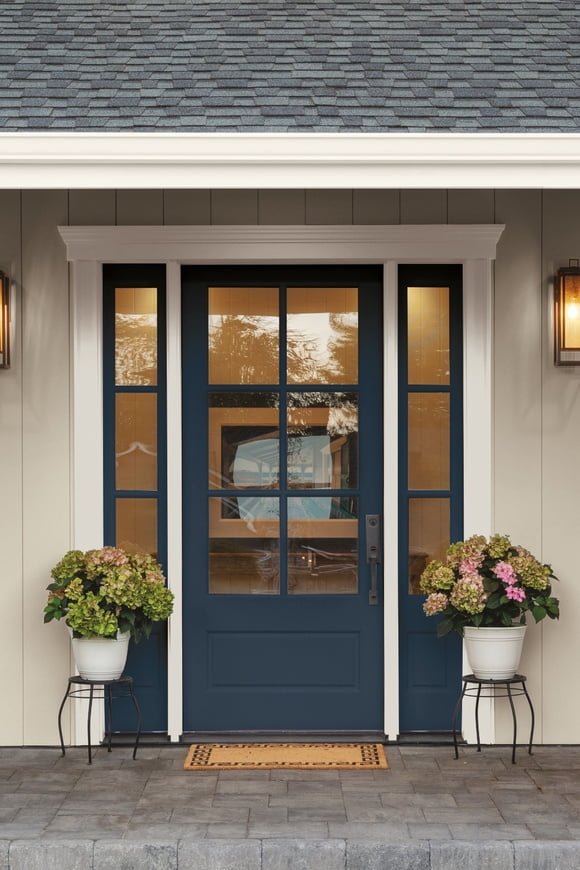
If you're painting a nursery, hallway, or living room, you may want a delicate surface option for finished walls and woodwork. If you're working outdoors, you may look for exterior painter's tape that fits seasonal trim, doors, and window projects.
You can also match tape choices to specialty jobs around glass panes, sharp color blocks, and geometric patterns. You can get smoother results when your tape matches both the surface and the length of your project.
Using painter's tape for common painting tasks
You can use painter's tape to outline baseboards, door frames, crown molding, and built-in shelving. You can also find it useful when you need straight transitions between wall colors or around hardware openings.
For furniture flips and cabinet refreshes, you should look closely at delicate surfaces and clean removal windows. You can protect finished edges without choosing an adhesive level that feels too aggressive.
On textured walls or exterior trim, you may need firmer adhesion and a design that helps seal uneven edges. You can compare rough-surface options when standard tape may not sit flat enough for a clean line.
Before you paint, you should measure the area and compare width, tack, and timing together. You can make sharper lines and cleaner removal part of your plan from the first strip onward.
With the right painter's tape, you can prep with more control and finish with fewer touch-ups. You can narrow your choice by surface type, tape width, adhesive strength, and removal window for cleaner results.