


Find auto parts that fit
Let’s search for parts that fit your vehicle.Pacer Wheels and Rims in Shop Wheels and Rims by Brand
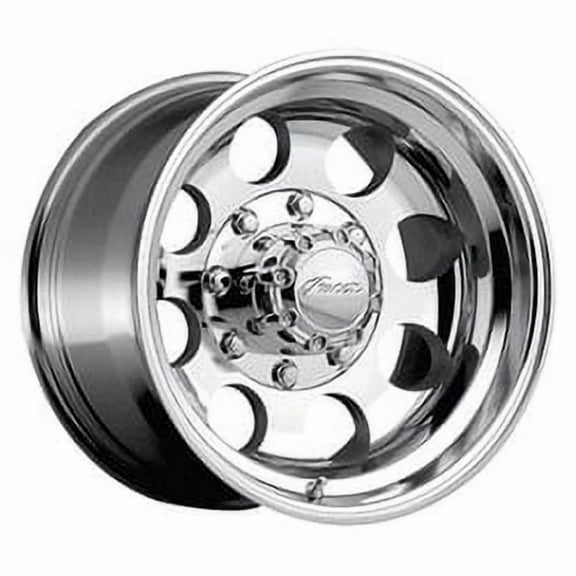

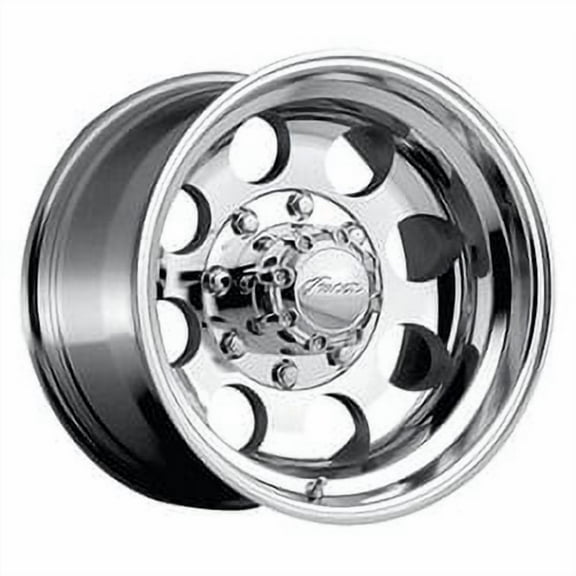

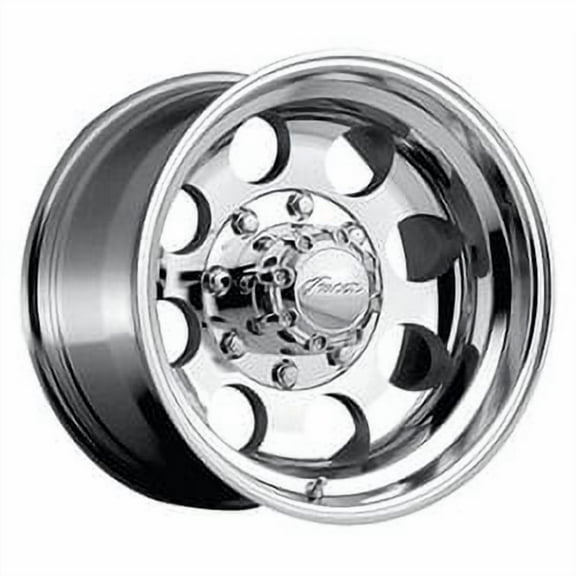
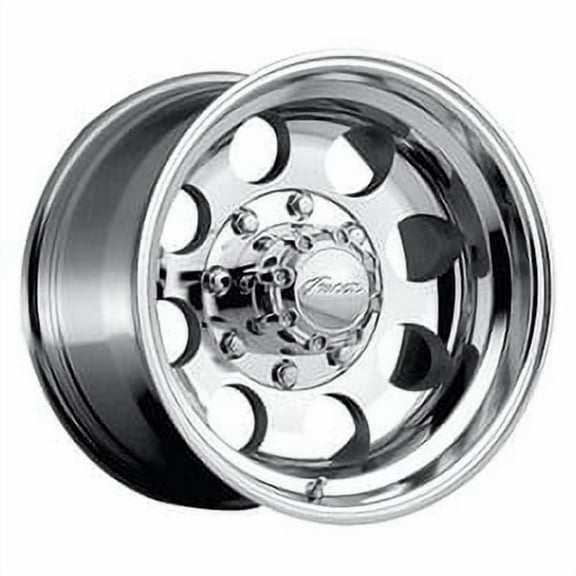
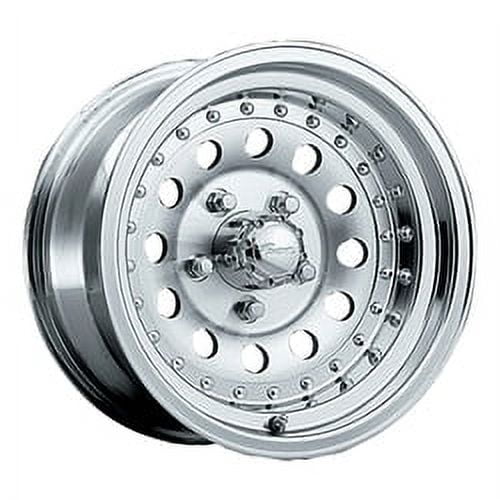
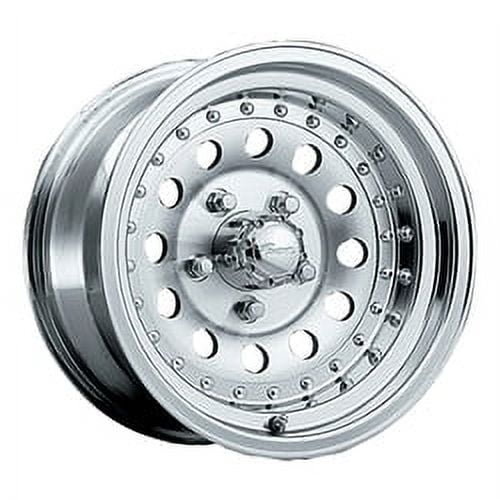

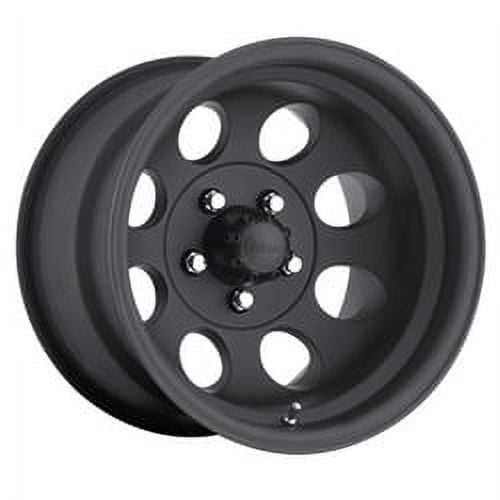


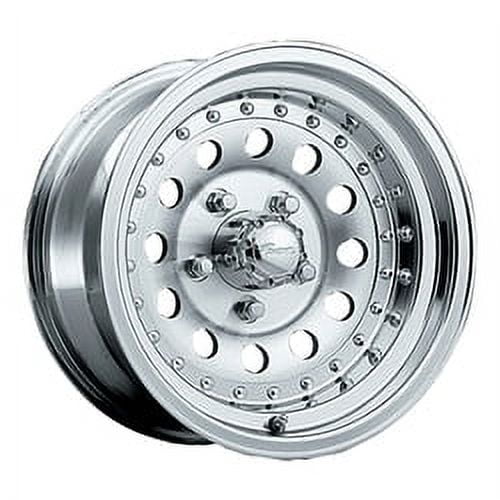


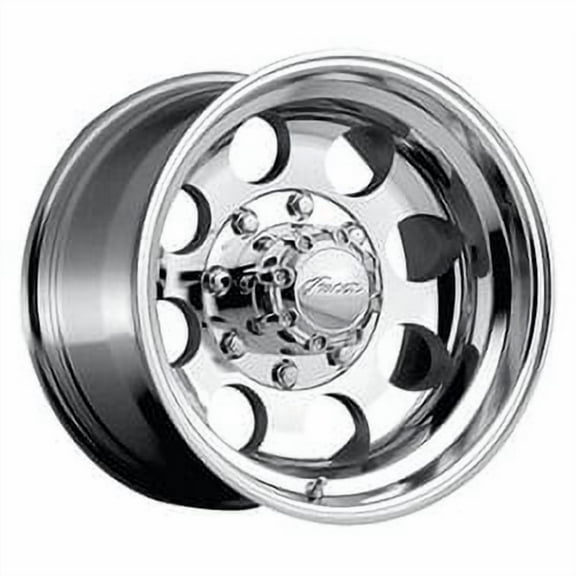
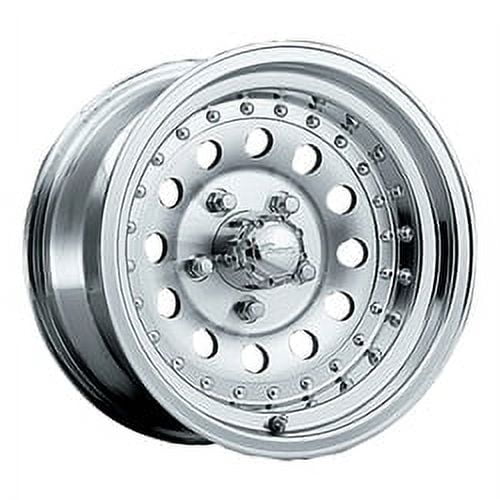
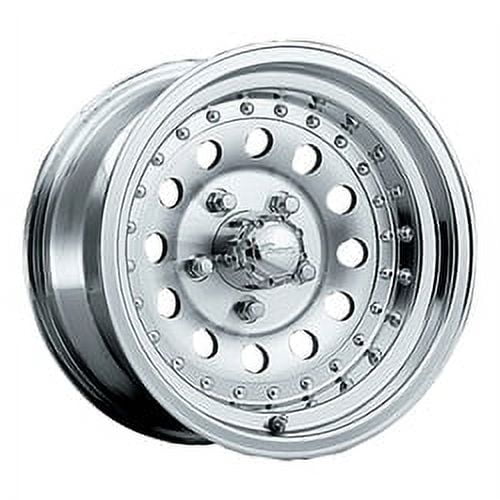

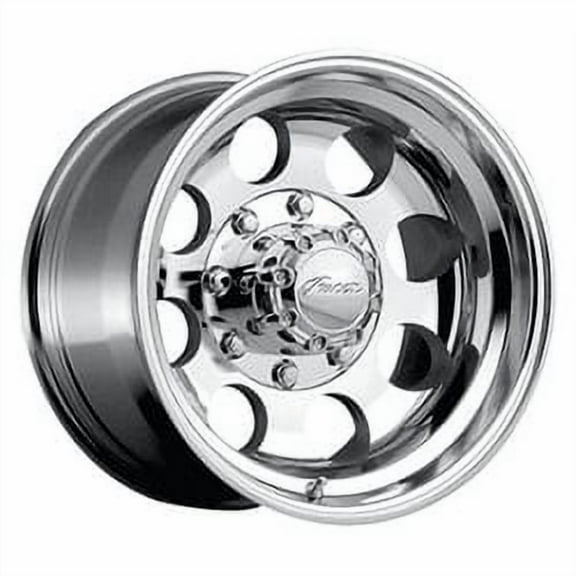





About Pacer Wheels and Rims in Shop Wheels and Rims by Brand - Walmart.com
Pacer wheels and rims help you refine your vehicle’s look while you narrow fitment details for daily driving, hauling, or trailering. You can compare finishes, materials, and bolt patterns in one place, so your search stays focused on the setup your vehicle needs.
How to choose pacer wheels and rims
When you compare wheel options, you should start with your vehicle type, bolt pattern, and current tire size. You’ll make a cleaner decision when you match those basics before you look at finish or style details.
If you drive a truck, SUV, passenger car, or trailer, you’ll want wheel specs that line up with that use. You can narrow choices faster when you check load needs, wheel diameter, and width together.
You should also compare offset and backspacing before you move forward with a new wheel. You’ll get a clearer picture of brake clearance and wheel position inside your fender.
Choosing finish options for your style
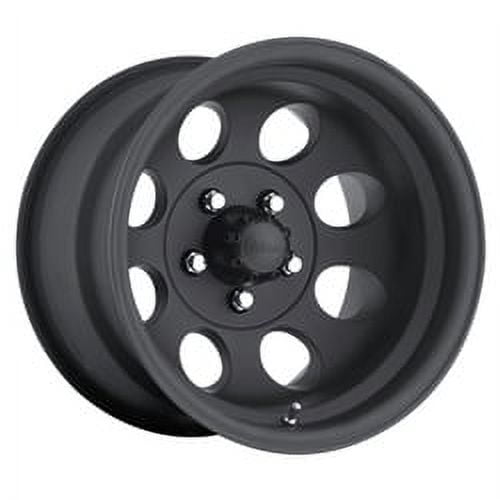
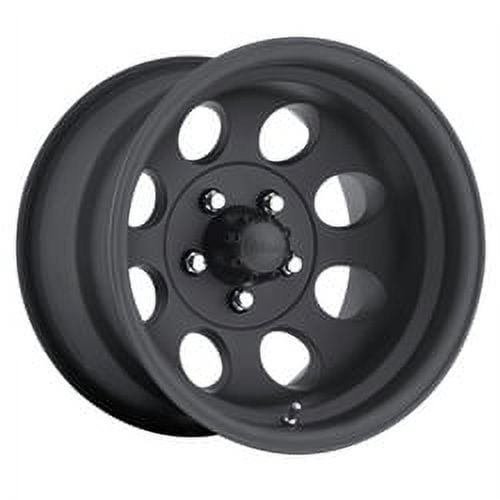
Wheel finish changes how your vehicle looks from the curb and how visible brake dust or road grime appears. You may prefer chrome for a bright, classic look, or matte black for a more understated appearance.
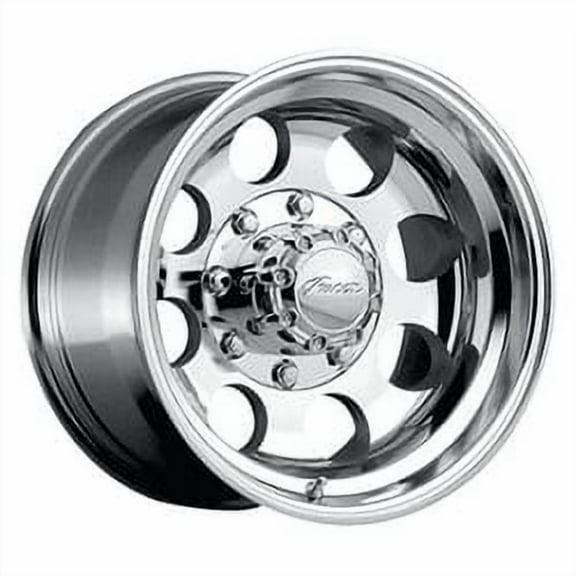
If you want a cleaner, reflective face, you can compare polished and silver finishes alongside pacer chrome rims. You’ll notice each finish pairs differently with paint color, trim pieces, and tire sidewall style.
- You can use chrome finishes when you want a bold, traditional custom look.
- You can choose matte black when you want a darker style with less visual shine.
- You can compare polished or silver options when you want a bright finish without the same mirror effect.
- You can match finish choice to your trim, grille, and intended vehicle use.
Comparing material choices
Material choice affects weight, appearance, and how your vehicle feels during everyday use. You can look at pacer steel wheels when you want a straightforward option often chosen for work-focused setups.
If you compare alloy or aluminum wheels, you’ll usually focus on lower weight and more detailed spoke designs. You may prefer those materials when you want a custom look or easier response from your current tire and wheel package.
Steel designs often suit utility-minded builds, winter wheel sets, and trailer applications where simple construction matters. Alloy and aluminum styles often fit your search when you want visible style changes on trucks, SUVs, or passenger cars.
Finding the right bolt pattern and fitment
Bolt pattern is one of the first specs you should verify before anything else. You can compare 5-lug, 6-lug, and 8-lug options based on your vehicle’s hub design and intended application.
If you’re considering 5 lug pacer wheels, you should confirm the exact pattern, not just the lug count. You’ll also want offset and backspacing measurements because they affect how the wheel sits in the wheel well.
Offset tells you where the mounting pad sits in relation to the wheel centerline. Backspacing tells you how much space sits behind the wheel, so you can check brake clearance and stance.
You should also compare rim diameter and wheel width with your current tires before you finalize a choice. When those measurements align, you can keep fitment planning simpler and avoid unnecessary guesswork.
Matching wheels to your vehicle type
Your vehicle type shapes the wheel choices that make the most sense for appearance and fitment. You can review pacer truck rims differently than wheels meant for passenger cars or light trailers.
For trucks and SUVs, you may focus on stronger visual presence, lug count, and wheel widths that suit all-terrain or highway tires. For passenger cars, you may prefer lighter-looking profiles and sizes that match your existing ride characteristics.
If you’re outfitting a trailer, you should pay close attention to bolt pattern, diameter, and intended use. You can keep your search practical when you compare utility needs before you focus on styling details.
Checking diameter, width, and accessories
Wheel diameter and width affect how your tires fit and how your vehicle presents overall. You should compare your current sidewall information with the wheel size you’re considering before making a final selection.
A wider wheel can change tire profile and sidewall shape, so you’ll want to confirm approved fit ranges. A different rim diameter also changes which tires work with your setup, especially if you’re replacing only the wheels.
If you’re moving between common sizes like 15-inch or 16-inch wheels, you should review tire compatibility first. You’ll get a more accurate shortlist when you compare both diameter and width at the same time.
Accessories can help you complete the look and installation plan without extra confusion. You may want to check whether the package includes pacer wheels center caps or if you must purchase them separately.
You should also verify lug nut requirements because wheel seat type can vary by design. When you confirm accessories early, you can keep your installation planning organized and match the finished look more closely.
Pacer wheels and rims make more sense when you compare finish, material, bolt pattern, and size as connected decisions. You’ll choose with more confidence when your specs, accessories, and vehicle use all line up clearly.