


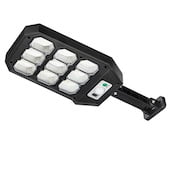
Outdoor Security Lights in Outdoor Lighting
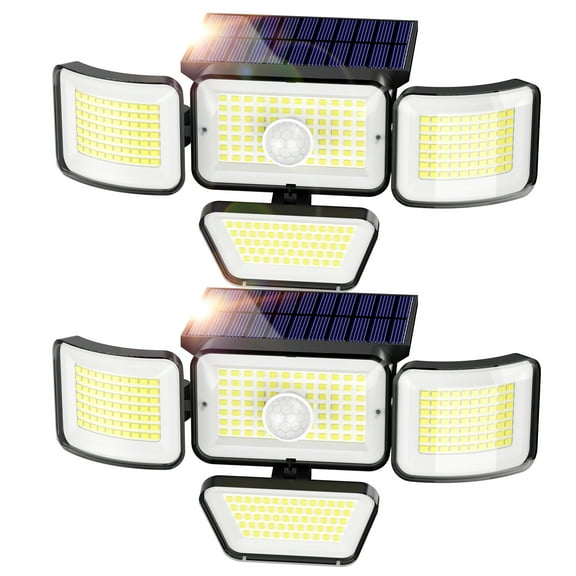

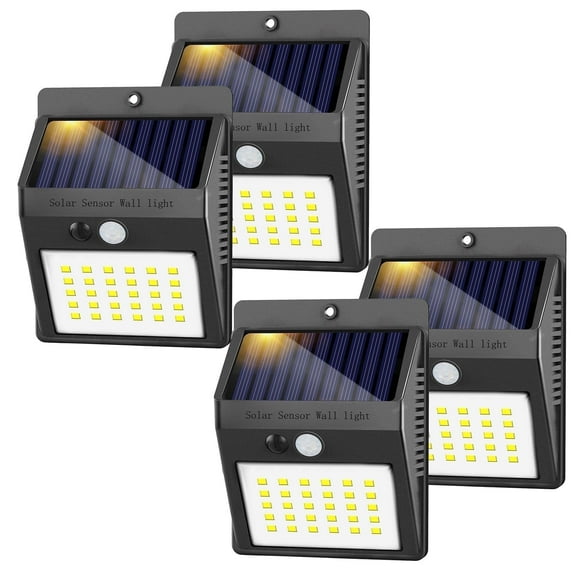
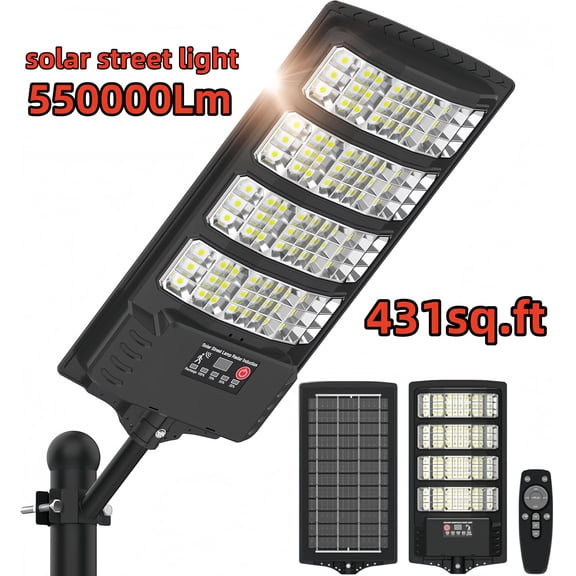


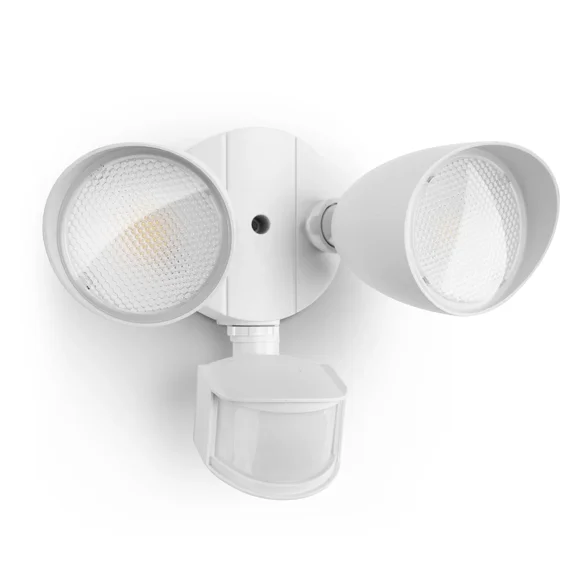
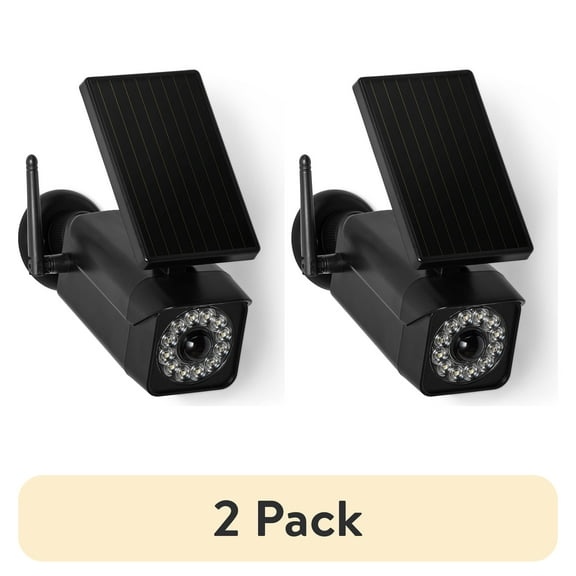


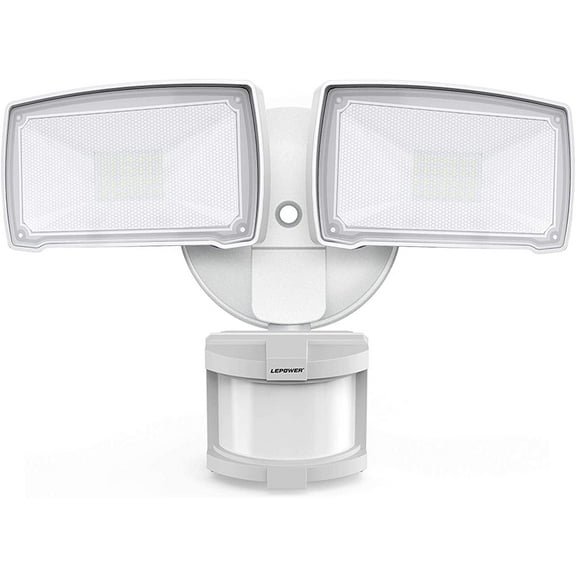


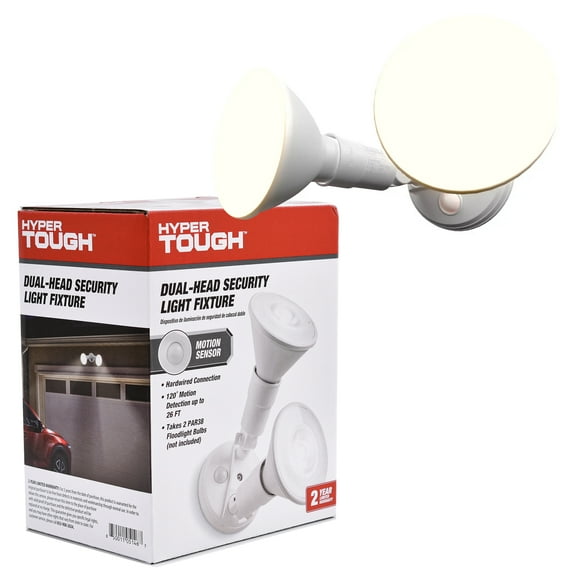









About Outdoor Security Lights in Outdoor Lighting - Walmart.com
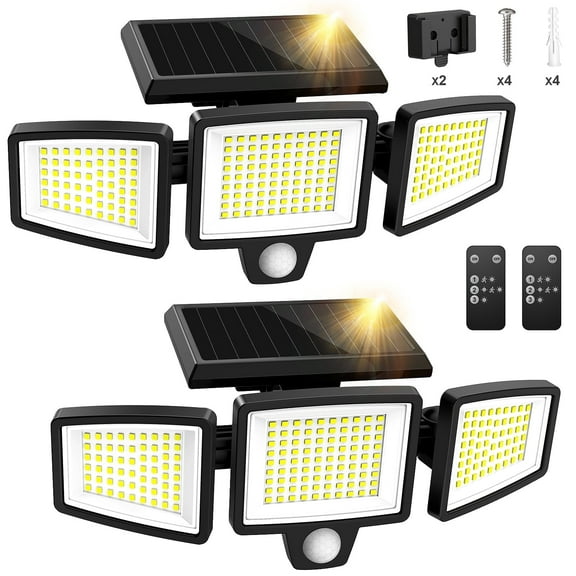
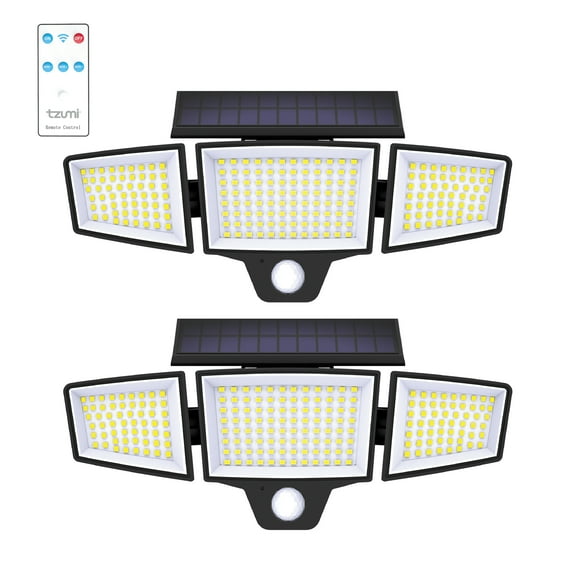
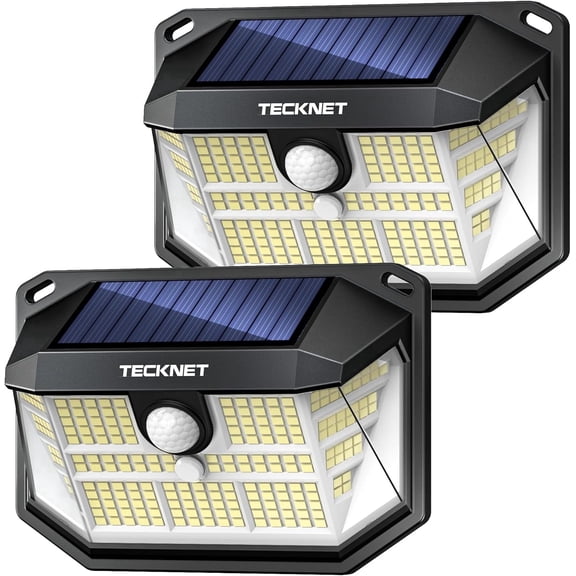
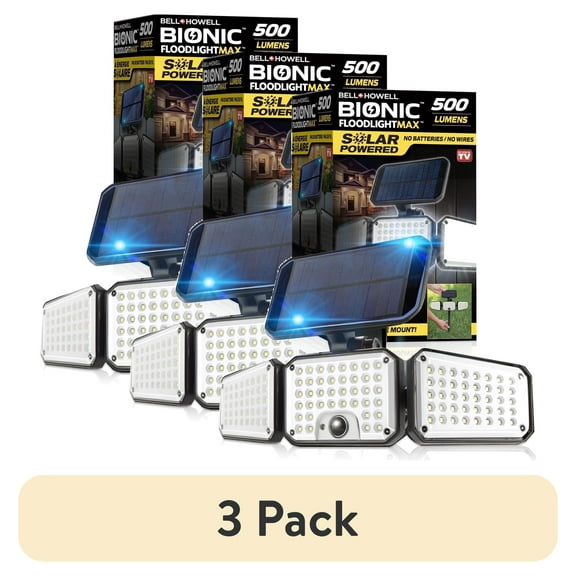
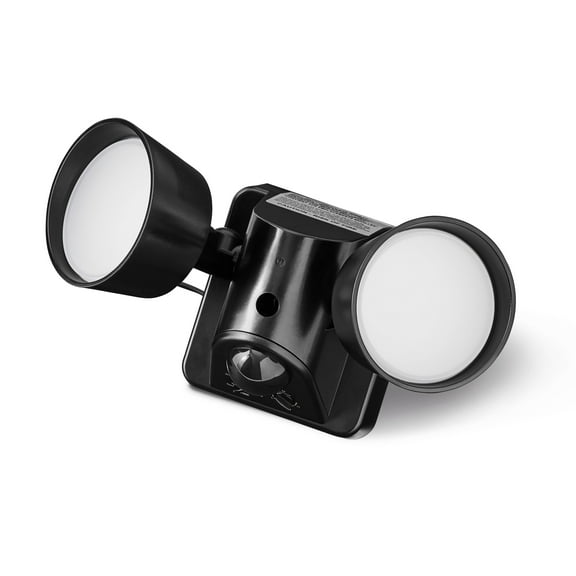
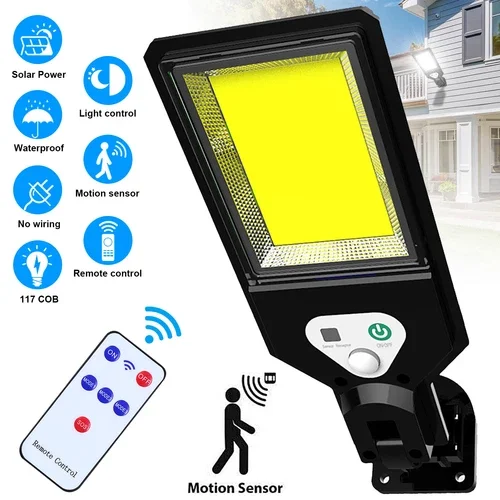
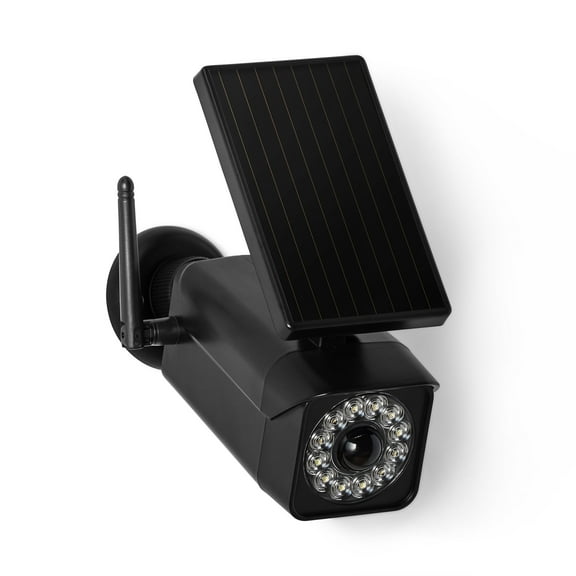
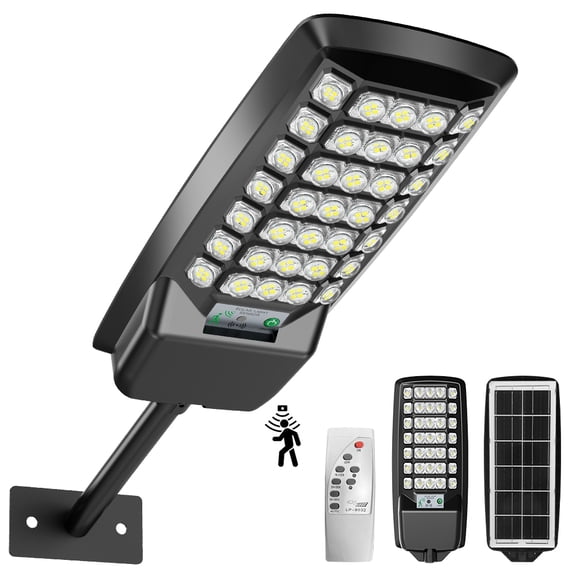
Outdoor security lights help you cover entries, driveways, and backyards with focused light after dark. You can compare motion sensor outdoor lights, solar security lights, and LED flood lights by power source, control type, brightness, and weather-ready design.
As you narrow your options, you should start with your layout and your mounting location. You can then match your space with the right detection range, lumen output, and installation style.
Choosing outdoor security lights by power source
Power source shapes where you can place your fixture and how much setup your home needs. You should compare solar powered, hardwired, battery operated, and plug-in options before you choose a mounting spot.
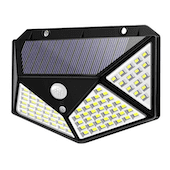
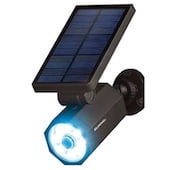
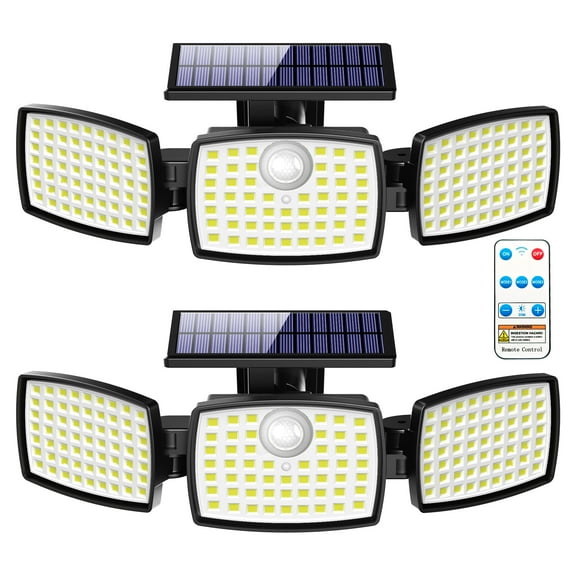
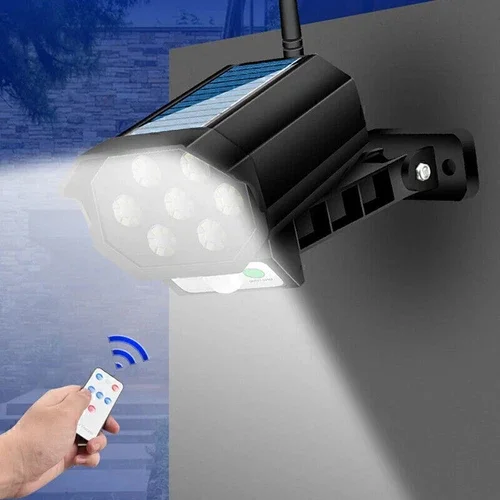
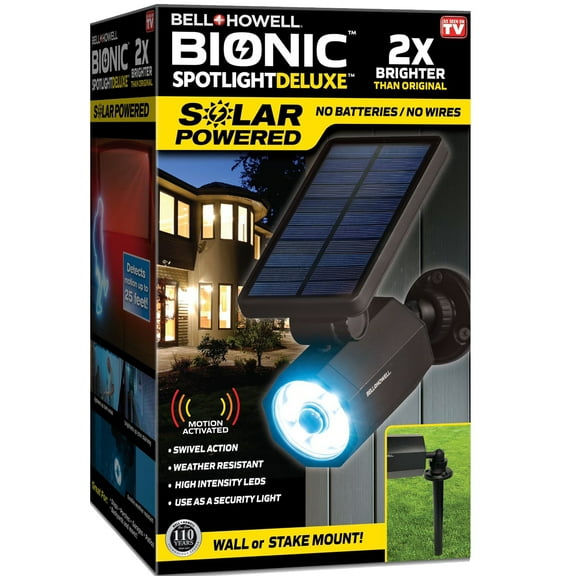
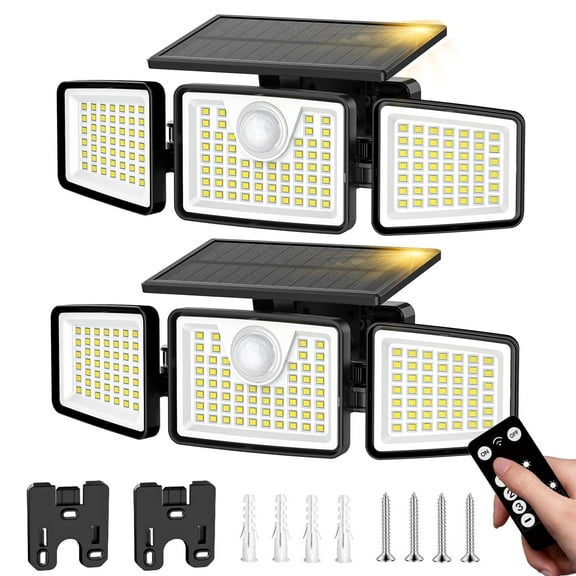
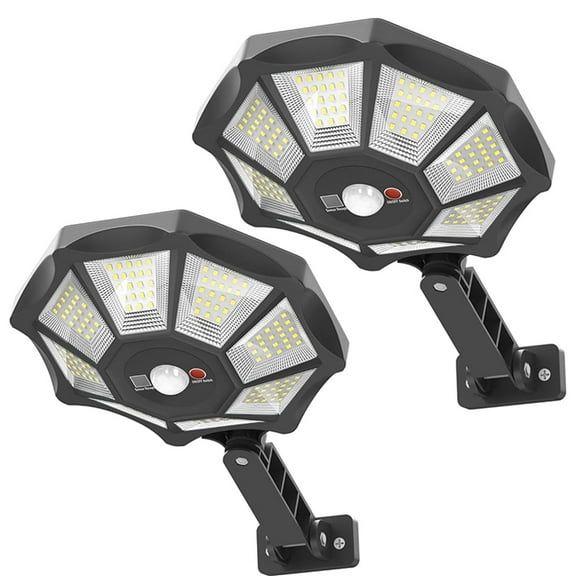
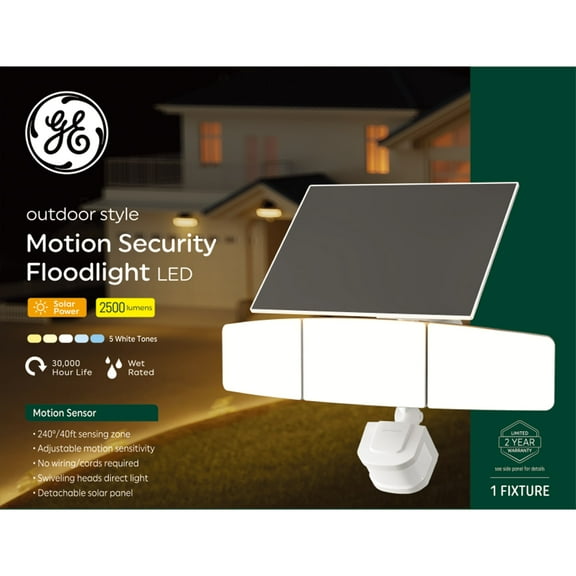
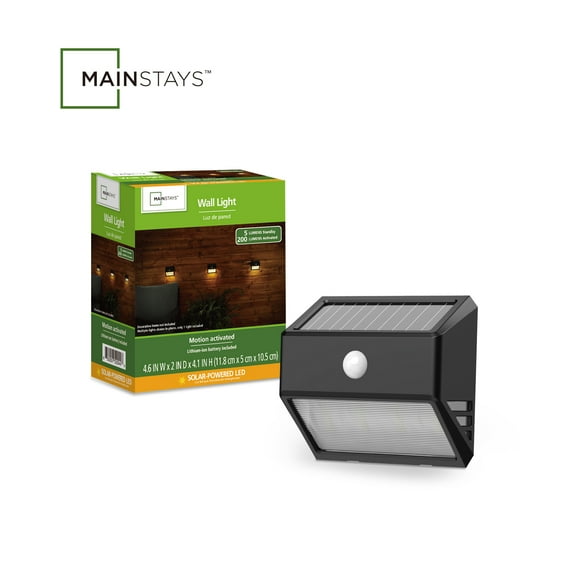
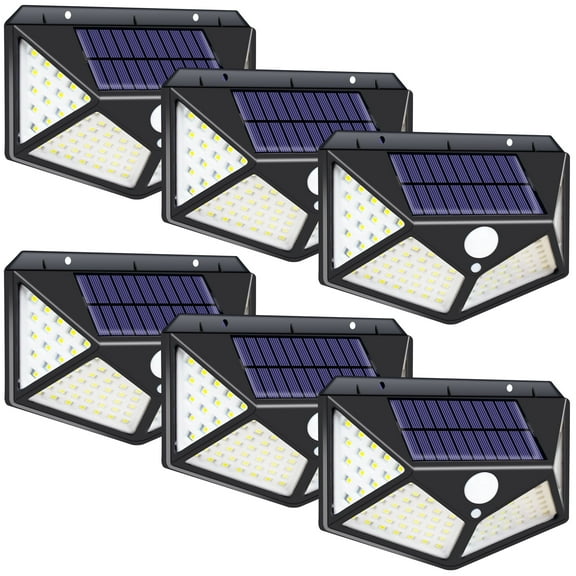
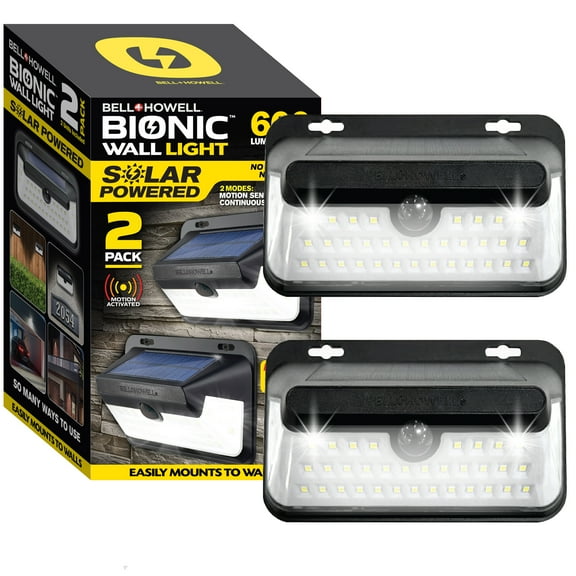
If your area gets steady sun, you may prefer solar security lights for sheds, fence lines, and detached garages. You should check solar panel wattage and battery capacity, because those details affect how long your light runs overnight.
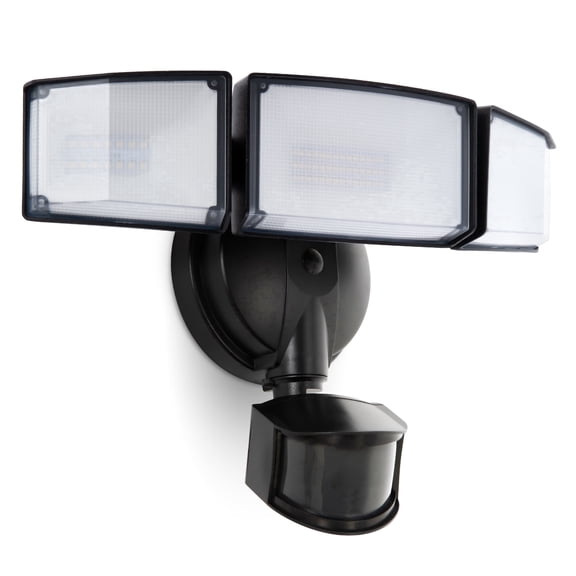
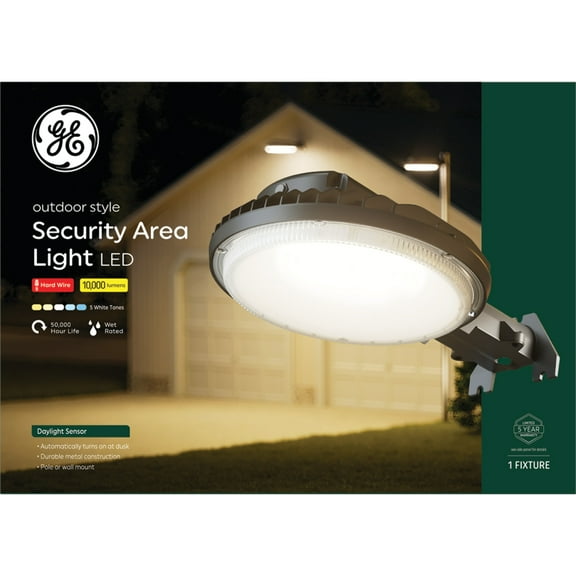
For a fixed setup near your home, you may lean toward hardwired security lights around garages, patios, and side doors. You should confirm your junction box location, because your wiring setup affects where your fixture can go.
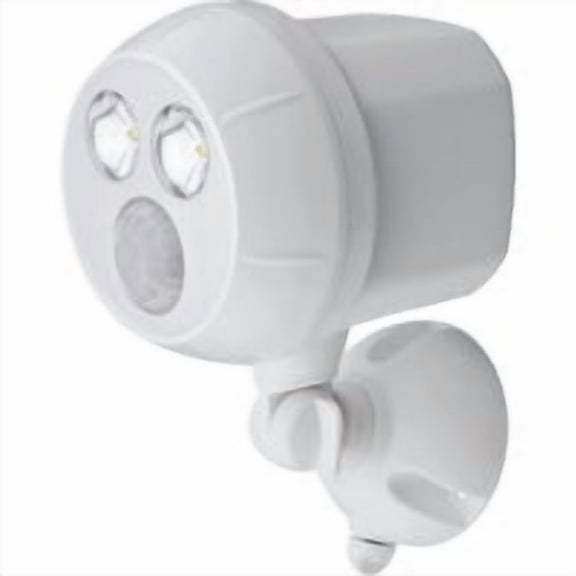
Battery operated security lights give you flexibility when your wiring access is limited. You can also use plug-in units when your outlet placement supports temporary coverage in smaller spaces.
- You can choose solar when your area gets direct sun and your wiring access is limited.
- You can choose hardwired when your home already supports a fixed mounting location.
- You can choose battery operated or plug-in lights when your setup needs simpler placement.
Choosing motion sensor outdoor lights and control types
Sensor type changes when your light turns on and how your yard feels at night. You should compare motion activated, dusk-to-dawn, and switch controlled fixtures based on your routine.
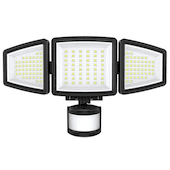
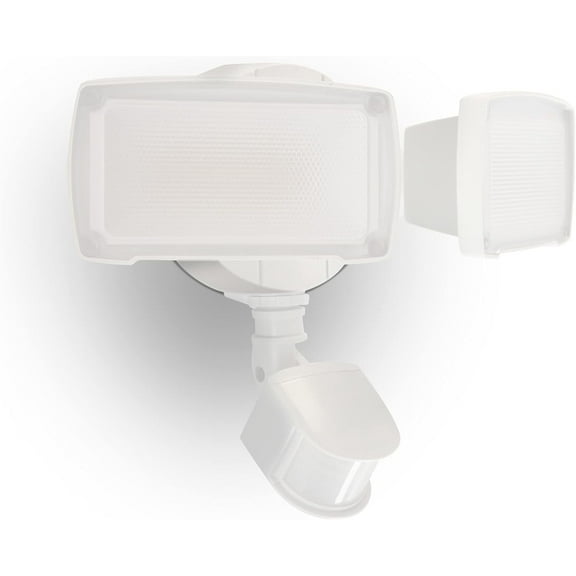
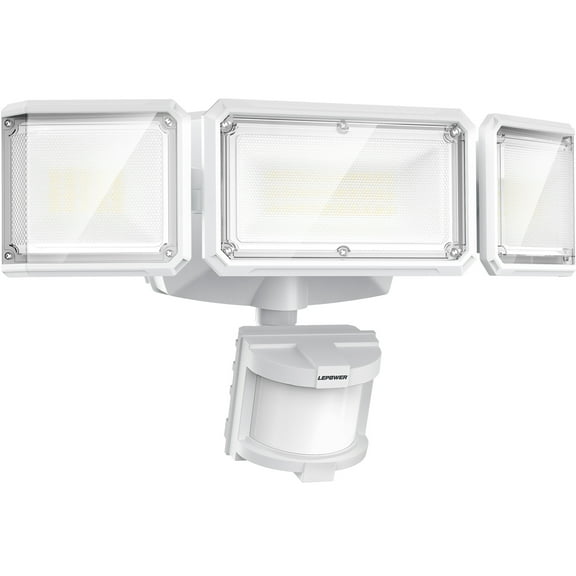
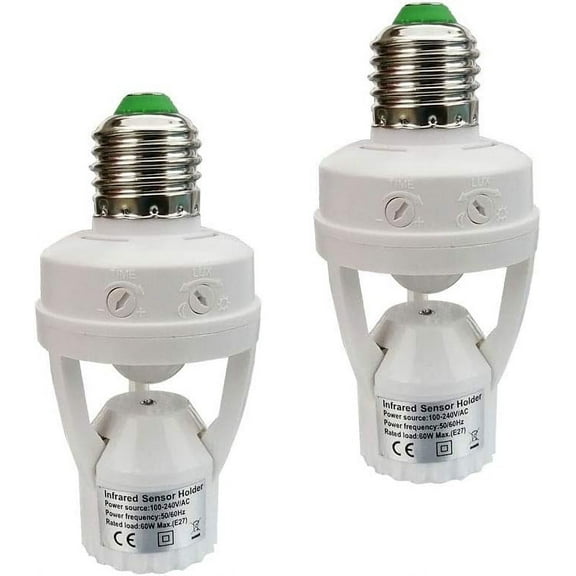
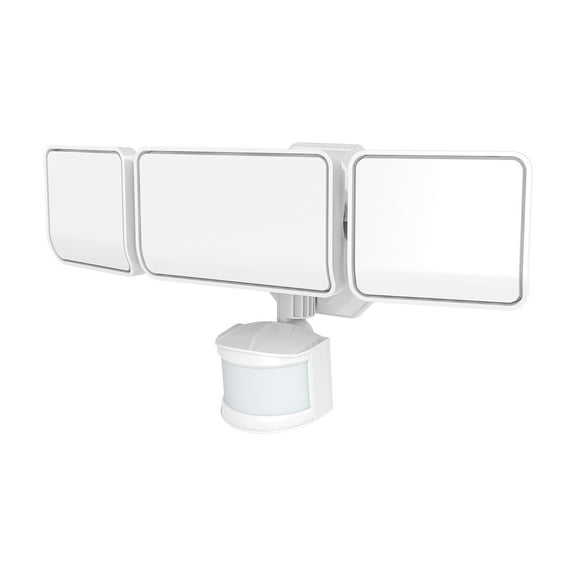
With motion sensor outdoor lights, you should compare detection distance in feet and coverage angle in degrees. You can use wider angles for driveways, while narrower zones help you focus on doors, gates, and walkways.
If you want steady lighting through the night, you may choose dusk to dawn outdoor lights for porches and perimeter paths. You should look for photocell operation, because it helps your fixture respond as daylight changes.
Switch controlled fixtures give you direct control for patios, storage areas, and workshop entrances. You can pair that setup with other outdoor security lights when your home needs layered coverage.
Choosing LED flood lights by brightness and beam style
Brightness helps you decide how much of your space you want to light at once. You should use lumens to compare output, because watt labels don't tell you how much light reaches your yard.
Lower lumen levels can work for steps, porches, and side doors with smaller coverage needs. Higher output often fits larger driveways, backyard work zones, and broad outdoor flood lights placements.
Bulb technology also affects upkeep and everyday use around your home. You can compare LED, halogen, and incandescent options, though many shoppers choose LED flood lights for clear output and simple maintenance.
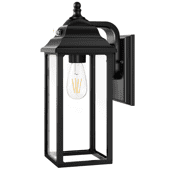
Beam style matters too, because your fixture shape affects how light spreads across your property. You can use floodlights for broad coverage, spotlights for focused areas, and decorative sconces near front entries.
What to look for in weather resistance and durability
Weather exposure can change how your fixture performs through rain, dust, and seasonal temperature shifts. You should check IP ratings, because they explain how sealed the housing is.
A higher IP rating usually means your light has stronger protection in exposed areas. You should still match that rating to your location, because a covered porch faces different conditions than an open fence line.
Materials also matter when your fixture stays outside year-round. You can compare housing finishes, lens covers, and mounting brackets when you want dependable placement in windy or wet conditions.
Matching outdoor security lights to your space
Your front entry may need decorative sconces or compact fixtures with dusk-to-dawn control. You can keep your doorway visible while supporting steps, locksets, and package drop areas.
Along your driveway or garage, you may prefer motion sensor outdoor lights with a wider detection angle. You can cover vehicle paths and garage doors more effectively when your beam spread matches the full approach.
Backyards, sheds, and fence lines often work well with solar security lights when your wiring access is limited. You should check daytime sun exposure, because heavy shade can reduce your evening runtime.
For open yards or task areas, you may want LED flood lights with higher lumen output and broad coverage. You can light play areas, outdoor projects, and larger gathering spaces without relying on a narrow beam.
If you need a clear way to compare choices, you should start with your power source and sensor type. You can finish with lumens, beam style, and IP rating, which helps you choose a fixture that fits your layout.
With the right mix of detection range, beam spread, and weather-ready construction, you can create dependable coverage where you need it most. You can move through entrances, paths, and outdoor work areas with clearer nighttime visibility.