

Mobil 1FRAMPurolatorACDelcoMotorcraftSuper TechK&NMoparToyotaWIX FiltersPremium GuardA-PremiumBoschECOGARDDENSORA AutopartsAPIGenuinePurolatorBOSSMANN-FILTERQuicksilverBeck/ArnleyAirTechnikMAHLEBaldwinMannWIXXPSERVICE CHAMPSixity AutoFullGeneracHengstHondaNissanHiflofiltroCaterpillaraFe PowerTuskMOCA AUTOPARTSUnbrandedLab WorkCARQUESTJohn DeereCan-AmJT SprocketsKawasakiHiFloLuber-finerPolarisProntoTRQYamahaDormanFire PowerRELIABLE AFTERMARKET PARTS OUR NAME SAYS IT ALLSubaruPennzoilRotaryDIY SolutionsUnique BargainsToroPremiumMercury MarineSea-DooPro FilterMercuryPurfluxKubotaNPNHipaBriggs & StrattonBikeMasterPerformance ToolNAPAMarketplace Auto PartsCummins OnanPentiusHammerheadBaldwin FiltersNAPA FiltersKnifunVolvo PentaGeneral FiltersDorman HELPTwin PowerChampUniversal Generator PartLABLTTecumsehDISCOUNT STARTER & ALTERNATORKarParts360EMGOCaltricTusk RacingPGPartsSIWINPARTSRareelectricalHACUSK&LOcibmnNeutronThe ROP ShopGepaas4UGenericORCUPro XKohlerKOMAITLSFYGDFactory SpecHKDAUTOTECHDonaldsonCru ProductsXYZ SalesVISVICS&S CycleMR-Auto-SPARFleetguardJMK-TECHFIRST PRICE PARTSPc RacingZHJIGDXHXAUTOM BuderKOFILYajisiOregonPEIYAOTCOYAHHUGeneral MotorsWSMRiouseryNFTIGBRUPOUNINDUSTRIAL MRONo ToilQICIPIJISuodokaBIMZUCAftermarket ReplacementXirurusPinShangProven PartLAZIOEGRVORTEXWNB HUBmosikatechProtec-NewLYDXYZILENYOUNGCyclemaxStandard Motor ProductsOVTSCEquipmentShareSKPACANieyigjFebi BilsteinSeappleBIYIFITIMHXCVNicheAYBTECHPARTBallsBeyondiFJFLisFaxboNOBRANDBENCHUANMOMTProfleet Heavy DutyDigworksP&FGlobalmartHLMOTOSUPPPro-TecEVERBULLSuzukiBOKYANFUSCHTAPDRAGONCONWix (Mann+Hummel)ZHUOPAIAGCOJJAgPartsCarbon ExpressMarvel Automotive GroupOEMSUGASKETYQABLESUGUANGHUIWauebulyDIYUE2025VAICODACHUANDoc's DieselUpStart ComponentsCummins
Oil Filter BrandsOil Filter TypesOil Filters by Model NumberOil Filters by Make & ModelOil Filters by VehicleACDelco Oil FiltersBaldwin Oil FiltersBosch Oil FiltersBriggs & Stratton Oil FiltersCanister Oil FiltersCarquest Oil FiltersCub Cadet Oil FiltersEcogard Oil FiltersFram Oil FiltersK&N Oil FiltersKohler Oil FiltersMagnetic Oil FiltersMann Oil FiltersMobil 1 Oil FiltersMotorcraft Oil FiltersPF63 Oil FiltersRoyal Purple Oil FiltersSuper Tech Oil FiltersWix Oil Filters

Find auto parts that fit
Let’s search for parts that fit your vehicle.*Required fields
Shop Oil Filters & Engine Protection Products Online
Uses item details. Price when purchased online

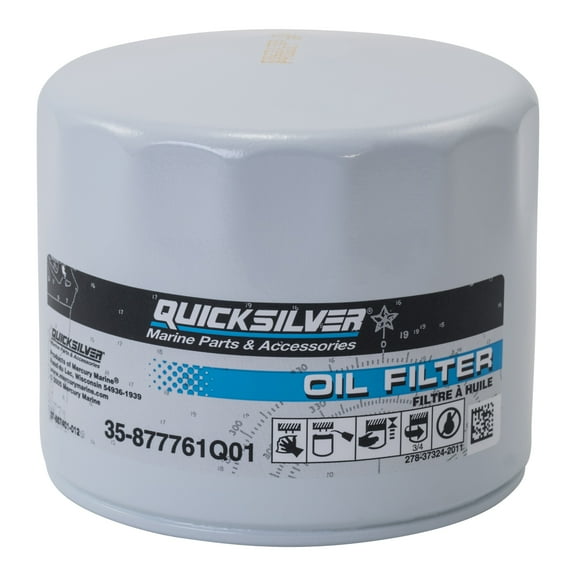

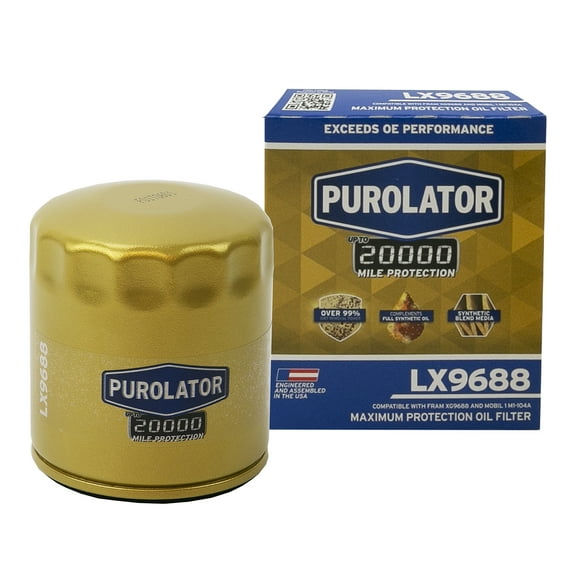

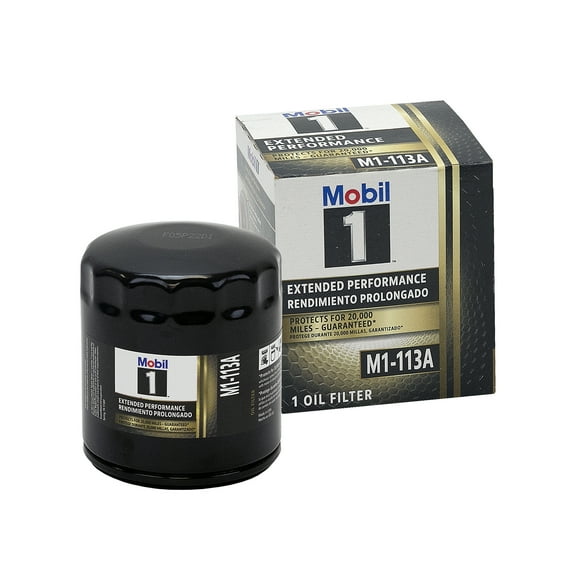
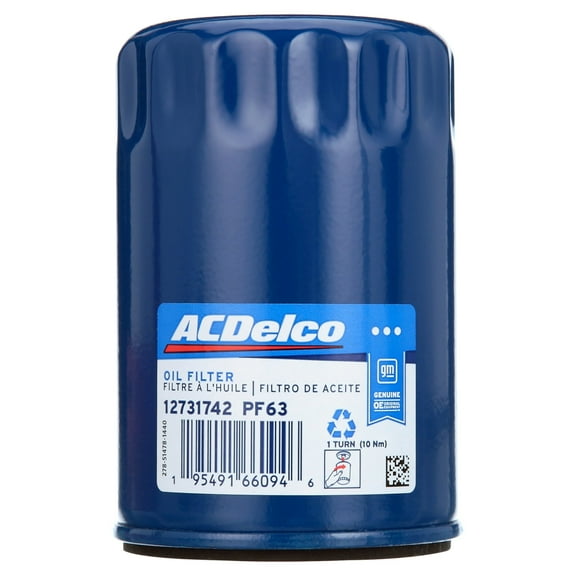








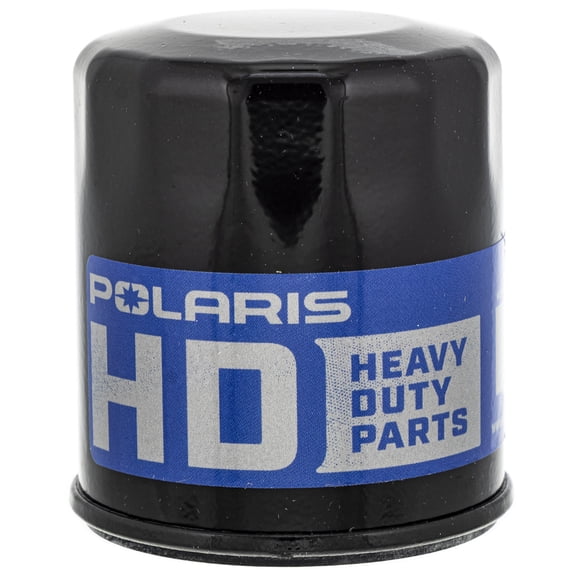
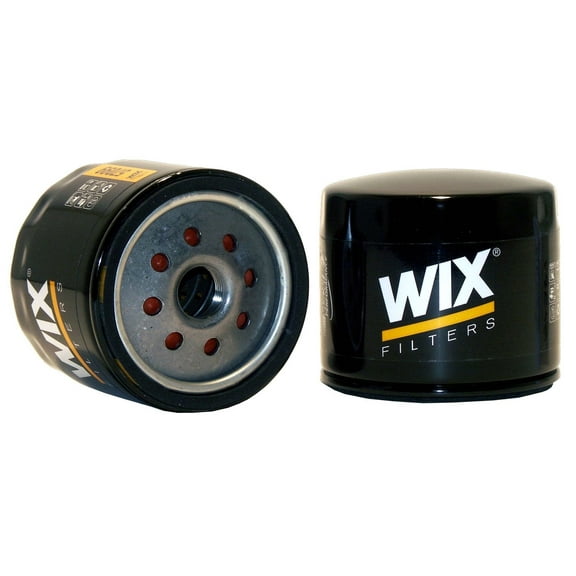
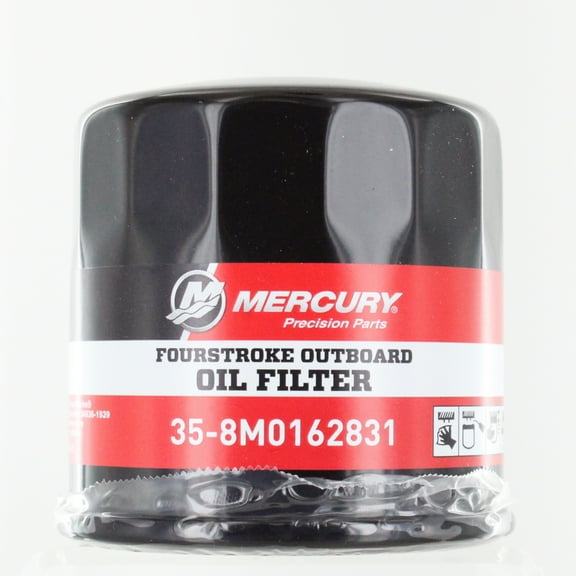




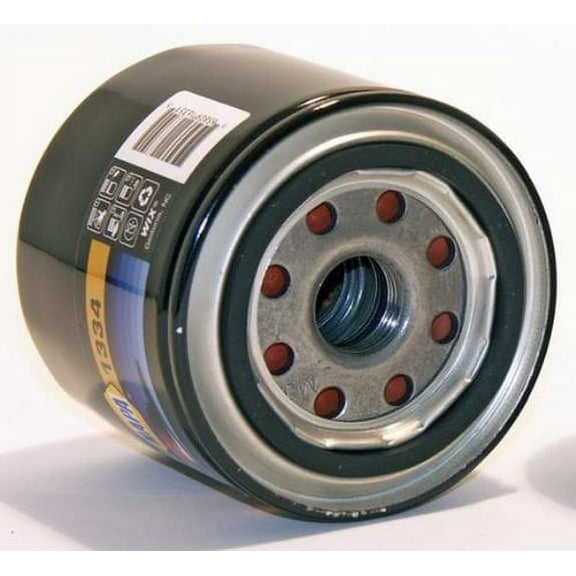



About Shop Oil Filters & Engine Protection Products Online - Walmart.com
Discover Oil Filters & Engine Protection Essentials at Walmart
Ready to take the hassle out of routine engine maintenance? Walmart’s selection of oil filters makes it easy for drivers to find reliable solutions for cars, trucks, and SUVs. From matching fit to comparing filter media, our streamlined shopping experience helps you move confidently through every stage of maintaining your vehicle.
Key Benefits of Choosing the Right Oil Filter
- Effortless Product Matching: Find compatible oil filters for your vehicle’s year, make, model, and engine without any guesswork, making maintenance straightforward.
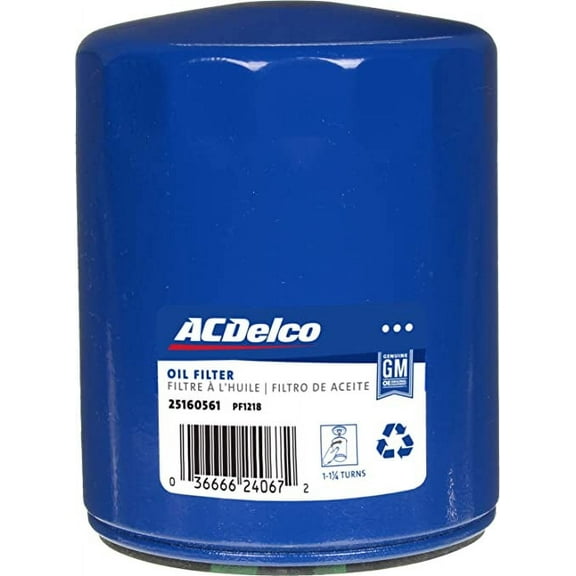
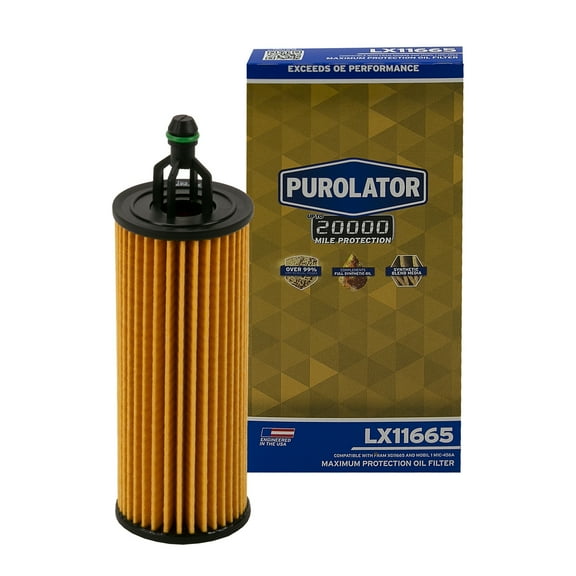
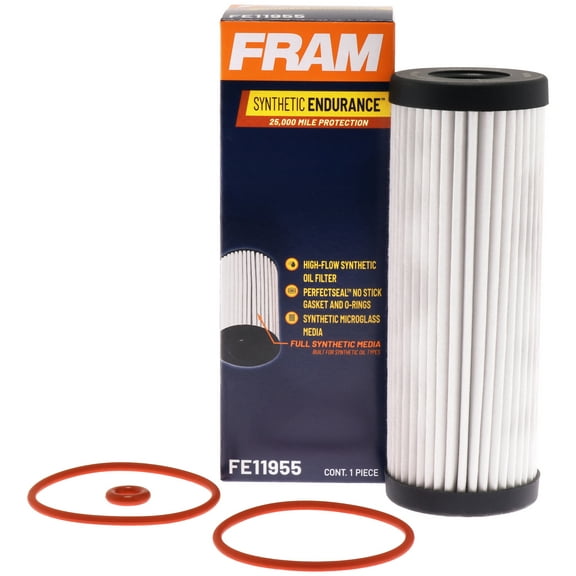
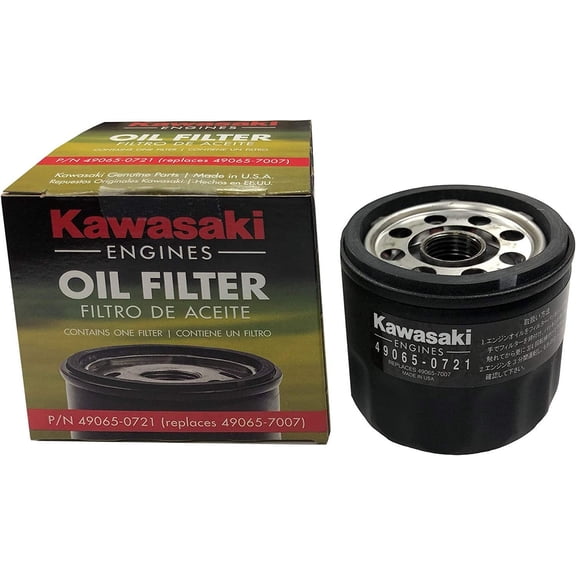
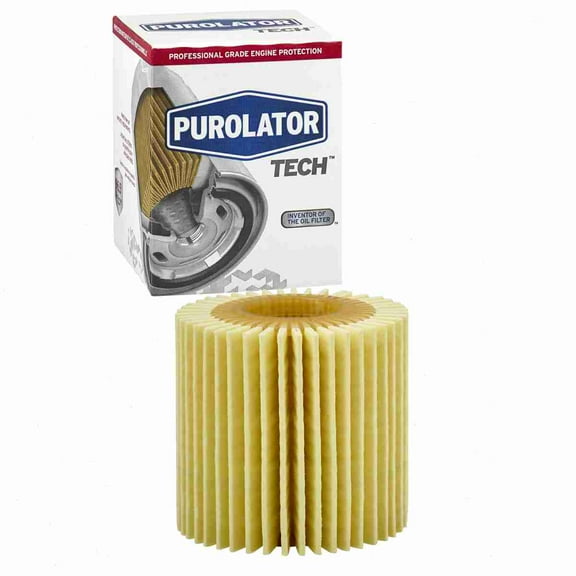
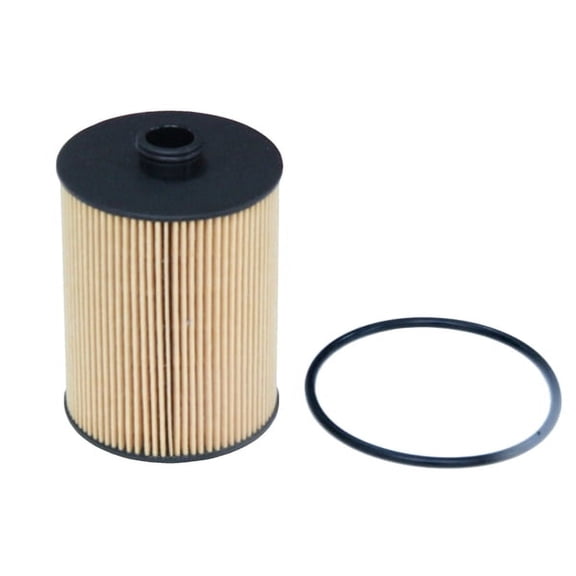
- Wide Range of Filter Types: Explore both spin-on and cartridge options, ensuring you get what fits your engine and installation preference.
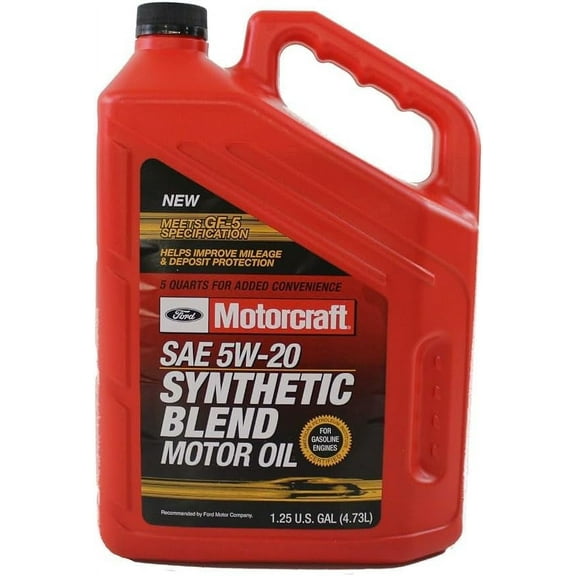
- Tailored Filter Media Choices: Select from synthetic, blend, or cellulose media to best suit your engine’s needs and oil type for optimal performance and protection.
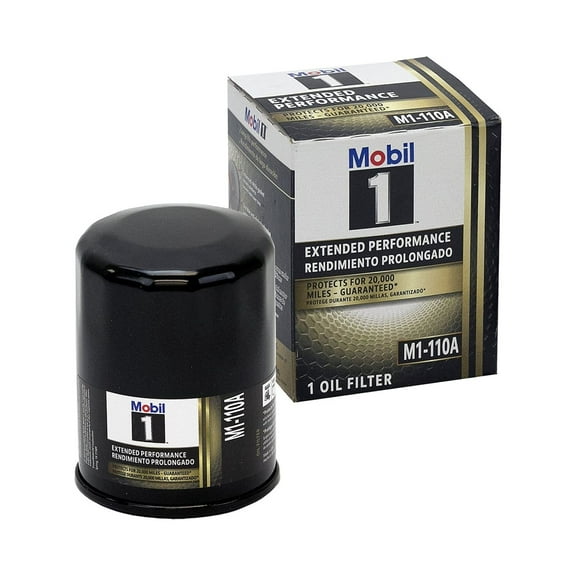
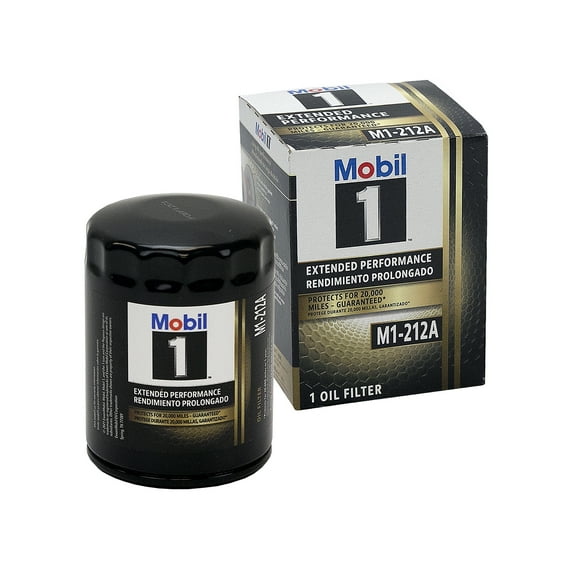
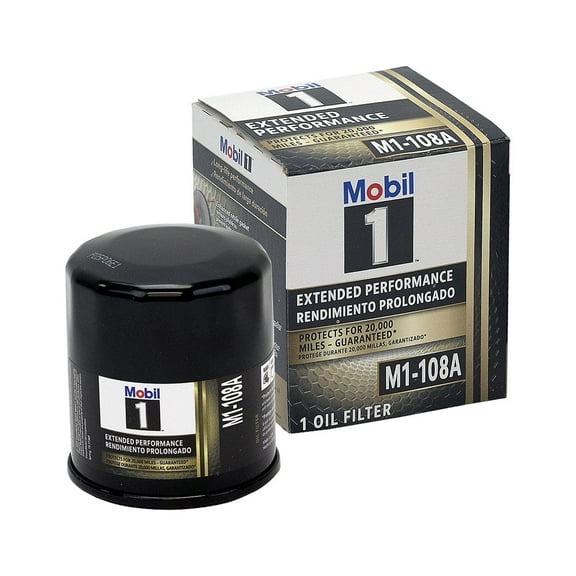
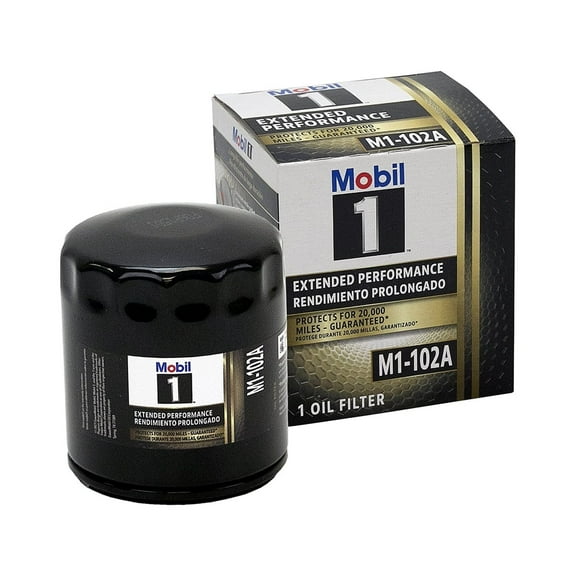
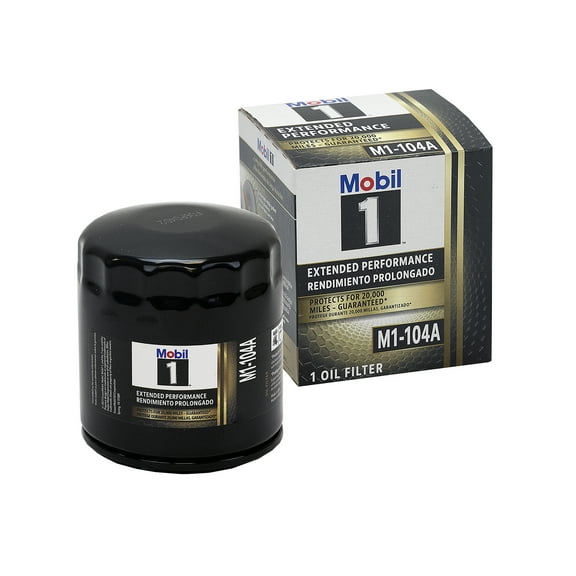
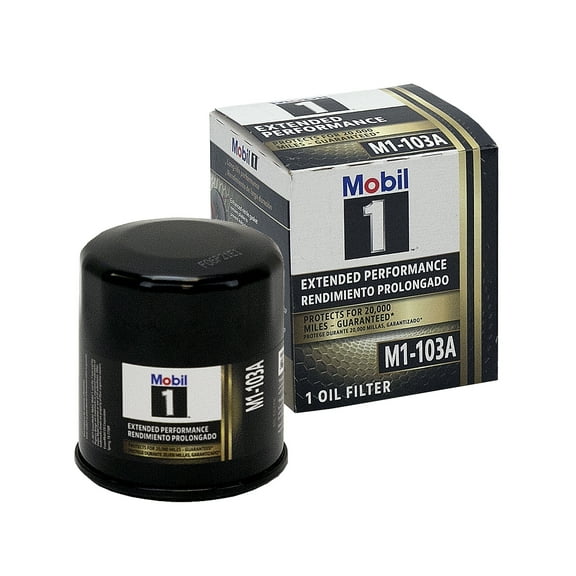
- Mileage-Driven Planning: Access filters with different mileage ratings—like 5,000, 10,000, or 20,000 miles—to help you plan ahead based on how much and how you drive.
- User-Friendly Installation Features: Some filters include textured grips and other upgrades for quicker, easier removal and installation at home.
- Convenient Multi-Vehicle Shopping: Manage maintenance for multiple vehicles in one visit by filtering results to find perfect-fit solutions for each application.
Build Confidence in Your Oil Change Routine
Compare filter specifications and compatibility details right at Walmart to ensure you’re making the best choice for your engine’s health. Enjoy all-in-one convenience and reliable options with every purchase, so the next oil change is smoother and more effective.