


Find auto parts that fit
Let’s search for parts that fit your vehicle.Oil Extractor Pumps in Oil Change Tools
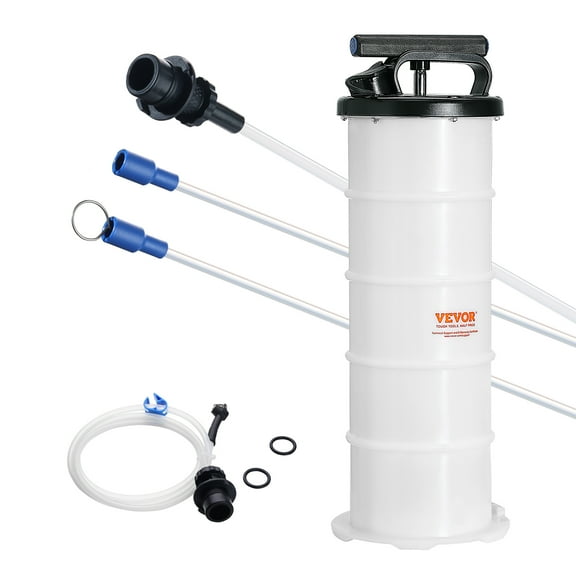


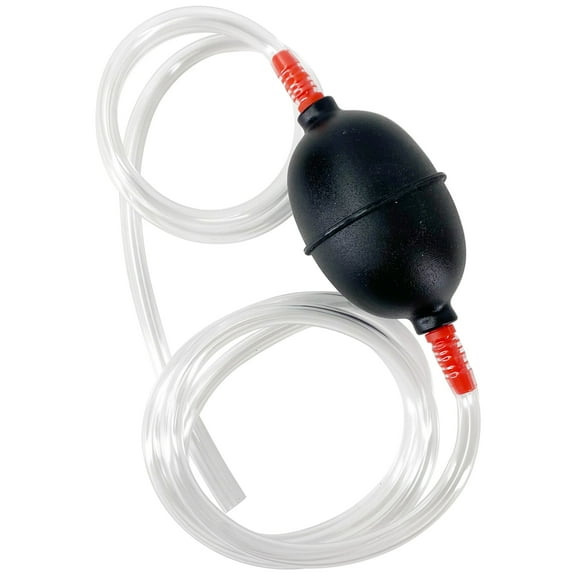

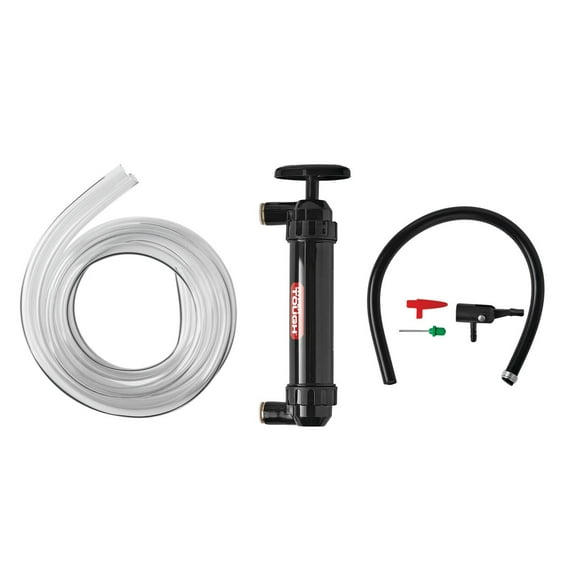
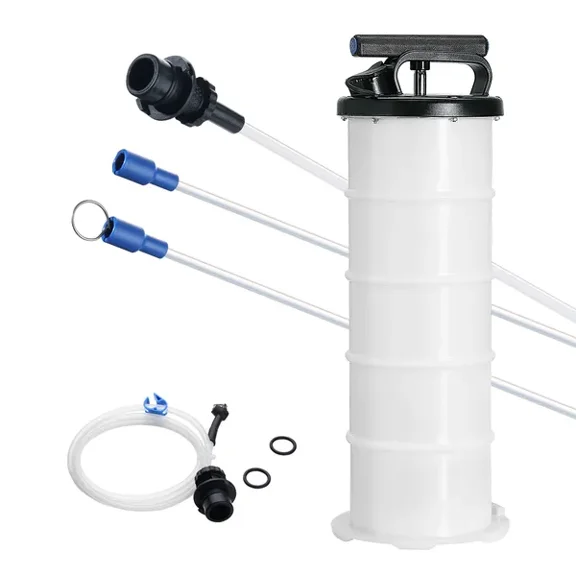





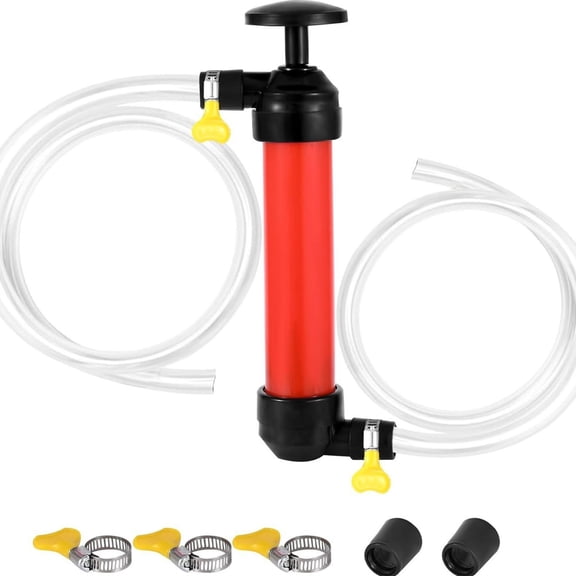
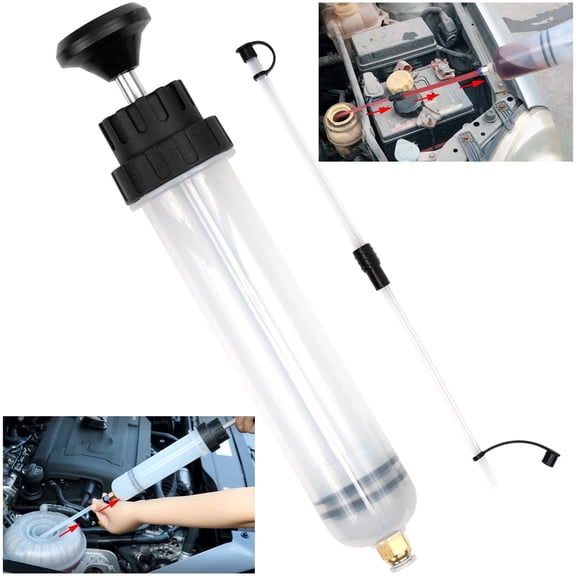
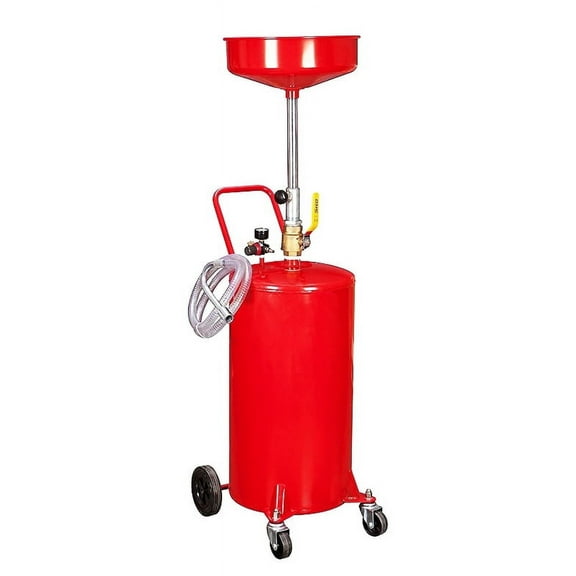
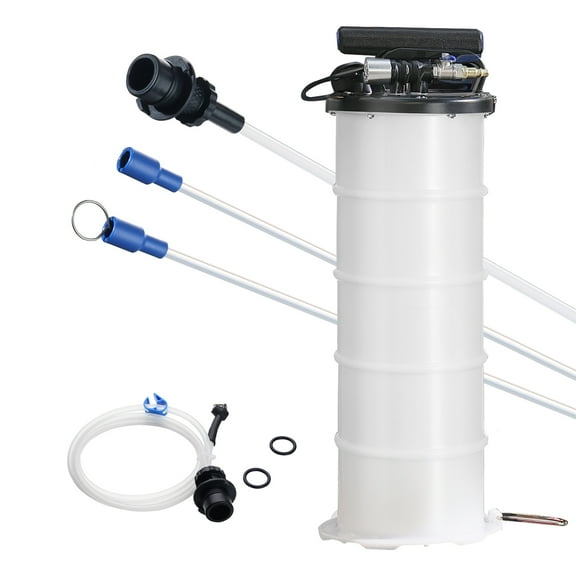
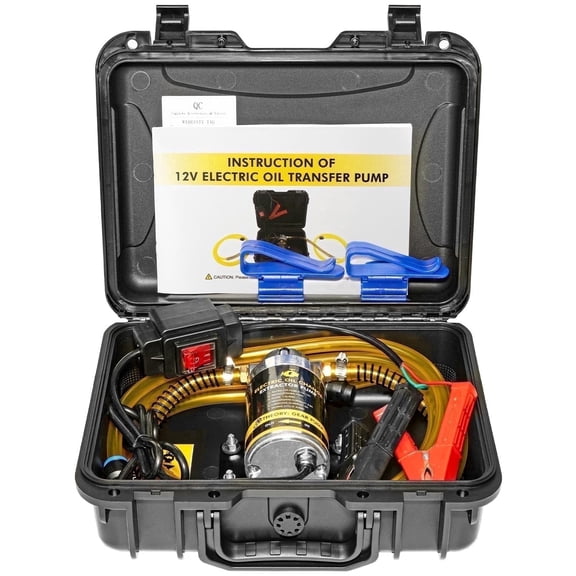
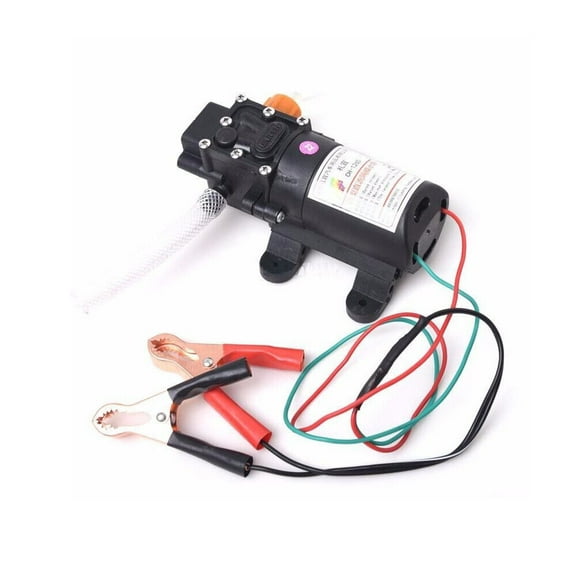
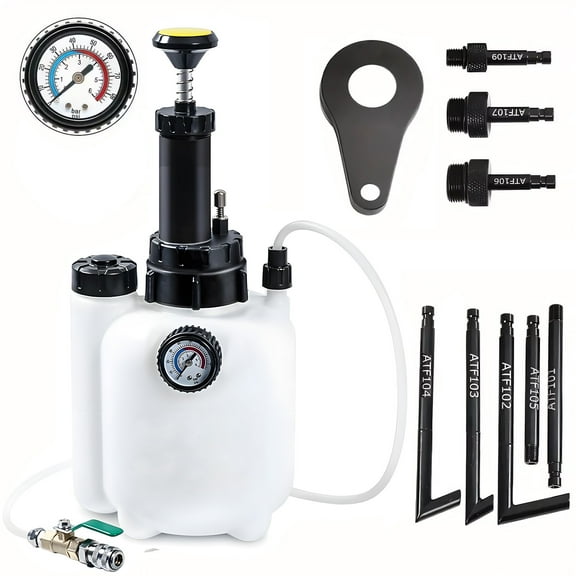
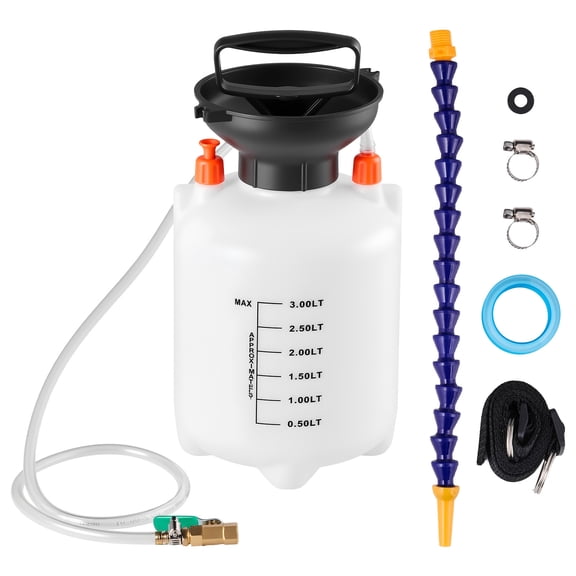




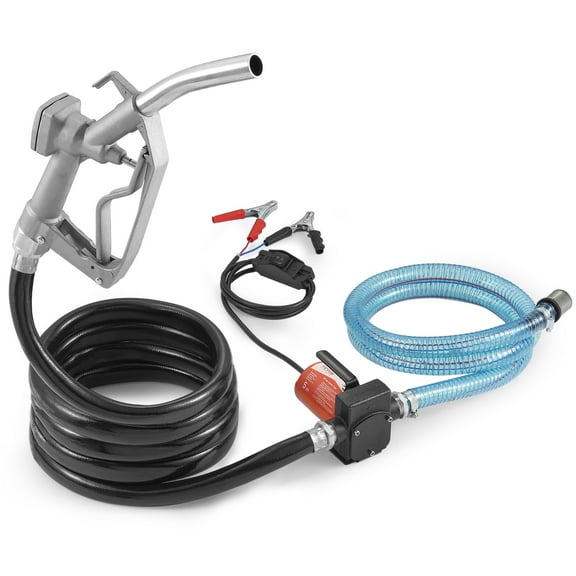
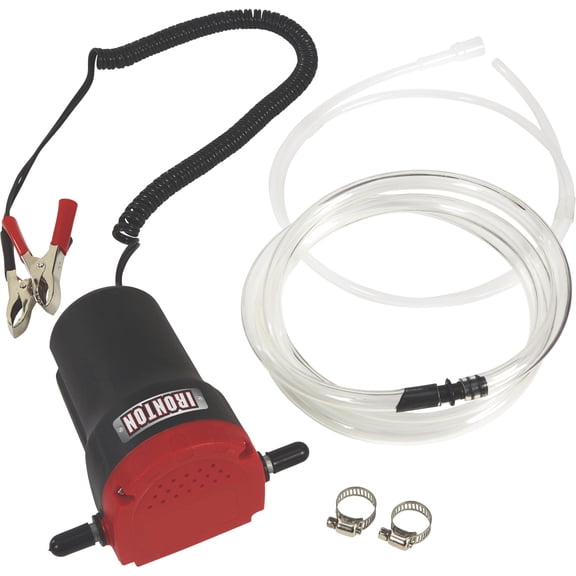

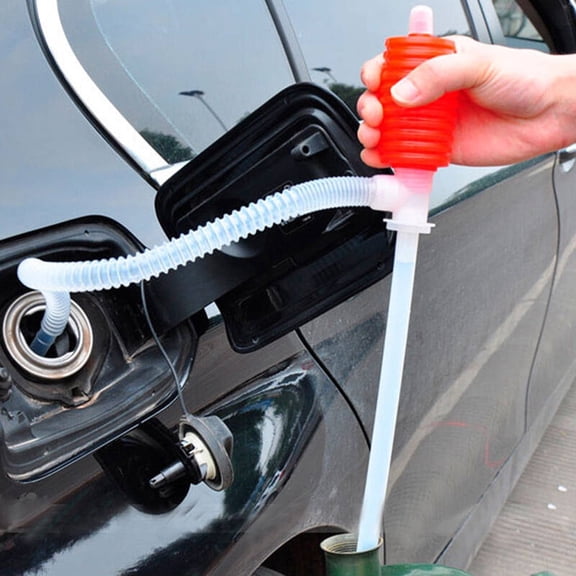
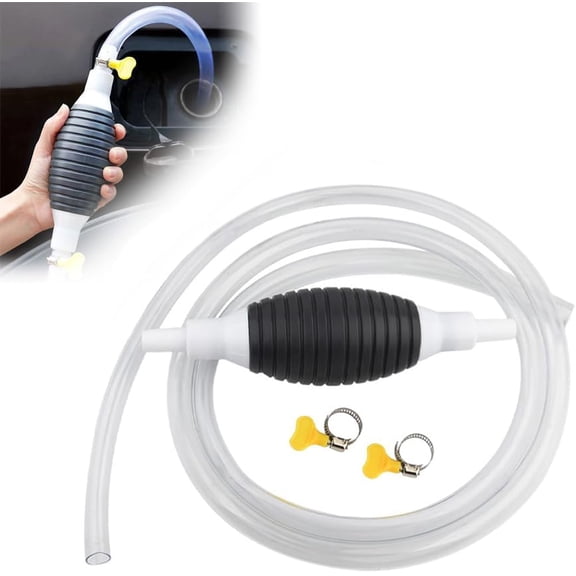


About Oil Extractor Pumps in Oil Change Tools - Walmart.com
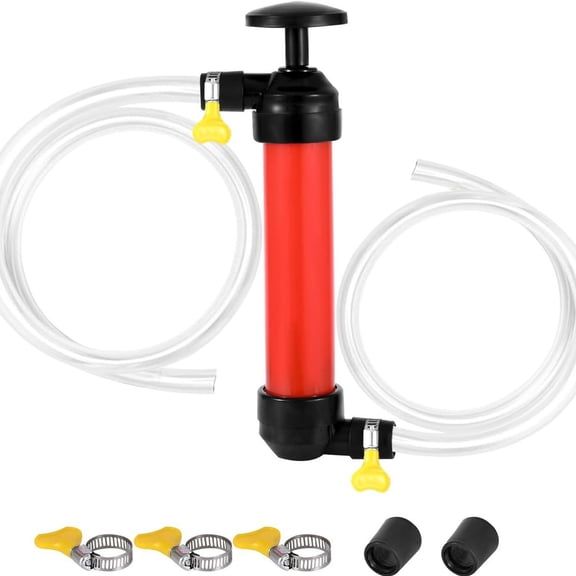
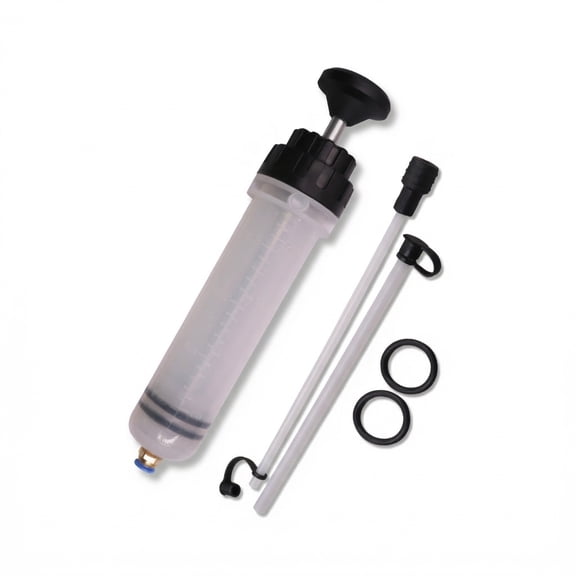
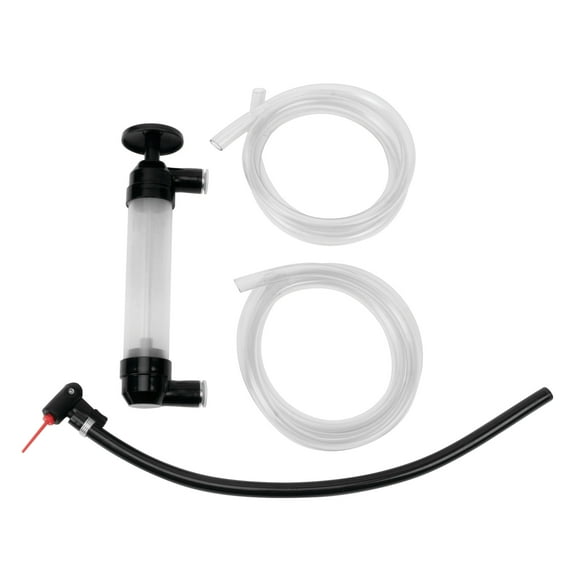
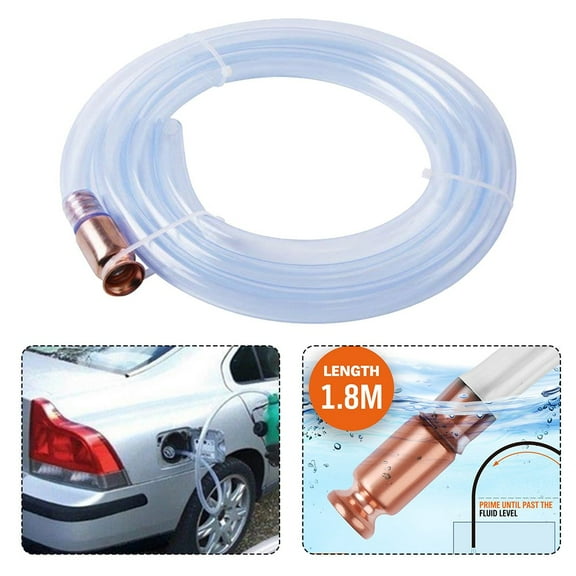
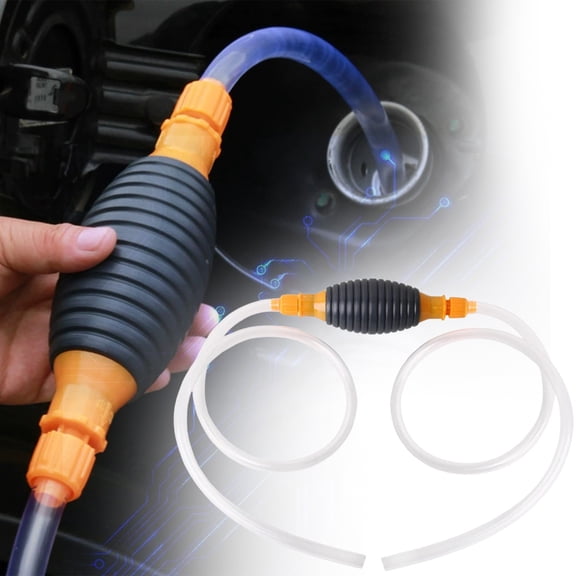
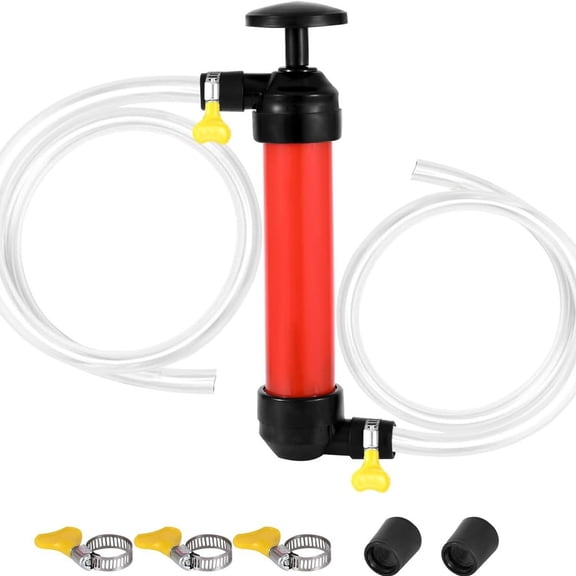
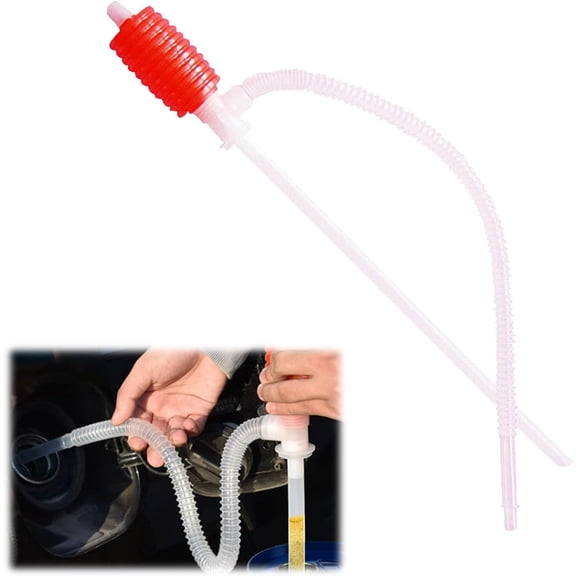
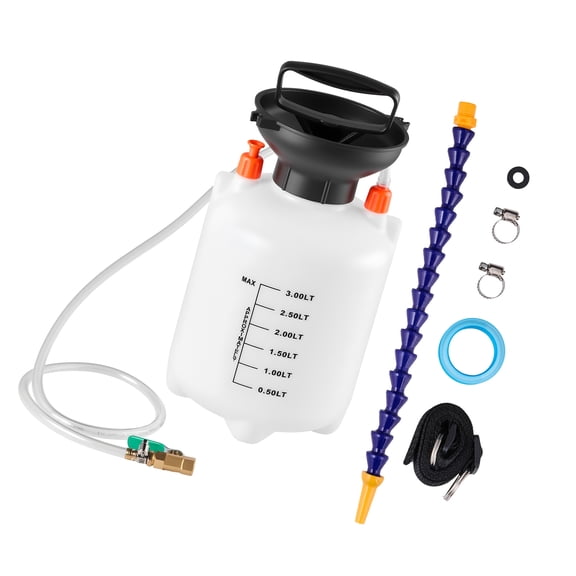
Oil extractor pumps help you handle cleaner oil changes without crawling under your vehicle. You can compare operation type, capacity, application, and hose setup to match your maintenance routine.
How to choose oil extractor pumps by operation type
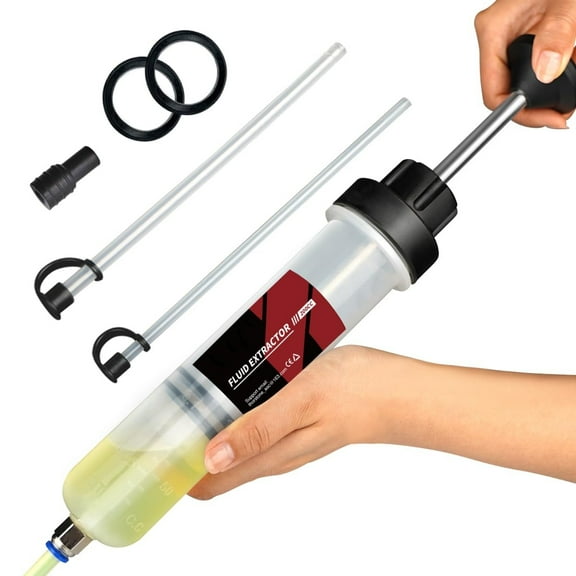
When you compare a manual oil extractor pump with a pneumatic oil extractor, you should start with your workspace. You can use manual designs anywhere, while pneumatic models need an external air compressor.
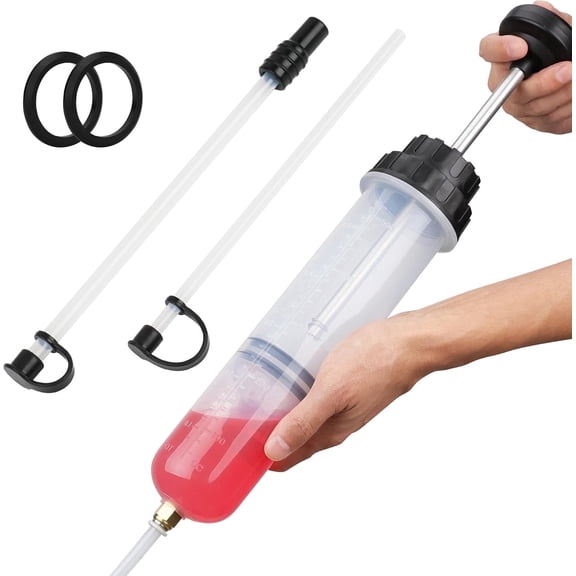
If you want a self-contained tool, you may prefer a hand pump design for driveway service. If you already use shop air, you can evacuate fluid with less pumping effort.
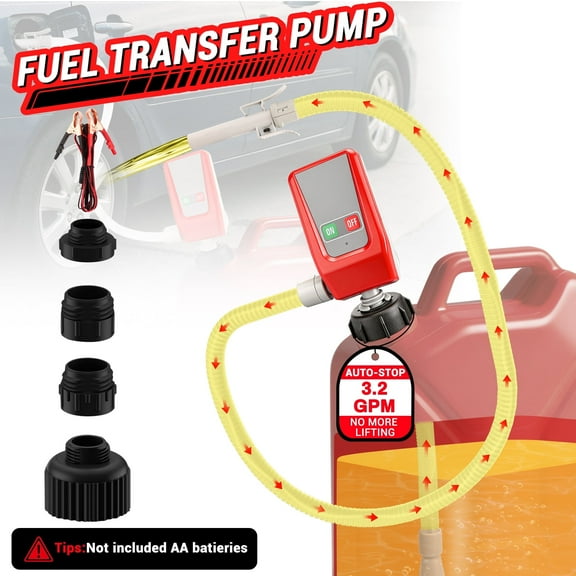
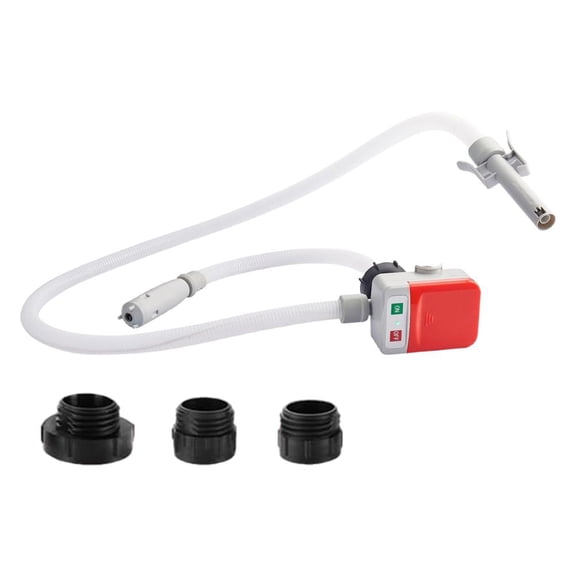
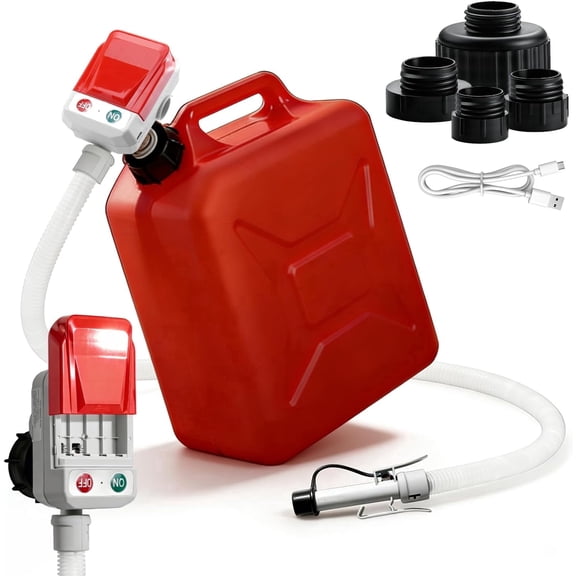
Electric options can suit you when you want push-button operation for repeated maintenance tasks. You should check power source details, hose length, and container size before you choose.
- You can handle oil changes with less mess when you extract through the dipstick tube.
- You can service some vehicles, boats, and small engines without lifting the machine.
- You can compare manual, pneumatic, and electric styles based on your setup and frequency.
- You can use some models as a fluid evacuator pump for more than motor oil.
Choosing the right capacity for your oil change
Capacity matters because you need enough room for the fluid you plan to remove. You should compare your engine size with common tank sizes like 1.5L, 6L, 9L, and 15L.
If you service compact equipment, you may find 1.5L containers easier to store and carry. For many four-cylinder vehicles, you’ll often want around 6L capacity for one complete extraction.
When you maintain larger engines, you should consider 9L or higher to avoid stopping midway. If you work on trucks, marine equipment, or multiple machines, 15L can give you fewer emptying breaks.
What to look for in hoses and fitment
Hose fitment shapes your results because the tube must reach the fluid through narrow passages. You should check whether the dipstick tube and suction hose match your engine layout.
For a dipstick oil extractor, you’ll want slim tubing that can pass through the dipstick channel smoothly. You should also look for flexible material that bends around engine bay routing without kinking.
Some sets include a main suction hose for direct tank access and attachments for other maintenance jobs. If you want brake bleeding attachments, you should confirm those parts are included and clearly labeled.
Diameter details can help you compare options when your vehicle uses a tighter dipstick opening. You should measure in millimeters if you need a closer fit for an engine oil extractor.
Comparing applications for automotive, marine, and small engines
Your application should guide your choice because different machines create different access challenges. You can use oil extractor pumps for automotive maintenance, marine service, small engines, and powersports equipment.
In automotive use, you may want extraction through the dipstick tube when the drain plug is hard to reach. You can keep your work area cleaner and reduce the need for ramps or stands.
For a marine oil extractor pump, you should look for hoses that reach tight engine compartments. You’ll often need flexible tubing and enough capacity for inboard engine service.
When you service lawn equipment or generators, you may prefer a smaller tank and lighter design. You can move a compact fluid evacuator pump more easily between storage and work areas.
Powersports maintenance can call for a portable unit that handles seasonal service with less setup. You should compare tank size and hose length so your tool fits your garage routine.
How to check multi-fluid compatibility
Before you choose, you should confirm which fluids your extractor is designed to handle. Some units support motor oil, while others can also work with transmission fluid, coolant, or brake fluid.
If you want one tool for several tasks, you should read the listed compatibility details carefully. You can avoid cleanup issues when you match seals, hoses, and containers to the intended fluids.
Temperature guidance also matters when you plan your maintenance routine. You should review the instructions so your oil flows smoothly through the hose and into the tank.
Use cases that help you narrow your choice
If you change oil at home once in a while, you may prefer a manual oil extractor pump with a 6L tank. You can keep setup simple and store the tool easily between services.
If you handle repeated oil changes in a workshop, you may lean toward a pneumatic oil extractor. You can pair it with shop air and move through routine service with less hand pumping.
For boat maintenance, you should consider a marine oil extractor pump with longer flexible tubing. You can reach tucked-away engines where drain access is limited and messy.
If you maintain several machines, you may want a larger container and multi-fluid support. You can use one extractor across a car, mower, generator, or powersports vehicle when compatibility matches.
When you compare these decision points, you can narrow your options with more confidence. You’ll get an oil change tool that fits your engine access, fluid volume, and maintenance habits.