


Find auto parts that fit
Let’s search for parts that fit your vehicle.Off Road Wheels and Rims | 20x10, 8-Lug & Custom Rims





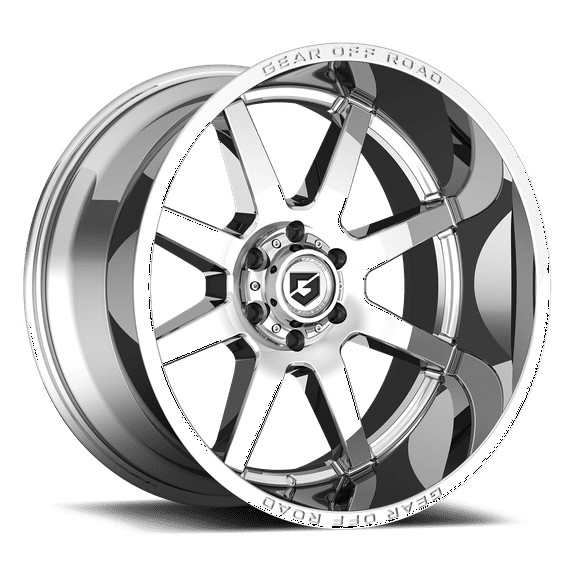
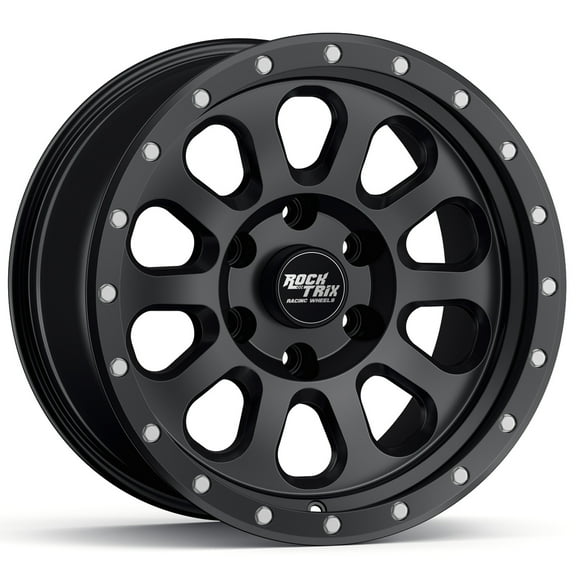


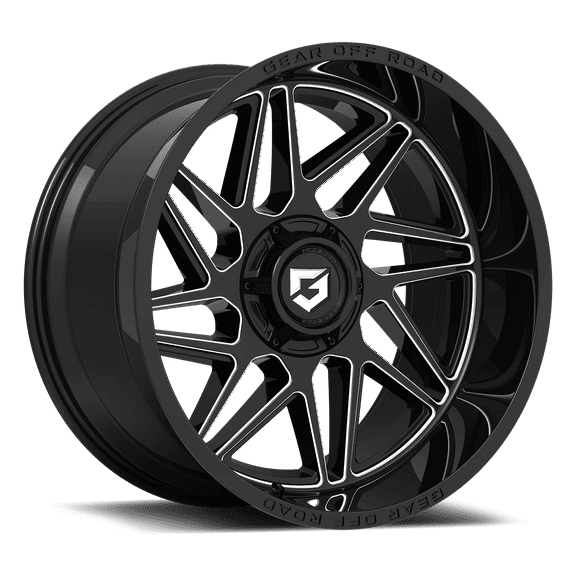


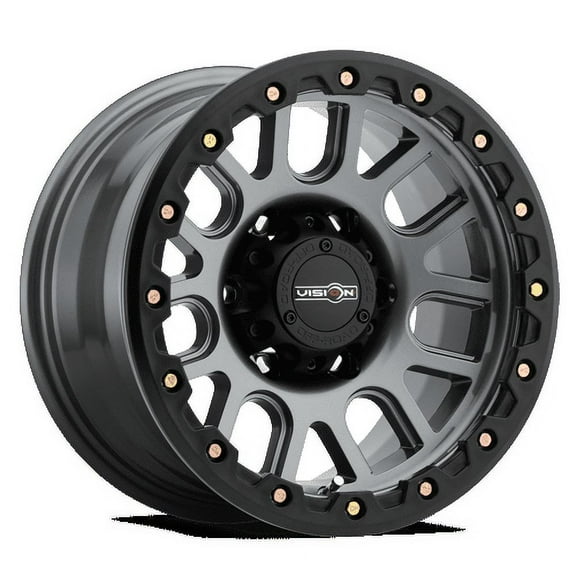






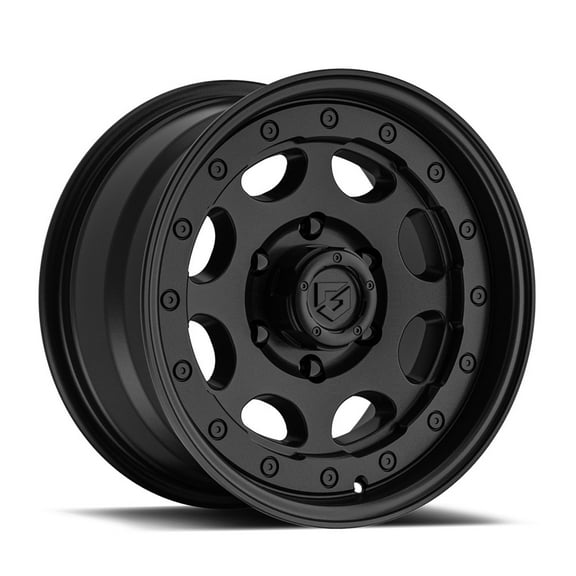
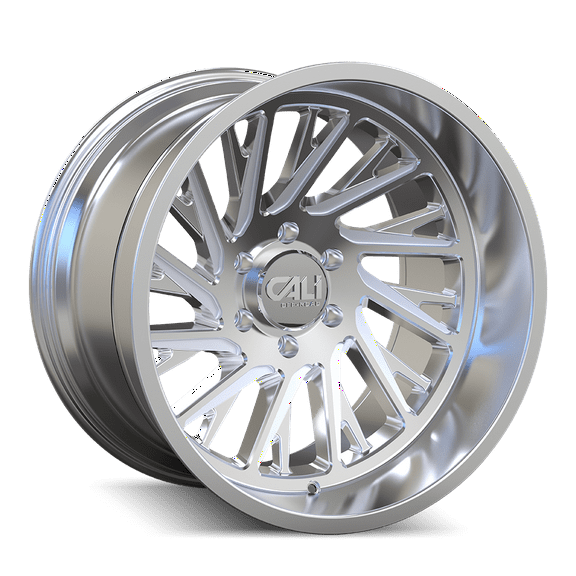
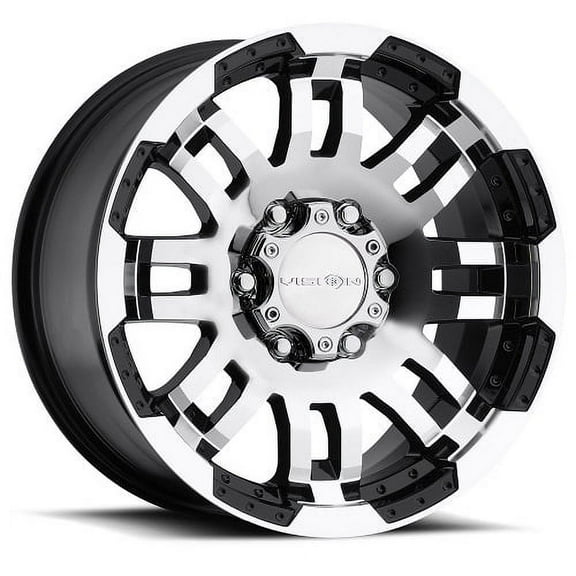
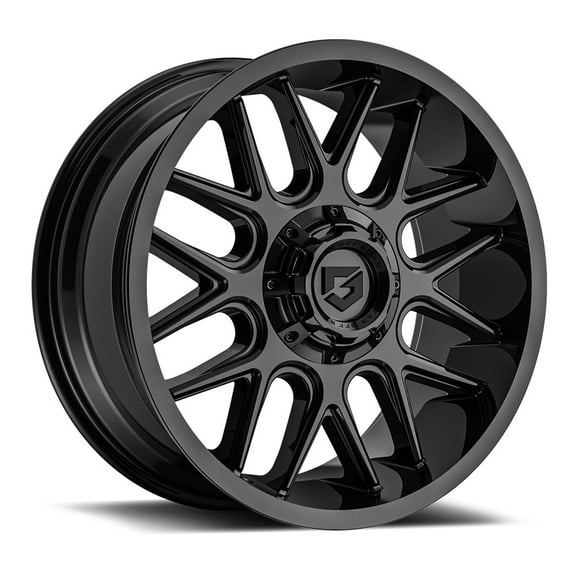

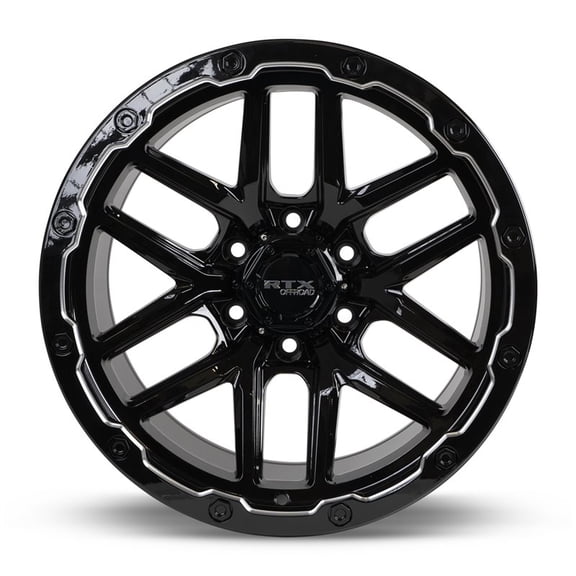
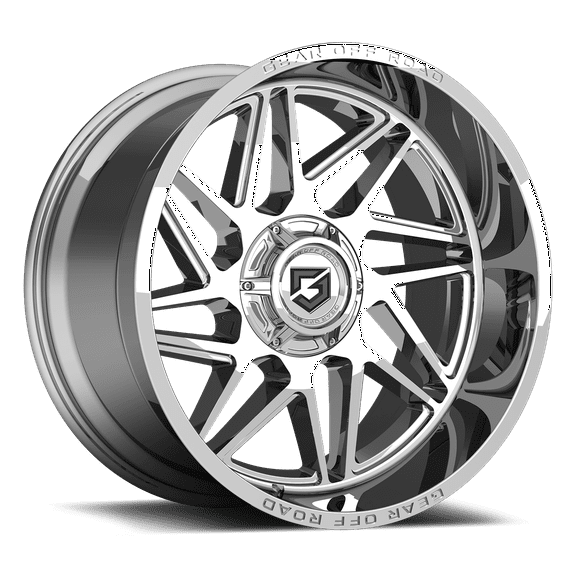
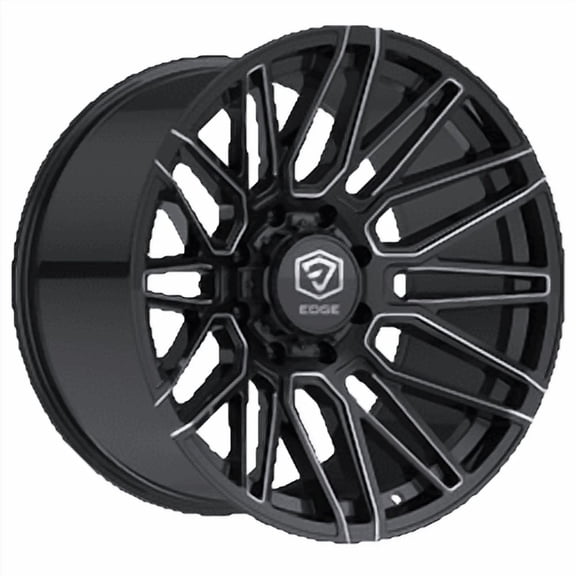

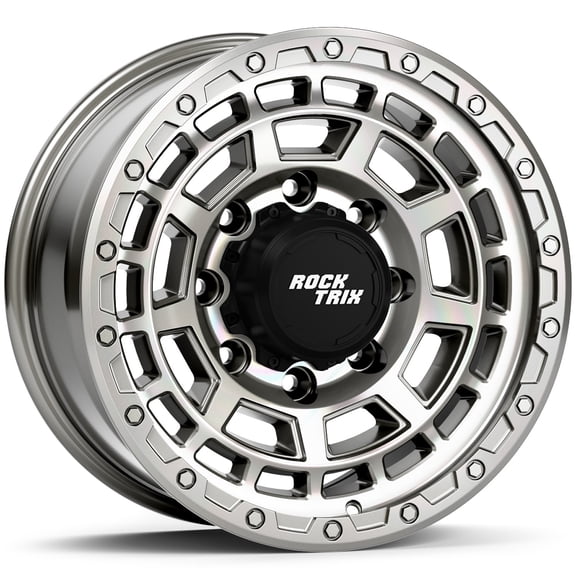


About Off Road Wheels and Rims | 20x10, 8-Lug & Custom Rims - Walmart.com
When you shop off road wheels and rims, you need fitment guidance that matches your truck or SUV setup. You can compare diameter, width, lug count, offset, and finish in one place, which simplifies your shortlist.
If you drive on trails, dirt, gravel, or mixed pavement, you need wheels built for stance and clearance choices. You’ll also want options that support common off-road looks, including matte black, gloss black, chrome, and alloy styles.
How to choose off road wheels and rims
You should start with fitment before you compare style, because the right bolt pattern decides whether a wheel can mount correctly. You can check 5-lug, 6-lug, and 8-lug options against your vehicle specs and narrow choices quickly.
Next, you should compare offset and backspacing, because those measurements affect suspension clearance and how far your wheels sit inward or outward. You’ll notice that positive or negative offset changes stance, while backspacing helps you gauge inner clearance.
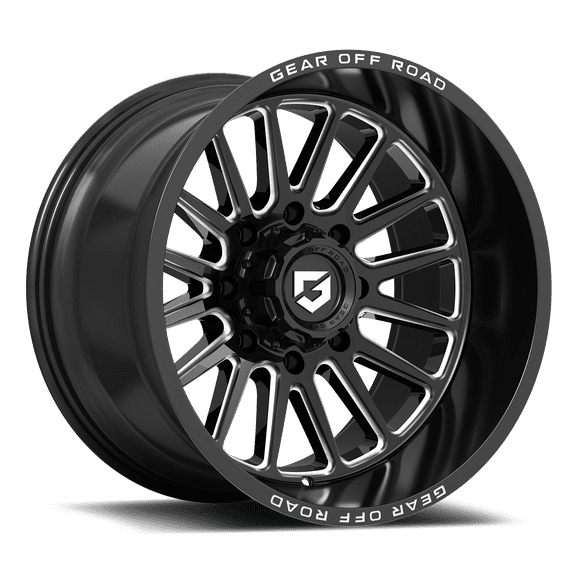
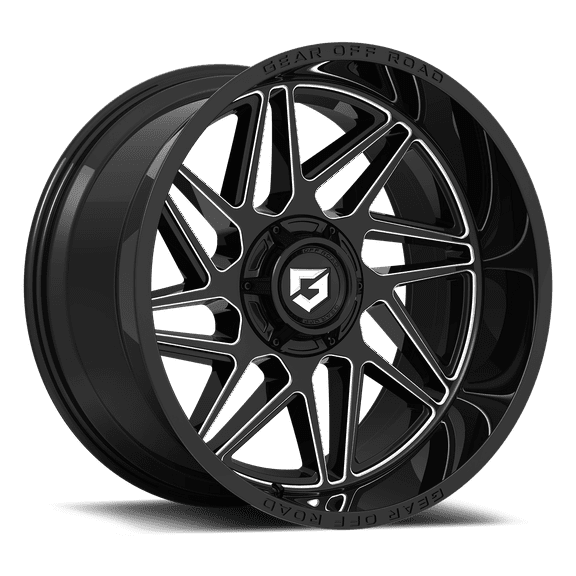
You can also use wheel width to shape your build, especially when you’re considering 9 inch, 10 inch, or 12 inch widths. If you like the look of 20x10 arkon wheels or gear off road wheels 20x10, you should confirm clearance first.
- You can match bolt pattern, PCD, and hub bore to your vehicle specs.
- You can compare offset and backspacing for suspension and brake clearance.
- You can choose width and diameter for sidewall height, stance, and tire pairing.
- You can narrow finishes like matte black, gloss black, chrome, and alloy.
Choosing size, lug count, and finish
You should compare wheel diameter based on how you use your truck or SUV. If you choose 17 inch or 18 inch wheels, you’ll usually keep more tire sidewall for trail cushioning.
If you prefer 20 inch or 22 inch wheels, you’ll get a larger visual presence and more room for a street-focused appearance. You should balance that look with your tire choice, because shorter sidewalls change ride feel.
You can use lug count as a quick fitment filter, especially when you’re shopping for gear 8 lug wheels or other heavy-duty applications. If you tow or haul often, you should also review load ratings in plain terms before you decide.
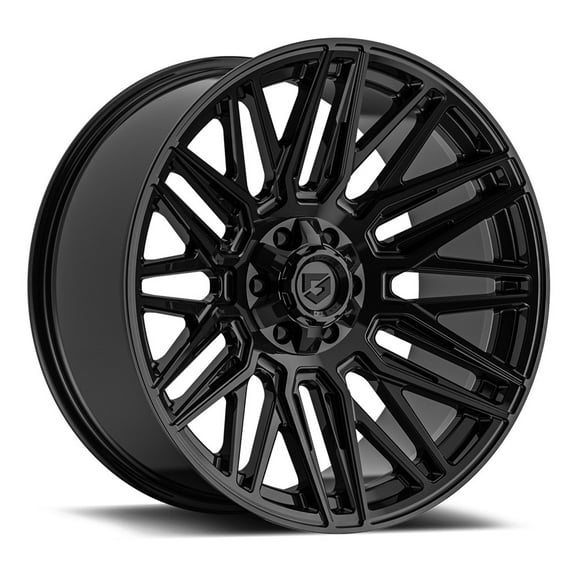
Finish and material matter when you want a certain style and maintenance routine. You may prefer gear alloy wheels for a lighter look, while chrome or gloss black can create a brighter or sharper appearance.
Comparing brands and popular search themes
You may already know the look you want, so branded searches can help you focus your options. If you’re comparing arkon wheels, arkon rims, Gear Alloy, Fuel Off-Road, or Moto Metal, you should still verify fitment details first.
You can use brand preference as one part of your decision, but diameter, width, and offset still shape the final result. If you’re searching gear 20 inch rims, you should compare tire compatibility and clearance at the same time.
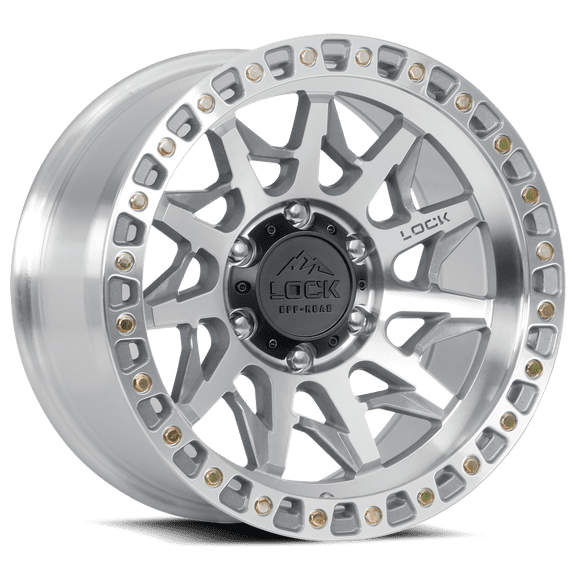
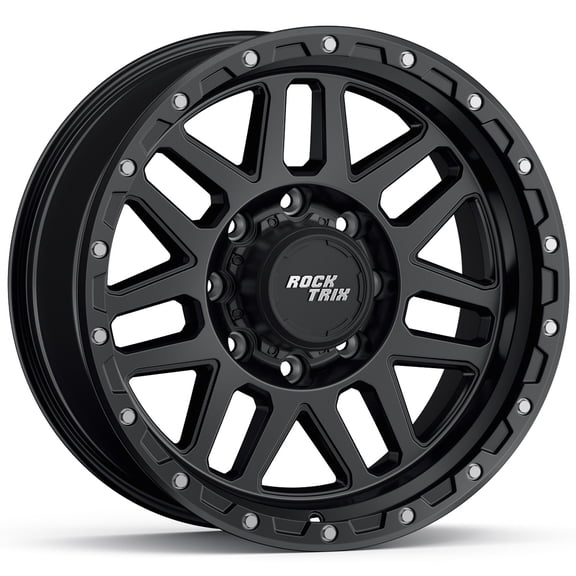
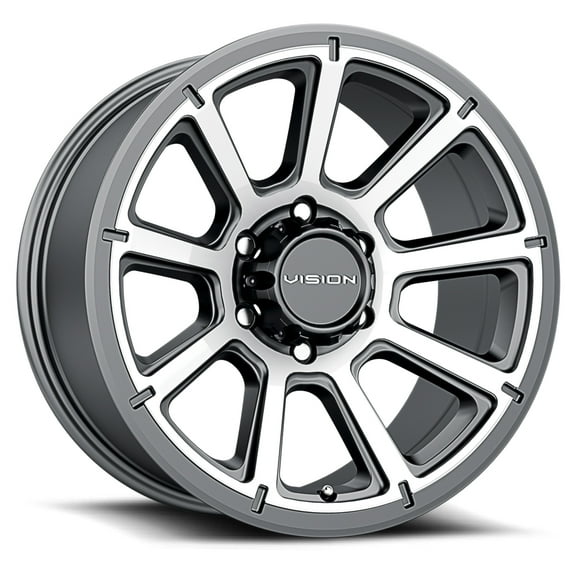
You’ll find that off-road styling often centers on spoke design, lip depth, and finish tone. You can pair matte black with an understated build, or you can choose chrome when you want a brighter custom look.
What to look for in bolt pattern and clearance
You should measure bolt pattern carefully, because even a small mismatch can remove a wheel from consideration. You can confirm PCD, hub bore, and lug count together so your shortlist stays accurate.
Offset and backspacing deserve extra attention when you’ve added lift components or larger tires. You should compare those numbers with your suspension setup, because they influence rubbing, poke, and inner clearance.
If you want a flush stance, you may look toward lower offset choices, but you should check fender and tire clearance first. If you want a tucked fit, you should review inner spacing around brakes and suspension parts.
You can also compare wheel width with your tire plan before you commit. If you’re moving from 9 inch to 10 inch or 12 inch widths, you should review how that change affects footprint and appearance.
Matching wheel choices to how you drive
If you spend weekends on trails, you may prefer 17 inch or 18 inch sizes with more sidewall flexibility. You’ll often appreciate that setup when you want a more compliant feel over rocks, ruts, and washboard surfaces.
If your truck sees daily pavement with occasional dirt roads, you may lean toward 20 inch wheels for a bold stance. You can keep the off-road look while tailoring your tire choice to mixed driving.
If you drive a heavy-duty truck, you should focus on 8-lug fitment and clear load rating details. You’ll want those specs to align with towing, hauling, and the overall demands of your setup.
If you’re building around a specific style theme, you can narrow by finish and brand first, then confirm fitment. You may start with arkon wheels or gear alloy wheels, then compare offset, width, and diameter before finalizing.
With off road wheels and rims, you can shop with confidence when you compare fitment numbers before style details. You can land on the right diameter, width, lug pattern, and finish for a setup that looks right and fits right.