

Paint Thinners in Paint Prep & Removal



















About Paint Thinners in Paint Prep & Removal - Walmart.com
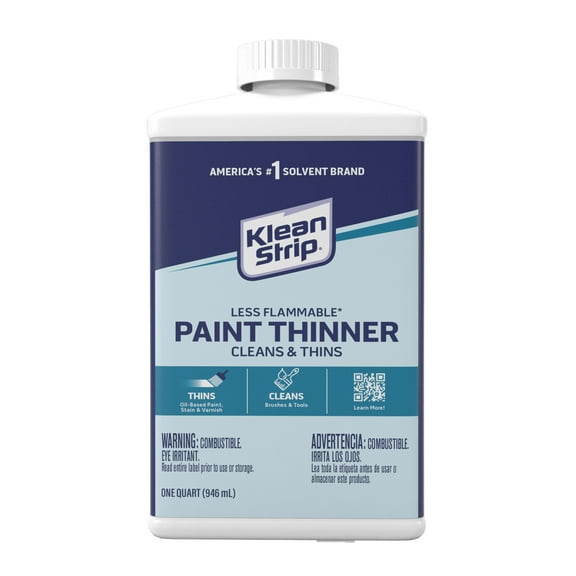
Paint thinners help you handle oil-based paint cleanup, brush care, and finish prep with clearer solvent choices. You can compare mineral spirits, lacquer thinner, turpentine, and acetone by task, odor level, and container size.
Choosing paint thinners for your project
When you compare paint thinners, you should start with base compatibility before anything else. You’ll want one solvent for oil-based paint cleanup and another for stripping residue or thinning specific coatings.
Mineral spirits usually fit many paint prep tasks when you’re cleaning brushes, wiping surfaces, or thinning select oil-based finishes. Lacquer thinner works differently, so you should check whether your finish and tools call for a heavy-duty solvent.
Odor level matters when you’re working indoors, in a garage, or around freshly painted trim. You can also narrow your choice quickly when you match package size to touch-ups, room projects, or repeat jobs.
How to compare solvent type and project needs
You’ll see the primary differences in solvent type when you compare cleanup strength, evaporation speed, and finish compatibility. You should use those differences as decision criteria instead of treating every solvent like the same product.
- You can use mineral spirits for many oil-based paint cleanup tasks, brush rinsing, and surface prep before refinishing.
- You may choose lacquer thinner when you need a quick-evaporating solvent for lacquer-related cleanup and stubborn finish residue.
- You can consider turpentine when you’re working with traditional oil-based coatings and want a classic solvent option.
- You may reach for acetone when you need quick-drying cleanup for residue on tools and hard surfaces.
That comparison helps you avoid mismatched solvents on varnishes, polyurethanes, and painted tools. You’ll make quick decisions when you connect the solvent to your coating type and your exact cleanup task.
For many shoppers, the real benefit is control during messy prep work and brush cleanup. You can keep your workflow moving when your solvent matches the coating instead of fighting sticky residue.
Mineral spirits vs lacquer thinner
Mineral spirits and lacquer thinner solve different problems, so you should compare them by finish type and job step. You’ll usually find mineral spirits suited to oil-based paint, varnishes, and polyurethane cleanup.
Lacquer thinner often has high solvency and evaporates quickly, which can help when you’re clearing lacquer residue from tools or metal surfaces. You should check label directions carefully when you’re using it around painted finishes.
If you want a milder everyday option, you may prefer mineral spirits for routine cleanup and thinning tasks. If you need rapid flash-off, you might compare lacquer thinner for shop work and detailed finish prep.
Turpentine also belongs in the comparison when you’re considering traditional oil-based applications and brush cleaning. You can use that difference to choose a solvent that fits your materials and your work pace.
What to look for in odor level and compatibility
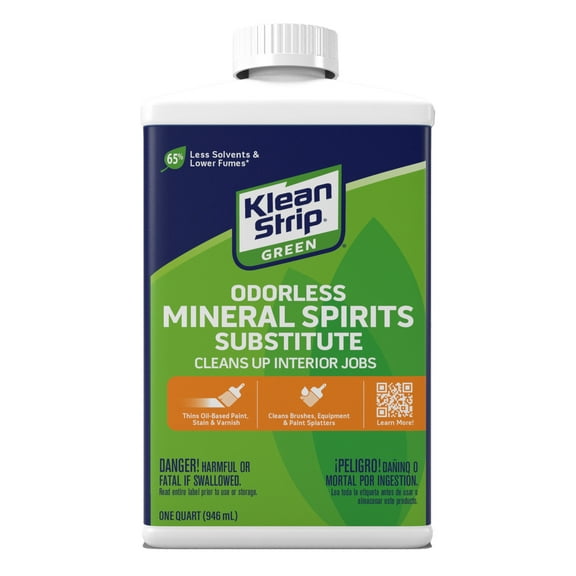
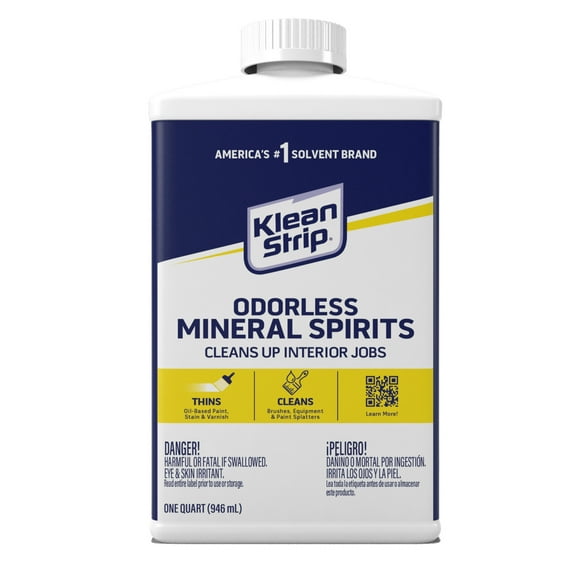
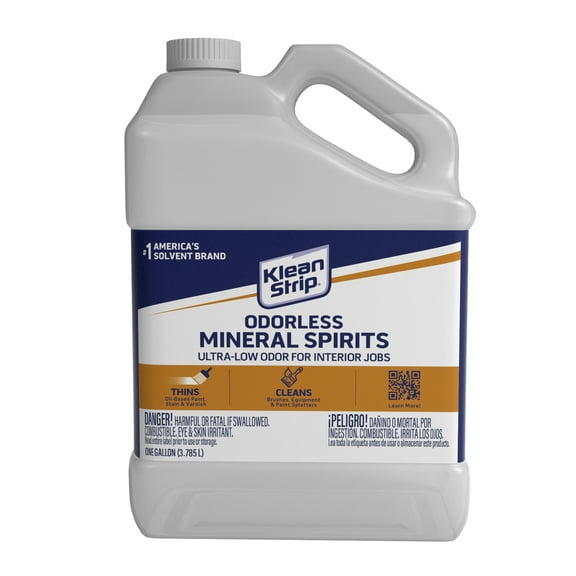
Odor level can shape your entire project, especially when you’re working indoors or in enclosed work areas. You may prefer an odorless paint thinner when you want a less intense smell during longer cleanup sessions.
Low odor and odorless options can make routine brush care feel easier to manage between coats. You should still compare them by coating compatibility, because odor level doesn’t replace the need for the right solvent type.
Compatibility matters most when you’re working with oil-based paint, latex-based paint, varnishes, or polyurethanes. You’ll generally use paint thinners for oil-based materials, while latex cleanup often calls for a different approach.
That distinction helps you avoid guesswork when you’re cleaning brushes or thinning finishes. You can narrow choices quickly by checking whether your project involves oil-based coatings, clear finishes, or lacquer materials.
Choosing the right package size
Package size affects convenience, storage, and how often you need a fresh container during a project. You should match the amount to your cleanup volume instead of grabbing the same size every time.
A 32 oz container can work well when you’re handling touch-ups, one room, or a small set of brushes. You may prefer that size when you want control for occasional projects and compact storage.
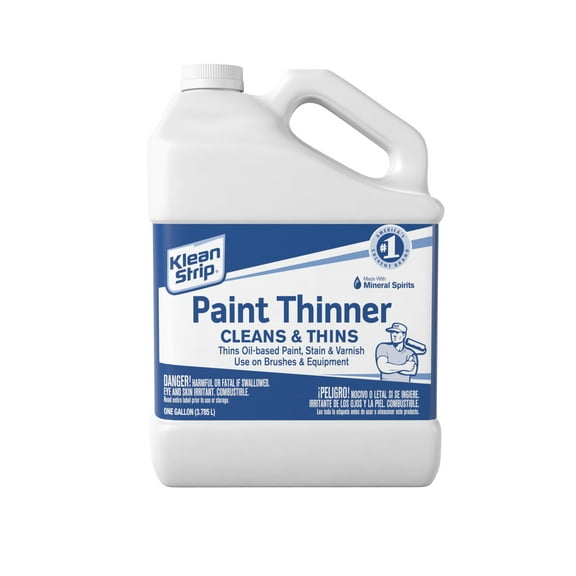
A 1 gallon option often fits larger repainting jobs, frequent brush cleaning, or repeated furniture refinishing. You can keep your process more consistent when you have enough solvent for prep and cleanup.
A 5 gallon container may suit workshops, repeated contractor use, or larger paint prep routines. You should consider that size when your projects involve ongoing tool cleanup and larger surface areas.
How to match paint thinners to real projects
If you’re restoring furniture, you may need mineral spirits for cleaning brushes and wiping down surfaces between finish steps. You can also compare package sizes based on one piece or a full room set.
When you’re cleaning sprayers, metal tools, or lacquer-related residue, lacquer thinner may fit your task more closely. You should compare evaporation speed and material compatibility before you start detailed cleanup.
For trim work, cabinets, and oil-based enamel touch-ups, paint thinners can help you manage brushes and spills with less interruption. You may want an odorless paint thinner when your project keeps you indoors for longer sessions.
If you’re handling traditional oil-based finishes, you might consider turpentine as part of your comparison. You’ll shop more confidently when you line up solvent type, odor level, coating base, and container size.
With the right solvent match, you can keep cleanup smoother, protect your tools, and stay focused on the finish you want. You’ll get more useful results when your paint thinner fits the coating, workspace, and project scale.