








Index Cards in Paper

































About Index Cards in Paper - Walmart.com
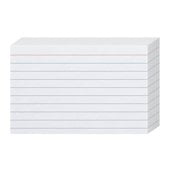
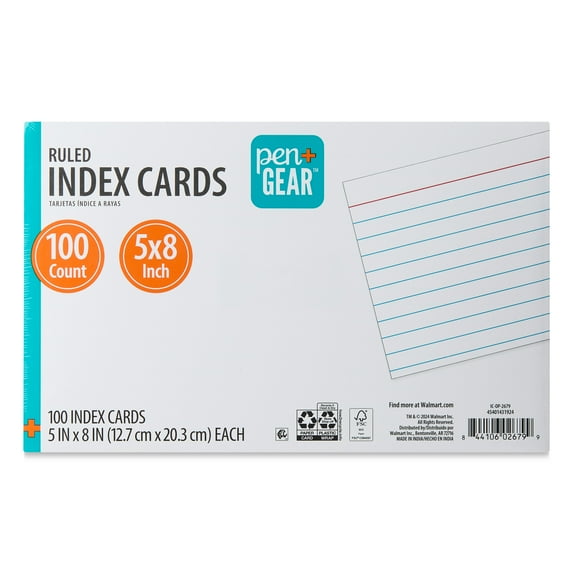
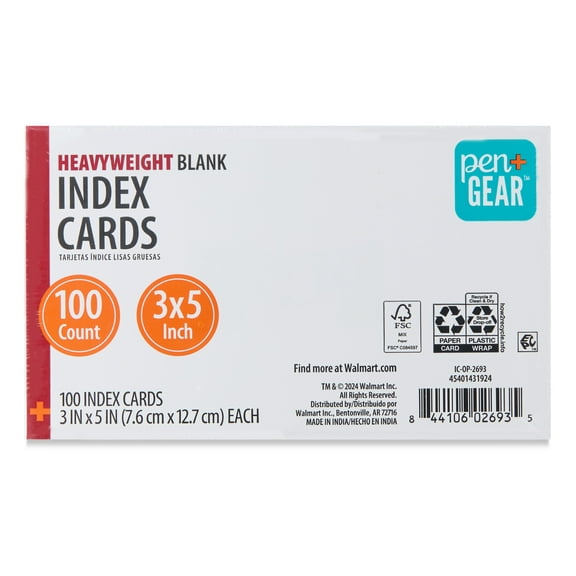
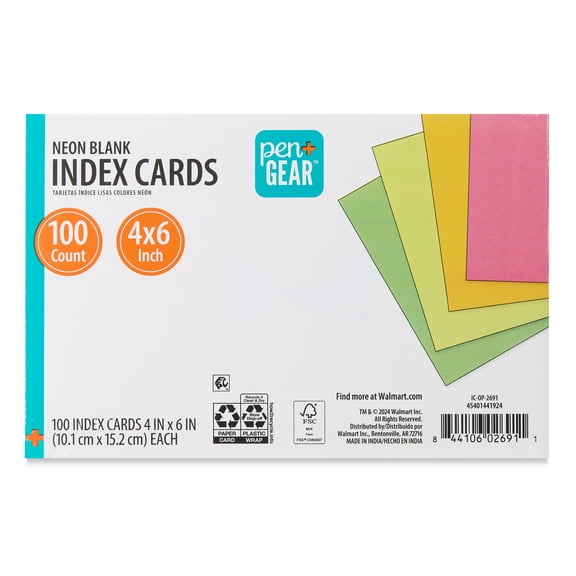
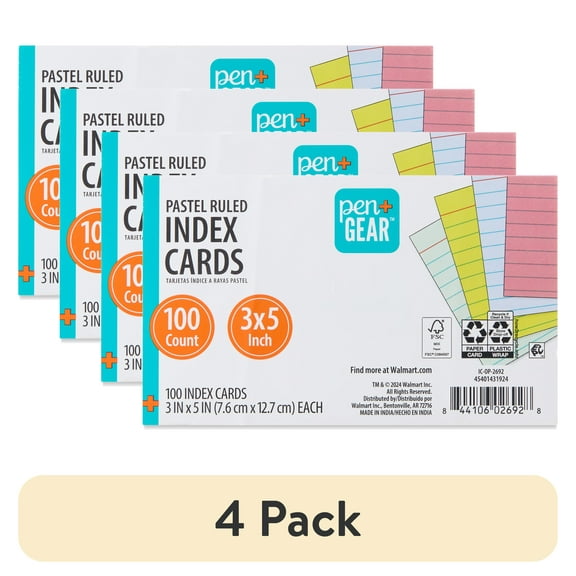
Index cards help you capture ideas fast, study smarter, and organize details clearly. At Walmart, you can compare ruled and blank formats, plus common sizes like 3x5, 4x6, and 5x8.
These paper essentials fit classrooms, home offices, and busy workspaces. They also support quick sorting, handwritten notes, and portable reference systems that work without screens.
Why index cards work for everyday organization
Small details are easier to track when each fact gets its own card. That simple format makes lists, prompts, and reminders easier to review.
Students use them for vocabulary, formulas, and speech notes. Professionals use them for presentations, project steps, and file box indexing.
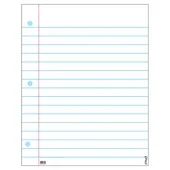
- Ruled options keep writing aligned for cleaner notes.
- Blank cards give you open space for diagrams, sketches, and custom layouts.
- Different sizes let you match the card to your task and storage style.
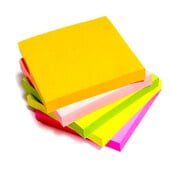
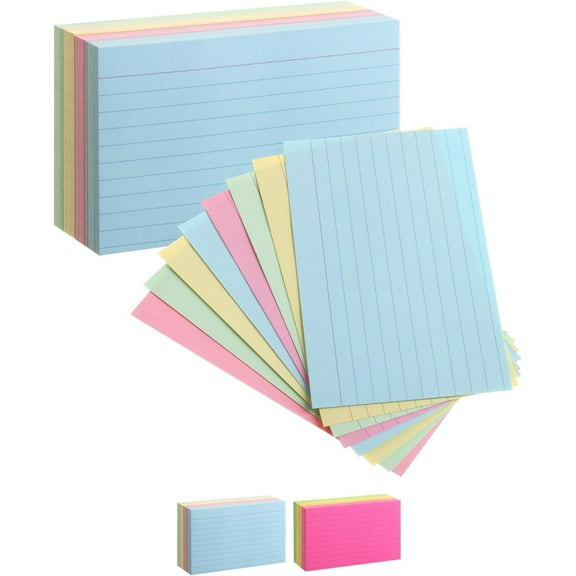
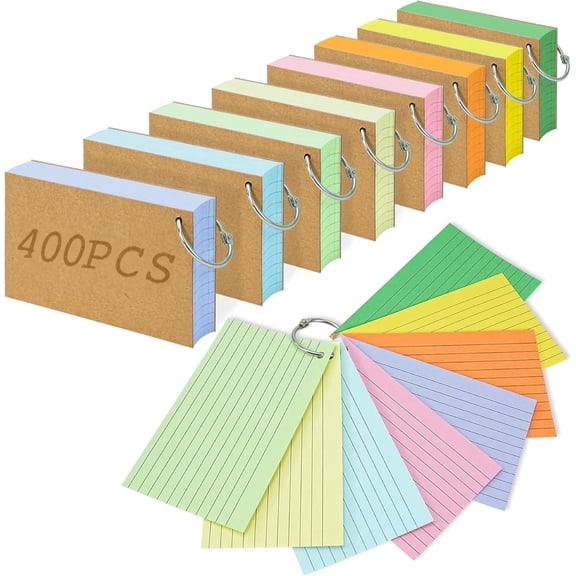
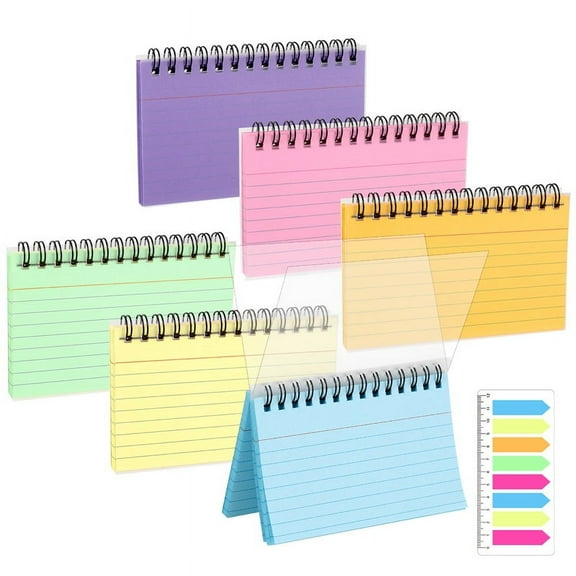
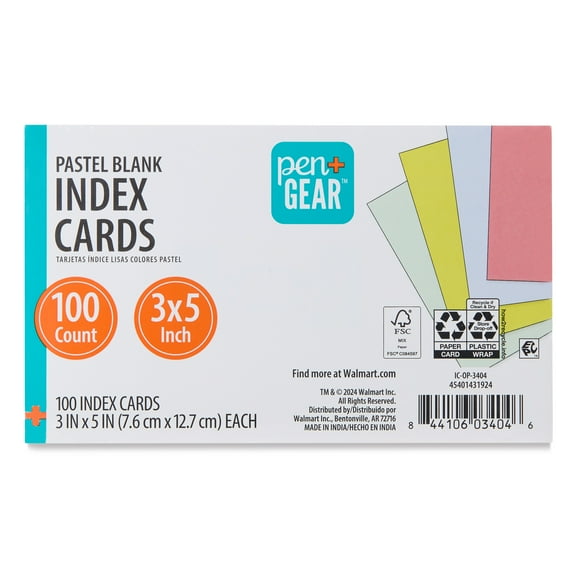
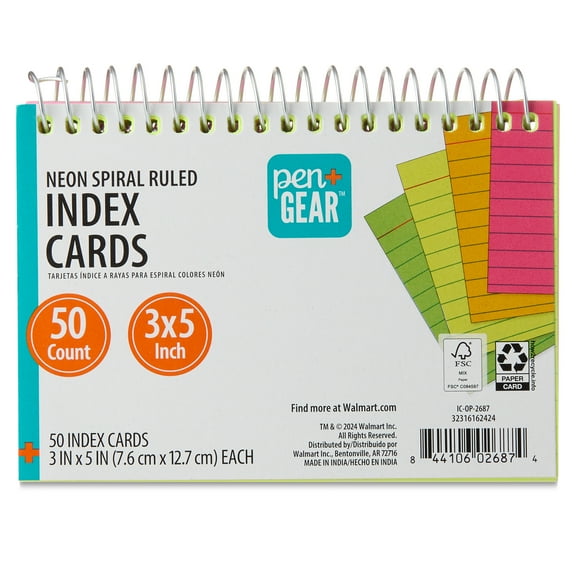
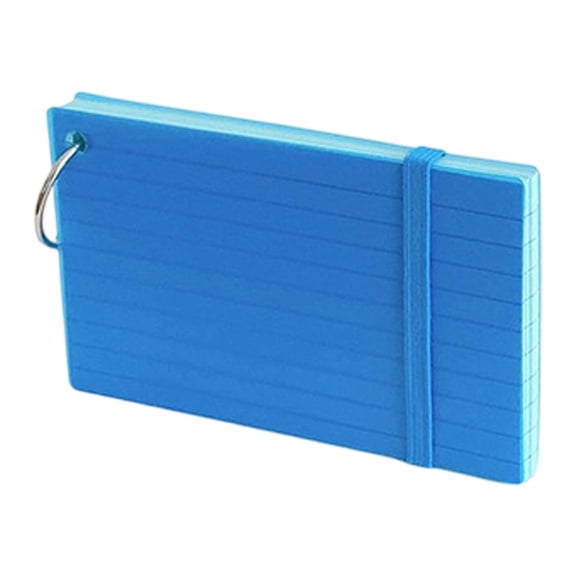
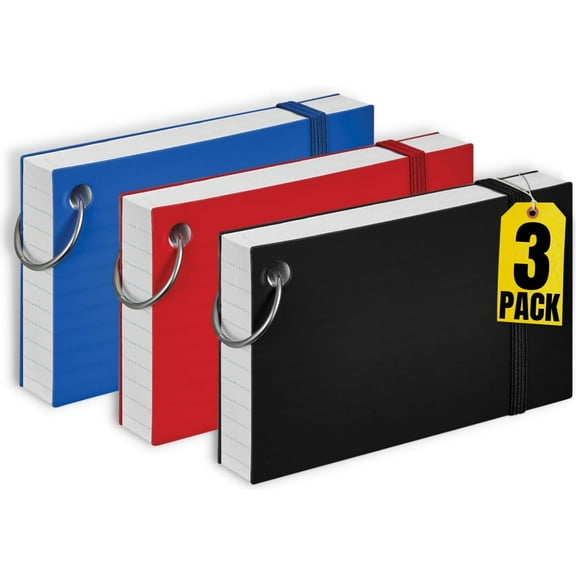
- Color varieties help you group topics, classes, or projects at a glance.
Index cards also travel well in backpacks, desk drawers, and recipe boxes. Their sturdy paper feel makes them practical for repeated handling during study sessions.
If youu're comparing how much are index cards, size and count usually shape the choice. Multi-pack formats can support classes, offices, and frequent note taking.
Index card sizes and dimensions
Index card sizes matter because writing space changes how you use each card. The size of an index card affects portability, readability, and filing options.
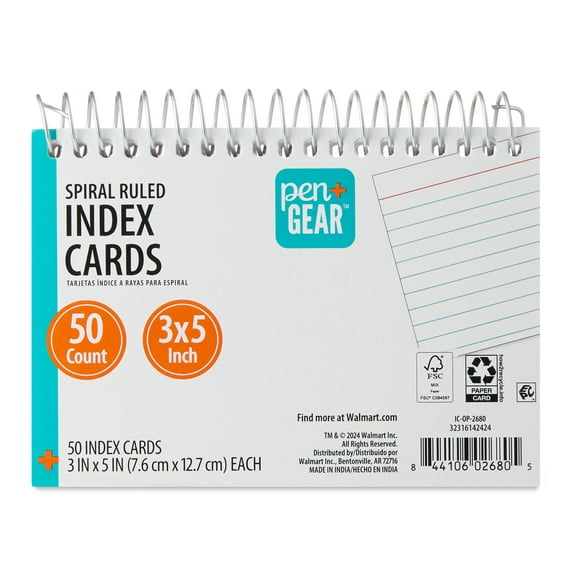
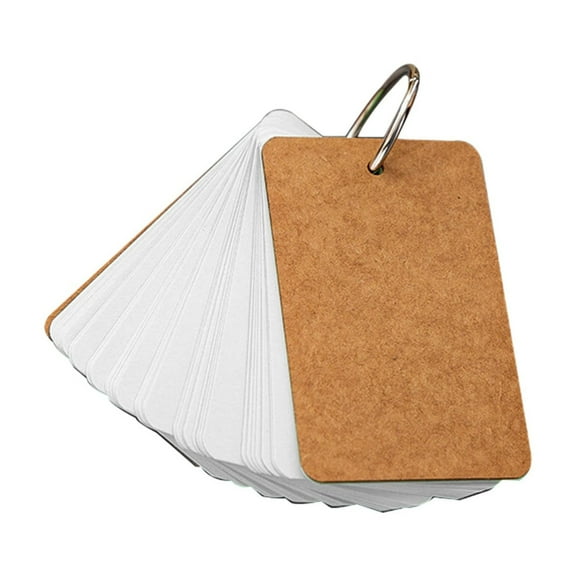
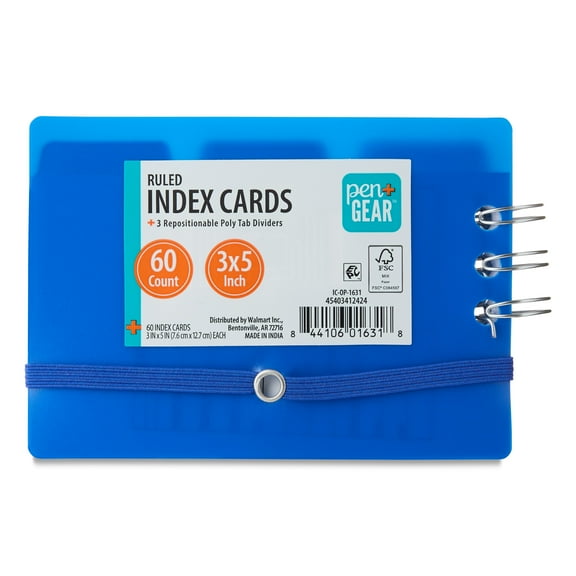
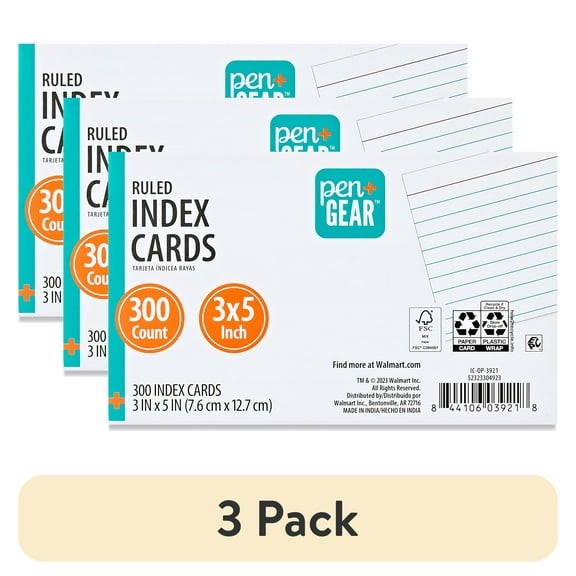
Blank index cards 3x5 are a standard pick for flash cards, quick prompts, and compact study sets. They fit easily into card cases, pencil pouches, and small organizers.
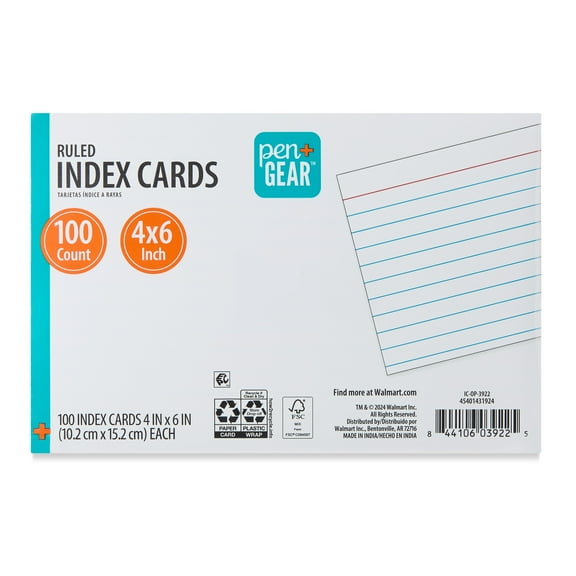
Four by six cards give you extra room for recipes, meeting notes, and step-by-step instructions. That wider layout helps when you want larger handwriting or longer bullet points.
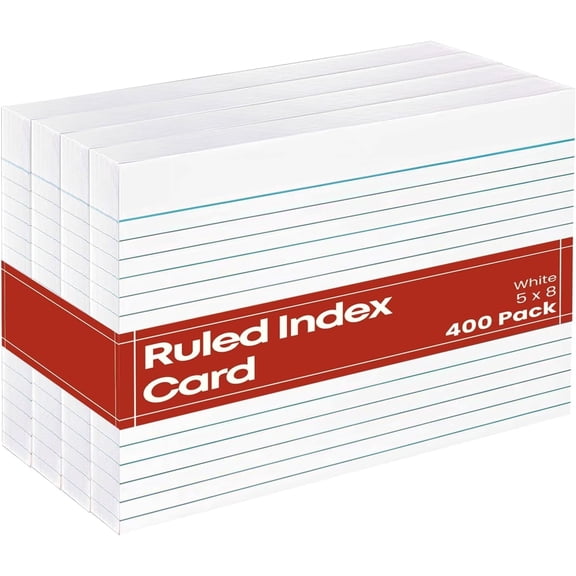
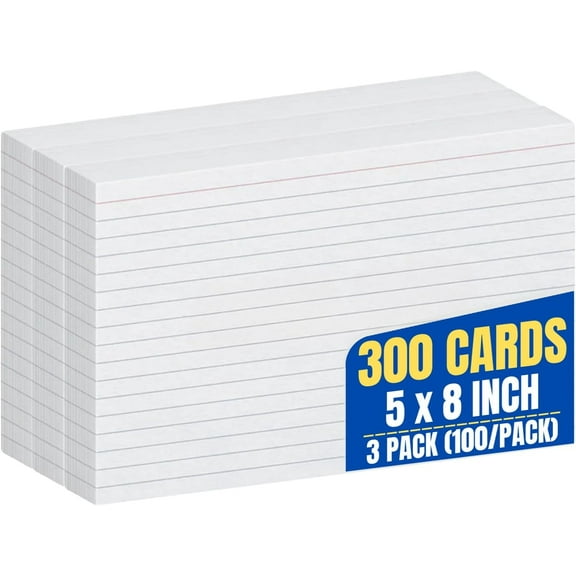
Five by eight cards offer even more space for outlines, classroom activities, and reference details. They work well when a small card feels too tight.
Large index cards and large flash cards are useful for teaching, group review, and visible presentation cues. Bigger formats make handwritten content easier to see across a table.
When reviewing index card dimensions, think about where the cards will live. Desktop trays, recipe boxes, and portable cases often align with specific measurements.
Card count also matters alongside dimensions. A small pack suits occasional use, while larger counts help with semester projects, training materials, or office inventory.
Choosing the right style for your tasks
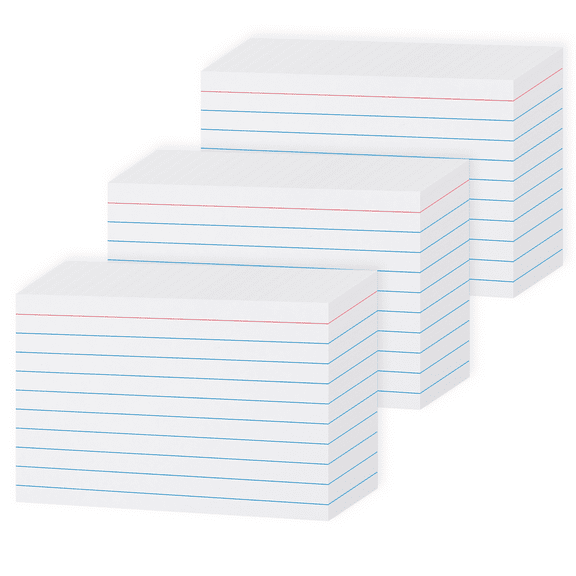
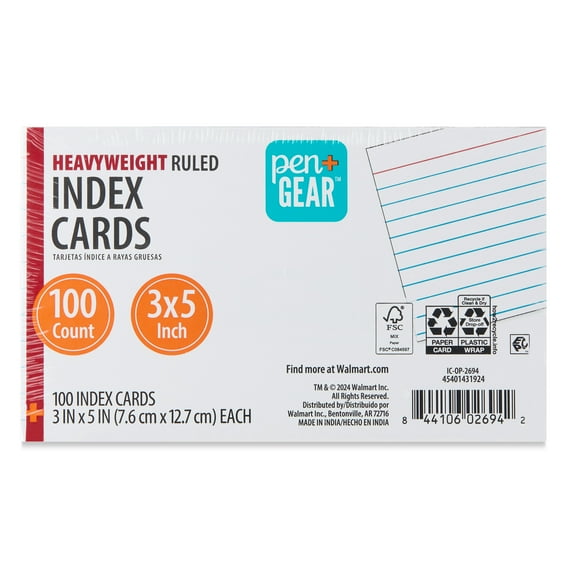
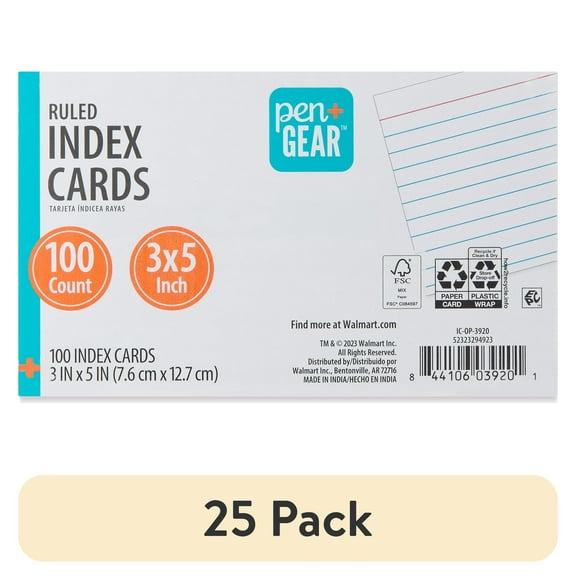
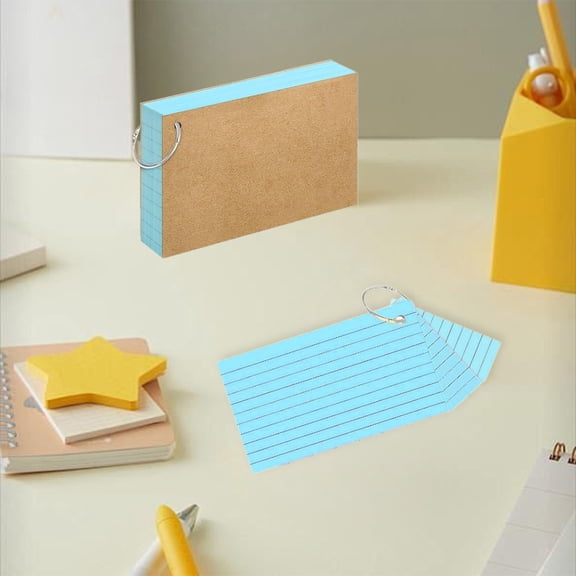
Ruled cards support neat lines for names, dates, definitions, and contact details. Theyu're a smart fit when readability and consistency matter.
Unruled cards offer more freedom for charts, drawings, and custom study layouts. They also work well for big note cards that need flexible spacing.
Colored sets can separate subjects without extra labels. White cards keep a classic look for filing systems, recipes, and office reference collections.
Some shoppers prefer heavier stock for repeated shuffling and frequent review. Others want lightweight cards for quick notes and temporary reminders.
Packs for school often focus on flash card use and homework routines. Office-focused options may suit filing, speaker notes, and customer information sorting.
How index cards fit study, office, and home use
For studying, index cards make active recall simple and portable. You can review terms on a commute, at a desk, or between classes.
Teachers often use large flash cards for group drills, labeling activities, and reading prompts. Bigger cards give students a clearer view during shared instruction.
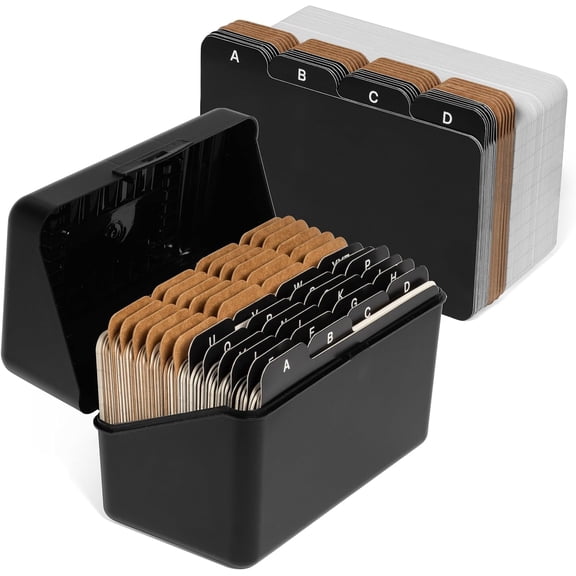
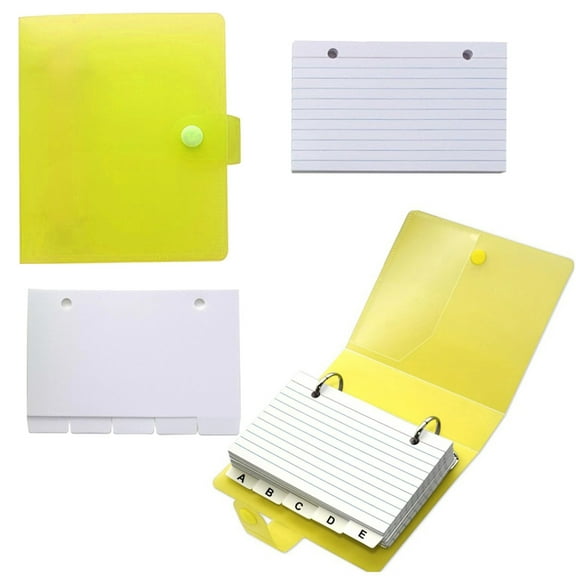
In office settings, these cards support file tabs, meeting cues, and process checklists. They also help track inventory notes, call points, and reference numbers.
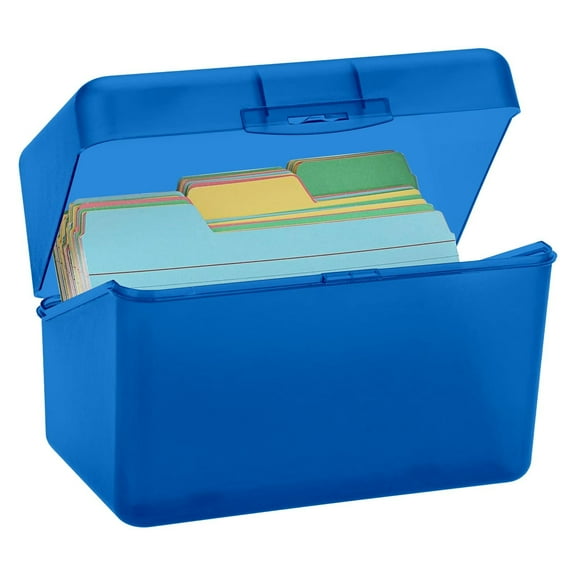
At home, recipe organization is a classic use for 4x6 cards. The format gives ingredients and directions enough space without taking over a drawer.
Crafters and planners use blank cards for project steps, swatches, and idea sorting. They can also become gift tags, place cards, or quick labels.
If youu're building a study system, matching size to purpose helps a lot. Compact cards suit memorization, while larger formats support outlines and discussion prompts.
Choosing the right index cards means balancing dimensions, ruling, color, and pack count. When those details match your routine, note taking feels faster and more organized.
From 3x5 study cards to larger presentation formats, the right paper format keeps information visible and easy to sort. That clarity can make every review session more productive.