


Mouse Repellent in Mouse





![IC ICLOVER [4 Packs] Fake Owl Bird Scare Repellent Device Large Possum Rodent Bird Pest Deterrent Home Garden Protectors](https://i5.walmartimages.com/seo/IC-ICLOVER-4-Packs-Fake-Owl-Bird-Scare-Repellent-Device-Large-Possum-Rodent-Bird-Pest-Deterrent-Home-Garden-Protectors_0a3b9654-4069-4bda-a641-deedd79e1fbf.eaac95db418c0328cb7c9fd7b9a0a91f.jpeg?odnHeight=576&odnWidth=576&odnBg=FFFFFF)












About Mouse Repellent in Mouse - Walmart.com
With mouse repellent options, you can compare ultrasonic units, sprays, pellets, and pouches for the spaces you want to protect. You can narrow your choice by location, scent, and safety profile, so your setup fits garages, attics, kitchens, and entry points.
How to choose mouse repellent by repellent type
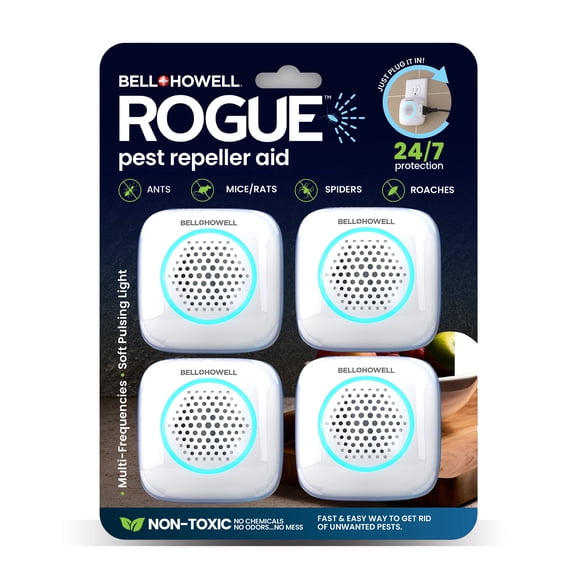
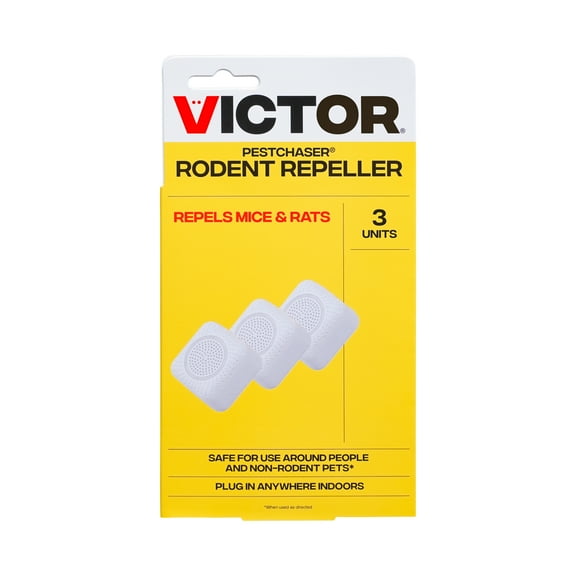
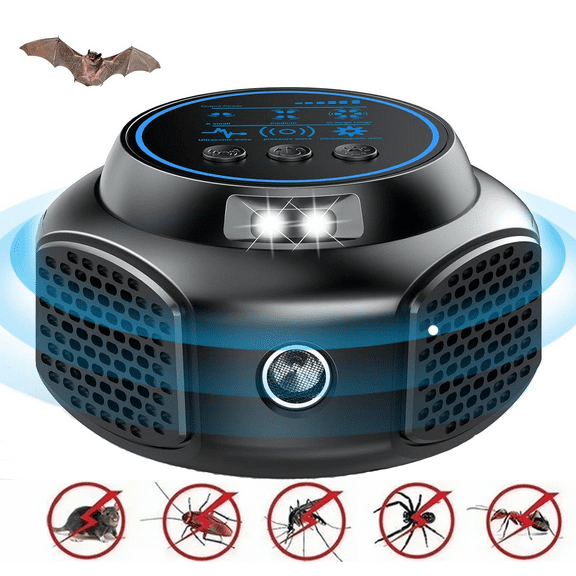
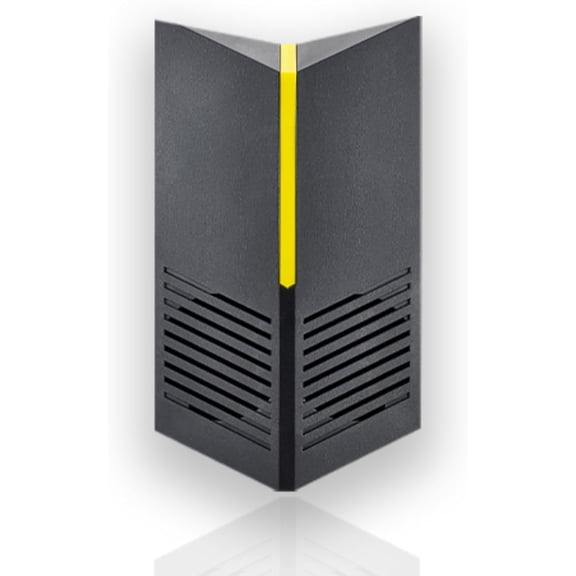
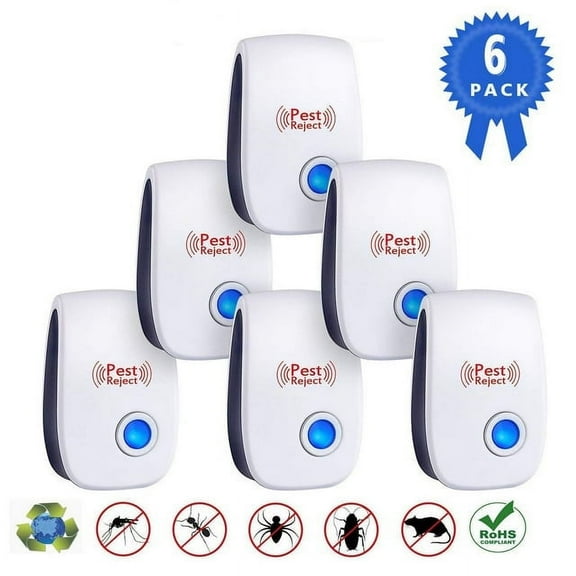
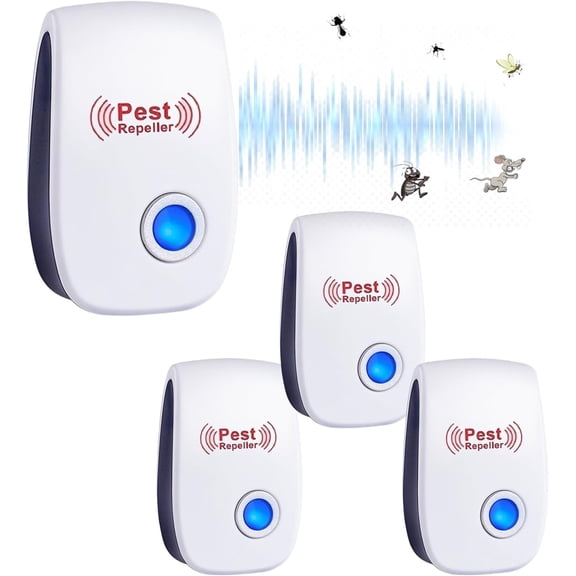
You should start with the format that matches how you want to apply coverage. You can use an ultrasonic mouse repellent for plug-in convenience, or you can choose sprays, pellets, or pouches for targeted placement.
When you compare formats, you should think about reach, maintenance, and placement flexibility. You may prefer a mouse repellent spray for baseboards and corners, while you may use pellets or pouches in enclosed storage areas.
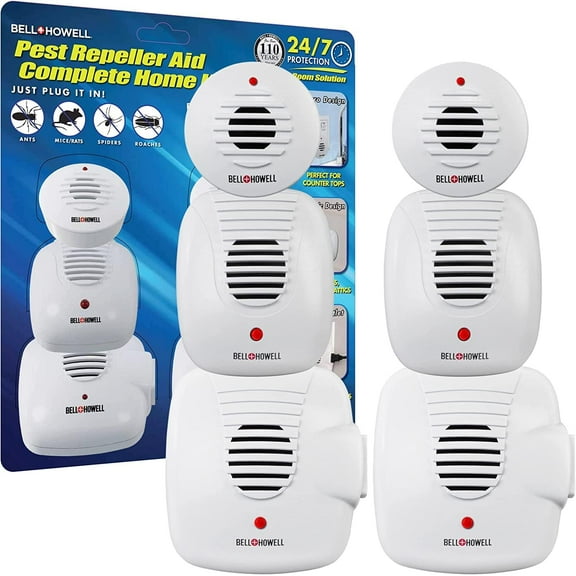
- You can use plug-in units when you want a low-touch setup in finished indoor spaces.
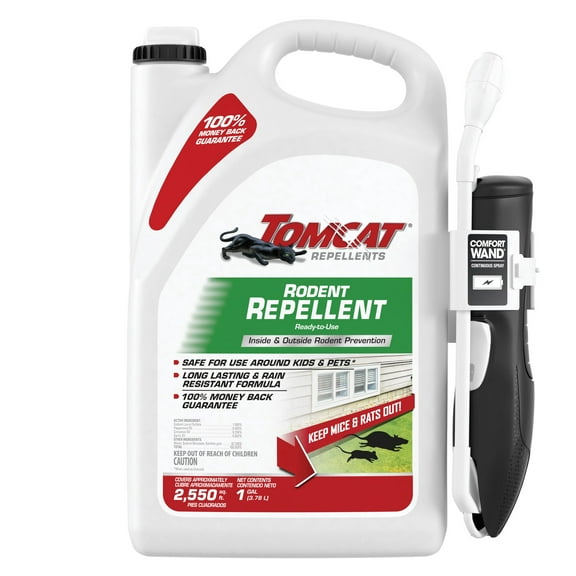
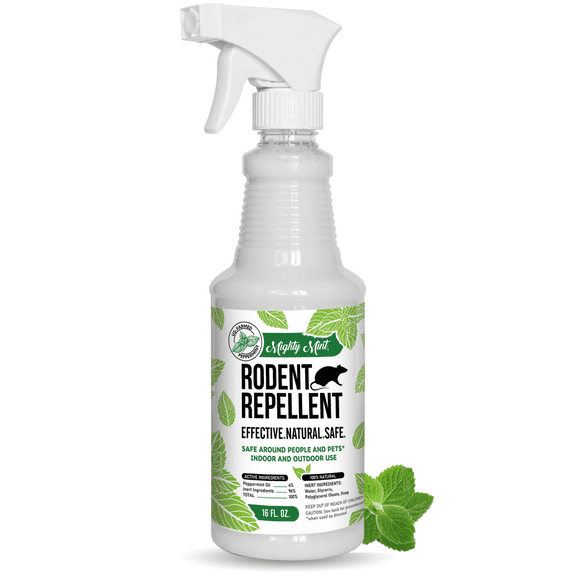
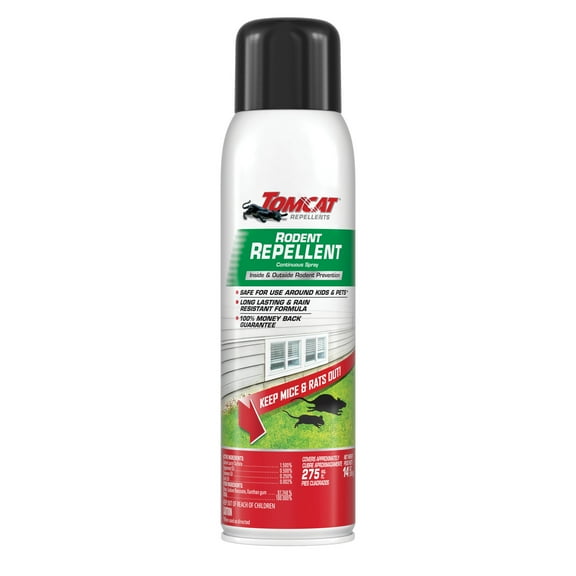
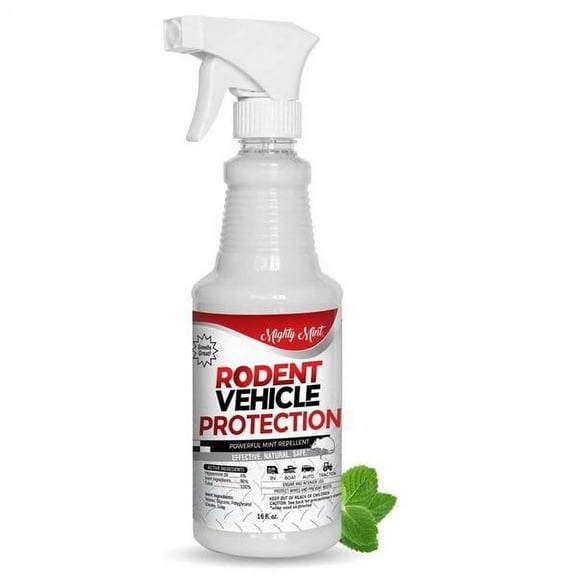
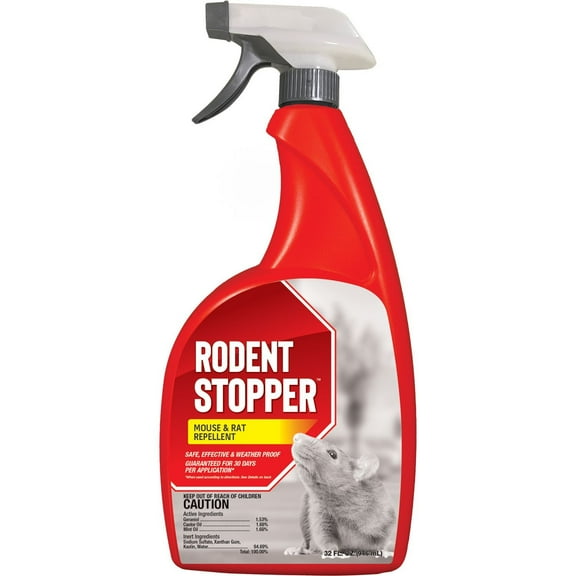
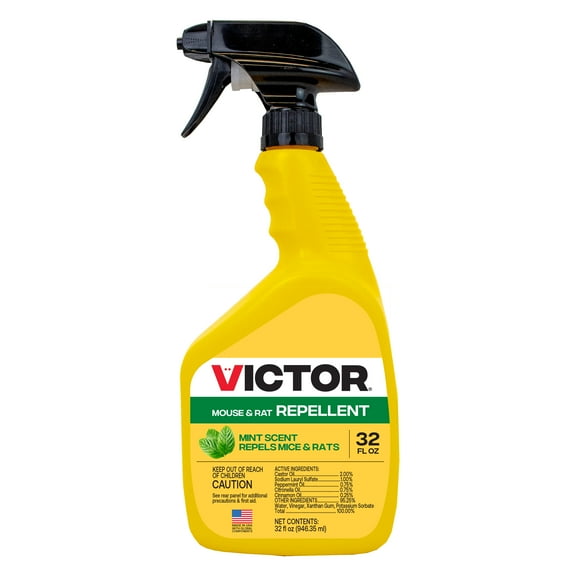
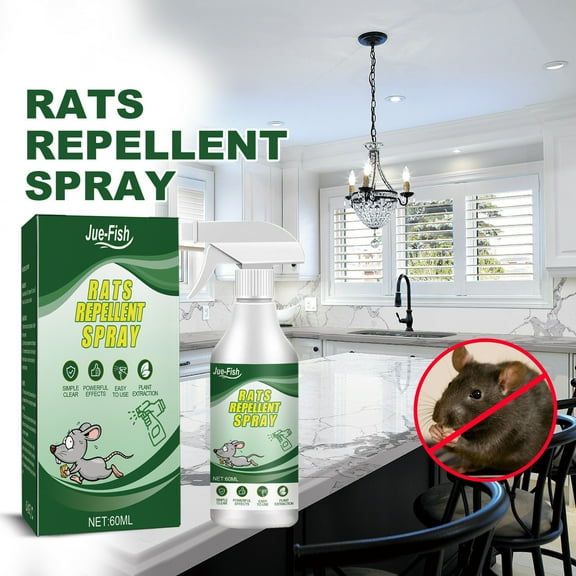
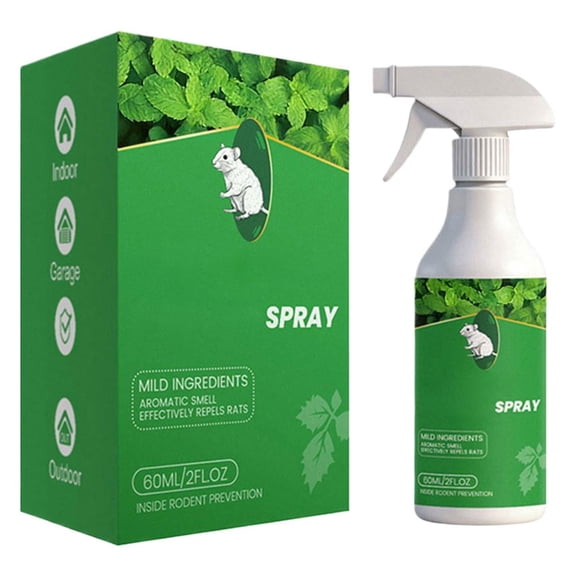
- You can choose sprays when you want direct application around door frames, cabinets, or garage edges.
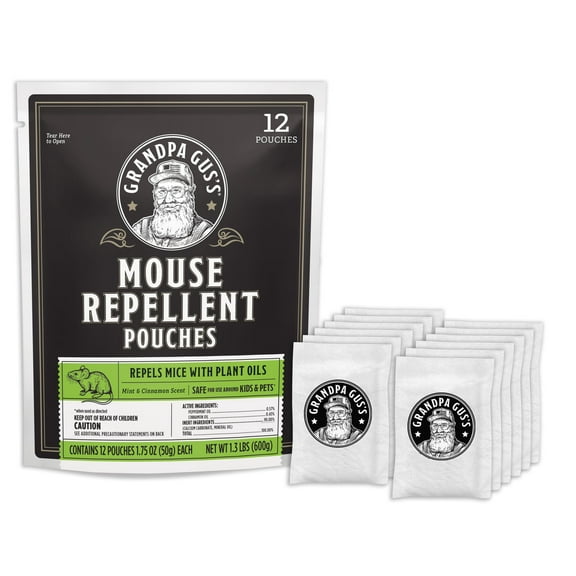
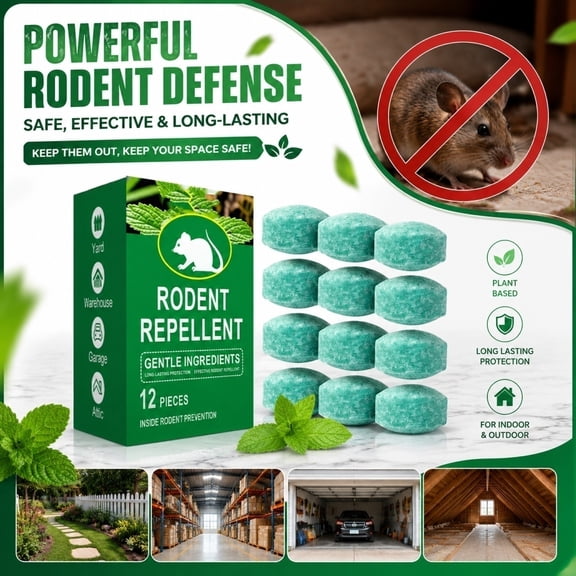
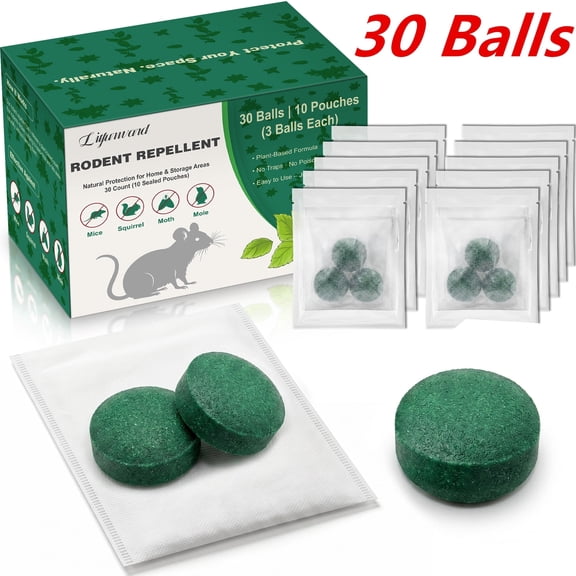
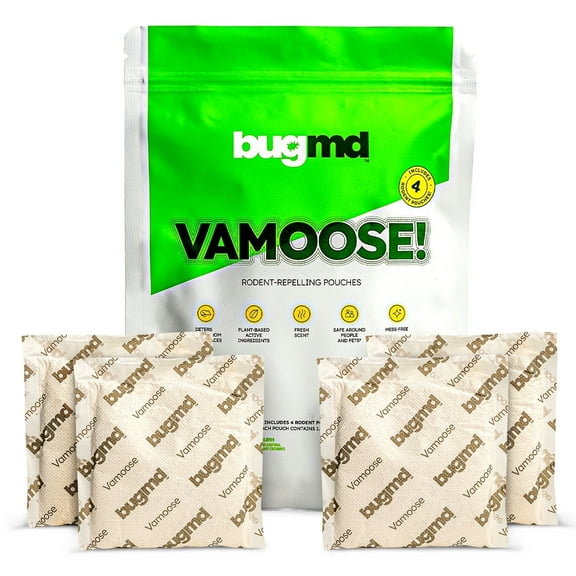
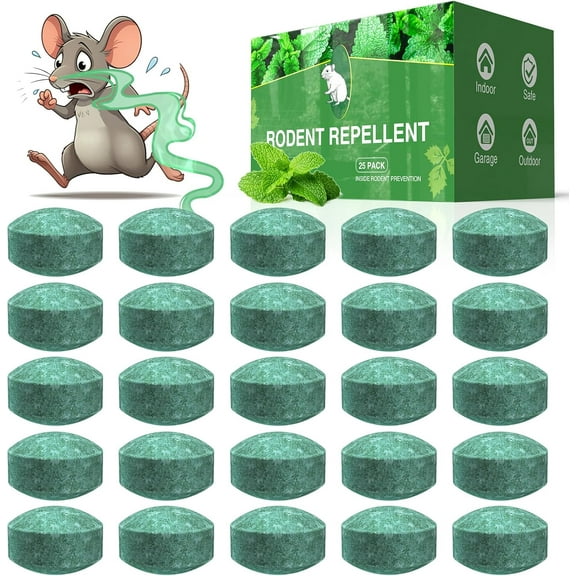
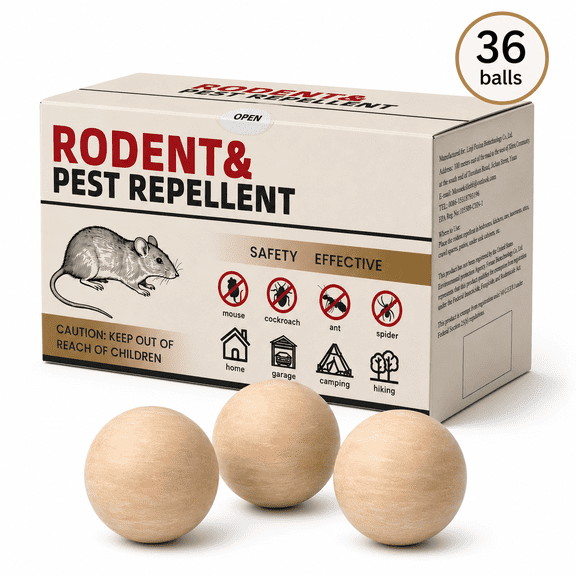
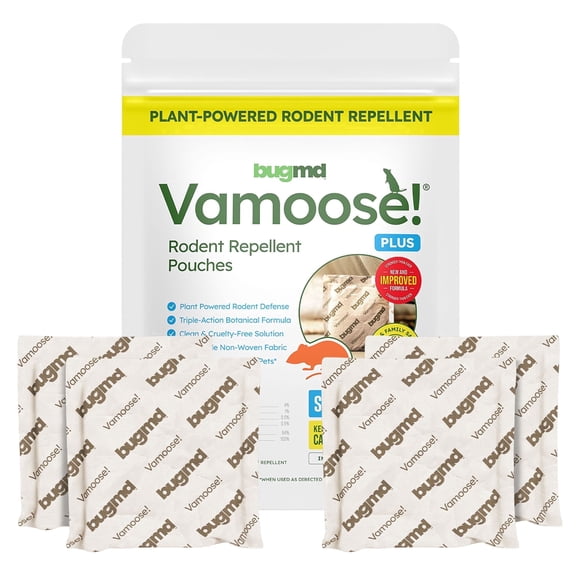
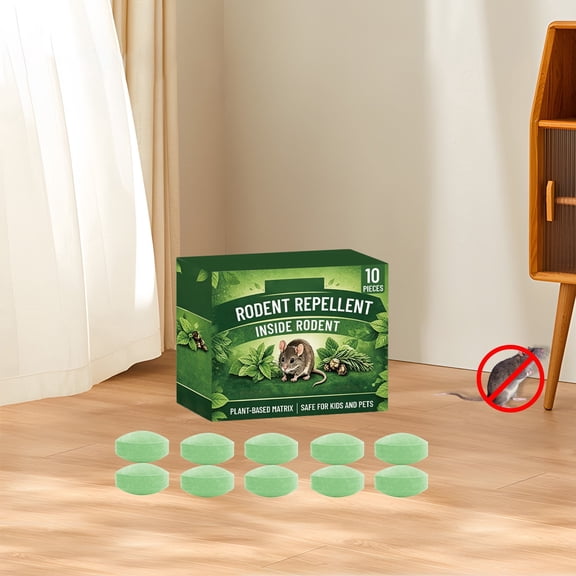
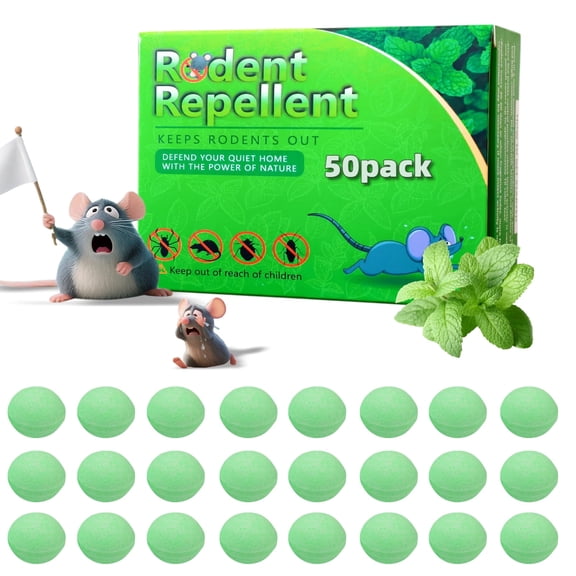
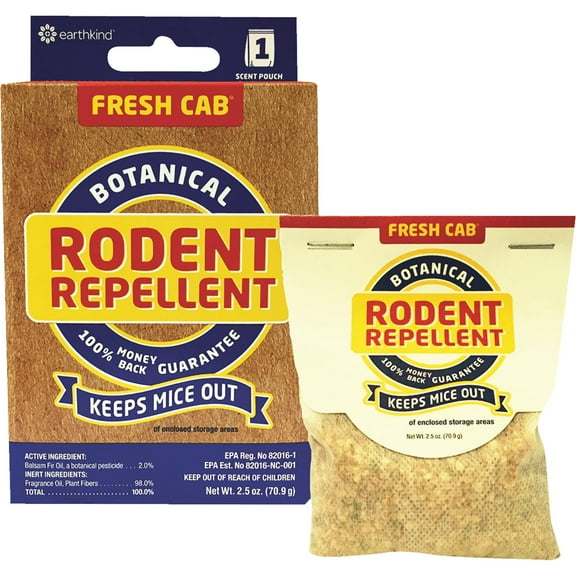
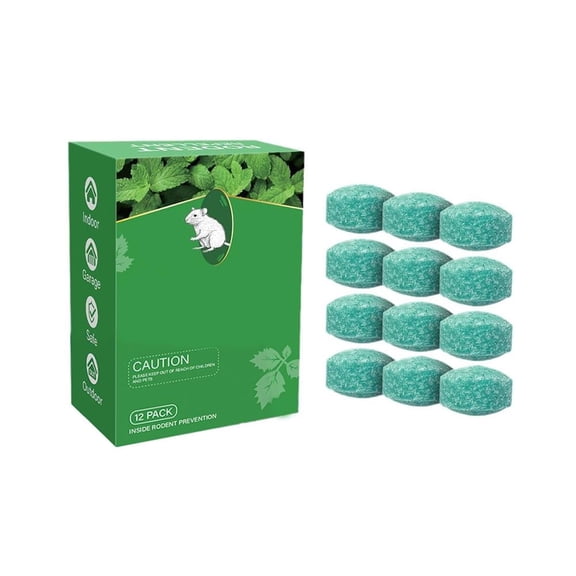
- You can place pellets or pouches when you want coverage in attics, sheds, bins, or parked vehicles.
- You can compare refill needs, scent strength, and placement limits before you commit to one format.
If you want prevention in several rooms, you may combine more than one format. You can place pouches in storage zones and use plug-ins where you spend time every day.
Choosing between natural mouse repellent and chemical formulas
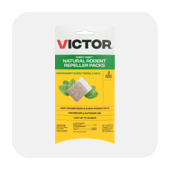
You should compare ingredients early because your household setup often shapes the right choice. You may look for a natural mouse repellent when your priority is a gentler scent profile and simpler everyday placement.
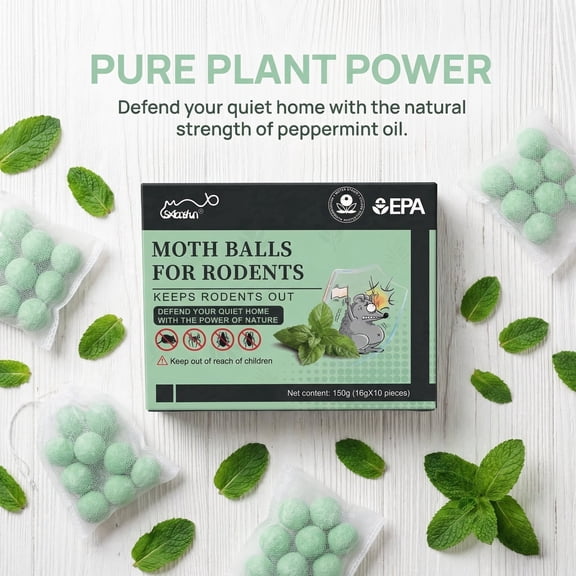
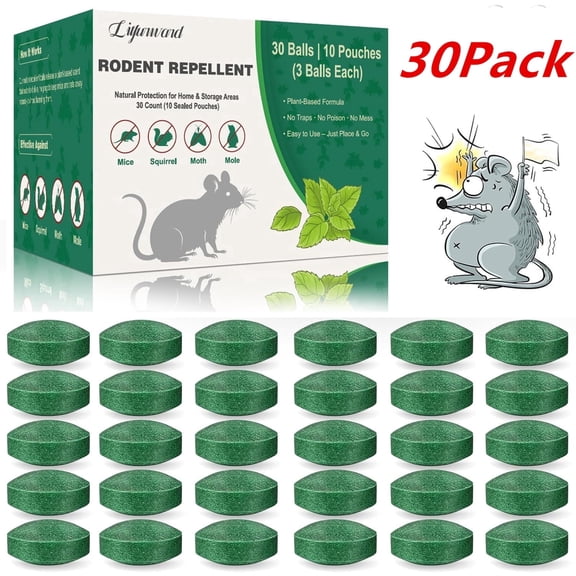
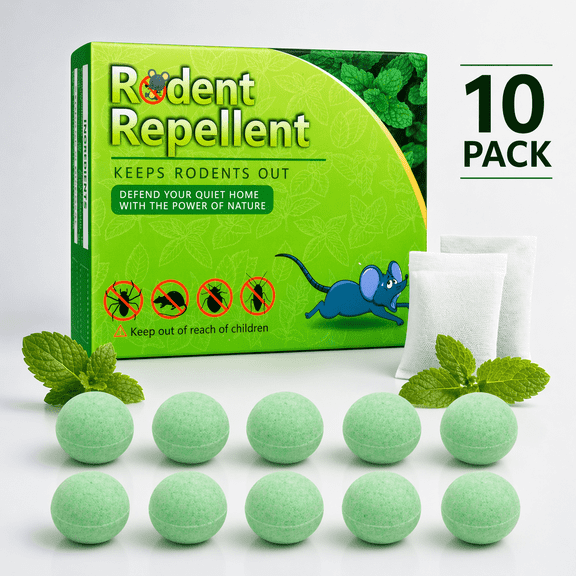
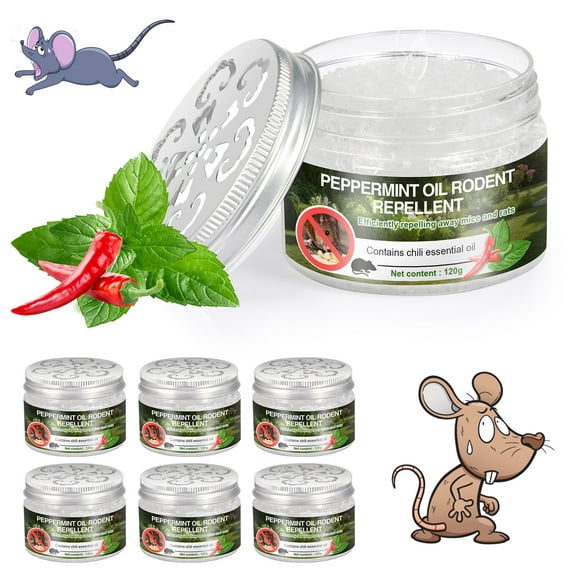
If you prefer plant-based options, you may choose a peppermint oil mouse repellent or blends with essential oils. You’ll usually notice a fresher scent, which can matter in kitchens, closets, and near living spaces.
When you compare chemical formulas, you should check the label directions for surfaces and locations. You can use that guidance to match the product to garages, perimeter areas, or less-frequented storage spots.
Your decision may also depend on who shares the space with you each day. You should review pet-safe, kid-safe, natural, and non-toxic language carefully, so your choice aligns with your household routine.
What to look for in indoor and outdoor mouse repellent
You should match your mouse repellent to the area you want to cover. You can use an indoor mouse repellent in kitchens, laundry rooms, basements, and hall closets where placement precision matters.
For larger utility spaces, you may want mouse repellent for garage shelves, workbenches, and door gaps. You can also compare options for attics, where tucked-away placement and longer-lasting coverage often matter.
If you need perimeter coverage, you should review outdoor mouse repellent formats made for exterior conditions. You can compare pellets, pouches, and sprays based on exposure, reapplication needs, and where you plan to place them.
Some shoppers also need coverage in tight mechanical spaces. You may look for options suited to a car engine area, where compact placement and scent control can matter.
Using mouse repellent for prevention and ongoing routines
You should think about whether you’re setting up a barrier or refreshing an existing routine. You can use repellents as part of prevention around entry points, storage boxes, and food-adjacent spaces.
If you’re focused on recurring activity, you should compare how often each format needs replacement or reapplication. You can often keep your routine simpler by checking label timing before you choose sprays, pellets, or pouches.
Your cleanup preferences can also guide your decision. You may prefer peppermint-scented options when you want a fresher-smelling area, or you may choose unscented formats for low-notice placement.
In garages and attics, you may want products that fit around seasonal bins, tools, and stored décor. In kitchens and laundry rooms, you may prefer compact options that stay easy to place and monitor.
Mouse repellent features that help you compare options
You should look closely at coverage area, refill schedule, and application method before you decide. You can compare plug-in reach, spray targeting, and pouch placement based on your layout.
Label details can help you avoid trial and error. You should check whether your product is intended for indoor use, outdoor use, or specific spaces like garages and attics.
If scent matters to you, you can compare peppermint oil, essential oil blends, and lower-odor formulas. You may also want packaging that stores neatly between applications, especially if you rotate products by season.
When you compare mouse repellent choices at Walmart, you can focus on the decisions that shape everyday use. You’ll get closer to the right fit when you match type, ingredient, location, and safety profile to your space.